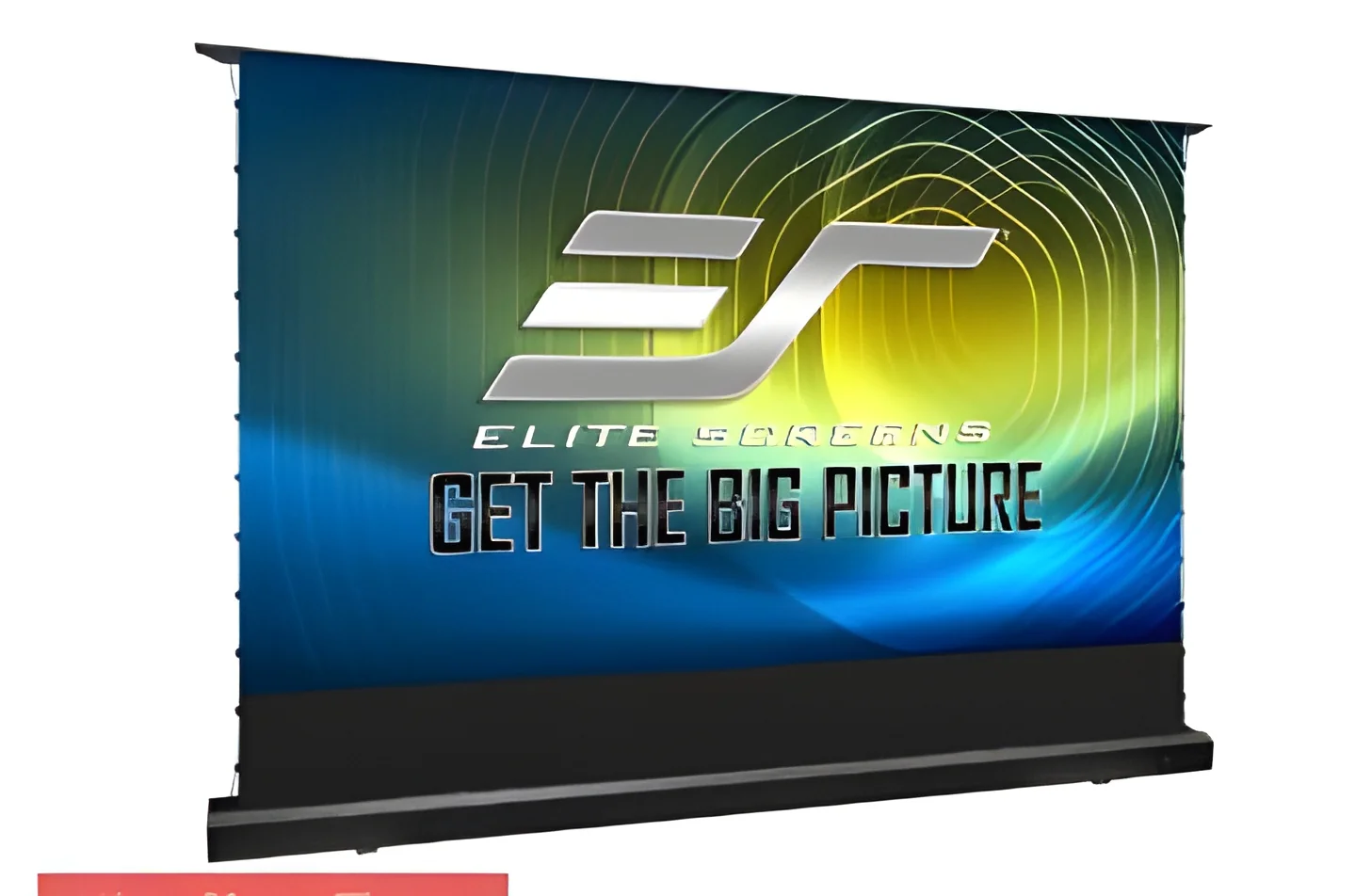
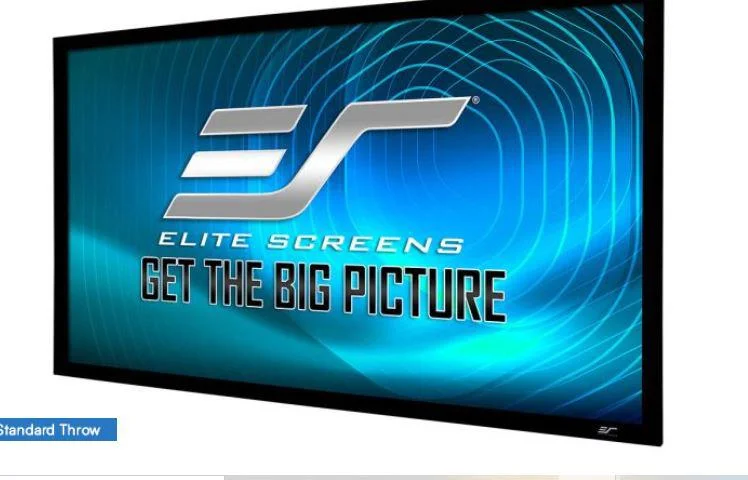
What are Projection Screens & Mounts?
Projection screens and mounts are essential components in visual display systems used to facilitate high-quality image projection. A projection screen is a surface designed to reflect the projected images from projectors, enhancing visibility and clarity. Mounts serve to securely hold these screens or projectors in place, allowing for optimal positioning and easy adjustments. These products are integral to creating effective visual presentations, whether in conference rooms, classrooms, or large venues.
The primary applications of projection screens and mounts are found in corporate environments, educational facilities, and entertainment venues. Businesses utilize them for presentations, training sessions, and meetings, while educational institutions rely on them for lectures and interactive learning. In the entertainment sector, projection screens are used in cinema and events to display content to large audiences. The demand for high-quality visual displays continues to grow, driven by advancements in technology and an increasing focus on effective communication in various industries.
In a competitive market, projection screens and mounts are critical for enhancing user experience and engagement. The industry is characterized by rapid technological advancements, leading to the development of innovative features such as motorized screens, customizable sizes, and portable options. As companies seek to improve their visual communication strategies, the relevance of these products remains significant.
Key Features and Specifications
When selecting projection screens and mounts, it is essential to consider their key features and specifications. These factors determine the performance and suitability of the products for various applications.
Key specifications include:
1. Screen Type
- Options include manual, electric, and portable screens.
- Screen materials vary from matte white to high-gain surfaces.
2. Aspect Ratio
- Common ratios are 4:3, 16:9, and 16:10.
- The choice depends on the intended content and projector compatibility.
3. Screen Size
- Available sizes typically range from 70 inches to over 200 inches diagonally.
- Larger screens are ideal for bigger audiences.
4. Mounting Options
- Includes ceiling, wall, and tripod mounts.
- The choice depends on the installation environment.
5. Gain Factor
- Indicates the reflectivity of the screen surface.
- Higher gain factors provide brighter images in well-lit environments.
6. Portability
- Some models are designed for easy transport and setup.
- Ideal for mobile presentations and events.
7. Installation Requirements
- Some screens require professional installation, while others are user-friendly.
- Consideration of space and setup time is crucial.
8. Warranty and Support
- Manufacturers often provide warranties for defects and support for installation.
- Evaluate the warranty duration and terms.
In summary, understanding these features and specifications will help businesses choose the right projection screens and mounts to meet their specific needs.
Common Applications and Use Cases
Projection screens and mounts are versatile products used across various industries.
1. Corporate Sector: In corporate environments, these products are essential for conducting presentations, training sessions, and video conferencing. High-quality screens enhance clarity and engagement during meetings.
2. Education: Schools and universities utilize projection screens for lectures and interactive learning. They facilitate better understanding and retention of information among students.
3. Entertainment: The entertainment industry employs projection screens in cinemas and live events to deliver immersive viewing experiences to audiences.
4. Healthcare: In medical training and patient education, projection screens aid in demonstrating complex procedures and information clearly.
5. Retail: Retailers use projection screens for advertising and product demonstrations to capture customer attention and enhance the shopping experience.
6. Government: Government agencies utilize these products for public presentations and community outreach programs, ensuring effective communication with citizens.
7. Hospitality: Hotels and event venues incorporate projection screens in conference rooms and banquet halls for business events and social gatherings.
Product Variants and Subcategories
Projection screens and mounts come in diverse variants tailored to meet specific needs.
Electric Projection Screens: These screens are motorized for easy operation and are ideal for permanent installations. They can be controlled via remote or wall switch, providing convenience and flexibility.
Manual Projection Screens: Featuring a pull-down mechanism, these screens are cost-effective and suitable for various settings. They are easy to set up and take down, making them perfect for temporary use.
Portable Projection Screens: Designed for mobility, these screens can be easily transported and set up in different locations. They are ideal for on-the-go presentations and events.
Fixed Frame Screens: These screens provide a sleek, professional appearance and are designed for permanent installations. They are ideal for home theaters and dedicated viewing rooms.
Benefits and Advantages
Investing in projection screens and mounts offers several benefits for businesses.
1. Enhanced Visual Experience: High-quality screens improve image clarity and brightness, resulting in better viewer engagement and understanding.
2. Versatility: With various sizes and types available, these products can be used in multiple settings, from corporate boardrooms to outdoor events.
3. Professional Appearance: Utilizing projection screens enhances the professionalism of presentations, making a positive impression on clients and stakeholders.
4. Ease of Use: Many modern screens come with user-friendly features such as remote controls and automatic setups, streamlining the presentation process.
5. Cost-Effectiveness: Investing in durable projection screens and mounts reduces the need for frequent replacements, providing long-term value.
6. Customization: Many manufacturers offer customizable options, allowing businesses to select screens that fit their specific requirements and branding.
Buying Guide for B2B Buyers
When sourcing projection screens and mounts, businesses should consider several key factors to ensure they make informed decisions.
1. Quality Assessment: Evaluate the product quality by examining materials, construction, and performance reviews. High-quality screens will provide better durability and visual performance.
2. Supplier Verification: Vet suppliers by checking their credentials, customer reviews, and industry experience. A reliable supplier will ensure consistent product quality and support.
3. Pricing and MOQ: Understand the price range for different types of screens and mounts. Inquire about minimum order quantities to align with budget and inventory needs.
4. Delivery and Lead Times: Discuss delivery timelines with suppliers to ensure timely procurement and avoid disruptions in presentations or events.
5. Compliance Requirements: Be aware of any regional compliance needs, including safety standards and certifications, to ensure that the products meet industry regulations.
Compliance and Certifications
Compliance and certifications are crucial for ensuring the safety and reliability of projection screens and mounts.
Manufacturers often adhere to quality standards such as ISO 9001, which ensures consistent quality management processes. These standards help guarantee that the products meet customer expectations and regulatory requirements.
Industry certifications like CE indicate compliance with European health, safety, and environmental protection standards. This certification is essential for products sold in European markets, ensuring they meet stringent safety criteria.
Safety and testing requirements are critical, especially for products intended for commercial use. Manufacturers typically conduct rigorous testing to ensure the durability and performance of their screens and mounts.
Regionally, compliance considerations may vary. Businesses should ensure that the products they source align with local regulations and standards to avoid potential legal issues.
Why Source Projection Screens & Mounts from Pepagora?
Pepagora provides a trusted platform for sourcing projection screens and mounts with several key advantages.
Verified Supplier Network: Pepagora boasts a network of verified suppliers, ensuring that buyers have access to high-quality products from reputable manufacturers. This verification process helps businesses make informed purchasing decisions.
Streamlined RFQ Process: The platform features a user-friendly request for quotation (RFQ) system, simplifying the procurement process. Buyers can easily compare offers, specifications, and prices from multiple suppliers, saving time and effort.
Trade Assurance and Support: Pepagora offers trade assurance, providing buyers with protection during transactions. This assurance gives businesses peace of mind when sourcing products, knowing they are supported throughout the process.
Regional Coverage: With a focus on markets in India, the GCC, and Southeast Asia, Pepagora offers extensive regional coverage. This geographic reach allows businesses to find local suppliers who understand market dynamics and can meet specific needs efficiently.
By choosing Pepagora, businesses can confidently source projection screens and mounts that enhance their visual display capabilities and overall presentation quality.

 IN
IN