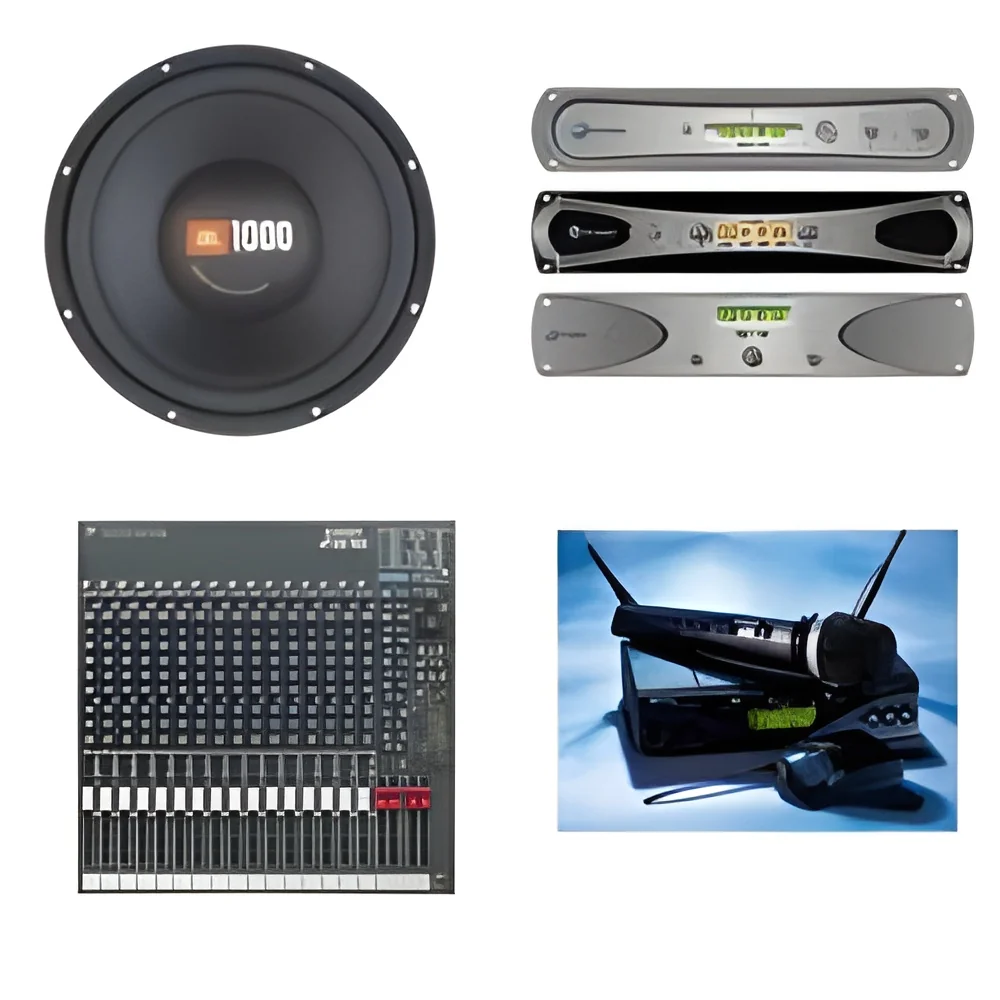
What are Stage Control Consoles?
Stage control consoles are essential devices used for managing and coordinating various aspects of live performances, events, and productions. These consoles serve as the central point for operators to control lighting, sound, video, and other multimedia elements, ensuring a seamless experience for audiences and performers alike. Typically equipped with a range of dials, buttons, and screens, they enable precise adjustments and real-time monitoring of performance parameters.
The primary uses of stage control consoles span across multiple sectors, including theater, concerts, corporate events, and broadcasting. They are designed to facilitate quick changes and adjustments during live performances, allowing operators to respond swiftly to any unforeseen issues. The technology behind these consoles continues to evolve, integrating advanced features that enhance usability and functionality, making them indispensable in modern event production.
In terms of industry relevance, stage control consoles play a pivotal role in the entertainment and events industry. With an increasing demand for high-quality productions, the market for these consoles has expanded significantly. Companies are investing in more sophisticated models to keep up with audience expectations, making stage control consoles a crucial component in the production toolkit.
Key Features and Specifications
Stage control consoles come with various features and specifications tailored to meet the diverse needs of users. These devices are designed to offer flexibility, reliability, and ease of use in demanding environments.
Key specifications include:
1. Control Interface
- Comprehensive layout including faders, knobs, and touchscreens
- User-friendly design for quick access to essential functions
2. Compatibility
- Support for multiple protocols (DMX, MIDI, etc.)
- Integration with various audio and visual equipment
3. Channel Capacity
- Varies from small models with a few channels to extensive systems supporting hundreds
- Allows for greater control over multiple devices simultaneously
4. Memory and Storage
- Capable of saving multiple scenes and settings for quick recall
- Onboard memory to store extensive programming and built-in presets
5. Network Connectivity
- Options for wired and wireless networking capabilities
- Facilitates remote control and monitoring from other devices
6. Power Requirements
- Typically powered by AC sources with backup options available
- Energy-efficient designs to minimize operational costs
7. Build Quality
- Rugged construction for durability in live environments
- Lightweight options available for ease of transport
8. Safety Features
- Compliance with safety standards to ensure user protection
- Emergency shut-off mechanisms integrated into the design
The combination of these specifications makes stage control consoles versatile tools suited for various applications in the entertainment sector.
Common Applications and Use Cases
Stage control consoles serve multiple industries, reflecting their versatility and importance.
1. Live Theater: These consoles manage lighting and sound cues, allowing for dynamic storytelling and immersive experiences.
2. Concerts and Festivals: They are essential for coordinating complex audio-visual elements, ensuring performances are seamless and engaging.
3. Corporate Events: Used for presentations and product launches, stage control consoles help create a professional atmosphere with precise technical management.
4. Broadcasting: In television and radio, they facilitate live broadcasts by controlling audio levels and video feeds, ensuring broadcast quality.
5. House of Worship: These consoles manage sound and lighting during services, enhancing the worship experience for congregations.
6. Trade Shows: They provide control over multimedia presentations, helping exhibitors showcase their products effectively.
7. Film Productions: Used in both pre-production and live shoots, they manage lighting and sound to achieve the desired cinematic effects.
Product Variants and Subcategories
Stage control consoles are available in various configurations to meet specific operational needs.
Compact Consoles: These models are designed for smaller venues or events, featuring a streamlined interface while still providing essential control features. They are easy to transport and set up.
Professional Consoles: Ideal for large productions, these consoles offer extensive channel support, advanced features, and high levels of customization. They are built for durability and performance in demanding environments.
Digital Consoles: These use digital signal processing for audio and video management, providing high-quality output and advanced features such as automation and remote access.
Analog Consoles: While less common in modern productions, some users prefer analog consoles for their simplicity and tactile feedback during performances. They are valued for specific applications requiring less complexity.
Benefits and Advantages
Investing in stage control consoles offers significant advantages for businesses in the entertainment industry.
1. Enhanced Control: Operators can manage multiple elements simultaneously, allowing for intricate performances that captivate audiences.
2. Improved Efficiency: Quick access to stored settings and scenes streamlines the setup process, saving time and reducing stress during events.
3. Flexibility: The ability to customize and adapt settings on the fly allows for creative freedom and responsiveness to live performance needs.
4. Reliability: High-quality consoles are designed to withstand the rigors of live events, ensuring consistent performance and minimizing technical failures.
5. Integration Capabilities: Compatibility with various equipment and protocols allows for a cohesive production environment, enhancing overall event quality.
6. User-Friendly Design: Intuitive interfaces reduce the learning curve for new operators, making it easier to train staff and enhance team productivity.
Buying Guide for B2B Buyers
When sourcing stage control consoles, buyers should consider several critical factors to ensure they choose the right equipment for their needs.
1. Quality Assessment: Evaluate the build quality and reliability of the console. Look for reputable brands with proven performance in live environments.
2. Supplier Verification: Vet suppliers by checking references and reviews. Ensure they have a track record of delivering quality products and support.
3. Pricing and MOQ: Understand the pricing structure and minimum order quantities. Compare costs across suppliers to ensure you get the best value.
4. Delivery and Lead Times: Consider logistics and delivery schedules. Ensure the supplier can meet your deadlines, especially for time-sensitive events.
5. Compliance Requirements: Be aware of any regulatory standards applicable to stage control consoles in your region. Verify that the products meet necessary certifications.
Compliance and Certifications
Stage control consoles must adhere to relevant quality standards and industry certifications to ensure safety and reliability.
Many manufacturers comply with ISO 9001 standards, which outline effective quality management systems. This ensures that products meet customer expectations and regulatory requirements consistently.
Additionally, stage control consoles may bear the CE mark, indicating compliance with European health, safety, and environmental protection standards. This certification assures users that the product has undergone rigorous testing and meets EU safety regulations.
Safety testing requirements are crucial for these devices, especially in live event settings where technical failures can lead to safety hazards. Manufacturers typically conduct thorough testing to ensure reliability and performance under various conditions.
Regional compliance considerations may vary, so it is essential for buyers to confirm that their selected stage control consoles adhere to local regulations and standards.
Why Source Stage Control Consoles from Pepagora?
Pepagora provides a trusted platform for sourcing stage control consoles, offering several key advantages for businesses in the entertainment industry.
The verified supplier network ensures that buyers have access to reputable manufacturers and distributors. This network is built on trust and reliability, minimizing the risk of sourcing inferior products.
The streamlined RFQ process simplifies procurement, allowing buyers to request quotes from multiple suppliers quickly. This efficiency helps businesses make informed purchasing decisions while saving time and effort.
Trade assurance and support further enhance the sourcing experience. Pepagora offers buyer protection, ensuring that transactions are secure and that any issues that arise are addressed promptly.
With regional coverage across India, the GCC, and Southeast Asia, Pepagora connects buyers with suppliers in key markets. This geographic reach facilitates access to a diverse range of stage control consoles tailored to various operational needs.

 IN
IN