𝗪𝗵𝗮𝘁 𝗮𝗿𝗲 𝗦𝗺𝗮𝗿𝘁 𝗛𝗼𝗺𝗲 𝗗𝗲𝘃𝗶𝗰𝗲𝘀?
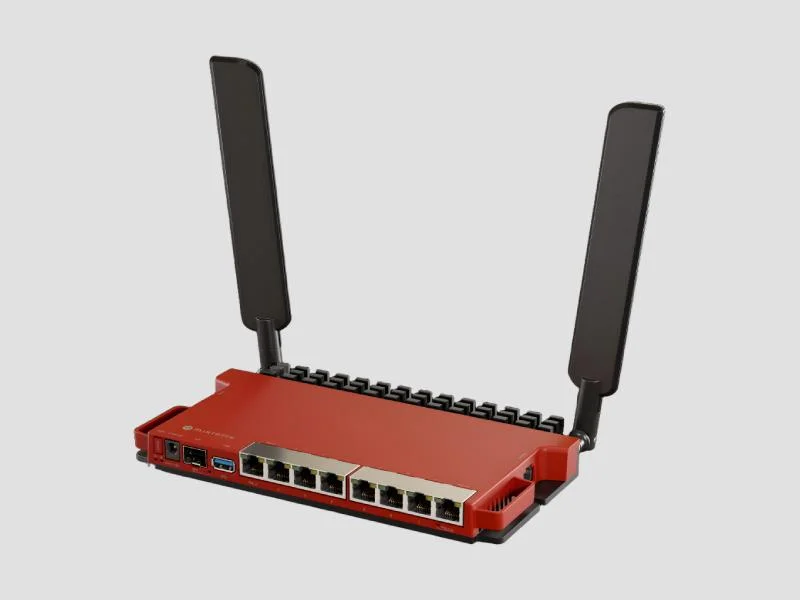
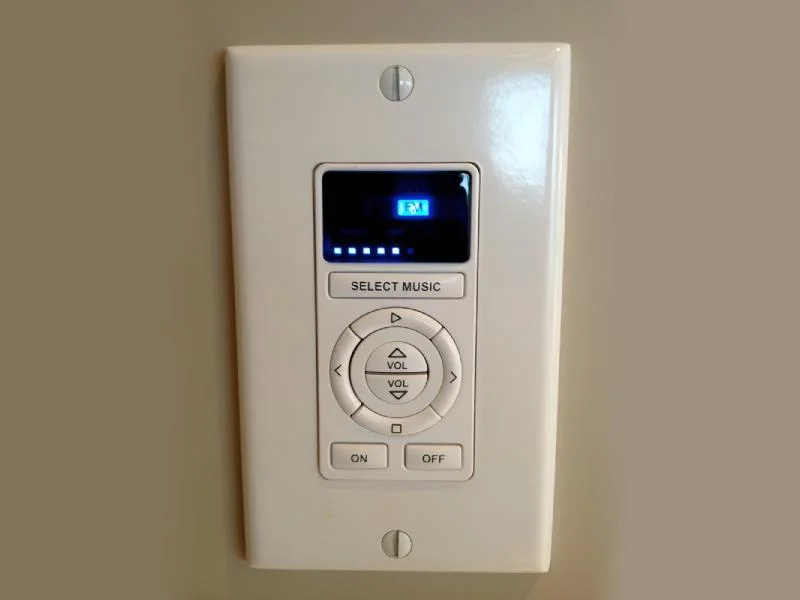
Smart home devices are electronic gadgets that connect to a home network to enable remote management and monitoring through smartphones or other connected devices. These devices can automate various household functions, ranging from lighting and climate control to security systems and appliances. By integrating advanced technology, smart home devices enhance convenience, efficiency, and safety for users.
The primary uses of smart home devices include energy management, security enhancement, and home automation. Businesses can integrate these devices into their operations to improve energy efficiency, reduce operational costs, and enhance customer experiences. As industries increasingly adopt smart technology, smart home devices are becoming vital for both residential and commercial applications, leading to a growing market trend toward smart living solutions.
In terms of industry relevance, the market for smart home devices is experiencing significant growth. With an increasing emphasis on energy efficiency and sustainability, many businesses are investing in smart technology to meet consumer demands. The trend is not only limited to homes but also extends to commercial spaces, where smart devices can help manage resources effectively.
𝗞𝗲𝘆 𝗙𝗲𝗮𝘁𝘂𝗿𝗲𝘀 𝗮𝗻𝗱 𝗦𝗽𝗲𝗰𝗶𝗳𝗶𝗰𝗮𝘁𝗶𝗼𝗻𝘀
Smart home devices come with a variety of features designed to enhance usability and functionality. These features often include connectivity options, automation capabilities, and user-friendly interfaces. Understanding the specifications of these devices is essential for businesses looking to implement smart technology.
Key specifications include:
1. Connectivity Options
- Smart home devices typically support Wi-Fi, Bluetooth, or Zigbee connections.
- These options allow for seamless integration with existing home networks.
2. Automation Capabilities
- Many devices offer programmable settings for scheduling and remote control.
- Users can set routines to automate daily tasks, enhancing convenience.
3. Energy Monitoring
- Some devices provide energy consumption insights to help users manage usage efficiently.
- This feature contributes to sustainability efforts by tracking energy savings.
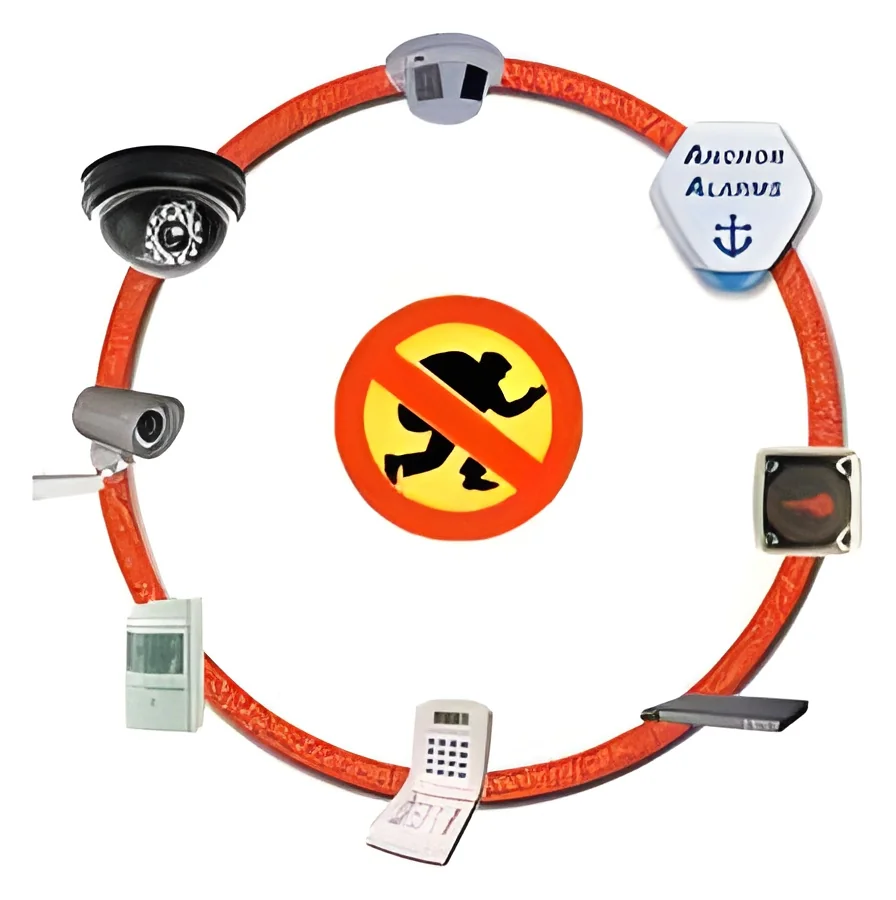
4. Security Features
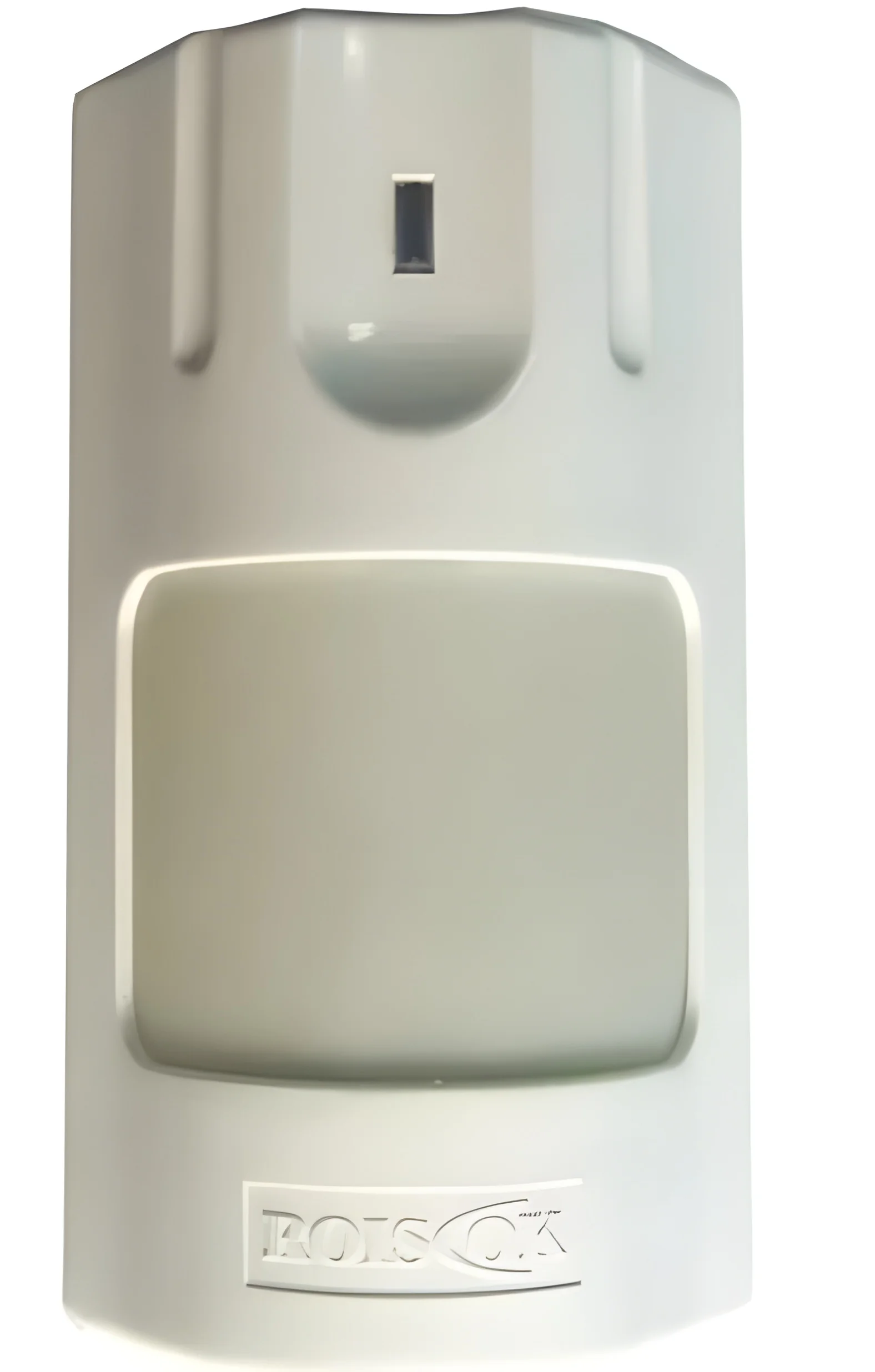
- Devices often include built-in cameras, motion sensors, and alarms.
- These features enhance home security and enable real-time monitoring.
5. Compatibility
- Many smart home devices are designed to work with popular smart assistants like Amazon Alexa or Google Assistant.
- This compatibility improves the user experience through voice commands.
6. User Interface
- Most devices include mobile applications for easy control and monitoring.
- Intuitive interfaces enhance user engagement and satisfaction.
7. Installation Requirements
- Some devices offer simple plug-and-play installation, while others may require professional setup.
- Understanding installation needs is crucial for efficient implementation.
8. Power Source
- Smart home devices can be battery-operated or require a direct power source.
- Knowing the power requirements helps in planning for long-term usability.
In summary, smart home devices are equipped with various features and specifications that cater to different needs. Understanding these specifications helps businesses choose the right devices for their applications.
𝗖𝗼𝗺𝗺𝗼𝗻 𝗔𝗽𝗽𝗹𝗶𝗰𝗮𝘁𝗶𝗼𝗻𝘀 𝗮𝗻𝗱 𝗨𝘀𝗲 𝗖𝗮𝘀𝗲𝘀
Smart home devices serve numerous industries with applications that enhance efficiency and user experience.
1. Residential Homes: Smart devices are widely used in homes for automation of lighting, heating, and security systems, allowing homeowners to manage their environment effectively.
2. Hospitality Industry: Hotels utilize smart technology for room automation, providing guests with personalized experiences and improving energy management.
3. Retail Sector: Retailers implement smart devices for inventory management, customer engagement, and security monitoring, enhancing operational efficiency.
4. Healthcare: Smart home devices assist in remote patient monitoring, enabling healthcare providers to track patients' health conditions and respond promptly.
5. Real Estate: Smart technology adds value to properties, attracting buyers and tenants looking for modern amenities and energy-efficient solutions.
6. Education: Schools and universities use smart devices to enhance learning environments through automated lighting, climate control, and security systems.
7. Agriculture: Smart home technologies are employed in agriculture for monitoring environmental conditions, optimizing resource usage, and improving crop yields.
In conclusion, the versatility of smart home devices allows them to be applied across various industries, enhancing operational efficiency and user experiences.
𝗣𝗿𝗼𝗱𝘂𝗰𝘁 𝗩𝗮𝗿𝗶𝗮𝗻𝘁𝘀 𝗮𝗻𝗱 𝗦𝘂𝗯𝗰𝗮𝘁𝗲𝗴𝗼𝗿𝗶𝗲𝘀
Smart home devices come in various forms, each designed to meet specific needs and applications. This diversity allows businesses to select products that align with their operational requirements.
Smart Bulbs
These are energy-efficient lighting solutions that can be controlled remotely. Smart bulbs allow users to adjust brightness and color and can be integrated into automated lighting systems for homes and businesses.
Smart Thermostats
Smart thermostats enable users to control heating and cooling systems remotely. They learn user preferences over time, helping to optimize energy use and reduce costs.
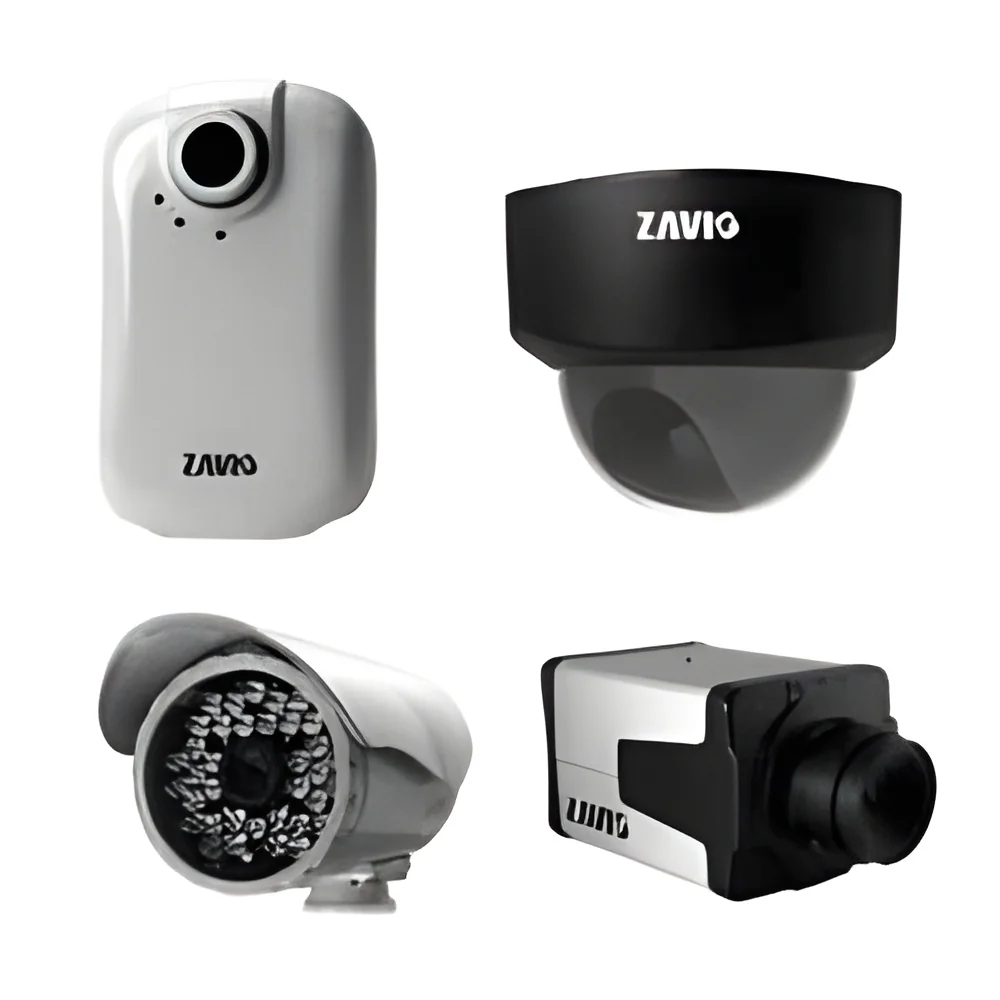
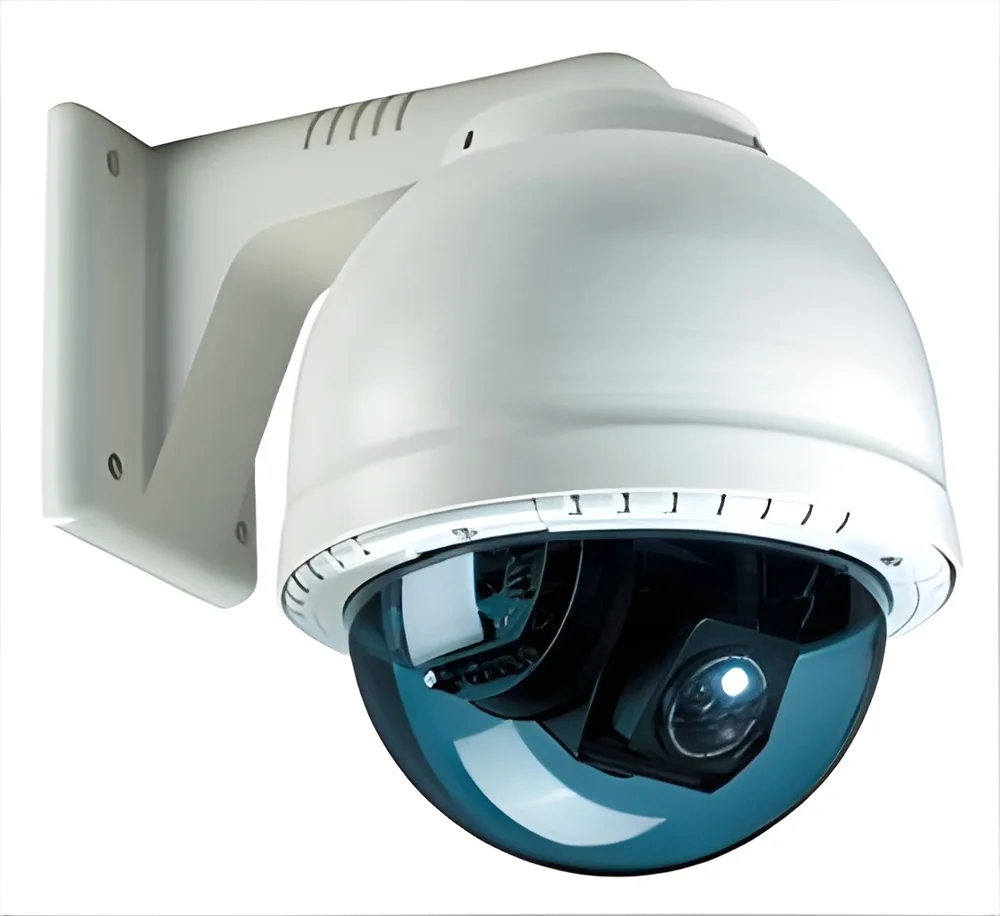
Smart Security Cameras
These devices provide real-time monitoring and alerts for security purposes. They can be accessed remotely via mobile apps, ensuring users can keep an eye on their properties from anywhere.
Smart Plugs
Smart plugs allow users to control any device plugged into them remotely. They can be used to automate everyday appliances, providing an easy entry point into smart home technology.
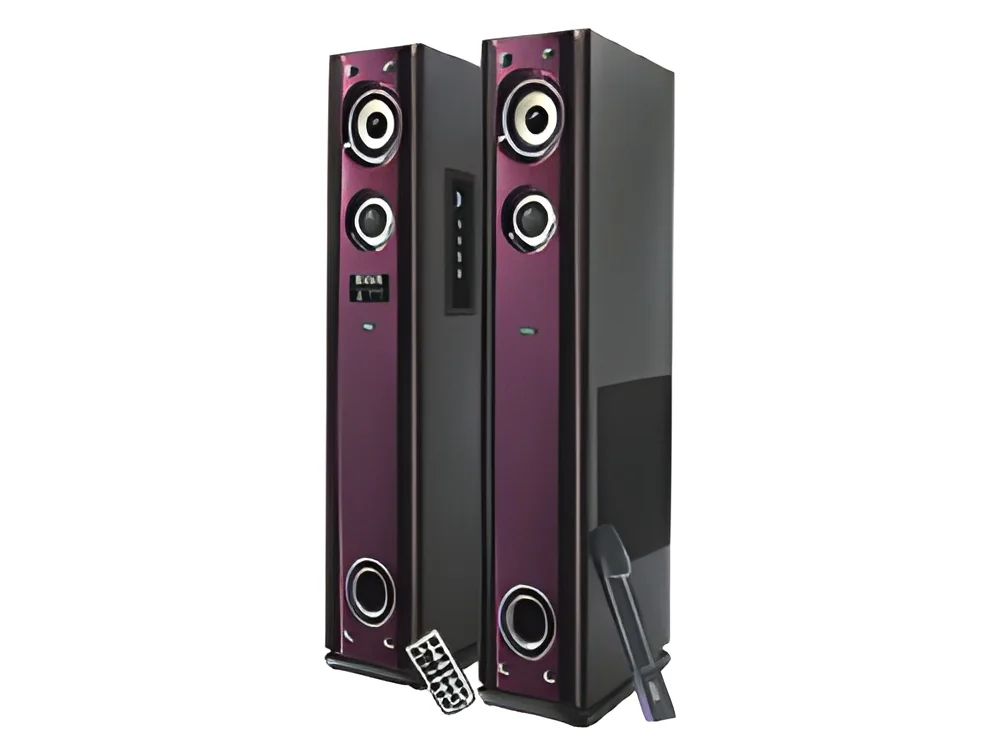
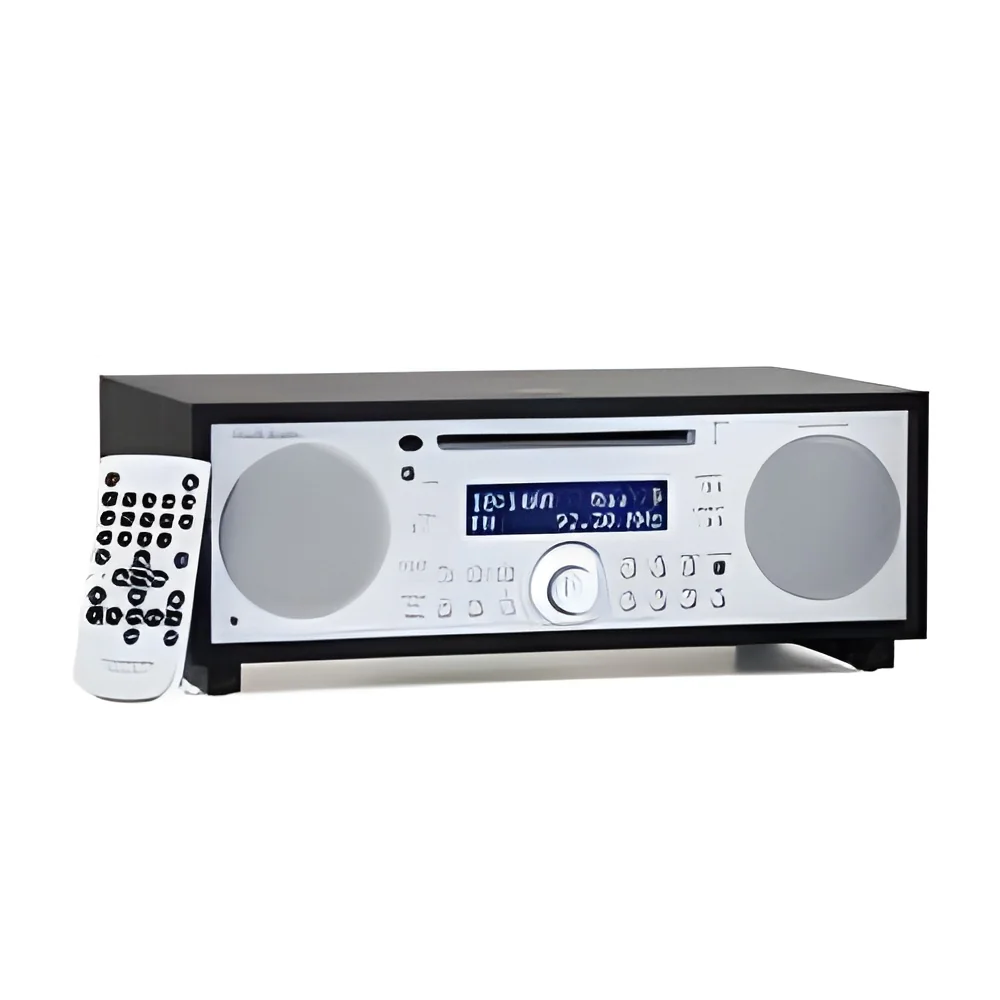
Smart Speakers
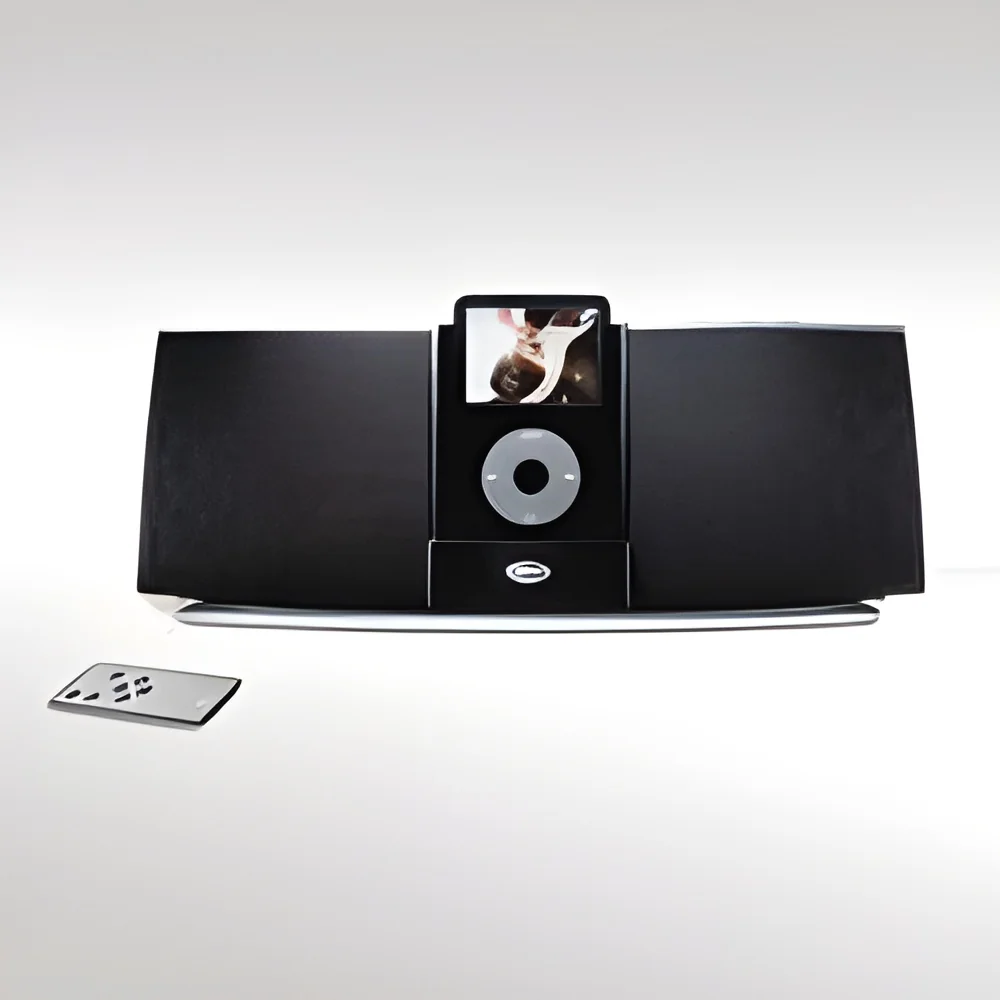
Smart speakers integrate voice control with various functions, from playing music to controlling other smart devices. They act as central hubs for managing smart home systems.
𝗕𝗲𝗻𝗲𝗳𝗶𝘁𝘀 𝗮𝗻𝗱 𝗔𝗱𝘃𝗮𝗻𝘁𝗮𝗴𝗲𝘀
The implementation of smart home devices brings numerous benefits to businesses and consumers alike.
Key benefits include:
1. Increased Energy Efficiency: Smart devices help monitor and optimize energy consumption, leading to reduced utility costs.
2. Enhanced Security: With features like real-time monitoring and alerts, smart security devices improve safety for homes and businesses.
3. Greater Convenience: Automation capabilities allow users to manage their environments effortlessly, saving time and effort.
4. Improved Resource Management: Businesses can utilize smart technology to track and manage resources more effectively, leading to operational improvements.
5. Customizable Solutions: Smart home devices can be tailored to meet specific needs, allowing for personalized user experiences.
6. Future-Proofing: Investing in smart technology prepares businesses for future advancements and trends in automation and connectivity.
In conclusion, the advantages of smart home devices extend beyond convenience, offering significant operational and cost benefits to users.
𝗕𝘂𝘆𝗶𝗻𝗴 𝗚𝘂𝗶𝗱𝗲 𝗳𝗼𝗿 𝗕𝟮𝗕 𝗕𝘂𝘆𝗲𝗿𝘀
When sourcing smart home devices for business applications, it is essential to ensure that you make informed decisions.
When sourcing Smart Home Devices, consider the following factors:
1. Quality Assessment: Evaluate the quality of devices by reviewing specifications, user reviews, and reliability ratings. Reliable products ensure long-term performance and customer satisfaction.
2. Supplier Verification: Vet suppliers thoroughly to ensure they have a proven track record and adhere to industry standards. This step is crucial for establishing trust and ensuring product quality.
3. Pricing and MOQ: Understand pricing structures and minimum order quantities (MOQ) from suppliers. This information helps in budgeting and meeting operational needs.
4. Delivery and Lead Times: Inquire about delivery schedules and lead times. Timely delivery is essential for maintaining operational continuity and meeting project deadlines.
5. Compliance Requirements: Ensure that devices meet relevant regulatory standards and certifications. Compliance with local and international regulations is vital for successful implementation.
𝗖𝗼𝗺𝗽𝗹𝗶𝗮𝗻𝗰𝗲 𝗮𝗻𝗱 𝗖𝗲𝗿𝘁𝗶𝗳𝗶𝗰𝗮𝘁𝗶𝗼𝗻𝘀
Smart home devices must adhere to various quality standards and certifications to ensure safety and reliability.
Relevant quality standards such as ISO 9001 outline requirements for effective quality management systems. Ensuring compliance with these standards helps manufacturers maintain consistent quality and customer satisfaction.
Industry certifications like CE (Conformité Européenne) indicate that products meet European safety and performance standards. This certification is crucial for accessing markets in Europe and demonstrating product reliability.
Safety and testing requirements are also essential for smart home devices. Manufacturers must conduct thorough testing to ensure devices do not pose risks to users or property.
Additionally, regional compliance considerations may vary. It is important to understand the specific regulations applicable in different markets to ensure successful product deployment.
𝗪𝗵𝘆 𝗦𝗼𝘂𝗿𝗰𝗲 𝗦𝗺𝗮𝗿𝘁 𝗛𝗼𝗺𝗲 𝗗𝗲𝘃𝗶𝗰𝗲𝘀 𝗳𝗿𝗼𝗺 𝗣𝗲𝗽𝗮𝗴𝗼𝗿𝗮?
Pepagora provides a trusted platform for sourcing smart home devices, offering several key advantages to B2B buyers.
Verified Supplier Network: Pepagora connects businesses with a network of verified suppliers, ensuring that buyers can source high-quality products from reputable manufacturers. This verification process builds trust and reduces risks in procurement.
Streamlined RFQ Process: The platform features a streamlined Request for Quotation (RFQ) system, allowing buyers to easily request quotes from multiple suppliers. This efficiency helps businesses make informed decisions and secure competitive pricing.
Trade Assurance and Support: Pepagora offers trade assurance and support services to protect buyers throughout the purchasing process. This support ensures that transactions are secure and that buyers can resolve any issues that may arise.
Regional Coverage: With a strong presence in regions such as India, the GCC, and Southeast Asia, Pepagora provides extensive geographic reach. This coverage allows businesses to access a wide array of smart home devices tailored to their specific market needs.
In conclusion, sourcing smart home devices through Pepagora enables businesses to benefit from a reliable supplier network, efficient procurement processes, and comprehensive support, making it an ideal choice for B2B buyers.

 IN
IN



 India
India