What are Smart TVs?
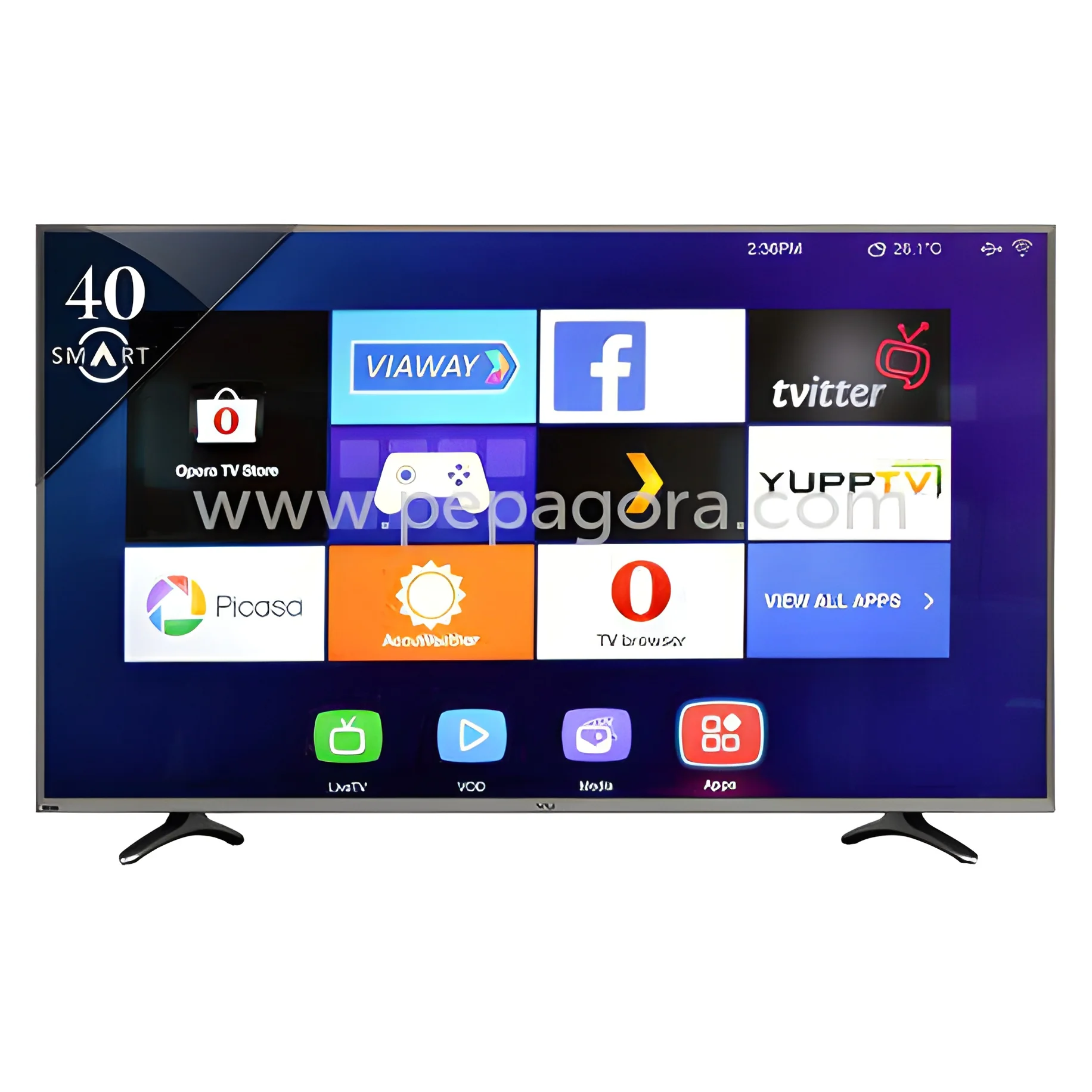
Smart TVs are advanced television sets that integrate internet connectivity and interactive features, allowing users to access a wide range of online content and applications. Unlike traditional TVs, Smart TVs enable streaming of movies, shows, and music directly through various apps, making it easy for users to enjoy entertainment without needing external devices. They often come equipped with built-in web browsers and support for various streaming services, enhancing the viewing experience.
In business environments, Smart TVs are commonly used for presentations, digital signage, and remote collaboration. They offer a versatile platform for displaying multimedia content in corporate meetings, educational institutions, and public venues. By connecting to the internet or local networks, these devices can showcase live data, promotional videos, and interactive presentations, making them valuable tools for communication and engagement.
The market for Smart TVs has grown significantly, driven by advancements in technology and increasing consumer demand for connected devices. As more businesses recognize the benefits of incorporating Smart TVs into their operations, the industry continues to evolve, with new features and capabilities being introduced regularly. This growth reflects not only a shift in consumer behavior but also the expanding role of digital media in business strategies.
Key Features and Specifications
Smart TVs come equipped with a variety of cutting-edge features designed to enhance user experience and functionality. Understanding these specifications is crucial for businesses looking to invest in Smart TVs.
Key specifications include:
1. Display Technology
- Common technologies include LED, OLED, and QLED.
- Screen sizes typically range from 32 inches to over 85 inches.
2. Resolution
- Standard resolutions include Full HD (1920 x 1080), 4K (3840 x 2160), and 8K (7680 x 4320).
- Higher resolutions provide clearer and more detailed images.
3. Operating System
- Popular operating systems include Android TV, Tizen, and webOS.
- The OS affects app compatibility and user interface.
4. Connectivity Options
- Common connectivity features include Wi-Fi, Ethernet, HDMI, and USB ports.
- Multiple HDMI ports allow for connecting various devices.
5. Smart Features
- Voice control capabilities and compatibility with smart home devices.
- Access to various streaming services and applications.
6. Audio Quality
- Integrated speakers may vary in quality, with options for Dolby Atmos support.
- Some models offer external audio system compatibility.
7. Energy Efficiency
- Energy ratings can help determine the power consumption of the TV.
- Look for models with Energy Star certification.
8. Price Range
- Prices can vary widely based on size, features, and brand.
- Typical price range for commercial-grade Smart TVs is from $300 to $3,000.
In summary, Smart TVs offer a blend of innovative features and specifications that cater to both consumer and business needs. Evaluating these specifications helps organizations make informed purchasing decisions.
Common Applications and Use Cases
Smart TVs have a variety of applications across different industries, making them a versatile tool for businesses.
1. Corporate Offices: Smart TVs are used for video conferencing, presentations, and displaying company data. They facilitate seamless collaboration and enhance communication among team members.
2. Education: In schools and universities, Smart TVs serve as interactive teaching aids. Educators can present multimedia content, engage students in discussions, and utilize educational apps for enhanced learning experiences.
3. Hospitality: Hotels and restaurants use Smart TVs for guest entertainment and information. They provide access to streaming services, local attractions, and hotel amenities, improving the overall guest experience.
4. Retail: Smart TVs are employed for digital signage, showcasing promotions and advertisements. They can attract customers' attention and enhance in-store marketing strategies.
5. Healthcare: Hospitals and clinics use Smart TVs to provide patients with entertainment options and educational content. They can also display important health information and updates.
6. Event Management: Smart TVs are utilized at conferences and events for displaying schedules, speaker information, and interactive presentations. They enhance audience engagement and provide real-time updates.
7. Gaming: Some businesses leverage Smart TVs for gaming experiences, allowing users to enjoy interactive gaming applications. This can be particularly useful in entertainment venues or family-friendly establishments.
Product Variants and Subcategories
Smart TVs are available in various models and configurations, catering to different consumer needs and preferences.
Standard Smart TV
This variant features standard connectivity and display options, suitable for general use in homes and offices. It supports popular streaming services and has basic smart features.
High-End Smart TV
These models come with advanced display technologies like OLED or QLED, offering superior picture quality. They often include enhanced audio systems and additional smart features, making them ideal for premium environments.
Commercial Smart TV
Designed specifically for business use, these TVs offer durability and extended usage capabilities. They often include features like digital signage options, remote management, and enhanced warranty services.
Outdoor Smart TV
These variants are built to withstand weather conditions, making them suitable for outdoor settings such as patios or public spaces. They typically have higher brightness and weather-resistant designs.
Benefits and Advantages
Investing in Smart TVs provides numerous benefits for businesses and organizations.
1. Enhanced Engagement: Smart TVs facilitate interactive presentations and multimedia content, leading to better audience engagement and participation.
2. Cost-Effective Solutions: By combining multiple functionalities in one device, businesses can reduce costs associated with additional equipment, such as projectors or separate media players.
3. Versatile Applications: Smart TVs can be used across various industries for different purposes, from presentations to digital signage, making them a versatile asset.
4. Easy Access to Content: With built-in streaming capabilities, Smart TVs allow users to access a wide array of content and applications without needing additional devices.
5. Improved Collaboration: Smart TVs support video conferencing and screen sharing, enhancing communication and collaboration among team members, whether they are on-site or remote.
6. Future-Proof Technology: As technology continues to evolve, investing in Smart TVs ensures that businesses can adapt to new trends and capabilities in the digital landscape.
Buying Guide for B2B Buyers
When sourcing Smart TVs for business use, there are several key factors to consider.
1. Quality Assessment: Evaluate the display quality, durability, and overall performance of the Smart TVs. Look for reputable brands with positive reviews and established track records.
2. Supplier Verification: Vet potential suppliers by checking their certifications, customer feedback, and industry reputation. Ensure they have a reliable history of delivering quality products.
3. Pricing and MOQ: Compare pricing among different suppliers and understand their minimum order quantities. Consider the total cost of ownership, including potential installation and maintenance expenses.
4. Delivery and Lead Times: Assess the suppliers' logistics capabilities and lead times for delivery. Timely access to products is crucial for business operations.
5. Compliance Requirements: Ensure the Smart TVs meet relevant industry regulations and certifications, such as CE marking. This is important for safety and reliability.
Compliance and Certifications
Compliance with industry standards and certifications is crucial for Smart TVs, ensuring quality and safety for users. Key certifications include CE, which indicates conformity with health, safety, and environmental protection standards within the European Economic Area.
Quality standards such as ISO 9001 may apply, ensuring that manufacturers maintain consistent quality management systems. Additionally, adherence to safety and testing requirements is essential to guarantee that products are safe for consumer use.
Regional compliance considerations can vary, so it is vital for businesses to understand the specific regulations that apply to their location. This includes ensuring that products meet local energy efficiency standards and environmental regulations.
Why Source Smart TVs from Pepagora?
Pepagora offers a reliable platform for sourcing Smart TVs, providing several key advantages to B2B buyers.
Verified Supplier Network: Pepagora ensures that all suppliers are thoroughly vetted, reducing the risk of purchasing from unreliable or substandard manufacturers. This provides peace of mind for buyers looking for quality products.
Streamlined RFQ Process: The platform facilitates an efficient Request for Quotation (RFQ) process, allowing buyers to easily compare offers from multiple suppliers. This simplifies the procurement process and saves valuable time.
Trade Assurance and Support: Pepagora provides trade assurance, protecting buyers against potential issues with their orders. This support enhances buyer confidence and encourages successful transactions.
Regional Coverage: With a strong presence in India, the GCC, and Southeast Asia, Pepagora offers extensive regional coverage. This allows businesses to access a diverse range of suppliers and products tailored to their specific market needs.

 IN
IN