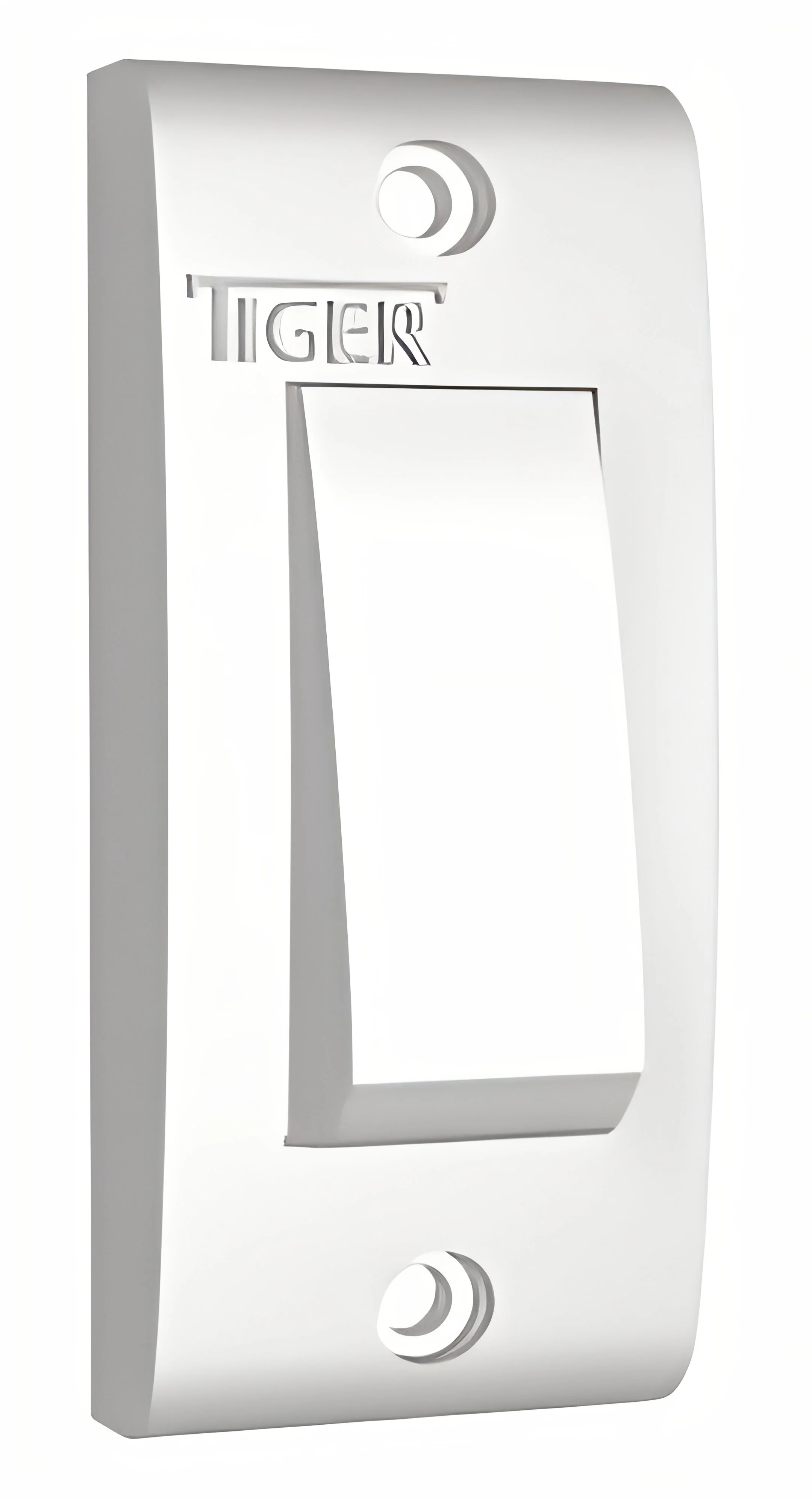
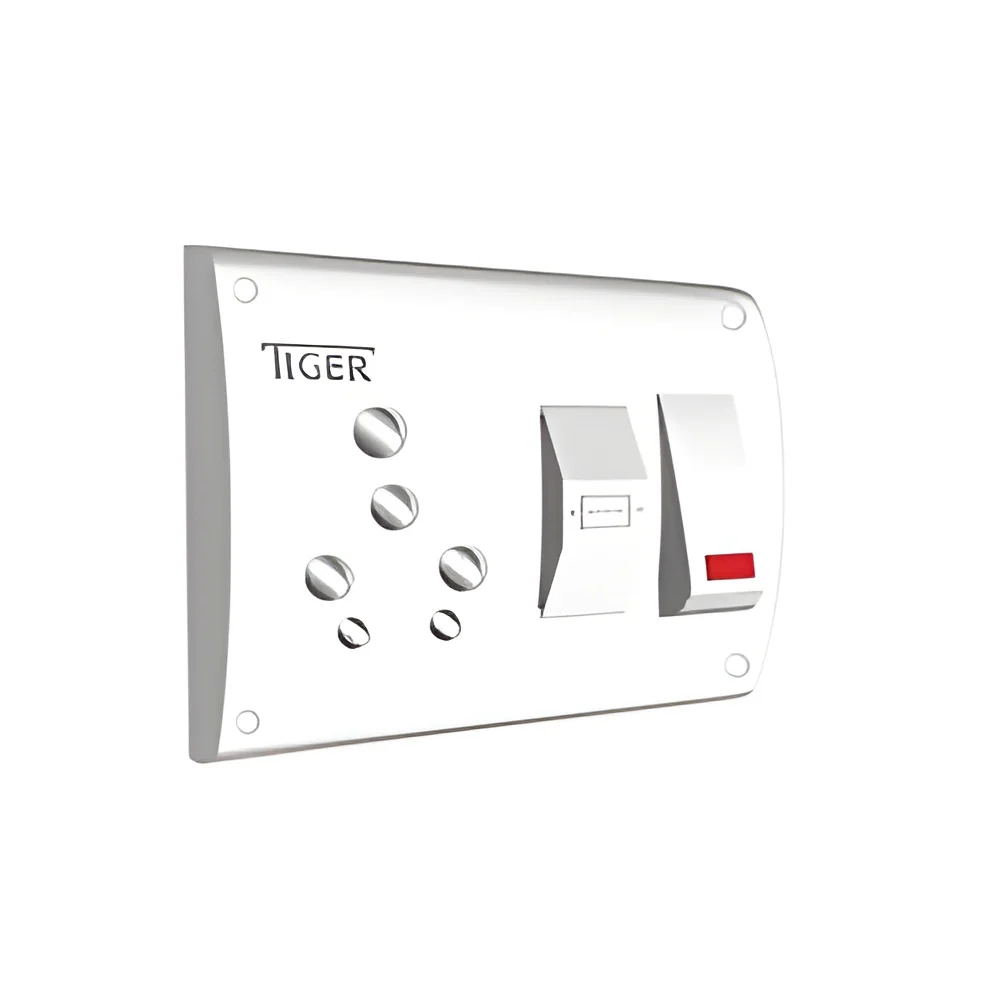
What are Smart Light Switches?
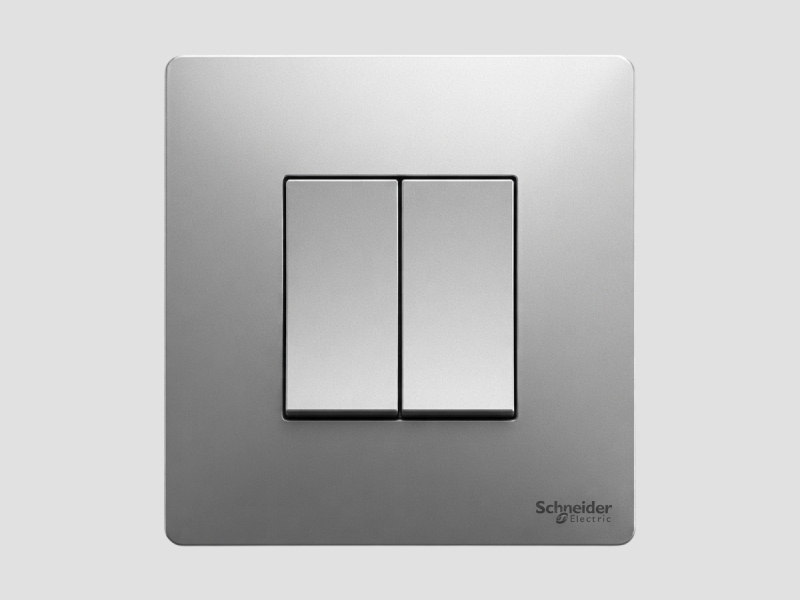
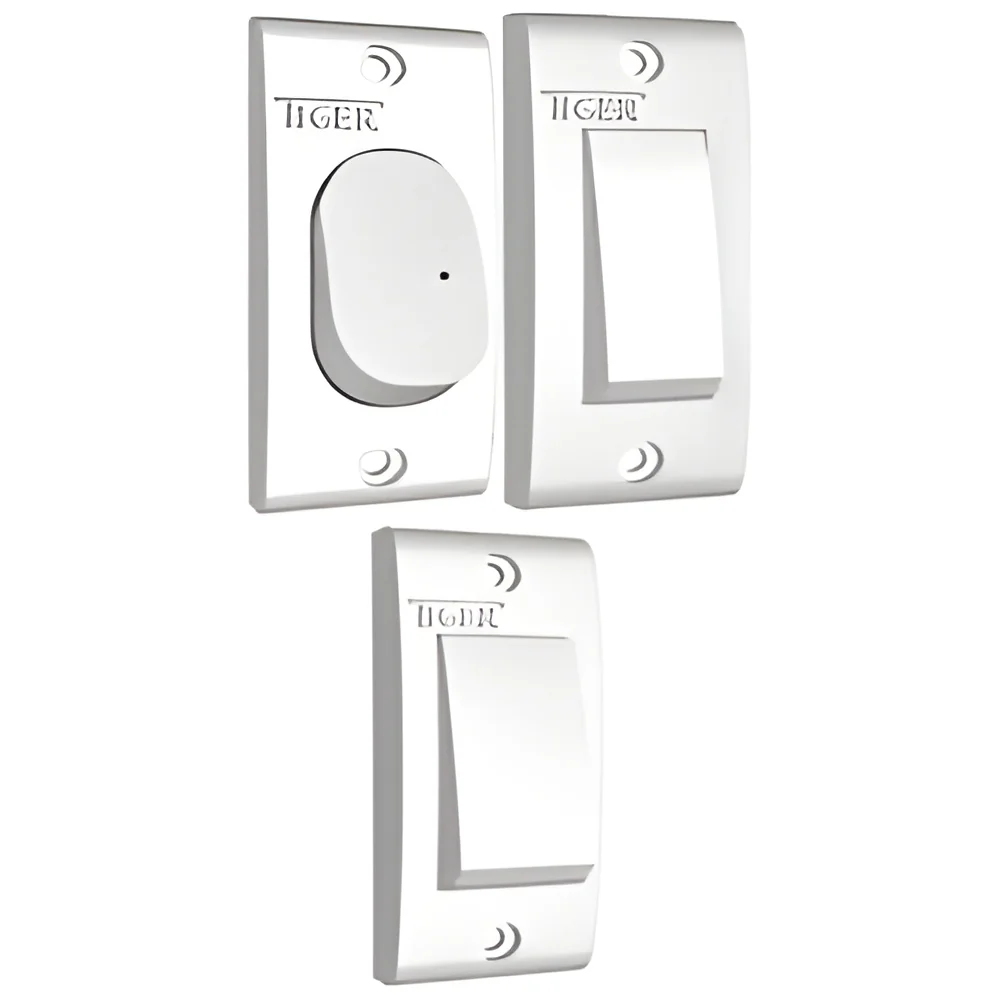
Smart light switches are advanced electrical devices designed to control lighting in a more efficient and user-friendly manner. Unlike traditional switches, smart light switches can be operated remotely through smartphones, tablets, or voice commands via smart home systems. These devices integrate with Wi-Fi or Bluetooth technology, allowing users to manage their lighting preferences from virtually anywhere. They often come with features such as scheduling, dimming, and energy usage monitoring.
Primary uses of smart light switches span various business applications, including commercial buildings, offices, and residential properties. In office environments, these switches can help control lighting based on occupancy, leading to energy savings and increased comfort. In commercial settings, they can enhance the customer experience by creating customizable lighting atmospheres. With the growing trend of smart homes, the demand for smart light switches continues to rise, reflecting a broader shift toward energy-efficient and automated solutions in the market.
The industry relevance of smart light switches is significant as businesses increasingly seek to improve energy efficiency and reduce operational costs. The market context shows a trend toward smart technologies, with a growing number of consumers and businesses adopting smart home and building automation systems. As energy regulations become stricter, smart light switches present a viable solution to meet compliance while also appealing to environmentally conscious consumers.
Key Features and Specifications
Smart light switches come equipped with several essential features that enhance their functionality and usability. These features cater to various needs, from energy efficiency to convenience, making them suitable for diverse applications.
Key specifications include:
1. Connectivity Options
- Smart light switches typically support Wi-Fi or Bluetooth connectivity.
- This enables remote control through mobile apps or smart home assistants.
2. User Interface
- Most smart switches feature a touchscreen or physical buttons for easy operation.
- Many models allow for voice activation through compatible systems.
3. Scheduling Capabilities
- Users can schedule lights to turn on or off at specific times.
- This feature is beneficial for energy management and security.
4. Dimming Functionality
- Smart switches often support dimming, allowing users to adjust brightness levels.
- This can enhance ambiance and reduce energy consumption.
5. Energy Monitoring
- Some models provide real-time energy usage data.
- This feature helps users track and optimize their energy consumption.
6. Compatibility with Smart Home Systems
- Many smart light switches are designed to integrate with platforms like Amazon Alexa, Google Assistant, and Apple HomeKit.
- This compatibility enhances their functionality within a broader smart home ecosystem.
7. Installation Options
- Smart switches can often be installed in place of traditional switches with minimal effort.
- Some models may require a neutral wire for installation.
8. Safety Features
- Many smart light switches include surge protection and other safety mechanisms.
- Compliance with electrical standards ensures reliable operation.
In summary, smart light switches are versatile devices equipped with a variety of features that enhance control, convenience, and energy efficiency in both residential and commercial settings.
Common Applications and Use Cases
Smart light switches serve various industries and applications, offering solutions that cater to specific lighting needs and enhance operational efficiency.
1. Commercial Offices: In commercial offices, smart light switches can be programmed to adjust lighting automatically based on occupancy, ensuring energy is not wasted when spaces are unoccupied.
2. Retail Environments: Retail stores can use smart switches to create dynamic lighting scenarios that attract customers and highlight products, increasing overall sales potential.
3. Hospitality Industry: Hotels and restaurants benefit from smart light switches by allowing guests to customize their room lighting preferences for comfort and ambiance.
4. Educational Institutions: Schools and universities can implement smart switches to manage lighting in classrooms and common areas, providing better control over energy consumption.
5. Healthcare Facilities: Hospitals and clinics can utilize smart lighting controls to create soothing environments for patients while ensuring energy efficiency in patient rooms and common areas.
6. Residential Homes: Homeowners can enhance their living environments with smart switches, allowing them to control lighting remotely and set schedules for convenience and energy savings.
7. Industrial Spaces: Factories and warehouses benefit from smart light switches for managing lighting based on operational needs, improving safety and reducing energy costs.
Product Variants and Subcategories
Smart light switches come in various designs and functionalities to cater to different user needs and preferences. This diversity allows businesses to choose the most suitable options for their specific applications.
Wi-Fi Smart Light Switch
This variant allows for remote control via mobile apps and integrates seamlessly with Wi-Fi networks. Ideal for users looking to manage lighting from anywhere, it is perfect for both residential and commercial settings.
Bluetooth Smart Light Switch
Designed for local control, this switch connects via Bluetooth to smartphones or tablets. It is suitable for smaller spaces where remote internet access is not required, offering a cost-effective solution.
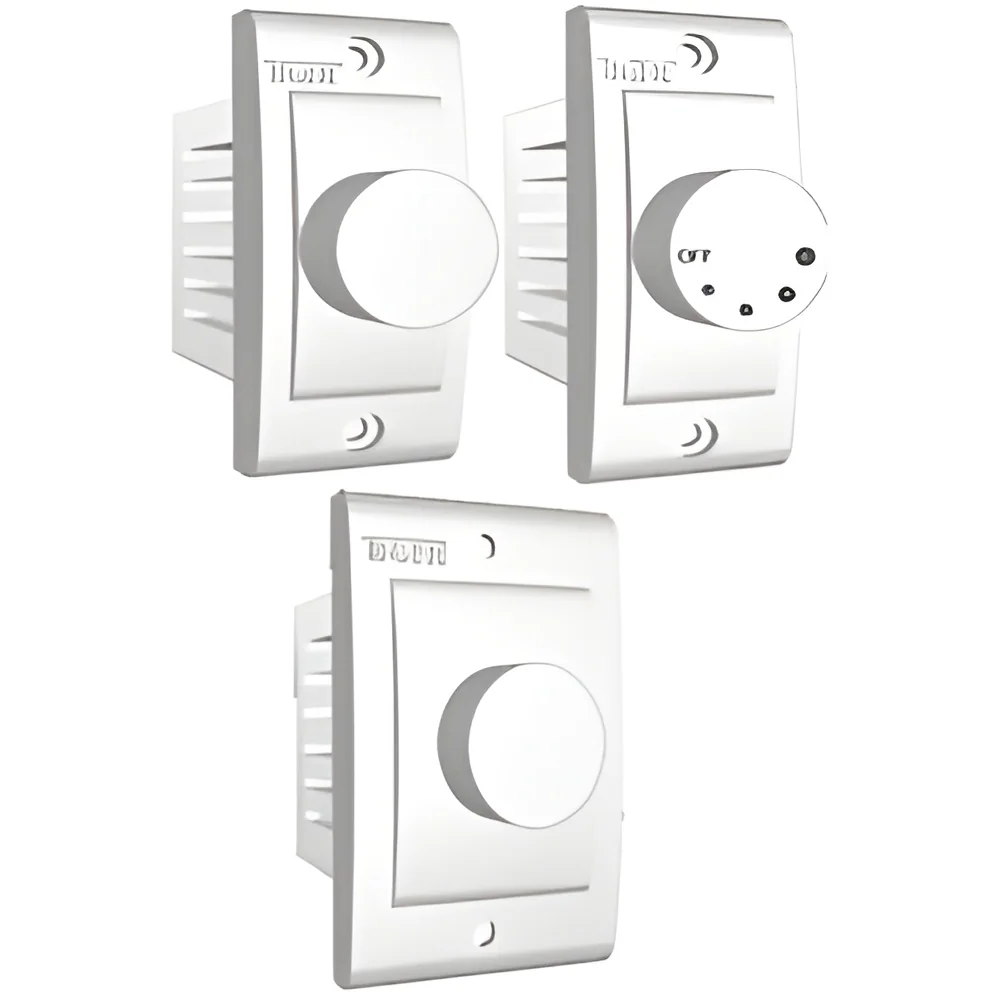
Dimmer Smart Light Switch
This variant includes dimming capabilities, enabling users to adjust the brightness to create the desired ambiance. It is popular in hospitality and residential applications where lighting flexibility is essential.
Benefits and Advantages
Smart light switches offer numerous benefits that enhance their appeal in the market, especially for businesses looking to improve energy efficiency and user experience.
Key benefits include:
1. Energy Efficiency: Smart light switches help reduce energy consumption by allowing users to schedule lights and monitor usage, leading to lower utility bills.
2. Enhanced Convenience: With remote control and automation features, users can easily manage their lighting preferences from anywhere, increasing overall convenience.
3. Customization: Smart switches allow users to customize lighting settings, including brightness and schedules, to suit their specific needs and preferences.
4. Improved Security: Automated lighting schedules can enhance security by simulating occupancy, deterring potential intruders.
5. Integration with Smart Home Systems: Compatibility with various smart home platforms allows for seamless integration and enhanced functionality within a smart ecosystem.
6. Increased Property Value: The installation of smart lighting solutions can enhance the appeal of properties, potentially increasing their market value.
Buying Guide for B2B Buyers
When sourcing smart light switches, B2B buyers should consider several key factors to ensure they make informed purchasing decisions.
1. Quality Assessment: Look for switches that meet industry standards and have positive reviews from users. Quality impacts longevity and performance.
2. Supplier Verification: Vet suppliers by checking their credentials, customer feedback, and product certifications. A reliable supplier ensures product authenticity and support.
3. Pricing and MOQ: Understand the pricing structure and minimum order quantities (MOQ) to align with budget constraints and operational needs.
4. Delivery and Lead Times: Consider logistics and delivery times to ensure timely availability of products, which is crucial for project planning.
5. Compliance Requirements: Ensure that the smart light switches meet applicable regulatory standards and certifications, such as CE, to avoid compliance issues.
Compliance and Certifications
Smart light switches must adhere to various compliance and certification standards to ensure safety and reliability. Relevant quality standards such as ISO 9001 help guarantee that products are manufactured with consistent quality management processes.
Industry certifications like CE indicate that products meet European safety and performance standards. These certifications are essential for gaining acceptance in various markets and ensuring that products are safe for consumer use.
Safety and testing requirements play a crucial role in the manufacturing process of smart light switches. Compliance with electrical safety standards ensures that the devices operate reliably without posing risks to users. Additionally, regional compliance considerations may vary, so it is important for manufacturers and suppliers to be aware of local regulations when bringing products to market.
Why Source Smart Light Switches from Pepagora?
Pepagora provides a trusted platform for sourcing smart light switches, delivering several key advantages for B2B buyers.
Verified Supplier Network: Pepagora connects buyers with a network of verified suppliers, ensuring that users can source high-quality products with confidence. This network helps mitigate risks associated with unreliable suppliers.
Streamlined RFQ Process: The platform offers a streamlined Request for Quotation (RFQ) process, allowing buyers to easily submit their requirements and receive competitive quotes from multiple suppliers. This efficiency saves time and facilitates better purchasing decisions.
Trade Assurance and Support: Pepagora prioritizes buyer protection through trade assurance mechanisms. Buyers can rely on support services to address any issues that may arise during the sourcing process, enhancing overall transaction security.
Regional Coverage: With a focus on regions like India, the GCC, and Southeast Asia, Pepagora provides extensive geographic coverage, making it easier for businesses to access smart light switches that meet their specific needs. This regional focus ensures that buyers can find products that comply with local regulations and standards.

 IN
IN