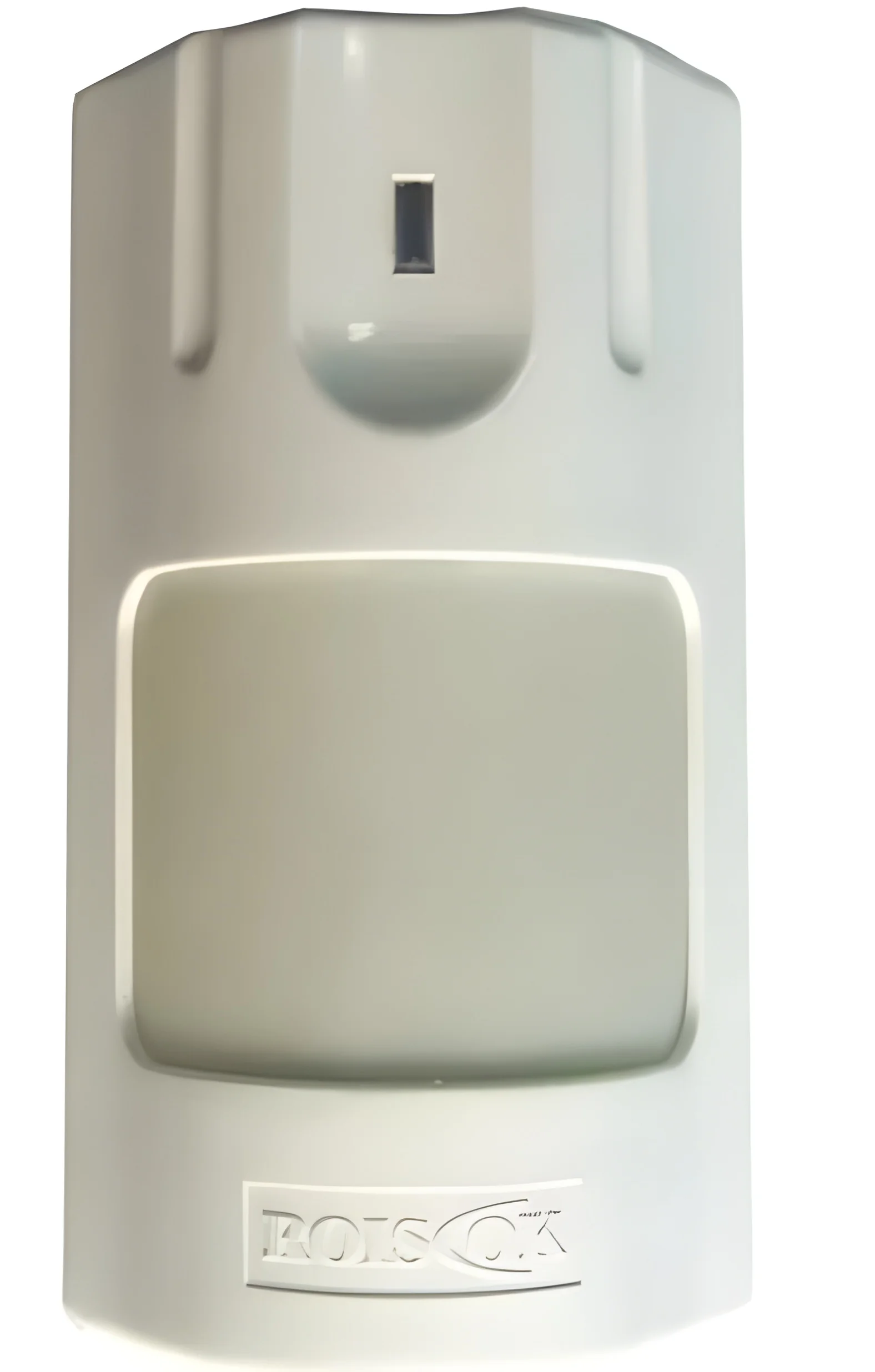
What are Motion Detectors?
Motion detectors are devices designed to detect the presence of movement within a designated area. They utilize various technologies, such as passive infrared, microwave, and dual-technology sensors, to identify motion caused by people, animals, or objects. These devices are integral to security systems, automation processes, and energy management in both residential and commercial settings.
In business applications, motion detectors play a critical role in enhancing security measures, automating lighting systems, and optimizing resource management. They are widely used in office buildings, warehouses, retail spaces, and industrial facilities. By detecting motion, these devices can trigger alarms, send alerts, or control lighting and HVAC systems, thereby improving efficiency and safety. The market for motion detectors is expanding as businesses increasingly prioritize security and energy efficiency.
Key Features and Specifications
Motion detectors come equipped with a range of features that enhance their functionality and efficiency. Understanding these specifications can help businesses choose the right device for their needs.
Key specifications include:
1. Detection Range
- The maximum distance at which the detector can sense movement.
- Typically ranges from 5 to 30 meters.
2. Sensor Type
- The technology used to detect motion, including passive infrared, microwave, or dual-technology.
- Different types offer varying sensitivity and range.
3. Power Supply
- Power source options include battery-operated, hardwired, or solar-powered models.
- Ensures flexibility in installation based on location.
4. Operating Temperature
- The temperature range in which the detector can function effectively.
- Data not available for specific ranges.
5. Humidity Control
- Ability to operate effectively in varying humidity levels.
- Data not available for specific controls.
6. Response Time
- The time it takes for the device to react once motion is detected.
- Typically ranges from 0.5 to 2 seconds.
7. Alarm Output
- Types of alerts generated, such as audible alarms, notifications, or integration with security systems.
- Varies by model and manufacturer.
8. Installation Type
- Options for surface mount, flush mount, or ceiling mount installations.
- Affects placement flexibility in different environments.
In summary, understanding the features and specifications of motion detectors is vital for selecting the right product to meet business needs.
Common Applications and Use Cases
Motion detectors serve various industries, providing solutions tailored to specific applications.
1. Security Systems: Motion detectors are commonly used in security systems to detect unauthorized access in commercial buildings, warehouses, and retail stores. They help in triggering alarms and notifying security personnel.
2. Energy Management: In office buildings, motion detectors can automate lighting systems, ensuring that lights only operate when spaces are occupied. This helps reduce energy consumption and costs.
3. Healthcare: In hospitals and care facilities, motion detectors monitor patient movement, enhancing safety and ensuring timely assistance when needed.
4. Industrial Automation: In manufacturing plants, these sensors are used to monitor equipment and workflow, allowing for automation and increased efficiency.
5. Smart Homes: Motion detectors are integral to smart home systems, enabling automation of lighting, heating, and security features based on occupancy.
6. Transportation: In public transportation systems, motion detectors enhance safety by monitoring platforms and vehicles, ensuring passenger security.
7. Retail: In retail environments, motion detectors help manage foot traffic and can trigger marketing displays when customers approach.
Product Variants and Subcategories
Motion detectors are available in various types to meet different operational needs. Each variant offers unique features that cater to specific applications.
Passive Infrared Sensors
These sensors detect infrared radiation emitted by people and objects. They are ideal for indoor applications, providing reliable performance in security and automation.
Microwave Sensors
Operating on microwave signals, these sensors can detect motion through various materials. They are suitable for areas where other sensors might fail, such as those with obstructions.
Dual-Technology Sensors
Combining passive infrared and microwave technologies, these sensors minimize false alarms while maximizing detection capabilities. They are commonly used in high-security areas.
Benefits and Advantages
Motion detectors offer numerous benefits that enhance their appeal to businesses.
1. Enhanced Security: Motion detectors provide an additional layer of security by detecting unauthorized movement, thereby protecting assets and personnel.
2. Energy Efficiency: By automating lighting and HVAC systems based on occupancy, these devices help reduce energy consumption and operational costs.
3. Increased Safety: In healthcare and industrial settings, motion detectors can enhance safety by alerting staff to movement or emergencies.
4. Cost Savings: By reducing energy usage and minimizing security breaches, businesses can achieve significant cost savings over time.
5. Versatile Applications: Motion detectors can be employed in various industries, making them a versatile solution for many business needs.
6. Easy Integration: Many motion detectors can be easily integrated into existing security and automation systems, facilitating seamless upgrades.
Buying Guide for B2B Buyers
When sourcing motion detectors, several factors should be considered to ensure the right fit for your business needs.
1. Quality Assessment: Evaluate the quality of the motion detectors by reviewing product specifications, user reviews, and performance reports. High-quality devices are critical for reliability.
2. Supplier Verification: Vet suppliers to ensure they have a good reputation and offer reliable products. Check for certifications and customer feedback to gauge trustworthiness.
3. Pricing and MOQ: Understand the pricing structure and minimum order quantities (MOQ) of different suppliers. This will help in budgeting and ensuring you get the best deal.
4. Delivery and Lead Times: Consider logistics factors, including delivery times and shipping costs. Efficient logistics can significantly impact your project timeline.
5. Compliance Requirements: Be aware of any regulatory compliance requirements for motion detectors in your industry. Ensure that the products you select meet these standards to avoid penalties.
Compliance and Certifications
Compliance with industry standards and regulations is essential for motion detectors to ensure safety and reliability.
Key quality standards include ISO 9001, which focuses on quality management systems, ensuring that manufacturers adhere to high-quality practices. Compliance with HACCP and GDP may also be relevant in specific industries, particularly those related to food and pharmaceuticals.
Industry certifications, such as CE marking, indicate that the product meets European safety and health requirements. This certification is crucial for businesses operating in the European market.
Safety and testing requirements are also important, as these devices must undergo rigorous testing to ensure their functionality and reliability. Manufacturers should provide detailed information on testing procedures and results.
Regional compliance considerations may vary, so it is essential to understand the specific regulatory requirements in your region or the regions where you plan to operate.
Why Source Motion Detectors from Pepagora?
Pepagora provides a trusted platform for sourcing motion detectors, offering several key advantages to buyers.
Verified Supplier Network: Pepagora ensures that all suppliers in its network are thoroughly vetted, providing buyers with confidence in their sourcing decisions. This reduces risks associated with unreliable suppliers.
Streamlined RFQ Process: The request for quotation (RFQ) process on Pepagora is designed to be user-friendly, allowing buyers to quickly obtain competitive quotes from multiple suppliers. This efficiency helps in making informed purchasing decisions.
Trade Assurance and Support: Pepagora offers trade assurance, protecting buyers against potential issues with orders. This support creates a secure environment for transactions, giving businesses peace of mind.
Regional Coverage: With a strong presence in India, the GCC, and Southeast Asia, Pepagora provides extensive regional coverage, making it easier for businesses to source motion detectors tailored to their specific market needs.

 IN
IN