
 IN
Scarves, Stoles, Shawls
193 products available
𝗪𝗵𝗮𝘁 𝗮𝗿𝗲 𝗦𝗰𝗮𝗿𝘃𝗲𝘀, 𝗦𝘁𝗼𝗹𝗲𝘀, 𝗦𝗵𝗮𝘄𝗹𝘀?
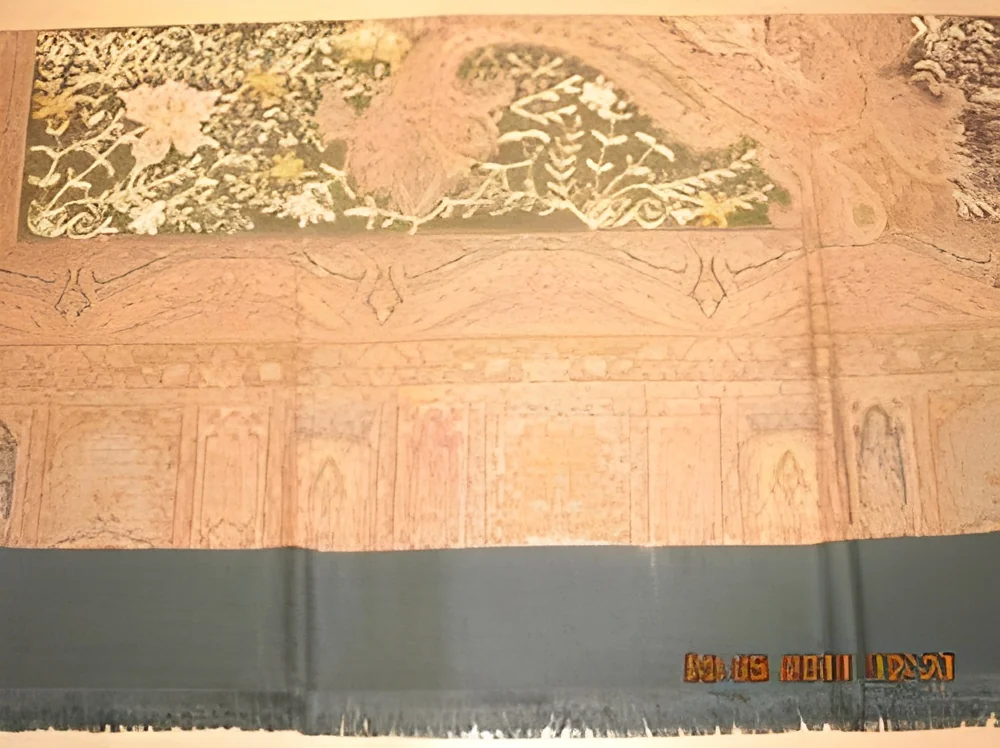
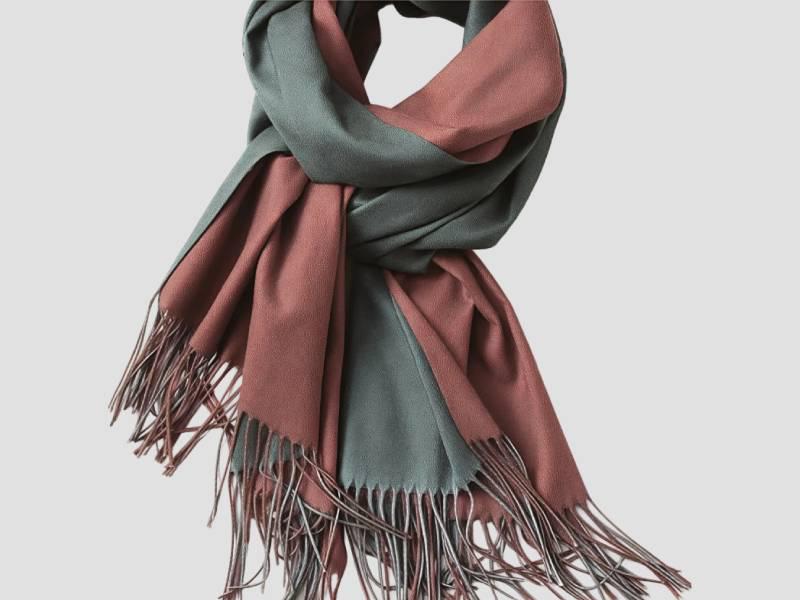
Scarves, stoles, and shawls are versatile textile accessories that serve both functional and aesthetic purposes. Scarves are typically long and narrow pieces of fabric worn around the neck, providing warmth and style. Stoles are broader and often worn draped over the shoulders, while shawls are larger and can envelop the body for additional warmth. These items are made from a variety of materials, including wool, silk, and synthetic fabrics, making them suitable for different climates and occasions.
In business contexts, these accessories are essential for various industries, including fashion, hospitality, and promotional merchandise. They are often used to enhance branding, create a cohesive look for staff, or offer as gifts to clients. The demand for these items is driven by seasonal trends, fashion cycles, and corporate branding needs, reflecting the dynamic nature of the textile market.
As industries evolve, the relevance of scarves, stoles, and shawls continues to grow. They are not only practical items but also significant components of fashion statements and branding efforts. Companies that incorporate these accessories effectively can enhance their market presence and appeal to a broader audience.
𝗞𝗲𝘆 𝗙𝗲𝗮𝘁𝘂𝗿𝗲𝘀 𝗮𝗻𝗱 𝗦𝗽𝗲𝗰𝗶𝗳𝗶𝗰𝗮𝘁𝗶𝗼𝗻𝘀
Scarves, stoles, and shawls come with a range of features tailored to meet diverse customer needs. Understanding these specifications can guide businesses in selecting the right products for their requirements.
Key specifications include:
1. Material Composition
- Common materials include wool, cotton, silk, and polyester.
- Each material offers different benefits in terms of warmth, breathability, and texture.
2. Dimensions
- Various sizes are available, typically ranging from small scarves (around 70 cm x 20 cm) to large shawls (up to 200 cm x 100 cm).
- The size affects how the item can be worn and its overall versatility.
3. Weight
- The weight can vary from lightweight options (around 100 grams) to heavier, warmer variants (up to 500 grams).
- Weight impacts how the item drapes and its suitability for different seasons.
4. Design Patterns
- Options include solid colors, prints, and textures such as woven or knitted designs.
- The choice of design can enhance branding opportunities for businesses.
5. Care Instructions
- Most items require specific care, such as hand wash or dry clean, depending on the material.
- Proper care instructions are vital for maintaining product quality.
6. Customization Options
- Custom branding and personalization are often available, allowing businesses to add logos or specific designs.
- This feature is particularly beneficial for promotional use.
7. Seasonal Availability
- Some products are designed specifically for winter or summer use, featuring materials suited for each season.
- This seasonal aspect can influence purchasing decisions.
In summary, understanding these specifications helps businesses make informed selections that align with their goals and customer preferences.
𝗖𝗼𝗺𝗺𝗼𝗻 𝗔𝗽𝗽𝗹𝗶𝗰𝗮𝘁𝗶𝗼𝗻𝘀 𝗮𝗻𝗱 𝗨𝘀𝗲 𝗖𝗮𝘀𝗲𝘀
Scarves, stoles, and shawls have diverse applications across multiple industries, highlighting their versatility and importance.
1. Fashion Industry: These accessories are crucial for fashion designers and retailers, enhancing collections and allowing for seasonal trends. They can be styled in numerous ways, making them essential for personal expression.
2. Hospitality Sector: Hotels and restaurants often use scarves and stoles for staff uniforms, ensuring a polished and professional appearance. They can also be offered to guests as part of branded merchandise.
3. Promotional Products: Companies frequently use these items for giveaways and corporate gifts, adding logos or branding to enhance visibility. This strategy helps in building brand loyalty and recognition.
4. Healthcare: In some healthcare settings, lightweight scarves may be used by staff for warmth and comfort while maintaining a professional look. They can also be given to patients as comforting gifts.
5. Events and Festivals: Scarves and shawls are popular items at events, often given as part of welcome packages or sold as merchandise. Their portability and appeal make them ideal for various occasions.
6. Travel Industry: Airlines and travel companies may use these accessories as part of their branding, providing passengers with high-quality scarves or stoles as part of their travel kit.
7. Home and Decor: Some businesses incorporate scarves and shawls into home decor, selling them as decorative throws or wall hangings, further expanding their application.
𝗣𝗿𝗼𝗱𝘂𝗰𝘁 𝗩𝗮𝗿𝗶𝗮𝗻𝘁𝘀 𝗮𝗻𝗱 𝗦𝘂𝗯𝗰𝗮𝘁𝗲𝗴𝗼𝗿𝗶𝗲𝘀
Scarves, stoles, and shawls come in various styles and materials, offering businesses a range of options to meet their specific needs.
Lightweight Scarves
These scarves are typically made from breathable fabrics like cotton or linen. They are ideal for warm weather and can be easily packed for travel. Lightweight scarves can be styled in multiple ways and are perfect for casual or business attire.
Wool Stoles
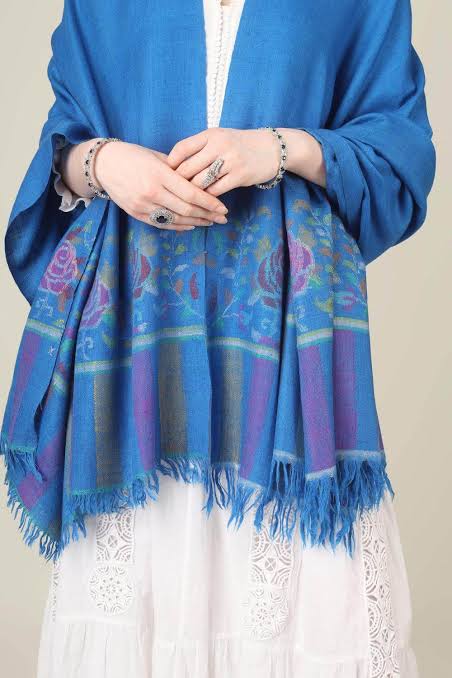
Wool stoles provide warmth and comfort, making them suitable for colder climates. They often feature intricate patterns and offer a luxurious feel. These stoles are perfect for formal occasions or as elegant gifts.
Silk Shawls
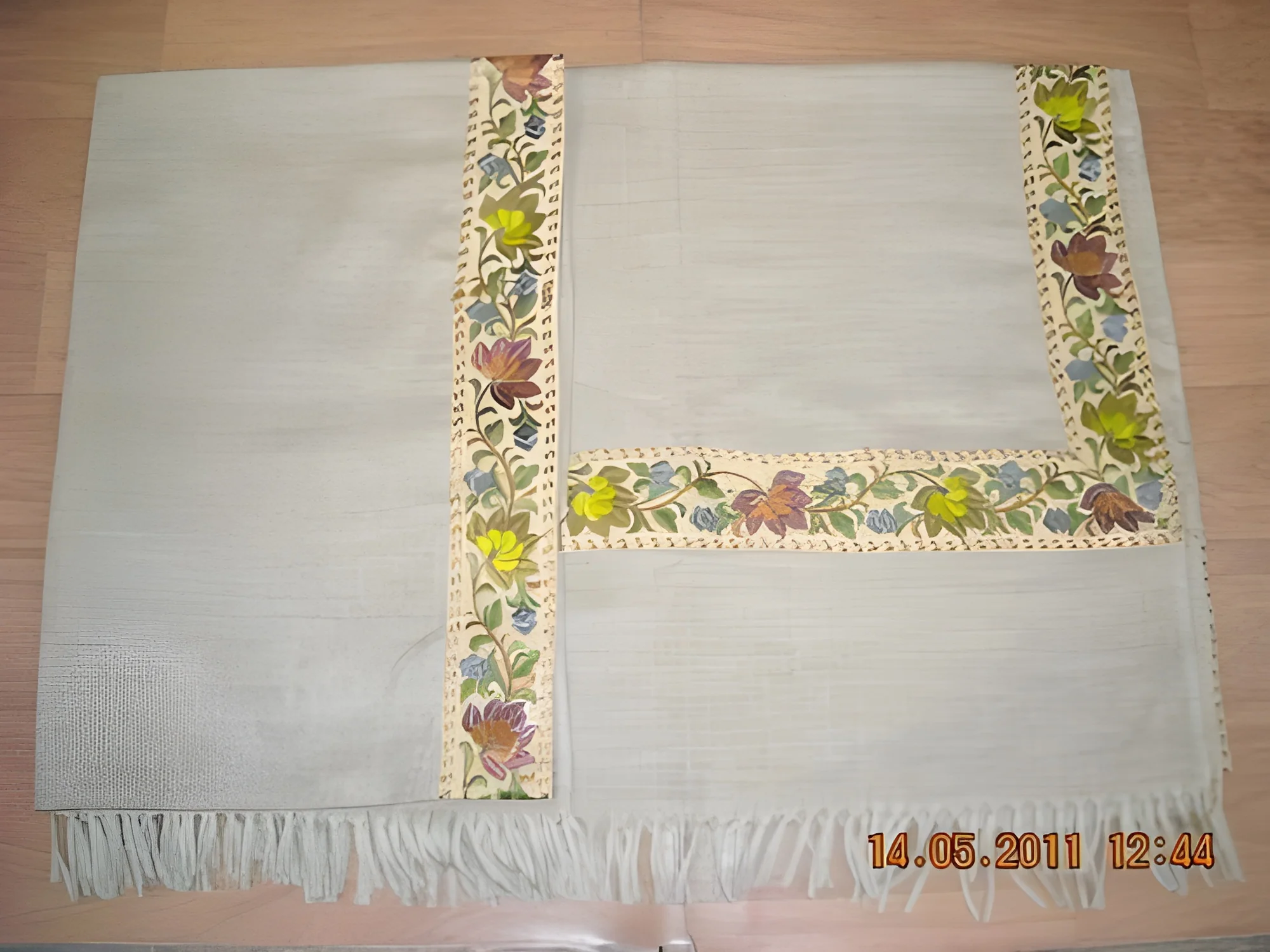
Silk shawls are known for their softness and sheen. They add a touch of sophistication to any outfit and are often used for evening wear. Their lightweight nature makes them easy to carry, appealing to fashion-conscious consumers.
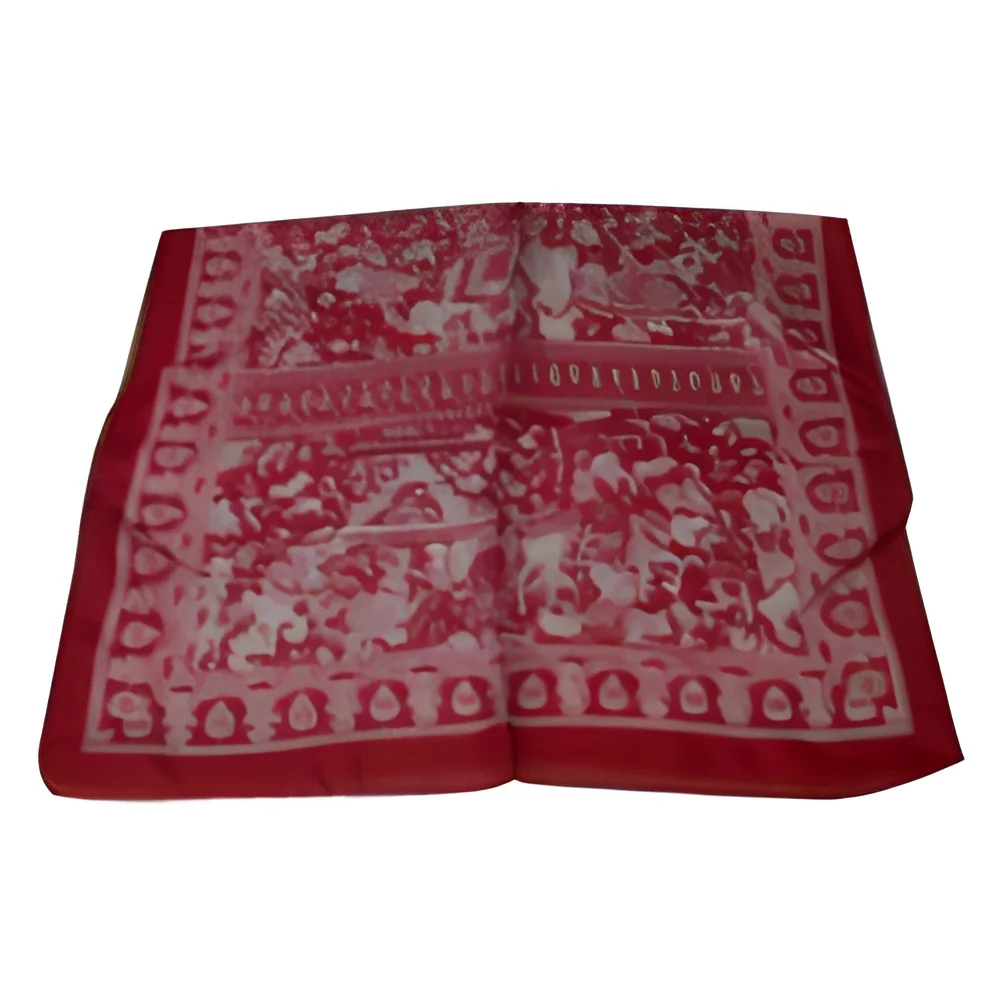
Printed Scarves
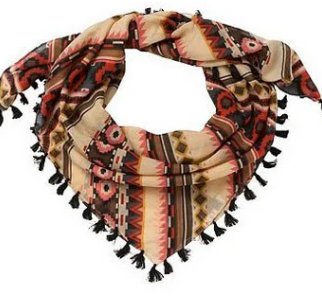
These scarves feature vibrant designs and patterns, making them an attractive accessory for fashion retailers. They are popular among younger demographics and can be used to make bold fashion statements.
Pashmina Shawls
Pashmina shawls are made from fine cashmere fibers, offering unmatched warmth and softness. They are often used for high-end fashion collections and luxury gifts, catering to a discerning clientele.
𝗕𝗲𝗻𝗲𝗳𝗶𝘁𝘀 𝗮𝗻𝗱 𝗔𝗱𝘃𝗮𝗻𝘁𝗮𝗴𝗲𝘀
Scarves, stoles, and shawls offer numerous benefits for businesses looking to enhance their offerings.
1. Versatility: These accessories can be worn in various styles and settings, making them suitable for different occasions and customer preferences.
2. Branding Opportunities: Customization options allow businesses to incorporate logos and designs, enhancing brand visibility and recognition.
3. Seasonal Appeal: With diverse fabric options, these products can cater to seasonal needs, ensuring year-round sales potential.
4. Comfort: Scarves, stoles, and shawls provide warmth and comfort, making them appealing to consumers looking for functional yet stylish accessories.
5. Gift Potential: These items are popular as gifts, making them ideal for promotional use and customer appreciation initiatives.
6. Fashion Statement: They allow consumers to express personal style, making them relevant in fashion-forward markets.
𝗕𝘂𝘆𝗶𝗻𝗴 𝗚𝘂𝗶𝗱𝗲 𝗳𝗼𝗿 𝗕𝟮𝗕 𝗕𝘂𝘆𝗲𝗿𝘀
When sourcing scarves, stoles, and shawls, B2B buyers should consider several critical factors to ensure they select the right products.
1. Quality Assessment: Evaluate the fabric quality and craftsmanship to ensure durability and comfort. This includes checking for material type, stitching quality, and overall finish.
2. Supplier Verification: Conduct thorough research on suppliers to verify their reputation and reliability. Look for certifications and customer reviews to gauge their service and product quality.
3. Pricing and MOQ: Understand the pricing structure and minimum order quantities set by suppliers. This will help in budgeting and ensuring a profitable investment.
4. Delivery and Lead Times: Inquire about delivery schedules and lead times to ensure timely receipt of products. Efficient logistics are essential for maintaining stock levels and meeting customer demand.
5. Compliance Requirements: Be aware of any industry-specific compliance and regulatory standards that apply to scarves, stoles, and shawls. Ensuring compliance can prevent legal issues and enhance product credibility.
𝗖𝗼𝗺𝗽𝗹𝗶𝗮𝗻𝗰𝗲 𝗮𝗻𝗱 𝗖𝗲𝗿𝘁𝗶𝗳𝗶𝗰𝗮𝘁𝗶𝗼𝗻𝘀
Scarves, stoles, and shawls must meet specific quality standards to ensure safety and reliability. Relevant quality standards include ISO 9001, which focuses on quality management systems, ensuring manufacturers adhere to consistent quality practices.
Industry certifications, such as CE marking, indicate compliance with European safety standards. This certification is essential for businesses looking to market their products in Europe, ensuring that they meet health, safety, and environmental protection requirements.
Safety and testing requirements may involve assessing fabric composition, durability, and colorfastness to ensure the products are safe for consumers. Regional compliance considerations can vary, with some regions having strict regulations regarding textiles. It is vital for businesses to stay informed about these requirements to ensure their products are compliant and marketable.
𝗪𝗵𝘆 𝗦𝗼𝘂𝗿𝗰𝗲 𝗦𝗰𝗮𝗿𝘃𝗲𝘀, 𝗦𝘁𝗼𝗹𝗲𝘀, 𝗦𝗵𝗮𝘄𝗹𝘀 𝗳𝗿𝗼𝗺 𝗣𝗲𝗽𝗮𝗴𝗼𝗿𝗮?
Pepagora stands out as a trusted platform for sourcing scarves, stoles, and shawls, offering several key advantages to B2B buyers.
Verified Supplier Network: Pepagora has established a network of verified suppliers, ensuring that buyers can access high-quality products from reputable manufacturers. This reduces the risk of sourcing low-quality items and enhances buyer confidence.
Streamlined RFQ Process: The platform features an efficient Request for Quotation (RFQ) system, allowing buyers to easily obtain quotes from multiple suppliers. This streamlined process saves time and enables better pricing negotiations.
Trade Assurance and Support: Pepagora provides trade assurance to protect buyers during transactions, ensuring that they receive quality products as promised. This buyer protection fosters trust and encourages repeat business.
Regional Coverage: With a strong presence in regions such as India, the GCC, and Southeast Asia, Pepagora offers extensive geographic reach. This allows buyers to access a diverse range of products and suppliers, catering to various market needs.


Frequently Asked Questions
What are Scarves, Stoles, Shawls?
Scarves, stoles, and shawls are versatile accessories made from various materials such as wool, cotton, silk, or synthetic fibers. They are used for warmth, fashion, and cultural expression, serving multiple purposes in different climates and occasions.
What are the different types of Scarves, Stoles, Shawls?
The main types include scarves, which are typically long and narrow; stoles, which are broader and often worn over the shoulders; and shawls, which are larger and can be wrapped around the body. Each type comes in various styles, colors, and materials to suit different preferences and needs.
How do I choose the right Scarves, Stoles, Shawls?
Choosing the right accessory depends on factors such as the intended use, climate, and personal style. Consider the material for warmth and comfort, the size for versatility, and the design for aesthetic appeal.
What are the standard specifications for Scarves, Stoles, Shawls?
Standard specifications include dimensions, which can vary widely, and fabric composition, which can range from natural fibers like wool and cotton to synthetic blends. Additionally, weight, texture, and care instructions are important factors to consider.
What is the price range for Scarves, Stoles, Shawls?
The price range for these accessories can vary significantly based on material, brand, and design. Generally, prices can start as low as INR 200 and can go up to several thousand rupees for high-quality or designer items.
What quality standards apply to Scarves, Stoles, Shawls?
Quality standards often include fabric durability, colorfastness, and stitching quality. Certifications for organic or sustainable materials may also apply, depending on the manufacturer's practices and the desired market.
Where can I find Scarves, Stoles, Shawls suppliers in India?
Suppliers can be found through various online B2B marketplaces like Pepagora, trade shows, and local textile fairs. Additionally, industry directories and wholesale markets in major cities can serve as valuable resources.
Can Scarves, Stoles, Shawls be customized?
Yes, many manufacturers offer customization options, allowing buyers to select materials, colors, and designs to meet specific needs. Customization can be particularly beneficial for businesses looking to create unique branding opportunities.
What is the typical minimum order quantity for Scarves, Stoles, Shawls?
The typical minimum order quantity (MOQ) can vary by supplier but often ranges from 50 to 200 pieces. It is advisable to check with individual suppliers for their specific MOQs.
What is the typical lead time for Scarves, Stoles, Shawls?
The typical lead time for production and delivery can range from 2 to 6 weeks, depending on factors such as customization, order size, and supplier location. It's important to confirm lead times with the supplier at the time of order.
Why Businesses Trust Pepagora
Thousands of companies trust Pepagora to source smarter and sell faster
Expand Your Sales Globally

Source Smarter,Grow Faster
