
 IN
Embroidered Shawls
7 products available
What are Embroidered Shawls?
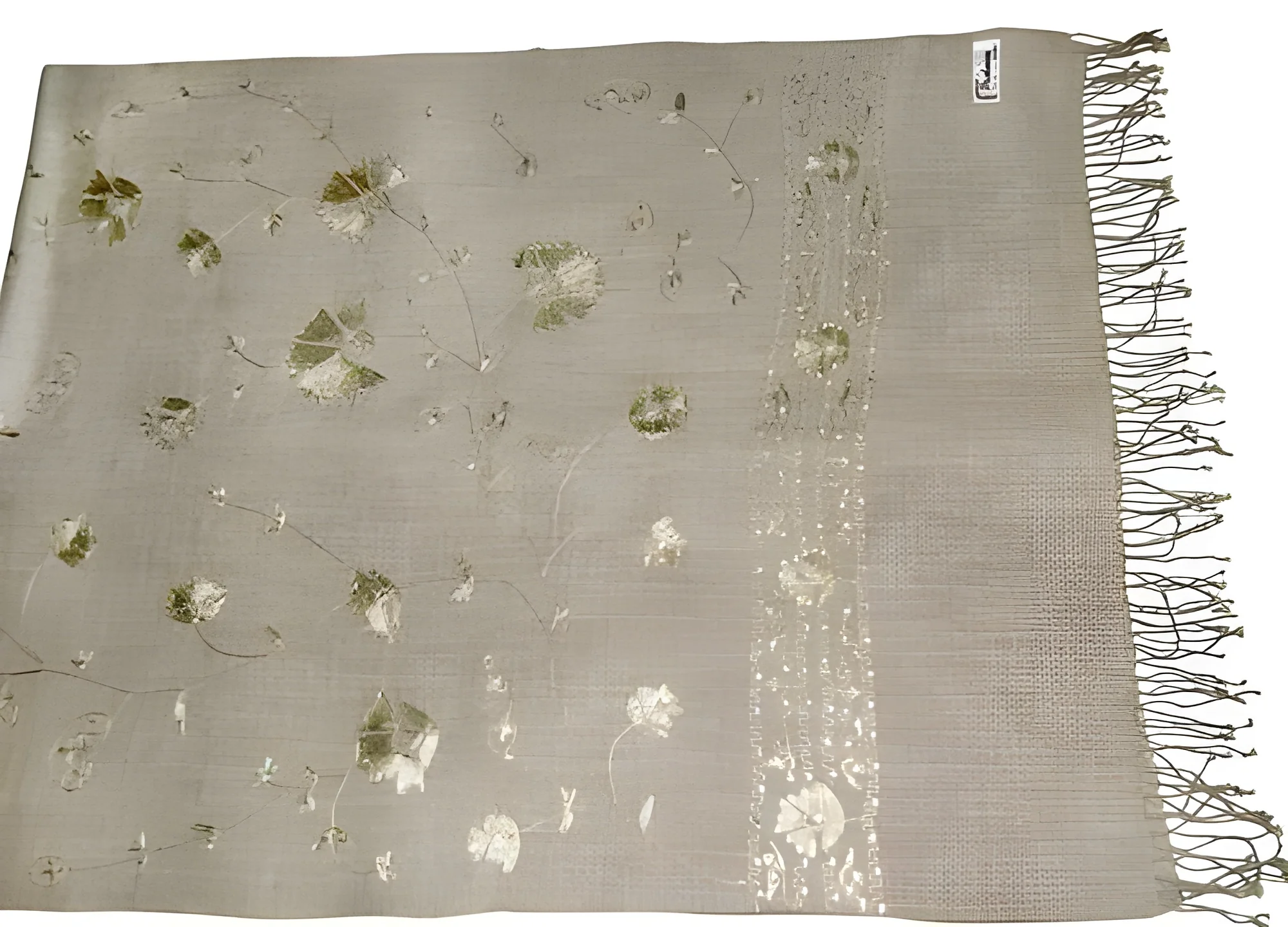
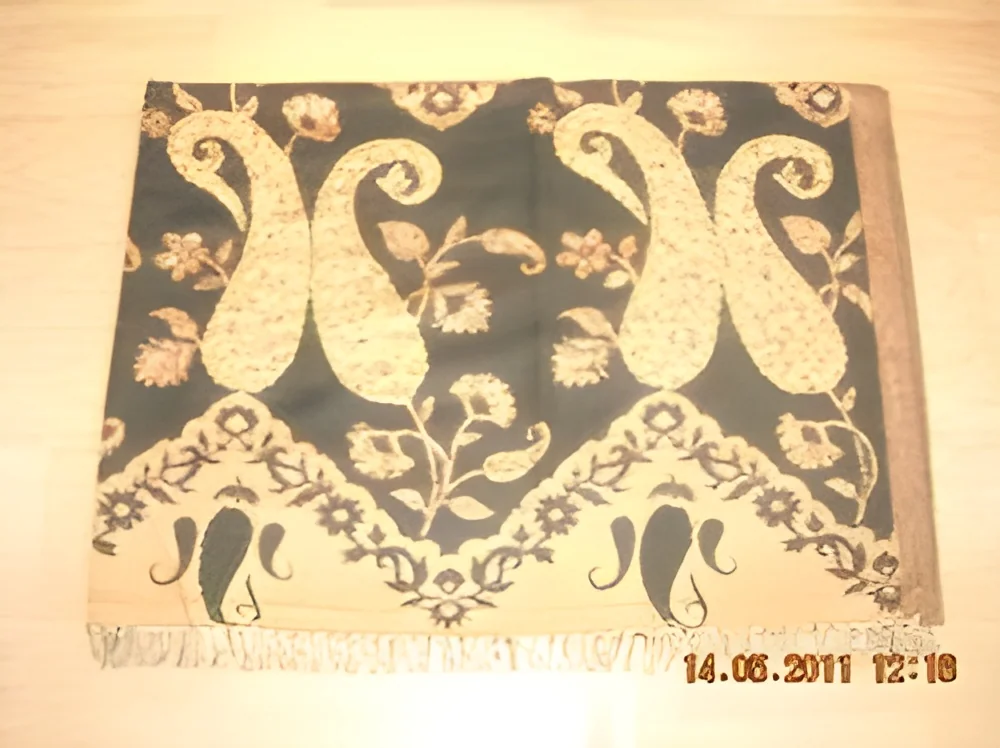
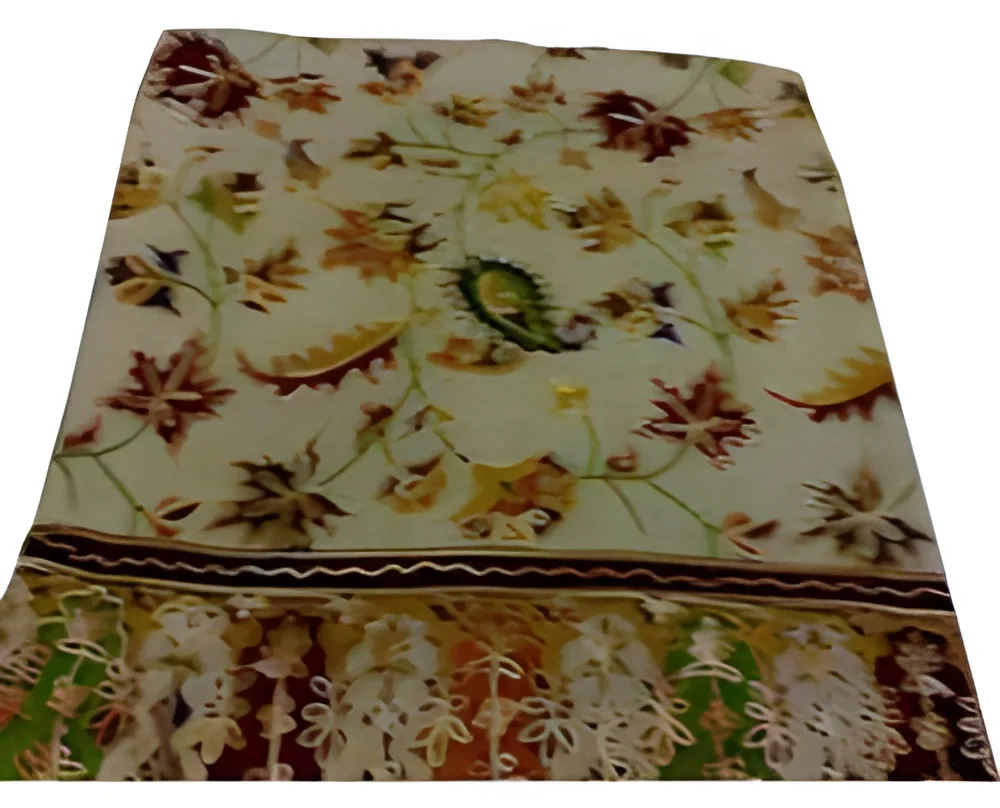
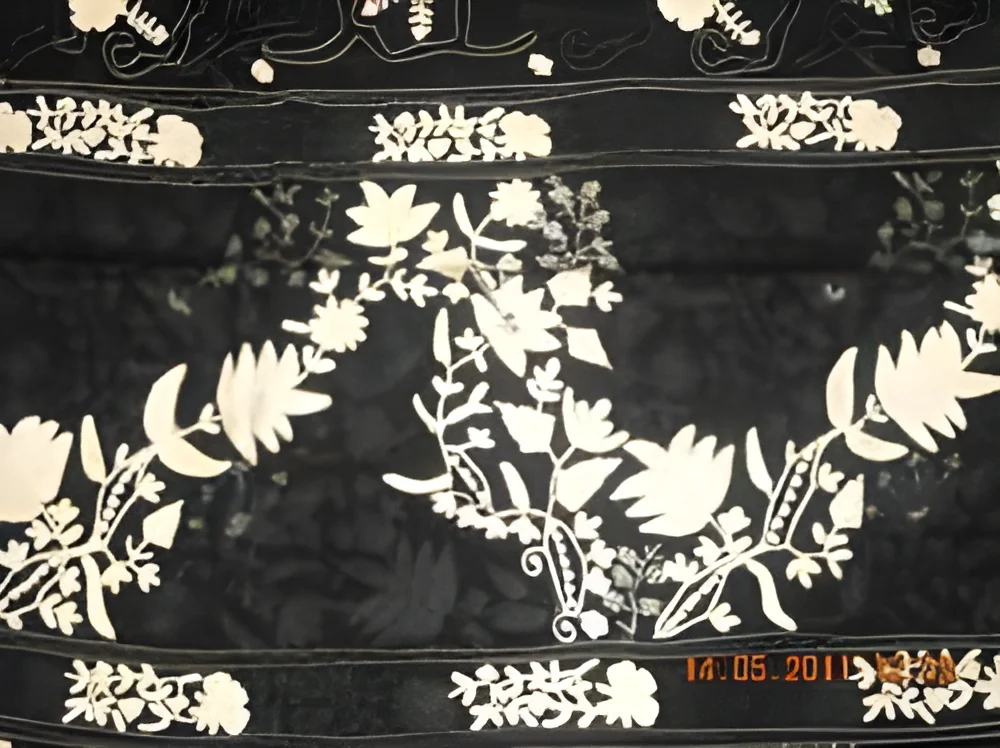
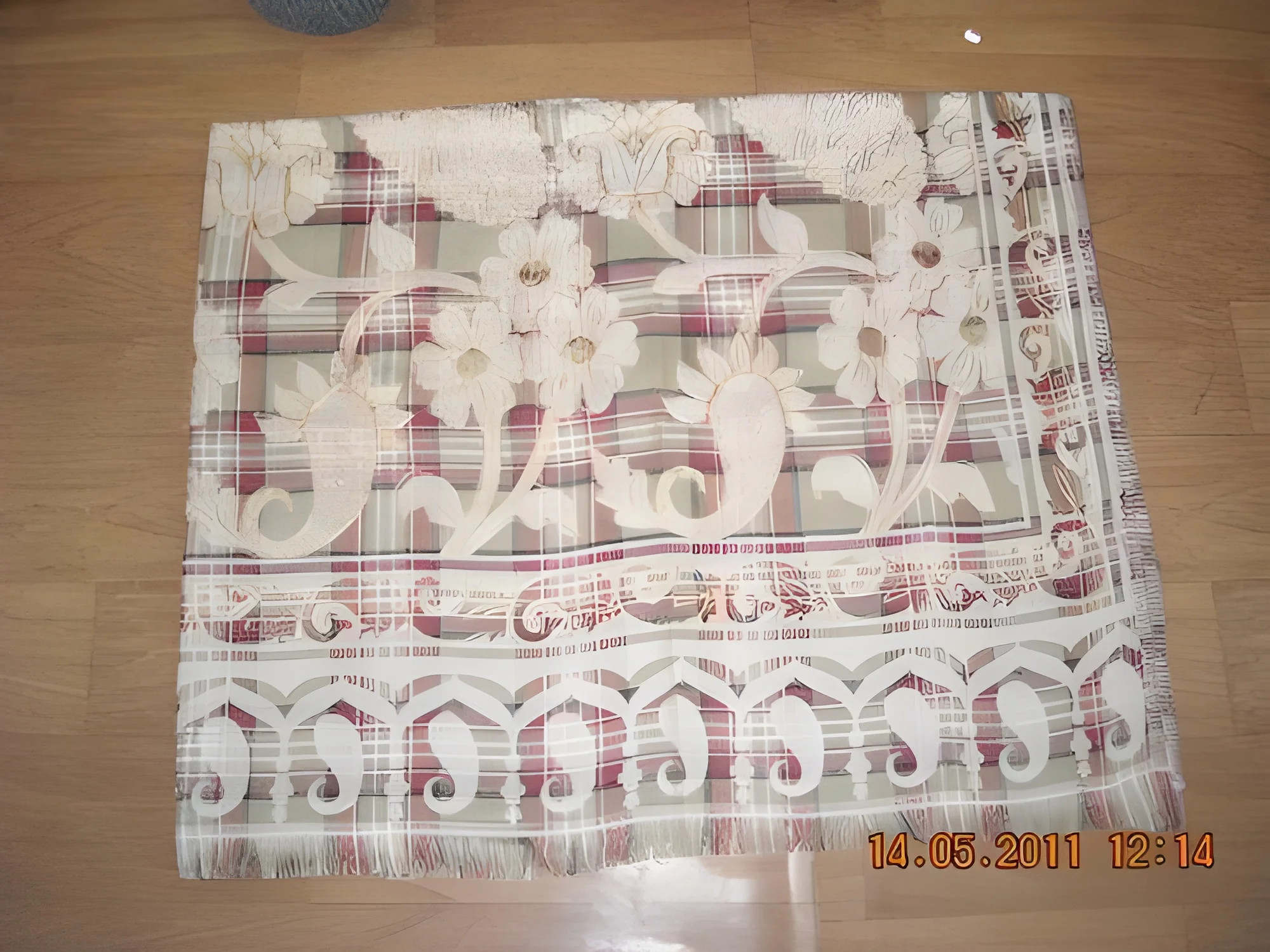
Embroidered shawls are elegant pieces of fabric, often made from high-quality materials such as wool, silk, or cotton, that feature intricate designs created through various embroidery techniques. These shawls are not only functional but also serve as a statement piece in fashion. The embroidery can include traditional patterns, floral designs, or contemporary motifs, making each shawl unique.
The primary uses of embroidered shawls extend beyond personal fashion. In the B2B context, they are often utilized in the hospitality industry, fashion retail, and cultural events. Many businesses source embroidered shawls for their aesthetic appeal and versatility, using them as part of uniforms, promotional items, or decorative elements in venues. The market for embroidered shawls continues to grow, influenced by trends in fashion and increasing consumer demand for artisanal products.
With a rich history in various cultures, embroidered shawls hold significant relevance in many industries. They are increasingly sought after by businesses looking to offer distinctive and customizable products to their customers, positioning themselves effectively in a competitive market.
Key Features and Specifications
Embroidered shawls offer a variety of features that enhance their appeal to businesses and consumers alike. These features often include high-quality craftsmanship, diverse designs, and suitable materials for various climates.
Key specifications include:
1. Material
- Common materials include wool, silk, and cotton
- Each material offers different characteristics in terms of warmth, texture, and durability
2. Embroidery Technique
- Techniques can range from machine embroidery to hand-stitched designs
- Hand embroidery typically adds a unique value and aesthetic
3. Size Dimensions
- Standard sizes can vary, but common dimensions are approximately 70 inches by 30 inches
- Custom sizes may be available based on client requirements
4. Color Options
- Available in a wide range of colors to suit different preferences
- Custom color requests can often be accommodated
5. Pattern Variety
- Patterns can include floral, geometric, and abstract designs
- Custom patterns may be designed to meet specific business needs
6. Care Instructions
- Generally, dry cleaning is recommended for maintaining quality
- Some materials may be machine washable, depending on the construction
7. Certifications
- Products may be CE certified, indicating compliance with European standards
- Other certifications may vary by supplier and region
In summary, embroidered shawls combine style and functionality, making them a valuable product for various industries. Their specifications can be tailored to meet specific business needs, enhancing their versatility in the market.
Common Applications and Use Cases
Embroidered shawls serve a variety of industries, each leveraging their unique aesthetic and functional benefits.
1. Fashion Retail: Many clothing brands incorporate embroidered shawls into their collections, often using them as accessories to enhance outfits and attract customers.
2. Hospitality: Hotels and resorts may use embroidered shawls as part of their service attire, adding a touch of elegance to their staff uniforms.
3. Cultural Events: Embroidered shawls are common in cultural exhibitions and festivals, often representing local craftsmanship and heritage.
4. Wedding Industry: These shawls are frequently used in weddings, both as fashion accessories for brides and as decorative items for events.
5. Gift Industry: Embroidered shawls make for popular gifts, especially during festivals and special occasions, due to their artistic appeal.
6. Artisans and Craftsmen: Many artisans create bespoke embroidered shawls for sale, allowing for customization and unique artistry that appeal to niche markets.
7. Corporate Gifting: Companies often source embroidered shawls as part of corporate gift packages, showcasing brand values and supporting local artisans.
Product Variants and Subcategories
Embroidered shawls come in various styles and designs, catering to different preferences and needs.
Traditional Embroidered Shawls: These often feature intricate patterns inspired by cultural motifs. They are ideal for formal occasions and cultural events, offering a classic touch.
Contemporary Embroidered Shawls: These shawls may showcase modern designs, appealing to younger audiences and fashion-forward consumers. They can be used as stylish accessories for casual wear.
Seasonal Variants: Some shawls are designed for specific seasons, using materials suited for colder weather or lighter fabrics for warmer climates. They provide versatility for year-round use.
Customized Embroidered Shawls: Businesses can offer personalized shawls with custom designs or branding, making them unique to each customer while maintaining quality.
Benefits and Advantages
Embroidered shawls offer numerous benefits that appeal to both consumers and businesses.
1. Aesthetic Appeal: The intricate designs and varied colors make embroidered shawls a visually attractive product.
2. Versatility: They can be used across different settings, from casual to formal wear, enhancing their marketability.
3. Cultural Significance: Many shawls carry cultural meanings, making them valuable for businesses looking to promote heritage.
4. Customization Options: The ability to customize designs allows businesses to meet specific customer needs and preferences.
5. Quality Craftsmanship: Many embroidered shawls are made by skilled artisans, ensuring high-quality products that can justify premium pricing.
6. Comfort: Made from soft materials, these shawls provide warmth and comfort, enhancing their appeal for consumers in colder climates.
Buying Guide for B2B Buyers
When sourcing embroidered shawls, there are several factors that buyers should consider to ensure quality and suitability.
1. Quality Assessment: It is essential to evaluate the craftsmanship and materials used in the shawls. Look for samples and reviews to verify quality.
2. Supplier Verification: Vet suppliers by checking their credentials, reputation, and previous customer experiences. This ensures reliability and trustworthiness.
3. Pricing and MOQ: Understand the pricing structures and minimum order quantities (MOQ) required by suppliers. This helps in budgeting and planning purchases.
4. Delivery and Lead Times: Confirm the expected delivery timelines to ensure that products arrive when needed, especially for seasonal or event-based needs.
5. Compliance Requirements: Be aware of any regional compliance requirements or certifications necessary for the products you intend to source.
Compliance and Certifications
Embroidered shawls may adhere to various quality standards and regulations that ensure product safety and reliability. While specific standards for shawls may not be well-defined, certifications such as CE indicate compliance with European market requirements.
Quality standards like ISO 9001 may also apply to manufacturers, ensuring they meet international quality management principles. This is particularly important for businesses seeking to ensure consistent quality in their supply chain.
Safety and testing requirements may vary depending on the materials used, especially if the products are intended for children or specific industries. Buyers should inquire about these details during the sourcing process.
Regional compliance considerations may also play a role, as different regions may have varying regulations regarding textiles and imports. It is crucial for buyers to stay informed about these requirements to ensure their products meet legal standards.
Why Source Embroidered Shawls from Pepagora?
Pepagora provides a trusted platform for sourcing embroidered shawls, offering several key advantages that benefit businesses.
Verified Supplier Network: Pepagora connects buyers with a network of verified suppliers. This extensive vetting process ensures that businesses can trust the quality and reliability of the products they purchase.
Streamlined RFQ Process: The platform simplifies the request for quotation (RFQ) process, allowing buyers to easily compare prices and offerings from multiple suppliers. This transparency empowers businesses to make informed purchasing decisions.
Trade Assurance and Support: Pepagora offers trade assurance programs that protect buyers’ interests. This support is crucial for businesses looking to minimize risks associated with sourcing.
Regional Coverage: With a focus on markets like India, the GCC, and Southeast Asia, Pepagora provides geographic reach that enables businesses to tap into diverse supplier offerings while ensuring competitive pricing and quality.
By leveraging these advantages, businesses can effectively source embroidered shawls that meet their specific needs and enhance their product offerings.

Frequently Asked Questions
What are Embroidered Shawls?
Embroidered shawls are traditional garments made from various fabrics that feature intricate embroidery designs. These shawls are often used for warmth and style, showcasing cultural artistry in their patterns and techniques.
What are the different types of Embroidered Shawls?
There are several types of embroidered shawls, including Pashmina, Kashmiri, and Banarasi shawls, each distinguished by their unique embroidery techniques and fabric. Some shawls may also feature different styles of embroidery, such as crewel, zardozi, or machine-made designs.
How do I choose the right Embroidered Shawls?
When selecting embroidered shawls, consider factors such as the fabric type, embroidery style, and color that fits your preferences. Additionally, assess the occasion for which the shawl will be used, as this can influence your choice of design and material.
What are the standard specifications for Embroidered Shawls?
Standard specifications for embroidered shawls typically include the dimensions (length and width), fabric type (such as wool, silk, or cotton), and the type of embroidery used. Quality standards may also dictate the thread count and durability of the fabric.
What is the price range for Embroidered Shawls?
The price range for embroidered shawls can vary significantly based on factors like material, craftsmanship, and brand. Generally, you can find shawls ranging from INR 500 to INR 20,000 or more, depending on these variables.
What quality standards apply to Embroidered Shawls?
Quality standards for embroidered shawls often include factors like the fineness of the fabric, intricacy of the embroidery, and overall craftsmanship. Many manufacturers adhere to industry standards to ensure durability, colorfastness, and comfort.
Where can I find Embroidered Shawls suppliers in India?
You can find embroidered shawls suppliers in India through online B2B marketplaces like Pepagora, trade exhibitions, and local artisan workshops. Connecting with manufacturers and wholesalers directly can also lead to reliable sourcing options.
Can Embroidered Shawls be customized?
Yes, many manufacturers offer customization options for embroidered shawls, allowing you to select specific colors, designs, and sizes. This is especially beneficial for bulk orders or special occasions where a unique design is desired.
What is the typical minimum order quantity for Embroidered Shawls?
The typical minimum order quantity (MOQ) for embroidered shawls varies by supplier, but it often ranges from 10 to 50 pieces. Always confirm the MOQ with the manufacturer before placing an order, especially for customized products.
What is the typical lead time for Embroidered Shawls?
The typical lead time for embroidered shawls can range from a few days to several weeks, depending on the complexity of the design and the order size. Custom orders may require additional time for production, so it's advisable to discuss timelines with the supplier.
Why Businesses Trust Pepagora
Thousands of companies trust Pepagora to source smarter and sell faster
Expand Your Sales Globally

Source Smarter,Grow Faster
