What are Handloom Shawls?
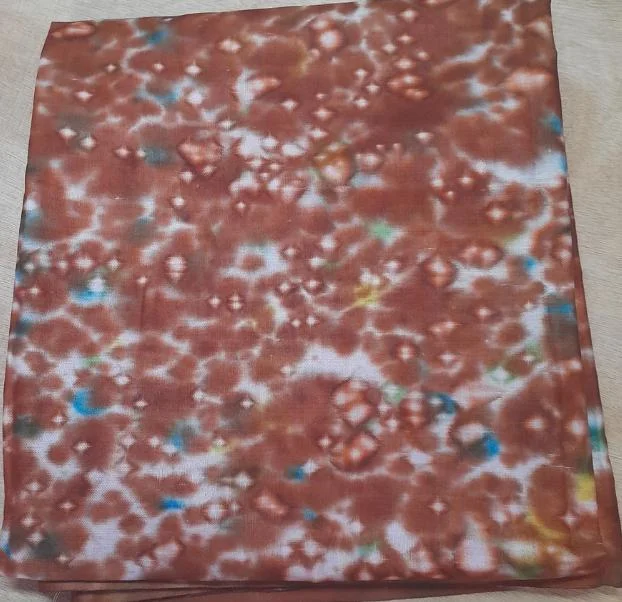
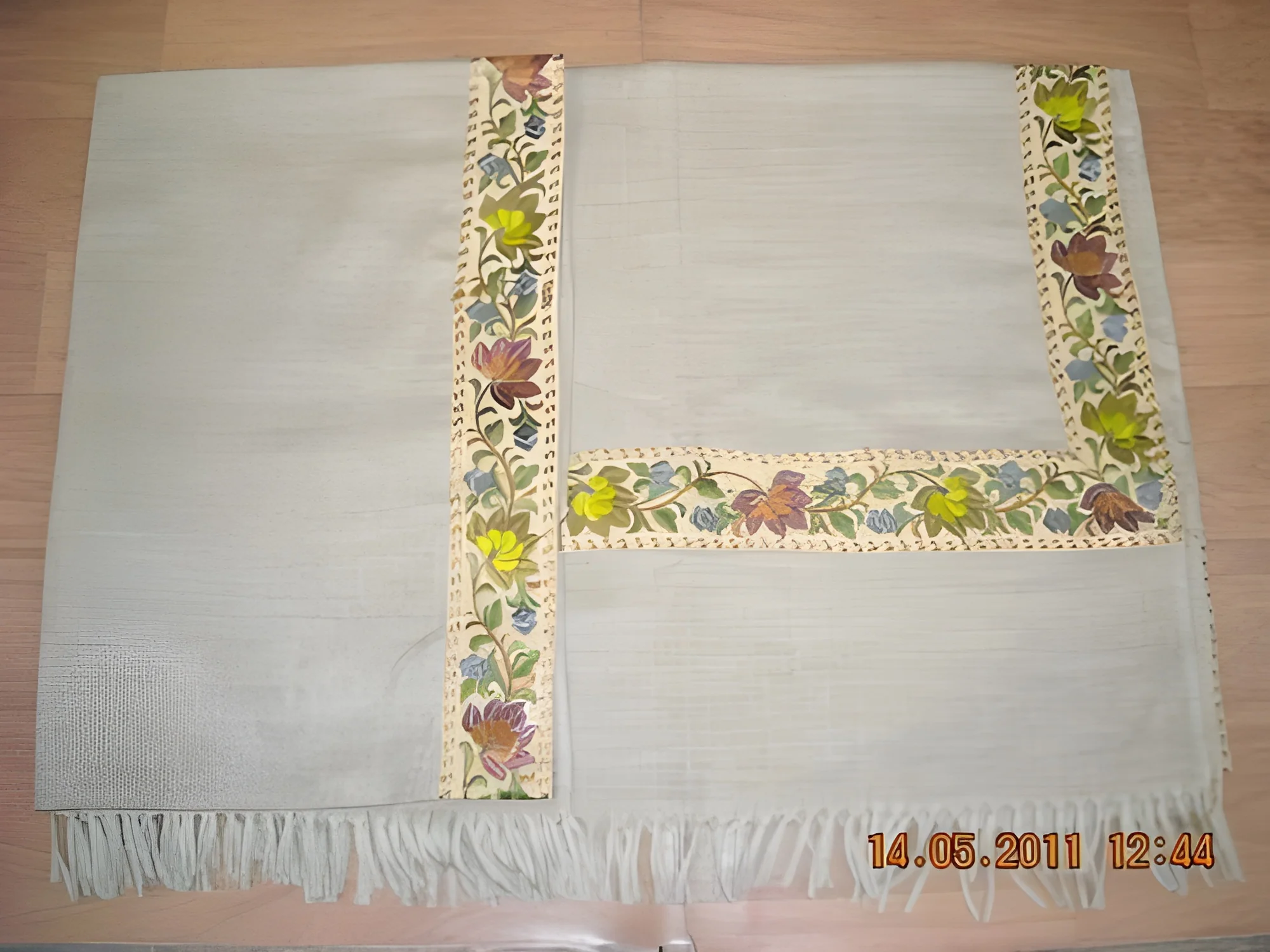
Handloom shawls are finely woven textiles crafted using traditional handloom techniques. These shawls are made from a variety of materials, including wool, cotton, and silk, and are known for their unique patterns and intricate designs. The process involves skilled artisans who operate handlooms, allowing for a level of craftsmanship that is often unmatched by machine-made textiles. Each piece is unique, reflecting the cultural heritage and artistry of the region in which it is produced.
Handloom shawls serve multiple purposes across different sectors. They are often used in the fashion industry as stylish accessories and garments. In addition to their aesthetic appeal, they are also utilized in home decor, adding warmth and texture to living spaces. Businesses often leverage these shawls for promotional gifts or as part of their product offerings, particularly in boutique retail settings. The market for handloom shawls continues to grow, driven by consumer preferences for sustainable and ethically sourced products.
Key Features and Specifications
Handloom shawls are distinguished by their craftsmanship, materials, and design. Key features include the following:
1. Material Type
- Common materials include wool, cotton, and silk.
- Each material offers different qualities such as warmth, breathability, and softness.
2. Weaving Technique
- Each shawl is handwoven, often using traditional patterns and techniques.
- This method ensures uniqueness in each piece.
3. Size Variations
- Shawls are available in various sizes, typically ranging from 60 inches to 80 inches in length.
- Width can vary between 30 inches to 45 inches.
4. Design Patterns
- Patterns can range from simple to complex, often reflecting cultural motifs.
- Some shawls feature embroidery or embellishments.
5. Color Options
- Available in a wide array of colors, catering to various tastes and styles.
- Custom color options may be available for bulk orders.
6. Care Instructions
- Most handloom shawls require dry cleaning or gentle washing.
- Proper care maintains the integrity and longevity of the shawl.
In summary, handloom shawls combine traditional craftsmanship with modern aesthetics, making them a versatile product for various applications.
Common Applications and Use Cases
Handloom shawls find utility across various industries, highlighting their versatility.
1. Fashion Industry: Handloom shawls are popular as fashion accessories, enhancing outfits in both casual and formal settings. Their unique designs often appeal to fashion-conscious consumers.
2. Home Decor: These shawls are used in home styling, serving as decorative throws or wall hangings. Their intricate patterns add a touch of elegance to any space.
3. Gifting: Businesses often use handloom shawls as promotional gifts or corporate giveaways, reflecting a commitment to quality and cultural heritage.
4. Hospitality: Hotels and resorts use handloom shawls to enhance guest experiences, offering them as part of room amenities or as decorative items in lounges.
5. Cultural Events: Handloom shawls are frequently featured in cultural events and exhibitions, showcasing the craftsmanship of artisans and celebrating traditional weaving practices.
6. Eco-Friendly Fashion: With a growing trend towards sustainability, handloom shawls are favored by brands that prioritize eco-friendly materials and production methods.
Product Variants and Subcategories
Handloom shawls encompass a diverse range of variants, each offering unique features.
Wool Shawls: These shawls are known for their warmth and durability. They are ideal for colder climates and are often decorated with traditional patterns. Wool shawls are popular for their comfort and insulation properties.
Silk Shawls: Renowned for their luxurious feel and sheen, silk shawls are often used for formal occasions. Their elegant drape and intricate designs make them a favorite among fashion enthusiasts.
Cotton Shawls: Lightweight and breathable, cotton shawls are perfect for warmer weather. They often feature vibrant colors and patterns, appealing to casual wear.
Benefits and Advantages
Handloom shawls offer numerous benefits that make them a valuable addition to any collection.
1. Unique Craftsmanship: Each shawl is handwoven, ensuring no two pieces are identical. This uniqueness appeals to consumers seeking exclusivity.
2. Sustainable Production: Handloom methods are environmentally friendly, minimizing the carbon footprint associated with mass production. This sustainability attracts eco-conscious buyers.
3. Cultural Significance: Handloom shawls often carry historical and cultural narratives, connecting wearers to the traditions of the artisans who create them.
4. Versatility: These shawls can be styled in various ways, serving as wraps, scarves, or decorative throws. Their adaptability makes them suitable for different occasions.
5. Quality and Durability: Handloom shawls are crafted with care, resulting in products that are often more durable than machine-made alternatives. This longevity translates into better value for customers.
6. Support for Artisans: Purchasing handloom shawls helps support local artisans and their communities, contributing to the preservation of traditional crafts.
Buying Guide for B2B Buyers
When considering sourcing handloom shawls for business purposes, several factors should be taken into account.
1. Quality Assessment: Evaluate the quality of the shawls by examining the craftsmanship, material used, and overall finish. Request samples to ensure they meet your standards.
2. Supplier Verification: Conduct thorough research to verify suppliers. Check their reputation, experience in the market, and reviews from other buyers.
3. Pricing and MOQ: Understand the pricing structure and minimum order quantities (MOQ) required by suppliers. This information is crucial for budgeting and planning.
4. Delivery and Lead Times: Discuss delivery schedules and lead times with suppliers to ensure timely availability of products for your business needs.
5. Compliance Requirements: Ensure that the shawls meet any regulatory and compliance standards relevant to your market. This may include industry certifications and safety requirements.
Compliance and Certifications
Handloom shawls must adhere to various quality and safety standards to ensure their reliability and marketability. Certifications such as CE are essential for products intended for the European market.
Quality standards like ISO 9001 may apply, focusing on consistent quality management systems in production. Additionally, compliance with HACCP (Hazard Analysis and Critical Control Points) is vital for products that may come into contact with consumers.
Safety and testing requirements must also be considered, particularly in regions with strict regulations on textile products. Regional compliance may vary, necessitating thorough research on local laws and standards to ensure that the products meet all necessary criteria.
Why Source Handloom Shawls from Pepagora?
Pepagora offers a trusted platform for sourcing handloom shawls, providing several key advantages to B2B buyers.
Verified Supplier Network: Pepagora connects buyers with a network of verified suppliers, ensuring that all vendors meet strict quality and reliability standards. This network helps mitigate risks associated with sourcing.
Streamlined RFQ Process: The platform features a streamlined Request for Quotation (RFQ) process, making it easier for buyers to obtain competitive pricing and terms from multiple suppliers quickly.
Trade Assurance and Support: Pepagora prioritizes buyer protection through trade assurance programs, ensuring that transactions are secure and that buyers receive quality products as promised.
Regional Coverage: With a focus on markets in India, the GCC, and Southeast Asia, Pepagora offers extensive regional coverage, facilitating easy access to handloom shawls from various artisan communities.
By choosing Pepagora, businesses can confidently source high-quality handloom shawls while supporting the artisans who create these unique products.

 IN
IN