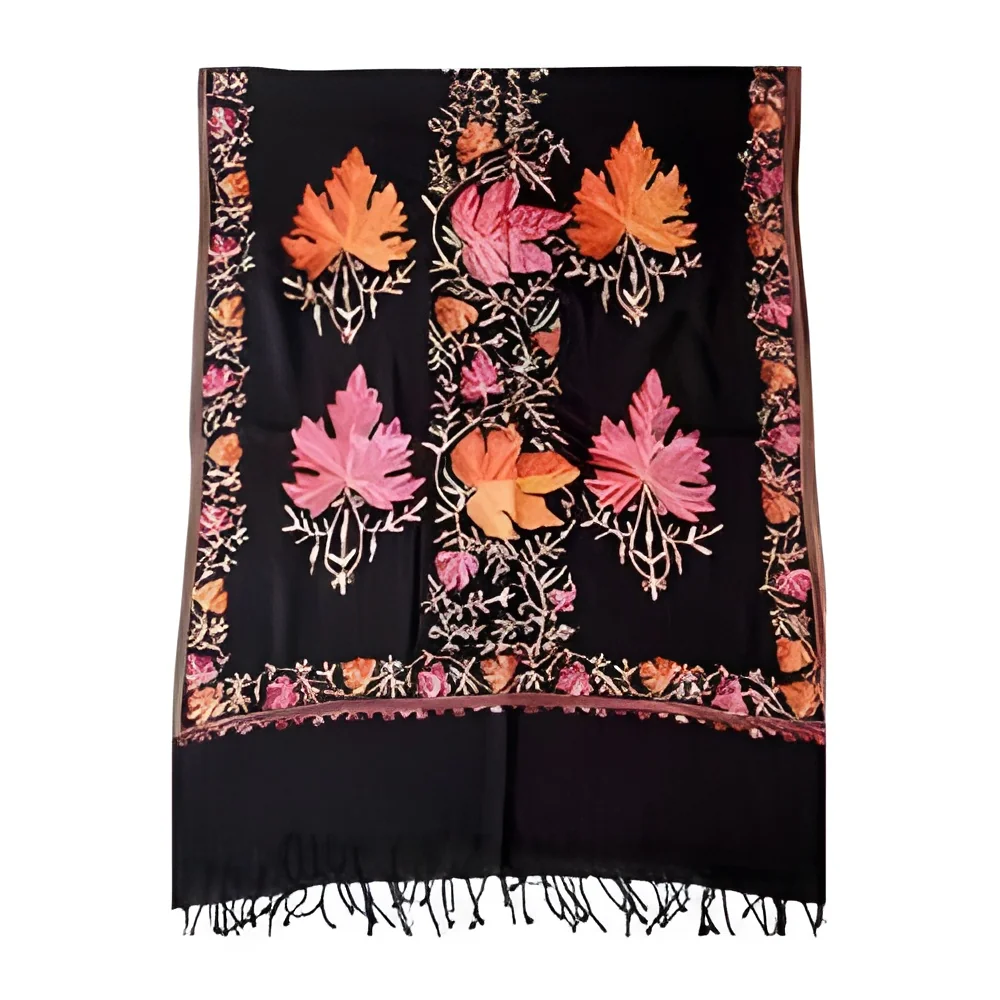
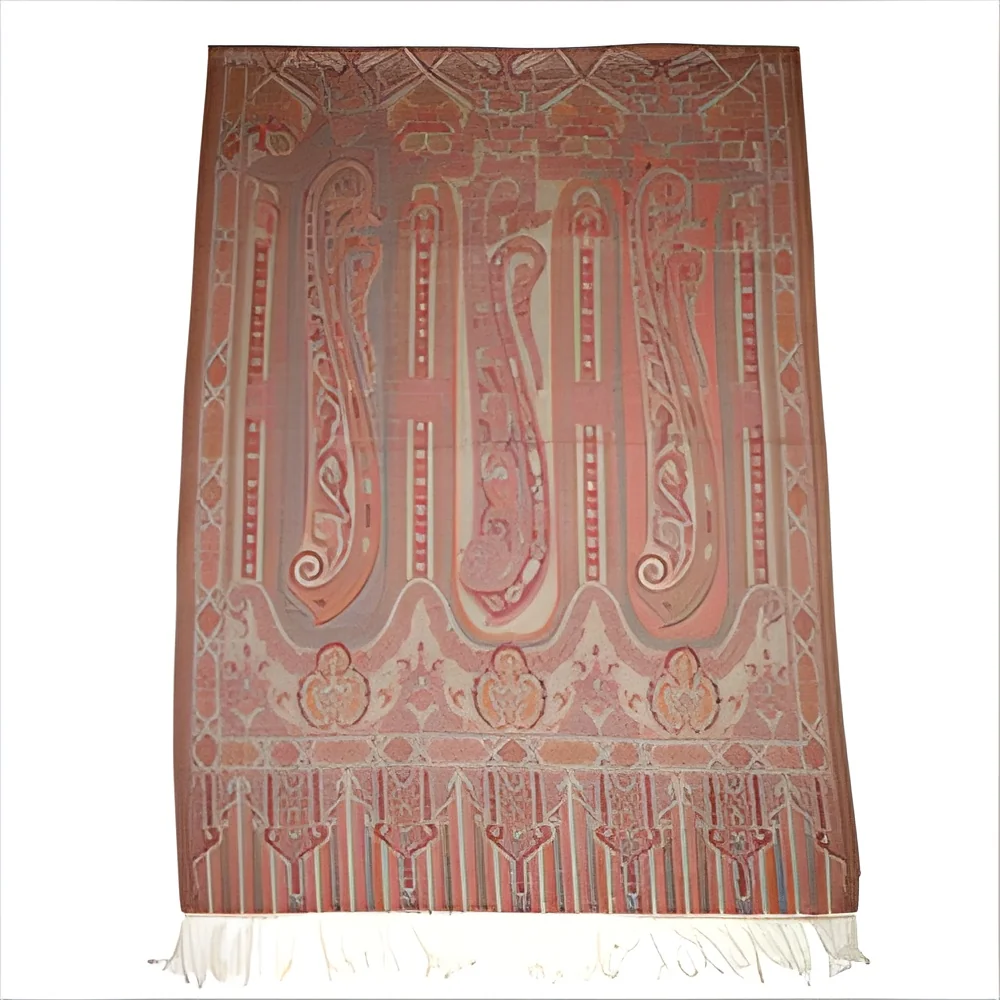
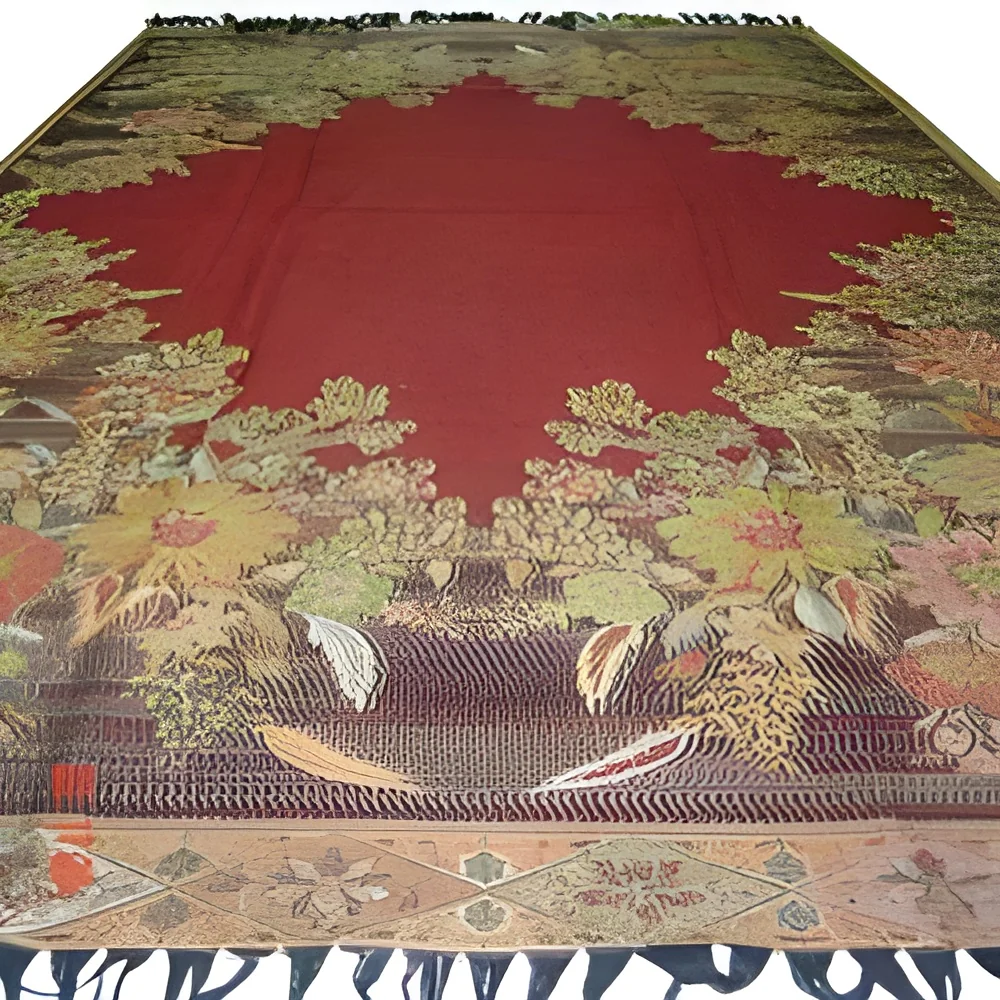
What are Wool Shawls?
Wool Shawls are versatile textile products made from natural wool fibers, known for their warmth, softness, and durability. These shawls are typically woven or knitted, providing a luxurious feel while offering functional benefits. They come in various styles, colors, and patterns, catering to different tastes and needs in the fashion and home decor markets.
In the business context, Wool Shawls find applications in fashion retail, hospitality, and promotional gifting. Retailers often offer these shawls as stylish winter accessories, while hotels and resorts may use them to enhance guest comfort. Additionally, businesses may provide Wool Shawls as corporate gifts, showcasing quality and thoughtfulness. The global demand for wool products continues to rise, driven by a growing preference for sustainable and eco-friendly materials.
With the revival of interest in natural fibers, Wool Shawls have gained prominence in the textile industry. They cater to both traditional markets and contemporary fashion trends, supporting artisans and manufacturers who prioritize quality craftsmanship. As consumers become increasingly aware of the benefits of wool, businesses can leverage this trend to appeal to eco-conscious buyers.
Key Features and Specifications
Wool Shawls are characterized by several key features that enhance their appeal and functionality. Understanding these specifications is crucial for businesses looking to source high-quality products.
Key specifications include:
1. Material Composition
- Typically made from 100% pure wool or a wool blend.
- Offers superior insulation and breathability.
2. Dimensions
- Common sizes range from 70 inches by 30 inches to 80 inches by 40 inches.
- Provides ample coverage for various uses.
3. Weight
- Shawls generally weigh between 300 to 600 grams.
- Heavier options provide extra warmth, while lighter versions are suitable for layering.
4. Weave Type
- Available in various weave types, including plain weave, twill, and jacquard.
- Affects both the texture and aesthetic qualities of the shawl.
5. Color and Pattern Options
- Offered in solid colors, stripes, and intricate patterns.
- Allows businesses to cater to diverse customer preferences.
6. Care Instructions
- Typically machine washable on a gentle cycle or hand wash.
- Many wool shawls are designed to be shrink-resistant.
7. Eco-Friendliness
- Natural wool is biodegradable and renewable.
- Promotes sustainable practices in textile production.
In summary, understanding the key features and specifications of Wool Shawls can help businesses make informed purchasing decisions, ensuring they select products that meet their quality and aesthetic standards.
Common Applications and Use Cases
Wool Shawls serve various industries, reflecting their versatility and appeal in different contexts.
1. Fashion Retail: Wool Shawls are popular as seasonal fashion accessories, enhancing outfits during colder months. Retailers often showcase them in various styles to attract diverse customer demographics.
2. Hospitality: Hotels and resorts utilize Wool Shawls to provide guests with warmth and comfort. These shawls are often placed in guest rooms or used in outdoor seating areas.
3. Corporate Gifting: Businesses frequently choose Wool Shawls as premium gifts for clients and employees, offering a touch of luxury while promoting their brand image.
4. Home Decor: Wool Shawls can also be used as decorative throws or blankets in homes, adding warmth and style to living spaces.
5. Outdoor Activities: Many outdoor enthusiasts use Wool Shawls for warmth during camping, hiking, or other outdoor events, appreciating their lightweight and insulating properties.
6. Fashion Shows and Events: Designers often feature Wool Shawls in runway shows, highlighting their versatility and ability to complement various fashion looks.
7. Cultural Events: In many cultures, Wool Shawls are traditional garments worn during special occasions and celebrations, adding cultural significance to their use.
Product Variants and Subcategories
Wool Shawls come in a variety of styles and designs, catering to different market segments and preferences. This diversity allows businesses to find options that resonate with their target audience.
Classic Wool Shawls
These shawls typically feature simple designs in solid colors or basic patterns. They are versatile and can be worn in various settings, making them ideal for everyday use.
Patterned Wool Shawls
Featuring intricate designs, these shawls are perfect for fashion-conscious consumers. The unique patterns can add flair to an outfit and are often sought after in retail environments.
Luxury Cashmere Wool Shawls
Made from high-quality cashmere, these shawls offer a premium feel and warmth. They are often marketed as high-end products, appealing to customers looking for luxurious gifts or personal items.
Lightweight Travel Shawls
These shawls are designed for portability, made from lighter wool materials. They are ideal for travelers who want a compact solution for warmth during flights or outdoor excursions.
Benefits and Advantages
Wool Shawls offer numerous benefits that make them a valuable addition to any product lineup.
1. Warmth: Wool is an excellent insulator, providing warmth without excessive bulk, making it perfect for cold weather.
2. Comfort: The natural fibers of wool are soft against the skin, ensuring comfort during wear.
3. Versatility: Wool Shawls can be styled in various ways, making them suitable for different occasions, from casual outings to formal events.
4. Durability: Wool is known for its longevity, allowing customers to enjoy their shawls for many seasons.
5. Eco-Friendly: Sourced from renewable sheep, wool is biodegradable and promotes sustainable practices.
6. Moisture Management: Wool effectively wicks moisture away from the skin, keeping wearers dry and comfortable.
Buying Guide for B2B Buyers
When sourcing Wool Shawls, businesses should consider several key factors to ensure they make informed decisions.
1. Quality Assessment: Buyers should evaluate the quality of the wool used, looking for certifications or standards that indicate premium materials. Checking for softness, durability, and weave integrity is also essential.
2. Supplier Verification: It is crucial to vet suppliers to ensure reliability and product authenticity. Buyers should research supplier backgrounds, customer reviews, and any industry certifications they hold.
3. Pricing and MOQ: Understanding the pricing structure and minimum order quantities (MOQ) is vital. Buyers should compare prices among different suppliers to find competitive options that meet their budget.
4. Delivery and Lead Times: Buyers should inquire about delivery timelines and logistics to ensure timely receipt of products, especially during peak seasons.
5. Compliance Requirements: Businesses must be aware of any regulatory or compliance requirements related to textile products in their region. This may include safety standards and labeling requirements.
Compliance and Certifications
Wool Shawls are subject to various compliance standards and certifications that ensure product quality and safety.
Relevant quality standards include ISO 9001, which focuses on maintaining high-quality management systems in manufacturing processes. Adhering to these standards helps ensure consistent product quality from suppliers.
Industry certifications, such as CE, indicate that products meet specific safety and performance criteria. These certifications can enhance marketability and reassure buyers regarding the quality of the products they source.
Safety and testing requirements may include assessments for harmful substances to ensure that the wool used in shawls is free from contaminants. This is particularly important for textiles intended for use in consumer goods.
Regional compliance considerations might vary, so businesses should familiarize themselves with local regulations to ensure their products meet all necessary legal requirements.
Why Source Wool Shawls from Pepagora?
Pepagora provides a trusted platform for sourcing Wool Shawls, offering several key advantages to B2B buyers.
Verified Supplier Network: Pepagora has established connections with a network of verified suppliers, ensuring that buyers have access to high-quality products and reliable service. This network helps mitigate risks often associated with sourcing from unfamiliar suppliers.
Streamlined RFQ Process: The platform features a streamlined request for quotation (RFQ) process, allowing buyers to easily compare pricing and specifications from multiple suppliers. This efficiency saves time and helps buyers make informed decisions.
Trade Assurance and Support: Pepagora offers trade assurance to protect buyers throughout the sourcing process. This includes support for resolving disputes and ensuring that products meet agreed-upon specifications.
Regional Coverage: With a strong presence in key markets like India, the GCC, and Southeast Asia, Pepagora ensures that buyers can access a diverse range of Wool Shawls tailored to their regional preferences and market demands. This extensive coverage enhances the platform's appeal to businesses looking for reliable sourcing solutions.

 IN
IN