𝗪𝗵𝗮𝘁 𝗮𝗿𝗲 𝗦𝗮𝗺𝗽𝗹𝗶𝗻𝗴 & 𝗣𝗿𝗼𝘁𝗼𝘁𝘆𝗽𝗶𝗻𝗴 𝗨𝗻𝗶𝘁𝘀?
Sampling and Prototyping Units are specialized tools used in various industries to create small-scale models or samples of products before full-scale production. These units help businesses test design concepts, materials, and functionalities to ensure that the final product meets specifications and quality standards. By utilizing these units, companies can effectively reduce risks associated with large-scale manufacturing and make informed decisions based on empirical data.
These units find primary applications in sectors such as manufacturing, pharmaceuticals, food processing, and materials science. They allow businesses to analyze the feasibility of new products, conduct quality assurance testing, and gather feedback from stakeholders. This iterative process enhances product development and innovation, enabling companies to refine their offerings before entering the market.
The relevance of Sampling and Prototyping Units is underscored by their role in accelerating product development cycles and improving overall quality. In a competitive market, the ability to rapidly prototype and sample can provide a significant edge. Industries increasingly rely on these units to adapt to changing consumer demands and technological advancements, making them essential tools in modern manufacturing and design.
𝗞𝗲𝘆 𝗙𝗲𝗮𝘁𝘂𝗿𝗲𝘀 𝗮𝗻𝗱 𝗦𝗽𝗲𝗰𝗶𝗳𝗶𝗰𝗮𝘁𝗶𝗼𝗻𝘀
Sampling and Prototyping Units are equipped with a range of features designed to meet the diverse needs of businesses. These features enhance functionality and ensure precision in product testing and development.
Key specifications include:
1. Build Volume
- Determines the maximum size of the prototype that can be produced.
- Typical ranges vary based on model and application.
2. Layer Thickness
- Refers to the minimum thickness of layers in the prototyping process.
- Standard ranges can vary from 0.1 mm to 0.5 mm.
3. Material Compatibility
- Indicates the types of materials that can be utilized for sampling.
- Options often include plastics, metals, and composites.
4. Speed of Production
- Measures the rate at which prototypes can be produced.
- Specifications typically include production time per unit.
5. Accuracy and Precision
- Defines how closely the prototype matches the intended design.
- Tolerances are usually specified in millimeters or microns.
6. User Interface
- Details the software and controls available for operating the unit.
- Often includes touchscreen interfaces and programmable settings.
7. Connectivity Options
- Lists the methods for connecting the unit to computers or networks.
- Common options may include USB, Wi-Fi, or Ethernet capabilities.
8. Safety Features
- Highlights built-in safety measures to protect users during operation.
- May include emergency stop buttons and secure housing.
In summary, the versatility and technical specifications of Sampling and Prototyping Units make them essential for businesses aiming to innovate and ensure quality in their products.
𝗖𝗼𝗺𝗺𝗼𝗻 𝗔𝗽𝗽𝗹𝗶𝗰𝗮𝘁𝗶𝗼𝗻𝘀 𝗮𝗻𝗱 𝗨𝘀𝗲 𝗖𝗮𝘀𝗲𝘀
Sampling and Prototyping Units serve various industries, providing tailored solutions that enhance product development.
1. Manufacturing: In manufacturing, these units are used to create prototypes of new products, allowing for testing of designs, materials, and assembly processes before mass production.
2. Pharmaceuticals: In the pharmaceutical industry, these units facilitate the development of new drugs by enabling the testing of formulations and dosages in small batches.
3. Food Processing: For food processing companies, Sampling and Prototyping Units assist in developing new recipes and formulations, ensuring quality and compliance with safety standards.
4. Automotive: In the automotive sector, these units help in designing and testing components, ensuring they meet performance and safety requirements before full-scale production.
5. Electronics: Electronics manufacturers utilize these units to prototype circuit boards and devices, allowing for rapid testing and iteration of designs.
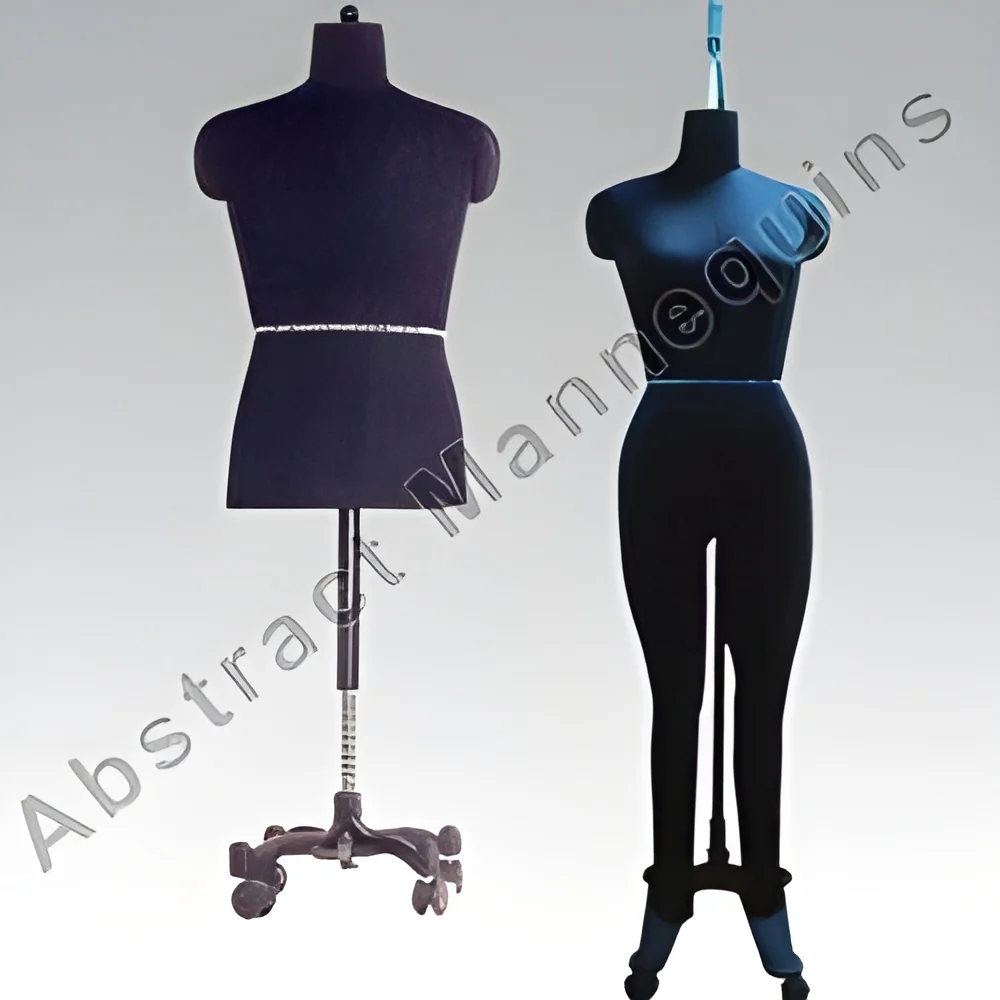
6. Textiles: In the textile industry, Sampling and Prototyping Units are used to create fabric samples and garment prototypes, enabling designers to assess patterns and materials.
7. Aerospace: Aerospace companies leverage these units to prototype components, ensuring they meet stringent regulatory requirements for safety and performance.
𝗣𝗿𝗼𝗱𝘂𝗰𝘁 𝗩𝗮𝗿𝗶𝗮𝗻𝘁𝘀 𝗮𝗻𝗱 𝗦𝘂𝗯𝗰𝗮𝘁𝗲𝗴𝗼𝗿𝗶𝗲𝘀
Sampling and Prototyping Units come in various forms tailored to specific applications and industry needs. Their diversity allows businesses to select solutions that best fit their requirements.
3D Printers: These units enable the creation of three-dimensional prototypes from digital designs. They are widely used in manufacturing and engineering for rapid prototyping.
CNC Milling Machines: These machines create prototypes by cutting away material from a solid block. They are prevalent in industries where precision is critical, such as aerospace and automotive.
Injection Molding Machines: These units are used to produce prototypes in specific materials through an injection process. They are ideal for companies looking to test product designs in actual production materials.
Vacuum Forming Machines: These machines allow for the testing of packaging designs by forming materials over molds. They are commonly used in the food and consumer goods industries.
𝗕𝗲𝗻𝗲𝗳𝗶𝘁𝘀 𝗮𝗻𝗱 𝗔𝗱𝘃𝗮𝗻𝘁𝗮𝗴𝗲𝘀
Sampling and Prototyping Units provide significant advantages that contribute to successful product development and market readiness.
1. Cost Efficiency: By prototyping before full production, businesses can identify design flaws early, reducing waste and rework costs.
2. Time Savings: Rapid prototyping allows for quick iterations, helping companies accelerate their development timelines and bring products to market faster.
3. Improved Quality: These units enable thorough testing and validation, ensuring that products meet quality standards and customer expectations.
4. Enhanced Collaboration: Prototypes facilitate better communication among teams and stakeholders, allowing for feedback and adjustments before final production.
5. Reduced Risk: Testing prototypes helps mitigate the risks associated with launching new products by providing insights into performance and potential issues.
6. Flexibility: Sampling and Prototyping Units can accommodate various materials and designs, allowing businesses to explore innovative concepts without extensive investment.
𝗕𝘂𝘆𝗶𝗻𝗴 𝗚𝘂𝗶𝗱𝗲 𝗳𝗼𝗿 𝗕𝟮𝗕 𝗕𝘂𝘆𝗲𝗿𝘀
When sourcing Sampling and Prototyping Units, several key factors should be considered to ensure the right choice for your business needs.
1. Quality Assessment: Evaluate the quality of units by checking certifications, user reviews, and performance metrics to ensure they meet industry standards.
2. Supplier Verification: Vet suppliers by examining their track record, customer feedback, and compliance with relevant regulations to ensure reliability.
3. Pricing and MOQ: Consider cost factors including initial pricing, ongoing maintenance costs, and minimum order quantities to align with your budget and production scale.
4. Delivery and Lead Times: Assess logistics capabilities, including delivery schedules and lead times, to ensure timely availability of units for your projects.
5. Compliance Requirements: Familiarize yourself with any regulatory requirements that apply to your industry and ensure that the units adhere to necessary compliance standards.
𝗖𝗼𝗺𝗽𝗹𝗶𝗮𝗻𝗰𝗲 𝗮𝗻𝗱 𝗖𝗲𝗿𝘁𝗶𝗳𝗶𝗰𝗮𝘁𝗶𝗼𝗻𝘀
Compliance and certifications play a crucial role in the operation of Sampling and Prototyping Units. Relevant quality standards such as ISO 9001 ensure that products meet international quality management requirements. These standards help establish consistent quality in production processes and enhance customer satisfaction.
Additionally, industry certifications, such as CE marking, indicate that the equipment meets European safety and health requirements. Compliance with these standards is vital for manufacturers, as it ensures that the units are safe to use and meet the necessary legal requirements.
Safety and testing requirements are also essential, particularly in industries such as pharmaceuticals and food processing, where product safety is paramount. Regional compliance considerations may vary, so it is important to be aware of local regulations and standards that affect the use and certification of Sampling and Prototyping Units.
𝗪𝗵𝘆 𝗦𝗼𝘂𝗿𝗰𝗲 𝗦𝗮𝗺𝗽𝗹𝗶𝗻𝗴 & 𝗣𝗿𝗼𝘁𝗼𝘁𝘆𝗽𝗶𝗻𝗴 𝗨𝗻𝗶𝘁𝘀 𝗳𝗿𝗼𝗺 𝗣𝗲𝗽𝗮𝗴𝗼𝗿𝗮?
Pepagora provides a trusted platform for sourcing Sampling and Prototyping Units, offering several key advantages that benefit B2B buyers.
Verified Supplier Network: Pepagora ensures that all suppliers in its network are thoroughly vetted for quality and reliability. This verification process builds trust and confidence in sourcing decisions.
Streamlined RFQ Process: The platform features a streamlined Request for Quotation (RFQ) process, allowing buyers to quickly obtain quotes from multiple suppliers. This efficiency saves time and resources in the procurement process.
Trade Assurance and Support: Pepagora offers trade assurance and support to protect buyers throughout the purchasing journey. This includes assistance with negotiations, payments, and dispute resolutions.
Regional Coverage: Pepagora has a wide geographic reach, covering regions such as India, the GCC, and Southeast Asia. This broad network allows buyers to find suitable suppliers in their local markets, enhancing accessibility and convenience.

 IN
IN