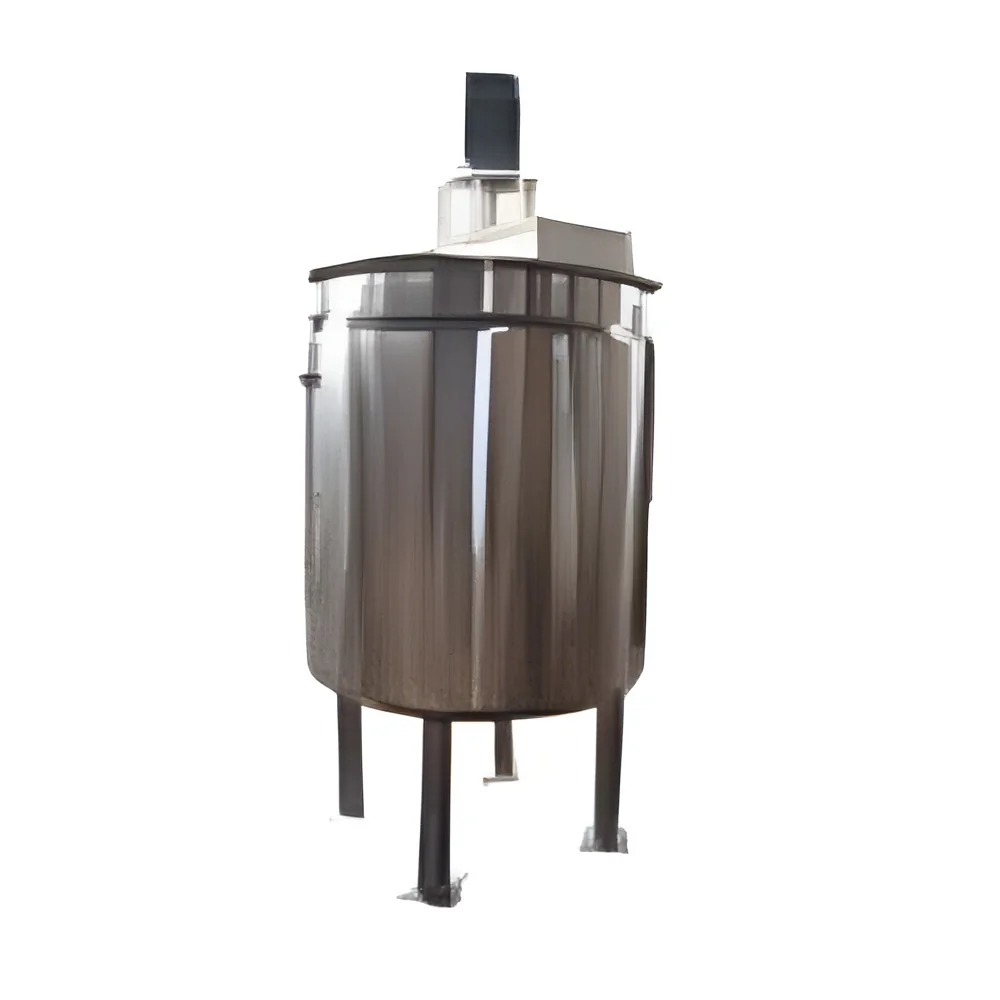
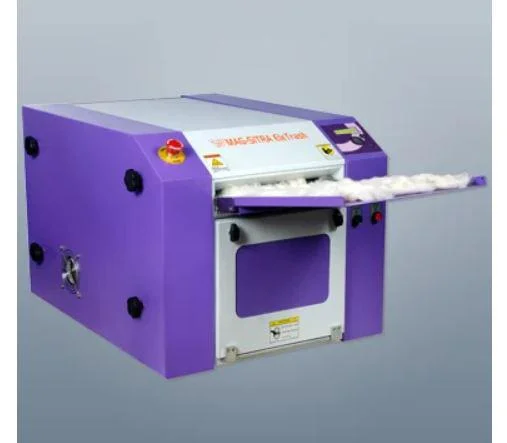
What are Garment Sample Making Units?
Garment Sample Making Units are specialized manufacturing setups designed to produce sample garments. These units play a critical role in the fashion and textile industries by allowing designers and manufacturers to create prototypes before full-scale production. The equipment used in these units typically includes cutting machines, sewing machines, and finishing tools tailored for sample garment creation.
These units are primarily used by fashion designers, clothing manufacturers, and apparel brands. They enable quick production of samples that can be used for design validation, fitting, and marketing purposes. By producing samples, businesses can make necessary adjustments to designs and materials before committing to larger production runs. This reduces waste and ensures that the final products meet market demands.
In today’s competitive market, Garment Sample Making Units hold significant relevance. They are essential for businesses aiming to innovate and respond quickly to fashion trends. With the rise of fast fashion, the ability to efficiently create and test garment samples has become a vital component of the supply chain, helping brands to stay ahead.
Key Features and Specifications
Garment Sample Making Units come equipped with various features designed to optimize the sample-making process. These features ensure that businesses can produce high-quality samples efficiently.
Key specifications include:
1. Cutting Machines
- Precision cutting to minimize fabric waste
- Capability to handle various fabric types
2. Sewing Machines
- Versatile stitching options for different garment styles
- High-speed operation for faster sample production
3. Finishing Tools
- Equipment for ironing, folding, and packing finished samples
- Options for adding labels and tags
4. Design Software Integration
- Compatibility with design software for seamless workflow
- Tools for virtual sampling and modifications
5. Size and Capacity
- Varying sizes to accommodate small to medium production runs
- Modular designs for flexibility in space utilization
6. Energy Efficiency
- Low energy consumption models available
- Eco-friendly options to reduce carbon footprint
7. Automation Features
- Advanced automation for repetitive tasks
- Reduces labor costs and increases production speed
8. Quality Control Mechanisms
- Built-in quality checks during the sample-making process
- Ensures consistency and adherence to specifications
These specifications highlight the capabilities of Garment Sample Making Units, making them an essential choice for businesses in the textile industry.
Common Applications and Use Cases
Garment Sample Making Units serve various industries and applications, each benefiting from the specific capabilities of the units.
1. Fashion Design: Designers use these units to create prototypes of new clothing lines. This allows for adjustments in style, fit, and material before mass production.
2. Apparel Manufacturing: Manufacturers utilize these units to produce samples for client approval, ensuring that their designs meet customer expectations before large-scale production.
3. Retail: Retailers often create samples for marketing purposes. These samples can be shown to potential buyers or displayed in-store to gauge customer interest.
4. Textile Development: Textile companies use sample making units to test new fabrics and patterns, allowing them to innovate and expand their offerings.
5. Educational Institutions: Fashion schools and training centers use these units to teach students about garment construction and design, providing hands-on experience.
6. Custom Tailoring: Tailors can create bespoke samples for clients, ensuring the perfect fit and style before fabricating the final garment.
7. Sportswear: Sports apparel brands use sample making units to test the performance and comfort of new designs, ensuring they meet rigorous standards.
Product Variants and Subcategories
Garment Sample Making Units come in various configurations to meet diverse business needs.
Standard Unit
This is the most common type, equipped with essential tools for cutting, sewing, and finishing. It is suitable for small to medium-sized businesses focusing on quick sample production.
Advanced Unit
This variant includes automated features and advanced technology for larger operations. It is ideal for businesses that require high-speed production and integration with design software.
Compact Unit
A space-saving design that fits in smaller workshops or studios. This variant is perfect for startups or designers with limited space but still needing efficient sample-making capabilities.
Benefits and Advantages
Garment Sample Making Units offer numerous advantages that enhance business operations.
Key benefits include:
1. Cost Efficiency: By producing samples before mass production, businesses can avoid costly mistakes and reduce waste.
2. Time Savings: Quick turnaround on samples allows companies to respond rapidly to market trends and customer feedback.
3. Quality Assurance: Regular production of samples helps maintain high quality and consistency throughout the manufacturing process.
4. Design Validation: These units enable designers to test and refine their concepts, ensuring that the final products meet expectations.
5. Customization Options: Businesses can create tailored samples that cater to specific client needs and preferences.
6. Enhanced Collaboration: Improved communication between designers and manufacturers through sample evaluation fosters better partnerships.
Buying Guide for B2B Buyers
When sourcing Garment Sample Making Units, it is essential to consider several factors to ensure the best fit for your business.
1. Quality Assessment: Evaluate the quality of materials and workmanship used in the units. Look for durable components that will withstand regular use.
2. Supplier Verification: Vet potential suppliers to ensure they have a good reputation and a track record of reliability. Check for certifications and customer reviews.
3. Pricing and MOQ: Understand the pricing structure and minimum order quantities. Compare different suppliers to find competitive pricing that fits your budget.
4. Delivery and Lead Times: Inquire about delivery options and lead times. Ensure that suppliers can meet your timelines for production.
5. Compliance Requirements: Be aware of any regulatory standards that the units must meet, including safety and environmental regulations.
Compliance and Certifications
Garment Sample Making Units must adhere to several quality standards and certifications to ensure reliability and safety.
ISO 9001 is a widely recognized standard that outlines the criteria for a quality management system. Compliance with ISO 9001 indicates that a manufacturer has the processes in place to ensure consistent quality in their products.
CE certification demonstrates that the units meet European safety, health, and environmental protection standards. This certification is essential for manufacturers looking to sell their products in European markets.
Safety and testing requirements are crucial for ensuring that the equipment operates safely and efficiently. Regular testing and adherence to safety guidelines protect both the operators and the end-users.
Regional compliance considerations may vary based on local regulations. It is important to understand the specific requirements in your geographic area to ensure compliance.
Why Source Garment Sample Making Units from Pepagora?
Pepagora provides a trusted platform for sourcing Garment Sample Making Units with several key advantages.
Verified Supplier Network: Pepagora connects buyers with a network of verified suppliers, ensuring that you work with reputable manufacturers. This verification process helps minimize risks associated with sourcing.
Streamlined RFQ Process: The platform offers a simplified Request for Quotation system that allows buyers to request quotes from multiple suppliers quickly. This feature saves time and helps in comparing options effectively.
Trade Assurance and Support: Pepagora provides trade assurance, protecting buyers from risks associated with their purchases. Comprehensive support is available to address any concerns throughout the sourcing process.
Regional Coverage: With extensive geographic reach, Pepagora facilitates sourcing across India, the GCC, and Southeast Asia. This broad coverage allows businesses to tap into various markets and find the right suppliers for their needs.

 IN
IN