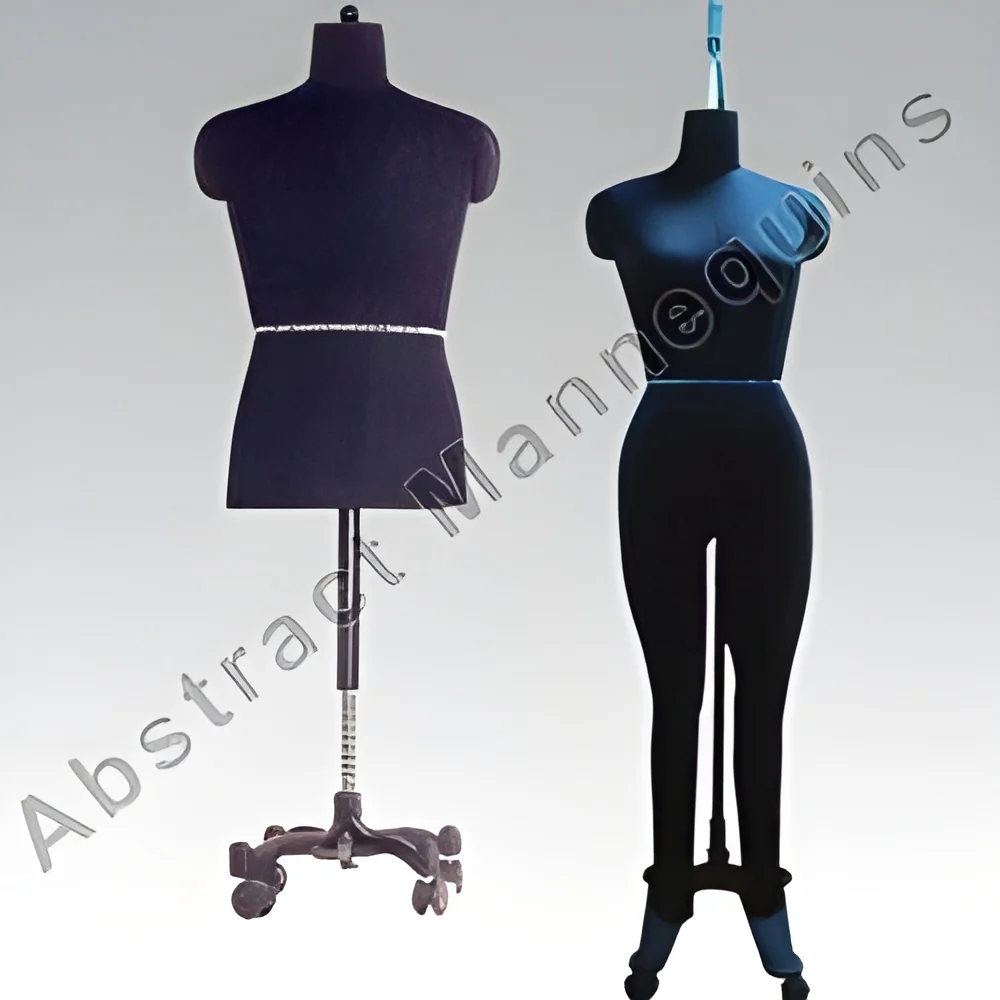
What are Luxury Fashion Sample Making?
Luxury fashion sample making refers to the process of creating prototypes for high-end clothing and accessories. This practice allows designers to visualize and refine their creations before moving into full-scale production. Luxury fashion samples are typically made from premium materials and follow precise design specifications to ensure that the final product meets the high standards expected in the luxury market.
The primary uses of luxury fashion sample making include testing designs, assessing fit, and evaluating fabric choices. Designers often use samples to present their ideas to stakeholders, including investors, retailers, and fashion shows. These samples play a critical role in the iterative design process, allowing for modifications and improvements based on feedback.
In the current market context, luxury fashion sample making is essential for brands aiming to remain competitive. With the rise of fast fashion, luxury brands must ensure their products stand out, requiring a meticulous approach to design and production. This process aids in maintaining quality and exclusivity, which are vital for luxury brands seeking to uphold their reputation.
Key Features and Specifications
Luxury fashion sample making is characterized by several key features and specifications that enhance quality and usability. These specifications ensure that samples accurately represent the final product while meeting industry standards.
Key specifications include:
1. Material Quality
- Premium fabrics and materials are utilized to reflect the look and feel of the final product.
- Options may include silk, cashmere, and other high-end textiles.
2. Design Accuracy
- Samples are crafted to precise design specifications, ensuring that dimensions and styles match the designer's vision.
- Attention to detail is critical in stitching, finishing, and overall presentation.
3. Customization Options
- Samples can often be tailored to specific design requests or alterations.
- Flexibility in design adjustments allows for refinement based on feedback.
4. Testing and Fit
- Samples are used to assess fit and comfort, which are essential for luxury items.
- Proper fitting ensures that the final product is appealing and functional.
5. Production Readiness
- Samples serve as a benchmark for the production process, guiding manufacturing standards and practices.
- Ensures consistency in the final product line.
6. Time Efficiency
- The sample-making process is designed to be efficient, allowing quick turnarounds for designers.
- Enables brands to meet market demands swiftly.
7. Presentation Quality
- Samples are often presented in a manner that reflects the brand's identity, enhancing their appeal to stakeholders.
- High-quality finishing and packaging are common.
In summary, the specifications of luxury fashion sample making are crucial for ensuring high standards in design and production, ultimately benefiting brands in the competitive luxury market.
Common Applications and Use Cases
Luxury fashion sample making serves a wide range of industries beyond just clothing design.
1. Apparel Design: Designers create samples for various clothing lines including evening wear, casual wear, and outerwear. This helps in visualizing collections prior to larger production runs.
2. Accessories Development: Brands also utilize sample making for handbags, shoes, and jewelry, allowing for thorough assessments of style and functionality before launch.
3. Fashion Shows: Sample garments are essential for runway presentations, enabling designers to showcase their latest collections to potential buyers and media.
4. Retail Partnerships: Retailers often request samples to evaluate product offerings before committing to large orders, ensuring alignment with their inventory standards.
5. Custom Orders: Tailors and bespoke fashion houses use samples to illustrate custom designs for clients, ensuring satisfaction with the finished product.
6. Educational Institutions: Fashion schools employ sample making in their curriculum to teach students about design processes and material handling.
7. Trend Research: Market analysts and trend forecasters create samples to understand current fashion trends and consumer preferences, aiding brands in product development.
Product Variants and Subcategories
Luxury fashion sample making comes in various forms to cater to different design needs and preferences. The diversity of product variants allows brands to select the right sample type based on their specific requirements.
Standard Sample Making
This variant focuses on creating prototypes that align closely with the final product in terms of design and material. It is commonly used by established brands to test new collections.
Rapid Prototyping
This variant emphasizes speed and efficiency, using techniques like digital printing or 3D modeling to quickly produce samples. It is ideal for designers who need to iterate rapidly.
Detailed Craftsmanship
This variant involves meticulous handcrafting of samples, ideal for high-end couture designs. It showcases the craftsmanship and intricate details that luxury items demand.
Benefits and Advantages
Luxury fashion sample making offers numerous advantages that contribute to the success of fashion brands.
1. Enhanced Design Accuracy: Creating samples allows designers to visualize their work, reducing the likelihood of errors in the final product.
2. Improved Fit and Comfort: Testing samples ensures that garments fit well and meet consumer expectations for comfort, which is critical in the luxury market.
3. Stakeholder Engagement: Samples serve as effective tools for presenting designs to investors and retailers, facilitating better communication and feedback.
4. Brand Integrity: By ensuring high-quality samples, brands maintain their reputation for excellence, which is essential in the luxury segment.
5. Flexibility in Design: The ability to modify samples based on feedback allows for a more adaptive design process, ensuring that products meet current market trends.
6. Market Readiness: High-quality samples facilitate quicker market entry, allowing brands to respond to trends and consumer demands efficiently.
Buying Guide for B2B Buyers
When sourcing luxury fashion sample making, B2B buyers should consider several critical factors to ensure they make informed decisions.
1. Quality Assessment: Evaluate the quality of materials and craftsmanship used in the samples. Ensure that they meet the standards expected for luxury products.
2. Supplier Verification: Conduct thorough research on potential suppliers. Review their credentials, past work, and client testimonials to ensure reliability.
3. Pricing and MOQ: Understand the pricing structure and minimum order quantities associated with sample making. This will help in budgeting and inventory management.
4. Delivery and Lead Times: Inquire about the production timelines and delivery schedules. Timely samples are crucial for maintaining production schedules.
5. Compliance Requirements: Check for any regulatory or compliance standards that need to be met, especially if samples are to be used for international markets.
Compliance and Certifications
Luxury fashion sample making must adhere to various industry standards and certifications to ensure quality and safety.
Relevant quality standards such as ISO 9001 help establish a framework for quality management systems. These standards are critical for ensuring that products consistently meet customer and regulatory requirements.
Industry certifications, including CE marking, indicate compliance with health, safety, and environmental protection standards applicable to fashion items. This certification is essential for brands selling in regions that require it.
Safety and testing requirements are vital to ensure that materials used in clothing and accessories do not pose risks to consumers. Brands must conduct thorough testing for harmful substances.
Additionally, regional compliance considerations may vary based on the market. Understanding local regulations is essential for brands looking to expand their reach in global markets.
Why Source Luxury Fashion Sample Making from Pepagora?
Pepagora provides a trusted platform for sourcing luxury fashion sample making, offering several key advantages to B2B buyers.
Verified Supplier Network: Pepagora connects buyers with verified suppliers, ensuring that all vendors meet stringent quality and reliability standards. This minimizes risks associated with sourcing.
Streamlined RFQ Process: The platform features an efficient request for quotation (RFQ) system that simplifies the procurement process. Buyers can quickly gather quotes and compare options from multiple suppliers.
Trade Assurance and Support: Pepagora offers trade assurance, providing buyers with protection and support throughout the sourcing process. This builds trust and confidence in transactions.
Regional Coverage: With a presence in key markets such as India, the GCC, and Southeast Asia, Pepagora ensures that buyers have access to a wide range of suppliers and products tailored to their specific needs.

 IN
IN