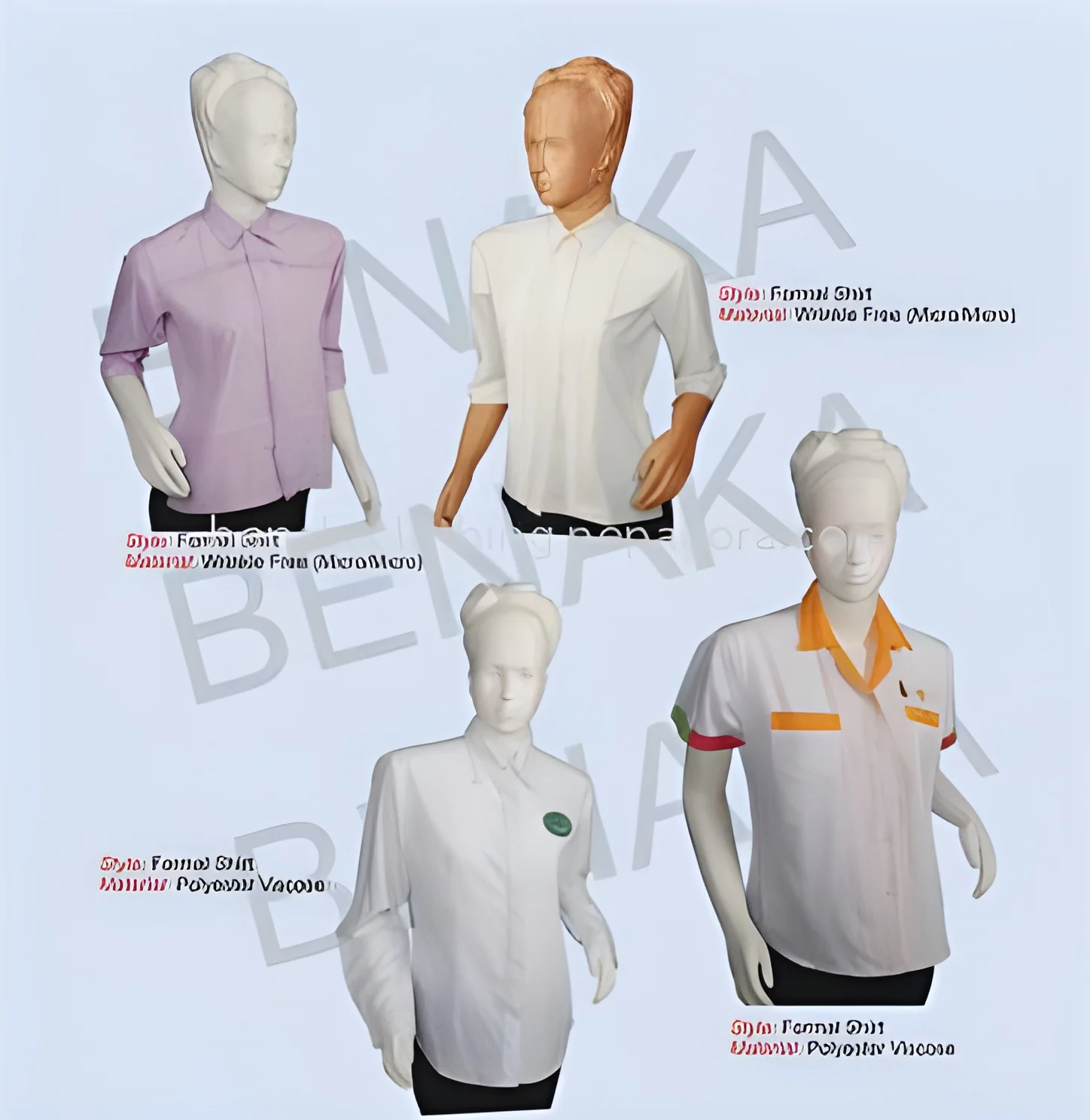
What are Sportswear & Performance Prototype Units?
Sportswear and Performance Prototype Units are specialized garments designed for athletes and fitness enthusiasts. These units are engineered to enhance performance through advanced materials and technology. They are typically used in environments where physical activity is a primary focus, providing support, comfort, and durability to the wearer.
These prototype units serve a variety of business applications, including product development for sports brands, testing for performance enhancements, and the evaluation of new materials. Companies in the fitness and athletic sectors utilize these prototypes to innovate and refine their product offerings. The relevance of these units in the industry is significant, as they cater to an ever-growing market that demands high-performance, scientifically-backed apparel.
Key Features and Specifications
Sportswear and Performance Prototype Units come with a range of features that enhance functionality and user experience. These specifications are crucial for businesses looking to invest in high-quality sportswear prototypes.
Key specifications include:
1. Material Composition
- Typically made from moisture-wicking, breathable fabrics
- Common materials include polyester blends and nylon
2. Design Features
- Includes ergonomic cuts for improved mobility
- Seamless construction to reduce chafing
3. Temperature Regulation
- Designed to maintain optimal body temperature during intense activities
- Features such as ventilation panels may be included
4. Durability
- High resistance to wear and tear
- Suitable for repeated use in rigorous environments
5. Fit Options
- Available in various sizes to accommodate different body types
- Customizable fit features such as adjustable straps
6. Color and Branding
- Options for custom colors and branding for promotional purposes
- Can be designed to adhere to corporate identity guidelines
In summary, these sportswear prototypes combine innovative materials and design features to meet the specific needs of athletic performance.
Common Applications and Use Cases
Sportswear and Performance Prototype Units have a wide range of applications across different industries.
1. Sports and Athletics: Used by professional athletes for training and competition, these garments support peak performance and recovery.
2. Fitness Centers: Gyms often employ these units for staff uniforms or promotional gear, emphasizing branding while ensuring comfort and functionality.
3. Outdoor Recreation: Companies in hiking, cycling, and adventure sports utilize prototypes to test new designs and materials in real-world conditions.
4. Fashion Industry: Fashion designers may use performance prototypes to blend style with functionality, targeting the athleisure market.
5. Research and Development: Educational institutions and research organizations employ these units for studies on materials and performance metrics.
6. Corporate Wellness Programs: Businesses integrate these prototypes into wellness initiatives, providing employees with high-quality sportswear for fitness activities.
Product Variants and Subcategories
Sportswear and Performance Prototype Units encompass various designs to cater to specific needs and preferences.
Athletic Tops
These are designed for maximum breathability and comfort during workouts. Features may include moisture-wicking fabrics and ergonomic fits.
Performance Bottoms
Tailored for activities ranging from running to yoga, these bottoms often include compression technology and flexible materials for enhanced movement.
Outerwear
This variant focuses on protection against environmental elements, featuring water-resistant and windproof fabrics suitable for outdoor activities.
Accessories
Includes items such as headbands and compression sleeves that enhance overall performance while providing additional support.
Benefits and Advantages
Investing in Sportswear and Performance Prototype Units offers several advantages for businesses and consumers alike.
1. Enhanced Performance: These units are designed to improve athletic performance through strategic material choices and design.
2. Increased Comfort: Advanced fabric technology ensures a comfortable fit, reducing distractions during physical activity.
3. Customization Options: Businesses can tailor designs to meet branding and functional requirements, making these units unique.
4. Durability: High-quality materials offer long-lasting use, reducing the need for frequent replacements.
5. Market Competitiveness: Companies utilizing innovative prototypes are better positioned to stay ahead of market trends and consumer demands.
6. Research Opportunities: Sportswear prototypes provide valuable data for ongoing research and development in the athletic apparel industry.
Buying Guide for B2B Buyers
When sourcing Sportswear and Performance Prototype Units, several factors should be considered to ensure a successful purchase.
1. Quality Assessment: Evaluate the quality of materials and construction standards to ensure they meet the desired performance criteria.
2. Supplier Verification: Conduct thorough checks on potential suppliers to confirm their reliability and production capabilities.
3. Pricing and MOQ: Understand the pricing structures and minimum order quantities, which can vary based on customization and materials.
4. Delivery and Lead Times: Assess the logistics involved in delivery timelines to ensure they align with your project requirements.
5. Compliance Requirements: Be aware of regulatory standards and certifications that may apply to the sportswear industry to ensure product safety and quality.
Compliance and Certifications
Compliance and certifications play a critical role in the manufacturing and distribution of Sportswear and Performance Prototype Units.
Relevant quality standards, such as ISO 9001, ensure that manufacturers adhere to consistent quality management processes. This is essential for maintaining product reliability and customer satisfaction.
Industry certifications, including CE marking, indicate that the products meet European safety, health, and environmental protection standards. This is particularly important for businesses looking to enter international markets.
Safety and testing requirements must also be taken into account. Products should be tested for performance under various conditions to ensure they meet the necessary safety standards.
Furthermore, regional compliance considerations may vary, so companies must stay informed of local regulations that could impact the production and sale of sportswear.
Why Source Sportswear & Performance Prototype Units from Pepagora?
Pepagora offers a reliable platform for sourcing Sportswear and Performance Prototype Units, bringing several key advantages to buyers.
Verified Supplier Network: Pepagora connects businesses with a network of verified suppliers, ensuring that quality and reliability are prioritized in the procurement process. This network helps buyers find trustworthy partners that can meet their specific needs.
Streamlined RFQ Process: The request for quotation (RFQ) system simplifies the process of obtaining competitive pricing and detailed product information. This efficiency allows businesses to make informed purchasing decisions quickly.
Trade Assurance and Support: Buyers benefit from trade assurance policies that protect their transactions and investments. Pepagora provides support throughout the buying process, ensuring a smooth experience from inquiry to delivery.
Regional Coverage: With a strong presence in India, the GCC, and Southeast Asia, Pepagora facilitates access to a diverse range of suppliers and products. This geographic reach enables businesses to tap into emerging markets and expand their operations effectively.

 IN
IN