
 IN
Organic Clothing
65 products available
𝗪𝗵𝗮𝘁 𝗮𝗿𝗲 𝗢𝗿𝗴𝗮𝗻𝗶𝗰 𝗖𝗹𝗼𝘁𝗵𝗶𝗻𝗴?
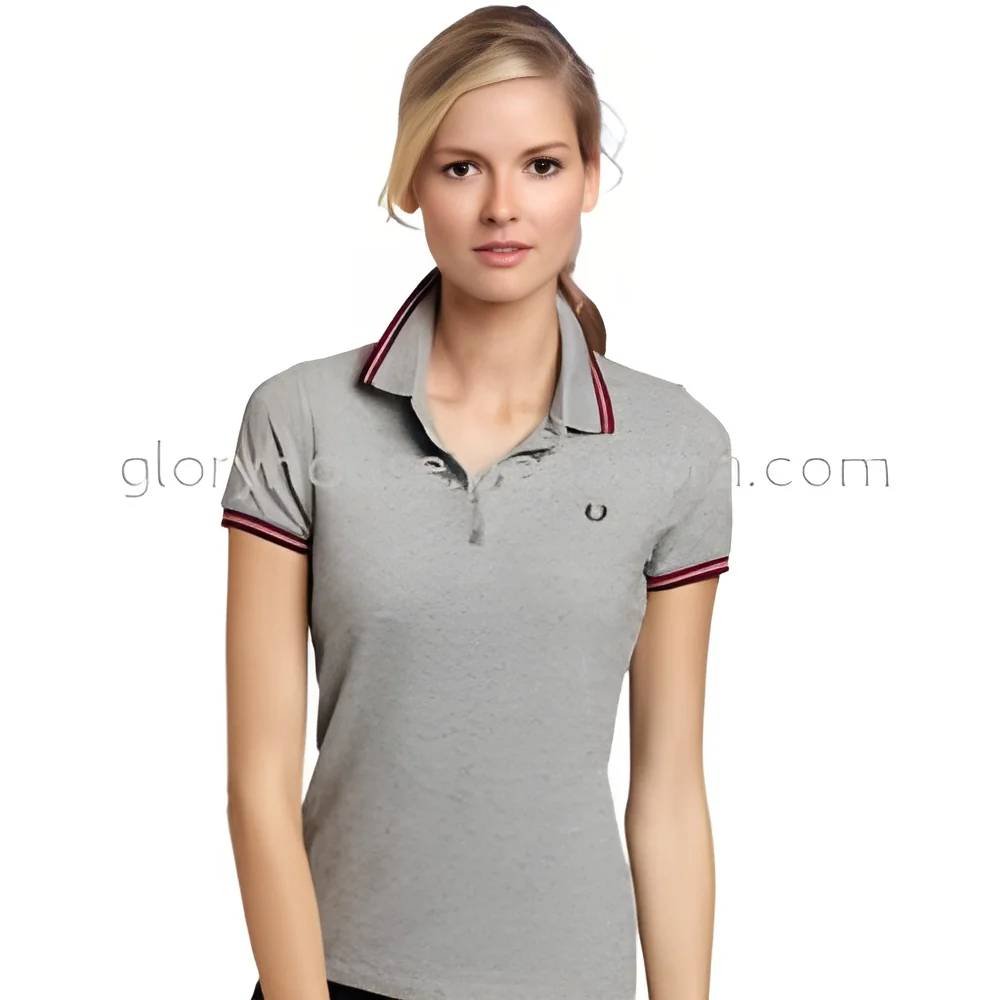
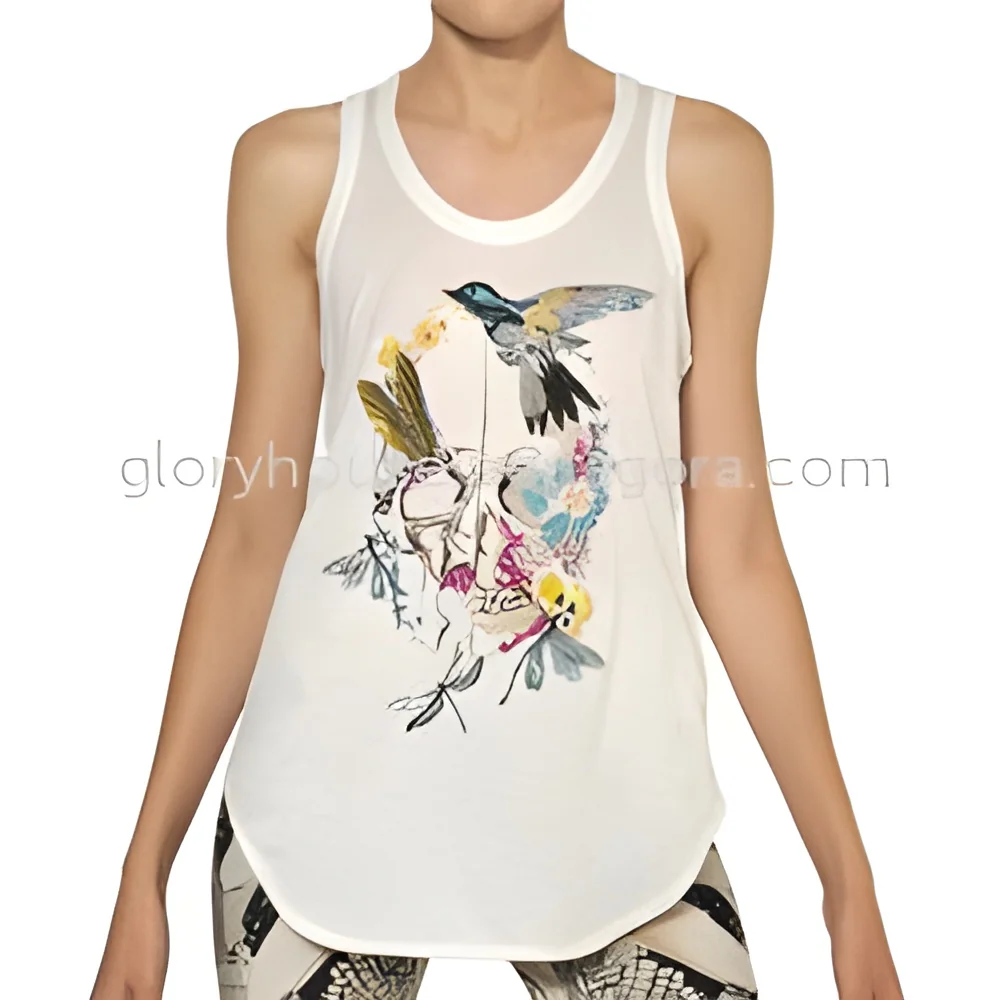
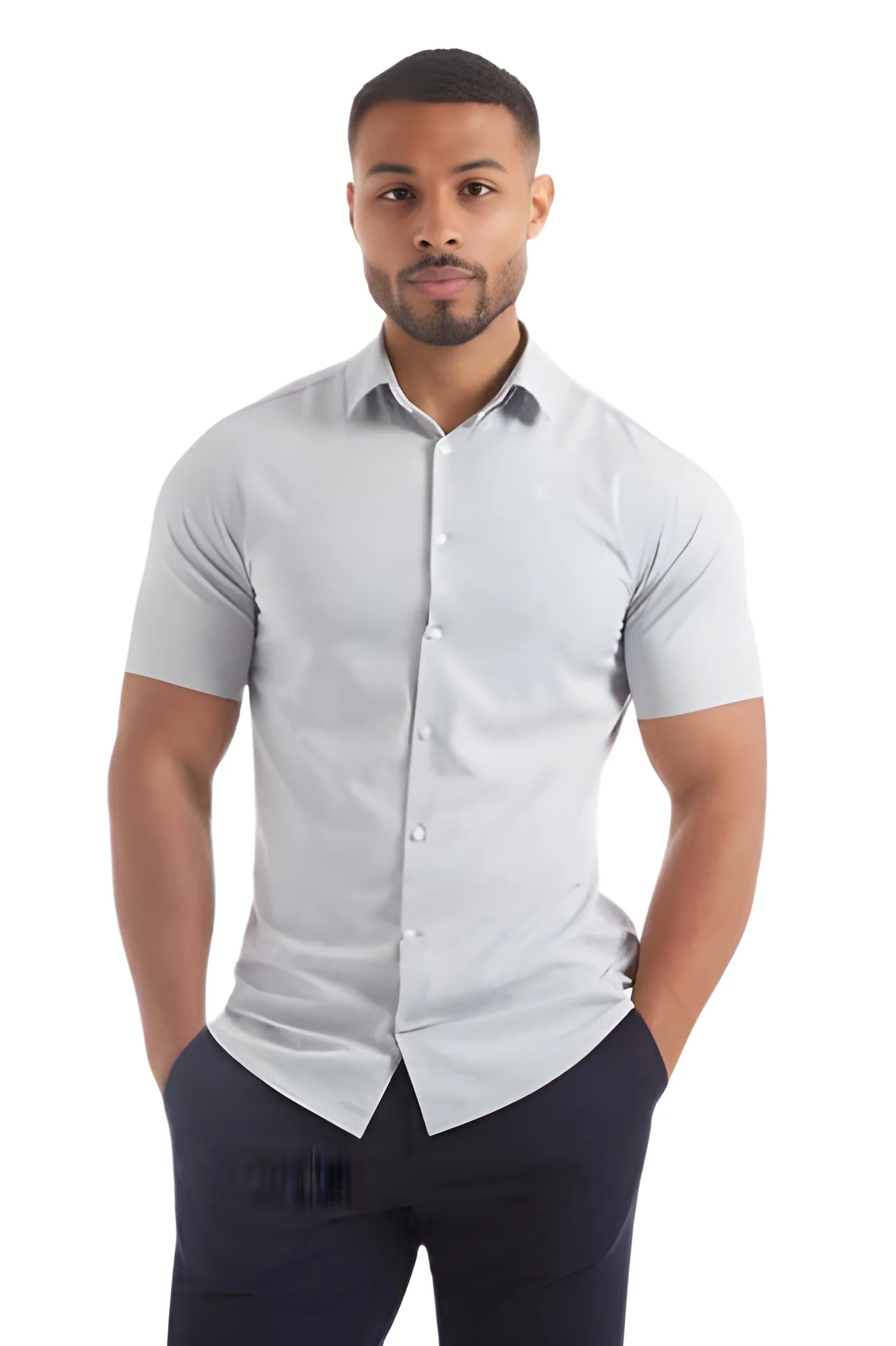
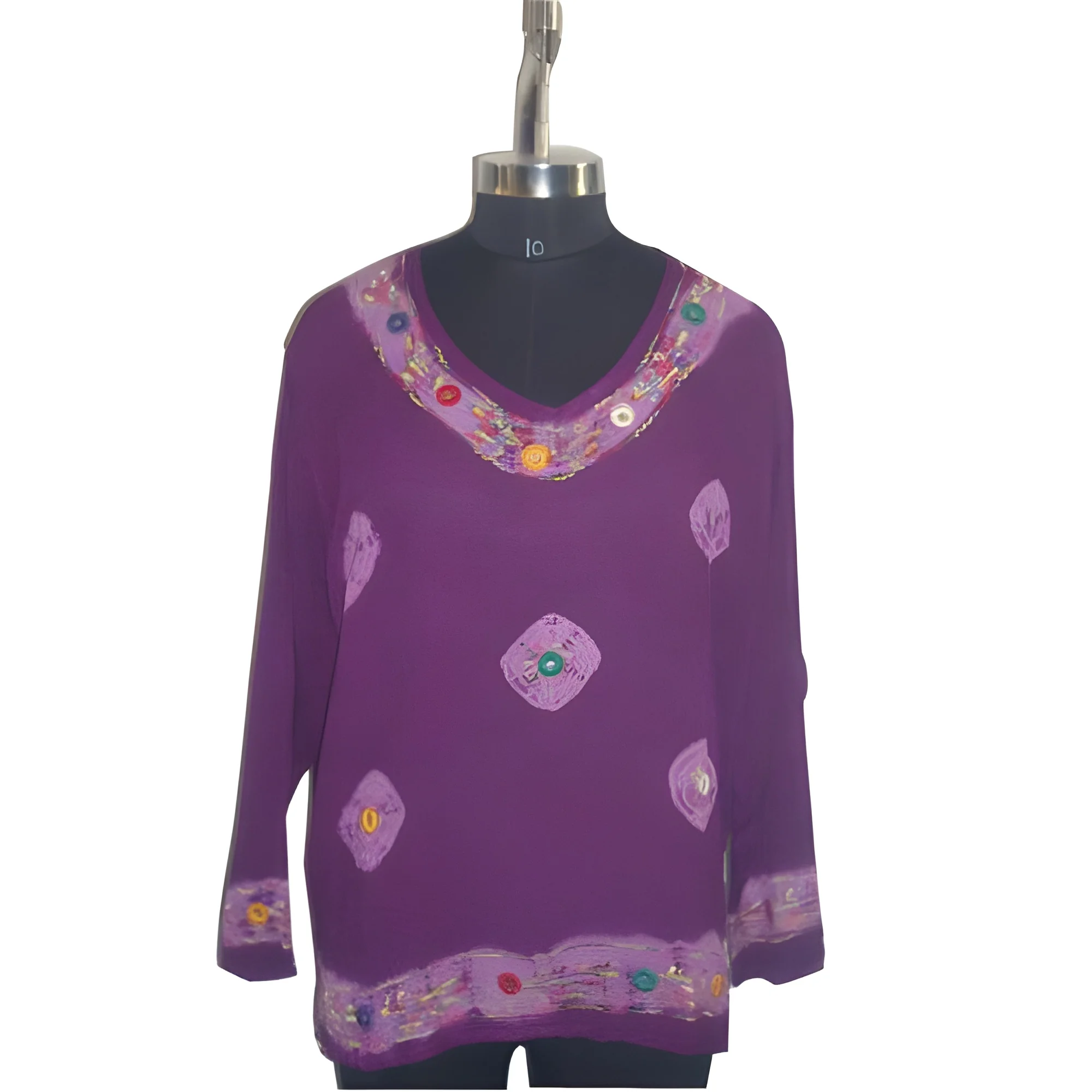
Organic clothing refers to garments made from natural fibers that are produced without the use of synthetic pesticides, fertilizers, or genetically modified organisms. The production process emphasizes environmentally friendly practices, including crop rotation and natural composting, ensuring that the clothing is not only sustainable but also safe for the consumer. Organic clothing is often made from materials such as organic cotton, linen, hemp, and bamboo, which are cultivated using methods that promote soil health and biodiversity.
The primary uses of organic clothing span various sectors, including fashion, activewear, and work uniforms. Businesses in the apparel industry are increasingly adopting organic textiles to meet consumer demands for sustainable products. Organic clothing is particularly relevant for companies looking to enhance their brand image and appeal to eco-conscious customers. As awareness about environmental issues grows, the market for organic clothing is expanding, with many companies recognizing the importance of sustainability in their supply chains.
𝗞𝗲𝘆 𝗙𝗲𝗮𝘁𝘂𝗿𝗲𝘀 𝗮𝗻𝗱 𝗦𝗽𝗲𝗰𝗶𝗳𝗶𝗰𝗮𝘁𝗶𝗼𝗻𝘀
Organic clothing is characterized by several key features that set it apart from conventional apparel. These features not only contribute to its appeal but also define its market positioning.
Key specifications include:
1. Material Composition
- Made from 100% organic fibers
- Typically includes organic cotton, hemp, and linen
2. Production Processes
- Grown without synthetic pesticides or fertilizers
- Utilizes sustainable farming practices
3. Certifications
- Certified by recognized organizations (e.g., GOTS, OEKO-TEX)
- Ensures compliance with organic standards
4. Environmental Impact
- Lower carbon footprint compared to conventional clothing
- Biodegradable and less harmful to ecosystems
5. Comfort and Breathability
- Soft texture and natural moisture-wicking properties
- Suitable for sensitive skin
6. Durability
- High-quality fibers that withstand wear and tear
- Longer lifespan than traditional fabrics
7. Design Versatility
- Available in various styles and fits
- Can be customized for branding or promotional purposes
8. Color Options
- Typically dyed with low-impact, non-toxic dyes
- Available in a range of natural and vibrant colors
Overall, the combination of these features makes organic clothing an attractive option for businesses aiming to promote sustainability.
𝗖𝗼𝗺𝗺𝗼𝗻 𝗔𝗽𝗽𝗹𝗶𝗰𝗮𝘁𝗶𝗼𝗻𝘀 𝗮𝗻𝗱 𝗨𝘀𝗲 𝗖𝗮𝘀𝗲𝘀
Organic clothing serves various industries beyond traditional fashion:
1. Fashion Industry: Many brands are incorporating organic clothing into their collections to attract eco-conscious consumers. This includes everything from casual wear to high-end fashion.
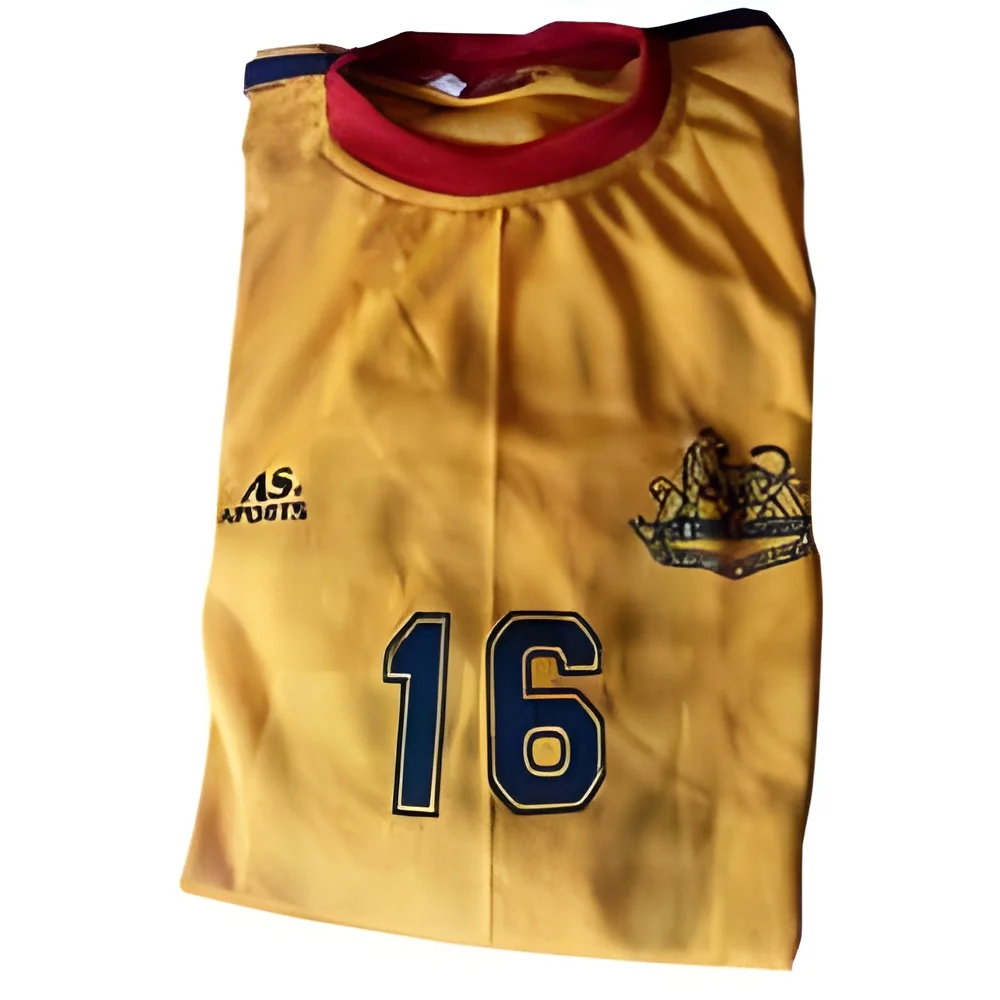
2. Sports and Activewear: Companies producing athletic apparel are increasingly using organic materials to create breathable and comfortable clothing for fitness enthusiasts.
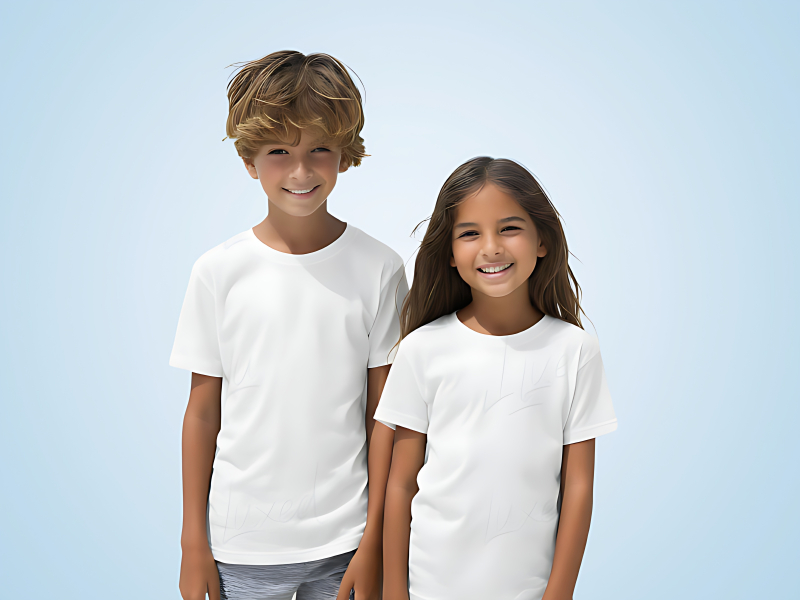
3. Childrenswear: Organic clothing is a popular choice for children's apparel, as parents prefer safe and non-toxic materials for their kids' delicate skin.
4. Workwear: Businesses are opting for organic fabrics for uniforms and workwear, promoting sustainable practices in their workforce.
5. Home Textiles: Organic materials are also used in home textiles, such as bed linens and towels, appealing to consumers seeking eco-friendly home goods.
6. Eco-Friendly Brands: Many start-ups focused on sustainability exclusively market organic clothing, further driving demand in this niche.
7. Promotional Merchandise: Companies are increasingly using organic clothing for branded merchandise, aligning their marketing strategies with sustainable values.
𝗣𝗿𝗼𝗱𝘂𝗰𝘁 𝗩𝗮𝗿𝗶𝗮𝗻𝘁𝘀 𝗮𝗻𝗱 𝗦𝘂𝗯𝗰𝗮𝘁𝗲𝗴𝗼𝗿𝗶𝗲𝘀
The diversity of organic clothing allows for various product variants that suit different needs and preferences.
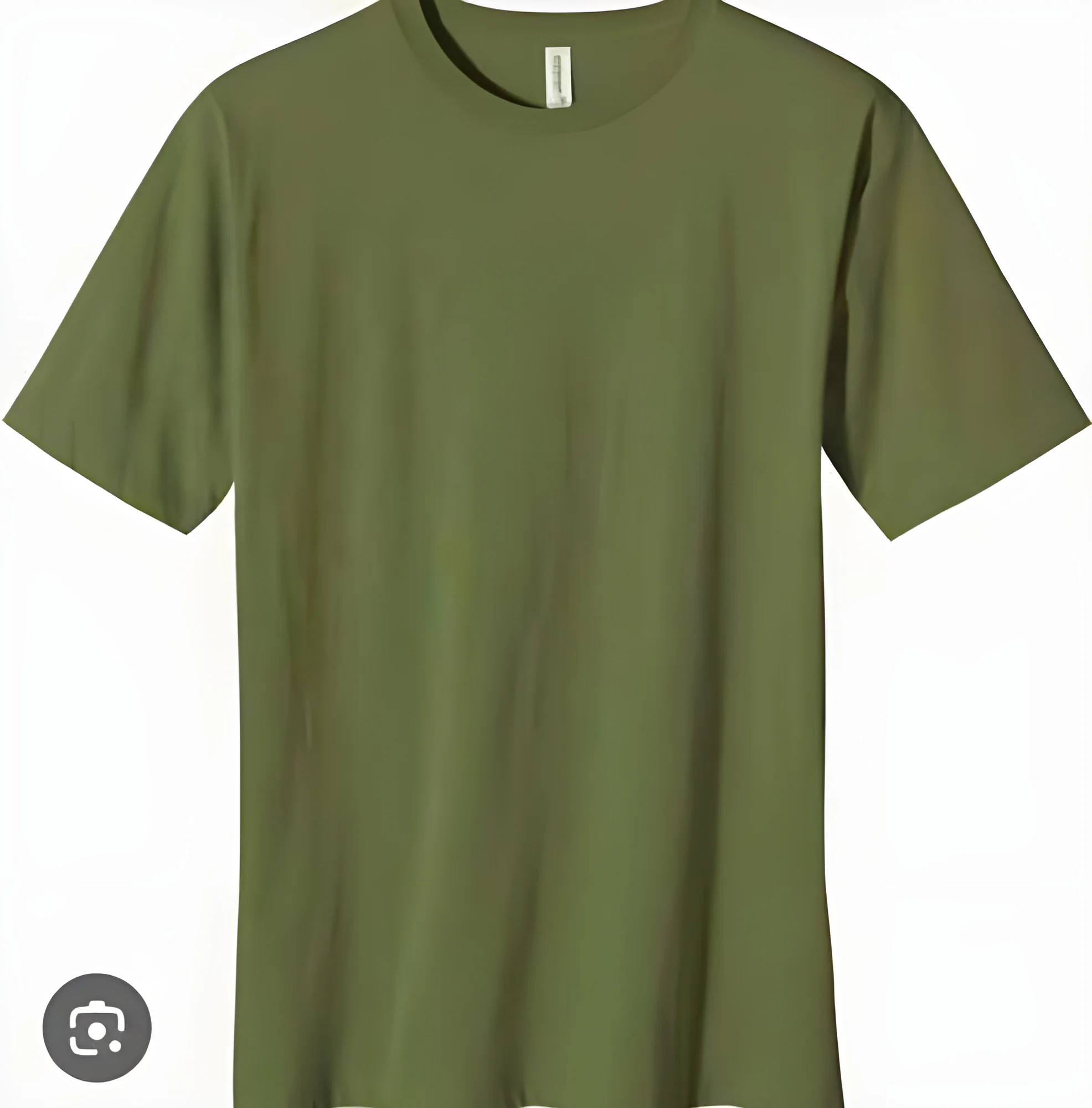
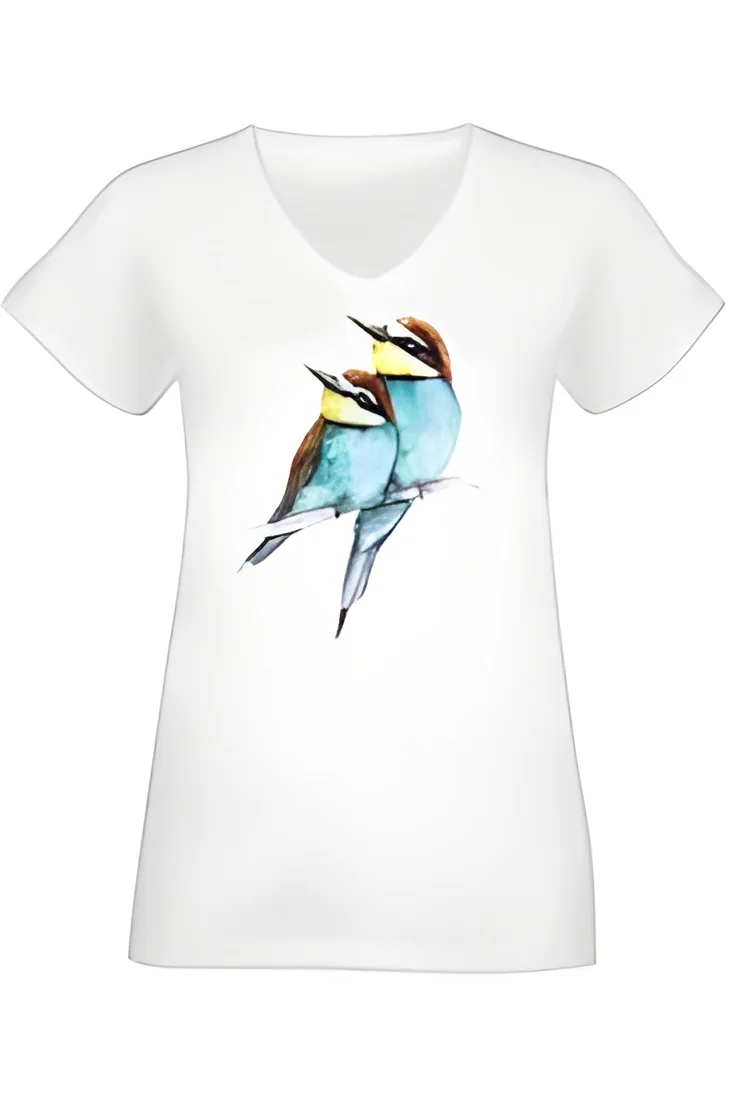
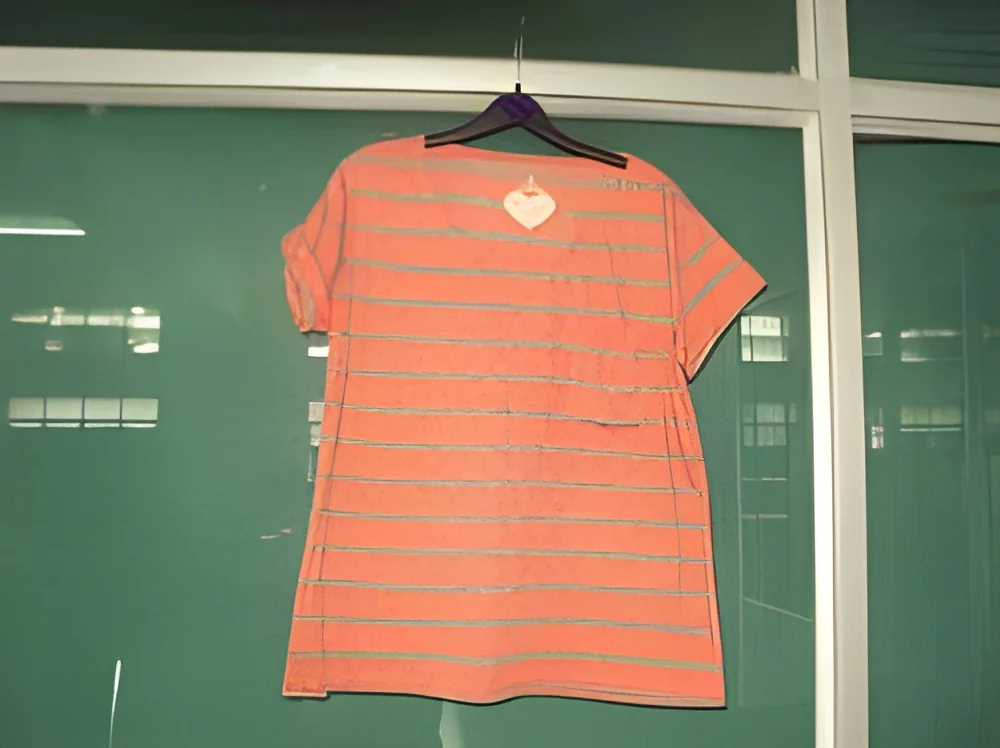
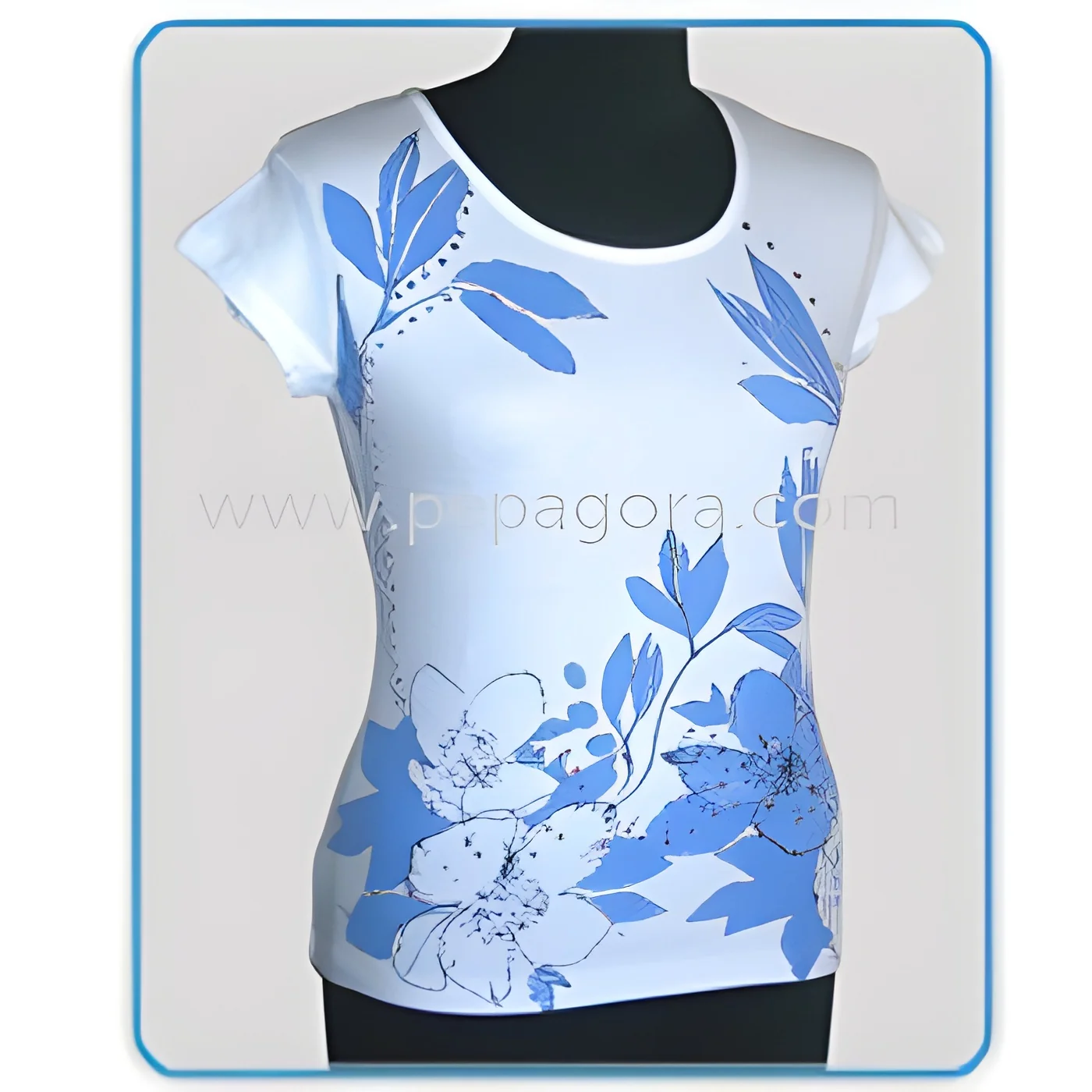
Organic T-Shirts
These are soft, comfortable, and versatile, making them ideal for casual wear and promotional events. They can be customized with logos and designs.
Organic Hoodies
Perfect for colder weather, organic hoodies combine warmth with sustainability. They are popular among both consumers and businesses for their comfort and style.
Organic Underwear
Made from breathable organic materials, these garments provide comfort and safety for everyday wear, appealing to health-conscious consumers.
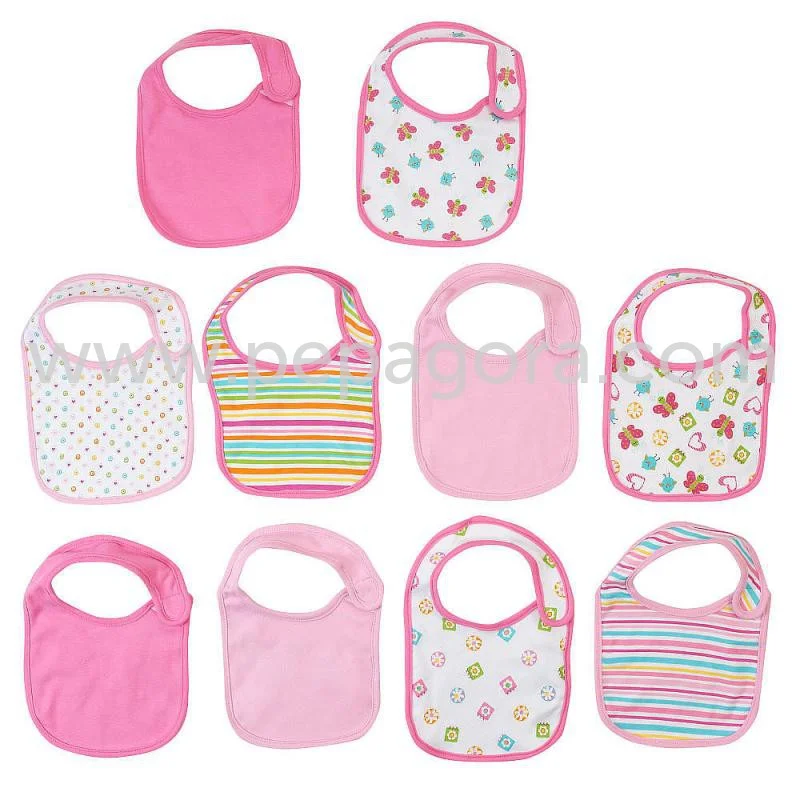
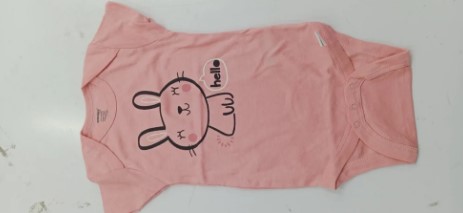
Organic Baby Clothing
This variant focuses on soft, hypoallergenic materials designed for sensitive baby skin. It includes onesies, hats, and socks.
Organic Activewear
Designed for performance, this category includes leggings and sports bras made from organic fabrics, appealing to fitness enthusiasts.
𝗕𝗲𝗻𝗲𝗳𝗶𝘁𝘀 𝗮𝗻𝗱 𝗔𝗱𝘃𝗮𝗻𝘁𝗮𝗴𝗲𝘀
Organic clothing offers numerous benefits that contribute to its growing popularity among businesses and consumers alike.
Key benefits include:
1. Environmental Sustainability: Organic clothing is produced with minimal environmental impact, promoting sustainable farming and reducing pollution.
2. Health and Safety: Free from harmful chemicals, organic clothing is safer for consumers, especially for those with allergies or sensitive skin.
3. Enhanced Brand Image: Companies that offer organic clothing can enhance their brand reputation by aligning with eco-friendly values.
4. Consumer Demand: As more consumers seek sustainable options, businesses can tap into a growing market by providing organic clothing.
5. Durability: Organic fabrics often have a longer lifespan, leading to lower replacement costs and reduced waste.
6. Customization Options: Many suppliers offer organic clothing in customizable formats, allowing brands to create unique products that reflect their identity.
𝗕𝘂𝘆𝗶𝗻𝗴 𝗚𝘂𝗶𝗱𝗲 𝗳𝗼𝗿 𝗕𝟮𝗕 𝗕𝘂𝘆𝗲𝗿𝘀
When sourcing organic clothing, businesses should consider several important factors to ensure they make informed purchasing decisions.
1. Quality Assessment: Evaluate the quality of the fabric and stitching. Look for certifications that confirm the organic status and sustainability of the materials.
2. Supplier Verification: Research potential suppliers to ensure they adhere to ethical and sustainable practices. Request documentation of certifications and previous customer testimonials.
3. Pricing and MOQ: Consider the pricing structures and minimum order quantities (MOQ) set by suppliers. Ensure that costs align with your budget and projected sales.
4. Delivery and Lead Times: Discuss logistics with suppliers to understand delivery times. Timely delivery is crucial for maintaining stock levels and meeting customer demands.
5. Compliance Requirements: Familiarize yourself with industry regulations and standards applicable to organic clothing in your region. Ensure that your suppliers comply with these requirements to avoid legal issues.
𝗖𝗼𝗺𝗽𝗹𝗶𝗮𝗻𝗰𝗲 𝗮𝗻𝗱 𝗖𝗲𝗿𝘁𝗶𝗳𝗶𝗰𝗮𝘁𝗶𝗼𝗻𝘀
Organic clothing must adhere to various compliance and certification standards to ensure safety and quality. Key quality standards include ISO 9001, which emphasizes consistent quality management systems. Additionally, industry certifications like CE ensure that the products meet European health, safety, and environmental protection standards.
Safety and testing requirements are crucial in the production of organic clothing. This includes ensuring that materials are free from harmful substances and that the manufacturing processes do not harm the environment.
Regional compliance considerations may vary. Businesses must be aware of local regulations governing organic products and ensure that their suppliers meet these standards. This is essential for maintaining trust with consumers and avoiding potential fines.
𝗪𝗵𝘆 𝗦𝗼𝘂𝗿𝗰𝗲 𝗢𝗿𝗴𝗮𝗻𝗶𝗰 𝗖𝗹𝗼𝘁𝗵𝗶𝗻𝗴 𝗳𝗿𝗼𝗺 𝗣𝗲𝗽𝗮𝗴𝗼𝗿𝗮?
Pepagora provides a trusted platform for sourcing organic clothing, offering several key advantages for businesses.
Verified Supplier Network: Pepagora connects buyers with a network of verified suppliers who comply with organic standards. This ensures that businesses can source high-quality products with confidence.
Streamlined RFQ Process: The quotation process at Pepagora is efficient, allowing businesses to request and receive quotes from multiple suppliers quickly. This facilitates informed decision-making.
Trade Assurance and Support: Pepagora offers trade assurance, giving buyers protection during transactions. Comprehensive support ensures that any issues are resolved promptly, enhancing the sourcing experience.
Regional Coverage: With a strong presence in India, the GCC, and Southeast Asia, Pepagora's geographic reach allows businesses to connect with local suppliers and access a diverse range of organic clothing options tailored to their market needs.

 India
 India


 India


 India
 India
 India
 India

 India
 India
 India
 India
 India
 India
 India
 India
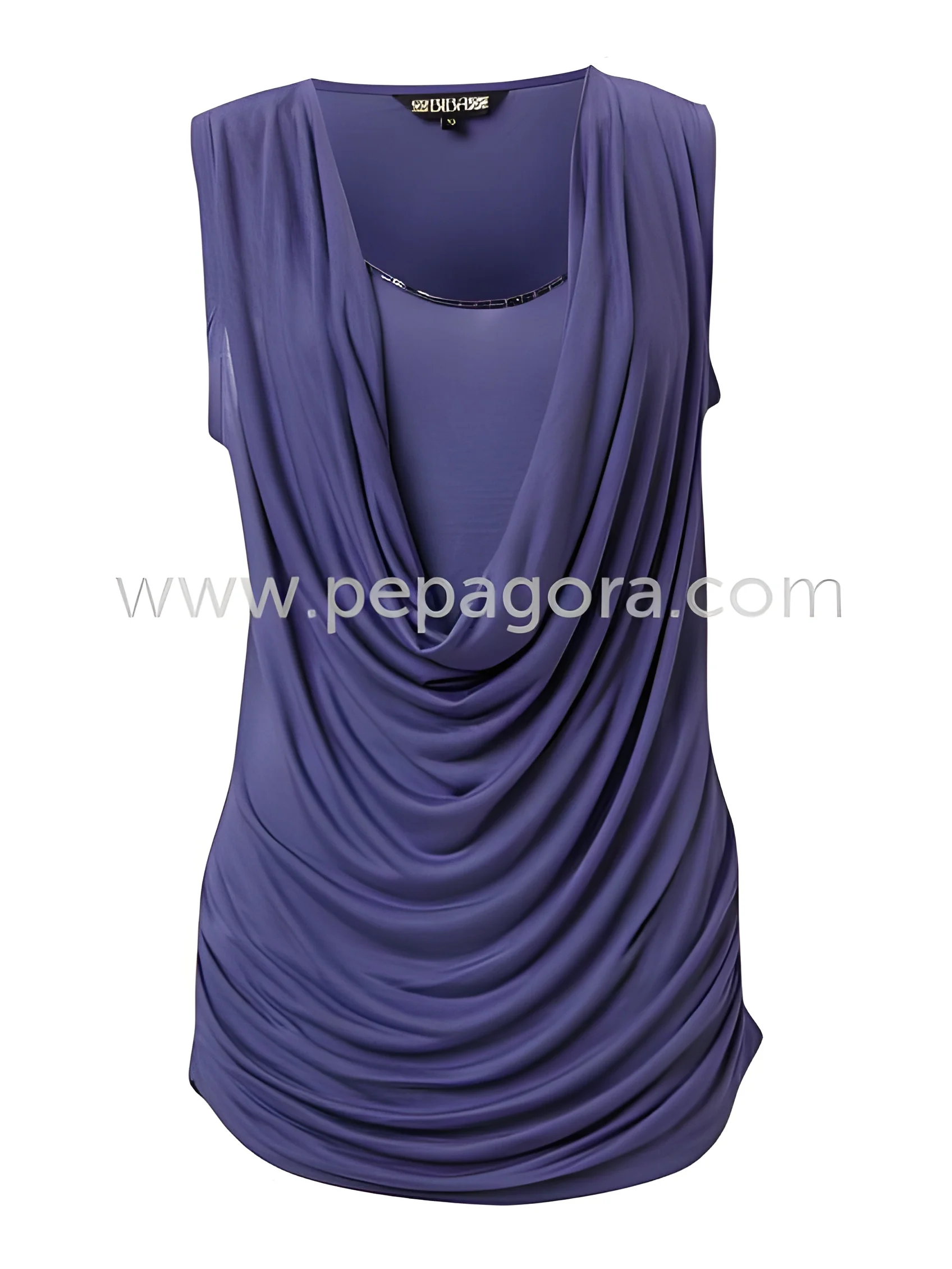
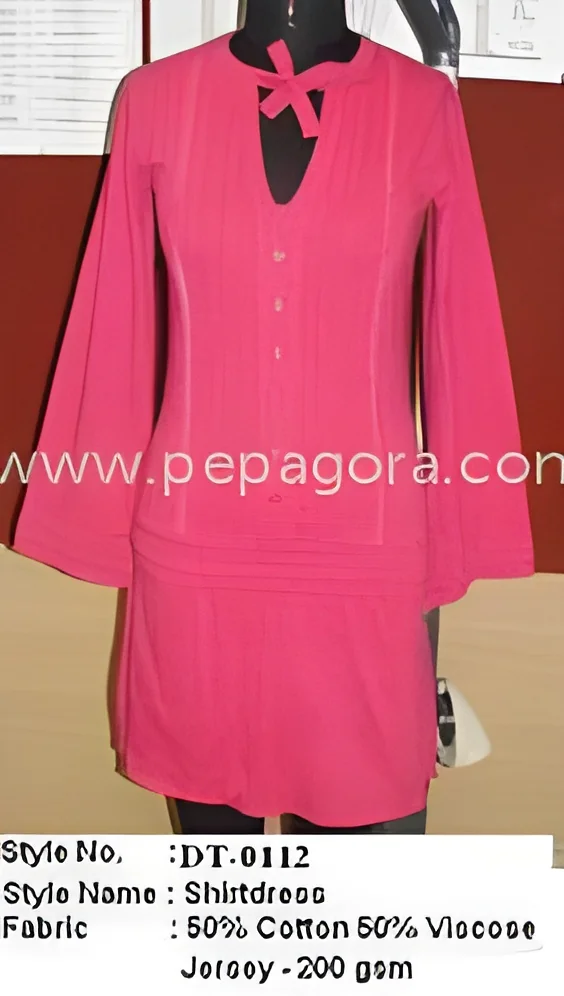
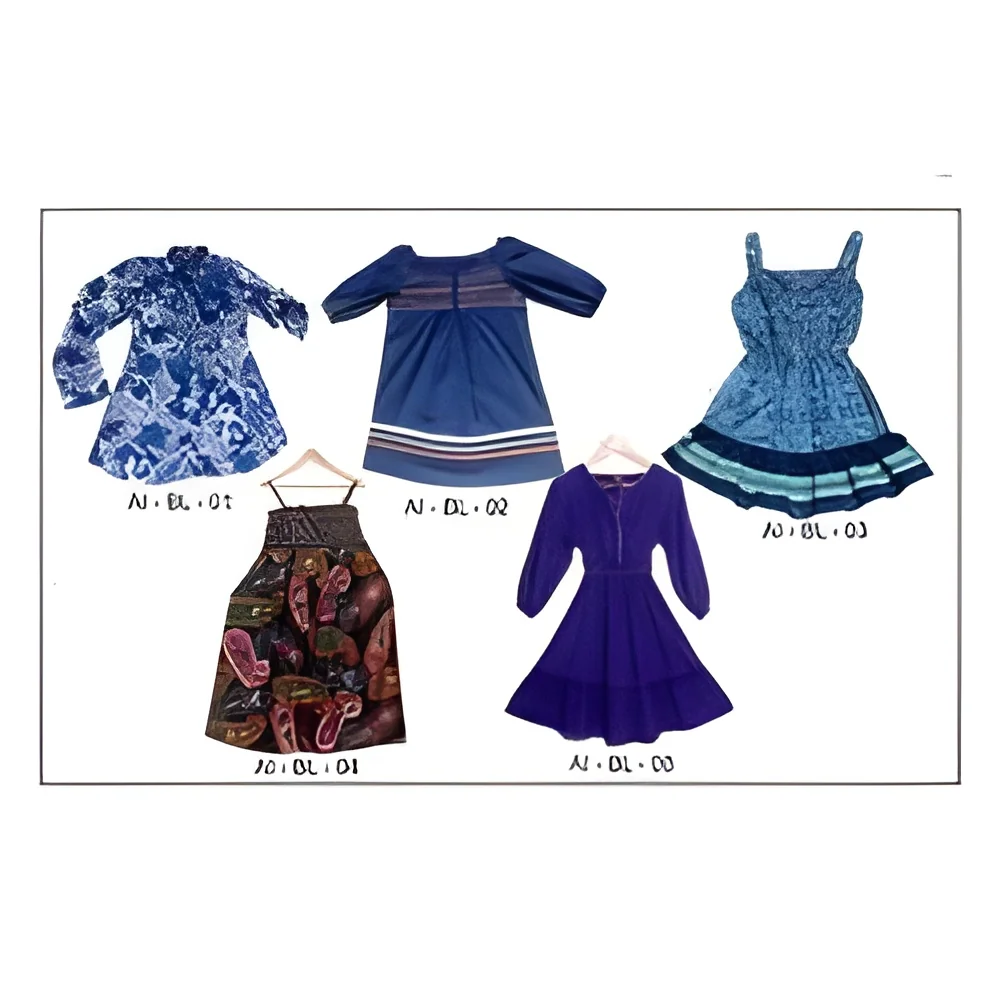
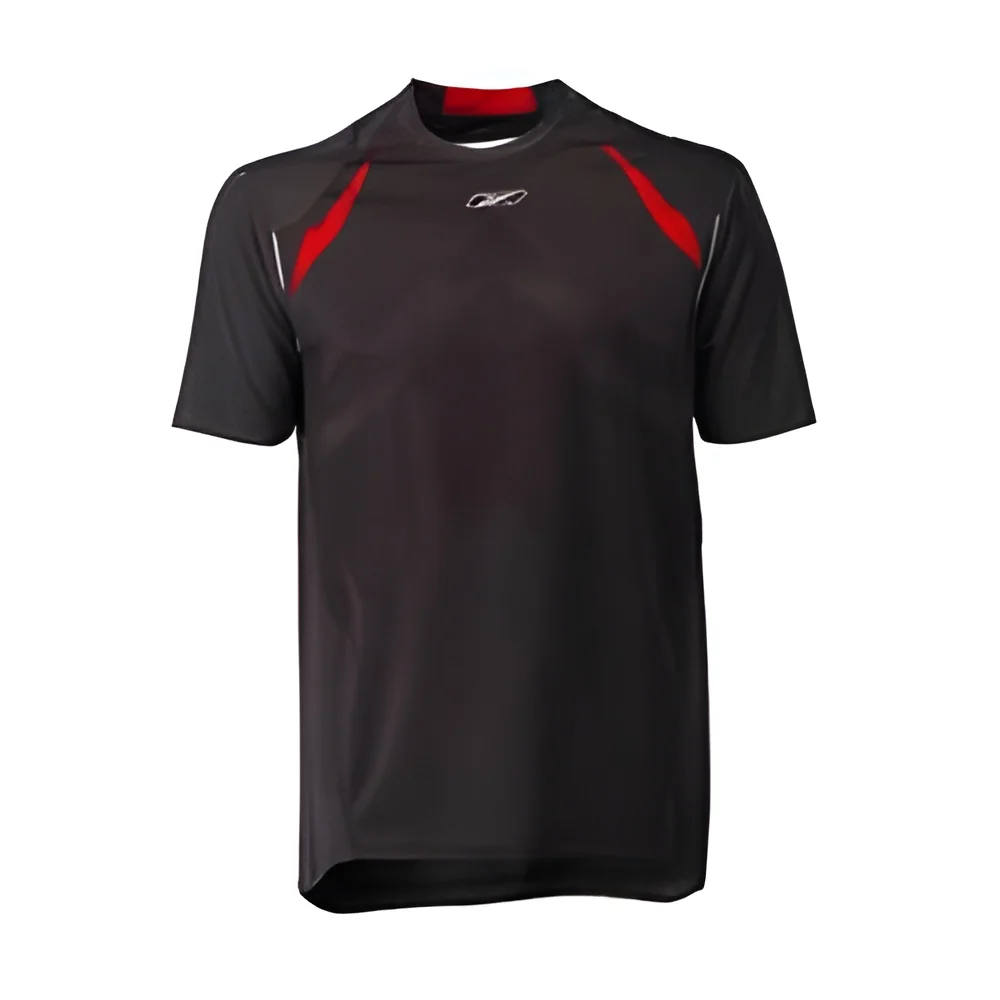
 India
 India

 India


 India
 India
 India
 India
 India

Frequently Asked Questions
What are Organic Clothing?
Organic clothing refers to garments made from natural fibers that are produced without the use of synthetic pesticides, fertilizers, or genetically modified organisms (GMOs). These fabrics are typically certified by recognized organizations to ensure they meet organic farming standards.
What are the different types of Organic Clothing?
The different types of organic clothing include casual wear, activewear, undergarments, and formal wear. Additionally, there are various materials such as organic cotton, hemp, and bamboo that are commonly used in the production of these garments.
How do I choose the right Organic Clothing?
When choosing organic clothing, consider factors such as the fabric type, fit, and the certifications of the organic materials used. Additionally, it is essential to evaluate the brand's sustainability practices and commitment to ethical manufacturing.
What are the standard specifications for Organic Clothing?
Standard specifications for organic clothing typically include compliance with organic certification standards, such as GOTS (Global Organic Textile Standard) or OEKO-TEX certification. These standards ensure that the clothing is made from organic materials and manufactured in an environmentally friendly manner.
What is the price range for Organic Clothing?
The price range for organic clothing can vary widely based on factors such as material quality, brand reputation, and design complexity. Generally, prices can start from around INR 500 and can go up to several thousand rupees for premium items.
What quality standards apply to Organic Clothing?
Quality standards for organic clothing include durability, safety, and comfort. Products should be free from harmful chemicals and should meet specific standards set by organizations like GOTS to ensure they are safe for consumers and the environment.
Where can I find Organic Clothing suppliers in India?
Organic clothing suppliers in India can be found through B2B marketplaces like Pepagora, trade fairs, and online directories. It is advisable to review supplier credentials and product offerings before making a selection.
Can Organic Clothing be customized?
Yes, many manufacturers of organic clothing offer customization options such as size, color, and design modifications. Custom orders can help businesses meet specific branding or consumer preferences.
What is the typical minimum order quantity for Organic Clothing?
The typical minimum order quantity (MOQ) for organic clothing can vary by supplier but is usually around 100 to 500 pieces per style. It is advisable to check with individual suppliers for their specific MOQ requirements.
What is the typical lead time for Organic Clothing?
The typical lead time for organic clothing can range from 2 to 8 weeks, depending on the complexity of the order and the supplier's production capacity. Factors such as customization and order size can also affect delivery timelines.
Why Businesses Trust Pepagora
Thousands of companies trust Pepagora to source smarter and sell faster
Expand Your Sales Globally

Source Smarter,Grow Faster
