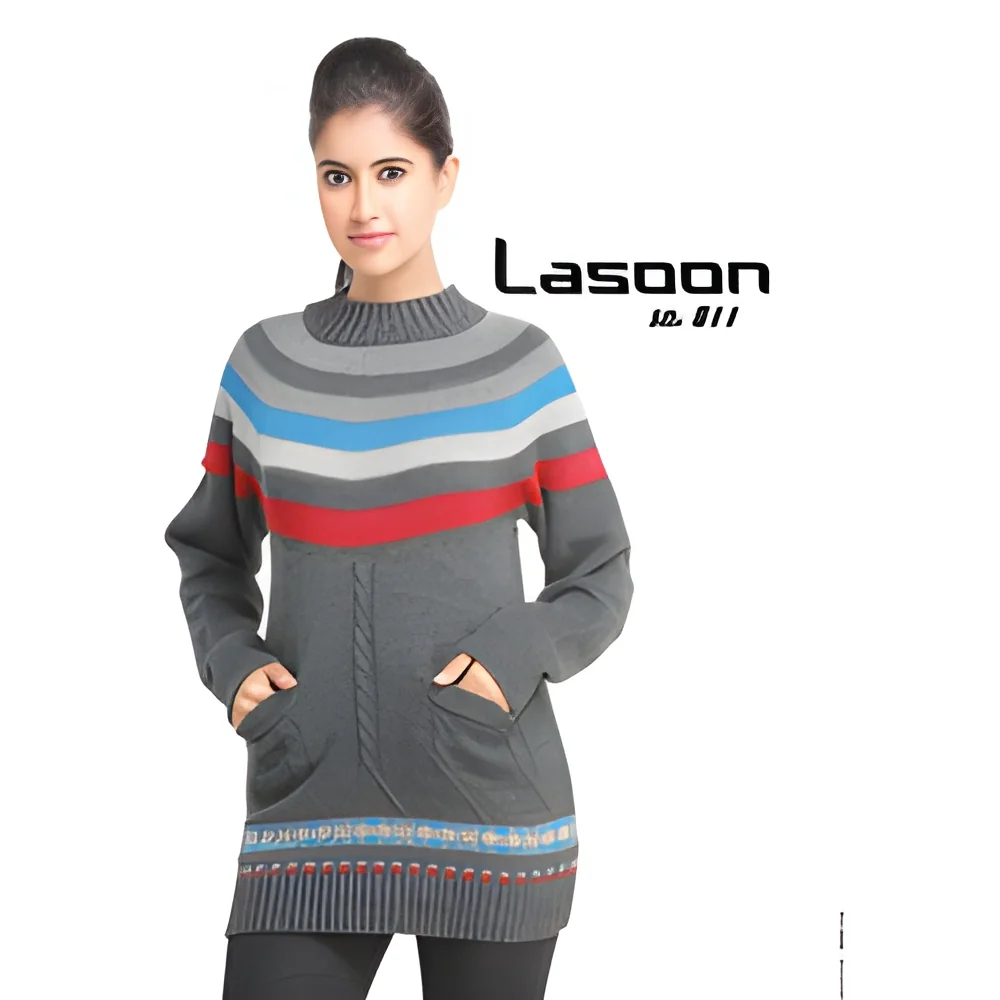
What are Organic Wool Clothing?
Organic wool clothing refers to garments made from wool sourced from sheep raised under organic farming standards. This means that the sheep are fed organic feed and are not exposed to synthetic pesticides or herbicides. Organic wool is not only environmentally friendly but also offers various benefits such as breathability, moisture-wicking properties, and thermal insulation.
The primary uses of organic wool clothing span across various sectors, including outdoor apparel, fashion, and specialty work clothing. Businesses often choose organic wool products for their durability and sustainability, appealing to eco-conscious consumers. These garments are particularly valued in industries that prioritize ethical sourcing and environmental responsibility.
In recent years, the market for organic wool clothing has seen significant growth. This trend is driven by increasing consumer awareness regarding sustainability and the environmental impact of traditional textile production. As more companies adopt eco-friendly practices, organic wool clothing becomes a relevant choice for businesses looking to align with modern consumer values.
Key Features and Specifications
Organic wool clothing offers numerous features that set it apart from conventional wool garments. These features contribute to its appeal in various markets.
Key specifications include:
1. Organic Certification
- This specification ensures that the wool is sourced from certified organic farms.
- Compliance with strict organic farming practices.
2. Breathability
- Organic wool allows for excellent airflow, providing comfort in various temperatures.
- Helps regulate body temperature effectively.
3. Moisture-Wicking Properties
- This feature allows organic wool to absorb moisture while keeping the skin dry.
- Ideal for active wear and outdoor activities.
4. Thermal Insulation
- Organic wool has natural insulating properties.
- Provides warmth without bulk, suitable for cold weather garments.
5. Biodegradability
- Unlike synthetic fibers, organic wool is biodegradable.
- Reduces environmental impact at the end of its lifecycle.
6. Softness and Comfort
- Organic wool is softer against the skin compared to conventional wool.
- Minimizes irritation for sensitive skin.
7. Durability
- Organic wool garments are known for their longevity.
- Resistant to wear and tear, making them cost-effective.
In summary, the features and specifications of organic wool clothing highlight its suitability for a growing market focused on sustainability and quality.
Common Applications and Use Cases
Organic wool clothing finds applications across multiple industries, demonstrating its versatility.
1. Outdoor Apparel: Many outdoor brands use organic wool for jackets and base layers, leveraging its moisture-wicking and thermal properties for hiking and camping.
2. Fashion Industry: Designers are increasingly incorporating organic wool into their collections, appealing to environmentally conscious consumers.
3. Health and Wellness: Organic wool is used in therapeutic clothing due to its natural insulation and breathability, making it suitable for sensitive skin.
4. Workwear: Companies in sectors such as construction and hospitality opt for organic wool clothing for its durability and comfort.
5. Home Textiles: Organic wool is utilized in blankets and throws, offering warmth and comfort for home use.
6. Children’s Clothing: Parents are drawn to organic wool for children's apparel, valuing its softness and safety.
7. Sportswear: Athletes benefit from organic wool in performance wear, utilizing its moisture management and insulation.
Product Variants and Subcategories
Organic wool clothing comes in various forms to meet different consumer needs.
Sweaters: These garments are crafted for warmth and style, often featuring contemporary designs and patterns. They are ideal for casual wear and outdoor activities.
Socks: Organic wool socks provide cushioning and warmth, making them perfect for both everyday use and specialized outdoor activities.
Base Layers: Designed for layering, organic wool base layers offer moisture-wicking and thermal insulation, suitable for sports and outdoor excursions.
Scarves and Accessories: These items add style while providing warmth, often made from high-quality organic wool blends.
Benefits and Advantages
Choosing organic wool clothing offers numerous advantages for businesses and consumers alike.
Key benefits include:
1. Environmental Sustainability: Organic wool production minimizes chemical use, promoting a healthier ecosystem.
2. Comfort and Performance: The natural properties of wool enhance comfort, making it suitable for various climates and activities.
3. Ethical Sourcing: Supporting organic wool means supporting ethical farming practices and animal welfare.
4. Longevity: Organic wool garments are durable and resistant to wear, leading to a longer lifecycle and reduced need for replacements.
5. Versatile Use: Suitable for various applications, organic wool clothing meets the needs of diverse markets.
6. Health Benefits: Wool’s natural properties help regulate temperature and wick moisture, contributing to overall comfort and well-being.
Buying Guide for B2B Buyers
When sourcing organic wool clothing, several factors should be considered to make informed purchasing decisions.
1. Quality Assessment: Examine the quality of the wool and the manufacturing process. Look for certifications and product samples to evaluate comfort and durability.
2. Supplier Verification: Vet suppliers to ensure they have a reliable track record. Check for organic certifications and customer reviews to assess their credibility.
3. Pricing and MOQ: Understand the pricing structure and minimum order quantities. Compare different suppliers to ensure you get competitive pricing without compromising quality.
4. Delivery and Lead Times: Confirm delivery schedules and lead times. Ensure that suppliers can meet your timelines to avoid disruptions in inventory.
5. Compliance Requirements: Be aware of any local or international compliance regulations. Ensure that the products meet safety and environmental standards.
Compliance and Certifications
Organic wool clothing must adhere to various quality standards and certifications to ensure safety and environmental responsibility.
Relevant quality standards include ISO 9001, which focuses on quality management systems, and HACCP, which addresses food safety but may impact textile production processes. Additionally, CE marking is essential for ensuring that products meet EU safety and health requirements.
Safety and testing requirements are critical in the textile industry. Organic wool clothing must undergo rigorous testing to ensure it is free from harmful substances, thus protecting consumer health.
Regional compliance considerations may vary depending on the market. Understanding local regulations is crucial for businesses looking to enter different geographical markets.
Why Source Organic Wool Clothing from Pepagora?
Pepagora provides a trusted platform for sourcing organic wool clothing with multiple advantages for buyers.
Verified Supplier Network: Pepagora has a rigorous vetting process for suppliers, ensuring that only reliable and certified manufacturers are featured. This builds trust and confidence in the sourcing process.
Streamlined RFQ Process: The Request for Quotation (RFQ) system simplifies the procurement process. Buyers can easily request quotes, compare options, and make informed decisions.
Trade Assurance and Support: Pepagora offers trade assurance, providing protection for buyers against discrepancies in quality or delivery. This support fosters a secure purchasing environment.
Regional Coverage: With a strong presence in India, the GCC, and Southeast Asia, Pepagora connects buyers with suppliers across these regions, enhancing accessibility and convenience for businesses looking to source organic wool clothing.

 IN
IN