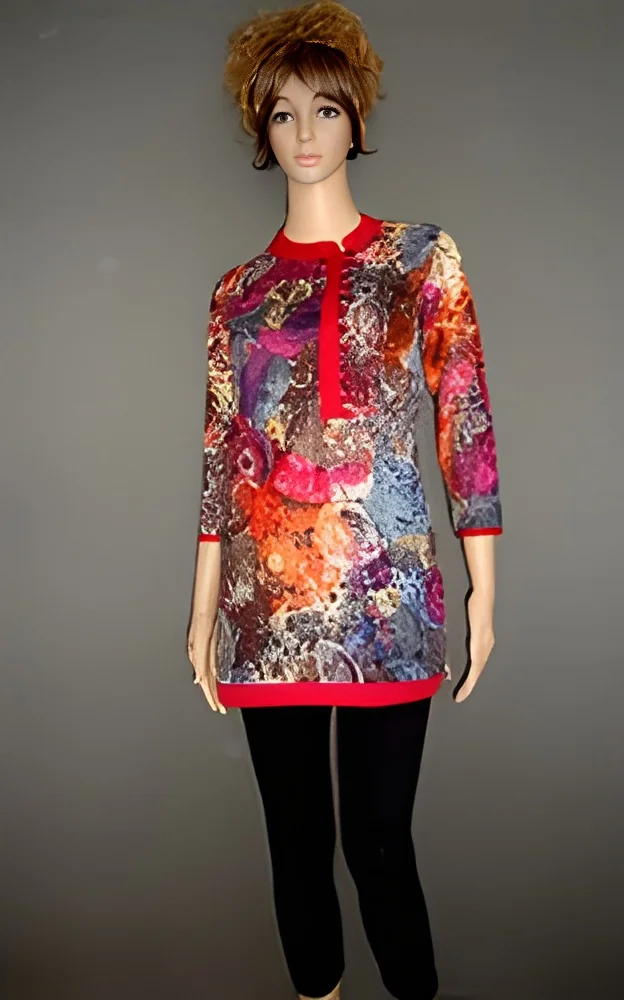
𝗪𝗵𝗮𝘁 𝗮𝗿𝗲 𝗪𝗼𝗺𝗲𝗻'𝘀 𝗢𝗿𝗴𝗮𝗻𝗶𝗰 𝗘𝘁𝗵𝗻𝗶𝗰 𝗪𝗲𝗮𝗿?
Women's Organic Ethnic Wear refers to traditional clothing designed specifically for women that is made from organic materials. This type of apparel typically embodies cultural and regional aesthetics while prioritizing sustainability and environmental responsibility. The fabrics used in these garments are often sourced from natural fibers that are cultivated without synthetic fertilizers or pesticides, resulting in a product that is not only eco-friendly but also comfortable and breathable.
These garments are primarily used in various settings, including casual wear, festive occasions, and cultural events. They play a significant role in the fashion industry, reflecting a growing consumer preference for sustainable and ethically produced clothing. The market for Women's Organic Ethnic Wear is expanding as more consumers become conscious of their purchasing decisions and seek out environmentally friendly options. This trend highlights the relevance of organic wear in the broader context of sustainable fashion.
𝗞𝗲𝘆 𝗙𝗲𝗮𝘁𝘂𝗿𝗲𝘀 𝗮𝗻𝗱 𝗦𝗽𝗲𝗰𝗶𝗳𝗶𝗰𝗮𝘁𝗶𝗼𝗻𝘀
Women's Organic Ethnic Wear boasts several key features that make it appealing to both consumers and businesses. The emphasis on organic materials highlights a commitment to sustainability, while the diverse styles cater to various preferences.
Key specifications include:
1. Fabric Type
- Made from organic cotton, linen, or hemp
- Soft, breathable, and hypoallergenic
2. Design Styles
- Varieties include kurtas, sarees, and lehengas
- Traditional embroidery and prints that reflect cultural heritage
3. Color Options
- Available in a wide range of natural dyes
- Earthy tones and vibrant colors that are eco-friendly
4. Sizes
- Inclusive sizing options to cater to diverse body types
- Custom sizing available for bulk orders
5. Production Methods
- Handcrafted techniques used in many garments
- Low-impact dyeing processes employed
6. Certifications
- Certified organic materials ensuring compliance with environmental standards
- CE certified for safety and quality assurance
In summary, Women's Organic Ethnic Wear is characterized by its sustainable fabric choices, diverse design options, and adherence to quality standards, making it a viable choice for environmentally conscious consumers.
𝗖𝗼𝗺𝗺𝗼𝗻 𝗔𝗽𝗽𝗹𝗶𝗰𝗮𝘁𝗶𝗼𝗻𝘀 𝗮𝗻𝗱 𝗨𝘀𝗲 𝗖𝗮𝘀𝗲𝘀
Women's Organic Ethnic Wear finds applications across various sectors.
1. Fashion Retail: Retailers are increasingly stocking organic ethnic wear to meet the demand for sustainable fashion options.
2. Event Planning: These garments are popular choices for weddings and cultural festivals, where traditional attire is required.
3. Corporate Gifts: Companies often use organic ethnic wear as gifts or promotional items to align with their sustainability goals.
4. Hospitality: Hotels and resorts may offer organic ethnic wear to guests as part of cultural experiences.
5. Online Marketplaces: E-commerce platforms are expanding their offerings of Women's Organic Ethnic Wear to reach a broader audience.
6. Educational Institutions: Schools and colleges may incorporate organic ethnic wear for cultural events and celebrations.
7. Eco-Friendly Initiatives: Organizations focused on sustainability often partner with brands offering organic ethnic wear for their events.
𝗣𝗿𝗼𝗱𝘂𝗰𝘁 𝗩𝗮𝗿𝗶𝗮𝗻𝘁𝘀 𝗮𝗻𝗱 𝗦𝘂𝗯𝗰𝗮𝘁𝗲𝗴𝗼𝗿𝗶𝗲𝘀
Women's Organic Ethnic Wear is diverse, catering to a wide range of tastes and requirements.
Kurta Sets
These sets typically include a long tunic paired with palazzo pants or leggings. They are perfect for both casual and semi-formal occasions.
Sarees
Made from organic materials, sarees are a staple in Indian culture. They come in various styles, including traditional drapes and modern interpretations.
Lehengas
These are popular for festive occasions and weddings, featuring elaborate designs and craftsmanship while emphasizing the use of organic fabrics.
Anarkalis
These flowy dresses are known for their elegance and are often worn during celebrations, making them a popular choice for consumers.
𝗕𝗲𝗻𝗲𝗳𝗶𝘁𝘀 𝗮𝗻𝗱 𝗔𝗱𝘃𝗮𝗻𝘁𝗮𝗴𝗲𝘀
Women's Organic Ethnic Wear offers numerous benefits to buyers and consumers alike.
1. Sustainability: Made from organic materials, these garments contribute to environmental preservation by reducing chemical usage.
2. Comfort: Natural fibers are breathable and soft, providing comfort throughout the day, making them ideal for various occasions.
3. Unique Designs: Each piece often reflects traditional craftsmanship, offering unique styles that stand out in the market.
4. Health Benefits: Organic materials reduce the risk of skin irritations and allergies, promoting overall well-being.
5. Market Demand: With growing consumer awareness, there is an increasing demand for sustainable products, enhancing business opportunities.
6. Cultural Significance: Wearing organic ethnic wear helps preserve and promote cultural heritage, connecting consumers to their roots.
𝗕𝘂𝘆𝗶𝗻𝗴 𝗚𝘂𝗶𝗱𝗲 𝗳𝗼𝗿 𝗕𝟮𝗕 𝗕𝘂𝘆𝗲𝗿𝘀
When sourcing Women's Organic Ethnic Wear, it is essential for buyers to consider several factors to ensure quality and reliability.
1. Quality Assessment: Examine the fabric quality and craftsmanship. Look for certifications that guarantee organic materials.
2. Supplier Verification: Vet potential suppliers by checking their reputation, reviews, and previous work with other businesses.
3. Pricing and MOQ: Understand the pricing structure and minimum order quantities to align with budget and inventory needs.
4. Delivery and Lead Times: Discuss logistics and expected delivery dates to ensure timely receipt of orders.
5. Compliance Requirements: Ensure that products meet regional standards and certifications, particularly for organic claims.
𝗖𝗼𝗺𝗽𝗹𝗶𝗮𝗻𝗰𝗲 𝗮𝗻𝗱 𝗖𝗲𝗿𝘁𝗶𝗳𝗶𝗰𝗮𝘁𝗶𝗼𝗻𝘀
Compliance with quality standards is crucial in the production of Women's Organic Ethnic Wear. Relevant quality standards such as ISO 9001 ensure that manufacturing processes meet international benchmarks for quality management.
Additionally, industry certifications like CE highlight that the products adhere to safety and environmental regulations, providing assurance to buyers regarding quality and safety.
Safety and testing requirements are also essential, as they ensure that garments are free from harmful substances and are safe for consumers. Regional compliance considerations must also be taken into account, as different markets may have varying regulations regarding organic labeling and materials.
𝗪𝗵𝘆 𝗦𝗼𝘂𝗿𝗰𝗲 𝗪𝗼𝗺𝗲𝗻'𝘀 𝗢𝗿𝗴𝗮𝗻𝗶𝗰 𝗘𝘁𝗵𝗻𝗶𝗰 𝗪𝗲𝗮𝗿 𝗳𝗿𝗼𝗺 𝗣𝗲𝗽𝗮𝗴𝗼𝗿𝗮?
Pepagora provides a trusted platform for sourcing Women's Organic Ethnic Wear, offering several key advantages to buyers.
Verified Supplier Network: Pepagora has a robust network of verified suppliers, ensuring that buyers can source products from reputable manufacturers who adhere to quality standards.
Streamlined RFQ Process: The platform facilitates a straightforward request for quotation process, allowing buyers to receive competitive pricing and negotiate terms easily.
Trade Assurance and Support: Pepagora offers buyer protection through trade assurance measures, providing peace of mind during transactions.
Regional Coverage: With a presence in India, the GCC, and Southeast Asia, Pepagora connects buyers with suppliers across diverse markets, enhancing sourcing opportunities.
By choosing Pepagora, businesses can confidently acquire Women's Organic Ethnic Wear that meets their sustainability and quality requirements.

 IN
IN