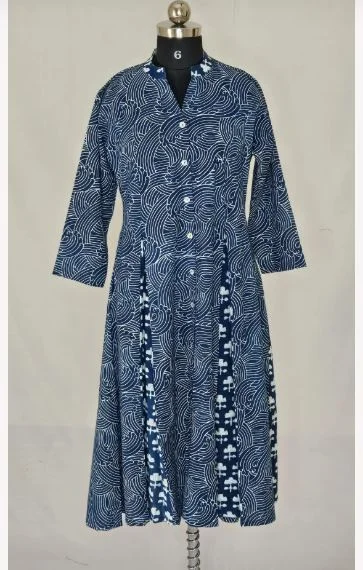
What are Plant-Based Dyed Garments?
Plant-based dyed garments refer to textiles that are colored using dyes derived from natural plant sources. These dyes may include extracts from flowers, leaves, roots, and other botanical materials. The process of dyeing with plant-based materials is not only eco-friendly but also promotes sustainability by reducing reliance on synthetic chemicals. The colors produced by plant-based dyes tend to be more muted and earthy, appealing to consumers who prefer natural aesthetics.
These garments are primarily used in the fashion and textile industries, where there is a growing demand for sustainable and environmentally responsible products. Businesses in the apparel sector are increasingly adopting plant-based dyes to attract eco-conscious consumers and to meet regulatory requirements regarding sustainability. The trend towards natural dyes is not only a response to consumer preferences but also a way to enhance brand reputation in a competitive market.
As the global textile industry shifts towards sustainable practices, plant-based dyed garments are becoming increasingly relevant. The market for these products is expanding, fueled by consumer awareness and the desire for environmentally friendly alternatives. This shift presents opportunities for businesses to innovate and differentiate themselves in the marketplace by offering unique, sustainably dyed products.
Key Features and Specifications
Plant-based dyed garments come with several key features that set them apart from traditionally dyed textiles. These features not only enhance their appeal but also contribute to their sustainability.
Key specifications include:
1. Eco-Friendly Dyes
- Made from natural sources such as plants, flowers, and roots
- Reduces the environmental impact associated with synthetic dyes
2. Sustainable Production
- Often produced using organic farming methods
- Minimizes the use of harmful chemicals
3. Biodegradability
- Naturally decomposes over time
- Less impact on landfill waste compared to synthetic fabrics
4. Unique Color Variations
- Each dye batch can produce slightly different hues
- Offers a distinctive aesthetic that appeals to consumers
5. Comfort and Breathability
- Generally softer and more comfortable against the skin
- Ideal for casual and everyday wear
6. Hypoallergenic Properties
- Less likely to cause skin irritation
- Suitable for sensitive skin types
7. Customization Potential
- Can be tailored to meet specific color and design requests
- Flexibility in production to suit various business needs
In summary, plant-based dyed garments offer a unique combination of sustainability, comfort, and customization. These features make them an attractive option for businesses looking to align with eco-friendly practices while providing quality products.
Common Applications and Use Cases
Plant-based dyed garments find applications across various industries, catering to a wide range of consumer needs.
1. Fashion Industry: These garments are popular among eco-conscious fashion brands. They appeal to consumers seeking unique, sustainable clothing options.
2. Home Textiles: Companies producing items like curtains, cushions, and bed linens use plant-based dyes to create natural aesthetics with reduced environmental impact.
3. Sportswear: Some athletic brands are incorporating plant-based dyes into their apparel lines, promoting both sustainability and comfort.
4. Children's Clothing: Due to their hypoallergenic properties, plant-based dyed garments are often used in children's wear, ensuring safety for sensitive skin.
5. Accessories: Items such as bags, scarves, and hats can be made using plant-based dyed fabrics, providing a market for sustainable fashion accessories.
6. Eco-Friendly Brands: Businesses focused on sustainability use plant-based dyes to enhance their brand image and attract eco-conscious consumers.
7. Artisan and Handmade Products: Small-scale artisans leverage plant-based dyes to create unique, handcrafted items that resonate with consumers looking for authenticity.
Product Variants and Subcategories
Plant-based dyed garments encompass a variety of products, each catering to different market needs.
Cotton Garments: Made from organic cotton, these garments are dyed with plant-based inks, providing a soft, breathable option that is ideal for everyday wear. They are popular for t-shirts, dresses, and casual wear.
Linen Products: Linen dyed with natural plant sources offers a lightweight and breathable fabric, perfect for summer clothing. Its natural texture enhances the aesthetic appeal.
Wool Items: Plant-based dyed wool garments provide warmth and comfort, suitable for outerwear and winter clothing. The dyes enhance the natural fibers while maintaining eco-friendliness.
Silk Textiles: Natural dyes on silk create luxurious and unique garments. These products are often used in high-end fashion and accessories.
Benefits and Advantages
Plant-based dyed garments offer numerous benefits that make them a compelling choice for businesses and consumers alike.
1. Environmental Sustainability: The use of natural dyes significantly reduces the carbon footprint associated with textile production.
2. Unique Aesthetic: The variations in color achieved with plant-based dyes provide a distinct look that sets products apart in the market.
3. Health Benefits: The hypoallergenic nature of these garments makes them safer for consumers, especially those with sensitive skin.
4. Brand Loyalty: Businesses that embrace sustainability can build stronger connections with eco-conscious consumers, fostering loyalty.
5. Market Differentiation: Offering plant-based dyed products allows brands to stand out in a crowded marketplace, appealing to niche audiences.
6. Positive Brand Image: Companies that prioritize eco-friendly practices enhance their reputation and attract socially responsible consumers.
Buying Guide for B2B Buyers
When sourcing plant-based dyed garments, it is essential for businesses to consider several key factors to ensure they make informed purchasing decisions.
1. Quality Assessment: Buyers should evaluate the quality of fabrics and dyes used. Look for certifications that indicate adherence to quality standards and sustainability practices.
2. Supplier Verification: It is crucial to vet suppliers for their manufacturing processes and sourcing of materials. Reliable suppliers should provide transparency regarding their dyeing methods and sustainability claims.
3. Pricing and MOQ: Understand the pricing structure and minimum order quantities (MOQs) required by suppliers. This information helps in budgeting and planning inventory.
4. Delivery and Lead Times: Assess the logistics involved in the supply chain. Consider the expected delivery times and whether suppliers can meet your demand consistently.
5. Compliance Requirements: Ensure that the products comply with relevant standards and regulations in your region. This may include safety standards and environmental regulations.
Compliance and Certifications
Compliance with industry standards and certifications is critical for plant-based dyed garments. These products are increasingly subject to quality control measures that ensure safety and sustainability.
Relevant quality standards include ISO 9001, which outlines criteria for quality management systems, ensuring consistent product quality. Additionally, HACCP principles may apply to ensure the safety of textile production processes.
Industry certifications, such as CE marking, indicate compliance with European safety standards, enhancing product credibility in international markets.
Safety and testing requirements are essential to verify that plant-based dyes do not contain harmful substances. Regular testing for chemical residues ensures consumer safety.
Regional compliance considerations vary by market. Businesses should be aware of local regulations regarding textile production and dyeing practices to avoid legal issues.
Why Source Plant-Based Dyed Garments from Pepagora?
Pepagora offers a reliable platform for sourcing plant-based dyed garments, providing several key advantages to B2B buyers.
Verified Supplier Network: Pepagora connects businesses with a robust network of verified suppliers. This ensures that buyers can trust the sources of their products, promoting confidence in quality and sustainability.
Streamlined RFQ Process: The platform's request-for-quotation system simplifies the sourcing process. Buyers can easily request quotes from multiple suppliers, facilitating comparison and informed decision-making.
Trade Assurance and Support: Pepagora prioritizes buyer protection, offering trade assurance that safeguards transactions. This support builds trust and encourages businesses to explore new partnerships.
Regional Coverage: With a focus on regions such as India, GCC, and Southeast Asia, Pepagora facilitates access to diverse suppliers. This geographic reach allows businesses to tap into a variety of textile options while supporting local economies.

 IN
IN