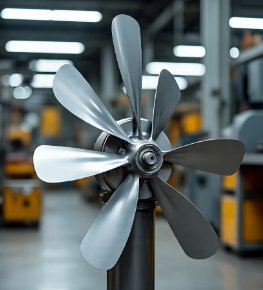
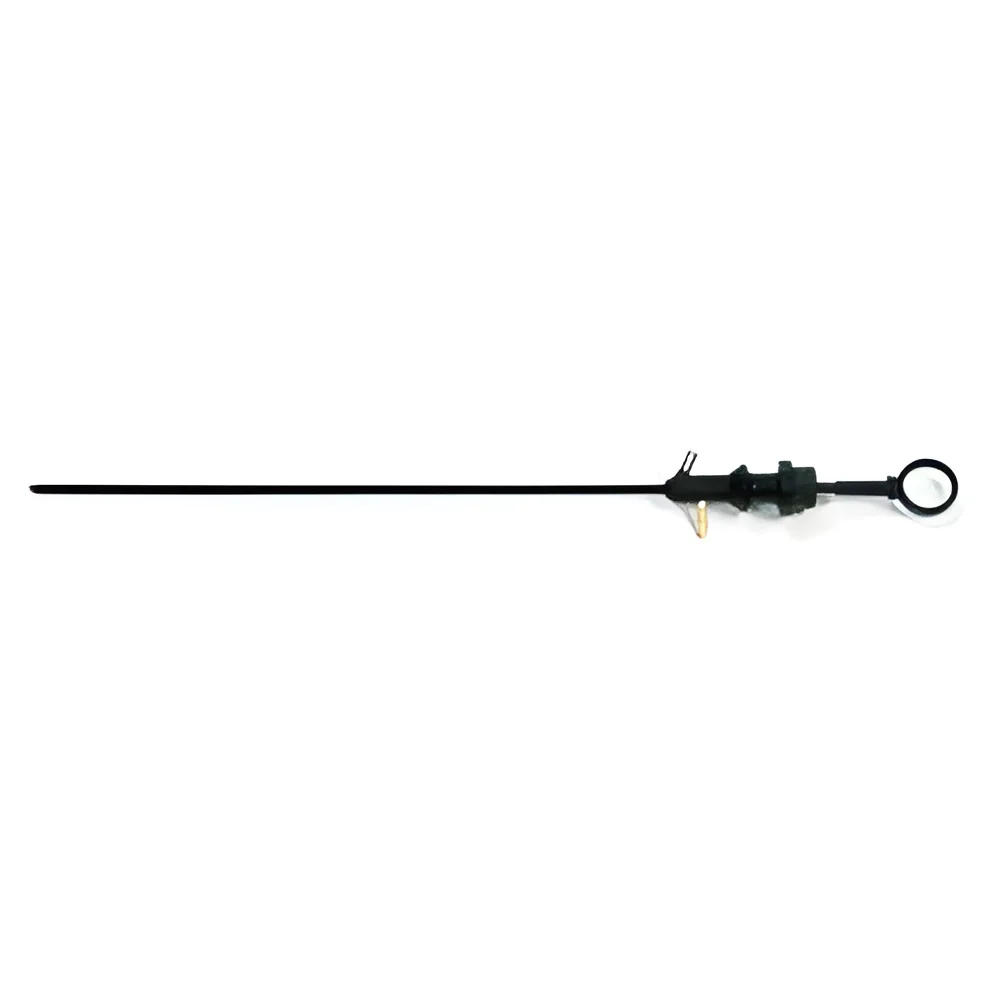
𝗪𝗵𝗮𝘁 𝗮𝗿𝗲 𝗠𝗮𝗿𝗶𝗻𝗲 𝗘𝗾𝘂𝗶𝗽𝗺𝗲𝗻𝘁 & 𝗔𝗰𝗰𝗲𝘀𝘀𝗼𝗿𝗶𝗲𝘀?
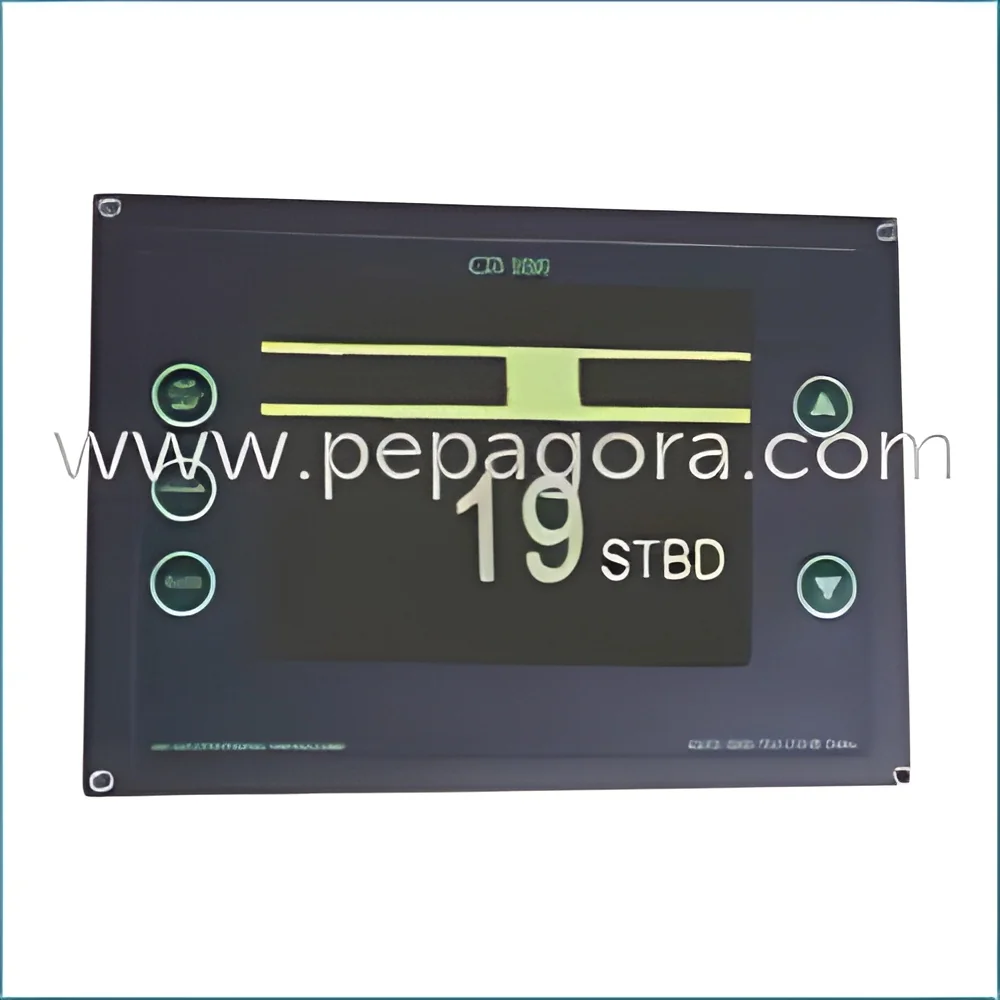
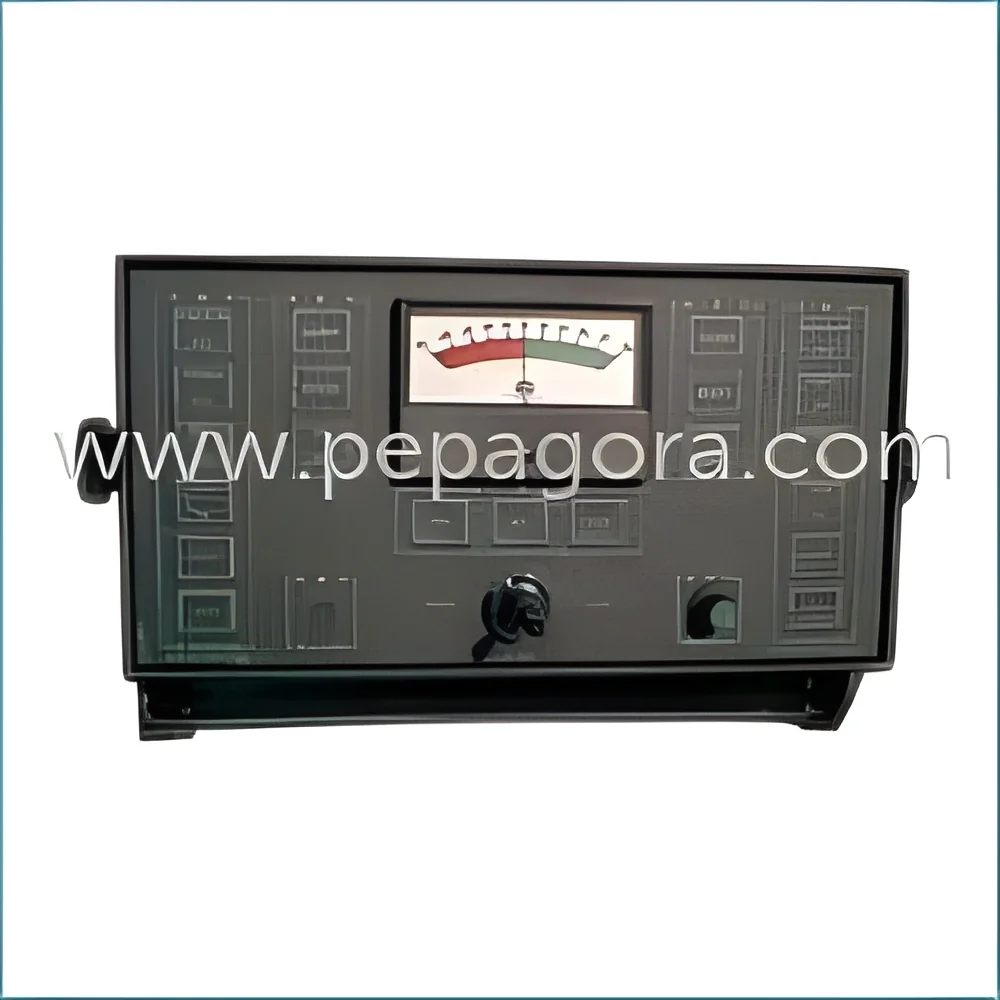
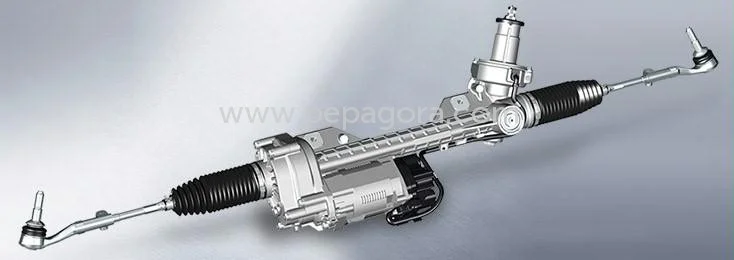
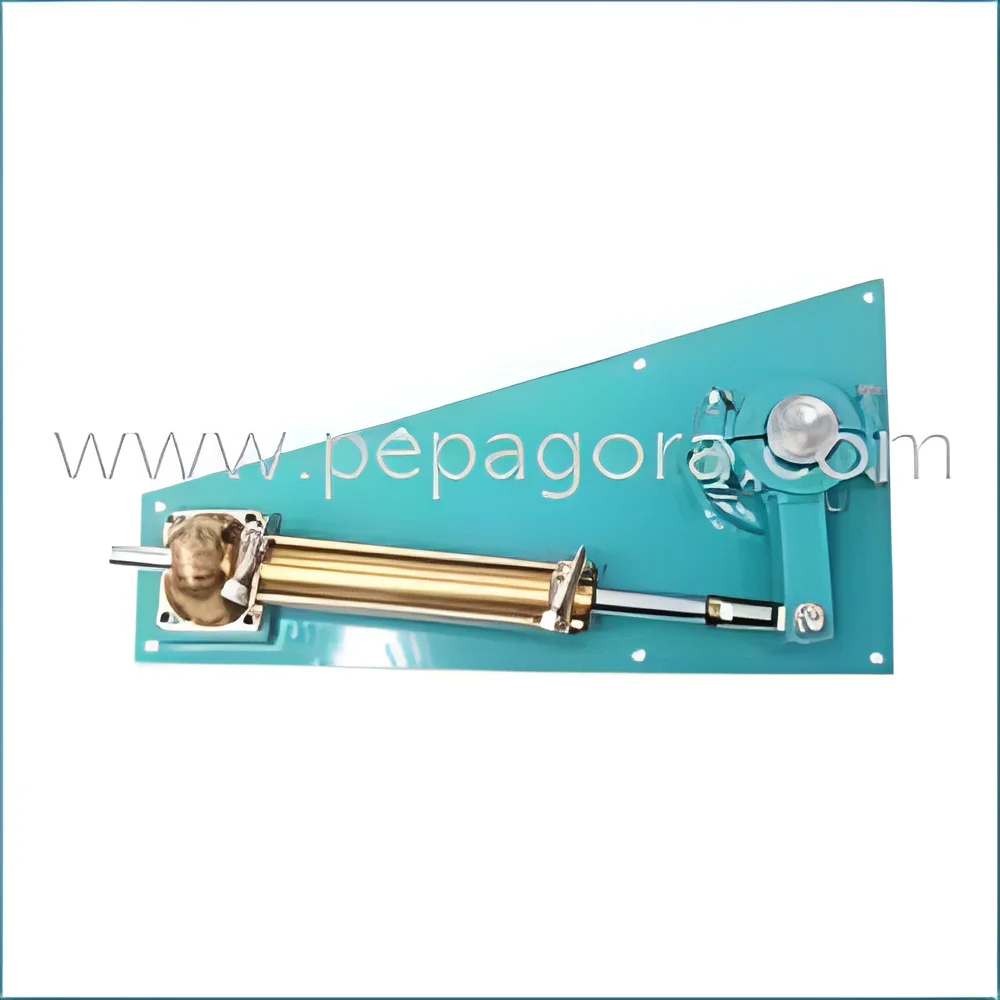
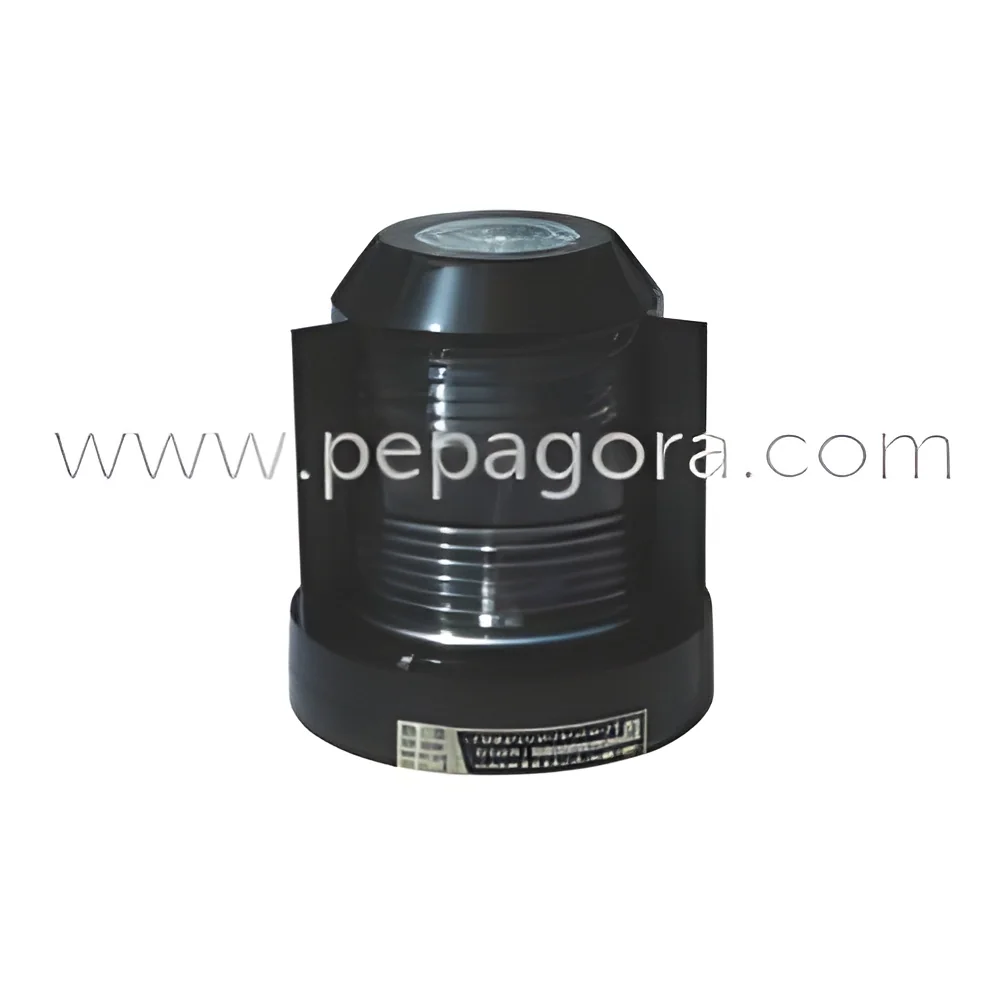
Marine Equipment and Accessories refer to a wide range of tools, devices, and supplementary items specifically designed for maritime use. These products are essential for the operation, maintenance, and safety of vessels, whether they are commercial ships, fishing boats, or recreational yachts. They encompass everything from navigation instruments and safety gear to mooring equipment and specialized tools for maintenance.
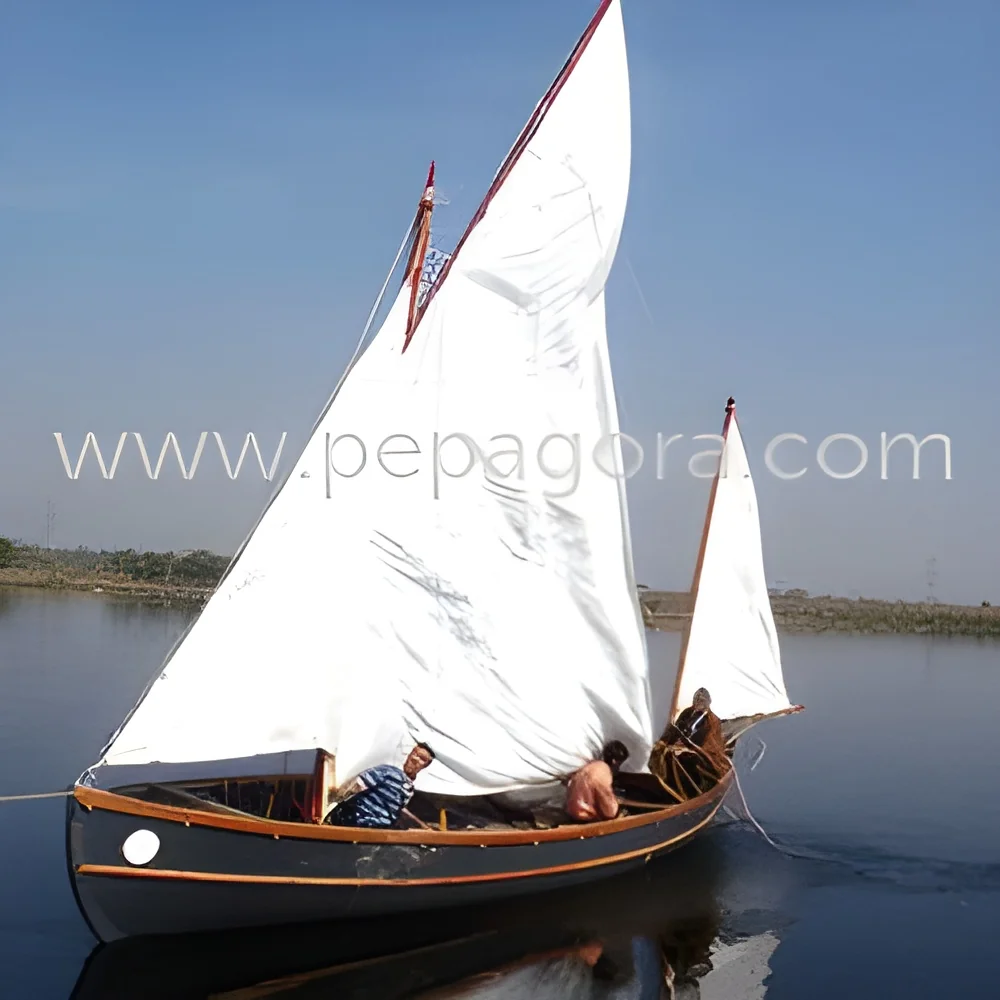
These products play a critical role in various applications, including shipping, fishing, and leisure boating. Businesses in the marine industry rely on high-quality equipment to ensure safety, efficiency, and compliance with regulations. As maritime activities continue to grow globally, the demand for reliable marine equipment and accessories has also increased, driving innovation and variety in product offerings.
The marine equipment market is influenced by various factors, including technological advancements, regulatory standards, and changing consumer preferences. Companies looking to enhance operational efficiency and ensure safety on the water must stay informed about the latest developments in marine equipment and accessories.
𝗞𝗲𝘆 𝗙𝗲𝗮𝘁𝘂𝗿𝗲𝘀 𝗮𝗻𝗱 𝗦𝗽𝗲𝗰𝗶𝗳𝗶𝗰𝗮𝘁𝗶𝗼𝗻𝘀
Marine Equipment and Accessories are characterized by several key features that ensure performance and reliability in challenging marine environments. Understanding these specifications is crucial for making informed purchasing decisions.
Key specifications include:
1. Durability
- Designed to withstand harsh marine conditions
- Resistant to saltwater, corrosion, and UV exposure
2. Compliance with Safety Standards
- Must meet industry regulations such as CE certification
- Ensures products are safe for use in marine applications
3. Versatility
- Available in various sizes and configurations
- Suitable for different types of vessels and purposes
4. Environmental Resistance
- Capable of operating in extreme temperatures and humidity
- Designed for longevity and minimal maintenance
5. User-Friendly Design
- Intuitive interfaces and controls
- Easy installation and operation for end-users
6. Advanced Technology Integration
- Incorporates modern navigation and monitoring features
- Enhances operational efficiency and safety
7. Lightweight Construction
- Made from lightweight materials for easy handling
- Reduces overall vessel weight for better fuel efficiency
8. Customization Options
- Various configurations and accessories available
- Tailored solutions to meet specific operational needs
These features collectively enhance the overall performance and reliability of marine equipment and accessories, making them indispensable for maritime operations.
𝗖𝗼𝗺𝗺𝗼𝗻 𝗔𝗽𝗽𝗹𝗶𝗰𝗮𝘁𝗶𝗼𝗻𝘀 𝗮𝗻𝗱 𝗨𝘀𝗲 𝗖𝗮𝘀𝗲𝘀
Marine Equipment and Accessories are utilized across a variety of industries, each with specific needs and applications.
1. Commercial Shipping: Equipment such as navigation systems and safety gear is essential for cargo vessels to ensure safe and efficient transport of goods.
2. Fishing Industry: Accessories like fishing nets, bait systems, and sonar equipment are crucial for commercial and recreational fishing operations.
3. Recreational Boating: Boat owners rely on equipment such as anchors, life jackets, and docking systems for safety and convenience during leisure activities.
4. Marine Construction: Equipment for underwater construction, including diving gear and specialized tools, plays a key role in marine engineering projects.
5. Offshore Oil and Gas: Heavy-duty marine equipment is necessary for exploration and extraction activities, ensuring compliance with safety regulations.
6. Research and Surveying: Instruments for oceanographic research and environmental monitoring are vital for scientific studies in marine environments.
7. Maritime Security: Surveillance and security systems are essential for safeguarding vessels against piracy and unauthorized access.
𝗣𝗿𝗼𝗱𝘂𝗰𝘁 𝗩𝗮𝗿𝗶𝗮𝗻𝘁𝘀 𝗮𝗻𝗱 𝗦𝘂𝗯𝗰𝗮𝘁𝗲𝗴𝗼𝗿𝗶𝗲𝘀
Marine Equipment and Accessories come in a diverse range of variants to cater to different needs and applications.
Navigation Systems: These include GPS units, radar systems, and chartplotters that assist in safe navigation and route planning on water.
Safety Gear: This category encompasses life jackets, fire extinguishers, and emergency signaling devices designed to enhance safety during marine operations.
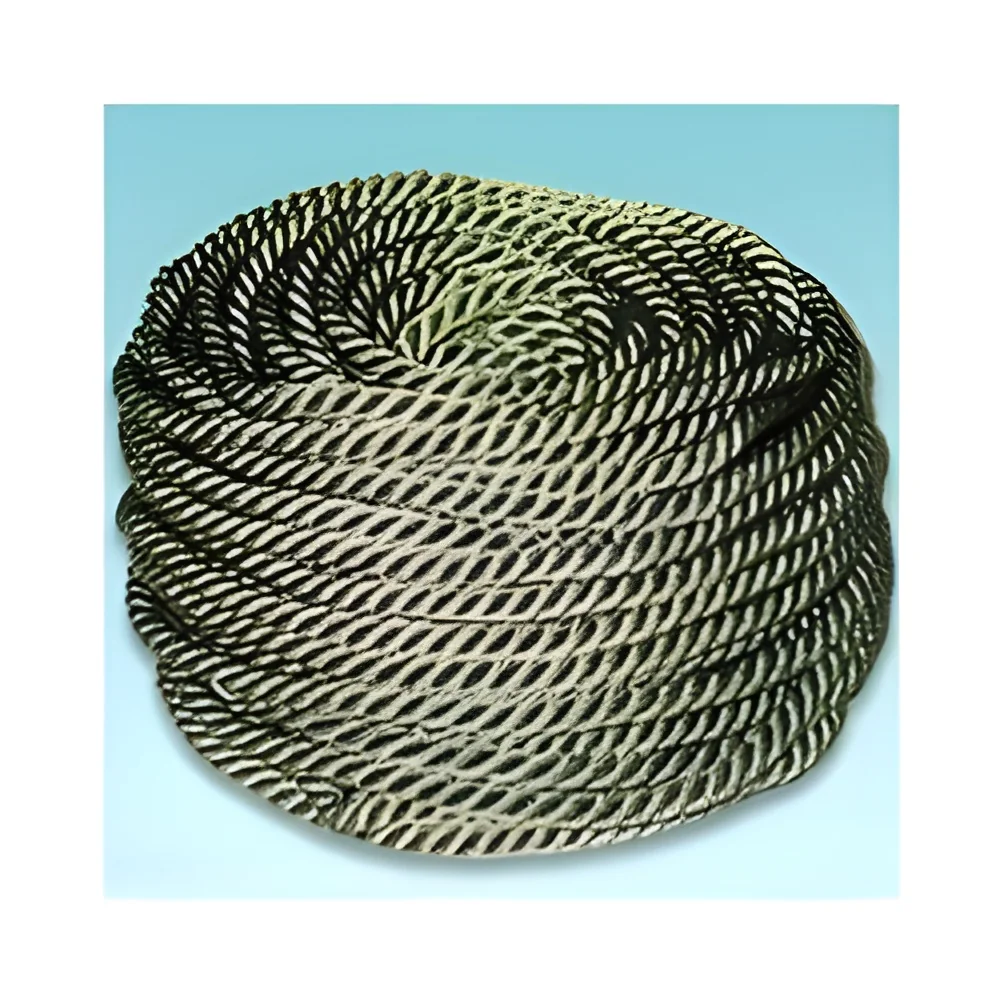
Mooring Equipment: Anchors, ropes, and chains that facilitate secure docking and mooring of vessels in various marine environments.
Maintenance Tools: A range of specialized tools for the upkeep of vessels, including cleaning supplies, repair kits, and inspection equipment.
Fishing Accessories: Equipment tailored for fishing, such as rods, reels, and bait systems, designed to enhance the fishing experience and improve catch rates.
𝗕𝗲𝗻𝗲𝗳𝗶𝘁𝘀 𝗮𝗻𝗱 𝗔𝗱𝘃𝗮𝗻𝘁𝗮𝗴𝗲𝘀
Investing in Marine Equipment and Accessories offers numerous advantages for businesses and individuals involved in maritime activities.
Key benefits include:
1. Enhanced Safety: High-quality marine equipment minimizes risks and ensures compliance with safety regulations, protecting crew and cargo.
2. Improved Efficiency: Reliable equipment streamlines operations, reducing downtime and enhancing productivity on the water.
3. Cost-Effectiveness: Durable products reduce the need for frequent replacements, leading to long-term savings on maintenance and procurement.
4. Versatile Applications: A wide range of products allows for flexibility in usage across different marine activities and environments.
5. Access to Advanced Technology: Modern equipment often includes features that improve navigation, monitoring, and communication, enhancing operational capabilities.
6. Support for Regulatory Compliance: Equipment that meets industry standards ensures adherence to legal requirements, reducing the risk of penalties.
𝗕𝘂𝘆𝗶𝗻𝗴 𝗚𝘂𝗶𝗱𝗲 𝗳𝗼𝗿 𝗕𝟮𝗕 𝗕𝘂𝘆𝗲𝗿𝘀
When sourcing Marine Equipment and Accessories, it is essential for businesses to consider several key factors to ensure they make informed purchasing decisions.
1. Quality Assessment: Evaluate products based on durability, performance, and adherence to safety standards. Look for certifications and reviews from industry experts.
2. Supplier Verification: Vet suppliers to ensure they are reputable and reliable. Check their history, customer feedback, and compliance with industry standards.
3. Pricing and MOQ: Consider cost implications, including the minimum order quantities (MOQ) that suppliers may impose. Compare prices across different vendors to ensure competitive rates.
4. Delivery and Lead Times: Assess logistics capabilities and understand lead times for delivery. Timely access to equipment is crucial for maintaining operational schedules.
5. Compliance Requirements: Stay informed about regional regulations and standards that apply to marine equipment to avoid compliance issues and ensure safety.
𝗖𝗼𝗺𝗽𝗹𝗶𝗮𝗻𝗰𝗲 𝗮𝗻𝗱 𝗖𝗲𝗿𝘁𝗶𝗳𝗶𝗰𝗮𝘁𝗶𝗼𝗻𝘀
Compliance with quality standards and certifications is critical in the marine equipment industry. Key standards include ISO 9001, which focuses on quality management systems, ensuring products meet consistent quality criteria.
Additionally, CE certification is important for demonstrating compliance with European safety standards. This certification indicates that products have been tested and meet essential safety requirements.
Marine equipment also undergoes various safety and testing requirements, including assessments for environmental resistance and performance under operational conditions. Regional compliance considerations may vary, so it is essential for buyers to understand local regulations that affect marine equipment usage.
𝗪𝗵𝘆 𝗦𝗼𝘂𝗿𝗰𝗲 𝗠𝗮𝗿𝗶𝗻𝗲 𝗘𝗾𝘂𝗶𝗽𝗺𝗲𝗻𝘁 & 𝗔𝗰𝗰𝗲𝘀𝘀𝗼𝗿𝗶𝗲𝘀 𝗳𝗿𝗼𝗺 𝗣𝗲𝗽𝗮𝗴𝗼𝗿𝗮?
Pepagora offers a reliable platform for sourcing Marine Equipment and Accessories, providing several key advantages for businesses.
Verified Supplier Network: Pepagora maintains a robust network of verified suppliers, ensuring that buyers have access to high-quality products from reputable sources.
Streamlined RFQ Process: The request for quotation (RFQ) system simplifies the procurement process, allowing buyers to compare options and receive competitive quotes efficiently.
Trade Assurance and Support: The platform provides buyer protection through trade assurance measures, ensuring that buyers feel secure in their transactions and investments.
Regional Coverage: Pepagora has a wide geographic reach, serving markets in India, the GCC, and Southeast Asia. This extensive network allows for better access to diverse marine equipment and accessories tailored to different regional needs.

 IN
IN