What are Marine Hardware?
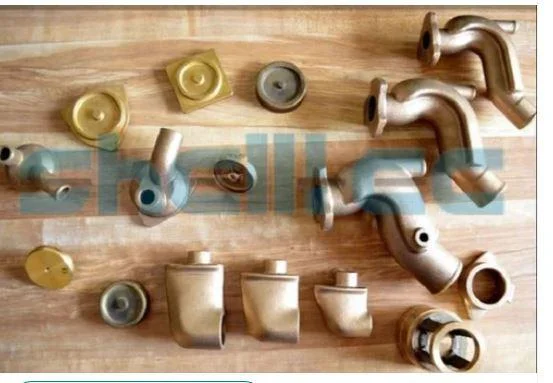
Marine hardware refers to a wide range of fittings, fasteners, and accessories used in boat and ship construction and maintenance. These products are essential for ensuring the structural integrity and functionality of marine vessels. Marine hardware includes items such as cleats, pulleys, winches, and hinges, which are designed to withstand harsh marine environments, including exposure to saltwater, UV radiation, and extreme weather conditions.
The primary uses of marine hardware extend across various sectors, including recreational boating, commercial shipping, and naval applications. Businesses in these industries rely on high-quality hardware to enhance the performance and safety of their vessels. Marine hardware is not only critical for building new boats but also for retrofitting and repairing existing ones. The demand for durable and reliable marine hardware continues to grow as the maritime industry evolves and expands.
In terms of market context, the marine hardware industry is influenced by trends in boat manufacturing, recreational boating activities, and regulatory requirements. Innovations in materials and technology are driving advancements in hardware design, improving performance and longevity. Suppliers of marine hardware must keep pace with these changes to remain competitive in the market.
Key Features and Specifications
Marine hardware products come with several key features that enhance their usability and durability. Understanding these specifications is crucial for buyers when selecting the right components for their needs.
Key specifications include:
1. Material Composition
- Marine hardware is typically made from corrosion-resistant materials such as stainless steel, bronze, and aluminum.
- These materials provide longevity and reliability in challenging marine environments.
2. Load Capacity
- Each hardware component is rated for specific load capacities, ensuring they can handle the required forces during operation.
- Load capacities vary widely based on the type of hardware and its intended use.
3. Finish Type
- Many marine hardware products come with finishes designed to enhance resistance to corrosion and wear.
- Common finishes include polished, brushed, and powder-coated options.
4. Size and Dimensions
- Marine hardware is available in various sizes, making it suitable for different applications and vessel designs.
- Buyers should ensure dimensions match their specific installation requirements.
5. Installation Type
- Different installation types, such as bolt-on, screw-on, or weldable, are available to accommodate various mounting needs.
- Understanding the installation method is essential for proper fitting.
6. Safety Features
- Some marine hardware includes built-in safety features, such as locking mechanisms or safety pins, to prevent accidental dislodgement.
- These features enhance the reliability of hardware during use.
7. Compliance Standards
- Many marine hardware products adhere to industry standards for quality and safety, including CE certification.
- Compliance ensures that products meet regulatory requirements for use in marine applications.
In summary, selecting the right marine hardware involves understanding its key features and specifications. Buyers should consider material composition, load capacity, finish type, and safety features to ensure optimal performance.
Common Applications and Use Cases
Marine hardware serves various industries, each with specific applications that highlight the importance of quality components.
1. Recreational Boating: In this sector, marine hardware is used in sailboats, motorboats, and yachts. Common applications include rigging systems, deck fittings, and safety equipment.
2. Commercial Shipping: Large vessels such as cargo ships and tankers utilize marine hardware for structural integrity and operational efficiency. Applications include mooring systems, hatch covers, and cargo securing mechanisms.
3. Naval Applications: Military vessels rely on high-performance marine hardware for tactical and operational needs. This includes components for weaponry, navigation systems, and onboard living quarters.
4. Fishing Industry: Fishing boats use specialized marine hardware for gear and equipment handling. Applications include winches for nets and storage solutions for fishing gear.
5. Offshore Platforms: Marine hardware is critical for offshore oil and gas platforms. Components are used for securing equipment, safety systems, and platform maintenance.
6. Marine Construction: Hardware is essential in building docks, piers, and marinas. Applications include anchoring systems, guide posts, and structural supports.
7. Water Sports: Equipment for activities like sailing, jet skiing, and wakeboarding relies on marine hardware for safety and performance. This includes safety harnesses, tow systems, and accessory mounts.
Product Variants and Subcategories
The diversity of marine hardware caters to a wide range of applications and environments. Each variant is designed for specific uses, enhancing functionality.
Cleats
Cleats are essential for securing lines and ropes on vessels. They come in various sizes and styles, including cam cleats and horn cleats, to suit different mooring needs.
Pulleys
Pulleys assist in lifting and lowering loads. Marine pulleys are often designed with bearings for smooth operation and are available in multiple configurations for versatility.
Winches
Winches are used for controlling lines and sails on sailing vessels. They come in manual and electric options, allowing for easy adjustments during sailing operations.
Hinges
Hinges are critical for access points on boats. Marine-grade hinges are designed to withstand corrosion and provide reliable performance in harsh marine environments.
Benefits and Advantages
Choosing high-quality marine hardware offers several advantages for businesses in the maritime industry.
Key benefits include:
1. Durability: Marine hardware is built to withstand extreme conditions, ensuring longevity and reducing the need for frequent replacements.
2. Safety: Reliable hardware enhances the safety of vessels, preventing accidents and equipment failures during operation.
3. Performance: Quality marine hardware improves the overall performance of vessels, facilitating smoother operation and better handling.
4. Compliance: Products that meet industry standards provide peace of mind, ensuring that vessels adhere to regulatory requirements.
5. Customization: Many suppliers offer customizable options, allowing businesses to tailor hardware solutions to specific applications.
6. Cost-Effectiveness: Investing in high-quality hardware can lead to long-term savings by reducing maintenance costs and enhancing operational efficiency.
Buying Guide for B2B Buyers
When sourcing marine hardware, it is essential for B2B buyers to consider several critical factors to ensure they make informed purchasing decisions.
1. Quality Assessment: Evaluate materials, manufacturing processes, and performance ratings to ensure the hardware meets industry standards.
2. Supplier Verification: Vet suppliers by checking their credentials, certifications, and customer reviews to ensure reliability and quality.
3. Pricing and MOQ: Understand pricing models and minimum order quantities to align with budget constraints and procurement strategies.
4. Delivery and Lead Times: Consider logistics and shipping times, as timely delivery is crucial for project timelines and operational schedules.
5. Compliance Requirements: Ensure that the hardware meets relevant regulatory standards, such as CE certification, to avoid legal issues and ensure safety.
Compliance and Certifications
Marine hardware must adhere to several quality standards and certifications to ensure safety and reliability in use.
Relevant quality standards include ISO 9001, which sets criteria for a quality management system and helps organizations ensure they meet customer and regulatory requirements. Other standards like HACCP and GDP may apply based on specific applications and industries.
Industry certifications, such as CE marking, indicate compliance with European safety, health, and environmental protection standards. This certification is crucial for products sold in European markets and assures buyers of their quality and safety.
Safety and testing requirements are also paramount in the marine hardware industry. Products are often subjected to rigorous testing to ensure they can withstand the specific stresses and environmental conditions typical in marine applications.
Regional compliance considerations may vary. Buyers should be aware of local regulations and standards that may affect the use and installation of marine hardware in different geographic areas.
Why Source Marine Hardware from Pepagora?
Pepagora provides a trusted platform for sourcing marine hardware, offering several key advantages for B2B buyers.
Verified Supplier Network: Pepagora connects buyers with a network of verified suppliers, ensuring that products meet high-quality standards. This helps buyers make informed choices and reduces the risk of subpar products.
Streamlined RFQ Process: The quotation system on Pepagora simplifies the procurement process. Buyers can easily request quotes from multiple suppliers, allowing for competitive pricing and better decision-making.
Trade Assurance and Support: Pepagora offers buyer protection through trade assurance programs, ensuring that transactions are secure and that buyers receive the products as specified.
Regional Coverage: With a strong presence in markets like India, the GCC, and Southeast Asia, Pepagora provides extensive geographic reach. This enables buyers to access a wide range of marine hardware products tailored to their regional needs.
In summary, partnering with Pepagora for marine hardware sourcing offers a reliable solution for businesses seeking quality products, competitive pricing, and comprehensive support.

 IN
IN