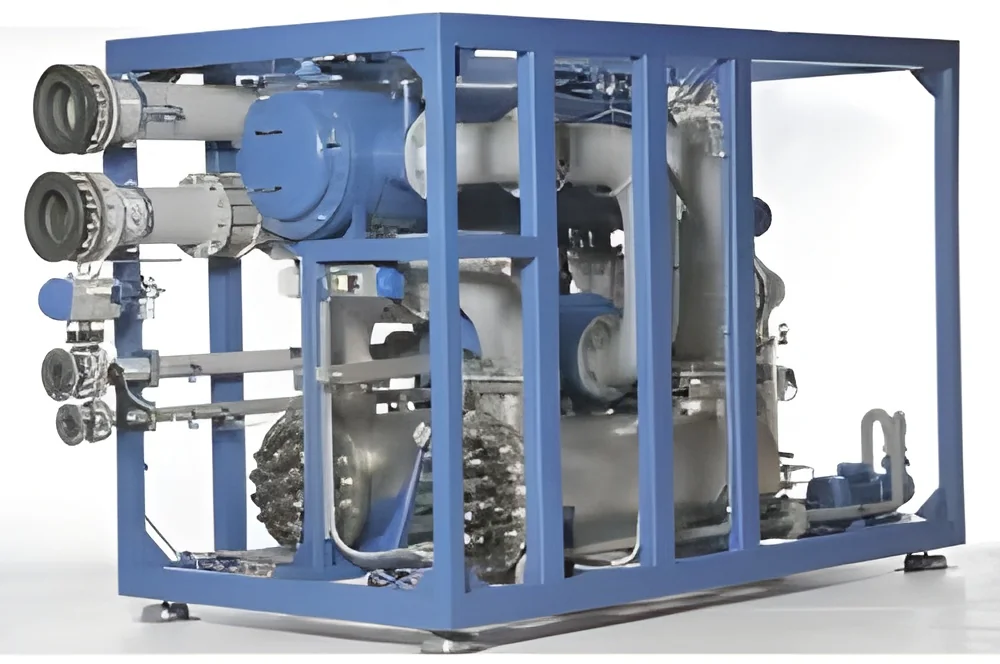
What are Marine Pump?
Marine pumps are specialized devices designed to move fluids in marine environments. These pumps are essential for various applications, including transferring water, fuel, and lubricants in boats, ships, and offshore platforms. Their design often incorporates robust materials and features to withstand harsh marine conditions, such as saltwater exposure and extreme temperatures. Marine pumps play a crucial role in ensuring the smooth operation of marine vessels and facilities.
The primary uses of marine pumps extend to various sectors, including shipping, fishing, and offshore oil and gas exploration. In shipping, they facilitate ballast water management and bilge water pumping. In the fishing industry, they are used to circulate and aerate water in fish tanks. Offshore platforms rely on marine pumps for fuel transfer and waste management. The market for marine pumps is growing, driven by advancements in technology and increasing demand for efficient and reliable fluid transfer solutions.
With the ongoing expansion of global trade and marine operations, the relevance of marine pumps in the industry continues to rise. As vessels and platforms become more sophisticated, the need for high-performance pumps capable of meeting stringent operational requirements is paramount. This trend illustrates the importance of marine pumps in supporting safe and efficient maritime activities.
Key Features and Specifications
Marine pumps come with a variety of features designed to enhance performance and reliability. The specifications for these pumps can vary widely, depending on the specific application and type of pump. Understanding these specifications is essential for selecting the right marine pump for your needs.
Key specifications include:
1. Flow Rate
- The amount of fluid the pump can move over a specific time period.
- Typically measured in liters per minute (LPM) or gallons per minute (GPM).
2. Pressure Rating
- The maximum pressure the pump can handle during operation.
- Usually expressed in bars or pounds per square inch (PSI).
3. Material Construction
- The materials used in the pump's construction, such as stainless steel or composite materials.
- Important for corrosion resistance and durability.
4. Power Source
- The type of power used to operate the pump, which can include electric, diesel, or hydraulic systems.
- Influences the pump's versatility and application.
5. Port Size and Type
- The size and type of ports for fluid intake and discharge.
- Essential for compatibility with existing plumbing systems.
6. Weight
- The overall weight of the pump, which can affect installation and mobility.
- Typically noted in kilograms or pounds.
7. Dimensions
- The physical size of the pump, including height, width, and depth.
- Important for space considerations in installation.
8. Certification
- Compliance with industry standards, such as CE certification.
- Ensures safety and reliability in marine operations.
In summary, understanding the key features and specifications of marine pumps is vital for making informed purchasing decisions. Selecting the right pump based on these specifications ensures optimal performance in demanding marine environments.
Common Applications and Use Cases
Marine pumps are utilized across a range of industries, each with specific applications that highlight their versatility.
1. Shipping: Marine pumps are crucial for ballast water management, ensuring vessels maintain stability. They are also used for bilge water removal to keep ships seaworthy.
2. Fishing: In aquaculture, marine pumps circulate water in fish tanks, promoting oxygenation and maintaining water quality for optimal fish health.
3. Oil and Gas: Offshore platforms use marine pumps for fuel transfer, water injection, and produced water management, playing a key role in operational efficiency.
4. Firefighting: Marine pumps are employed in firefighting systems on vessels, providing a reliable source of water for emergency response.
5. Desalination: Marine pumps are integral to seawater desalination plants, facilitating the intake and transfer of seawater for freshwater production.
6. Waste Management: These pumps assist in the removal of waste and bilge water from vessels, ensuring compliance with environmental regulations.
7. Marine Construction: In marine construction projects, pumps are used for dewatering and managing water levels at construction sites, ensuring safe and efficient operations.
Product Variants and Subcategories
Marine pumps come in various types, tailored to meet different operational needs. Each variant offers unique features and applications.
Centrifugal Pumps: These pumps are designed for high flow rates and are commonly used in ballast and bilge applications. They work by converting rotational energy into fluid movement, making them efficient for large volume transfers.
Positive Displacement Pumps: Ideal for applications requiring precise flow control, these pumps are often used in fuel transfer and lubrication systems. They operate by trapping a fixed volume of fluid and forcing it through the discharge.
Submersible Pumps: These pumps are specifically designed to operate underwater, making them suitable for dewatering and wastewater management in marine environments. Their design allows for efficient fluid movement from below the water surface.
Diaphragm Pumps: Known for their ability to handle viscous fluids and slurries, diaphragm pumps are used in applications such as oil transfer and chemical dosing, providing versatility in various marine operations.
Benefits and Advantages
Marine pumps offer numerous benefits that enhance operational efficiency and reliability in marine environments.
1. Reliability: Marine pumps are engineered for durability and performance, ensuring they can withstand harsh conditions and maintain functionality over time.
2. Efficiency: These pumps are designed to optimize fluid transfer, reducing energy consumption and operational costs. Their efficient design contributes to overall vessel performance.
3. Versatility: With various types available, marine pumps can be adapted for multiple applications, from fuel transfer to water circulation, making them essential in diverse marine operations.
4. Safety: Many marine pumps come equipped with safety features, such as pressure relief valves and automatic shut-off systems, reducing the risk of accidents and enhancing operational safety.
5. Compliance: Marine pumps that meet industry standards and certifications ensure adherence to regulatory requirements, minimizing liability and enhancing operational credibility.
6. Ease of Maintenance: Many marine pumps are designed for straightforward maintenance, allowing for quick servicing and reduced downtime. This design aspect helps maintain optimal performance throughout the pump's lifecycle.
Buying Guide for B2B Buyers
When sourcing marine pumps, several factors should be considered to ensure a successful purchase.
1. Quality Assessment: Evaluate the quality of marine pumps by reviewing manufacturer specifications, material construction, and performance ratings. Look for pumps that meet industry standards to ensure reliability.
2. Supplier Verification: Vet suppliers by checking their credentials, customer reviews, and industry experience. A reputable supplier can provide insights and support throughout the purchasing process.
3. Pricing and MOQ: Consider the price range and minimum order quantities when evaluating suppliers. Understanding the cost structure helps in budgeting and negotiating favorable terms.
4. Delivery and Lead Times: Assess the logistics involved in the procurement process, including lead times for delivery. Timely delivery is crucial for maintaining operational schedules.
5. Compliance Requirements: Ensure that the marine pumps comply with relevant regulations and certifications, such as CE certification. Compliance helps avoid legal issues and enhances operational credibility.
Compliance and Certifications
Marine pumps must adhere to specific quality standards and certifications to ensure their effectiveness and safety in marine applications. Key standards include ISO 9001, which outlines requirements for a quality management system, ensuring that manufacturers consistently produce high-quality products.
Additionally, the CE certification is essential for marine pumps marketed in the European Union, confirming that the products meet safety and environmental requirements. This certification is crucial for regulatory compliance and market acceptance.
Safety and testing requirements are also vital, as marine pumps must be rigorously tested to withstand the rigors of marine environments. This includes assessments for corrosion resistance, pressure tolerance, and overall durability.
Regional compliance considerations may also come into play, as different regions may have specific regulations governing the use of marine pumps. It is essential for manufacturers and buyers to stay informed about these regulations to ensure compliance and avoid potential liabilities.
Why Source Marine Pump from Pepagora?
Pepagora serves as a trusted platform for sourcing marine pumps, providing a range of advantages that facilitate the purchasing process.
Verified Supplier Network: Pepagora offers a robust network of verified suppliers, ensuring that buyers can connect with reliable manufacturers. This network enhances the likelihood of sourcing high-quality marine pumps that meet specific requirements.
Streamlined RFQ Process: The platform features a streamlined request for quotation (RFQ) process, allowing buyers to quickly compare offers from multiple suppliers. This efficiency helps businesses make informed decisions while saving time.
Trade Assurance and Support: Pepagora prioritizes buyer protection through trade assurance initiatives. This support gives buyers confidence in their transactions, ensuring that their investments are safeguarded.
Regional Coverage: With a geographic reach spanning India, the Gulf Cooperation Council (GCC), and Southeast Asia, Pepagora ensures that buyers can access marine pumps tailored to their regional needs. This coverage facilitates efficient sourcing and logistics, making it easier for businesses to obtain the products they require.

 IN
IN