What are Marine Propeller?
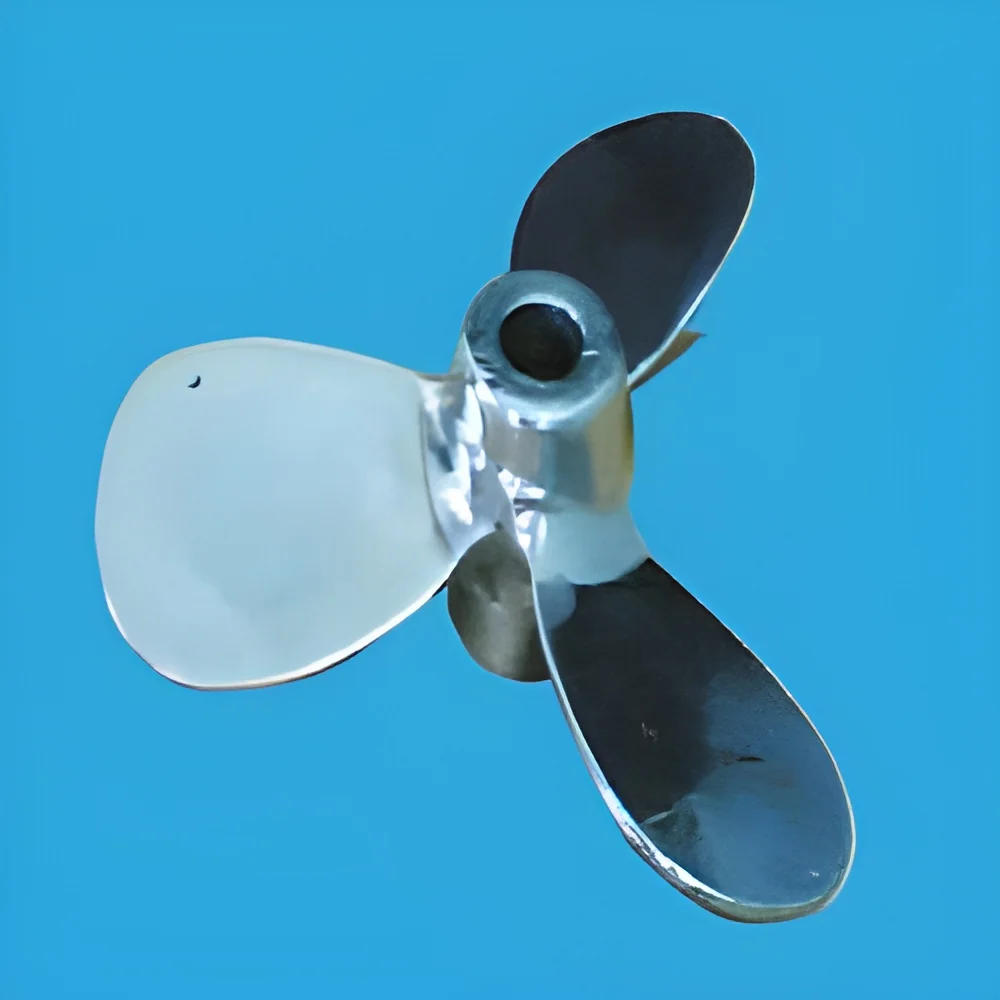
Marine propellers are crucial components in the propulsion systems of ships and boats. They convert rotational energy from the engine into thrust, allowing vessels to move through water. Typically designed with multiple blades, marine propellers can vary in size, shape, and material depending on their intended application. Their design is engineered to optimize efficiency and performance, taking into account factors such as water resistance and engine power.
These propellers are widely used in various maritime applications, including commercial shipping, recreational boating, and naval operations. They are essential for the movement of cargo vessels, fishing boats, and luxury yachts. Marine propellers are not only vital for transportation but also play a significant role in marine engineering and naval architecture. As the shipping industry continues to evolve, the demand for advanced marine propeller technology is increasingly relevant to ensure efficiency and sustainability in maritime operations.
Key Features and Specifications
Marine propellers come with a range of features and specifications that determine their performance and suitability for specific applications. Understanding these specifications is essential for selecting the right propeller for a vessel.
Key specifications include:
1. Diameter
- The diameter influences the thrust generated by the propeller.
- Common ranges vary from 12 inches to over 100 inches.
2. Pitch
- Pitch refers to the distance a propeller would move in one complete rotation.
- Typical pitch values range from 5 to 30 inches.
3. Blade Number
- The number of blades affects both performance and efficiency.
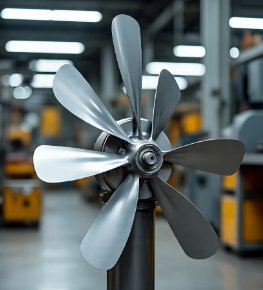
- Most marine propellers have between 2 and 7 blades.
4. Material
- Marine propellers are often made from materials like bronze, stainless steel, or aluminum.
- Material choice impacts durability and corrosion resistance.
5. Hub Type
- Different hub designs can improve efficiency and reduce vibration.
- Options include standard, tapered, and splined hubs.
6. Surface Finish
- A smoother surface finish can reduce drag and enhance performance.
- Options include polished or painted finishes.
7. Weight
- The weight of the propeller can affect the overall balance of the vessel.
- Weights vary significantly based on size and material.
8. Certification
- Compliance with industry standards such as CE is essential for quality assurance.
- Ensures the propeller meets safety and performance benchmarks.
In summary, understanding these specifications helps buyers choose the most appropriate marine propeller for their specific needs, ensuring optimal performance and durability.
Common Applications and Use Cases
Marine propellers are utilized across a variety of industries, each with specific applications that leverage their design and functionality.
1. Commercial Shipping: Marine propellers are essential for cargo ships, enabling them to efficiently transport goods across oceans and waterways.
2. Fishing Industry: Fishing vessels rely on robust propellers to navigate different water conditions while ensuring quick and efficient movement.
3. Recreational Boating: Yachts and speedboats use specialized propellers designed for performance and agility, enhancing the boating experience.
4. Military Applications: Naval ships and submarines utilize advanced propeller designs for stealth and maneuverability in strategic operations.
5. Offshore Oil and Gas: Support vessels for offshore platforms depend on durable propellers capable of handling rough sea conditions.
6. Emergency Services: Search and rescue boats are equipped with marine propellers that ensure rapid response times in critical situations.
7. Research Vessels: Marine research vessels utilize propellers designed for stability and efficiency, allowing for precise data collection in various marine environments.
Product Variants and Subcategories
Marine propellers come in various designs, catering to different vessel types and operational requirements.
Fixed Pitch Propeller: This variant has blades set at a fixed angle and is commonly used in commercial and recreational vessels. It offers simplicity and reliability in operation.
Variable Pitch Propeller: Designed with adjustable blade angles, this variant allows for optimized performance across different speeds and conditions. It is often used in larger vessels requiring versatility.
Controllable Pitch Propeller: This type allows for real-time adjustment of blade angles, enhancing maneuverability and efficiency. It is typically found in naval and specialized commercial applications.
Ducted Propeller: Enclosed within a shroud, these propellers improve thrust and reduce cavitation, making them suitable for smaller boats or applications where space is limited.
Benefits and Advantages
Marine propellers offer numerous benefits that contribute to vessel performance and operational efficiency.
1. Enhanced Thrust: Marine propellers provide effective thrust generation, enabling vessels to achieve desired speeds and maneuverability.
2. Fuel Efficiency: Optimized designs help reduce fuel consumption, leading to cost savings and reduced environmental impact.
3. Durability: High-quality materials ensure marine propellers withstand harsh marine conditions and corrosion, extending their operational lifespan.
4. Customization Options: Many manufacturers offer customization, allowing buyers to tailor propeller specifications to meet specific vessel requirements.
5. Improved Handling: Advanced designs contribute to better handling and stability, enhancing safety during operation.
6. Compliance Assurance: Sourcing certified propellers ensures adherence to industry standards, providing peace of mind regarding safety and performance.
Buying Guide for B2B Buyers
When sourcing marine propellers, buyers should consider several critical factors to ensure they make informed decisions.
1. Quality Assessment: Evaluate the quality of the propeller based on materials, certifications, and performance specifications. Look for products that meet industry standards to ensure reliability.
2. Supplier Verification: Conduct thorough research on potential suppliers. Check for reviews, certifications, and their track record in the industry to ensure they are reputable and trustworthy.
3. Pricing and MOQ: Understand the pricing structure and minimum order quantities (MOQ) required by suppliers. Compare quotes to find a balance between quality and cost.
4. Delivery and Lead Times: Inquire about delivery timelines and logistics to ensure timely procurement. Consider suppliers that can meet your schedule without compromising quality.
5. Compliance Requirements: Familiarize yourself with any regulatory requirements pertinent to marine propellers in your region. Ensure the products sourced comply with local laws and industry standards.
Compliance and Certifications
Marine propellers must adhere to various compliance standards and certifications to ensure safety and performance in maritime applications.
Relevant quality standards, such as ISO 9001, ensure that manufacturers maintain high-quality production processes. Compliance with these standards signifies a commitment to quality management and continuous improvement.
Industry certifications, such as CE, indicate that the propellers meet European safety, health, and environmental protection requirements. This certification is crucial for products sold in European markets, ensuring they meet rigorous safety criteria.
Safety and testing requirements are vital in the manufacturing process. Propellers should undergo testing for performance and reliability to ensure they can withstand the demands of marine environments.
Additionally, regional compliance considerations must be taken into account, as regulations may vary by country. Buyers should verify that their chosen propellers meet local standards to avoid legal issues and ensure safe operation.
Why Source Marine Propeller from Pepagora?
Pepagora provides a trusted platform for sourcing marine propellers with several key advantages that set it apart from competitors.
Verified Supplier Network: Pepagora ensures that all suppliers are thoroughly vetted, offering buyers a reliable selection of manufacturers. This reduces the risk of sourcing from unqualified vendors.
Streamlined RFQ Process: The request for quotation (RFQ) system simplifies the procurement process, allowing buyers to easily compare offers from multiple suppliers. This efficiency helps in making informed purchasing decisions.
Trade Assurance and Support: Pepagora offers buyer protection measures, ensuring that transactions are secure. This support gives buyers confidence in their purchases and helps resolve any issues that may arise.
Regional Coverage: With a strong network in India, the GCC, and Southeast Asia, Pepagora provides extensive geographical reach. This allows buyers to access a diverse range of suppliers and products tailored to their specific regional needs.

 IN
IN