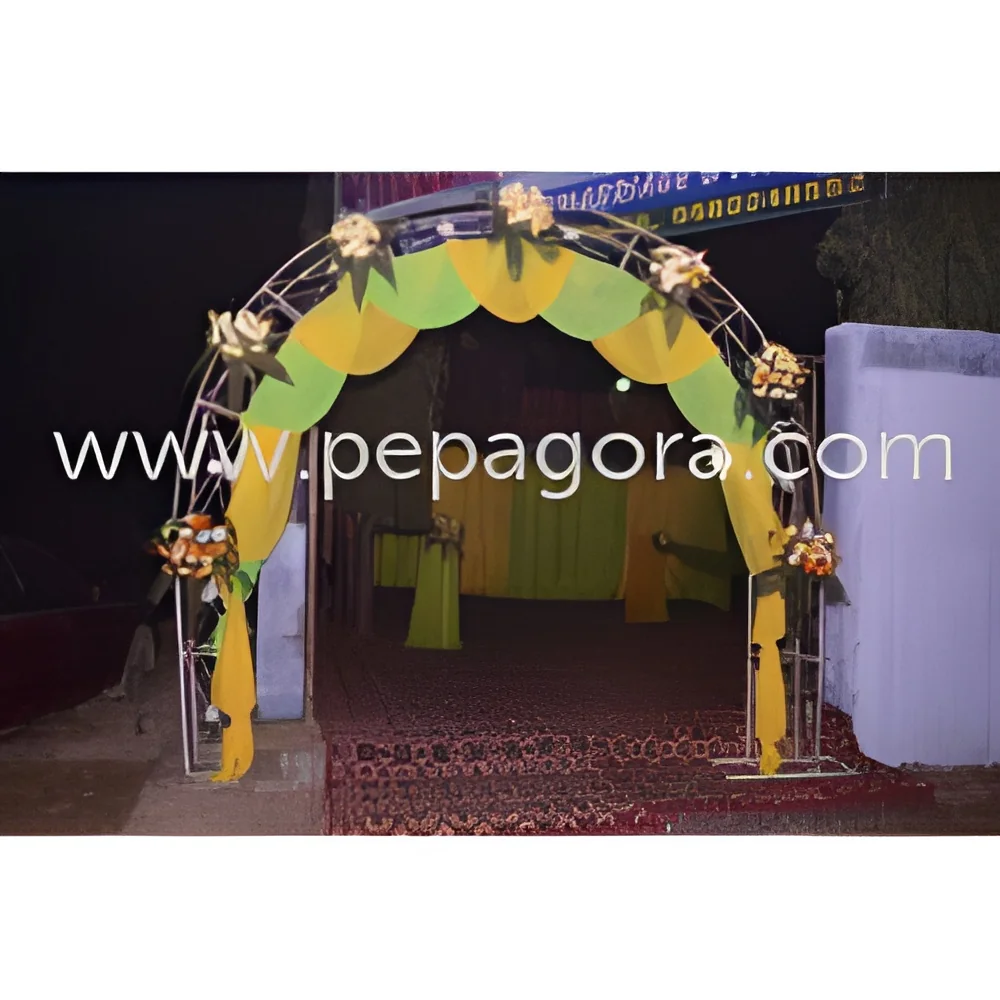
𝗪𝗵𝗮𝘁 𝗮𝗿𝗲 𝗜𝗻𝘁𝗲𝗿𝗶𝗼𝗿 𝗗𝗲𝘀𝗶𝗴𝗻 & 𝗦𝗽𝗮𝗰𝗲 𝗣𝗹𝗮𝗻𝗻𝗶𝗻𝗴?
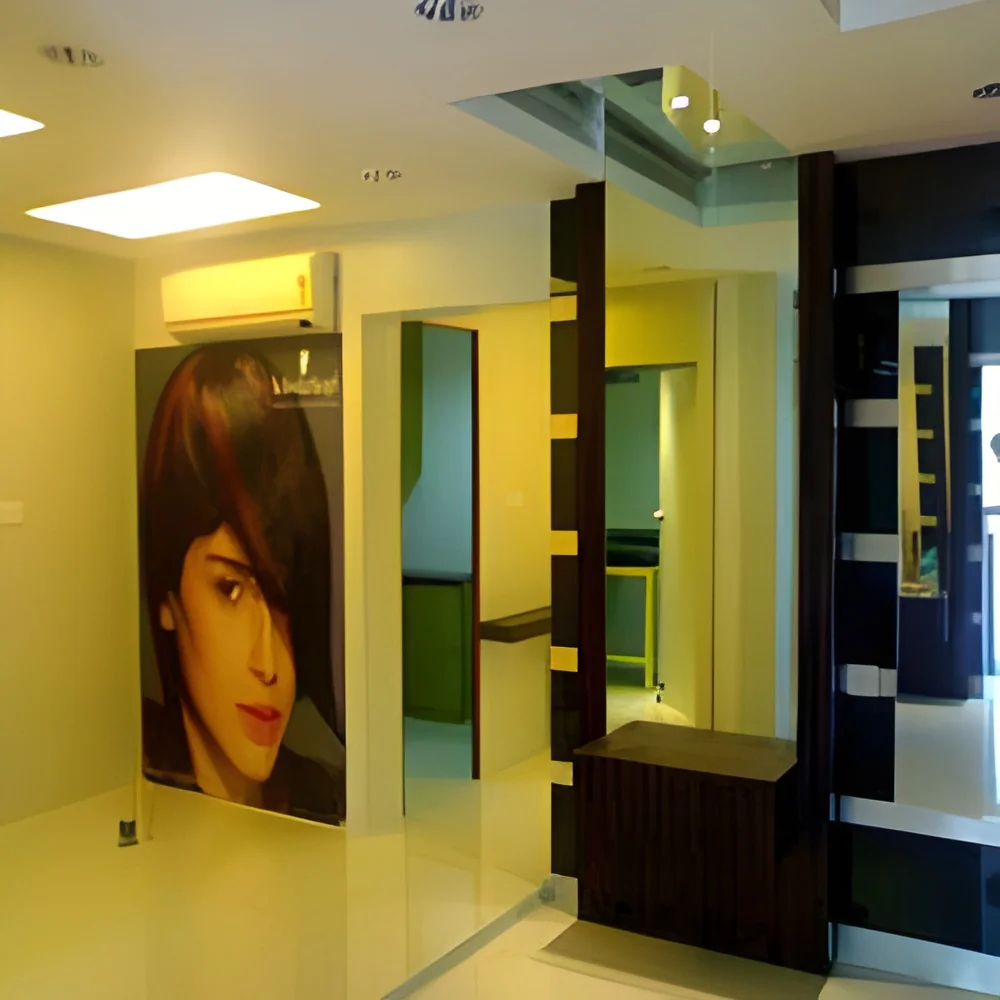
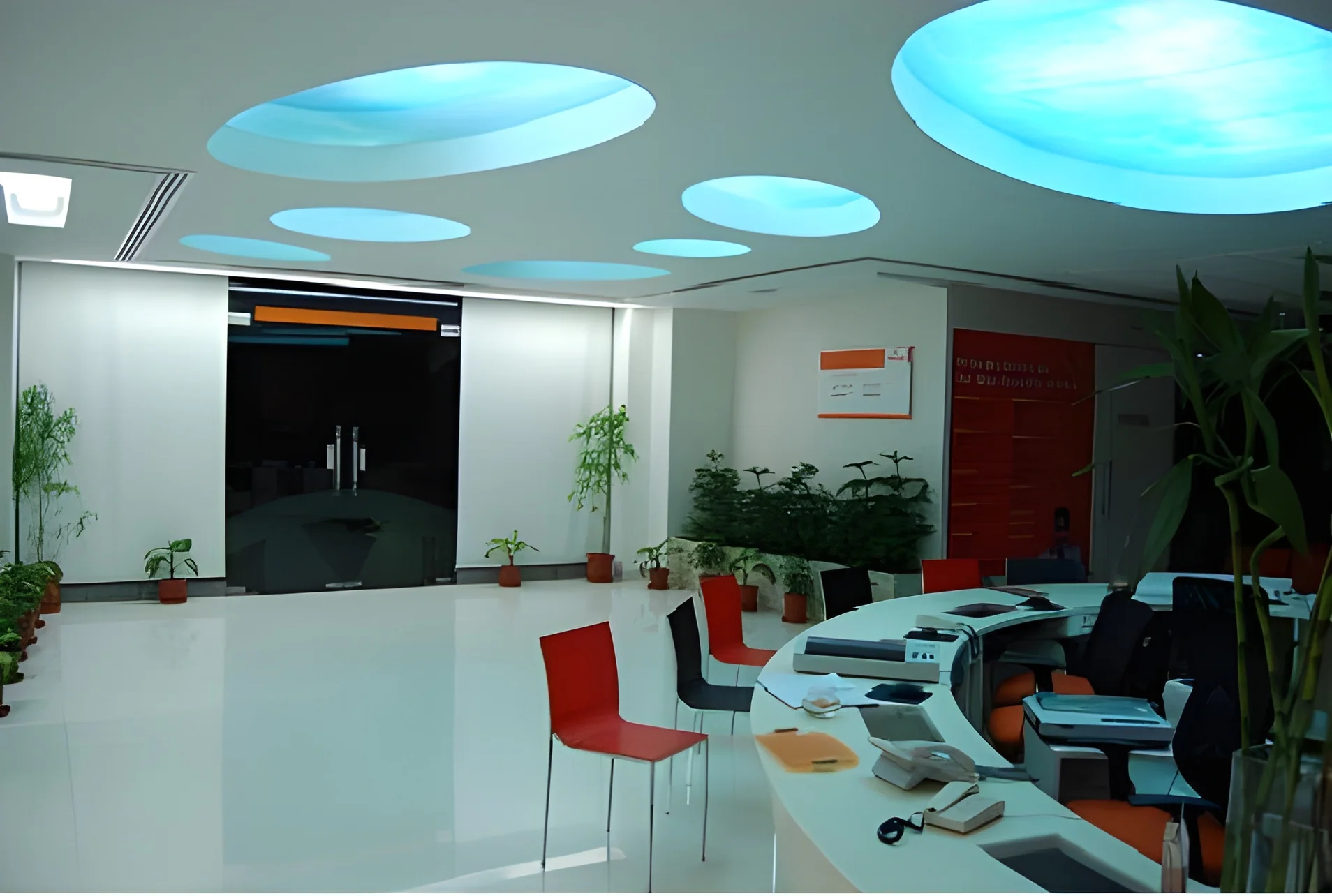
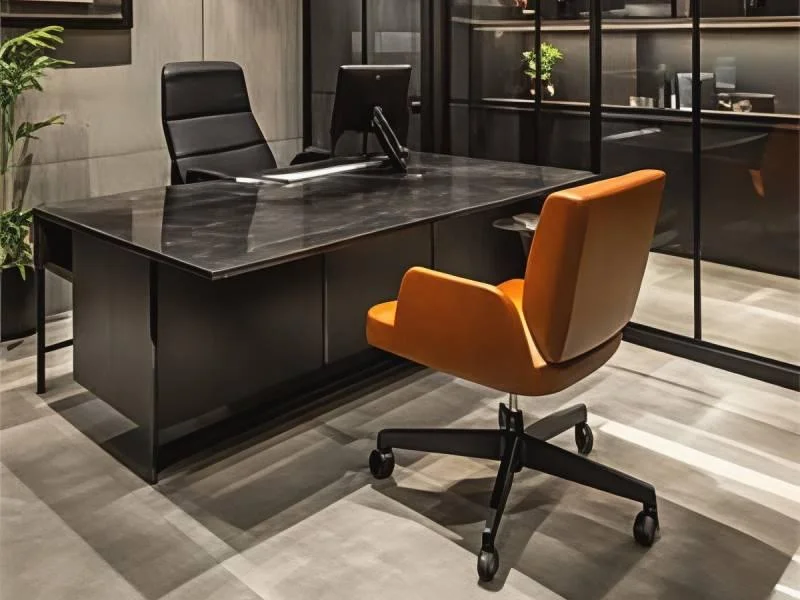
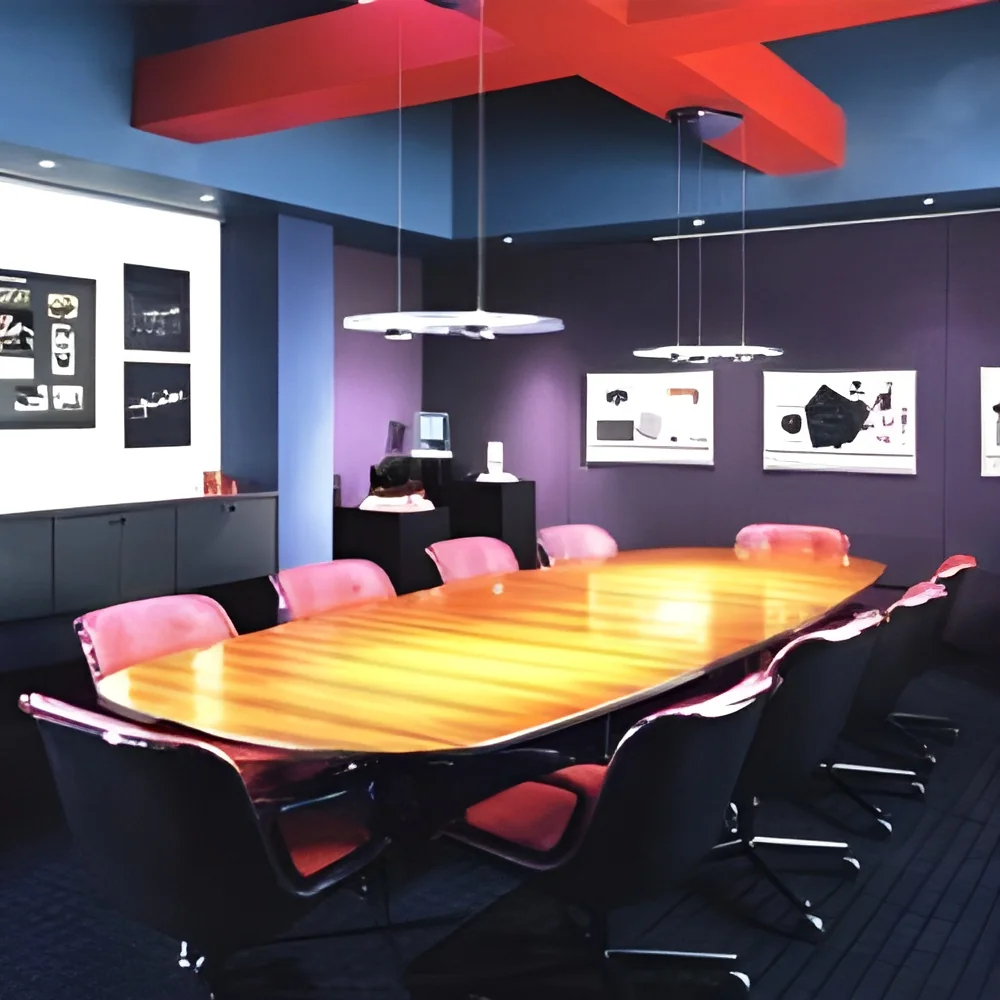
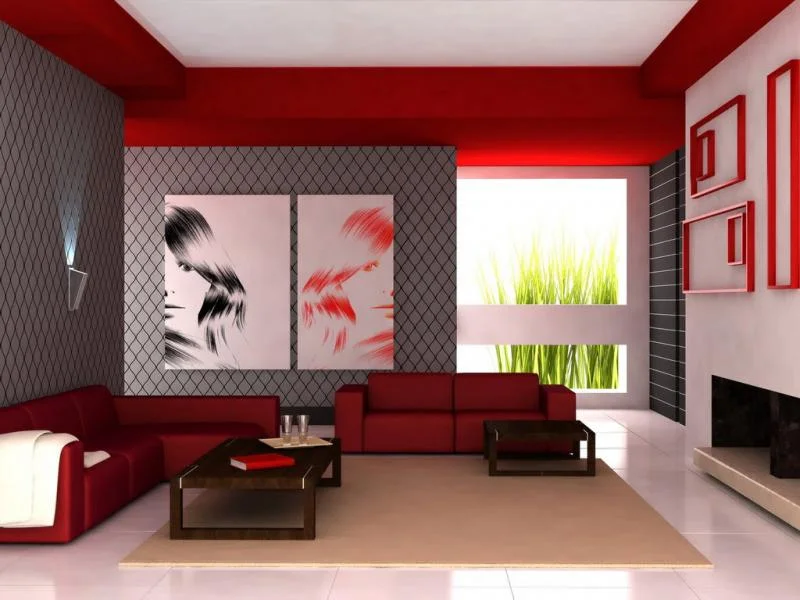
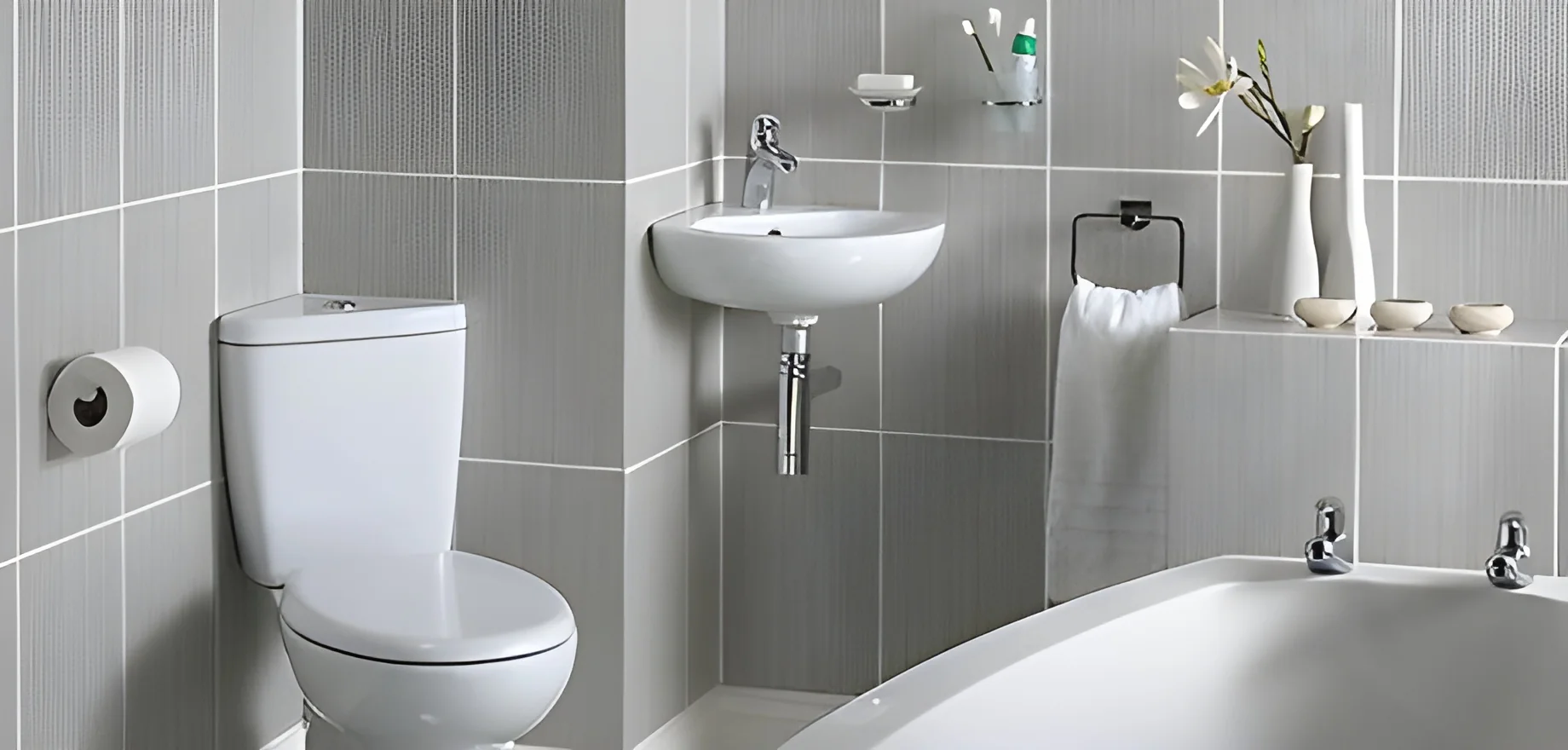
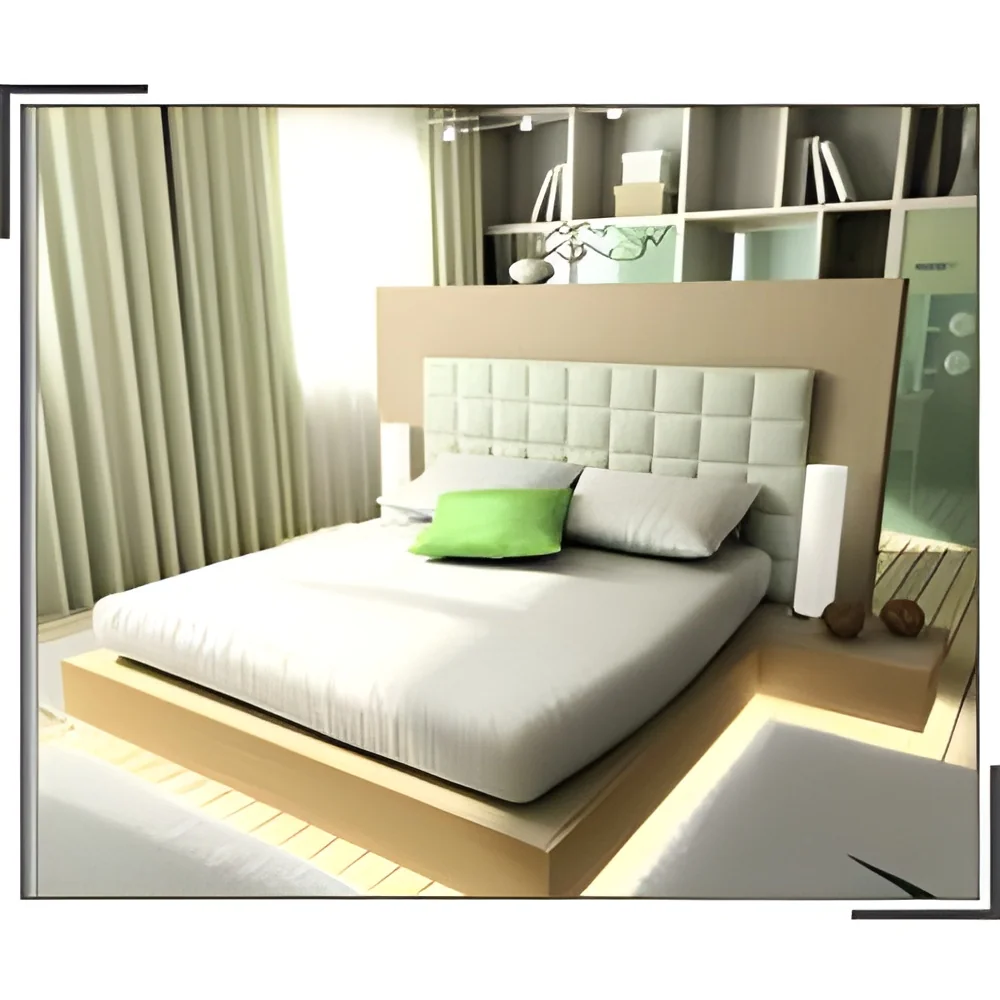
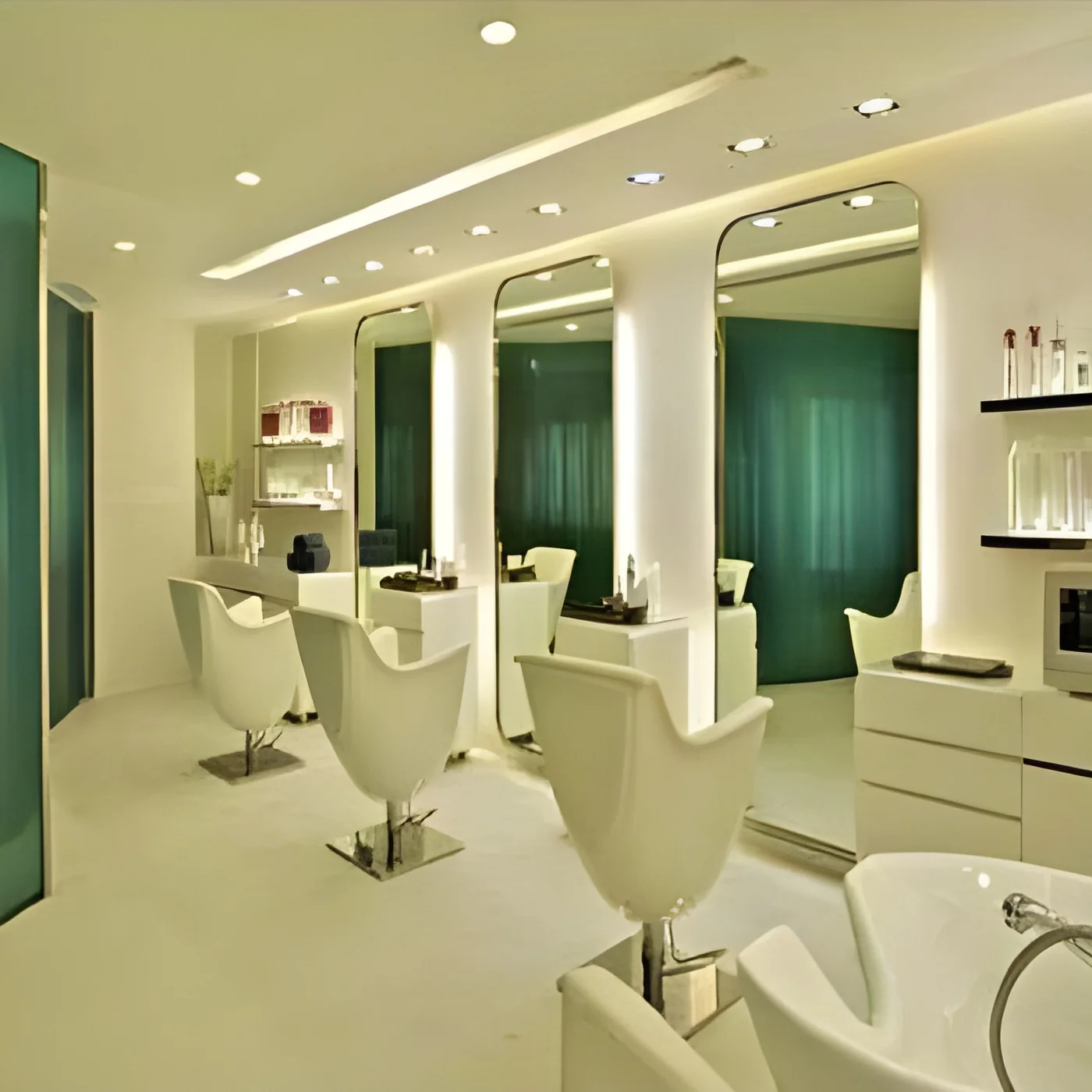
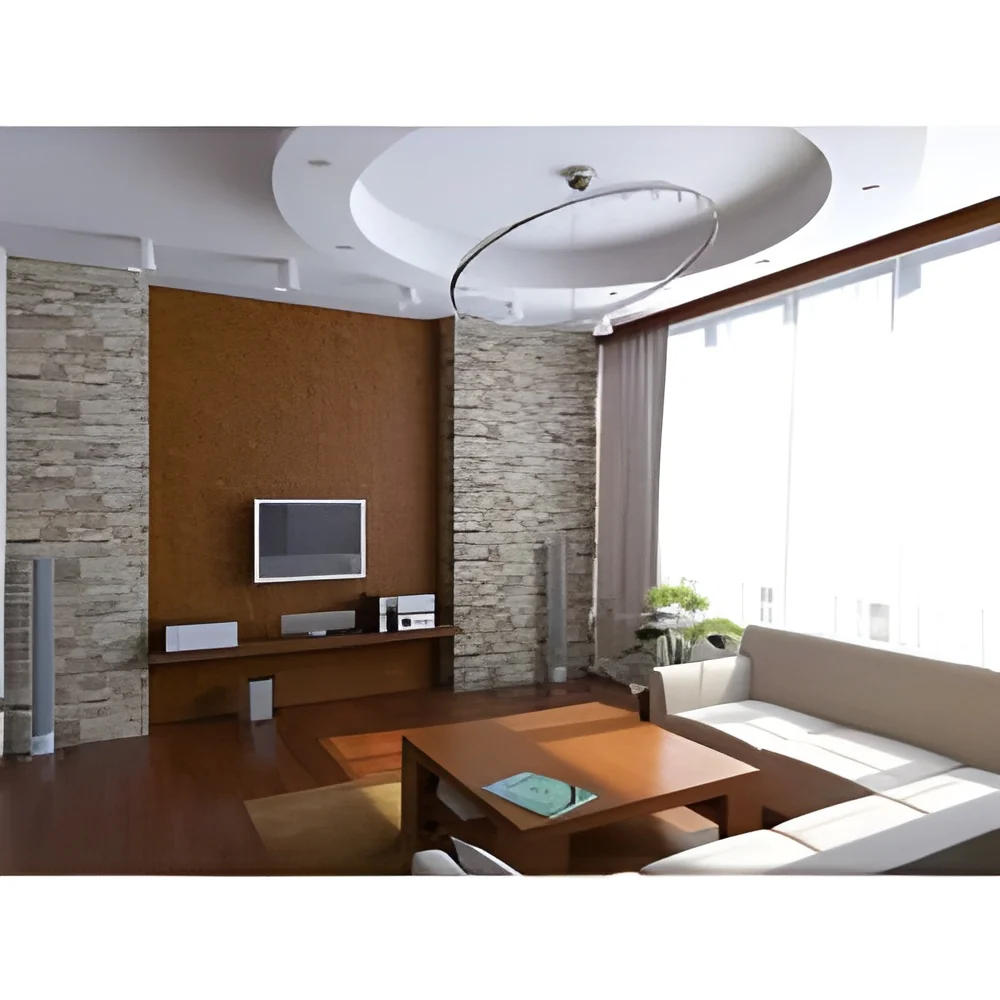
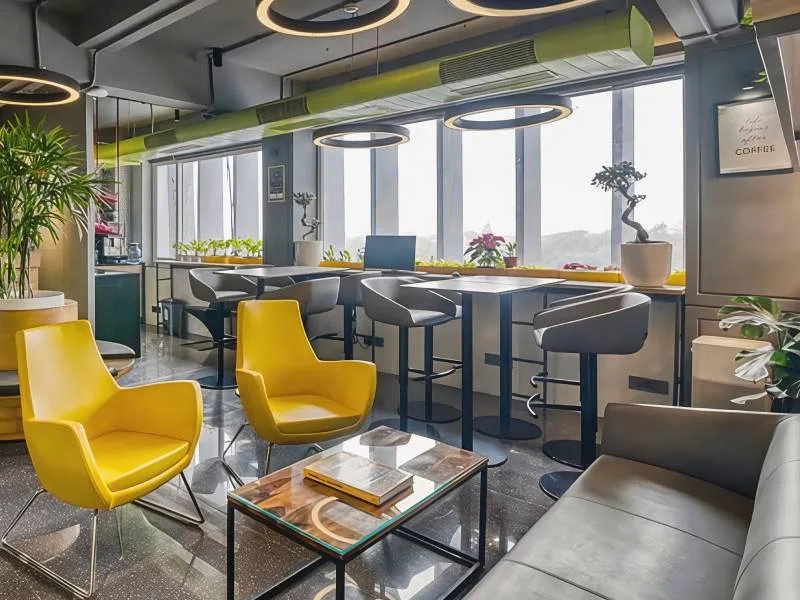
Interior design and space planning refer to the professional practice of enhancing the interior of a building to achieve a healthier and more aesthetically pleasing environment for those using the space. This involves a comprehensive approach that includes analyzing the functionality, layout, and overall design elements of a space. Interior design combines architecture, decoration, and environmental psychology, while space planning focuses specifically on the allocation and arrangement of physical space to maximize its utility.
These services are essential in various business applications, including commercial offices, retail spaces, hospitality, and residential properties. Designers work closely with clients to understand their needs and preferences, ensuring the end result aligns with their vision and functional requirements. In today's competitive market, effective interior design and space planning can significantly enhance employee productivity, customer satisfaction, and overall brand image, making them invaluable in numerous industries.
The relevance of interior design and space planning continues to grow within the construction and real estate sectors. With an increasing focus on sustainable design and efficient use of space, businesses are seeking innovative solutions that not only meet their functional requirements but also create appealing environments. As a result, this industry is continuously evolving to incorporate the latest trends and technologies, emphasizing the need for skilled professionals who can navigate these changes.
𝗞𝗲𝘆 𝗙𝗲𝗮𝘁𝘂𝗿𝗲𝘀 𝗮𝗻𝗱 𝗦𝗽𝗲𝗰𝗶𝗳𝗶𝗰𝗮𝘁𝗶𝗼𝗻𝘀
Interior design and space planning encompass a variety of features designed to enhance the functionality and aesthetics of a space. Key specifications may vary based on specific project needs, but certain elements are commonly considered.
Key specifications include:
1. Space Utilization
- Effective use of available space
- Optimized layouts for maximum efficiency
2. Aesthetic Design
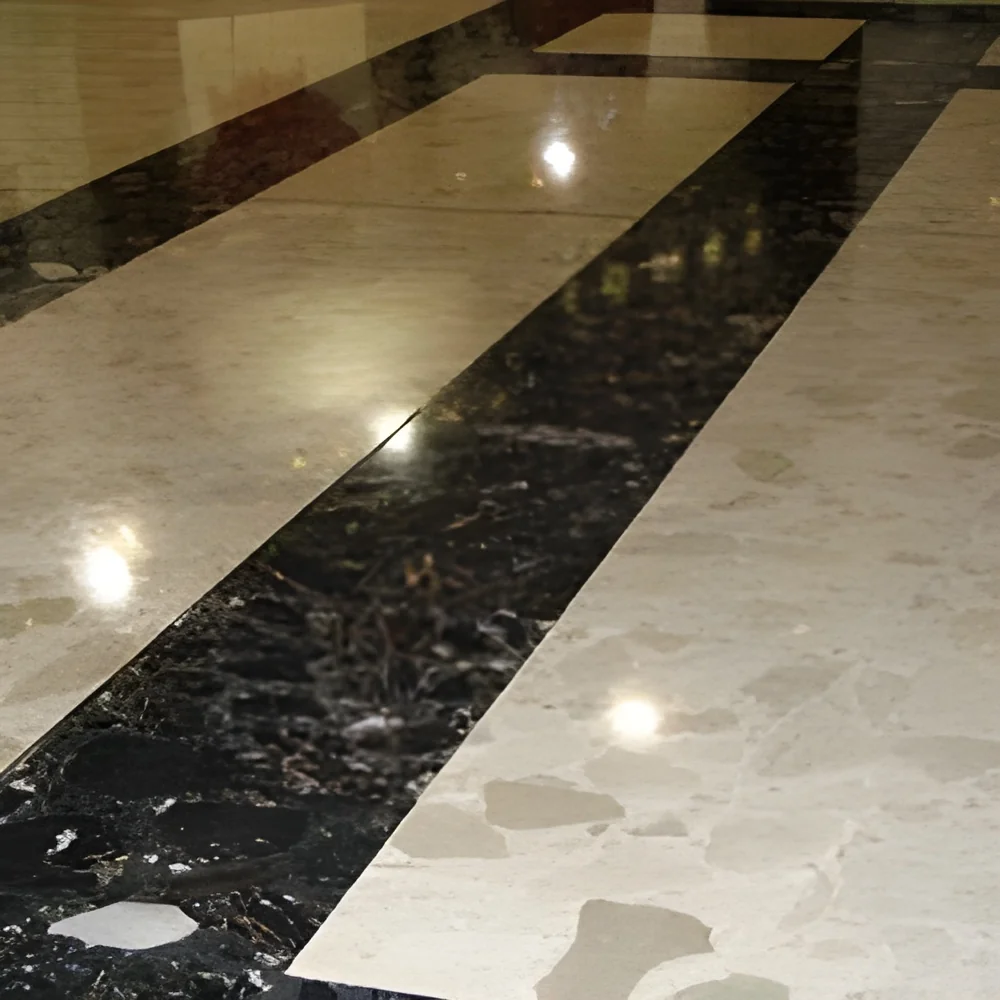
- Selection of colors, materials, and furnishings
- Creation of visually appealing environments
3. Accessibility Standards
- Compliance with ADA (Americans with Disabilities Act) requirements
- Design considerations for individuals with disabilities
4. Lighting Design
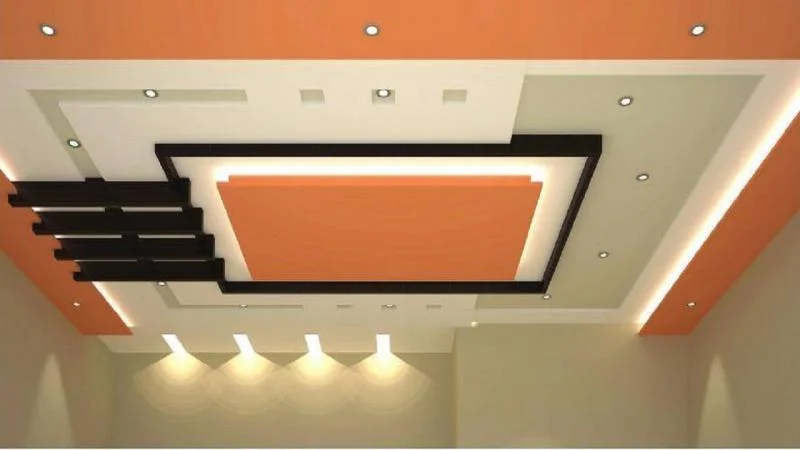
- Incorporation of natural and artificial lighting
- Use of energy-efficient lighting solutions
5. Acoustic Solutions
- Implementation of soundproofing measures
- Design strategies for noise reduction
6. Sustainability Practices
- Use of eco-friendly materials and practices
- Energy-efficient design solutions
7. Technology Integration
- Incorporation of smart technology for improved functionality
- Integration of audiovisual systems and control mechanisms
8. Furnishing and Decor
- Selection of appropriate furniture and fixtures
- Coordination of decorative elements that enhance the overall design
In summary, these specifications collectively contribute to creating functional, aesthetically pleasing, and efficient spaces that cater to the needs of users.
𝗖𝗼𝗺𝗺𝗼𝗻 𝗔𝗽𝗽𝗹𝗶𝗰𝗮𝘁𝗶𝗼𝗻𝘀 𝗮𝗻𝗱 𝗨𝘀𝗲 𝗖𝗮𝘀𝗲𝘀
Interior design and space planning serve a wide range of industries, each with unique applications and requirements.
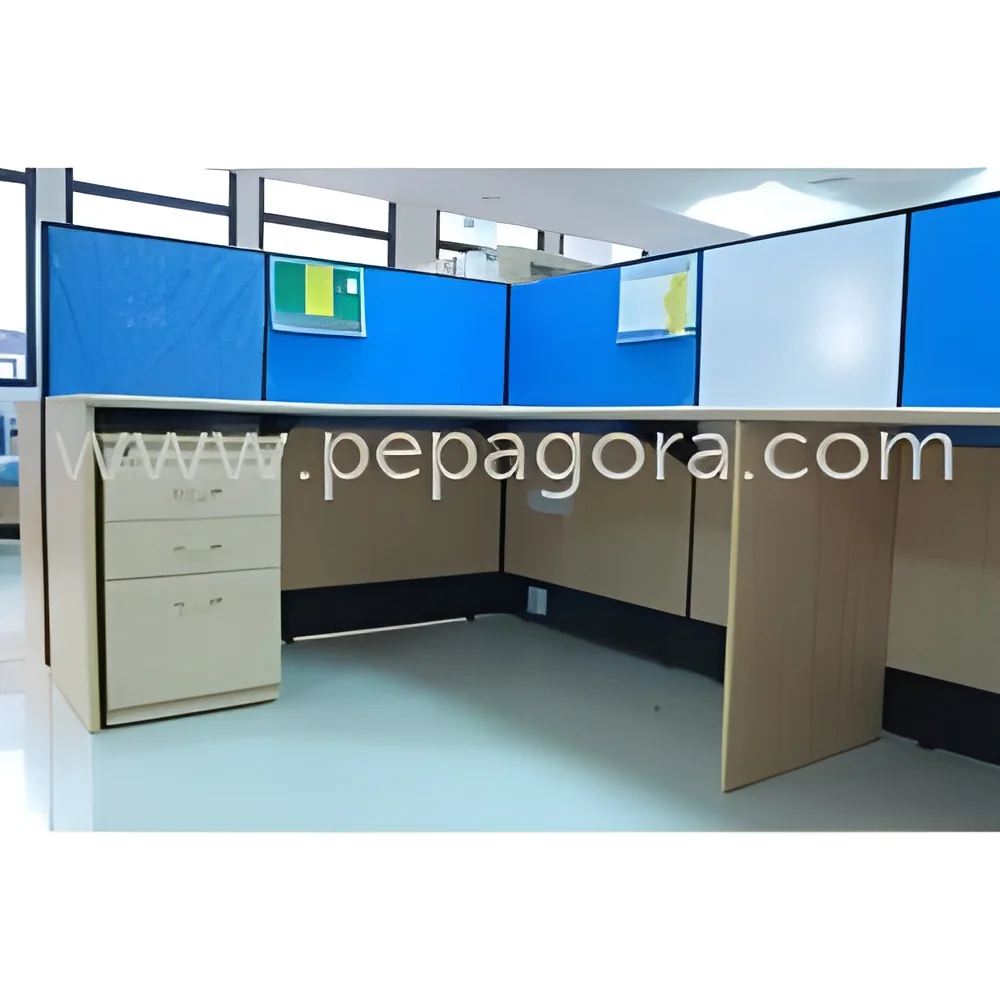
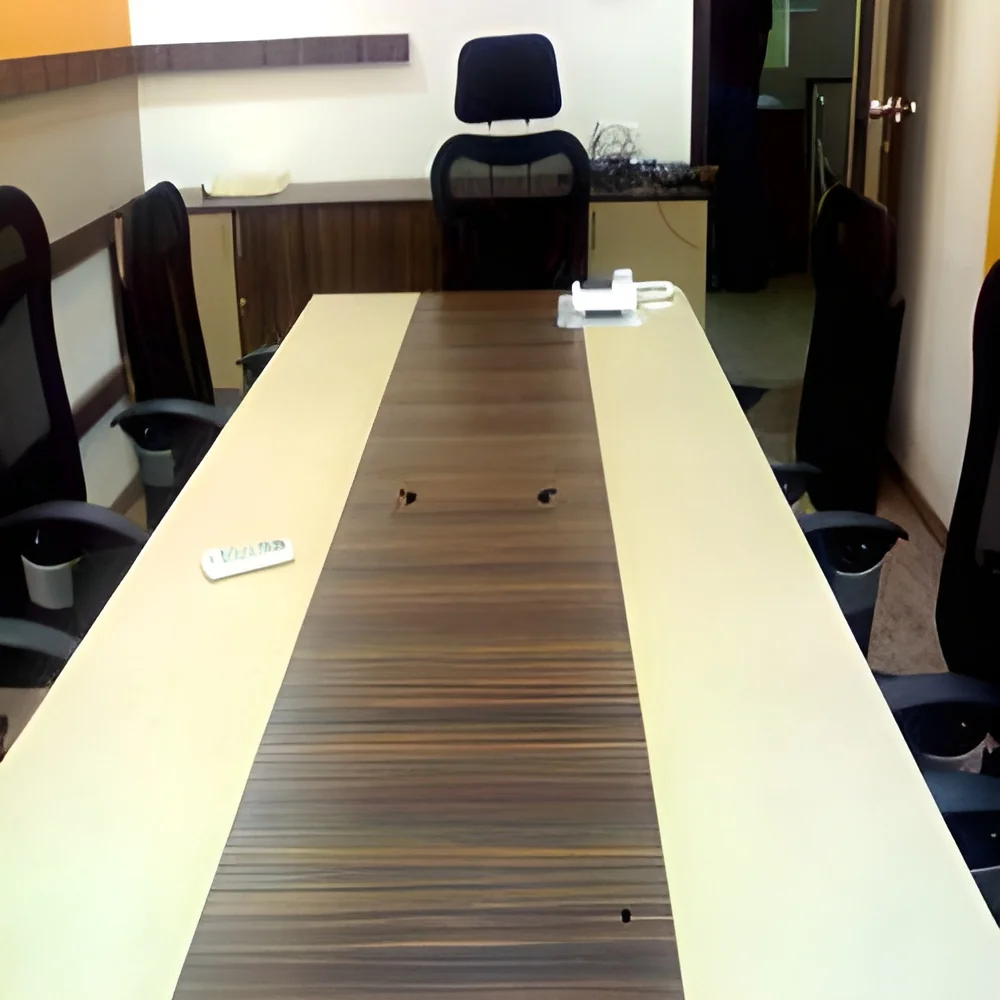
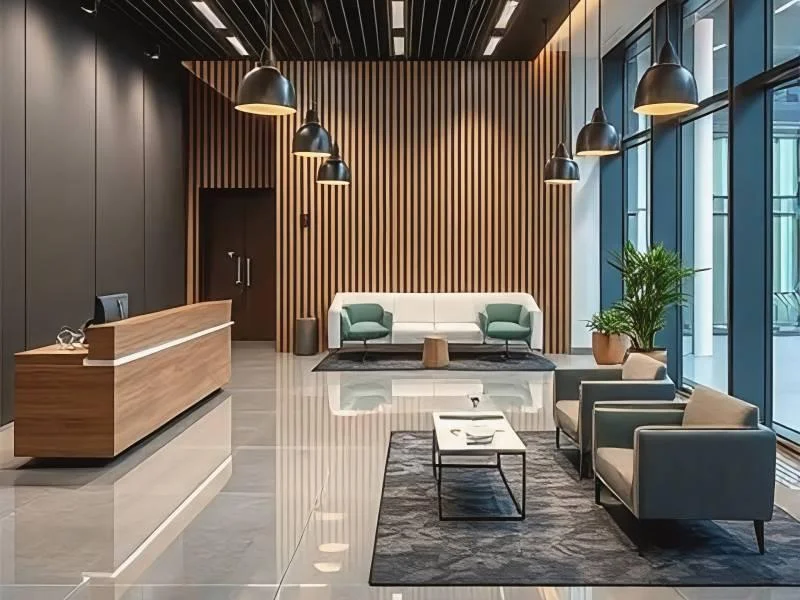
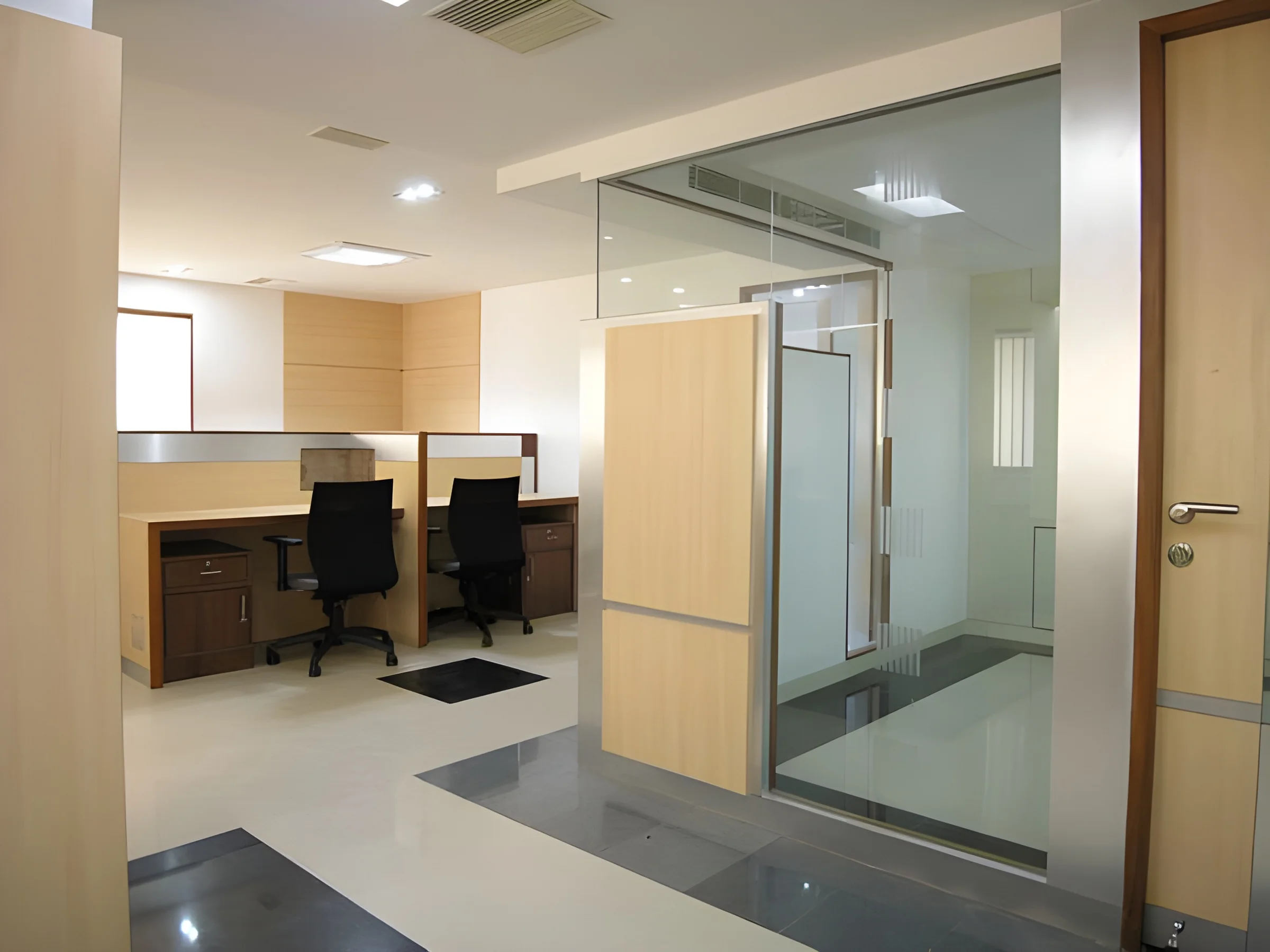
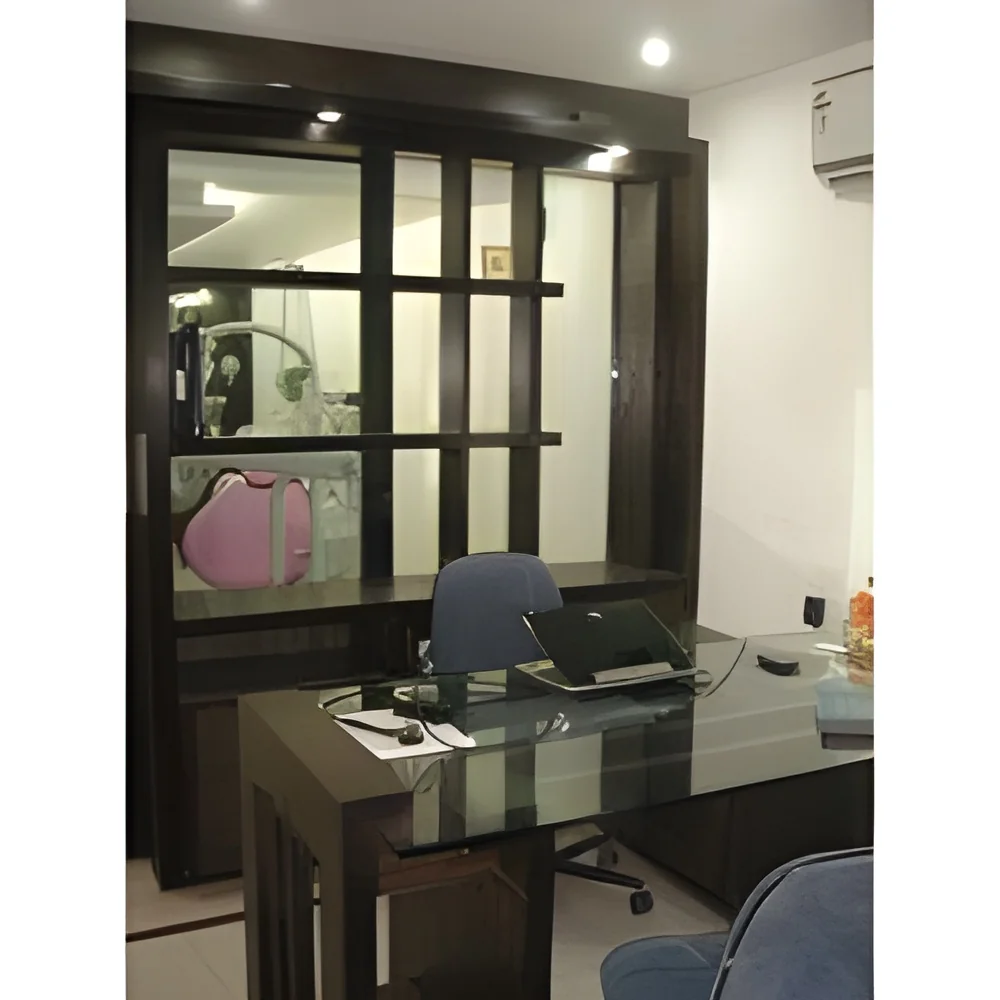
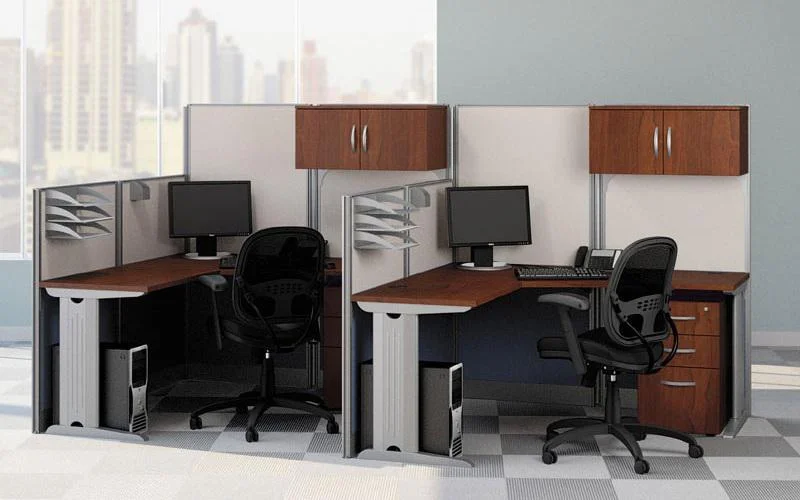
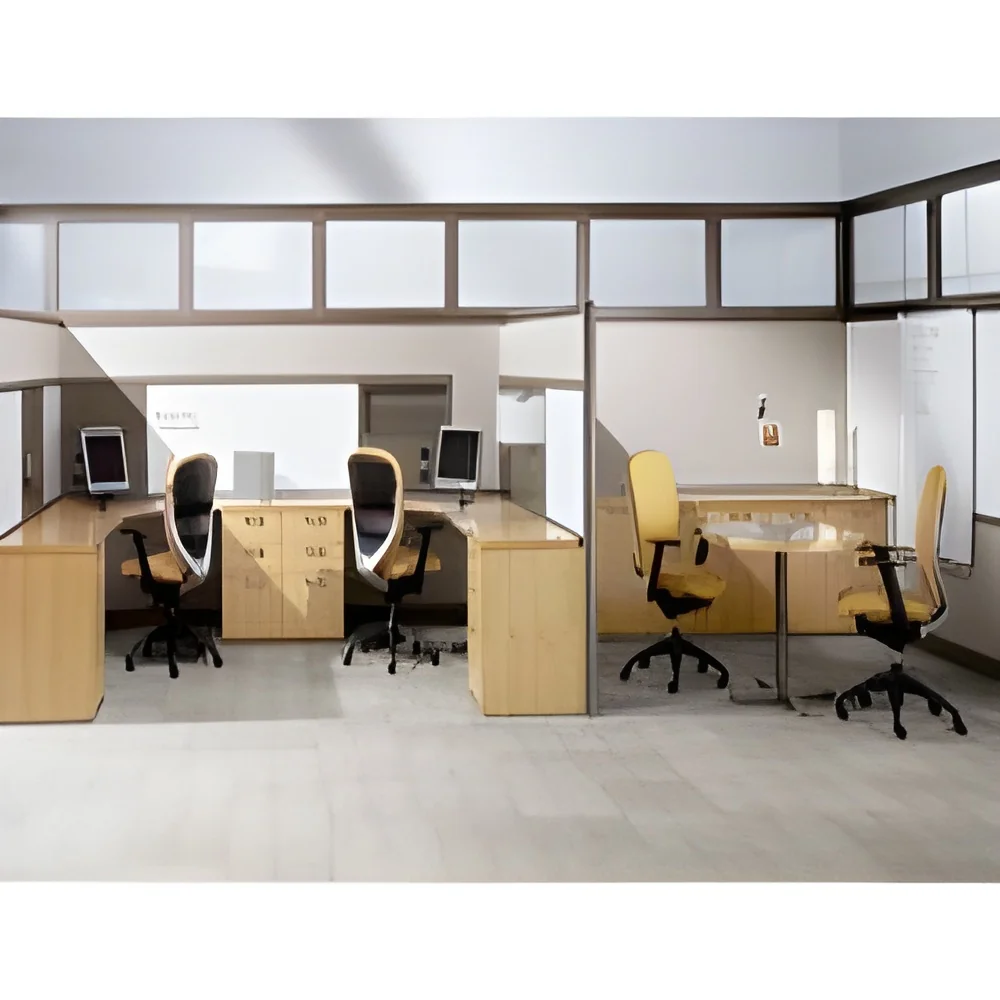
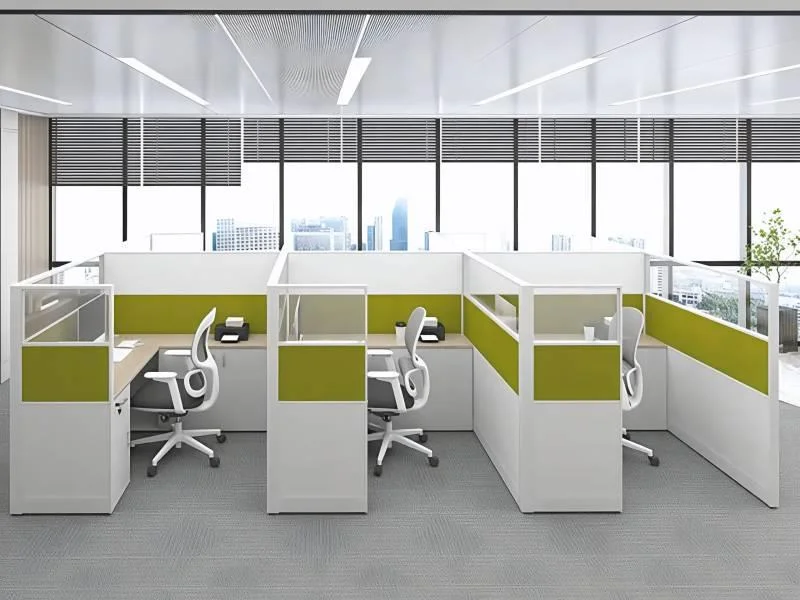
1. Commercial Offices: Interior design is crucial in creating productive work environments that promote collaboration and efficiency. Space planning ensures optimal layouts that accommodate various work styles.
2. Retail Spaces: Effective design can enhance the shopping experience, guiding customer flow and maximizing product visibility. Proper space planning can help in optimizing product placement.
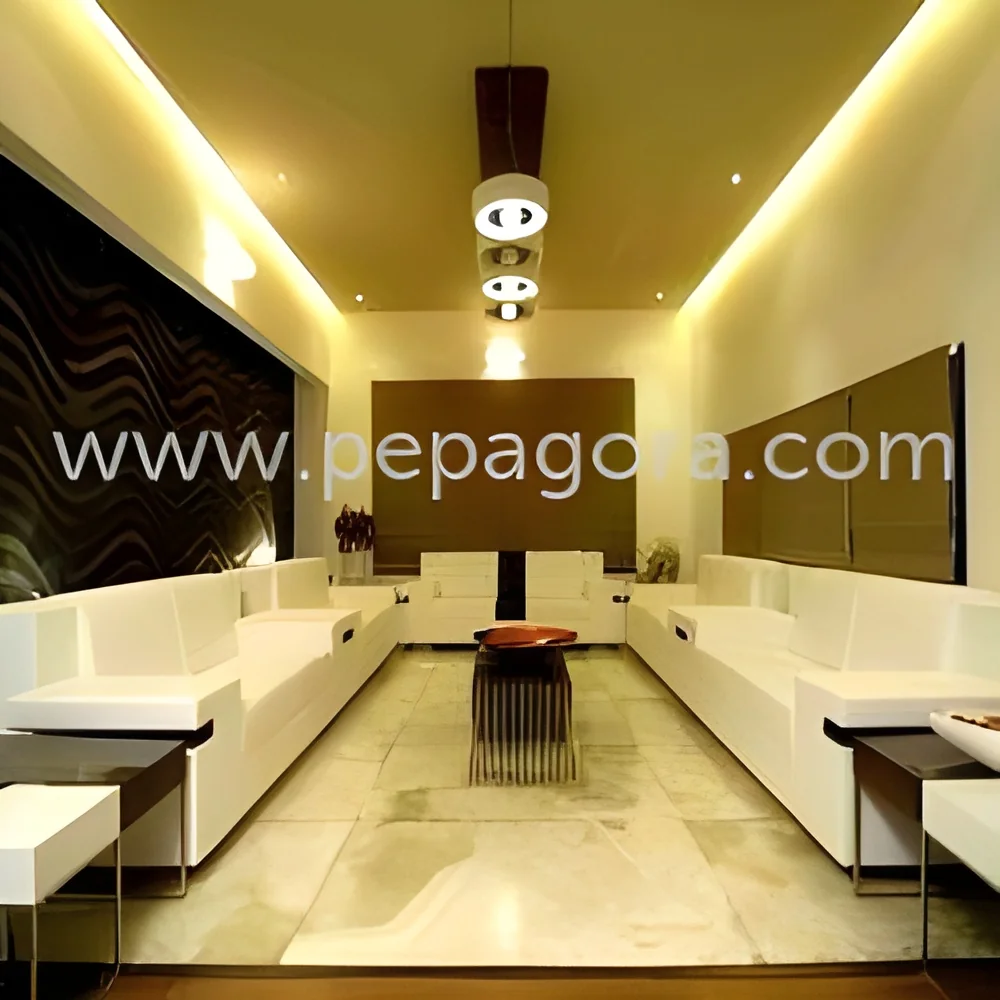
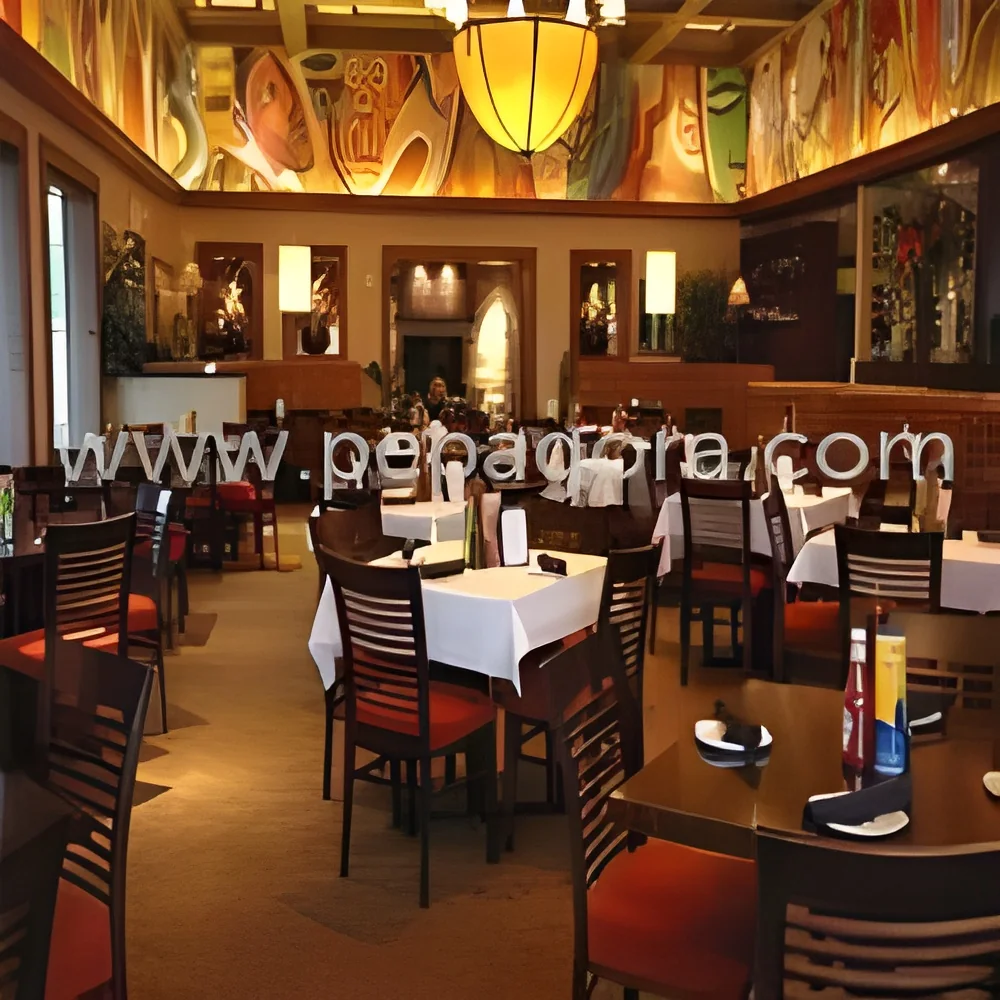
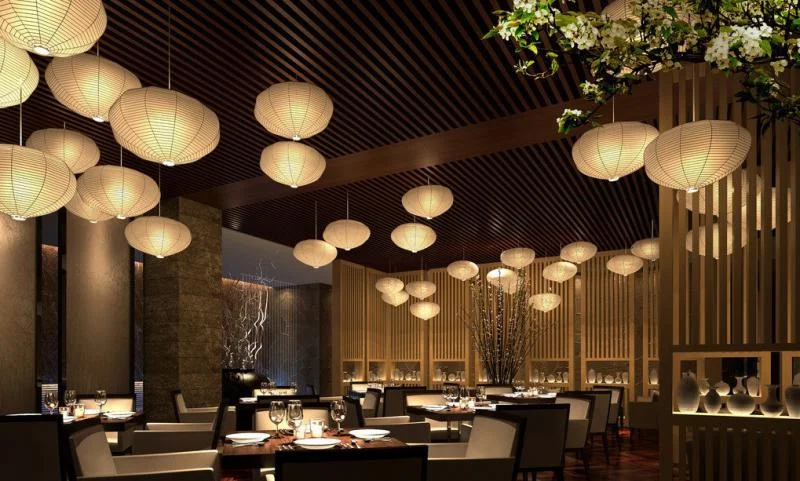
3. Hospitality: Hotels and restaurants rely on interior design to create inviting atmospheres that attract customers. Space planning is essential for optimizing dining areas and guest accommodations.
4. Educational Institutions: Classroom design impacts learning outcomes. Space planning in schools focuses on creating flexible learning environments that foster engagement and collaboration.
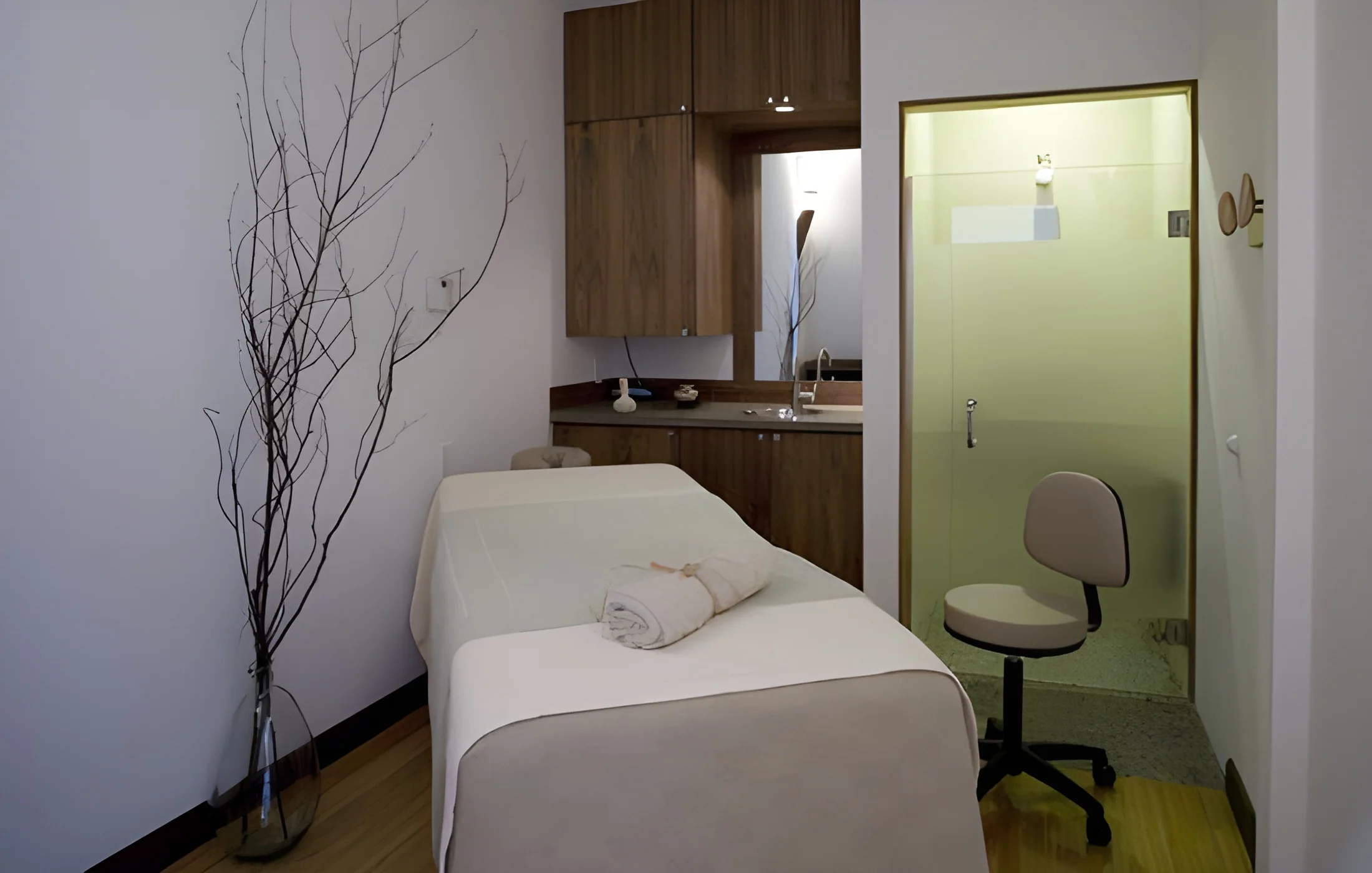
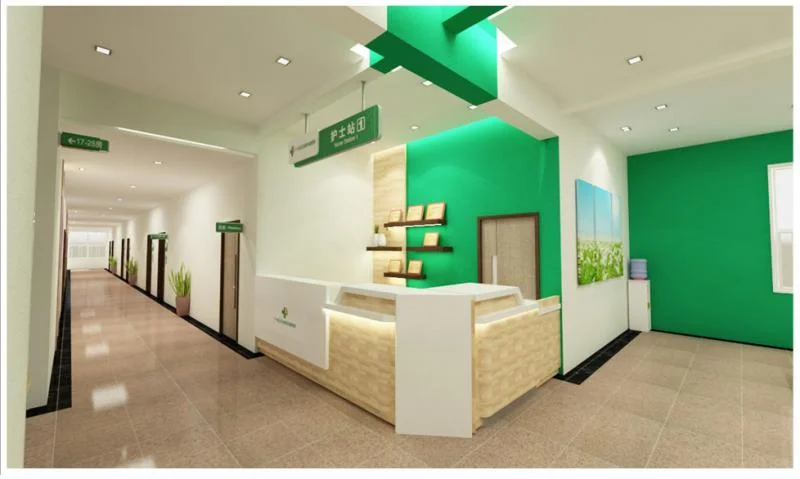
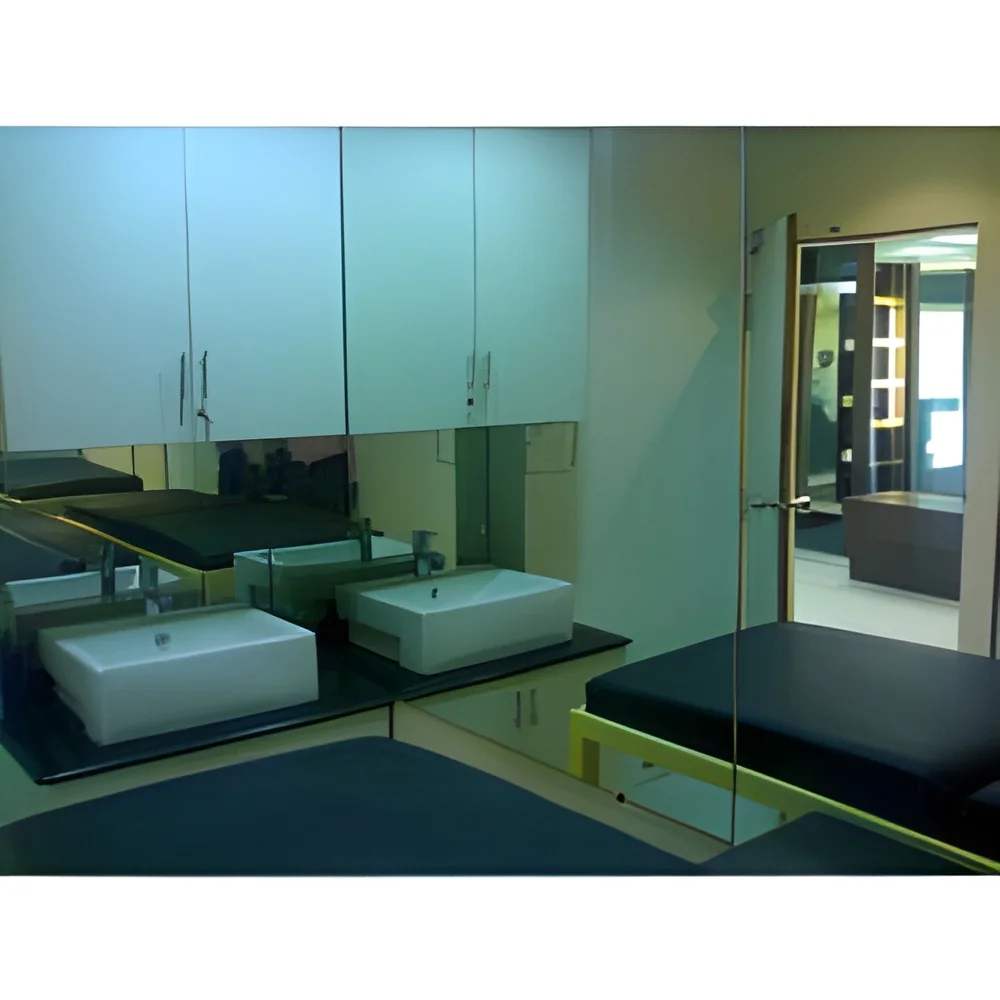
5. Healthcare Facilities: Interior design in healthcare must prioritize patient comfort and safety. Space planning considers the flow of patients and staff to improve operational efficiency.
6. Residential Properties: Home interior design reflects personal style, while space planning maximizes living areas for functionality and comfort.
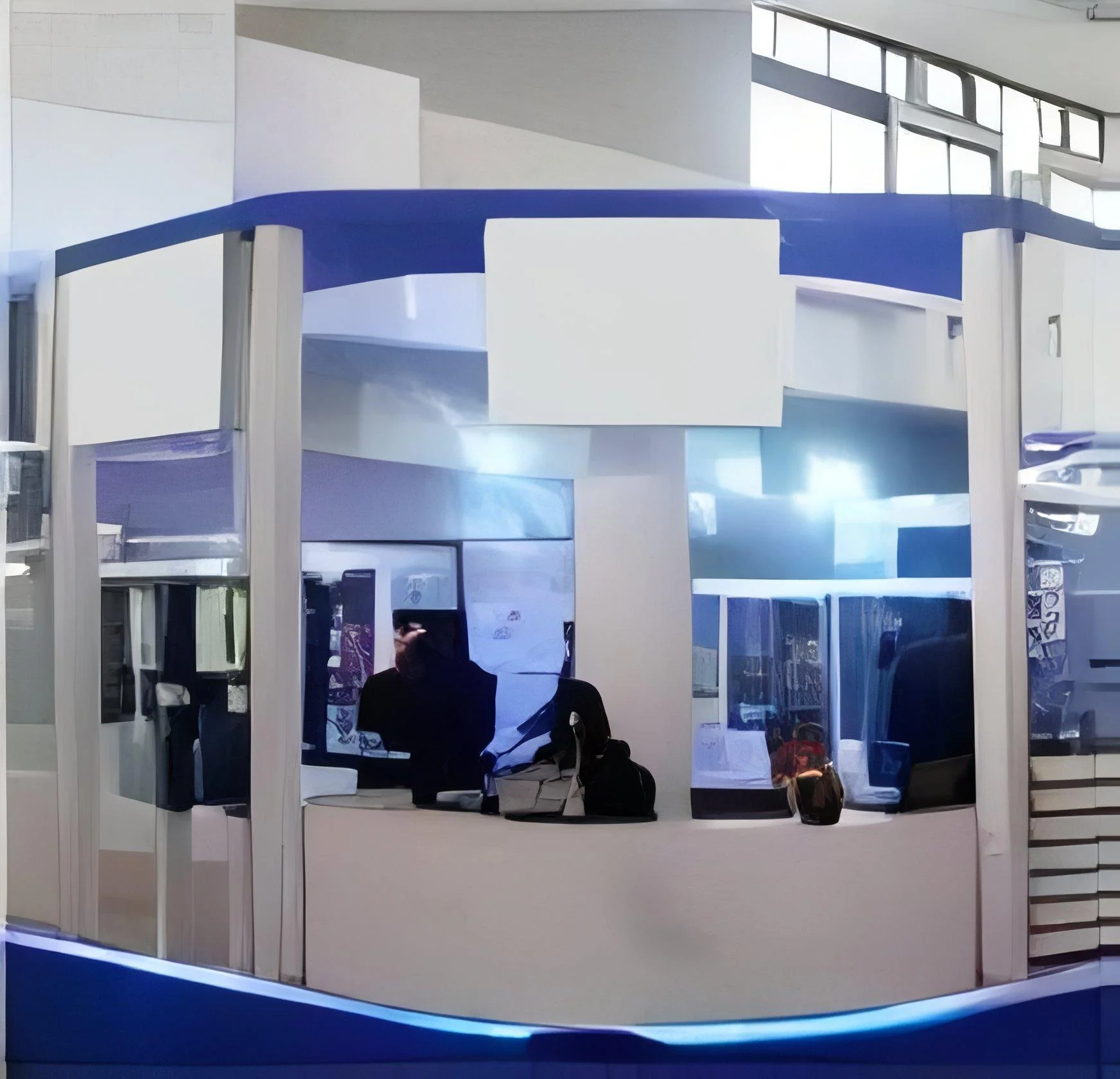
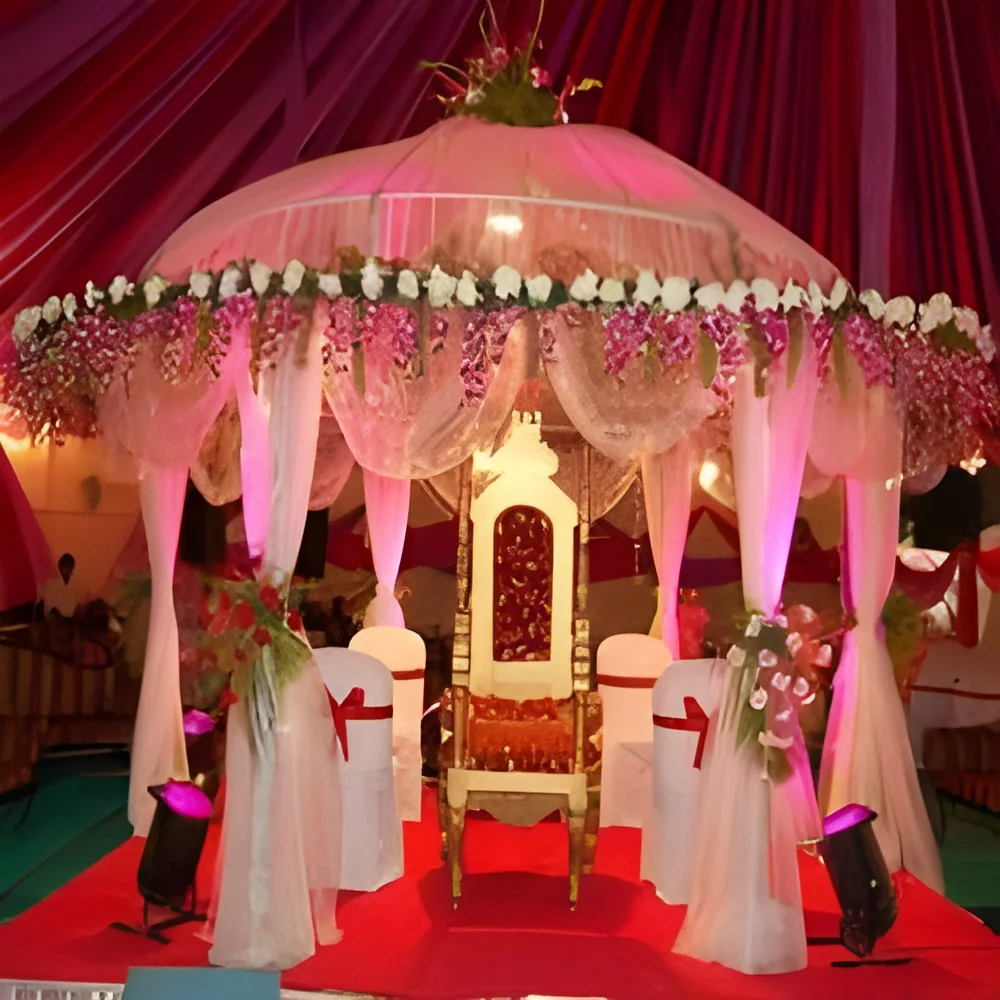
7. Corporate Events: Temporary spaces for conferences and events require strategic design and planning to facilitate interaction and engagement among participants.
𝗣𝗿𝗼𝗱𝘂𝗰𝘁 𝗩𝗮𝗿𝗶𝗮𝗻𝘁𝘀 𝗮𝗻𝗱 𝗦𝘂𝗯𝗰𝗮𝘁𝗲𝗴𝗼𝗿𝗶𝗲𝘀
Interior design and space planning can be tailored to meet specific needs, leading to a variety of approaches and styles.
Residential Interior Design
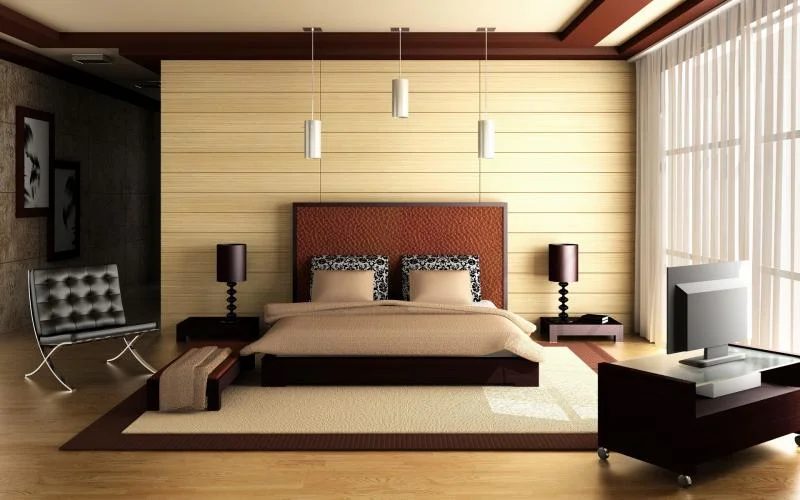
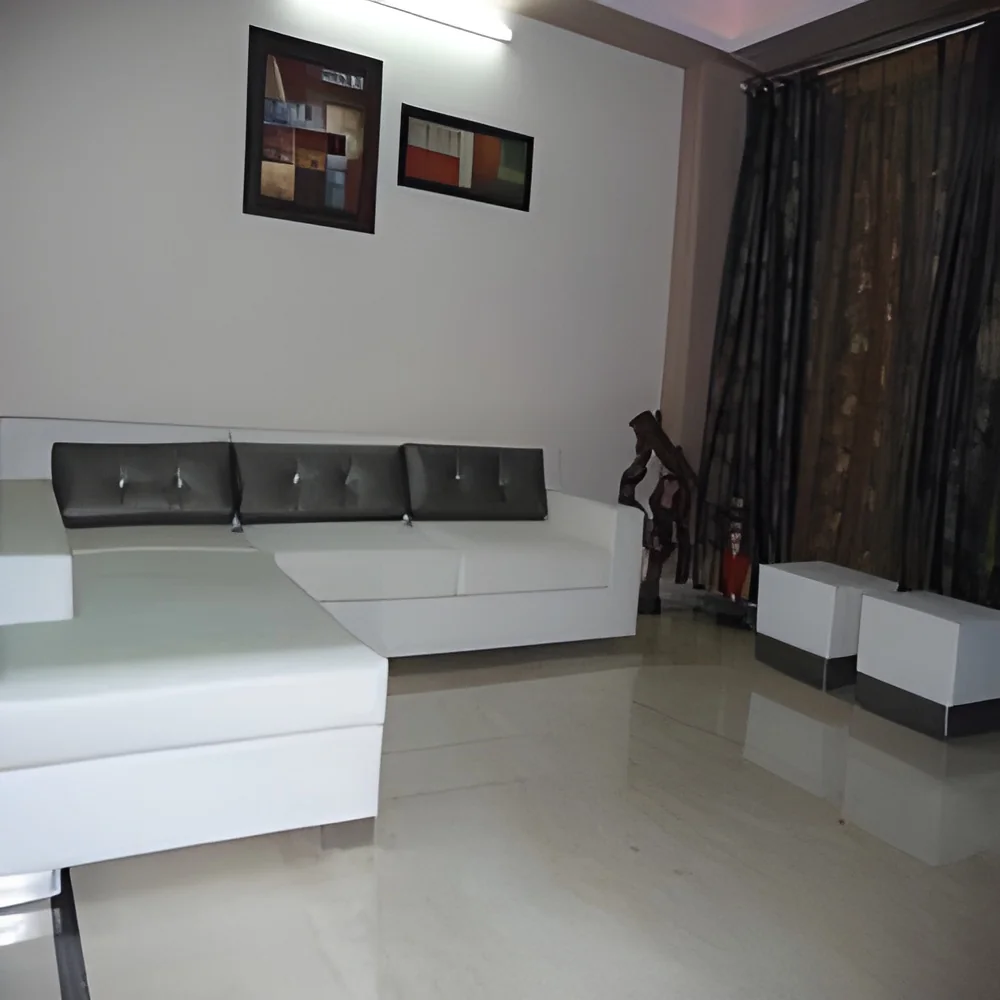
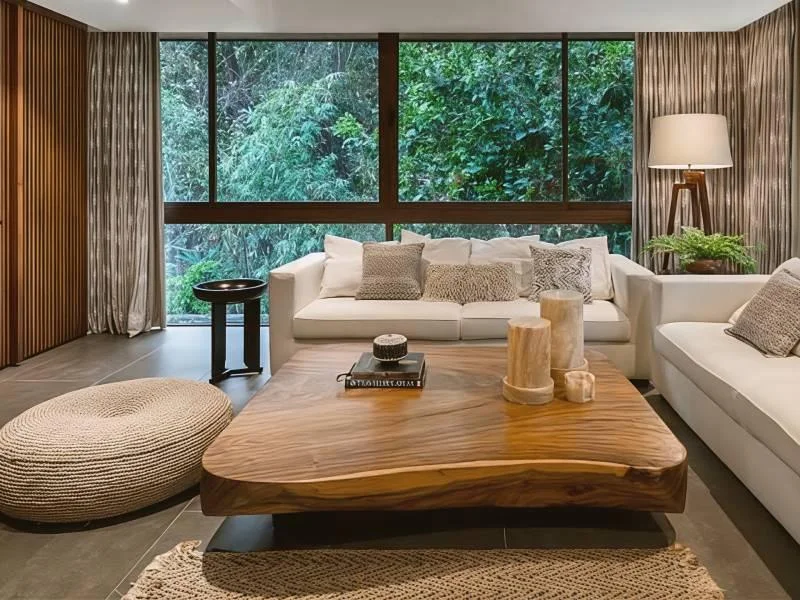
This variant focuses on creating comfortable and aesthetically pleasing living spaces for individuals and families. Features often include personalized decor, functional layouts, and the integration of modern amenities.
Commercial Interior Design
This variant emphasizes functionality and brand representation in business environments. It includes designing office spaces, retail environments, and hospitality settings, prioritizing efficiency and customer experience.
Sustainable Design
This approach incorporates eco-friendly materials and practices to minimize environmental impact. Features include the use of recycled materials, energy-efficient systems, and designs that promote sustainability.
Minimalist Design
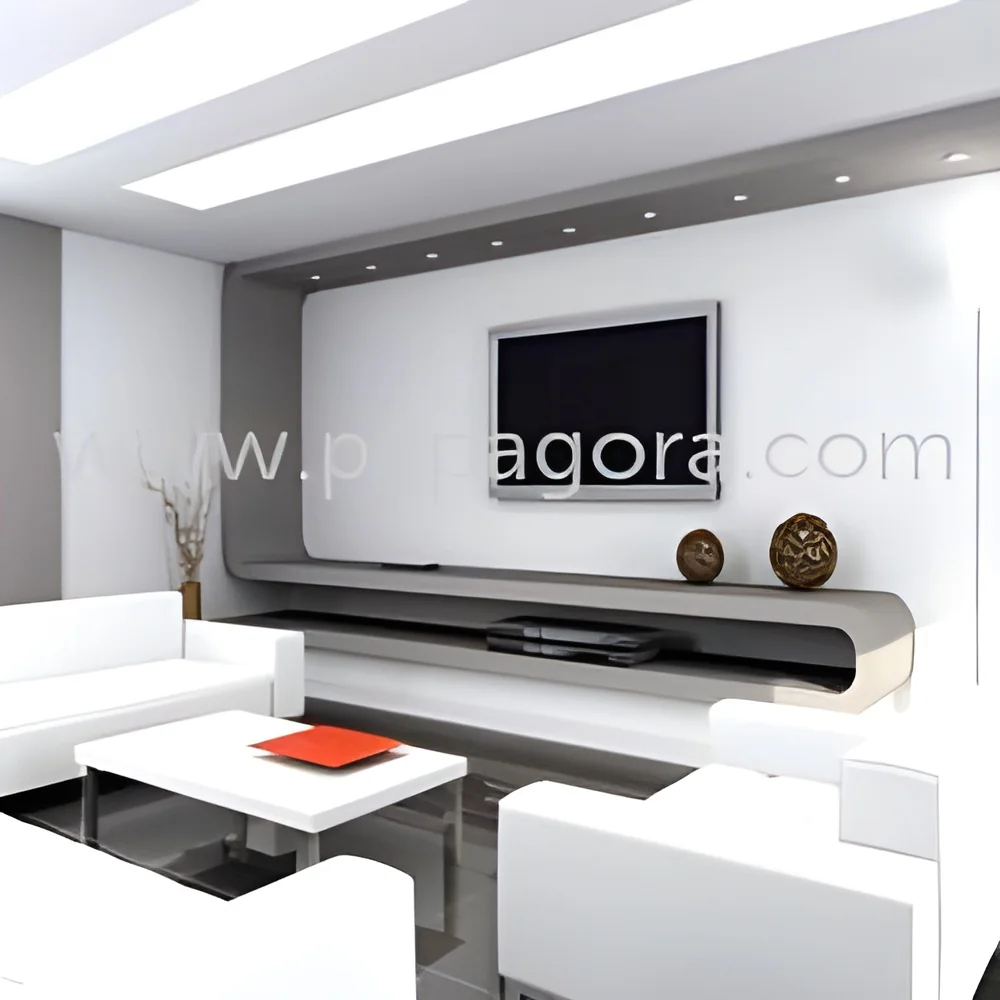
This design style focuses on simplicity and clean lines. It prioritizes functionality while using a limited color palette and fewer decorative elements, creating a serene environment.
Thematic Design
Thematic design involves creating spaces that reflect a specific concept or idea. This approach is often used in hospitality and retail settings to enhance the brand experience.
𝗕𝗲𝗻𝗲𝗳𝗶𝘁𝘀 𝗮𝗻𝗱 𝗔𝗱𝘃𝗮𝗻𝘁𝗮𝗴𝗲𝘀
Engaging in professional interior design and space planning offers numerous benefits for businesses and organizations.
Key benefits include:
1. Enhanced Functionality: Well-planned spaces improve workflow and efficiency, enabling users to perform tasks more effectively.
2. Increased Productivity: A well-designed environment can boost employee morale and productivity, leading to better performance.
3. Improved Aesthetics: Professional design enhances the visual appeal of spaces, creating inviting environments for clients and employees.
4. Cost Efficiency: Effective space planning can reduce operational costs by optimizing the use of available space and resources.
5. Compliance with Regulations: Professional designers ensure that all designs meet relevant building codes and accessibility standards.
6. Brand Representation: Thoughtful design reflects a company's brand identity, helping to create a strong first impression on clients and customers.
𝗕𝘂𝘆𝗶𝗻𝗴 𝗚𝘂𝗶𝗱𝗲 𝗳𝗼𝗿 𝗕𝟮𝗕 𝗕𝘂𝘆𝗲𝗿𝘀
When sourcing interior design and space planning services, it is critical to consider several factors to ensure effective outcomes.
1. Quality Assessment: Evaluate the quality of previous projects by reviewing portfolios and client testimonials. High-quality design should meet both aesthetic and functional needs.
2. Supplier Verification: Vet suppliers through industry references and certifications. Ensuring they have relevant experience and expertise is vital for successful project execution.
3. Pricing and MOQ: Understand pricing structures and minimum order quantities. This will help you budget effectively while ensuring the best value for your investment.
4. Delivery and Lead Times: Assess logistics and project timelines. Clear communication on lead times is essential for planning and execution.
5. Compliance Requirements: Ensure that the chosen supplier adheres to necessary regulatory requirements and industry standards, mitigating potential risks during implementation.
𝗖𝗼𝗺𝗽𝗹𝗶𝗮𝗻𝗰𝗲 𝗮𝗻𝗱 𝗖𝗲𝗿𝘁𝗶𝗳𝗶𝗰𝗮𝘁𝗶𝗼𝗻𝘀
In the realm of interior design and space planning, adherence to quality standards and regulations is crucial.
Relevant quality standards include ISO 9001, which outlines criteria for quality management systems, ensuring consistent service and customer satisfaction. Other standards may include HACCP for food-related environments and GDP for goods distribution.
Industry certifications, such as CE marking, indicate compliance with European health, safety, and environmental protection standards. These certifications assure clients of the quality and reliability of the design solutions provided.
Safety and testing requirements are integral to the design process, particularly in environments like healthcare and education, where safety regulations are stringent. Designers must ensure that materials used are safe and compliant with local regulations.
Regional compliance considerations can vary significantly. Understanding local codes and standards is essential for designers working in diverse geographic areas, ensuring that all projects meet required legal and safety guidelines.
𝗪𝗵𝘆 𝗦𝗼𝘂𝗿𝗰𝗲 𝗜𝗻𝘁𝗲𝗿𝗶𝗼𝗿 𝗗𝗲𝘀𝗶𝗴𝗻 & 𝗦𝗽𝗮𝗰𝗲 𝗣𝗹𝗮𝗻𝗻𝗶𝗻𝗴 𝗳𝗿𝗼𝗺 𝗣𝗲𝗽𝗮𝗴𝗼𝗿𝗮?
Pepagora offers a trusted platform for sourcing interior design and space planning services, providing several key advantages to B2B buyers.
Verified Supplier Network: Pepagora boasts a network of verified suppliers with proven expertise in interior design and space planning. This ensures that buyers can connect with reputable professionals who meet their specific needs.
Streamlined RFQ Process: The request for quotation (RFQ) process is designed for efficiency, allowing buyers to receive competitive quotes from multiple suppliers. This simplifies the sourcing process and aids in making informed decisions.
Trade Assurance and Support: Pepagora provides trade assurance, protecting buyers throughout the sourcing process. Comprehensive support is offered to address any concerns and facilitate smooth transactions.
Regional Coverage: With a strong presence in India, the GCC, and Southeast Asia, Pepagora connects buyers with local suppliers, ensuring effective communication and timely project delivery tailored to regional requirements.

 IN
IN