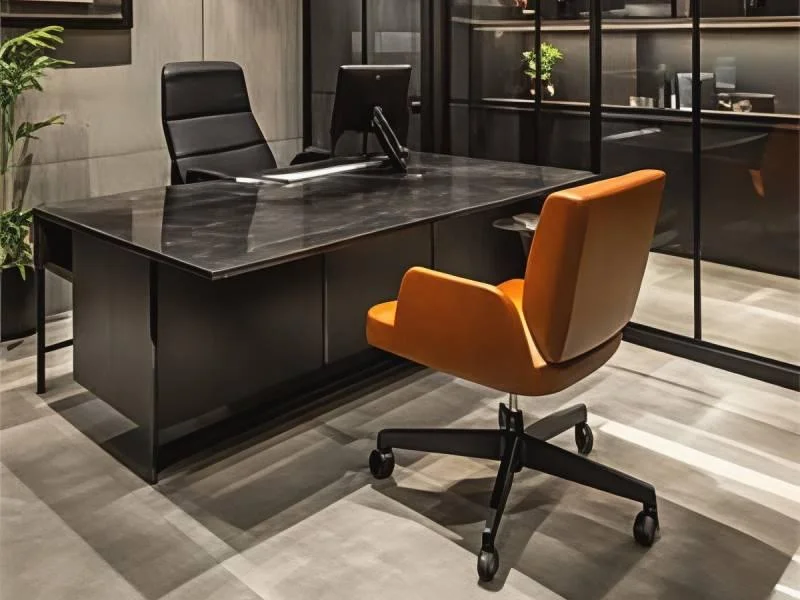
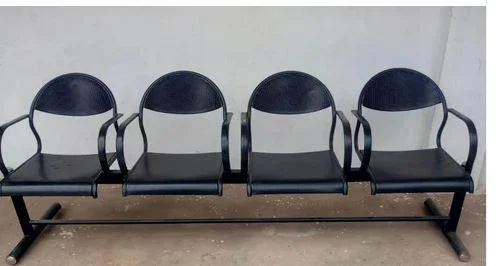
𝗪𝗵𝗮𝘁 𝗮𝗿𝗲 𝗠𝗼𝗱𝘂𝗹𝗮𝗿 𝗢𝗳𝗳𝗶𝗰𝗲 𝗙𝘂𝗿𝗻𝗶𝘁𝘂𝗿𝗲 𝗗𝗲𝘀𝗶𝗴𝗻?
Modular office furniture design refers to a flexible system of furniture that can be arranged in various configurations to suit different workspace needs. This type of furniture is typically made up of individual components that can be reconfigured, expanded, or reduced based on the requirements of a business. The versatility of modular furniture allows organizations to adapt their office layout efficiently as their needs change over time, which is particularly advantageous in dynamic business environments.
The primary uses of modular office furniture include creating collaborative spaces, private workstations, and meeting areas. Businesses across various sectors utilize this furniture to optimize their workspace for productivity and comfort. For example, companies can easily change the arrangement of desks and seating to accommodate team projects or client meetings. This adaptability not only enhances employee satisfaction but also improves overall workflow, making modular office furniture a popular choice among modern enterprises.
In today's market, modular office furniture design is increasingly relevant as companies prioritize flexibility and cost-effectiveness in their office layouts. The rise of remote work and hybrid environments has further solidified the demand for adaptable furniture solutions. As businesses seek to create functional, stylish, and versatile workspaces, modular furniture stands out as a practical investment that supports their operational needs.
𝗞𝗲𝘆 𝗙𝗲𝗮𝘁𝘂𝗿𝗲𝘀 𝗮𝗻𝗱 𝗦𝗽𝗲𝗰𝗶𝗳𝗶𝗰𝗮𝘁𝗶𝗼𝗻𝘀
Modular office furniture design comes with a variety of features and specifications that cater to diverse business requirements. These features enhance the functionality, aesthetics, and durability of the furniture, making it suitable for various office settings.
Key specifications include:
1. Material Quality
- Typically constructed from high-grade materials such as laminate, wood, or metal.
- Offers durability and resistance to wear and tear.
2. Customization Options
- Available in various finishes, colors, and styles to match branding.
- Allows for tailored designs to meet specific workspace needs.
3. Configurability
- Furniture can be rearranged or reconfigured easily.
- Supports different layouts, including open-plan and private spaces.
4. Ergonomic Design
- Incorporates features that promote comfort and reduce strain.
- Includes adjustable desks and chairs for personalized settings.
5. Modular Components
- Individual parts such as desks, dividers, and storage units.
- Enables easy expansion or reduction of office setups.
6. Sustainability
- Eco-friendly materials and production processes.
- Contributes to green building certifications.
7. Easy Assembly
- Designed for quick and straightforward installation.
- Reduces downtime during office setup or reconfiguration.
8. Cost-Effectiveness
- Offers a budget-friendly solution compared to traditional furniture.
- Maximizes value through longevity and adaptability.
In summary, modular office furniture design features a range of specifications that enhance functionality, support customization, and promote sustainability. This makes it a valuable choice for businesses looking to create efficient and flexible work environments.
𝗖𝗼𝗺𝗺𝗼𝗻 𝗔𝗽𝗽𝗹𝗶𝗰𝗮𝘁𝗶𝗼𝗻𝘀 𝗮𝗻𝗱 𝗨𝘀𝗲 𝗖𝗮𝘀𝗲𝘀
Modular office furniture design serves various industries by providing adaptable solutions for different workspace needs.
1. Technology: Tech companies often use modular furniture to create collaborative spaces that foster innovation and teamwork. Quick reconfiguration allows for dynamic team setups during projects.
2. Education: Educational institutions benefit from modular designs for classrooms and study areas. Furniture can be rearranged to support group activities or individual learning.
3. Healthcare: Hospitals and clinics utilize modular office furniture for administrative spaces and waiting areas. The ability to customize layouts enhances patient experience and staff efficiency.
4. Finance: Financial firms leverage modular furniture to create professional environments for client meetings and team collaborations. Flexibility in design supports changing business needs.
5. Government: Government offices require adaptable furniture to accommodate various functions. Modular designs help optimize space utilization while maintaining a professional atmosphere.
6. Startups: New businesses often favor modular furniture for its cost-effectiveness and flexibility. It allows startups to grow and adapt their office layouts without significant investment.
7. Retail: Retail environments use modular furniture for customer service areas and back offices. The ability to adjust layouts enhances customer flow and staff collaboration.
𝗣𝗿𝗼𝗱𝘂𝗰𝘁 𝗩𝗮𝗿𝗶𝗮𝗻𝘁𝘀 𝗮𝗻𝗱 𝗦𝘂𝗯𝗰𝗮𝘁𝗲𝗴𝗼𝗿𝗶𝗲𝘀
Modular office furniture design offers a diverse range of product variants to meet different business needs. Each variant is tailored to specific functions and aesthetics.
Workstations: These are designed for individual use and can be configured to include privacy screens and storage solutions. They promote focus and productivity.
Collaborative Spaces: This variant includes larger tables and seating arrangements that facilitate teamwork and brainstorming sessions. Ideal for open-plan offices.
Conference Rooms: Modular furniture for conference rooms includes large tables and movable seating. It allows for quick setup and reconfiguration for meetings of various sizes.
Reception Areas: Featuring stylish designs, this variant enhances first impressions in professional environments. It often includes seating and modular reception desks.
Private Offices: Tailored for executives and managers, this variant combines functionality with aesthetics, offering storage and workspace that reflect professionalism.
𝗕𝗲𝗻𝗲𝗳𝗶𝘁𝘀 𝗮𝗻𝗱 𝗔𝗱𝘃𝗮𝗻𝘁𝗮𝗴𝗲𝘀
Modular office furniture design provides numerous benefits that enhance the workplace environment.
Key benefits include:
1. Flexibility: The ability to easily reconfigure furniture allows businesses to adapt their workspace as needed. This supports changing team sizes or project requirements.
2. Cost Savings: Modular designs are often more budget-friendly than traditional furniture. They provide long-term value through durability and adaptability.
3. Space Optimization: Modular furniture maximizes available office space by allowing for efficient layouts. This is especially important in smaller work environments.
4. Enhanced Collaboration: The open and flexible nature of modular setups promotes interaction and teamwork among employees, leading to improved productivity.
5. Aesthetic Appeal: With a variety of styles and finishes, modular furniture can enhance the overall look of an office. This contributes to a positive company image.
6. Employee Well-Being: Ergonomic features in modular furniture support employee comfort, reducing strain and improving overall job satisfaction.
𝗕𝘂𝘆𝗶𝗻𝗴 𝗚𝘂𝗶𝗱𝗲 𝗳𝗼𝗿 𝗕𝟮𝗕 𝗕𝘂𝘆𝗲𝗿𝘀
When sourcing modular office furniture design, various factors should be considered to ensure a successful purchase.
1. Quality Assessment: Evaluate the materials and construction of the furniture. Look for high-grade options that ensure durability and longevity.
2. Supplier Verification: Research potential suppliers to ensure they have a good reputation and reliable products. Check for reviews and industry certifications.
3. Pricing and MOQ: Understand the pricing structure and minimum order quantity (MOQ) requirements. Compare multiple suppliers to find the best deal.
4. Delivery and Lead Times: Confirm the supplier's delivery capabilities and lead times. Ensure they can meet your project deadlines without delays.
5. Compliance Requirements: Consider any industry-specific regulations or standards that apply to the furniture. Ensure that the products meet relevant safety and quality standards.
𝗖𝗼𝗺𝗽𝗹𝗶𝗮𝗻𝗰𝗲 𝗮𝗻𝗱 𝗖𝗲𝗿𝘁𝗶𝗳𝗶𝗰𝗮𝘁𝗶𝗼𝗻𝘀
Compliance and certifications are essential aspects of modular office furniture design. Relevant quality standards such as ISO 9001 ensure that manufacturers adhere to international quality management principles. These standards help guarantee that products are consistently produced and controlled to meet quality benchmarks.
Industry certifications like UL and CE indicate that the furniture has undergone rigorous testing for safety and performance. These certifications provide assurance to buyers that the products meet specific safety requirements and are suitable for use in commercial environments.
Additionally, safety and testing requirements must be considered to ensure that the furniture is safe for employees and clients. Regional compliance considerations may also vary, so it is essential to verify that the products meet local regulations and standards.
𝗪𝗵𝘆 𝗦𝗼𝘂𝗿𝗰𝗲 𝗠𝗼𝗱𝘂𝗹𝗮𝗿 𝗢𝗳𝗳𝗶𝗰𝗲 𝗙𝘂𝗿𝗻𝗶𝘁𝘂𝗿𝗲 𝗗𝗲𝘀𝗶𝗴𝗻 𝗳𝗿𝗼𝗺 𝗣𝗲𝗽𝗮𝗴𝗼𝗿𝗮?
Pepagora provides a trusted platform for sourcing modular office furniture design with several key advantages that benefit B2B buyers.
Verified Supplier Network: Pepagora connects businesses with a network of verified suppliers who have been thoroughly vetted for quality and reliability. This ensures that buyers can trust the products they are purchasing.
Streamlined RFQ Process: The request for quotation (RFQ) process on Pepagora is designed to be straightforward and efficient. Buyers can easily submit their requirements and receive competitive quotes from multiple suppliers, saving time and effort.
Trade Assurance and Support: Pepagora offers trade assurance to protect buyers during transactions. This includes support in case of disputes or issues with suppliers, providing an added layer of security for your investment.
Regional Coverage: Pepagora has a broad geographic reach, serving markets in India, the GCC, and Southeast Asia. This allows buyers to access a wide range of suppliers and products tailored to their specific regional needs.
By choosing Pepagora, businesses can confidently source modular office furniture design that meets their needs while enjoying the benefits of a reliable and efficient procurement process.

 IN
IN