𝗪𝗵𝗮𝘁 𝗮𝗿𝗲 𝗦𝗽𝗮𝗰𝗲 𝗢𝗽𝘁𝗶𝗺𝗶𝘇𝗮𝘁𝗶𝗼𝗻 & 𝗟𝗮𝘆𝗼𝘂𝘁 𝗣𝗹𝗮𝗻𝗻𝗶𝗻𝗴?
Space optimization and layout planning refer to the strategic arrangement of resources, equipment, and personnel within a physical space to enhance efficiency and productivity. This process involves analyzing the spatial dimensions and workflow requirements to create an optimal layout that minimizes waste and maximizes utility. By employing advanced design principles and analytical tools, businesses can ensure that every square foot is utilized effectively, which can lead to significant operational improvements.
Primarily, space optimization and layout planning are utilized in various sectors including manufacturing, warehousing, retail, and office environments. These applications aim to streamline operations, improve safety, and enhance employee satisfaction. For example, in a manufacturing facility, an optimized layout can reduce the time taken for materials to move through production processes. In retail, effective space planning can improve customer flow and increase sales opportunities. As industries continue to evolve, the relevance of these strategies grows, underscoring their importance in maintaining a competitive edge in the market.
𝗞𝗲𝘆 𝗙𝗲𝗮𝘁𝘂𝗿𝗲𝘀 𝗮𝗻𝗱 𝗦𝗽𝗲𝗰𝗶𝗳𝗶𝗰𝗮𝘁𝗶𝗼𝗻𝘀
Space optimization and layout planning solutions come equipped with several features designed to enhance efficiency and effectiveness. These features are essential for businesses looking to improve their operational processes.
Key specifications include:
1. Space Utilization Analysis
- This specification provides insights into how effectively space is currently being used.
- Technical parameters include percentage of space utilized versus total available space.
2. Workflow Optimization Tools
- These tools help identify bottlenecks and streamline processes.
- Parameters may include time studies and movement tracking.
3. 3D Visualization Capabilities
- Enables stakeholders to visualize layout changes before implementation.
- Technical details encompass software compatibility and rendering quality.
4. Flexibility and Scalability
- Solutions that adapt to changing business needs and growth.
- Parameters include modular design options and reconfiguration capabilities.
5. Safety Compliance Features
- Ensures layouts meet safety regulations and standards.
- Technical specifications may include adherence to OSHA guidelines.
6. Integration with Existing Systems
- Compatibility with warehouse management or ERP systems.
- Parameters include software integration capabilities and data exchange formats.
7. Cost Analysis Tools
- Evaluate the financial implications of different layout scenarios.
- Technical aspects include ROI calculations and cost-benefit analyses.
8. Reporting and Analytics
- Provides data-driven insights for continuous improvement.
- Specifications may involve customizable reporting tools and data visualization options.
In summary, the specifications and features of space optimization and layout planning tools are designed to provide comprehensive solutions that address the diverse needs of businesses seeking to enhance their operational efficiency.
𝗖𝗼𝗺𝗺𝗼𝗻 𝗔𝗽𝗽𝗹𝗶𝗰𝗮𝘁𝗶𝗼𝗻𝘀 𝗮𝗻𝗱 𝗨𝘀𝗲 𝗖𝗮𝘀𝗲𝘀
Space optimization and layout planning are applicable across various industries, each with unique needs and benefits.
1. Manufacturing: In manufacturing environments, optimized layouts reduce transit times between workstations, enhance workflow, and minimize inventory holding costs, leading to increased productivity.
2. Warehousing: Efficient layout planning in warehouses helps in maximizing storage capacity, improving picking efficiency, and reducing labor costs, which are crucial for maintaining competitive logistics operations.
3. Retail: In retail spaces, effective layout planning can direct customer flow, enhance product visibility, and ultimately drive sales by creating a more engaging shopping experience.
4. Healthcare: In healthcare facilities, optimizing layouts can improve patient flow, enhance safety, and facilitate better coordination among medical staff, thereby increasing overall patient satisfaction.
5. Office Spaces: Office layout optimization can foster collaboration and communication among employees while ensuring that workspaces are conducive to productivity and employee well-being.
6. Educational Institutions: In schools and universities, space planning can enhance learning environments by maximizing classroom utility and creating collaborative spaces for students.
7. Hospitality: In the hospitality industry, layout optimization can improve guest experience by ensuring smooth service flow and maximizing space for dining and recreational activities.
𝗣𝗿𝗼𝗱𝘂𝗰𝘁 𝗩𝗮𝗿𝗶𝗮𝗻𝘁𝘀 𝗮𝗻𝗱 𝗦𝘂𝗯𝗰𝗮𝘁𝗲𝗴𝗼𝗿𝗶𝗲𝘀
Space optimization and layout planning encompass a variety of solutions tailored to different business needs.
Variant 1: Digital Layout Planning Software
This software allows businesses to create and visualize their layouts digitally. It often includes features such as 3D modeling and simulation to predict the impact of layout changes.
Variant 2: Consulting Services
These services involve expert analysis and recommendations on space utilization. Consultants work closely with businesses to devise strategies tailored to specific operational goals.
Variant 3: Hardware Solutions
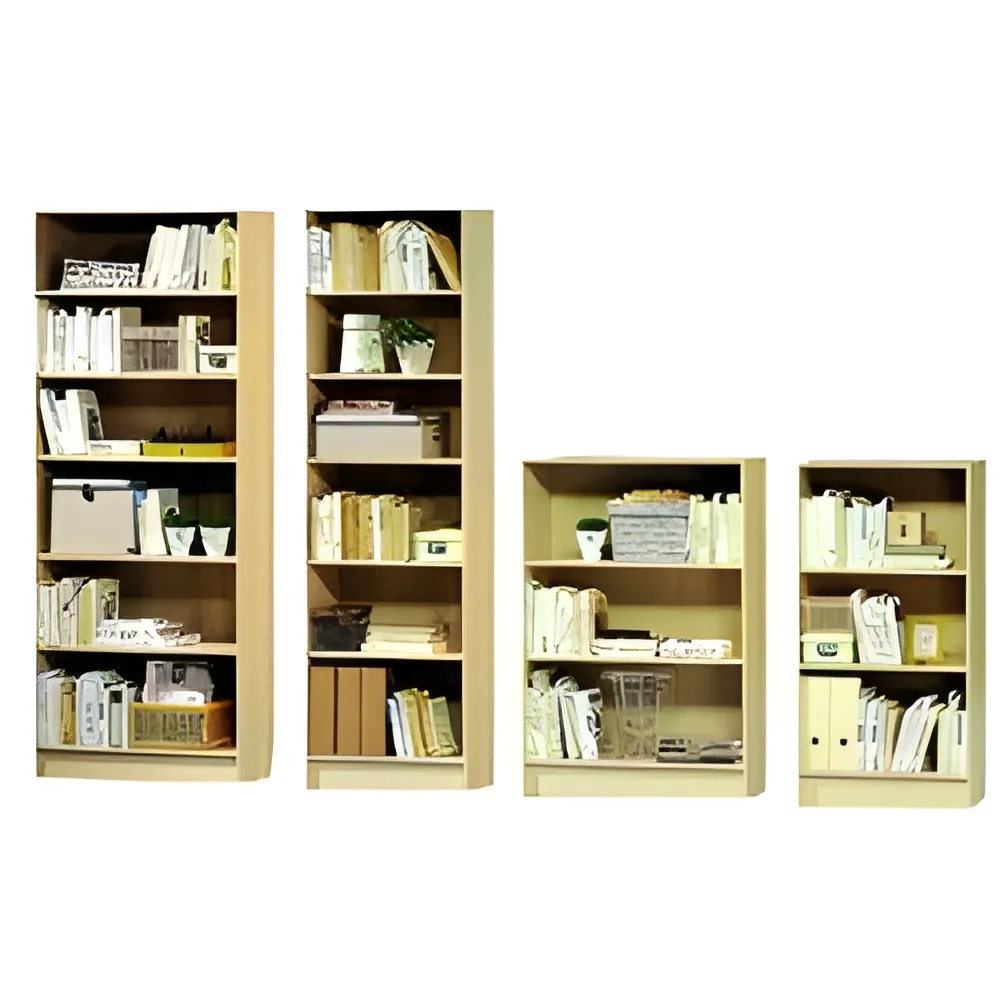
Some businesses may require physical solutions, such as modular shelving or movable partitions. These products enhance flexibility and adaptability in space usage.
𝗕𝗲𝗻𝗲𝗳𝗶𝘁𝘀 𝗮𝗻𝗱 𝗔𝗱𝘃𝗮𝗻𝘁𝗮𝗴𝗲𝘀
Implementing space optimization and layout planning can yield numerous advantages for businesses.
Key benefits include:
1. Increased Efficiency: Optimized layouts reduce movement time and streamline processes, leading to higher productivity levels.
2. Cost Savings: By maximizing space utilization, businesses can lower overhead costs associated with excess space and improve resource allocation.
3. Enhanced Safety: Compliance with safety regulations and improved layout designs can reduce workplace accidents and promote employee well-being.
4. Improved Customer Experience: For retail and service-oriented businesses, an optimized layout can enhance customer flow and satisfaction, driving sales growth.
5. Flexibility: Solutions that allow for easy reconfiguration can adapt to changing business needs, ensuring long-term viability.
6. Data-Driven Decisions: Tools that provide analytical insights empower businesses to make informed decisions regarding layout and space management.
𝗕𝘂𝘆𝗶𝗻𝗴 𝗚𝘂𝗶𝗱𝗲 𝗳𝗼𝗿 𝗕𝟮𝗕 𝗕𝘂𝘆𝗲𝗿𝘀
When sourcing space optimization and layout planning solutions, it is crucial to consider several factors to ensure you choose the right products and services.
1. Quality Assessment: Evaluate the quality of the solutions by reviewing customer feedback, case studies, and performance metrics. This will help identify reliable options that meet your operational needs.
2. Supplier Verification: Vet suppliers by checking their credentials, industry experience, and client testimonials. A verified supplier can ensure you receive quality products and services.
3. Pricing and MOQ: Understand the pricing structure and minimum order quantities (MOQ) before making a commitment. Compare different options to find a solution that fits your budget.
4. Delivery and Lead Times: Consider the logistics involved in sourcing these solutions, including delivery timelines. Ensure that the supplier can meet your expected delivery schedules.
5. Compliance Requirements: Be aware of any regulatory standards that apply to your industry and ensure that the solutions you choose meet these compliance requirements.
𝗖𝗼𝗺𝗽𝗹𝗶𝗮𝗻𝗰𝗲 𝗮𝗻𝗱 𝗖𝗲𝗿𝘁𝗶𝗳𝗶𝗰𝗮𝘁𝗶𝗼𝗻𝘀
Space optimization and layout planning solutions must adhere to specific industry standards and regulations to ensure safety and quality.
Relevant quality standards such as ISO 9001 indicate that products meet international quality management criteria, ensuring consistent quality and customer satisfaction. Additionally, certifications like CE demonstrate compliance with European health, safety, and environmental protection standards.
Safety and testing requirements are critical, as many industries must adhere to strict regulations to protect employees and customers alike. Understanding regional compliance considerations is essential for businesses operating in multiple jurisdictions, as regulations can vary significantly.
𝗪𝗵𝘆 𝗦𝗼𝘂𝗿𝗰𝗲 𝗦𝗽𝗮𝗰𝗲 𝗢𝗽𝘁𝗶𝗺𝗶𝘇𝗮𝘁𝗶𝗼𝗻 & 𝗟𝗮𝘆𝗼𝘂𝘁 𝗣𝗹𝗮𝗻𝗻𝗶𝗻𝗴 𝗳𝗿𝗼𝗺 𝗣𝗲𝗽𝗮𝗴𝗼𝗿𝗮?
Pepagora offers a trusted platform for sourcing space optimization and layout planning solutions, providing several key advantages for B2B buyers.
Verified Supplier Network: Pepagora's extensive network of verified suppliers ensures that businesses can find reliable partners for their space optimization needs. Each supplier undergoes a thorough verification process, providing peace of mind to buyers.
Streamlined RFQ Process: The platform simplifies the request for quotation (RFQ) process, allowing buyers to quickly obtain competitive quotes from multiple suppliers. This efficiency saves time and enables better decision-making.
Trade Assurance and Support: Pepagora provides trade assurance, offering buyer protection throughout the purchasing process. This support fosters confidence in transactions and encourages long-term partnerships.
Regional Coverage: With a focus on key markets like India, the GCC, and Southeast Asia, Pepagora ensures that businesses can access localized support and solutions tailored to their specific regional needs. This geographic reach enhances the platform's ability to serve diverse industries effectively.

 IN
IN