What are Retail Store Interior Design?
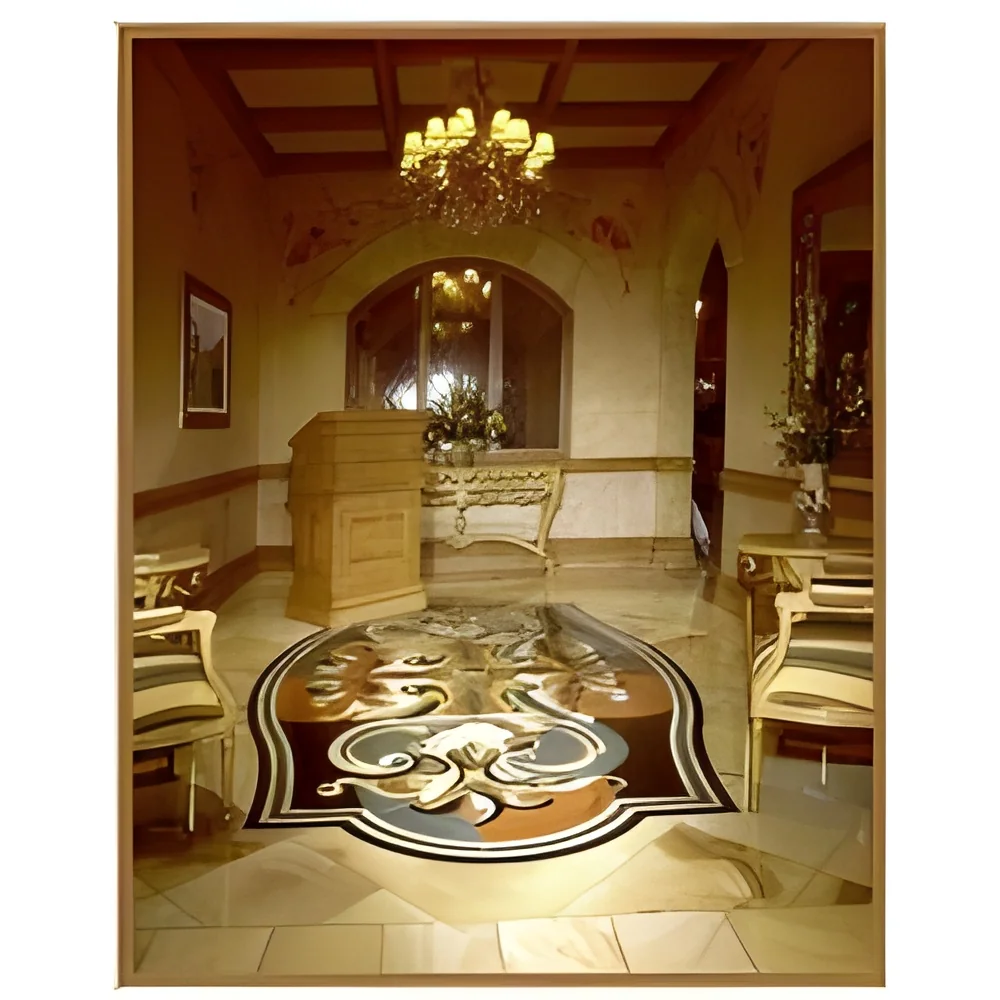
Retail Store Interior Design refers to the strategic planning and execution of the interior spaces within retail environments. This includes the layout, decoration, lighting, and overall aesthetics aimed at creating an engaging shopping experience. The design is not merely about visual appeal; it plays a crucial role in influencing customer behavior and promoting product sales. Effective interior design should facilitate customer flow, highlight merchandise, and create an inviting atmosphere that encourages longer visits.
The primary uses of retail store interior design are to enhance brand identity, improve customer engagement, and increase sales through strategic layout and decor. Businesses across various sectors, including fashion, electronics, and groceries, leverage these designs to create unique shopping experiences tailored to their target audience. The relevance of interior design in retail is underscored by the competitive market landscape, where distinctive and well-planned spaces can significantly differentiate a brand from its competitors.
Key Features and Specifications
Retail Store Interior Design encompasses a variety of features and specifications that contribute to an effective retail environment. Understanding these specifications can help businesses make informed decisions when planning their store interiors.
Key specifications include:
1. Spatial Layout
- Design of floor plans to optimize customer movement
- Areas designated for product displays, checkout counters, and customer services
2. Lighting Design
- Use of ambient, task, and accent lighting to highlight products
- Energy-efficient lighting options to reduce operational costs
3. Color Schemes
- Selection of color palettes that reflect brand identity
- Psychological impact of colors on customer mood and behavior
4. Material Selection
- Durable materials that withstand high foot traffic
- Eco-friendly options to align with sustainability goals
5. Signage and Branding
- Clear and attractive signage to guide customers
- Integration of branding elements throughout the design
6. Furniture and Fixtures
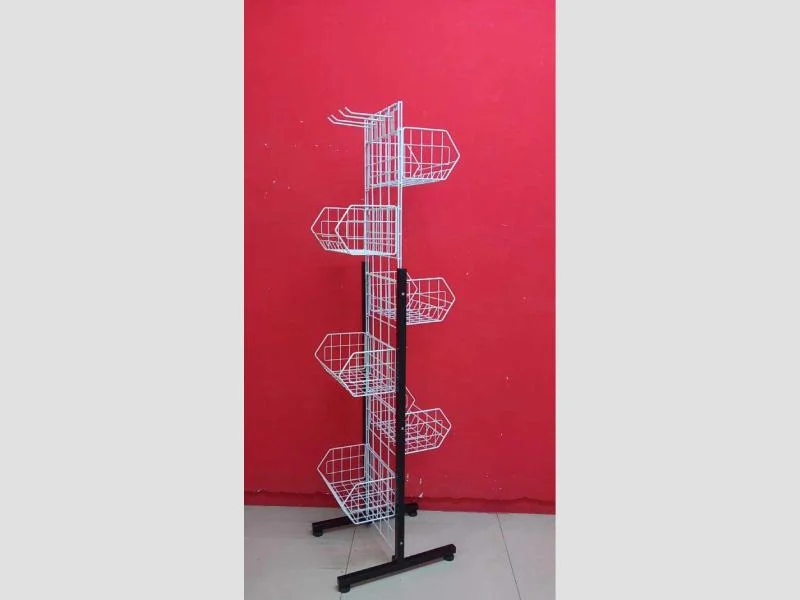
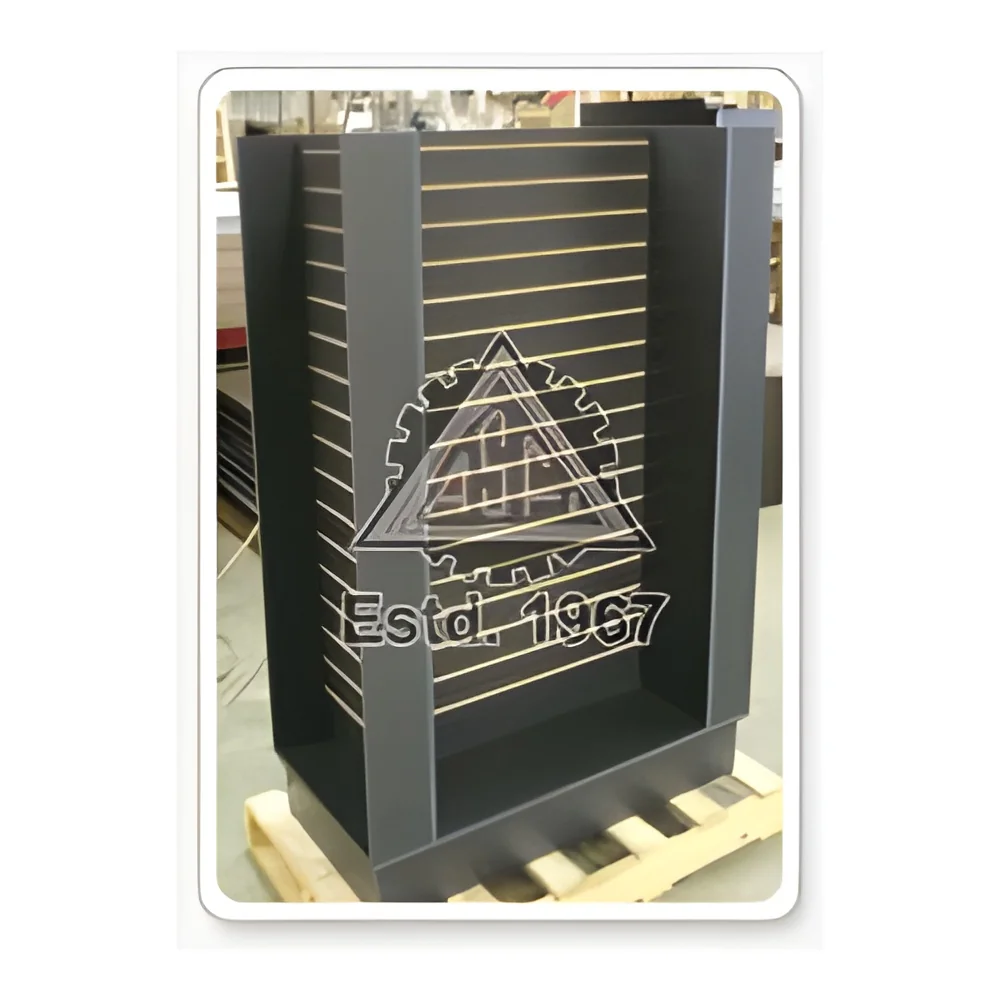
- Varied display fixtures to showcase products effectively
- Comfortable seating areas to enhance customer experience
7. Technology Integration
- Incorporation of digital displays and interactive kiosks
- Systems for inventory management and customer data collection
8. Compliance with Safety Standards
- Adherence to local building codes and safety regulations
- Consideration for accessibility needs
This comprehensive approach ensures that retail store interior design not only looks appealing but also functions effectively to drive sales and enhance customer satisfaction.
Common Applications and Use Cases
Retail Store Interior Design serves various industries that rely on effective customer engagement and product presentation.
1. Fashion Retail: In clothing stores, interior design focuses on creating themed displays, fitting areas, and pathways that enhance the shopping experience.
2. Electronics Stores: These stores utilize design to showcase products through interactive displays and organized layouts, allowing customers to easily navigate and explore options.
3. Grocery Stores: The design of grocery interiors emphasizes efficient traffic flow and product placement to encourage impulse purchases while making shopping convenient.
4. Health and Beauty: Salons and cosmetic stores use interior design to create inviting atmospheres that promote relaxation and enhance the customer's brand experience.
5. Home Goods: Furniture and home decor retailers often design their spaces to simulate real-life settings, allowing customers to visualize products in their own homes.
6. Specialty Stores: Unique retail environments designed for niche markets often incorporate themed decor that resonates with specific customer demographics.
7. Convenience Stores: These establishments focus on maximizing product visibility and ease of access, ensuring that customers can quickly find what they need.
Product Variants and Subcategories
Retail Store Interior Design is a diverse field with various approaches to meet different business needs.
Custom Design Solutions
These solutions are tailored to the specific branding and operational needs of the business, ensuring a unique shopping environment that resonates with target customers.
Modular Display Systems
These systems offer flexibility and adaptability, allowing retailers to easily change layouts and displays as inventory and marketing strategies evolve.
Eco-Friendly Designs
This variant focuses on sustainable materials and practices, catering to businesses that prioritize environmental responsibility in their operations.
Technology-Driven Designs
These designs incorporate advanced technology such as augmented reality and smart displays, enhancing customer interaction and engagement.
Benefits and Advantages
Investing in Retail Store Interior Design brings numerous advantages for businesses.
Key benefits include:
1. Enhanced Customer Experience: Well-designed interiors create a pleasant shopping environment, encouraging customers to spend more time and money.
2. Increased Sales: Strategic layout and product placement can significantly boost sales by encouraging impulse buying and customer engagement.
3. Strong Brand Identity: Unique and thoughtful interior designs reinforce brand values and identity, helping businesses stand out in a competitive market.
4. Improved Customer Flow: Efficient space planning leads to smoother traffic patterns, reducing congestion and improving overall shopping satisfaction.
5. Adaptability: Modern interior designs can easily evolve with changing market trends, allowing businesses to stay relevant and appealing.
6. Higher Customer Retention: A positive shopping experience fosters loyalty, leading to repeat visits and long-term customer relationships.
Buying Guide for B2B Buyers
When sourcing Retail Store Interior Design, there are several critical factors to consider.
1. Quality Assessment: Evaluate the quality of materials and craftsmanship. Look for suppliers with a reputation for excellence and durability in their products.
2. Supplier Verification: Research potential suppliers thoroughly. Check their credentials, client reviews, and previous projects to ensure reliability and expertise.
3. Pricing and MOQ: Understand the pricing structures and minimum order quantities. This will help you budget effectively and determine the feasibility of your design plans.
4. Delivery and Lead Times: Inquire about lead times for delivery, especially if you have specific deadlines. Efficient logistics are crucial for timely project completion.
5. Compliance Requirements: Ensure that the designs comply with local regulations and industry standards. This includes safety codes and accessibility requirements.
Compliance and Certifications
Retail Store Interior Design must adhere to various quality standards and regulations to ensure safety and effectiveness.
Relevant quality standards such as ISO 9001 establish a framework for consistent quality management in design processes. Adhering to these standards helps maintain high levels of customer satisfaction and operational efficiency.
Industry certifications, including CE marking, signify compliance with European health, safety, and environmental protection standards. This is crucial for businesses operating in or exporting to European markets.
Safety and testing requirements are essential to ensure that materials and designs do not pose risks to customers and employees. Regular inspections and compliance checks help maintain safety.
Regional compliance considerations vary by location. Retailers must be aware of local laws governing building codes, safety measures, and accessibility standards, ensuring their designs meet all necessary regulations.
Why Source Retail Store Interior Design from Pepagora?
Pepagora provides a trusted platform for sourcing Retail Store Interior Design, offering several key advantages that enhance the buyer's experience.
Verified Supplier Network: Pepagora features a comprehensive database of verified suppliers, ensuring that buyers can connect with reputable companies that meet their design needs.
Streamlined RFQ Process: The platform simplifies the request for quotation process, allowing businesses to receive multiple quotes quickly and make informed decisions based on competitive pricing.
Trade Assurance and Support: Buyers benefit from trade assurance programs that protect their investments, ensuring that suppliers meet delivery and quality commitments.
Regional Coverage: Pepagora operates across key markets in India, the GCC, and Southeast Asia, providing extensive reach and access to a diverse range of suppliers and design options.
This combination of verified suppliers, efficient processes, and regional expertise makes Pepagora an ideal partner for businesses seeking reliable Retail Store Interior Design solutions.

 IN
IN