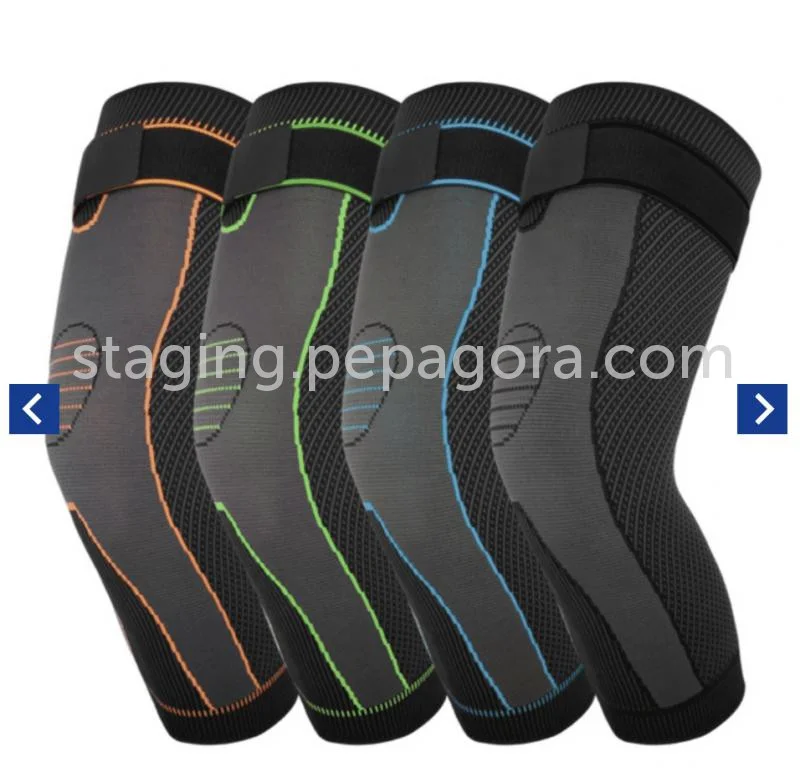
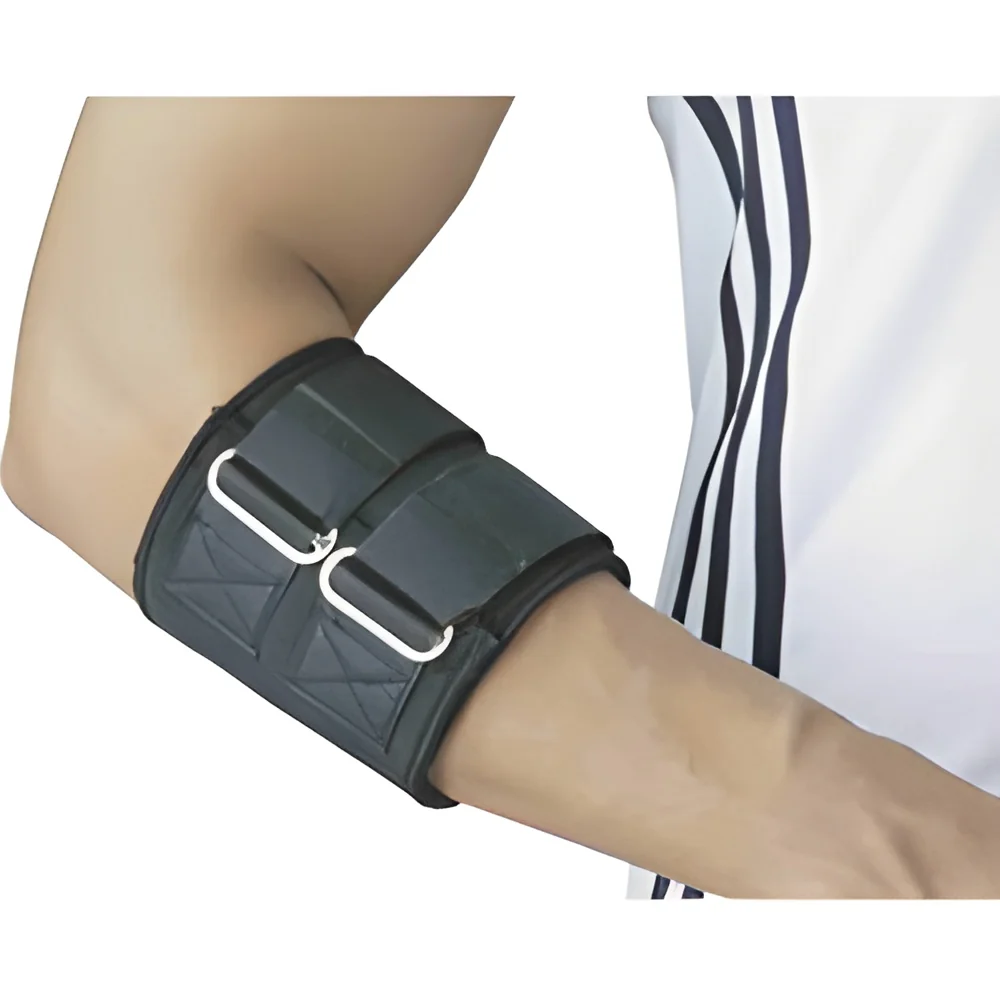
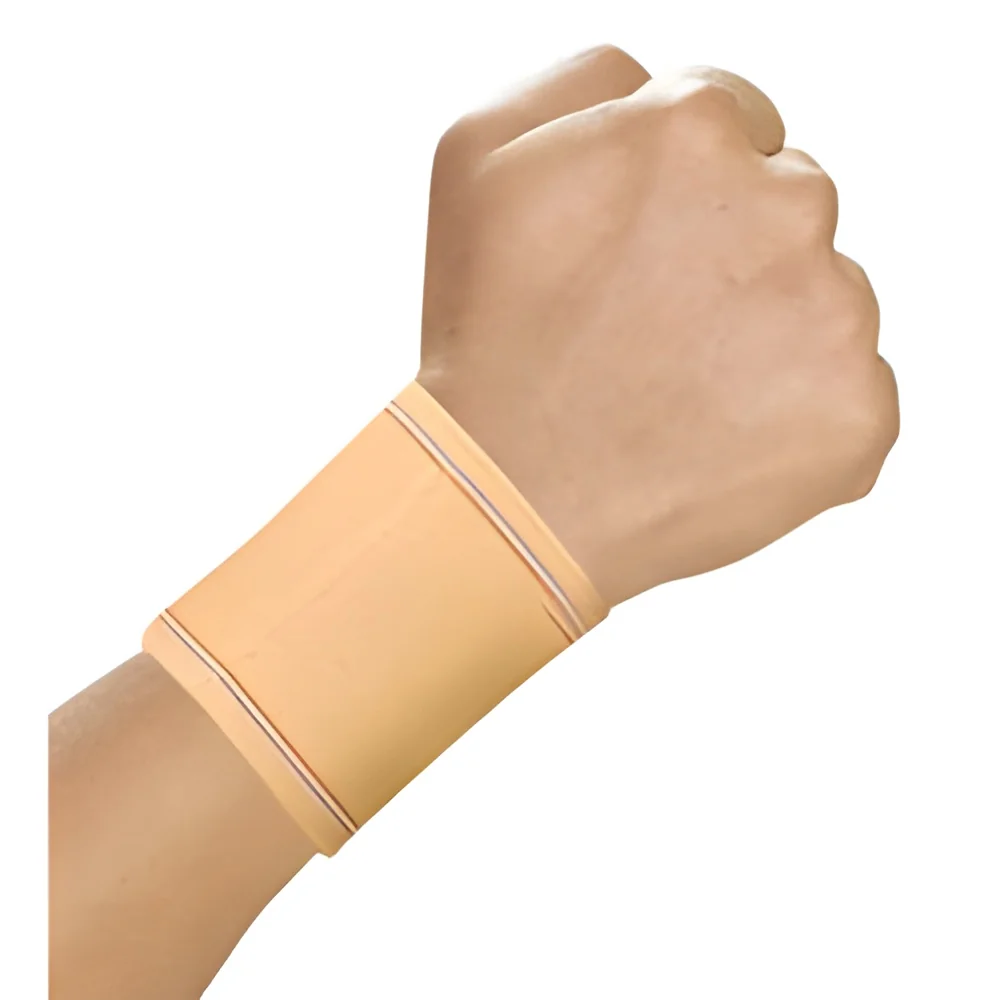
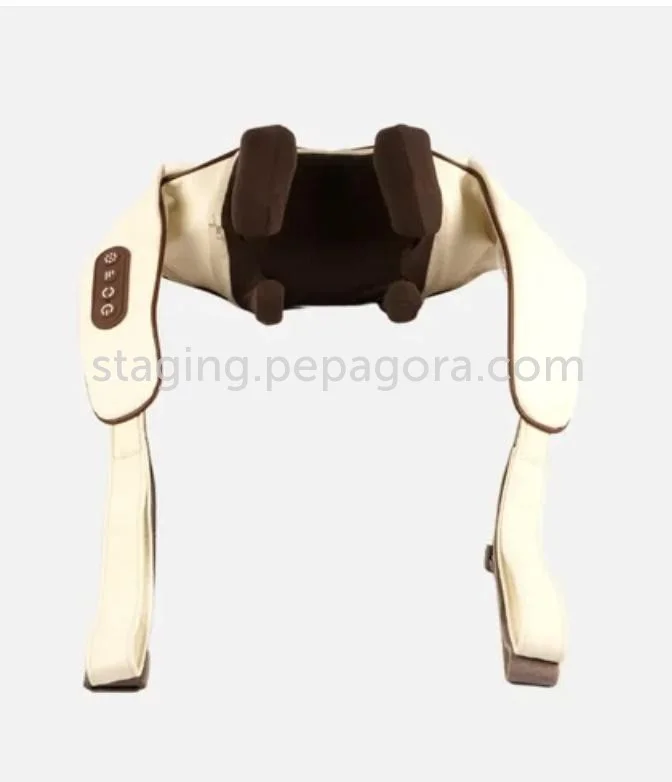
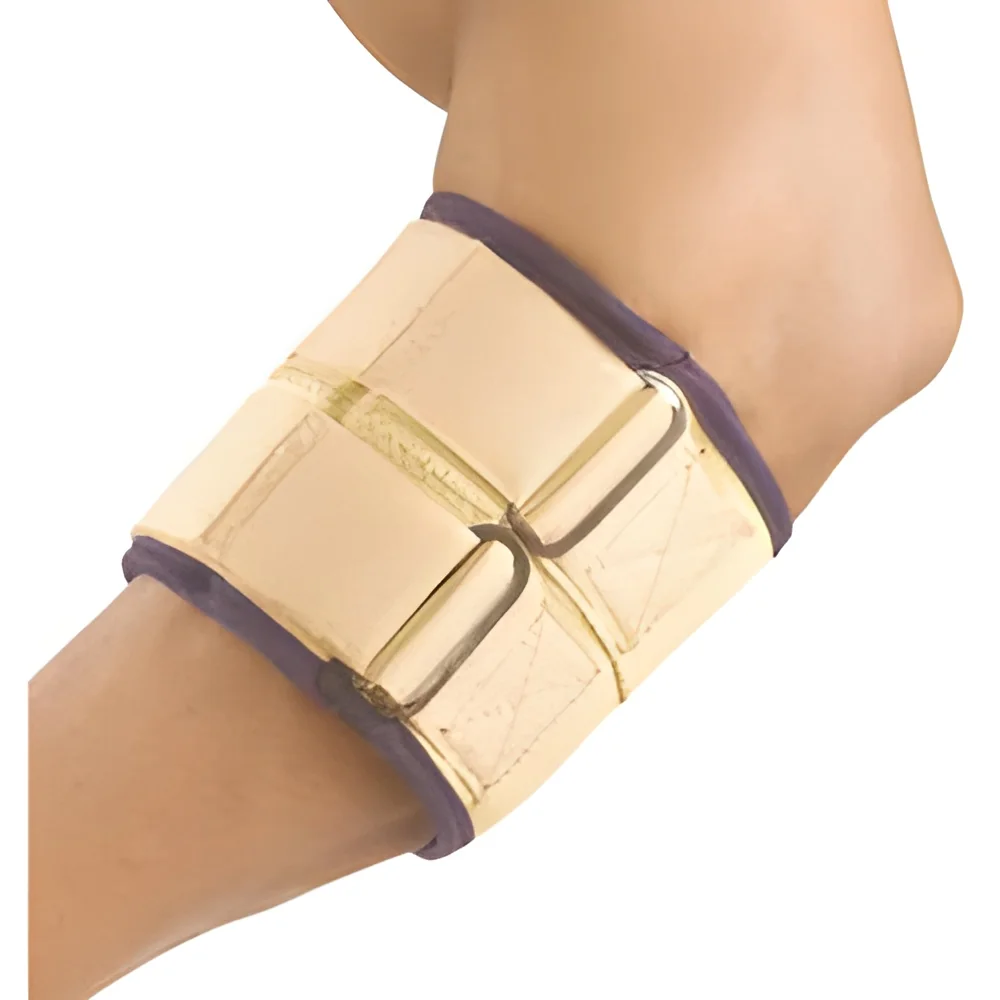
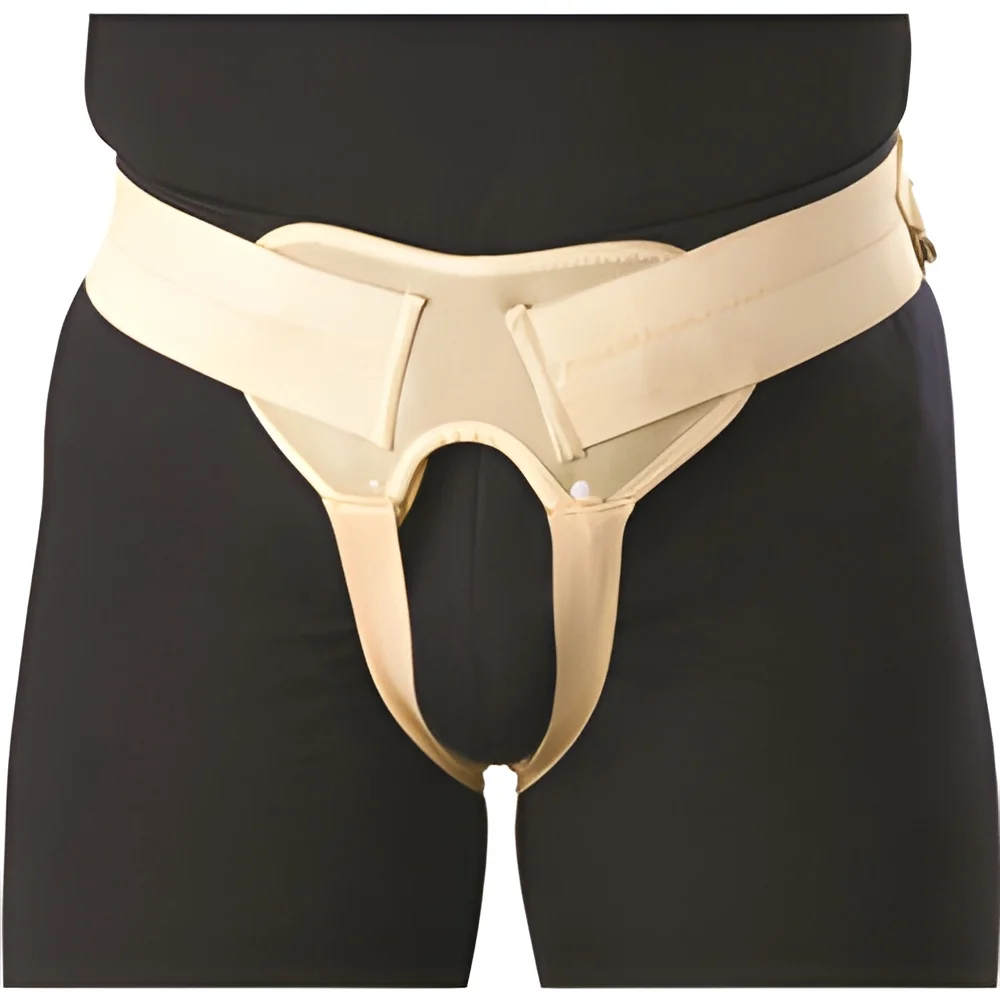
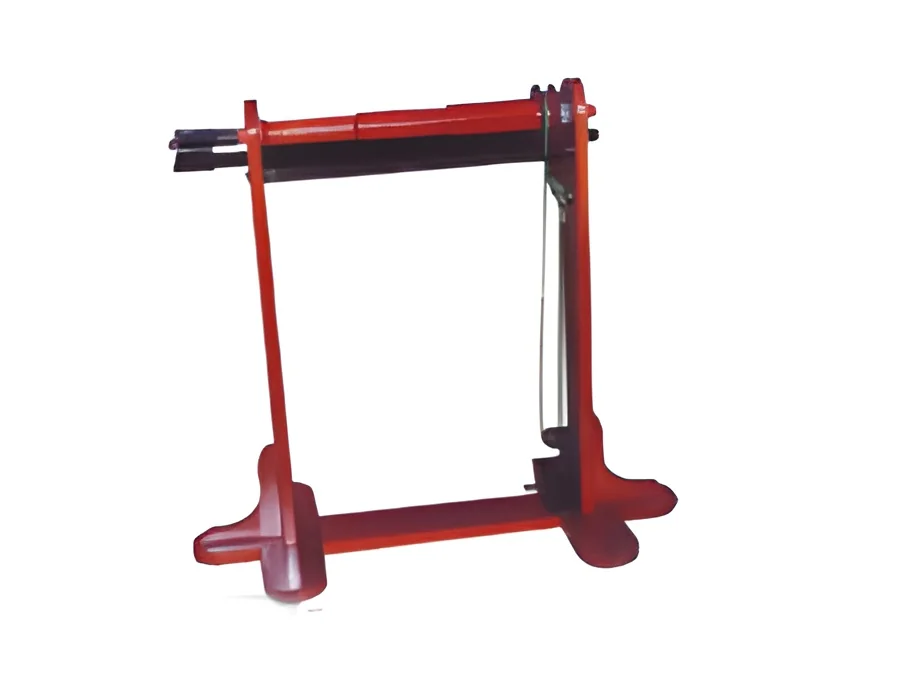
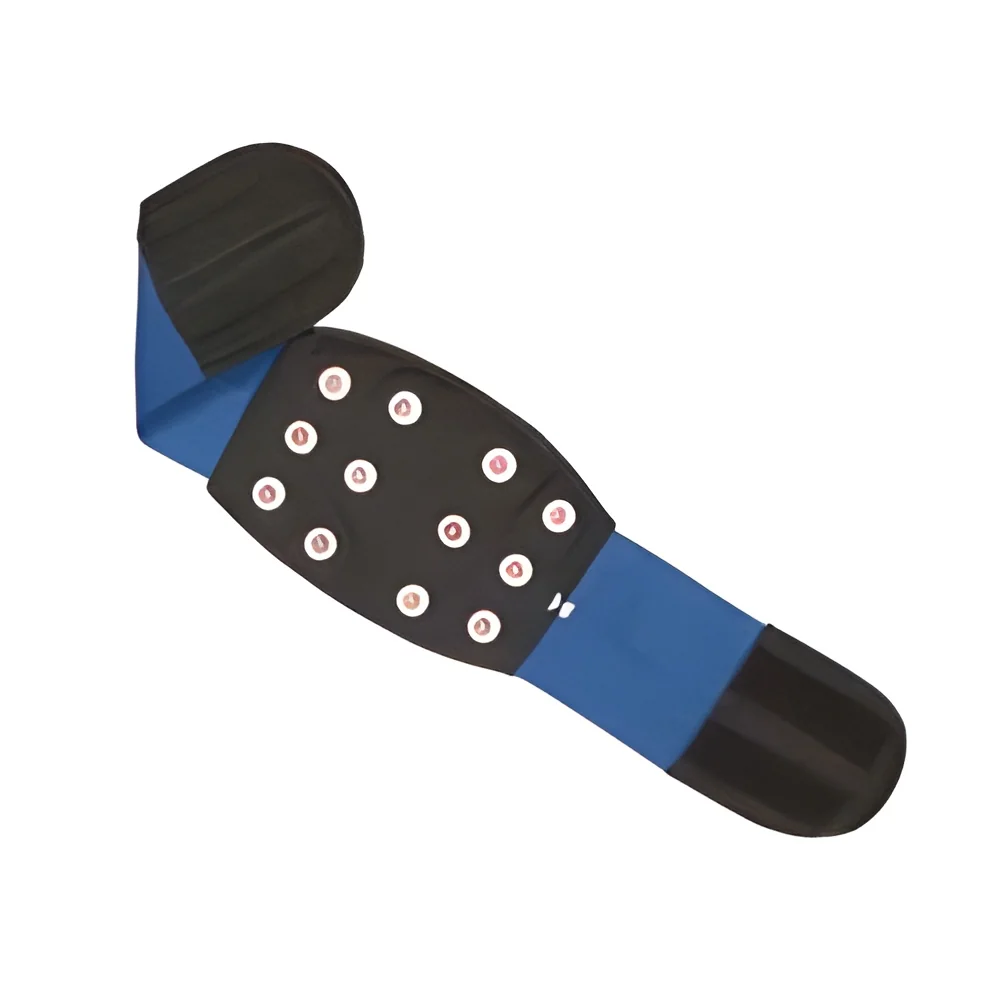
𝗞𝗲𝘆 𝗙𝗲𝗮𝘁𝘂𝗿𝗲𝘀 𝗮𝗻𝗱 𝗦𝗽𝗲𝗰𝗶𝗳𝗶𝗰𝗮𝘁𝗶𝗼𝗻𝘀
Gym accessories are characterized by several key features that ensure their effectiveness and usability. Understanding these specifications is essential for making informed purchasing decisions.
Key specifications include:
1. Material Composition
- High-density foam, rubber, or neoprene for mats
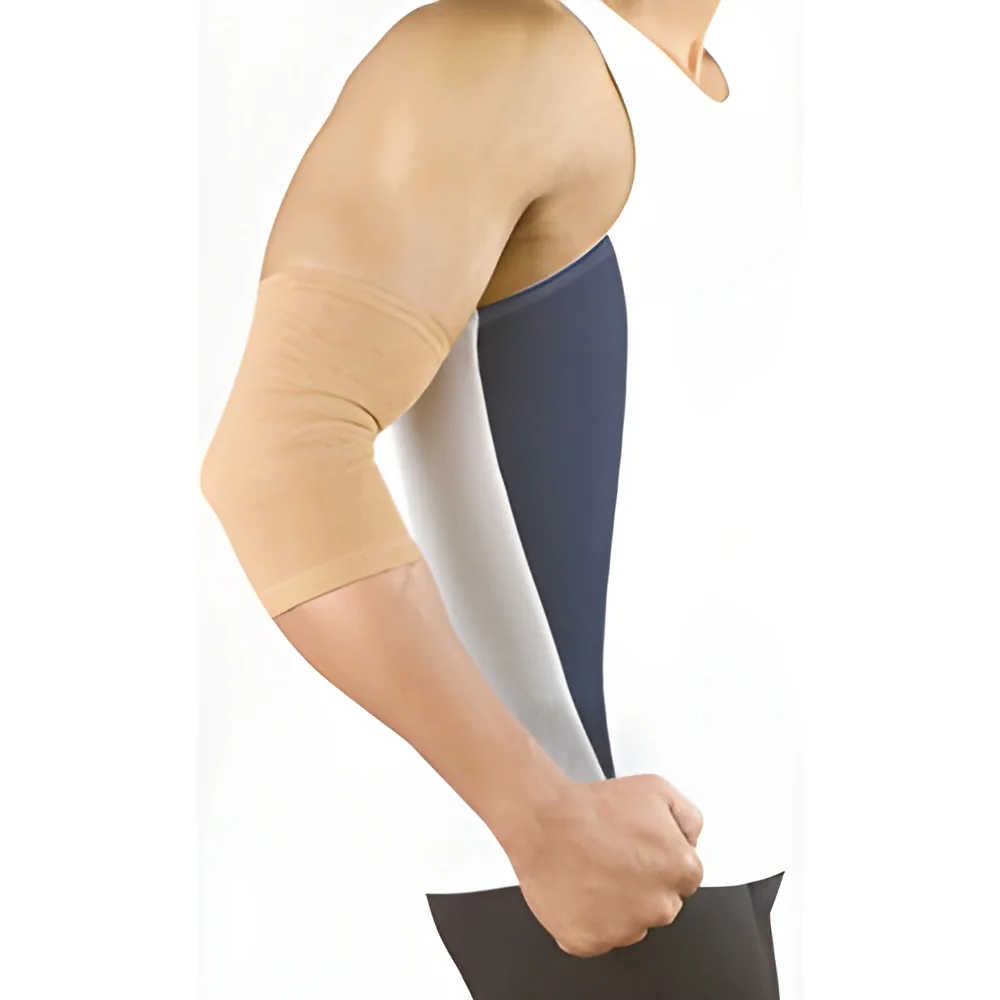
- Durable synthetic materials for belts and bands
- Resistance levels and tensile strength for bands
2. Size Dimensions
- Standard mat dimensions typically range from 60 to 72 inches in length and 24 to 36 inches in width
- Belts are available in various sizes, often adjustable for a better fit
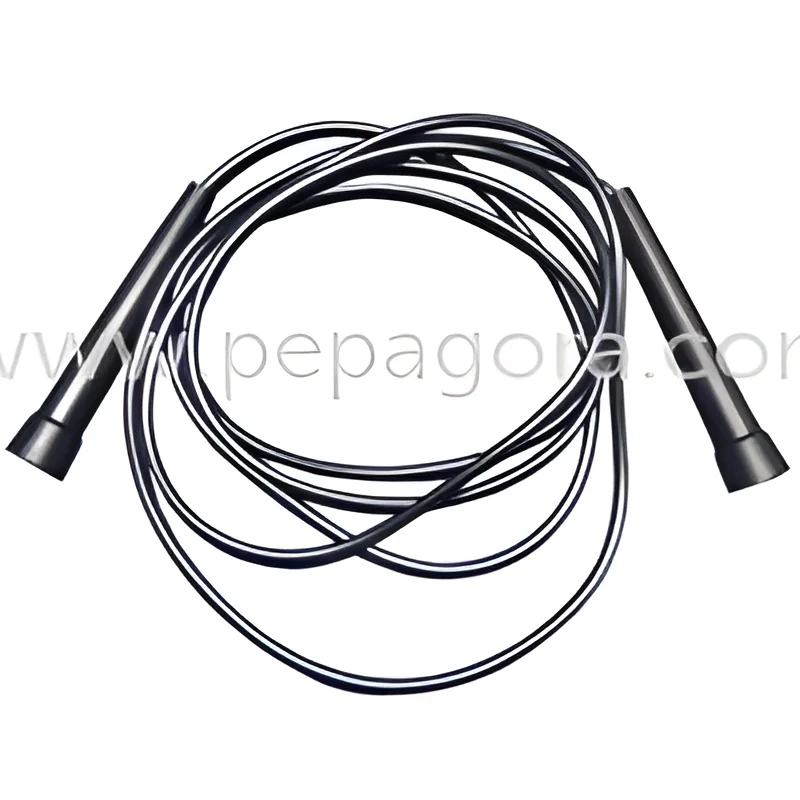
- Resistance bands come in different lengths, usually between 4 to 6 feet
3. Weight Capacity
- Mats should support weights from 250 to 500 pounds, depending on thickness
- Weightlifting belts can support lifting weights exceeding 600 pounds
- Resistance bands offer varying resistance levels, typically between 5 to 100 pounds
4. Thickness and Padding
- Mats generally have a thickness ranging from 0.25 to 0.75 inches for cushioning
- Belts vary in width and padding for comfort during use
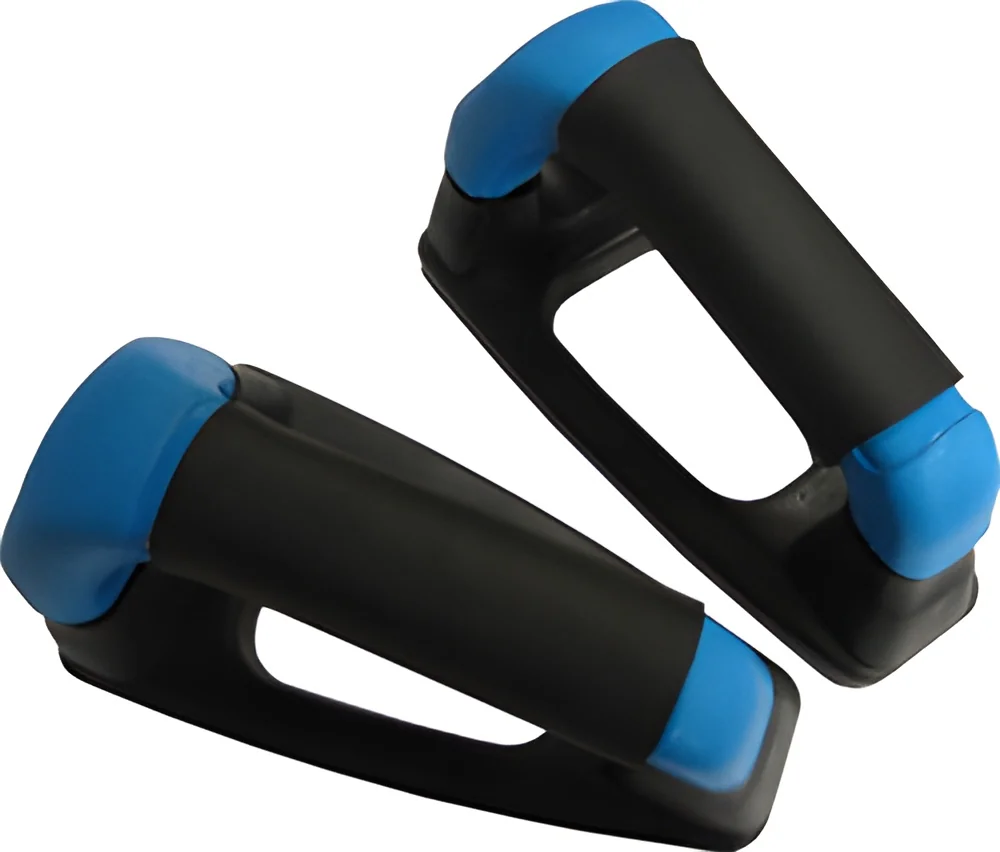
- Resistance bands may feature ergonomic handles for better grip
5. Color and Design Options
- Mats come in various colors and textures for visual appeal and grip
- Belts may feature different styles and patterns to suit personal preferences
- Bands often have color-coded resistance levels for easy identification
6. Certifications
- CE certification for safety and compliance in manufacturing
- Additional certifications may apply depending on the region and intended use
In summary, selecting gym accessories with the right features and specifications is crucial for ensuring quality and effectiveness in training programs.
𝗖𝗼𝗺𝗺𝗼𝗻 𝗔𝗽𝗽𝗹𝗶𝗰𝗮𝘁𝗶𝗼𝗻𝘀 𝗮𝗻𝗱 𝗨𝘀𝗲 𝗖𝗮𝘀𝗲𝘀
Gym accessories are versatile and find applications across various industries.
1. Fitness Centers: These facilities use mats for classes such as yoga and Pilates, providing comfort and stability for participants.
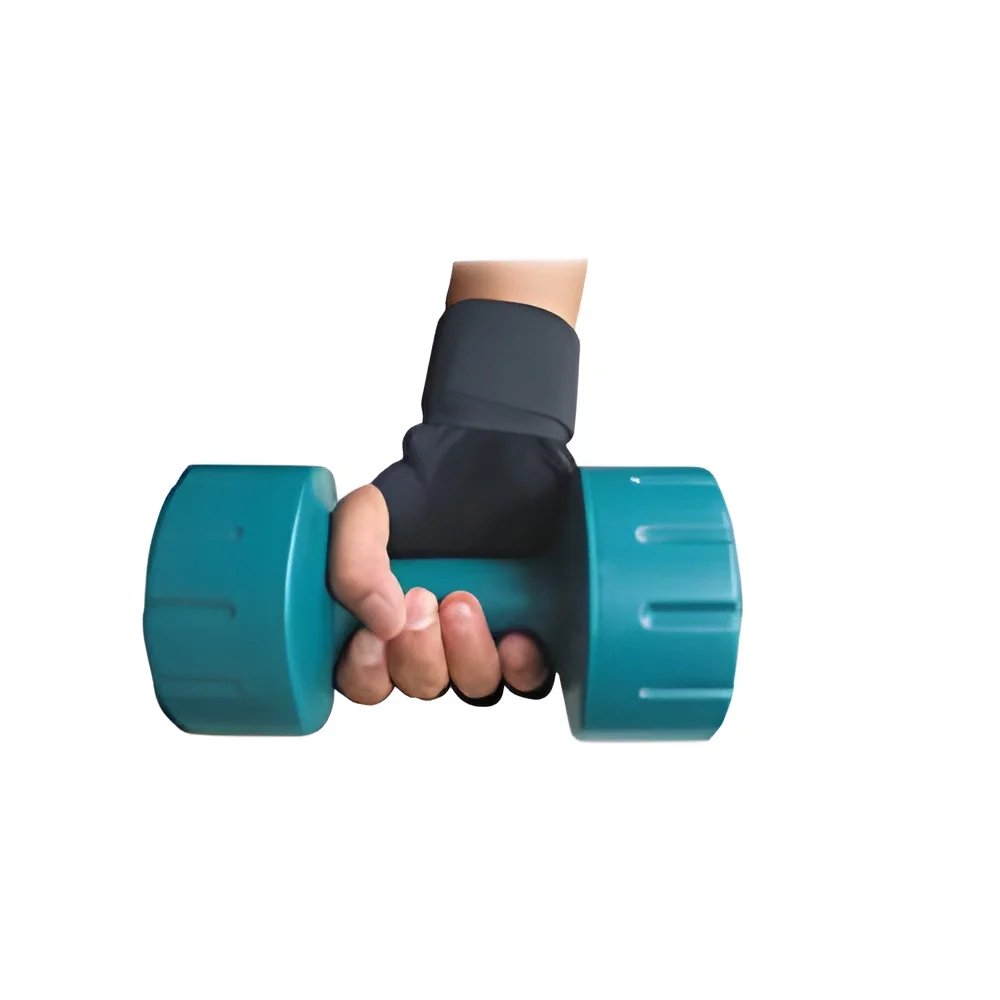
2. Personal Training: Trainers utilize belts and bands to enhance strength training sessions, helping clients achieve their fitness goals.
3. Rehabilitation Clinics: Physical therapists employ gym accessories for rehabilitation exercises, aiding recovery from injuries.
4. Corporate Wellness Programs: Companies integrate gym accessories into wellness initiatives, promoting physical activity among employees.
5. Home Gyms: Individuals invest in gym accessories for personal use, allowing them to create efficient workout spaces at home.
6. Sports Teams: Coaches use these accessories in training regimens to improve athletes' performance and prevent injuries.
7. Educational Institutions: Schools and universities incorporate gym accessories into physical education programs, encouraging students to engage in fitness activities.
𝗣𝗿𝗼𝗱𝘂𝗰𝘁 𝗩𝗮𝗿𝗶𝗮𝗻𝘁𝘀 𝗮𝗻𝗱 𝗦𝘂𝗯𝗰𝗮𝘁𝗲𝗴𝗼𝗿𝗶𝗲𝘀
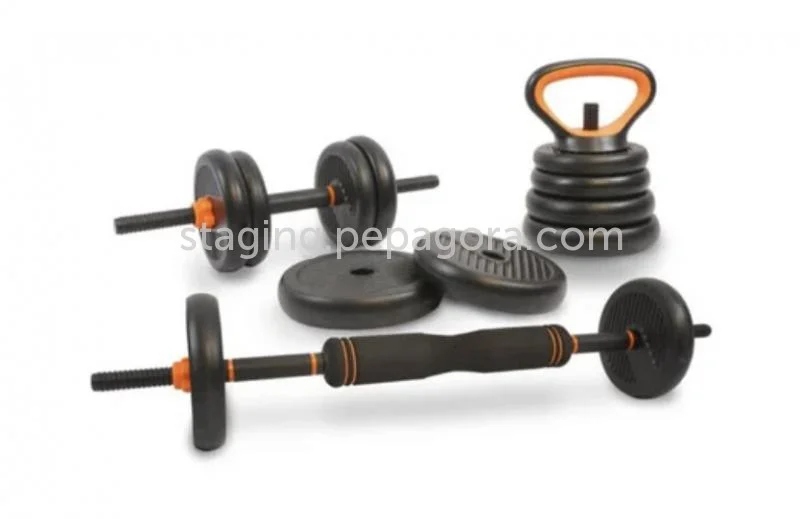
Gym accessories come in various forms, catering to different fitness needs and preferences.
Exercise Mats
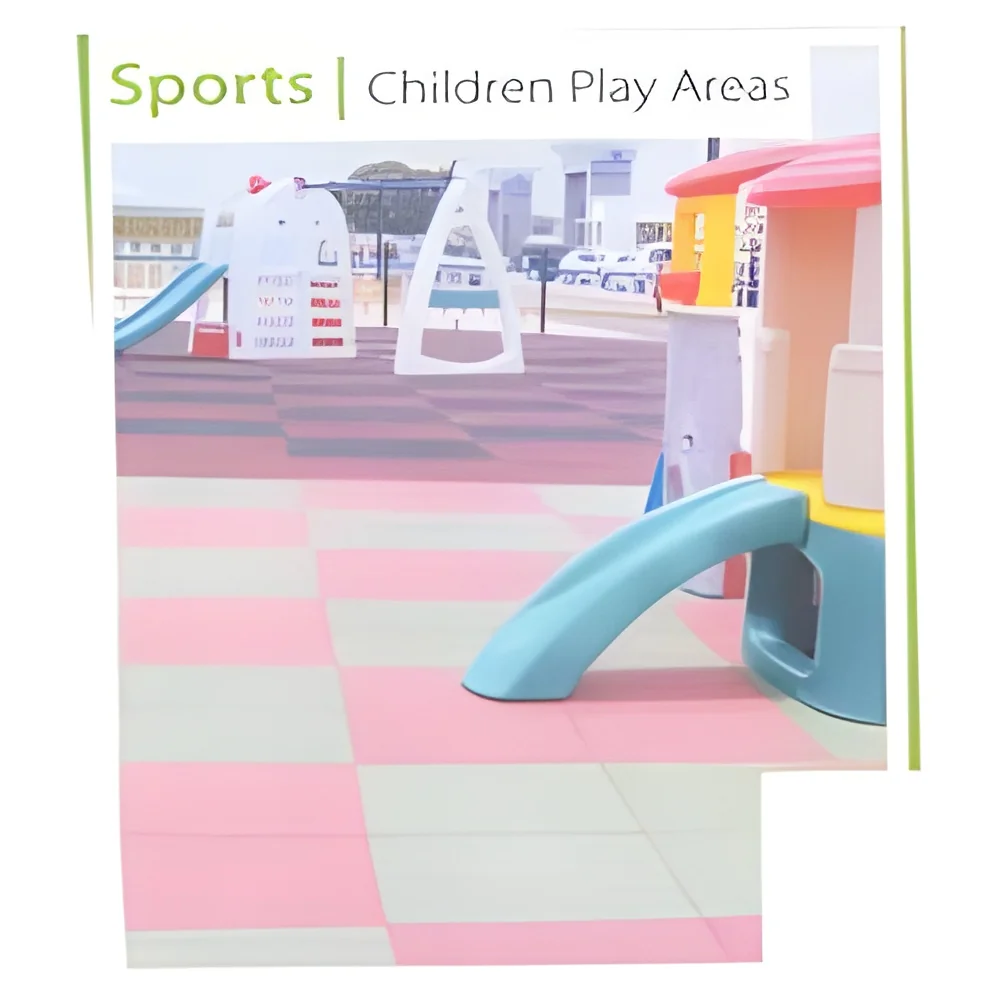
These mats are designed for comfort and stability during workouts. They provide cushioning for floor exercises and are often lightweight and portable, making them ideal for both home and gym use.
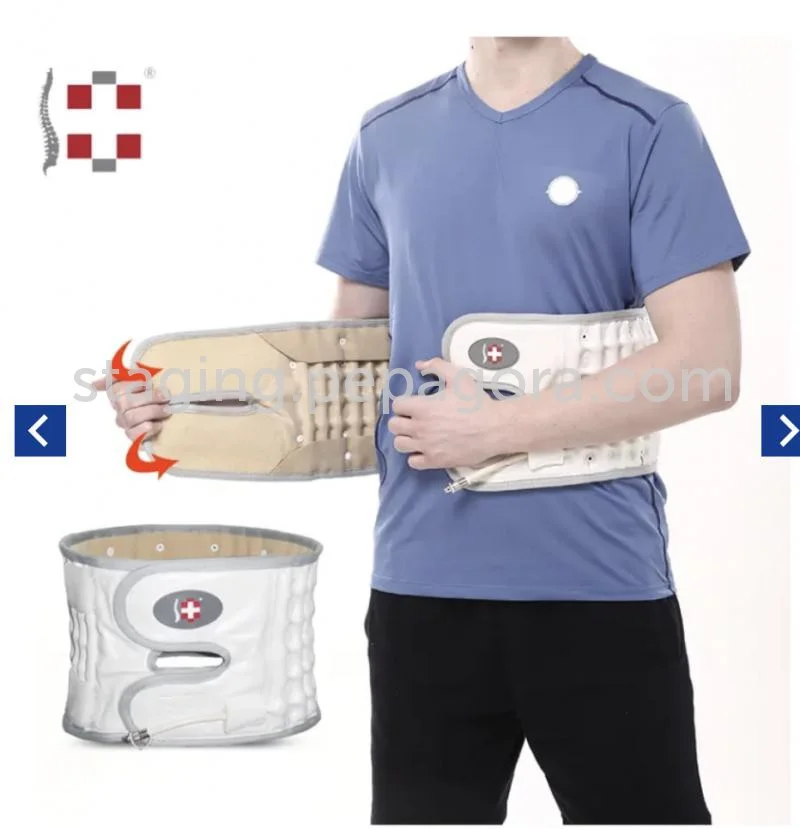
Weightlifting Belts
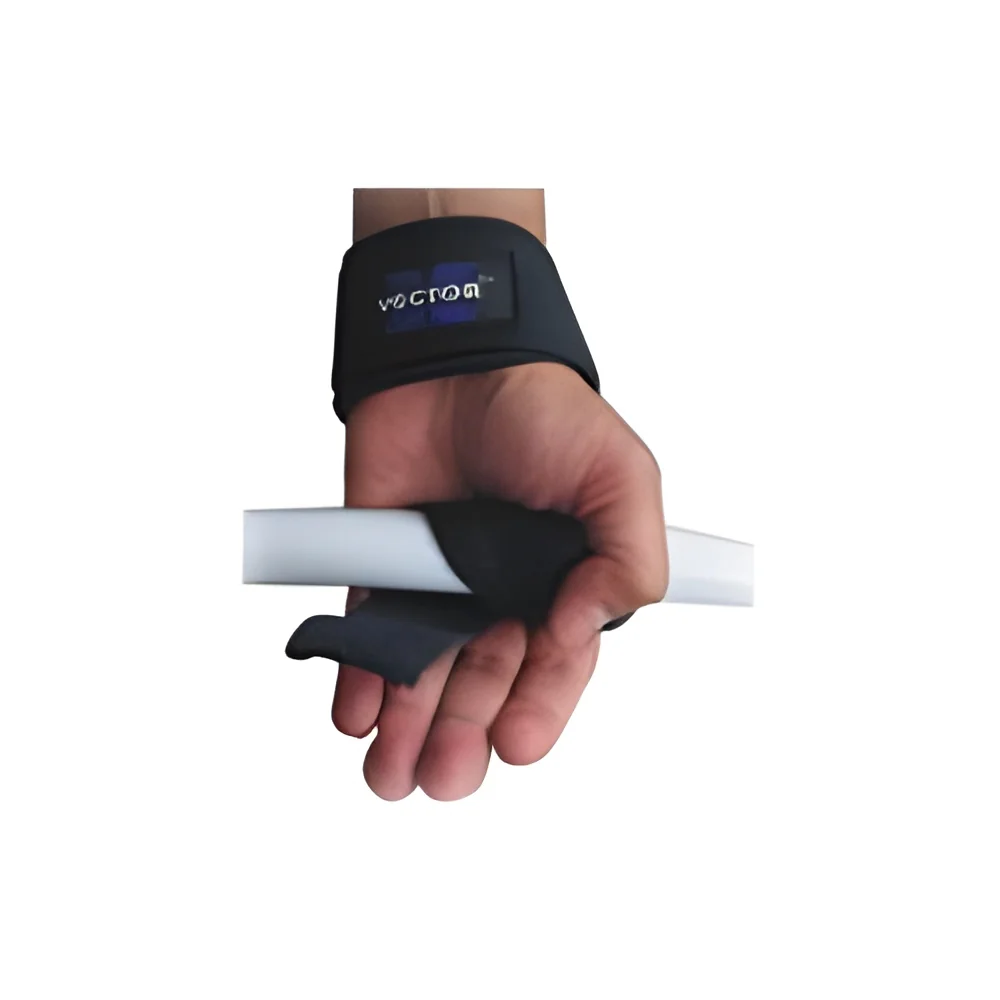
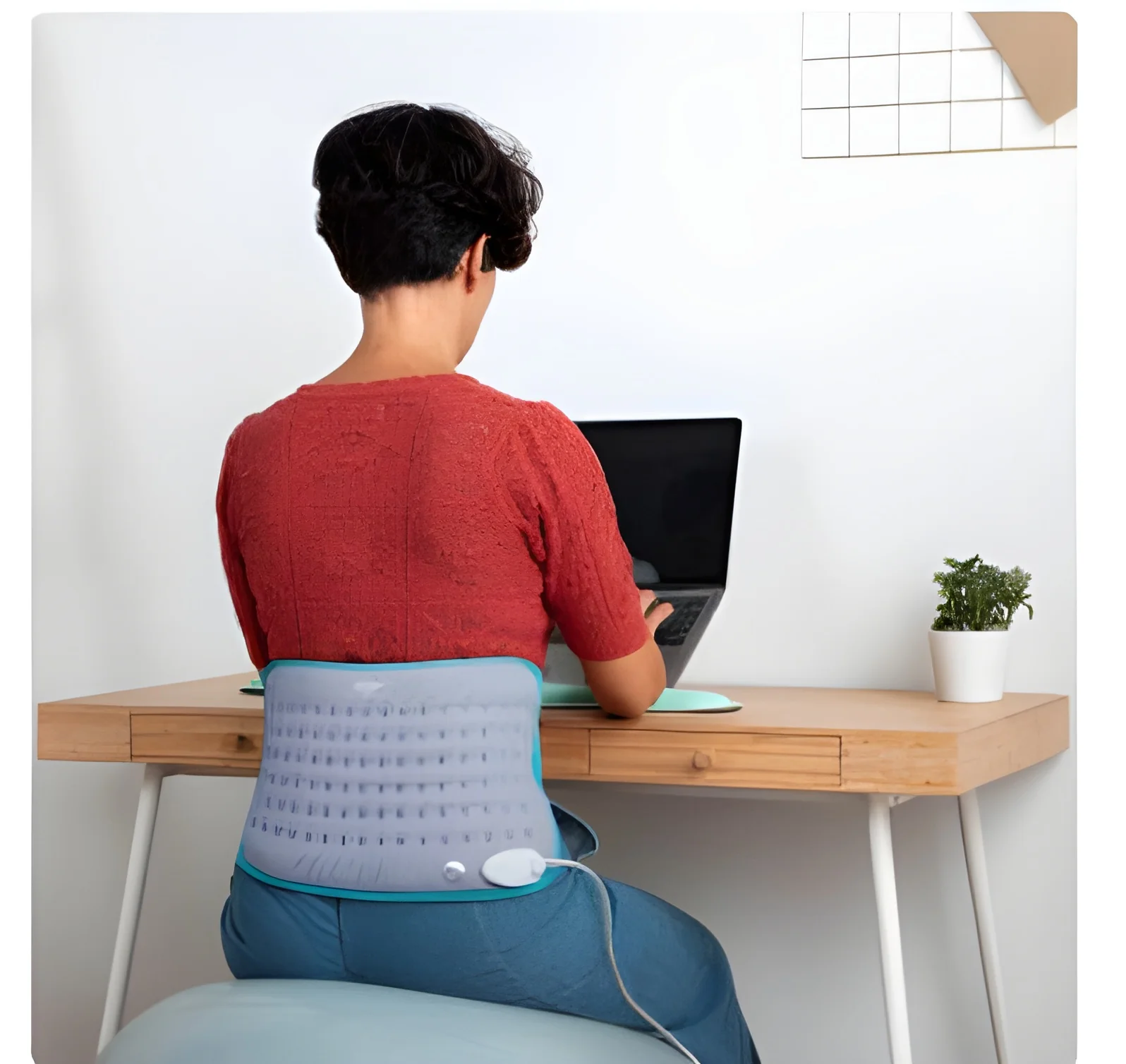
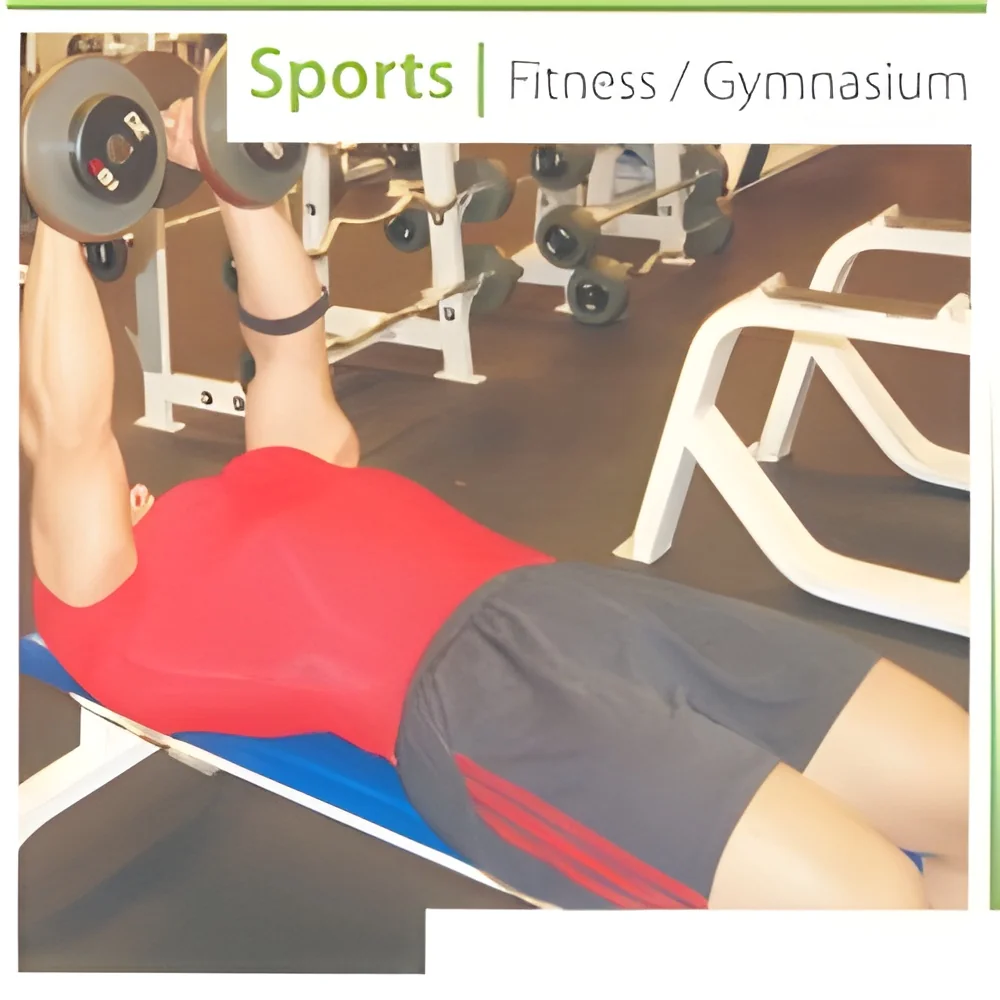
Weightlifting belts offer support to the lower back during heavy lifts. They typically feature adjustable sizes and are made from sturdy materials to provide maximum stability and comfort.
Resistance Bands
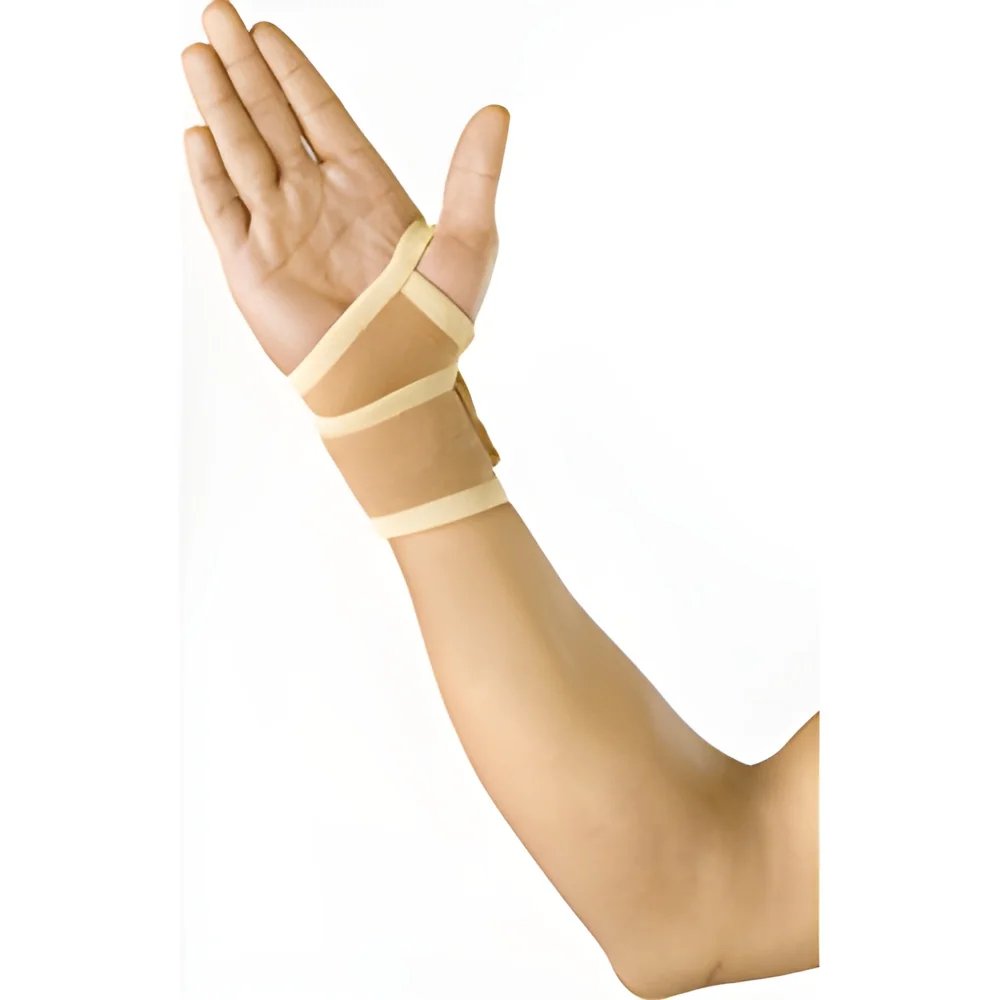
Resistance bands come in various sizes and resistance levels, making them suitable for a wide range of exercises. They are portable and versatile, allowing users to incorporate them into strength training or rehabilitation routines.
𝗕𝗲𝗻𝗲𝗳𝗶𝘁𝘀 𝗮𝗻𝗱 𝗔𝗱𝘃𝗮𝗻𝘁𝗮𝗴𝗲𝘀
Investing in quality gym accessories offers numerous benefits for businesses and individuals alike.
1. Enhanced Performance: Gym accessories improve physical performance by providing support and resistance during workouts.
2. Injury Prevention: Proper use of accessories like belts can help prevent injuries by supporting key muscle groups.
3. Versatility: Accessories like resistance bands can be used for a wide range of exercises, making them suitable for various fitness levels and goals.
4. Increased Comfort: Mats provide cushioning that enhances comfort during workouts, allowing users to focus on their training.
5. Space Efficiency: Many gym accessories are compact and portable, making them easy to store and ideal for home gyms.
6. Customization: Accessories can be tailored to meet specific fitness needs, allowing users to create personalized workout programs.
𝗕𝘂𝘆𝗶𝗻𝗴 𝗚𝘂𝗶𝗱𝗲 𝗳𝗼𝗿 𝗕𝟮𝗕 𝗕𝘂𝘆𝗲𝗿𝘀
When sourcing gym accessories, businesses should consider several critical factors to ensure they make informed purchasing decisions.
1. Quality Assessment: Evaluate the quality of materials and construction. Look for products that meet industry standards and have positive reviews.
2. Supplier Verification: Vet suppliers thoroughly to ensure they have a reliable track record. Check for certifications and customer feedback.
3. Pricing and MOQ: Understand the pricing structure and minimum order quantities. This helps in budgeting and ensures that suppliers can meet demand.
4. Delivery and Lead Times: Inquire about delivery schedules and lead times. Timely arrival of products is essential for maintaining inventory levels.
5. Compliance Requirements: Ensure that products meet relevant compliance and safety standards. This may include certifications like CE and adherence to regional regulations.
𝗖𝗼𝗺𝗽𝗹𝗶𝗮𝗻𝗰𝗲 𝗮𝗻𝗱 𝗖𝗲𝗿𝘁𝗶𝗳𝗶𝗰𝗮𝘁𝗶𝗼𝗻𝘀
Compliance with industry standards is crucial for gym accessories. Products should ideally meet quality standards such as ISO 9001, which ensures consistent quality management systems.
Certain certifications, such as CE, indicate that products comply with European health, safety, and environmental protection standards. These certifications provide assurance to businesses regarding the safety and reliability of gym accessories.
Safety and testing requirements are also critical. Accessories should undergo rigorous testing to ensure they can withstand the demands of regular use.
Additionally, regional compliance considerations may vary. Businesses should remain informed about specific regulations that apply to their geographic location to ensure that all products sourced are compliant.
Why Source Gym Accessories (Mats, Belts, Bands) from Pepagora?
Pepagora provides a trusted platform for sourcing gym accessories, offering several key advantages to B2B buyers.
Verified Supplier Network: Pepagora connects buyers with a network of verified suppliers. Each supplier is vetted for quality and reliability, ensuring that businesses can source products with confidence.
Streamlined RFQ Process: The Request for Quotation (RFQ) process on Pepagora is designed for efficiency. Buyers can easily submit their requirements and receive competitive quotes from multiple suppliers.
Trade Assurance and Support: Pepagora offers trade assurance, which protects buyers during transactions. This support ensures that businesses can navigate the purchasing process with peace of mind.
Regional Coverage: With a strong presence in India, the GCC, and Southeast Asia, Pepagora provides access to a wide market for gym accessories. This regional reach allows businesses to find the right products tailored to their specific needs.

 IN
IN