What are Back Support Belts?
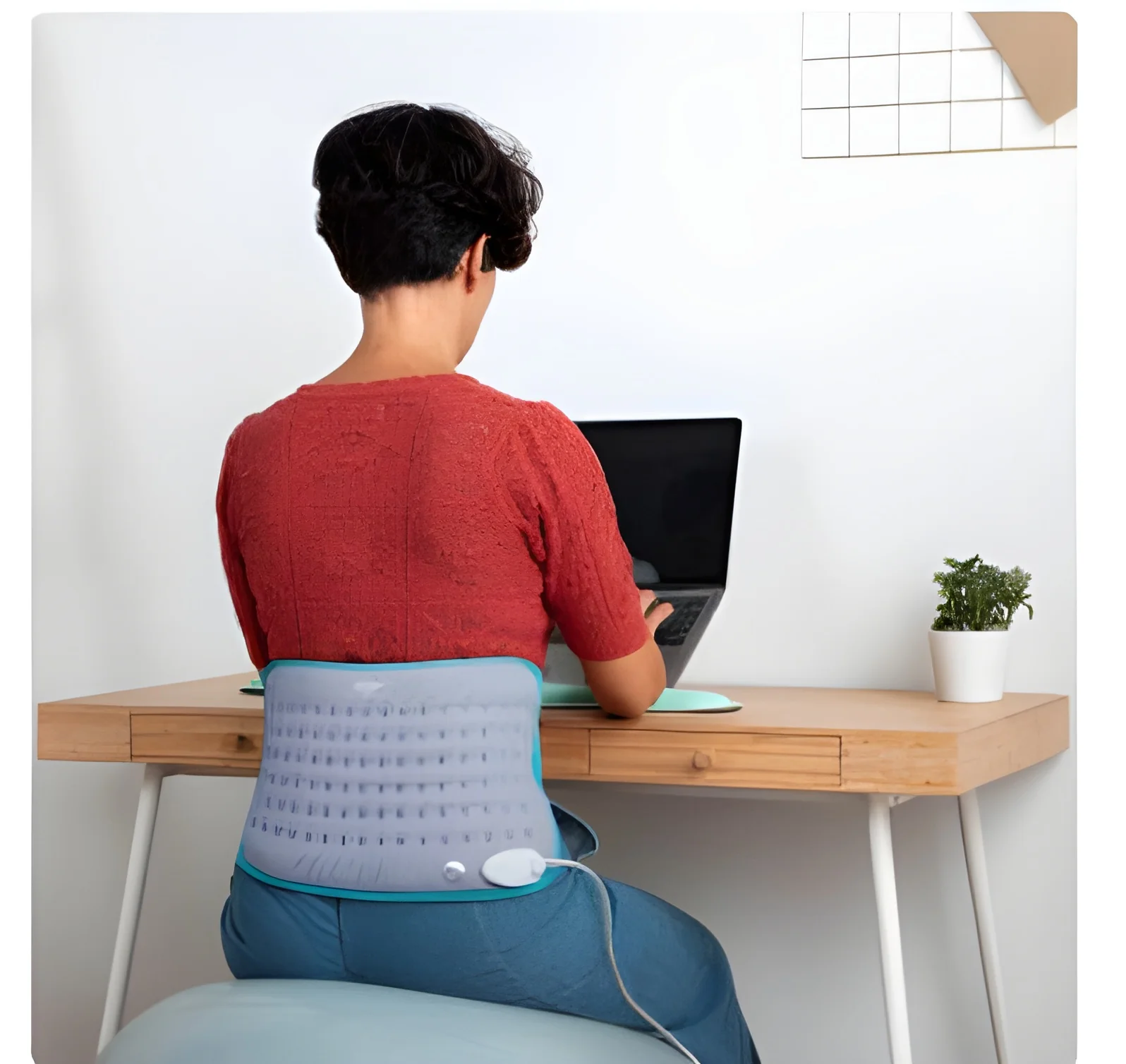
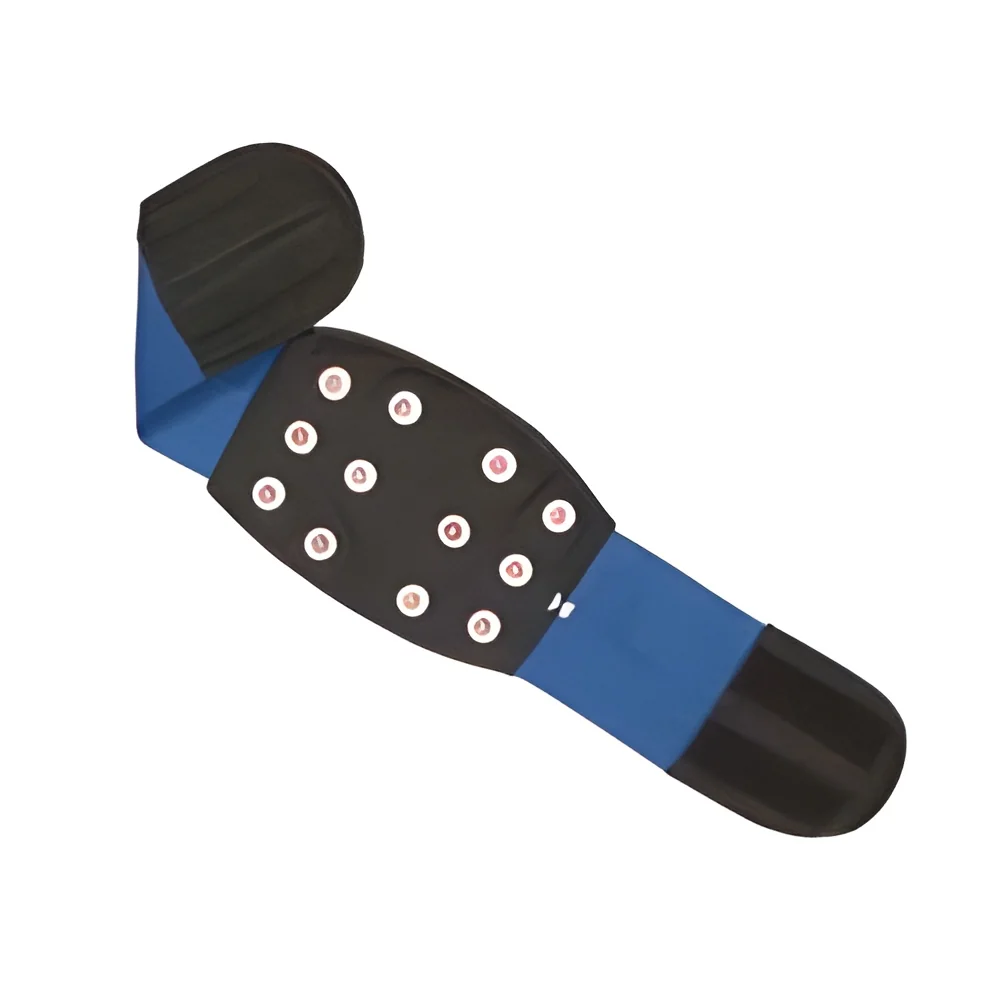
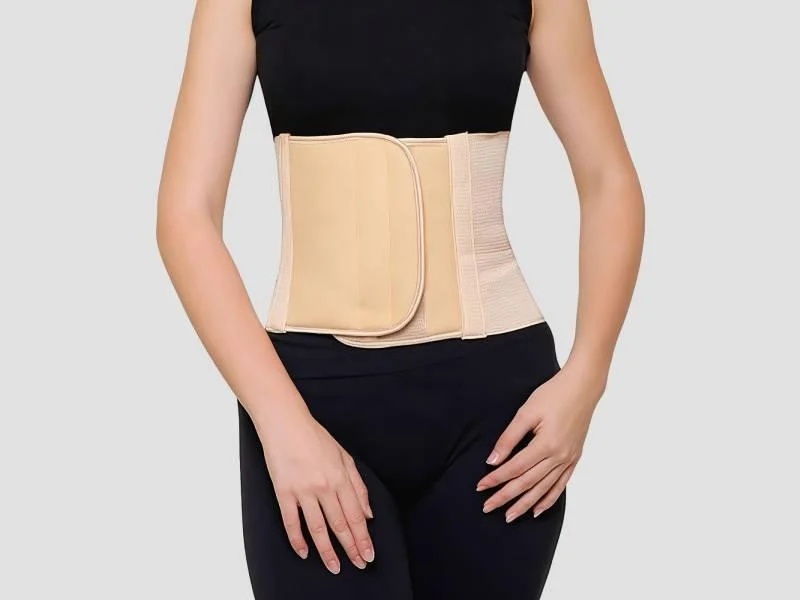
Back support belts are specialized devices designed to provide support to the lower back and abdominal region. They are commonly used to alleviate pain, reduce strain, and prevent injuries during physically demanding tasks. These belts are typically made from durable materials that offer a combination of flexibility and firmness, ensuring that they can be worn comfortably for extended periods. Back support belts help stabilize the spine and promote proper posture, making them an essential tool for individuals who engage in heavy lifting or repetitive movements.
In the industrial and occupational settings, back support belts are frequently utilized in sectors such as manufacturing, warehousing, construction, and logistics. Workers in these fields often face the risk of musculoskeletal injuries due to the nature of their tasks. By incorporating back support belts into their safety protocols, businesses can enhance worker comfort and reduce the likelihood of injury. This proactive approach not only benefits employees but also contributes to greater operational efficiency and lower healthcare costs for employers.
The market for back support belts has grown significantly in recent years, driven by increasing awareness of workplace safety and the importance of ergonomic practices. As industries continue to prioritize employee well-being, the demand for these products is expected to rise. Manufacturers are responding to this trend by developing innovative designs that cater to the diverse needs of various industries, ensuring that back support belts remain relevant and effective.
Key Features and Specifications
Back support belts come with a variety of features and specifications that enhance their effectiveness and usability. Understanding these specifications is crucial for businesses looking to make informed purchasing decisions.
Key specifications include:
1. Material Composition
- Typically made from elastic, neoprene, or breathable mesh
- Provides durability and comfort for extended wear
2. Size Range
- Available in various sizes to accommodate different body types
- Ensures a snug fit for optimal support
3. Adjustable Straps
- Many models feature adjustable straps for a customizable fit
- Allows users to modify tightness based on individual comfort levels
4. Support Level
- Varies from light to heavy support depending on design
- Tailored to specific tasks or user needs
5. Breathability
- Designed with ventilation features to promote airflow
- Reduces sweat and discomfort during use
6. Weight Capacity
- Rated for specific weight limits to ensure safety
- Important for preventing overexertion injuries
7. Safety Certifications
- Many belts are compliant with industry standards such as CE
- Provides assurance of quality and safety
8. Ease of Use
- User-friendly designs that allow for quick application and removal
- Enhances usability in fast-paced environments
In summary, the features and specifications of back support belts play a vital role in their effectiveness. Businesses should carefully evaluate these aspects to select the most suitable options for their workforce.
Common Applications and Use Cases
Back support belts find applications across various industries, making them versatile tools for enhancing worker safety and comfort.
1. Manufacturing: Workers in manufacturing often face repetitive tasks that require heavy lifting. Back support belts help reduce strain during these activities, promoting better posture and injury prevention.
2. Warehousing: In warehousing operations, employees frequently lift and move heavy packages. Back support belts provide essential lumbar support, allowing workers to perform their duties safely and efficiently.
3. Construction: Construction sites are known for their physically demanding tasks. Back support belts aid in stabilizing the spine while performing heavy lifting, which is crucial for preventing back injuries.
4. Logistics: In logistics, employees often engage in continuous movement and lifting. Back support belts can enhance comfort and support, allowing for improved productivity without compromising safety.
5. Healthcare: Healthcare professionals, such as nurses and caregivers, may benefit from back support belts when assisting patients. These belts help prevent injuries during lifting and transferring activities.
6. Agriculture: Workers in agriculture often lift heavy equipment and materials. Back support belts can alleviate strain and provide necessary support during these labor-intensive tasks.
7. Retail: Employees in retail environments may experience back strain from prolonged standing or lifting. Back support belts can offer relief and promote better posture during long shifts.
Product Variants and Subcategories
Back support belts come in various designs to meet the specific needs of different users. This diversity allows businesses to choose the right variant for their particular applications.
Lightweight Support Belt
This variant is designed for individuals requiring minimal support during light tasks. It offers flexibility and comfort while providing basic lumbar support, making it suitable for environments like retail or customer service.
Heavy-Duty Support Belt
Engineered for high-stress environments, this belt provides maximum support and stability. Ideal for construction or warehousing, it features reinforced materials and additional support structures to protect against heavy lifting.
Adjustable Support Belt
This variant allows users to customize the fit according to their comfort level. With adjustable straps, it is suitable for a wide range of body types and activities, making it versatile for different industries.
Multi-Functional Support Belt
This belt is designed for workers who engage in various tasks throughout their day. It offers adjustable support levels and can be used in multiple settings, from manufacturing to logistics, providing all-around versatility.
Benefits and Advantages
Back support belts offer numerous benefits that contribute to the overall well-being of workers in various industries.
Key benefits include:
1. Injury Prevention: Back support belts help reduce the risk of musculoskeletal injuries by providing crucial support to the lumbar region during heavy lifting.
2. Improved Posture: Wearing a back support belt encourages proper spinal alignment, which can alleviate discomfort and promote better posture over time.
3. Enhanced Comfort: Many belts are designed with breathable materials, ensuring comfort even during long hours of wear, which can improve overall job satisfaction.
4. Increased Productivity: By reducing pain and discomfort, back support belts allow workers to focus on their tasks, leading to increased productivity in the workplace.
5. Cost Savings: Implementing back support belts can lead to fewer workplace injuries, resulting in lower healthcare costs and reduced absenteeism for businesses.
6. Versatility: Back support belts can be used across various industries and tasks, making them a practical investment for businesses of all types.
Buying Guide for B2B Buyers
When sourcing back support belts, it is important for B2B buyers to consider several key factors to ensure they make the right choice.
1. Quality Assessment: Buyers should look for belts made from high-quality materials that offer durability and comfort. Evaluating product reviews and conducting material tests can help determine quality.
2. Supplier Verification: It is essential to vet suppliers to ensure they provide reliable products. Checking certifications and past customer feedback can help in selecting trustworthy manufacturers.
3. Pricing and MOQ: Understanding the pricing structure and minimum order quantities is crucial. Buyers should compare prices across different suppliers to find the best value for their budget.
4. Delivery and Lead Times: Timely delivery is important for maintaining workflow. Buyers should inquire about lead times and shipping options to ensure that products arrive as needed.
5. Compliance Requirements: Ensuring that the selected back support belts meet relevant safety standards and regulations is vital for compliance. Buyers should confirm certifications such as CE to ensure product reliability.
Compliance and Certifications
Compliance and certifications are crucial aspects to consider when sourcing back support belts. These products often need to meet specific quality standards to ensure safety and effectiveness.
Relevant quality standards include ISO 9001, which focuses on maintaining quality management systems. Compliance with such standards assures buyers that the products are manufactured with a commitment to quality.
Industry certifications like CE signify that the products meet European health, safety, and environmental protection standards. This certification is important for businesses operating in regions where such compliance is mandated.
Additionally, safety and testing requirements are essential in ensuring that back support belts can withstand the rigors of industrial use. These tests may include durability assessments and load-bearing evaluations to guarantee reliability.
Regional compliance considerations can vary, so it is important for buyers to understand the regulations specific to their locations. This knowledge helps ensure that the sourced products are suitable for their intended markets.
Why Source Back Support Belts from Pepagora?
Pepagora provides a trusted platform for sourcing back support belts with several key advantages that benefit B2B buyers.
Verified Supplier Network: Pepagora maintains a robust network of verified suppliers, ensuring that buyers have access to high-quality products. Each supplier undergoes rigorous vetting processes to guarantee reliability and trustworthiness.
Streamlined RFQ Process: The platform offers a streamlined request for quotation process, allowing buyers to easily request quotes from multiple suppliers. This efficiency helps businesses compare options and make informed decisions quickly.
Trade Assurance and Support: Buyers are protected through trade assurance measures that safeguard their transactions. Pepagora offers support throughout the purchasing process, providing peace of mind for businesses.
Regional Coverage: With a strong presence in India, the GCC, and Southeast Asia, Pepagora provides extensive regional coverage. This geographic reach ensures that buyers can access back support belts tailored to their specific market needs, facilitating smooth transactions and timely deliveries.

 IN
IN