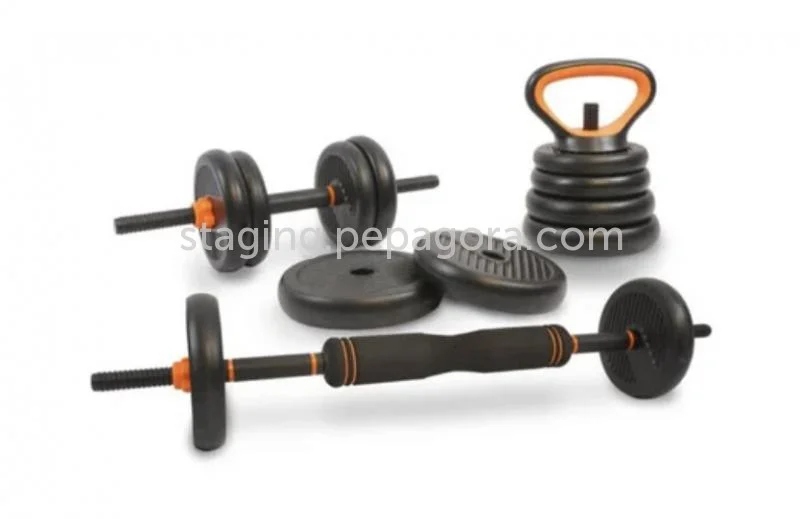
What are Kettlebells?
Kettlebells are versatile fitness tools used in strength training and conditioning. They are typically made from cast iron or other materials and feature a unique design with a handle and a rounded weight. The shape allows for a wide range of exercises that can target various muscle groups. Kettlebells come in different weights, making them suitable for beginners and advanced users alike.
In the business context, kettlebells are utilized in gyms, personal training studios, and physical therapy centers. They are effective for dynamic workouts that improve strength, endurance, and flexibility. Many fitness professionals incorporate kettlebell training into their programs due to its efficiency in delivering full-body workouts in a shorter time frame. The growing trend for functional fitness has led to an increasing demand for kettlebells in the market.
The kettlebell market is expanding rapidly, driven by the rise in health consciousness and the popularity of home fitness solutions. As more businesses look to equip their facilities with versatile training tools, kettlebells have become a staple in both commercial and residential settings. This trend signifies their importance in the fitness industry and their relevance in contemporary workout regimens.
Key Features and Specifications
Kettlebells are designed with specific features that enhance their usability and effectiveness in training. Understanding the key specifications can help buyers make informed decisions.
Key specifications include:
1. Material
- Kettlebells are commonly made from cast iron or competition-grade steel.
- This ensures durability and longevity even with regular use.
2. Weight Options
- Available in a range of weights from 4 kg to 32 kg or more.
- This variety allows users to progress in their training effectively.
3. Handle Design
- The handle is designed for a secure grip, often with a smooth finish.
- A wider handle promotes better control during exercises.
4. Base Stability
- A flat base ensures stability when placing kettlebells down.
- This feature prevents rolling and enhances safety.
5. Size Variability
- Different sizes accommodate various exercises and user preferences.
- Compact designs are available for easy storage and portability.
6. Color Coding
- Some kettlebells are color-coded for easy weight identification.
- This feature simplifies workout setups in gyms.
7. Certification
- Many kettlebells meet industry standards such as CE certification.
- Compliance ensures safety and reliability for users.
8. Customization Options
- Some suppliers offer customization for branding and specific weights.
- This can be beneficial for gyms looking to differentiate their equipment.
In summary, kettlebells are robust, versatile fitness tools that cater to a wide range of users. Their specifications play a crucial role in determining their effectiveness and suitability for various training programs.
Common Applications and Use Cases
Kettlebells are used across multiple industries for various applications.
1. Fitness Centers: Kettlebells are a core component of strength training classes, offering dynamic workouts that engage multiple muscle groups.
2. Personal Training: Trainers often use kettlebells for customized workout plans, focusing on strength, endurance, and functional movement.
3. Rehabilitation Clinics: Kettlebells assist in physical therapy programs, helping patients regain strength and mobility in a controlled manner.
4. Sports Teams: Professional athletes incorporate kettlebell training to enhance their performance through improved strength and agility.
5. Corporate Wellness Programs: Businesses implement kettlebell workouts as part of employee wellness initiatives, promoting health and fitness within the workplace.
6. Home Gyms: With the rise of home workouts, kettlebells have become popular for individuals looking to maintain fitness in a limited space.
7. Military and Tactical Training: Kettlebells are used in training programs to build strength and endurance for physical readiness in demanding environments.
Product Variants and Subcategories
Though specific subcategories are not available, kettlebells can vary in design and functionality.
Standard Kettlebells
These are traditional cast iron kettlebells used for a wide range of workouts. They are ideal for users looking to perform strength training, conditioning, and functional fitness exercises.
Competition Kettlebells
Designed for competitive purposes, these kettlebells have a uniform size regardless of weight. This consistency allows for better handling and is preferred for athletes participating in kettlebell sport competitions.
Adjustable Kettlebells
These kettlebells allow users to modify the weight by adding or removing plates. They are perfect for those who want versatile training options without needing multiple kettlebells.
Benefits and Advantages
Kettlebells offer numerous benefits that make them a valuable addition to any fitness routine.
1. Versatility: Kettlebells can be used for strength training, cardio, and flexibility exercises, making them suitable for various workout styles.
2. Efficient Workouts: They allow for full-body workouts in a shorter time, maximizing exercise benefits while minimizing time spent.
3. Improved Coordination: The dynamic nature of kettlebell movements enhances coordination and balance, which is beneficial for overall fitness.
4. Increased Strength: Kettlebell training effectively builds strength in multiple muscle groups, contributing to improved performance in daily activities.
5. Functional Fitness: Kettlebells mimic real-life movements, making them effective for training that translates to everyday tasks.
6. Adaptability: Suitable for beginners and advanced users, kettlebells can be adjusted in weight and technique to match individual fitness levels.
Buying Guide for B2B Buyers
When sourcing kettlebells, it is essential for buyers to consider several factors to ensure their investment meets their needs.
1. Quality Assessment: Look for kettlebells made from high-quality materials, ensuring durability and safety during use. Check for finishes that prevent wear and tear.
2. Supplier Verification: Vet suppliers to confirm their reliability and reputation. Consider reviewing customer feedback and product certifications to assess credibility.
3. Pricing and MOQ: Evaluate pricing structures and understand minimum order quantities (MOQ) to determine budget compatibility and inventory needs.
4. Delivery and Lead Times: Discuss logistics with suppliers to confirm delivery timelines. Ensure that lead times align with your operational requirements.
5. Compliance Requirements: Be aware of any regulatory standards that kettlebells must meet, such as safety certifications. Compliance ensures that products are safe for users.
Compliance and Certifications
Kettlebells must adhere to specific compliance and certification standards to ensure quality and safety. Relevant quality standards include ISO 9001, which focuses on effective quality management systems. Additionally, some kettlebells carry the CE certification, indicating they meet European safety requirements.
Safety and testing requirements are crucial for kettlebell manufacturers to follow. These may include rigorous testing protocols to ensure products withstand the demands of regular use. Buyers should also consider regional compliance factors that may affect kettlebell specifications and safety standards.
Understanding these compliance requirements helps buyers make informed decisions and ensures that the kettlebells they purchase meet industry standards for quality and safety.
Why Source Kettlebells from Pepagora?
Pepagora provides a trusted platform for sourcing kettlebells with several key advantages.
Verified Supplier Network: Pepagora connects buyers with a network of verified suppliers. This ensures that all suppliers have undergone rigorous vetting processes, providing buyers with peace of mind.
Streamlined RFQ Process: The request for quotation (RFQ) system simplifies the procurement process. Buyers can easily compare prices and specifications from multiple suppliers, facilitating informed purchasing decisions.
Trade Assurance and Support: Pepagora offers trade assurance, protecting buyers throughout the transaction process. This includes support for order tracking and dispute resolution, ensuring a smooth purchasing experience.
Regional Coverage: With a strong presence in India, the GCC, and Southeast Asia, Pepagora's geographic reach allows buyers to access kettlebells from suppliers across multiple regions. This broad coverage enhances options for procurement and supply chain efficiency.

 IN
IN