
 IN
Interlocking Foam Mats
3 products available
What are Interlocking Foam Mats?
Interlocking foam mats are versatile flooring solutions made from high-density foam that can easily connect to one another, forming a seamless surface. These mats are designed to provide cushioning and support, making them suitable for various applications. They are particularly popular in environments where comfort and safety are paramount, such as gyms, play areas, and industrial settings.
The primary uses of interlocking foam mats include creating safe play spaces for children, providing impact-absorbing flooring in fitness centers, and offering protective surfaces in workshops and factories. These mats are also utilized in trade shows and exhibitions, where they serve as temporary flooring solutions that are easy to install and dismantle. With the growing emphasis on safety and comfort in various industries, the demand for interlocking foam mats continues to rise.
In terms of market relevance, interlocking foam mats are increasingly recognized for their aesthetic appeal and functional benefits across different sectors. As businesses focus on creating safer and more engaging environments, these mats have become essential components of workspace and recreational area design.
Key Features and Specifications
Interlocking foam mats come with a range of features that enhance their usability and effectiveness. They are designed for easy installation and maintenance, making them suitable for both permanent and temporary setups. The following key specifications highlight their capabilities:
1. Material Composition
- Made from high-density EVA foam
- Provides durability and resistance to wear and tear
2. Thickness
- Generally available in thicknesses ranging from 0.5 inches to 1 inch
- Thickness influences cushioning and impact absorption
3. Surface Texture
- Available in smooth or textured surfaces
- Textured options enhance grip and reduce slipping
4. Interlocking Mechanism
- Features a simple puzzle-like interlocking design
- Allows for quick assembly and disassembly
5. Color Options
- Offered in various colors and patterns
- Enhances aesthetic appeal and allows customization
6. Water Resistance
- Many mats are resistant to moisture and easy to clean
- Ideal for environments with spills or humidity
7. Weight
- Lightweight design facilitates easy transport and installation
- Typically weighs between 1 to 3 pounds per mat
8. Certifications
- CE certified for safety and quality standards
- Ensures compliance with relevant regulations
These features make interlocking foam mats a practical choice for a wide range of applications.
Common Applications and Use Cases
Interlocking foam mats are utilized across multiple industries due to their versatility and practicality.
1. Fitness and Sports: They provide a safe and cushioned surface for activities such as yoga, martial arts, and weightlifting, reducing the risk of injury.
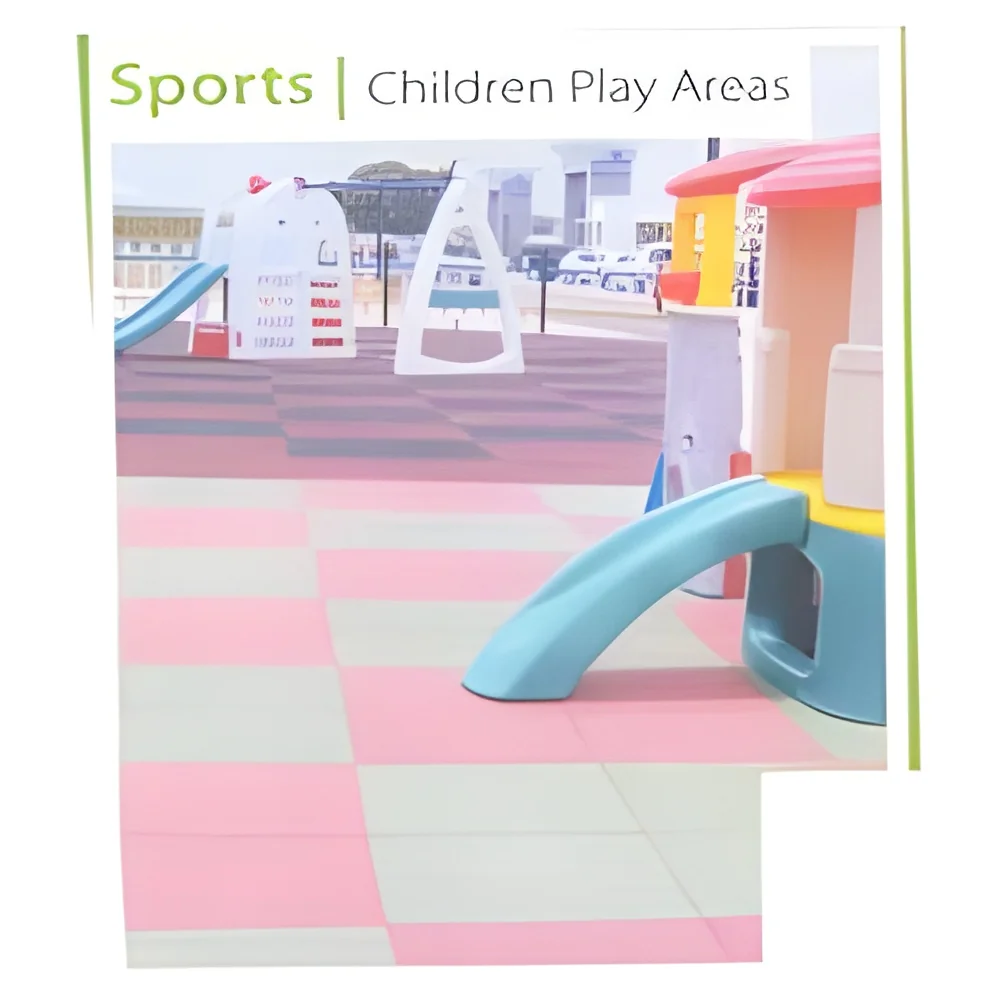
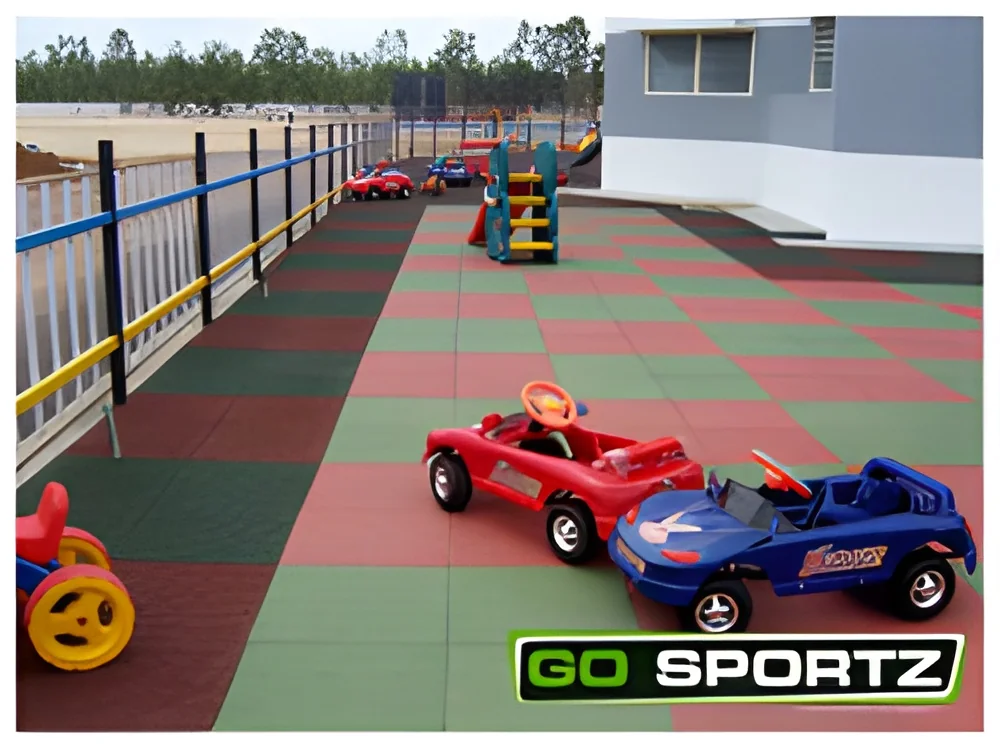
2. Early Childhood Education: Schools and daycare centers use these mats to create safe play areas for young children, promoting a comfortable learning environment.
3. Industrial Settings: Factories and workshops employ foam mats to reduce fatigue for workers who stand for long periods, as well as to minimize the impact of falls.
4. Trade Shows and Events: These mats are often used as temporary flooring solutions in exhibitions, providing a professional appearance while ensuring comfort for attendees.
5. Home Use: Many homeowners use interlocking mats in playrooms or gyms, creating a safe and soft area for activities.
6. Outdoor Activities: Some mats are designed for outdoor use, providing cushioning for picnics, camping, or backyard play.
7. Therapy and Rehabilitation: They are also used in physical therapy settings to create safe and supportive environments for recovery.
Product Variants and Subcategories
Interlocking foam mats come in various designs and styles to cater to specific needs.
Basic Foam Mats
These mats are ideal for general purposes, offering a balance of cushioning and durability. They are suitable for home gyms or play areas.
Anti-Fatigue Mats
Designed specifically for industrial use, these mats provide additional cushioning to reduce worker fatigue in settings where employees stand for long periods.
Puzzle Mats
Featuring a fun, interlocking design, puzzle mats are popular in children’s play areas and recreational spaces, allowing for easy customization and expansion.
The diversity of interlocking foam mats ensures that there is a suitable option for every application.
Benefits and Advantages
Interlocking foam mats offer numerous benefits that make them an attractive choice for B2B buyers.
1. Safety: The cushioned surface provides excellent impact absorption, reducing the risk of injuries in various environments.
2. Easy Installation: The interlocking design allows for quick setup and removal without the need for tools, making them convenient for temporary setups.
3. Versatility: These mats can be used in multiple environments, from gyms to classrooms, making them a cost-effective flooring solution.
4. Aesthetic Appeal: Available in various colors and patterns, interlocking mats can enhance the visual appeal of a space while providing functionality.
5. Low Maintenance: They are easy to clean and maintain, making them suitable for high-traffic areas and environments prone to spills.
6. Customization: Many suppliers offer options for custom designs and sizes, allowing businesses to tailor mat solutions to their specific needs.
Buying Guide for B2B Buyers
When sourcing interlocking foam mats, several factors should be taken into account to ensure the best selection for your needs.
1. Quality Assessment: Look for mats made from high-density materials that offer durability and resistance to wear. Check for certifications to guarantee quality.
2. Supplier Verification: Vet suppliers by reviewing their reputation, customer feedback, and adherence to industry standards. Trustworthy suppliers will provide reliable products.
3. Pricing and MOQ: Understand the pricing structure and minimum order quantities to ensure the purchase aligns with your budget and needs.
4. Delivery and Lead Times: Discuss logistics with suppliers to confirm delivery schedules and lead times, ensuring that your order arrives when needed.
5. Compliance Requirements: Ensure that the mats meet any relevant safety and quality standards, such as CE certification, to comply with industry regulations.
Compliance and Certifications
Interlocking foam mats must adhere to relevant quality and safety standards to ensure they are suitable for various applications. Key certifications include ISO 9001, which signifies that the manufacturing processes meet international quality management standards. Compliance with HACCP and GDP ensures that the products are safe for use in environments where hygiene is critical, such as educational and healthcare facilities.
In addition to quality standards, interlocking foam mats often carry CE certification, indicating compliance with European safety regulations. This certification ensures that the mats have been rigorously tested for safety and performance.
Safety and testing requirements vary by application but may include assessments for slip resistance, impact absorption, and durability. It is also important for businesses to consider regional compliance, as different countries may have specific regulations governing the use of foam products.
Why Source Interlocking Foam Mats from Pepagora?
Pepagora serves as a trusted platform for sourcing interlocking foam mats, offering several advantages to B2B buyers.
Verified Supplier Network: Pepagora maintains a robust network of verified suppliers, ensuring that buyers can access quality products from reputable manufacturers. This verification process helps to mitigate risks associated with sourcing materials.
Streamlined RFQ Process: The platform features a user-friendly request for quotation process, allowing buyers to easily submit their requirements and receive competitive quotes from multiple suppliers.
Trade Assurance and Support: Pepagora provides trade assurance to protect buyers, ensuring that their transactions are secure and that they receive the products as promised. This support builds confidence in the purchasing process.
Regional Coverage: With a broad geographic reach that includes India, the GCC, and Southeast Asia, Pepagora connects buyers with suppliers in various regions, facilitating access to diverse products and competitive pricing.
By choosing Pepagora, buyers can confidently source interlocking foam mats that meet their specific needs while benefiting from a comprehensive support system.

Frequently Asked Questions
What are Interlocking Foam Mats?
Interlocking Foam Mats are cushioning tiles made from high-density foam that fit together seamlessly to create a larger surface. They are commonly used for flooring in gyms, play areas, and other spaces where safety and comfort are priorities.
What are the different types of Interlocking Foam Mats?
There are several types of Interlocking Foam Mats, including EVA foam mats, rubber foam mats, and high-density foam mats. Each type varies in thickness, density, and material composition, catering to different applications such as exercise, play, or flooring.
How do I choose the right Interlocking Foam Mats?
To choose the right Interlocking Foam Mats, consider factors like the intended use, thickness, and material type. Additionally, check for slip resistance, durability, and ease of cleaning to ensure they meet your specific needs.
What are the standard specifications for Interlocking Foam Mats?
Standard specifications for Interlocking Foam Mats include dimensions (usually 2x2 feet), thickness (ranging from 0.5 to 1 inch), and material density. Typical foam density is around 80-100 kg/m3, ensuring adequate support and cushioning.
What is the price range for Interlocking Foam Mats?
The price range for Interlocking Foam Mats typically varies from INR 200 to INR 1,500 per mat, depending on the type, thickness, and manufacturer. Bulk purchases may provide cost advantages.
What quality standards apply to Interlocking Foam Mats?
Interlocking Foam Mats should comply with safety and quality standards such as ASTM and ISO certifications. These standards ensure that the mats are free from harmful chemicals and are safe for use, especially in children's environments.
Where can I find Interlocking Foam Mats suppliers in India?
You can find Interlocking Foam Mats suppliers in India through online B2B marketplaces like Pepagora.com. Additionally, industry trade shows and local directories may provide leads on reputable manufacturers and suppliers.
Can Interlocking Foam Mats be customized?
Yes, many manufacturers offer customization options for Interlocking Foam Mats, including size, color, and printing designs. Customization can help meet specific branding or functional requirements.
What is the typical minimum order quantity for Interlocking Foam Mats?
The typical minimum order quantity (MOQ) for Interlocking Foam Mats can range from 50 to 100 mats, depending on the supplier. It's advisable to check directly with the manufacturer for their specific MOQ requirements.
What is the typical lead time for Interlocking Foam Mats?
The typical lead time for Interlocking Foam Mats is usually between 1 to 4 weeks, depending on the supplier's inventory and the order size. Custom orders may require additional time for production.
Why Businesses Trust Pepagora
Thousands of companies trust Pepagora to source smarter and sell faster
Expand Your Sales Globally

Source Smarter,Grow Faster
