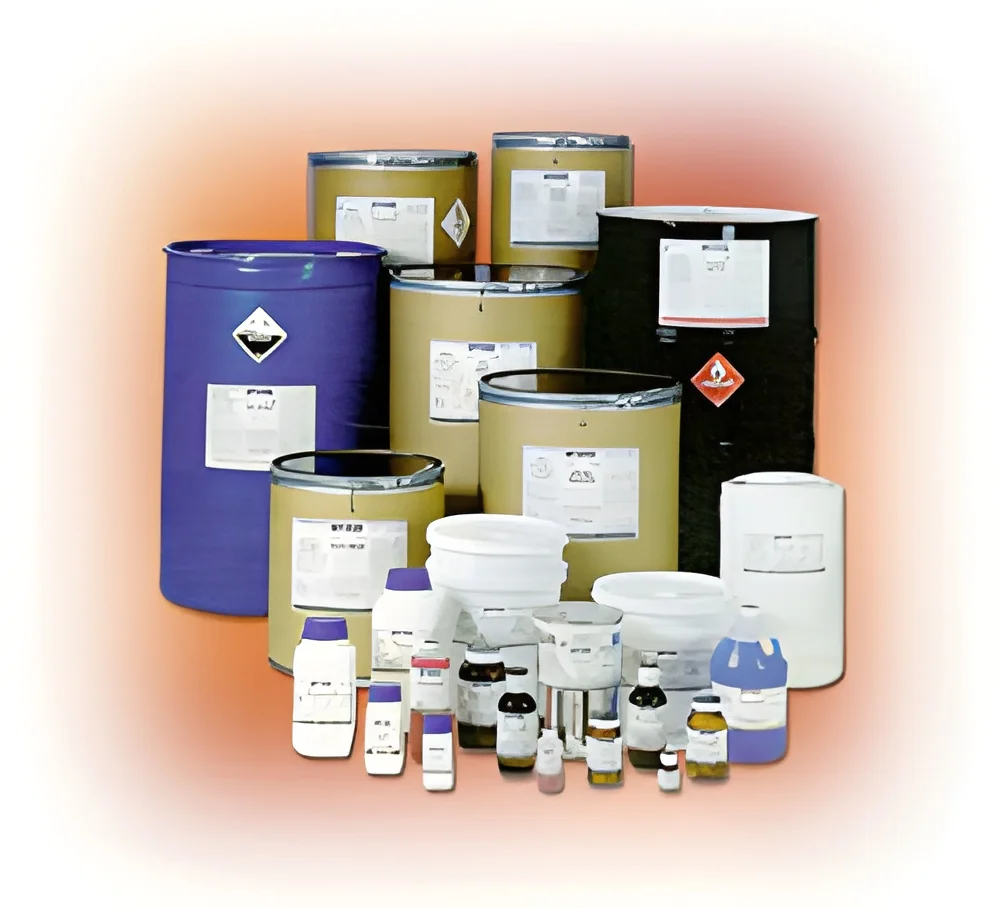
𝗪𝗵𝗮𝘁 𝗮𝗿𝗲 𝗘𝗰𝗼-𝗙𝗿𝗶𝗲𝗻𝗱𝗹𝘆 𝗗𝘆𝗲 𝗨𝗻𝗶𝘁𝘀?
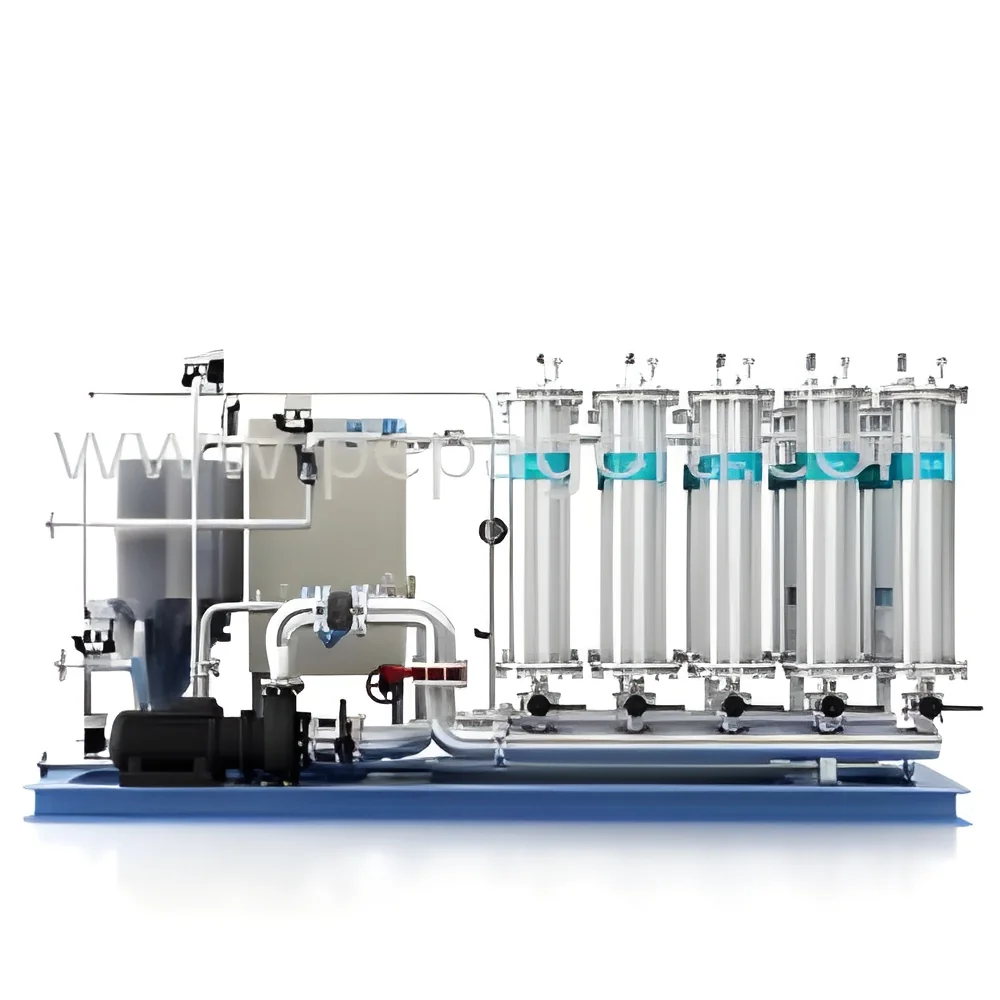
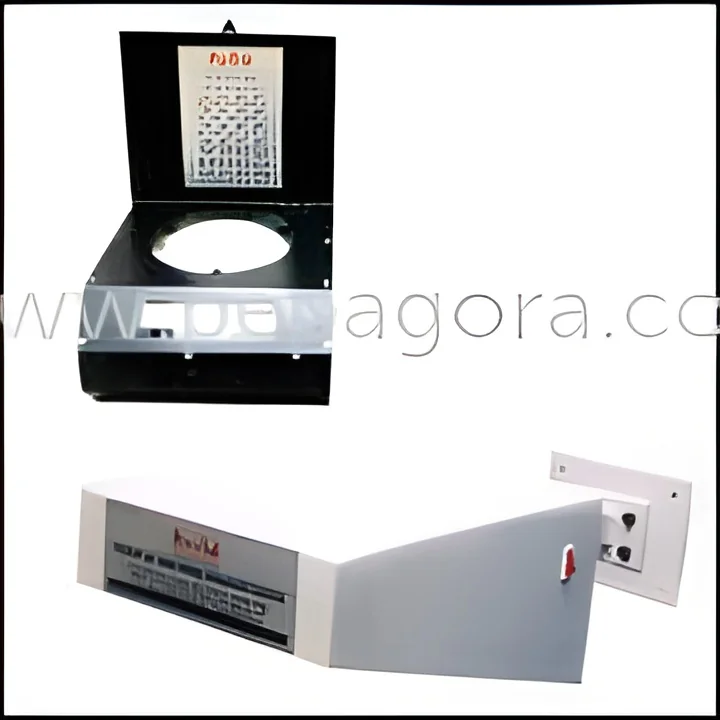
Eco-Friendly Dye Units are specialized equipment designed for the dyeing process while minimizing environmental impact. These units utilize non-toxic dyes and innovative technologies that reduce water consumption and energy usage. The primary goal is to produce high-quality dyed materials without harming the ecosystem, making them a sustainable choice for industries focused on environmental responsibility.
These units are widely used in various sectors, including textiles, plastics, and paper manufacturing. Businesses leverage Eco-Friendly Dye Units to enhance their sustainability credentials while meeting consumer demand for environmentally friendly products. As industries increasingly face pressure to adopt greener practices, Eco-Friendly Dye Units are becoming essential tools for achieving compliance with environmental regulations and meeting corporate sustainability goals.
The relevance of Eco-Friendly Dye Units in the current market cannot be overstated. With a growing emphasis on sustainability, companies are looking for solutions that allow them to maintain productivity while reducing their carbon footprint. As a result, Eco-Friendly Dye Units represent a significant advancement in industrial dyeing technology, aligning with the global shift towards more eco-conscious manufacturing processes.
𝗞𝗲𝘆 𝗙𝗲𝗮𝘁𝘂𝗿𝗲𝘀 𝗮𝗻𝗱 𝗦𝗽𝗲𝗰𝗶𝗳𝗶𝗰𝗮𝘁𝗶𝗼𝗻𝘀
Eco-Friendly Dye Units are equipped with several advanced features that enhance their efficiency and sustainability. These specifications ensure that they meet the diverse needs of various industries while maintaining a commitment to eco-friendliness.
Key specifications include:
1. Energy Efficiency
- Designed to minimize energy consumption during operation
- Features such as variable speed drives and insulated components
2. Water Consumption Control
- Advanced systems that significantly reduce water usage
- Recycle and reuse capabilities for dyeing processes
3. Non-Toxic Dye Compatibility
- Compatible with a range of eco-friendly dyes
- Supports compliance with environmental regulations
4. User-Friendly Control Systems
- Intuitive interfaces for easy operation and monitoring
- Options for remote operation and data logging
5. Durable Construction
- Built using high-quality, sustainable materials
- Designed for longevity and low maintenance
6. Temperature Regulation
- Precise temperature control for optimal dyeing results
- Capable of handling varying dyeing temperatures
7. Modular Design
- Flexible configurations to meet specific production needs
- Easy integration with existing production lines
8. Safety Features
- Equipped with safety mechanisms to protect operators
- Compliance with industry safety standards
In summary, these specifications highlight the advanced technology and eco-friendly focus of Eco-Friendly Dye Units, making them an attractive choice for businesses aiming to reduce their environmental impact while maintaining production efficiency.
𝗖𝗼𝗺𝗺𝗼𝗻 𝗔𝗽𝗽𝗹𝗶𝗰𝗮𝘁𝗶𝗼𝗻𝘀 𝗮𝗻𝗱 𝗨𝘀𝗲 𝗖𝗮𝘀𝗲𝘀
Eco-Friendly Dye Units cater to a variety of industries, each utilizing the technology for specific applications.
1. Textile Industry: Eco-Friendly Dye Units are commonly used to dye fabrics while adhering to sustainability goals. They help reduce water and energy consumption while ensuring vibrant color retention.
2. Plastics Manufacturing: These units enable the dyeing of plastic products in an eco-conscious manner, allowing manufacturers to produce colored items without compromising environmental standards.
3. Paper Industry: Eco-Friendly Dye Units are utilized in paper dyeing processes, providing an environmentally friendly alternative to traditional dyeing methods, which often involve harmful chemicals.
4. Leather Processing: The units are used to dye leather in a way that minimizes water waste and uses biodegradable dyes, appealing to environmentally aware consumers.
5. Home Furnishings: Manufacturers of eco-friendly home textiles, such as curtains and upholstery, employ these units to ensure their products are dyed sustainably.
6. Automotive Sector: Eco-Friendly Dye Units are increasingly being adopted for dyeing automotive fabrics, contributing to the industry's shift towards sustainable practices.
7. Cosmetics and Personal Care: These units can also be used for dyeing packaging materials, aligning with brands that prioritize sustainability in their product offerings.
𝗣𝗿𝗼𝗱𝘂𝗰𝘁 𝗩𝗮𝗿𝗶𝗮𝗻𝘁𝘀 𝗮𝗻𝗱 𝗦𝘂𝗯𝗰𝗮𝘁𝗲𝗴𝗼𝗿𝗶𝗲𝘀
Eco-Friendly Dye Units are available in various configurations to serve diverse needs across industries.
Compact Dye Unit
This variant is designed for smaller production facilities or businesses with limited space. It offers high efficiency in a compact form, making it ideal for small batch dyeing while still ensuring eco-friendly practices.
High-Volume Dye Unit
Tailored for large-scale production, this unit handles high volumes of materials efficiently. It incorporates advanced technology to optimize dyeing processes while maintaining low environmental impact.
Portable Dye Unit
This variant is designed for on-site dyeing applications. Its portability allows businesses to dye materials at various locations while ensuring compliance with eco-friendly standards.
𝗕𝗲𝗻𝗲𝗳𝗶𝘁𝘀 𝗮𝗻𝗱 𝗔𝗱𝘃𝗮𝗻𝘁𝗮𝗴𝗲𝘀
Eco-Friendly Dye Units come with numerous benefits that make them an attractive option for businesses.
1. Environmental Compliance: By using these units, companies can adhere to stringent environmental regulations, minimizing their ecological impact.
2. Cost Savings: Reduced water and energy consumption lead to lower operational costs, making these units economically favorable in the long run.
3. Enhanced Brand Reputation: Utilizing Eco-Friendly Dye Units demonstrates a commitment to sustainability, enhancing a brand's image and appeal to eco-conscious consumers.
4. Improved Product Quality: Advanced dyeing technology ensures consistent and high-quality dye results, which can lead to better customer satisfaction.
5. Innovation Support: These units incorporate cutting-edge technologies that support the continuous improvement of dyeing processes.
6. Market Competitiveness: Businesses that adopt Eco-Friendly Dye Units can differentiate themselves in the market, attracting customers who prioritize sustainability.
𝗕𝘂𝘆𝗶𝗻𝗴 𝗚𝘂𝗶𝗱𝗲 𝗳𝗼𝗿 𝗕𝟮𝗕 𝗕𝘂𝘆𝗲𝗿𝘀
When sourcing Eco-Friendly Dye Units, several factors should be taken into account to ensure a successful purchase.
1. Quality Assessment: Evaluate the quality of the units by reviewing specifications, customer feedback, and performance metrics. Ensure the units meet industry standards for durability and efficiency.
2. Supplier Verification: Conduct thorough vetting of suppliers to confirm their reputation and reliability. Look for certifications that indicate compliance with quality and environmental standards.
3. Pricing and MOQ: Understand the pricing structure and minimum order quantities that suppliers require. Compare costs to ensure you are getting competitive pricing without sacrificing quality.
4. Delivery and Lead Times: Discuss logistics with potential suppliers to determine delivery timelines and ensure they align with your production schedules.
5. Compliance Requirements: Verify that the units meet all relevant regulatory standards for your industry. This includes certifications for safety, environmental impact, and operational efficiency.
𝗖𝗼𝗺𝗽𝗹𝗶𝗮𝗻𝗰𝗲 𝗮𝗻𝗱 𝗖𝗲𝗿𝘁𝗶𝗳𝗶𝗰𝗮𝘁𝗶𝗼𝗻𝘀
Eco-Friendly Dye Units must comply with various quality standards and certifications to ensure they meet industry requirements.
ISO 9001 is a widely recognized standard that outlines criteria for a quality management system, ensuring that production processes are efficient and effective.
HACCP and GDP standards are relevant for businesses in the food and pharmaceutical sectors, ensuring that any dyes used do not pose a risk to health or safety.
CE certification indicates that the equipment meets European safety, health, and environmental protection standards, which is crucial for international trade.
Safety and testing requirements are essential to guarantee that Eco-Friendly Dye Units operate safely and reliably within manufacturing environments.
Regional compliance considerations may vary, so businesses should be aware of local regulations impacting the use and operation of dyeing equipment.
𝗪𝗵𝘆 𝗦𝗼𝘂𝗿𝗰𝗲 𝗘𝗰𝗼-𝗙𝗿𝗶𝗲𝗻𝗱𝗹𝘆 𝗗𝘆𝗲 𝗨𝗻𝗶𝘁𝘀 𝗳𝗿𝗼𝗺 𝗣𝗲𝗽𝗮𝗴𝗼𝗿𝗮?
Pepagora provides a trusted platform for sourcing Eco-Friendly Dye Units, offering several key advantages for businesses.
Verified Supplier Network: Pepagora connects buyers with a network of verified suppliers who specialize in eco-friendly solutions. This ensures that buyers can trust the quality and sustainability of the products offered.
Streamlined RFQ Process: The platform features an efficient Request for Quotation (RFQ) system, allowing buyers to obtain quotes quickly and compare offers from multiple suppliers. This simplifies the sourcing process.
Trade Assurance and Support: Pepagora offers trade assurance programs that protect buyers throughout the purchasing process. This includes support for resolving issues and ensuring product quality.
Regional Coverage: With a strong presence in regions such as India, the GCC, and Southeast Asia, Pepagora provides comprehensive coverage for businesses looking to source Eco-Friendly Dye Units in these markets. This regional focus ensures timely access to suppliers and products that meet local demands.

 IN
IN