IN
IN₹
Description
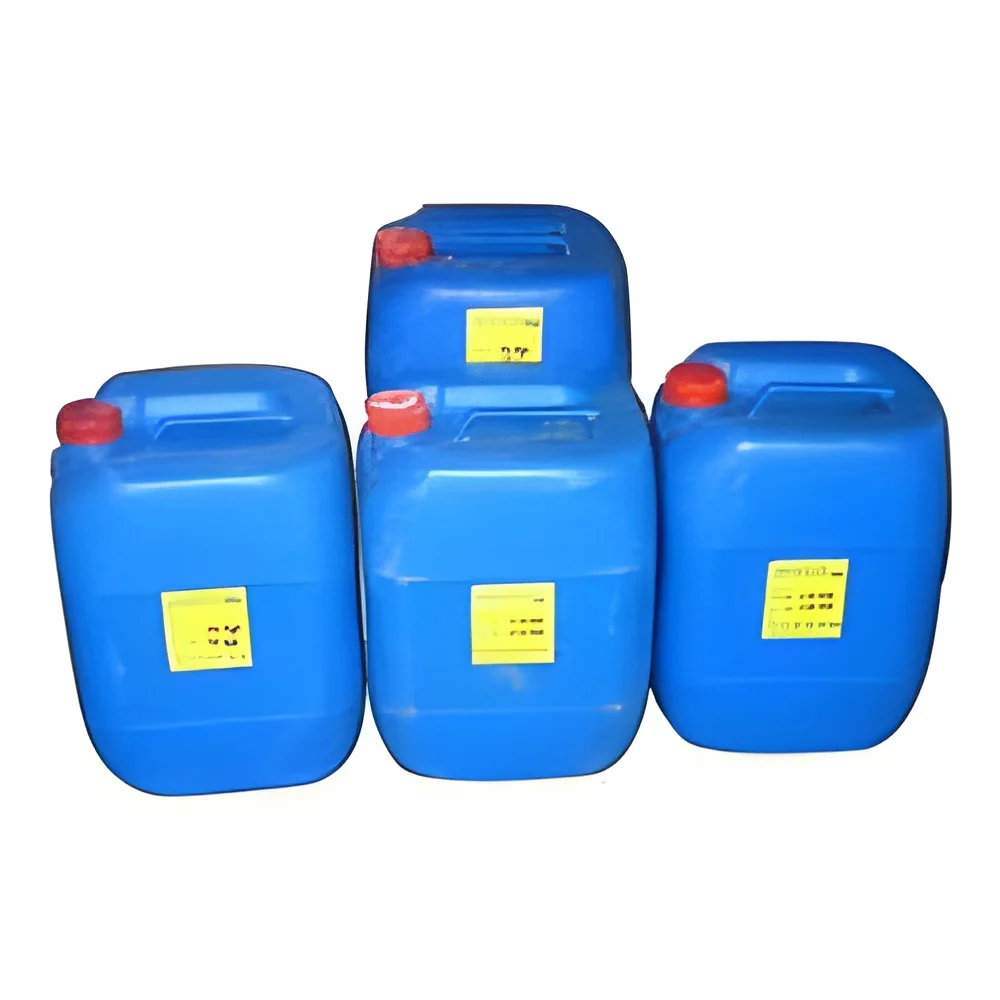
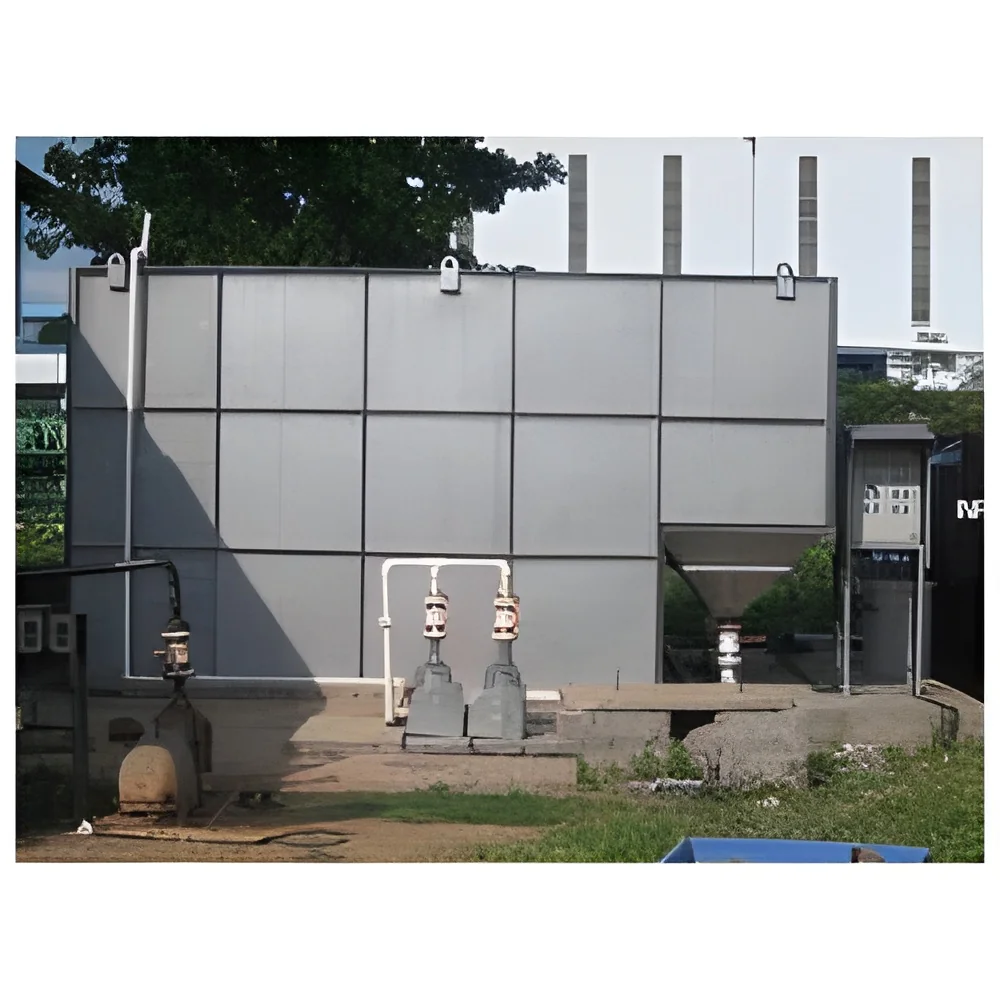
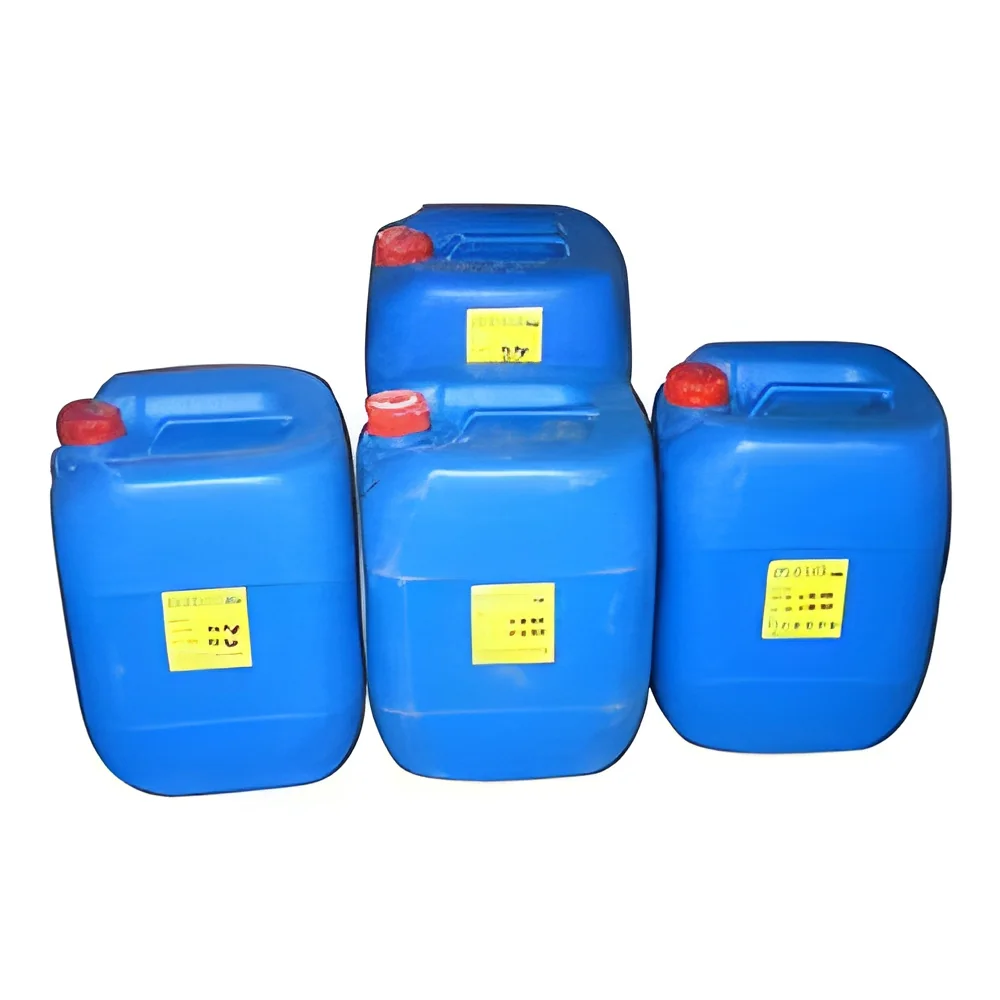
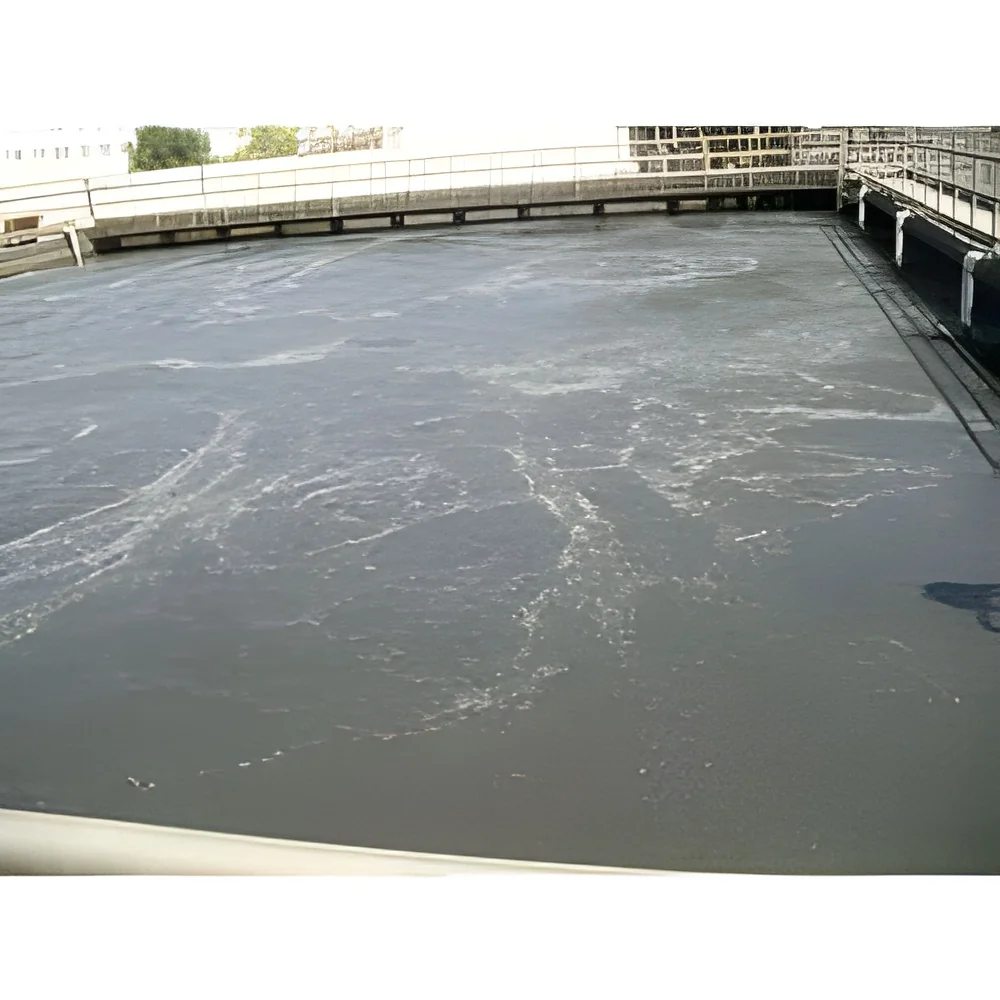
Our advanced biotechnology-based textile dye effluent treatment system represents a significant advancement in sustainable wastewater management for textile manufacturing. This biological treatment method completely replaces conventional chemical processes, offering complete decolorization while significantly reducing COD and BOD levels. Unlike traditional approaches, it produces zero chemical sludge and reduces biological sludge by 30-40%, substantially lowering handling and disposal expenses. The system operates seamlessly with existing ultrafiltration and reverse osmosis units without causing downstream processing complications. Designed for straightforward integration into current infrastructure, it requires minimal capital investment, providing an immediately accessible solution for textile manufacturers seeking enhanced effluent treatment performance.

The textile industry operates under strict environmental regulations concerning colored effluent discharge, making our biological...
Our advanced biotechnology-based textile dye effluent treatment system represents a significant advancement in sustainable wastewater management for textile manufacturing. This biological treatment method completely replaces conventional chemical processes, offering complete decolorization while significantly reducing COD and BOD levels. Unlike traditional approaches, it produces zero chemical sludge and reduces biological sludge by 30-40%, substantially lowering handling and disposal expenses. The system operates seamlessly with existing ultrafiltration and reverse osmosis units without causing downstream processing complications. Designed for straightforward integration into current infrastructure, it requires minimal capital investment, providing an immediately accessible solution for textile manufacturers seeking enhanced effluent treatment performance.

The textile industry operates under strict environmental regulations concerning colored effluent discharge, making our biological treatment system essential for compliance-focused operations. Cotton processing facilities benefit from its capacity to manage reactive dye effluents, while synthetic textile mills find it equally effective for polyester and blended fabric wastewater treatment. Composite textile plants with multiple dyeing processes utilize this system for unified effluent management across different production lines. Export-oriented manufacturing units particularly value this solution for meeting international environmental standards and customer requirements for sustainable production practices. The technology serves dye houses, fabric processing units, and garment manufacturing facilities aiming to improve their environmental performance while maintaining production efficiency.

This biotechnology-based treatment delivers substantial operational value through cost savings and regulatory compliance assurance. By eliminating chemical sludge production, manufacturers achieve significant reductions in sludge handling, transportation, and disposal expenses. The 30-40% reduction in biological sludge further enhances these savings while simplifying overall waste management processes. System reliability is inherent in the biological treatment process, which consistently maintains performance standards without the fluctuations common in chemical-based systems. The technology demonstrates particular effectiveness in managing variable effluent loads and composition changes, ensuring stable operation under real-world manufacturing conditions. The system's robust design ensures long-term performance consistency across diverse textile processing environments.

Key Features:
- Complete decolorization capability for textile dye effluents
- Zero chemical sludge production throughout treatment process
- 30-40% reduction in biological sludge generation
- Seamless integration with existing UF and RO systems
- Minimal infrastructure modifications required for installation

Benefits:
- Significant reduction in sludge handling and disposal costs
- Consistent compliance with environmental discharge regulations
- Reliable performance with variable effluent loads and compositions
- Enhanced operational efficiency through simplified waste management
- Long-term cost savings through reduced chemical and maintenance requirements
Specifications
| Additional Information | |
|---|---|
| Country of Origin | India |
Application
This biotechnology-based effluent treatment system effectively manages textile dye wastewater from various manufacturing processes. It handles high-color intensity effluents from reactive, direct, and acid dyes while eliminating chemical sludge formation. The biological process integrates seamlessly with existing UF and RO systems without disrupting downstream operations or requiring major infrastructure changes.
The solution serves textile mills, dyeing houses, and fabric processing units across multiple industry segments. It treats wastewater from cotton, polyester, and blended fabric processing while maintaining operational efficiency and regulatory compliance. The system reduces biological sludge by 30-40% and completely eliminates chemical sludge handling costs, making it suitable for diverse textile manufacturing environments.
- Treating colored effluent from reactive dye baths in cotton textile manufacturing
- Processing wastewater from polyester fabric dyeing operations in synthetic textile mills
- Managing effluent from garment washing units and denim processing facilities
- Handling wastewater from textile printing operations and dye intermediate manufacturing
- Treating effluents from composite textile mills with multiple dyeing and processing units
Trade Details
| Available Stock | In Stock |
| Sample Availability | No |
Payment Terms
| Payment Terms |
|
Company Profile
Vns Enviro Biotechq Pvt Ltd, Tamil Nadu
 Tamil Nadu, India
Tamil Nadu, IndiaRaw Materials & Chemicals•Manufacturer
Factory Details
Factory SizeBelow 1000 sqm
Annual Production Capacity0
Main Markets
South Asia
Textile Dye Effluent Treatment System For Decolorization And COD Reduction
Advanced biotechnology textile dye effluent treatment system for complete decolorization and COD reduction. Ideal for textile manufacturers seeking sustainable wastewater solutions with zero chemical sludge production and reliable performance.
Min. Order Quantity: 1 unit
Shipping
Shipping fee and delivery date to be negotiated. Contact supplier now for more details.
Vns Enviro Biotechq Pvt Ltd
 Tamil Nadu, India
Tamil Nadu, IndiaRaw Materials & ChemicalsManufacturer