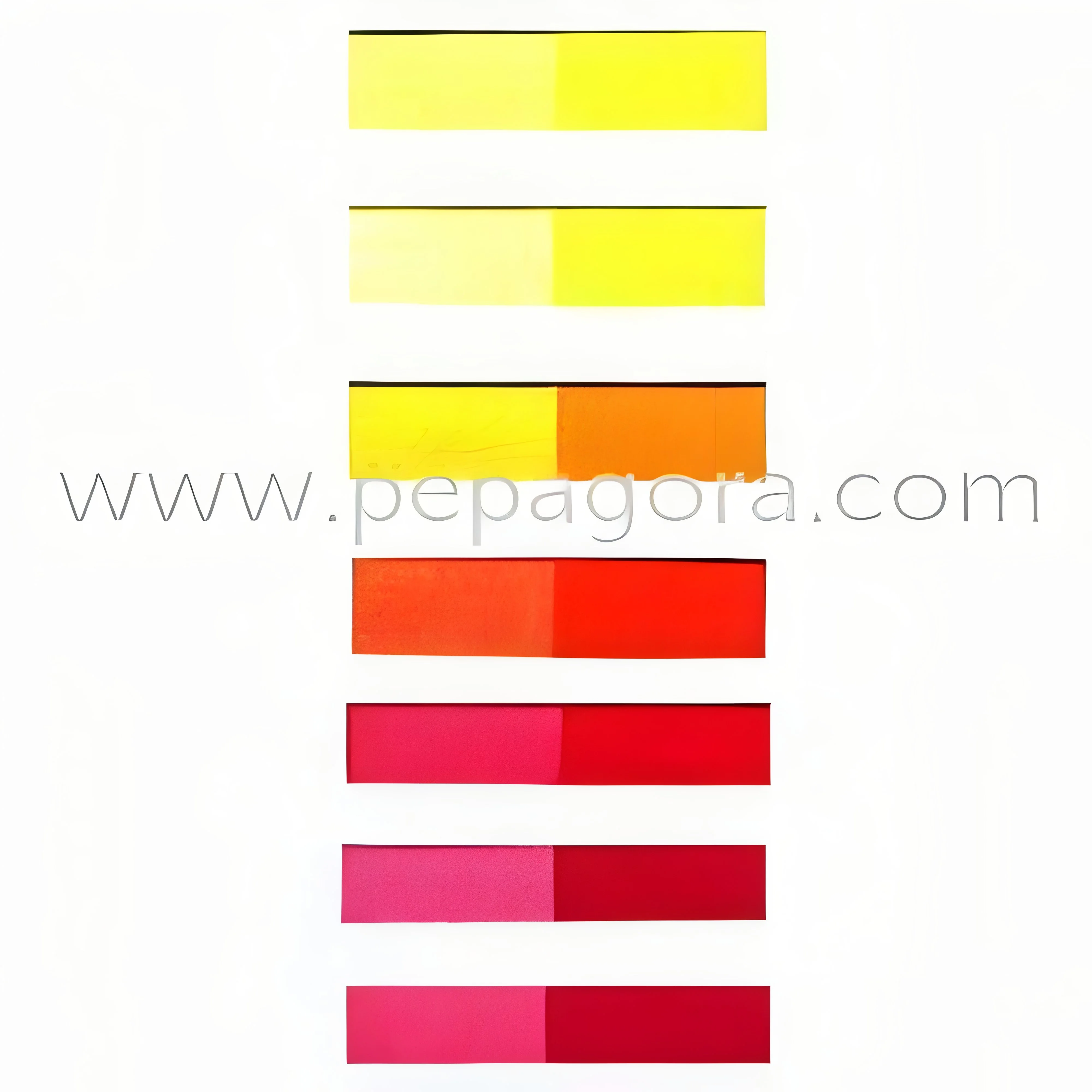
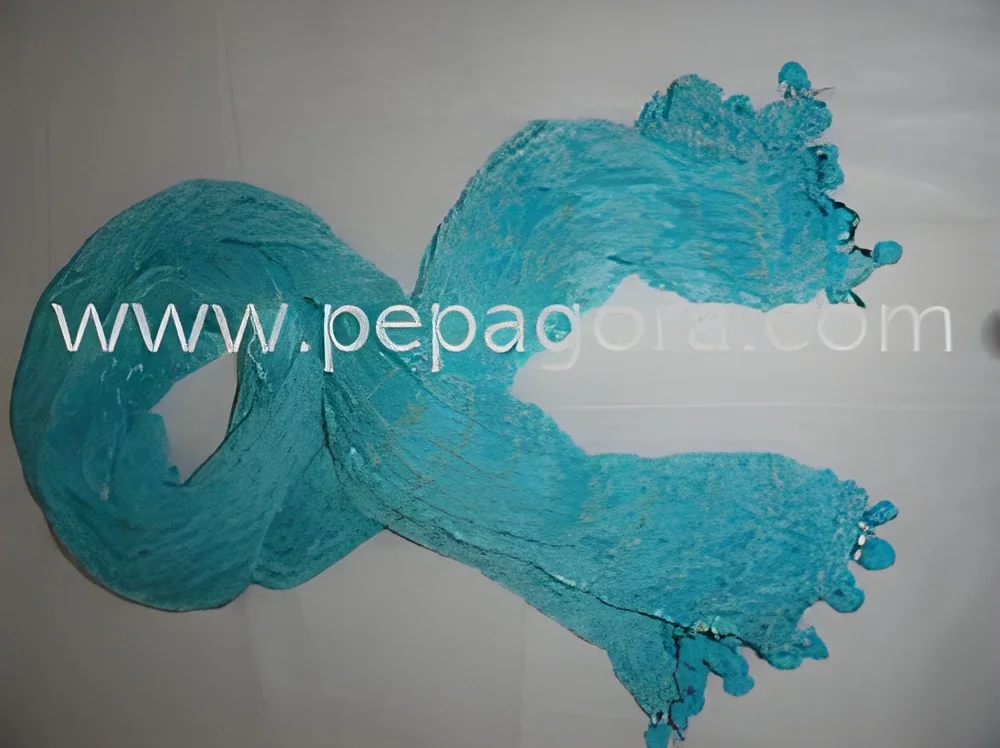
What are Organic Cotton Eco Dyeing?
Organic Cotton Eco Dyeing refers to the process of dyeing fabrics made from organic cotton using environmentally friendly methods. This approach emphasizes the use of natural dyes and sustainable practices, reducing the environmental impact associated with traditional dyeing processes. Organic cotton is grown without synthetic pesticides or fertilizers, ensuring that the cotton fibers are free from harmful chemicals. The eco-dyeing process typically involves using plant-based dyes, which are biodegradable and less harmful to the ecosystem.
The primary applications of Organic Cotton Eco Dyeing span various industries, including fashion, home textiles, and upholstery. Businesses in these sectors are increasingly prioritizing sustainability, making eco-dyed organic cotton an attractive option. The textile market is evolving towards greener alternatives, and organic cotton dyed with natural methods meets the growing consumer demand for sustainable products. This shift is crucial for companies looking to enhance their brand reputation and appeal to eco-conscious customers.
The relevance of Organic Cotton Eco Dyeing in today's market is substantial. As industries face pressure to adopt sustainable practices, eco-dyeing aligns with global initiatives aimed at reducing environmental footprints. Companies that invest in organic cotton and eco-friendly dyeing processes are better positioned to capitalize on the expanding market for sustainable textiles.
Key Features and Specifications
Organic Cotton Eco Dyeing offers several key features that distinguish it from traditional dyeing methods. These features not only enhance the quality of the final product but also contribute to environmental sustainability.
Key specifications include:
1. Natural Dyes
- Derived from plants, fruits, and minerals
- Non-toxic and biodegradable properties
2. Chemical-Free Processing
- No synthetic chemicals used in production
- Safe for consumers and the environment
3. Color Fastness
- High resistance to fading and washing
- Ensures longevity of dyed fabrics
4. Breathability
- Organic cotton fibers allow for better air circulation
- Comfortable for wear and use
5. Eco-Friendly Certifications
- Compliance with standards like CE
- Verification of sustainable practices
6. Versatile Applications
- Suitable for clothing, home textiles, and accessories
- Adaptable to various design needs
In summary, Organic Cotton Eco Dyeing is characterized by its use of natural dyes, chemical-free processing, and environmentally responsible practices, making it a vital component of the sustainable textile industry.
Common Applications and Use Cases
Organic Cotton Eco Dyeing finds utility across a range of industries, each benefiting from its unique properties.
1. Fashion Industry: Designers are increasingly using eco-dyed organic cotton for clothing lines that appeal to environmentally conscious consumers. This trend supports ethical fashion movements and sustainable collections.
2. Home Textiles: Eco-dyed organic cotton is popular in bedding and curtains, offering an organic alternative that is safe for households, especially those with children or allergies.
3. Upholstery: Furniture manufacturers are incorporating organic cotton for upholstery, providing customers with stylish, sustainable options that are both durable and attractive.
4. Baby Products: The softness and safety of organic cotton make it ideal for baby clothes, blankets, and toys, ensuring that products are gentle on sensitive skin.
5. Activewear: The breathability and comfort of organic cotton make it suitable for activewear, appealing to consumers looking for sustainable options in their fitness gear.
6. Accessories: Bags, hats, and other accessories made from eco-dyed organic cotton support sustainable fashion choices, allowing consumers to make environmentally friendly decisions.
Product Variants and Subcategories
There is a range of product variants within the Organic Cotton Eco Dyeing category, catering to diverse consumer needs.
Organic Cotton T-Shirts: These garments are dyed using natural methods, providing a soft, comfortable fit. They are popular for casual wear and branded apparel, appealing to eco-conscious consumers.
Organic Cotton Bed Linens: These linens, dyed with eco-friendly processes, offer a luxurious feel and are safe for all skin types. They are a preferred choice for sustainable home decor.
Organic Cotton Canvas: This durable material is often used for bags and accessories. Its natural dyeing process enhances its appeal for environmentally friendly products.
Organic Cotton Scarves: Lightweight and dyed with natural colors, these scarves are both fashionable and sustainable, making them ideal for eco-conscious fashion lovers.
Benefits and Advantages
Organic Cotton Eco Dyeing presents numerous benefits that make it a valuable choice for businesses and consumers alike.
Key benefits include:
1. Environmental Sustainability: The use of natural dyes and organic cotton significantly reduces the ecological impact of textile production.
2. Healthier Products: Chemical-free dyes and materials lead to healthier end products, minimizing risks associated with synthetic chemicals.
3. Enhanced Brand Image: Companies that adopt eco-friendly practices can improve their brand reputation, attracting a growing demographic of environmentally conscious consumers.
4. Market Differentiation: Offering organic cotton products allows businesses to stand out in a crowded market, appealing to niche segments focused on sustainability.
5. Versatile Use: Eco-dyed fabrics can be utilized in various applications, from fashion to home textiles, broadening market opportunities.
6. Compliance with Regulations: Sourcing organic and eco-friendly materials helps businesses meet increasing regulatory demands for sustainable practices.
Buying Guide for B2B Buyers
When sourcing Organic Cotton Eco Dyeing, several factors should be considered to ensure quality and reliability.
1. Quality Assessment: Evaluate the organic certification of cotton and the source of dyes. Look for suppliers who can provide documentation that verifies the organic status and dye methods used.
2. Supplier Verification: It is crucial to vet suppliers for their commitment to sustainability practices. Check for certifications and reviews to ensure they align with your business values.
3. Pricing and MOQ: Understand the pricing structure for organic cotton products and the minimum order quantities. This information is vital for budgeting and inventory planning.
4. Delivery and Lead Times: Discuss logistics with suppliers to ensure timely delivery. Consider lead times in your production schedule to avoid delays.
5. Compliance Requirements: Ensure that the products meet relevant compliance standards for your market. Regulatory requirements may vary by region and industry.
Compliance and Certifications
Compliance and certifications are critical aspects of Organic Cotton Eco Dyeing that ensure product safety and sustainability. Relevant quality standards such as ISO 9001 and HACCP help regulate manufacturing processes, ensuring consistency and safety in production.
Additionally, industry certifications like CE provide assurance that products meet essential health and safety requirements. These certifications are especially important in markets with strict regulations regarding textile standards.
Safety and testing requirements must also be adhered to during the production of organic cotton products. This includes testing for harmful substances and ensuring that the dyes used are safe for consumer use.
Regional compliance considerations vary, with different countries having specific regulations governing organic products and eco-friendly practices. Businesses must be aware of these requirements to ensure compliance in their target markets.
Why Source Organic Cotton Eco Dyeing from Pepagora?
Pepagora provides a trusted platform for sourcing Organic Cotton Eco Dyeing, offering several key advantages to B2B buyers.
Verified Supplier Network: Pepagora connects buyers with a network of verified suppliers who adhere to sustainable practices. This ensures that businesses can source high-quality organic cotton products with confidence.
Streamlined RFQ Process: The Request for Quotation (RFQ) process on Pepagora is designed to be efficient and user-friendly. Buyers can easily submit their requirements and receive competitive quotations from multiple suppliers.
Trade Assurance and Support: Pepagora offers trade assurance to protect buyers during transactions. This includes support throughout the purchasing process, ensuring that buyers receive what they expect.
Regional Coverage: Pepagora's geographic reach spans India, the GCC, and Southeast Asia, making it easier for businesses to find reliable suppliers in key markets. This regional focus enhances the chances of finding optimal sourcing solutions for organic cotton products.

 IN
IN