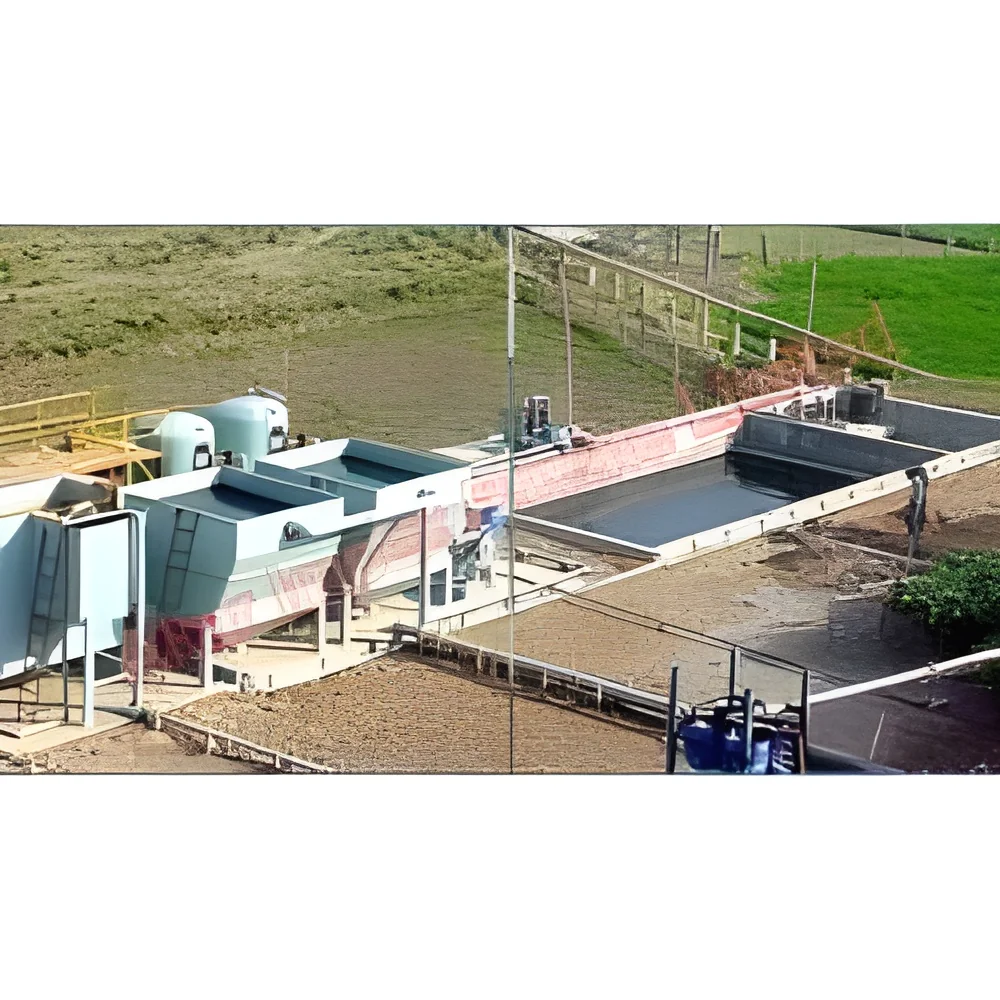
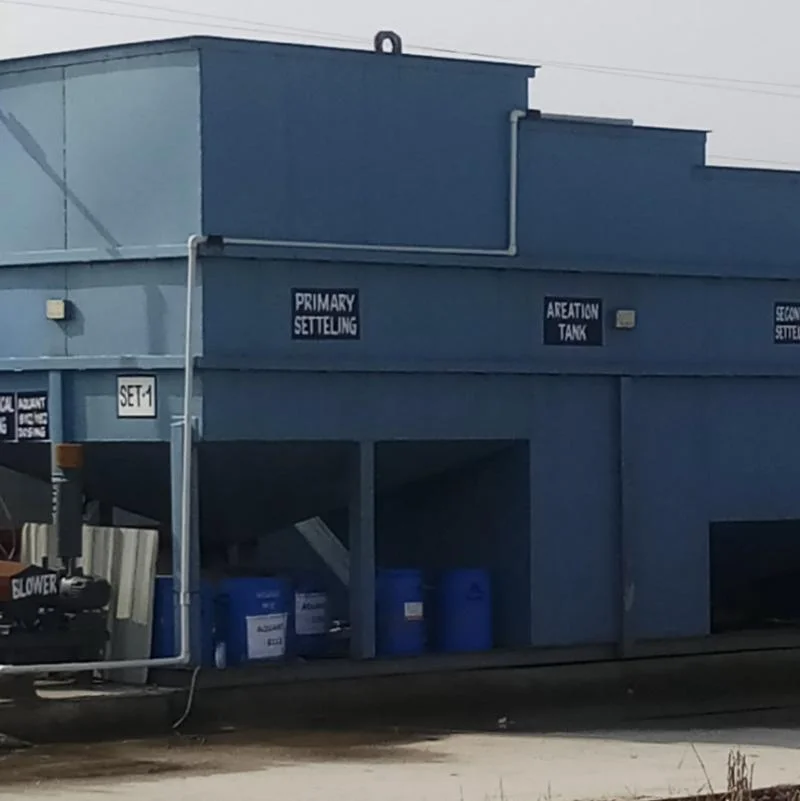
𝗪𝗵𝗮𝘁 𝗮𝗿𝗲 𝗪𝗮𝘀𝘁𝗲𝘄𝗮𝘁𝗲𝗿 𝗧𝗿𝗲𝗮𝘁𝗺𝗲𝗻𝘁-𝗘𝗻𝗮𝗯𝗹𝗲𝗱 𝗗𝘆𝗲 𝗛𝗼𝘂𝘀𝗲𝘀?
Wastewater Treatment-Enabled Dye Houses are specialized facilities designed to manage the dyeing process in textiles while ensuring the effective treatment of wastewater generated during production. These facilities integrate advanced wastewater treatment technologies to minimize environmental impact and comply with stringent regulations. By treating water before it is discharged, these dye houses not only reduce pollution but also conserve water resources and enhance sustainability in the textile industry.
The primary uses of these dye houses include processing fabrics and yarns for various applications in the fashion, automotive, and home textiles sectors. They are crucial in ensuring that the dyeing process is not only efficient but also responsible, addressing the growing concerns around environmental sustainability. Businesses leveraging these facilities can benefit from improved brand reputation and compliance with environmental regulations, which are increasingly becoming mandatory in many regions.
As the global textile market continues to expand, the relevance of Wastewater Treatment-Enabled Dye Houses becomes more pronounced. With increasing environmental regulations and consumer demand for sustainable practices, these facilities are essential for companies looking to differentiate themselves in a competitive landscape. The integration of wastewater treatment systems is not just a regulatory requirement but also a business strategy that aligns with global sustainability goals.
𝗞𝗲𝘆 𝗙𝗲𝗮𝘁𝘂𝗿𝗲𝘀 𝗮𝗻𝗱 𝗦𝗽𝗲𝗰𝗶𝗳𝗶𝗰𝗮𝘁𝗶𝗼𝗻𝘀
Wastewater Treatment-Enabled Dye Houses come with various features that enhance their performance and compliance. These features are designed to address the efficiency of dyeing processes while ensuring that wastewater is treated effectively.
Key specifications include:
1. Wastewater Treatment Capacity
- Designed to handle large volumes of wastewater generated from dye processes
- Technical parameters vary based on facility size and production scale
2. Compliance with Environmental Regulations
- Meets local and international standards for wastewater discharge
- Adheres to regulations such as CE certification
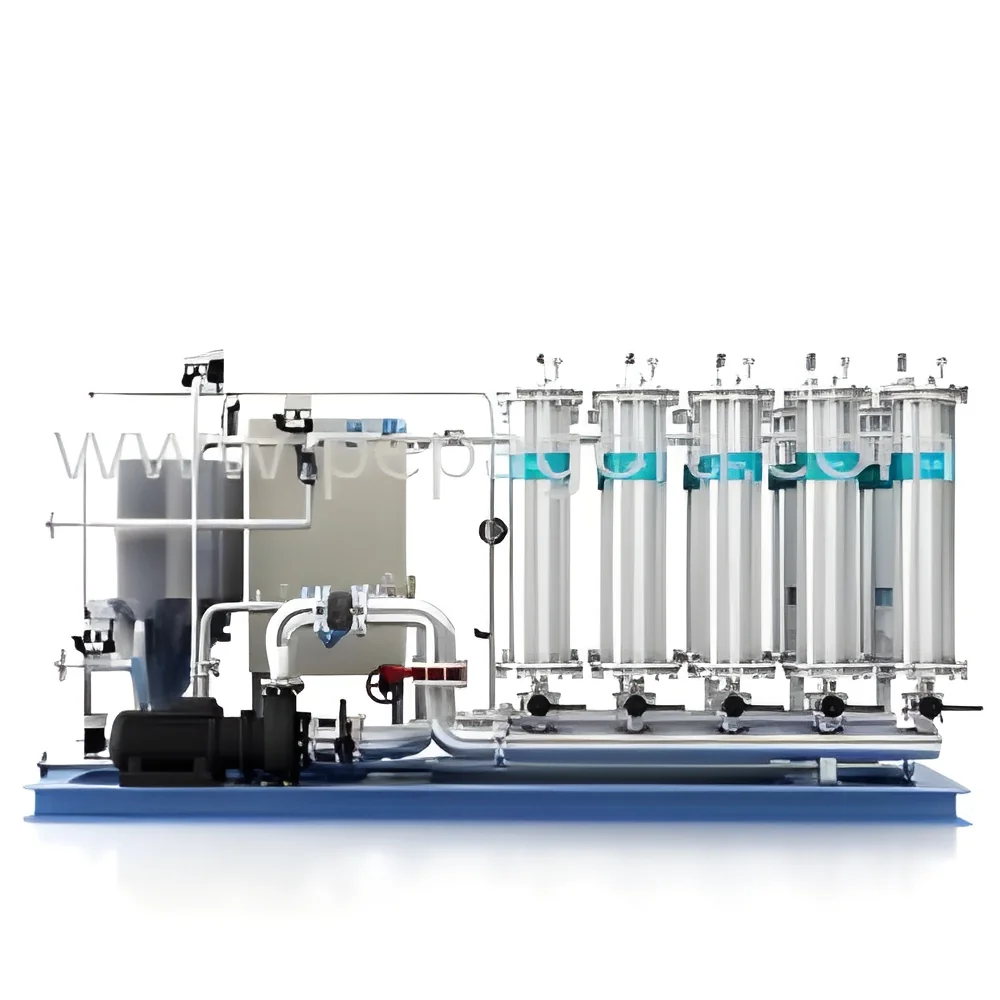
3. Advanced Filtration Systems
- Incorporates multiple filtration stages to remove contaminants
- Capable of handling various dye types and chemical compositions
4. Energy Efficiency
- Utilizes technologies that reduce energy consumption during treatment
- Supports sustainable practices by minimizing operational costs
5. Automation and Monitoring
- Equipped with automated systems for real-time monitoring of water quality
- Enhances operational efficiency and data tracking
6. Modular Design
- Allows for scalability and customization based on specific needs
- Facilitates easy upgrades as technology advances
7. User-Friendly Control Systems
- Simplifies operation through intuitive interfaces
- Reduces the need for extensive operator training
8. Emergency Bypass Features
- Ensures continued operation during system failures
- Protects against environmental breaches
These specifications ensure that Wastewater Treatment-Enabled Dye Houses operate effectively, providing a sustainable solution for the textile industry.
𝗖𝗼𝗺𝗺𝗼𝗻 𝗔𝗽𝗽𝗹𝗶𝗰𝗮𝘁𝗶𝗼𝗻𝘀 𝗮𝗻𝗱 𝗨𝘀𝗲 𝗖𝗮𝘀𝗲𝘀
Wastewater Treatment-Enabled Dye Houses serve a variety of industries, each with its unique requirements and applications.
1. Textile Industry: These dye houses are primarily used for dyeing fabrics and yarns, ensuring that wastewater is treated to meet environmental standards before discharge.
2. Automotive Industry: Dye houses are utilized for coloring automotive fabrics and components, requiring strict adherence to quality and environmental regulations.
3. Home Décor: Companies in the home textiles sector rely on these facilities to dye linens, curtains, and upholstery while managing wastewater responsibly.
4. Fashion Industry: Fashion brands use wastewater treatment-enabled dye houses to ensure their dyeing processes align with sustainable practices, enhancing brand image.
5. Carpet Manufacturing: Dye houses support the carpet industry in producing vibrant colors while treating wastewater to minimize environmental impact.
6. Leather Tanning: Facilities in leather production use these systems to dye hides and skins, addressing the high wastewater generation associated with tanning processes.
7. Specialty Chemicals: Dye houses are also involved in producing specialty chemicals, where wastewater treatment is crucial for maintaining compliance with industry standards.
𝗣𝗿𝗼𝗱𝘂𝗰𝘁 𝗩𝗮𝗿𝗶𝗮𝗻𝘁𝘀 𝗮𝗻𝗱 𝗦𝘂𝗯𝗰𝗮𝘁𝗲𝗴𝗼𝗿𝗶𝗲𝘀
Wastewater Treatment-Enabled Dye Houses are diverse, offering various options to meet specific industry needs.
Standard Dye House Model: This model is designed for general dyeing applications, featuring basic wastewater treatment systems suitable for most textile processes.
High-Performance Dye House: Equipped with advanced treatment technologies, this variant is ideal for industries with stringent environmental requirements, ensuring maximum compliance.
Compact Dye House: Designed for smaller operations, this model offers efficient dyeing solutions with integrated wastewater management in a reduced footprint.
Custom Dye House Solutions: Tailored to meet unique client specifications, these solutions can incorporate specific features or technologies based on operational needs.
𝗕𝗲𝗻𝗲𝗳𝗶𝘁𝘀 𝗮𝗻𝗱 𝗔𝗱𝘃𝗮𝗻𝘁𝗮𝗴𝗲𝘀
The use of Wastewater Treatment-Enabled Dye Houses presents several key benefits for businesses in the textile sector.
1. Environmental Compliance: These facilities ensure adherence to local and international environmental regulations, reducing the risk of legal issues.
2. Cost Savings: By treating wastewater onsite, companies can reduce costs associated with external waste disposal and potential fines.
3. Sustainable Practices: Implementing these systems supports corporate social responsibility initiatives, appealing to environmentally conscious consumers.
4. Enhanced Brand Reputation: Businesses that utilize wastewater treatment-enabled dye houses can promote their commitment to sustainability, improving public perception.
5. Operational Efficiency: Advanced technologies streamline the dyeing process, improving productivity and reducing downtime.
6. Water Conservation: These systems help in recycling and reusing water, significantly lowering overall water consumption in production.
𝗕𝘂𝘆𝗶𝗻𝗴 𝗚𝘂𝗶𝗱𝗲 𝗳𝗼𝗿 𝗕𝟮𝗕 𝗕𝘂𝘆𝗲𝗿𝘀
When sourcing Wastewater Treatment-Enabled Dye Houses, it is essential to consider several factors to ensure a suitable investment.
1. Quality Assessment: Evaluate the quality of materials and technology used in the dye houses. Look for certifications such as CE that confirm compliance with industry standards.
2. Supplier Verification: Vet potential suppliers through background checks, reviews, and references to ensure they have a solid reputation and experience in the market.
3. Pricing and MOQ: Understand the pricing structures and minimum order quantities. This helps in budgeting and aligning with your production needs.
4. Delivery and Lead Times: Inquire about logistics and lead times for delivery. Timely acquisition is critical for maintaining production schedules.
5. Compliance Requirements: Ensure that the dye house meets all necessary regulatory requirements for your region, especially concerning wastewater treatment and environmental sustainability.
𝗖𝗼𝗺𝗽𝗹𝗶𝗮𝗻𝗰𝗲 𝗮𝗻𝗱 𝗖𝗲𝗿𝘁𝗶𝗳𝗶𝗰𝗮𝘁𝗶𝗼𝗻𝘀
Compliance is critical for Wastewater Treatment-Enabled Dye Houses. Relevant quality standards include ISO 9001, which ensures quality management systems are in place. Certifications such as CE indicate that these products meet European safety and environmental standards.
Industry certifications also play a vital role in demonstrating compliance with safety and operational standards. These certifications assure buyers that the equipment is reliable and meets specific regulatory requirements.
Safety and testing requirements are paramount. Regular testing ensures that the wastewater treatment systems function effectively and adhere to environmental regulations.
Regional compliance considerations vary by location, so businesses must be familiar with local laws to ensure that their operations remain compliant. This is especially important in regions with stringent environmental protection laws.
𝗪𝗵𝘆 𝗦𝗼𝘂𝗿𝗰𝗲 𝗪𝗮𝘀𝘁𝗲𝘄𝗮𝘁𝗲𝗿 𝗧𝗿𝗲𝗮𝘁𝗺𝗲𝗻𝘁-𝗘𝗻𝗮𝗯𝗹𝗲𝗱 𝗗𝘆𝗲 𝗛𝗼𝘂𝘀𝗲𝘀 𝗳𝗿𝗼𝗺 𝗣𝗲𝗽𝗮𝗴𝗼𝗿𝗮?
Pepagora provides a trusted platform for sourcing Wastewater Treatment-Enabled Dye Houses with several key advantages that enhance the buying experience.
Verified Supplier Network: Pepagora offers a comprehensive network of verified suppliers, ensuring that buyers can source high-quality products with confidence. Each supplier undergoes a rigorous vetting process, providing peace of mind.
Streamlined RFQ Process: The platform simplifies the request for quotation process, allowing buyers to easily compare options and make informed decisions. This efficiency saves time and enhances the overall purchasing experience.
Trade Assurance and Support: Buyers are protected through Pepagora's trade assurance policies, which provide a safety net in transactions. This support fosters trust and security in the purchasing process.
Regional Coverage: With a significant presence in India, GCC, and Southeast Asia, Pepagora connects buyers with suppliers across these regions. This broad geographic reach enables businesses to find the right solutions tailored to their local markets.
By choosing Pepagora, businesses gain access to a reliable sourcing platform that prioritizes quality, efficiency, and customer support.

 IN
IN