
 IN
Clocks & Mirrors
93 products available
𝗪𝗵𝗮𝘁 𝗮𝗿𝗲 𝗖𝗹𝗼𝗰𝗸𝘀 & 𝗠𝗶𝗿𝗿𝗼𝗿𝘀?
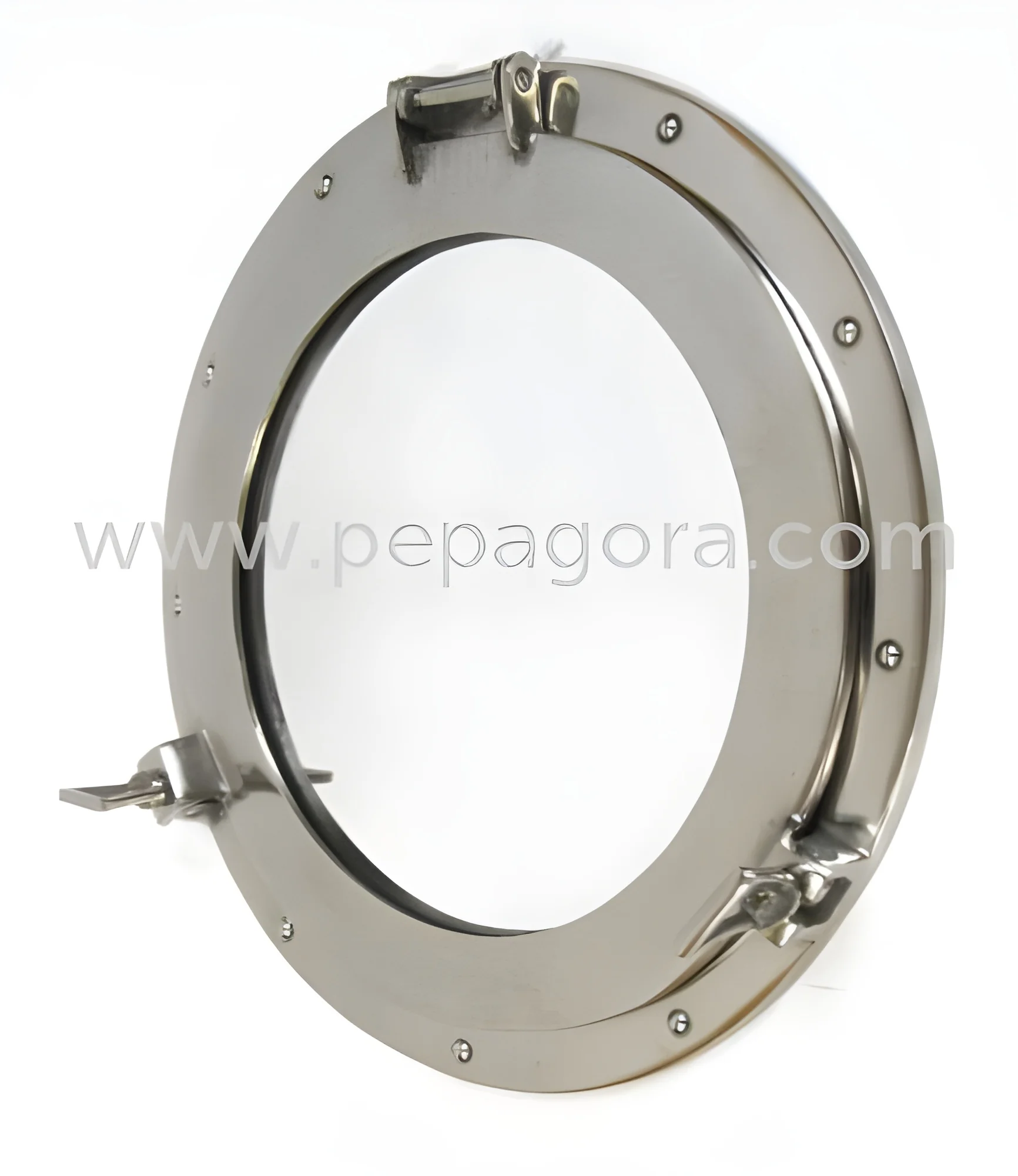
Clocks and mirrors are essential decorative and functional elements found in various settings, ranging from offices to industrial environments. Clocks serve the primary purpose of timekeeping, while mirrors are used for reflection and visual enhancement of spaces. Together, they contribute to both the aesthetic appeal and practical functionality of a business environment.
These products are commonly used in corporate offices, reception areas, and manufacturing floors. Clocks can help maintain punctuality and improve efficiency by ensuring employees are aware of time. Mirrors are often used to create a sense of space and light, enhancing the overall atmosphere. In industries such as hospitality and retail, these items play a crucial role in customer experience and operational efficiency.
In the current market, there is a growing emphasis on design and innovation in clocks and mirrors. Businesses are increasingly seeking products that not only serve their fundamental purposes but also align with modern interior design trends. This relevance in both functionality and aesthetics makes clocks and mirrors vital components in various industries.
𝗞𝗲𝘆 𝗙𝗲𝗮𝘁𝘂𝗿𝗲𝘀 𝗮𝗻𝗱 𝗦𝗽𝗲𝗰𝗶𝗳𝗶𝗰𝗮𝘁𝗶𝗼𝗻𝘀
Clocks and mirrors come with various features and specifications tailored to meet the diverse needs of businesses. Understanding these specifications helps buyers make informed decisions.
Key specifications include:
1. Design Style
- Various styles such as modern, vintage, and minimalist
- Suitable for different business aesthetics
2. Size Options
- Available in various dimensions to fit different spaces
- Custom sizes may be available upon request
3. Material Composition
- Common materials include glass, metal, and wood
- Durability and maintenance considerations vary by material
4. Timekeeping Mechanism
- Analog or digital options available
- Battery-operated or quartz movement mechanisms
5. Mounting Options
- Wall-mounted or freestanding designs
- Easy installation features for convenience
6. Reflective Quality
- High-quality glass for optimal clarity and reflection
- Different finishes to enhance durability and style
7. Energy Efficiency
- Some clocks feature energy-saving mechanisms
- Options available for low-energy consumption
8. Compliance Standards
- Products may meet specific industry standards
- CE certification for quality assurance
In summary, clocks and mirrors offer a range of features that cater to both functional and aesthetic needs, ensuring businesses can select products that align with their specific requirements.
𝗖𝗼𝗺𝗺𝗼𝗻 𝗔𝗽𝗽𝗹𝗶𝗰𝗮𝘁𝗶𝗼𝗻𝘀 𝗮𝗻𝗱 𝗨𝘀𝗲 𝗖𝗮𝘀𝗲𝘀
Clocks and mirrors are versatile products that serve various industries.
1. Office Spaces: Clocks help maintain time management, while mirrors can enhance the visual appeal of reception areas.
2. Retail Environments: Mirrors are crucial for fitting rooms, allowing customers to view products, while clocks keep staff and customers aware of time.
3. Hospitality: Hotels and restaurants use clocks for scheduling and mirrors in guest rooms and restrooms to enhance the overall guest experience.
4. Healthcare Facilities: Clocks are essential for managing appointments, while mirrors play a role in patient care and comfort.
5. Educational Institutions: Clocks help in maintaining schedules, while mirrors in classrooms and restrooms contribute to a pleasant learning environment.
6. Manufacturing: Clocks aid in shift management, while mirrors are used in production areas for safety and efficiency.
7. Residential Spaces: Clocks and mirrors are common in homes, serving both functional and decorative purposes.
𝗣𝗿𝗼𝗱𝘂𝗰𝘁 𝗩𝗮𝗿𝗶𝗮𝗻𝘁𝘀 𝗮𝗻𝗱 𝗦𝘂𝗯𝗰𝗮𝘁𝗲𝗴𝗼𝗿𝗶𝗲𝘀
Clocks and mirrors come in diverse variants to suit various needs and preferences.
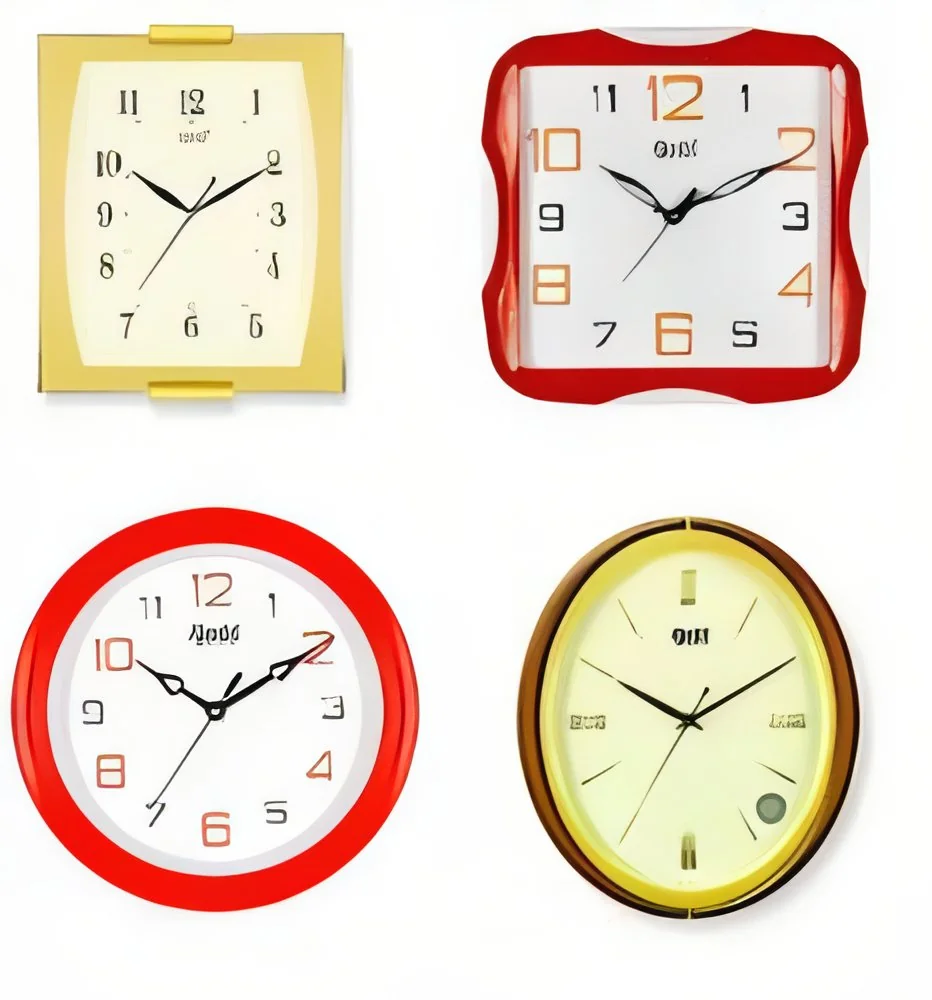
Wall Clocks
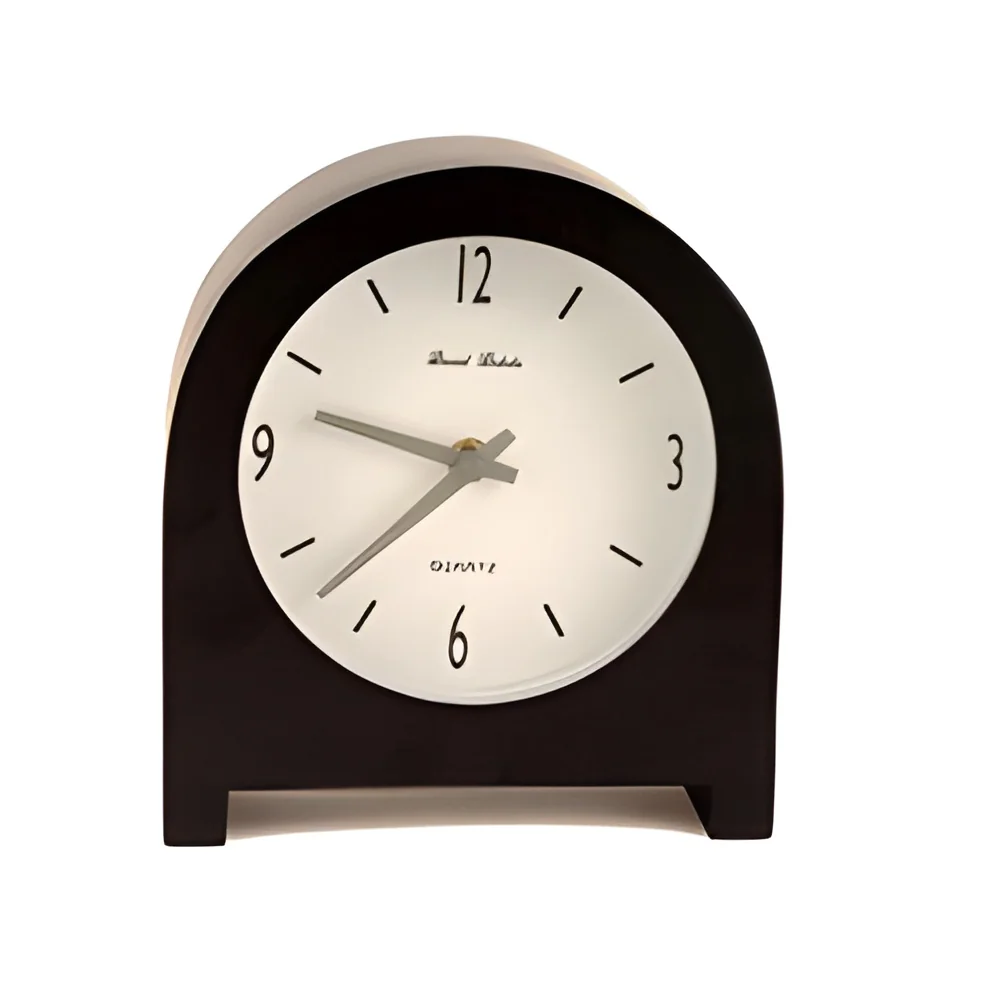
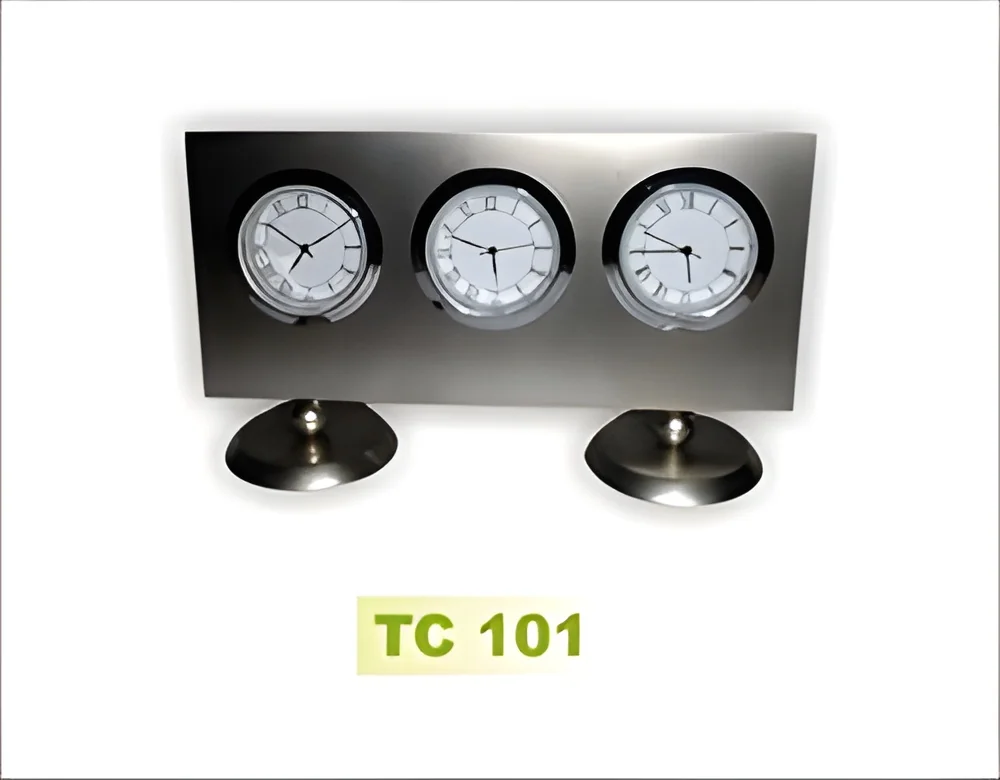
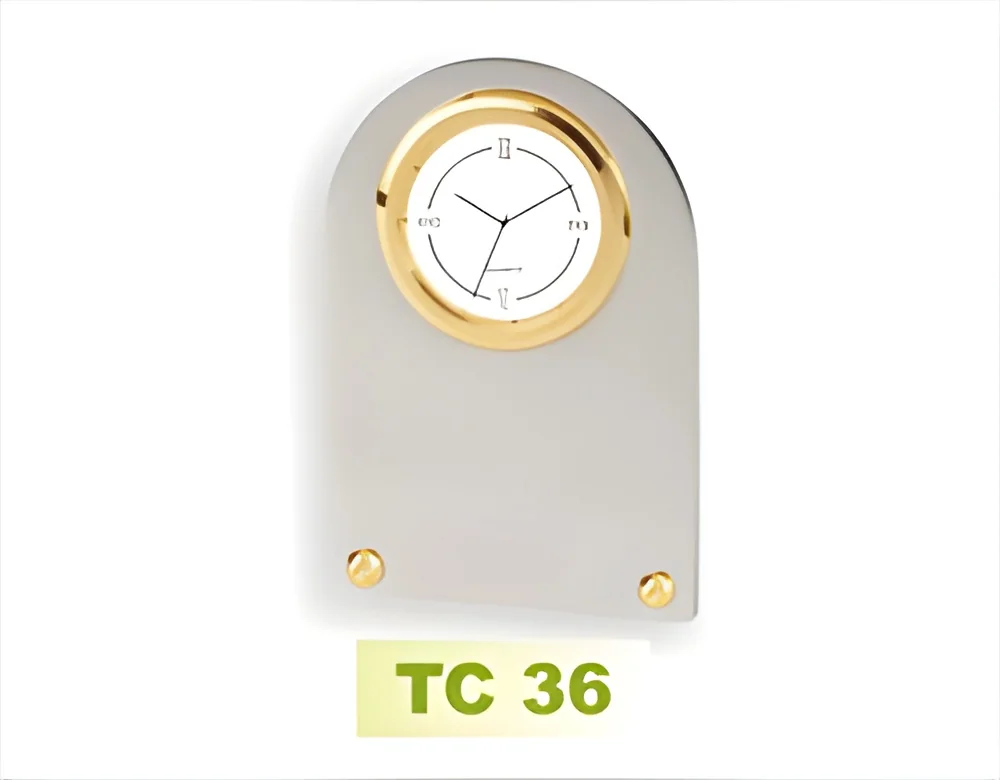
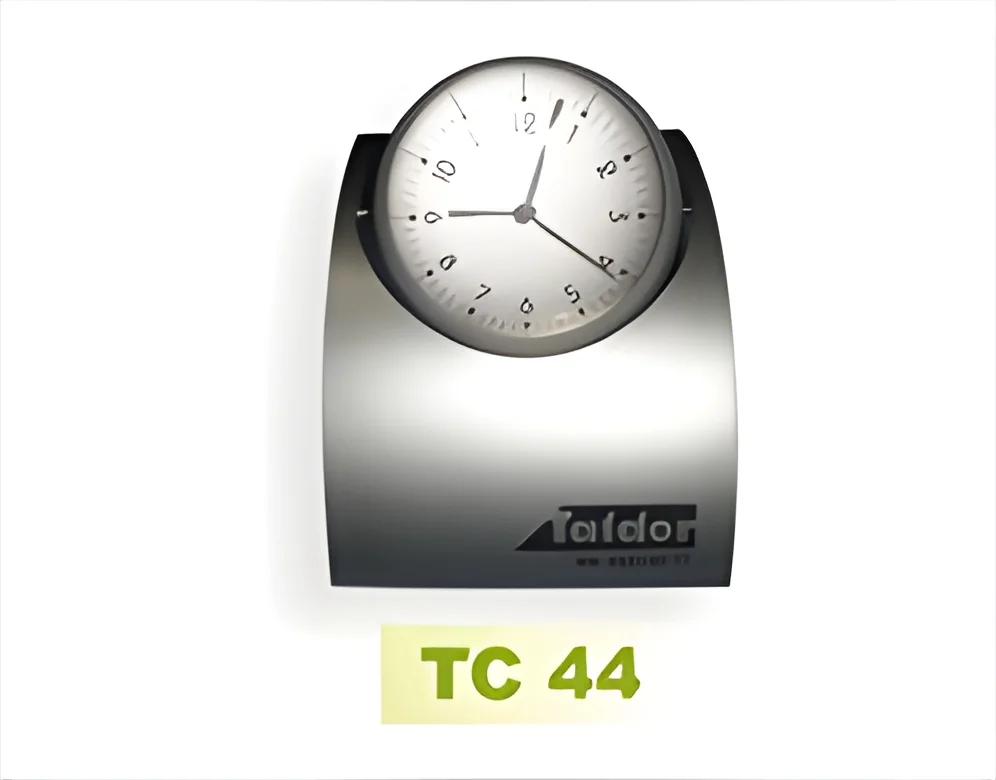
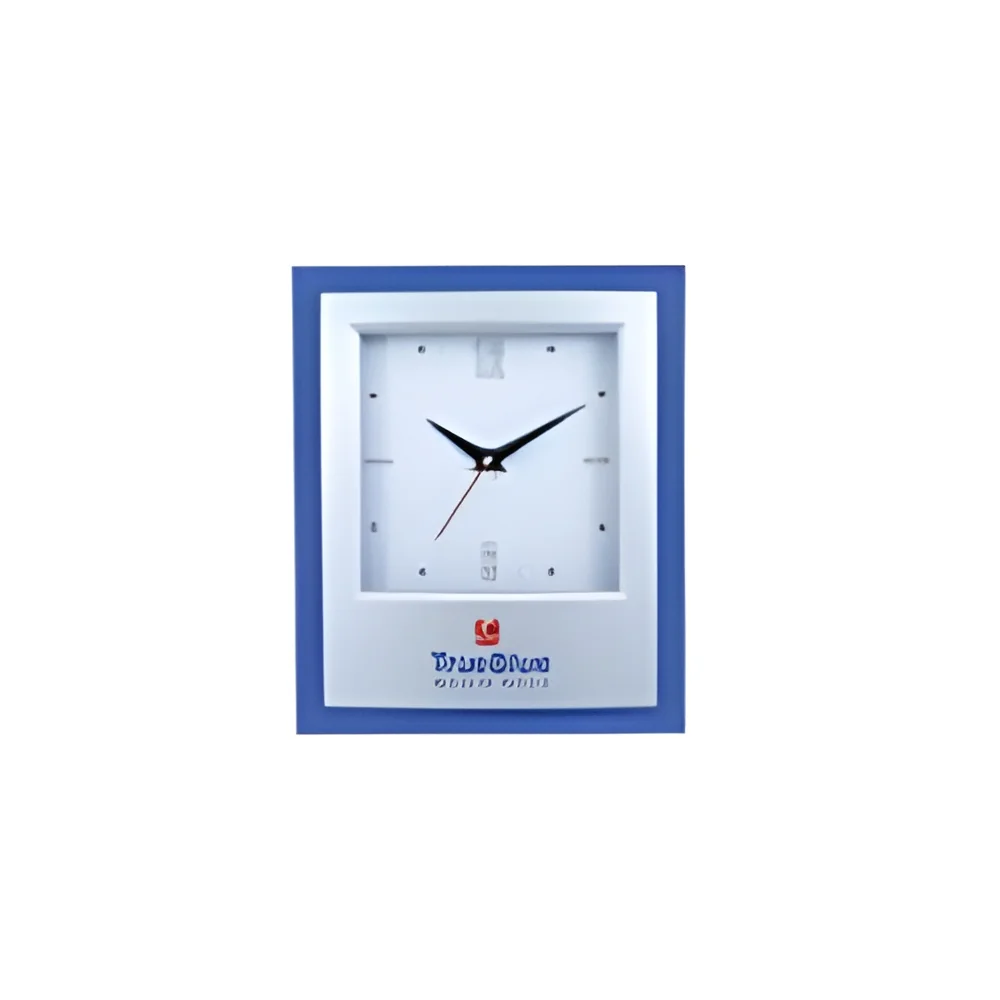
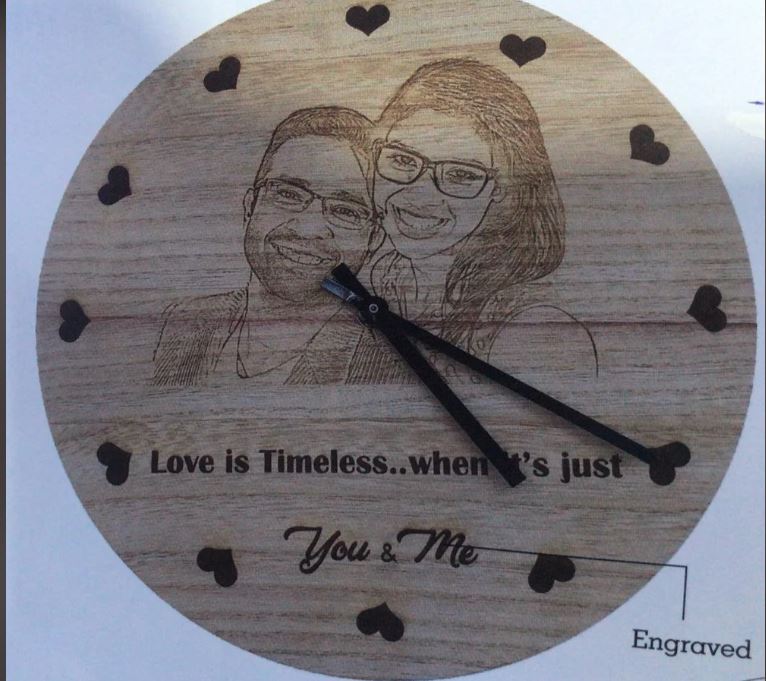
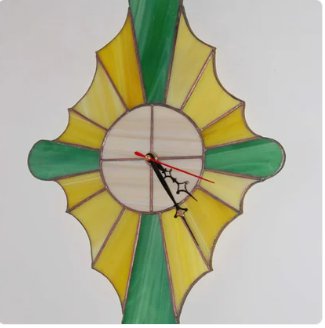
Wall clocks are popular for their ease of visibility and decorative features. They come in various designs, from modern to classic, and can be customized to fit different interior styles.
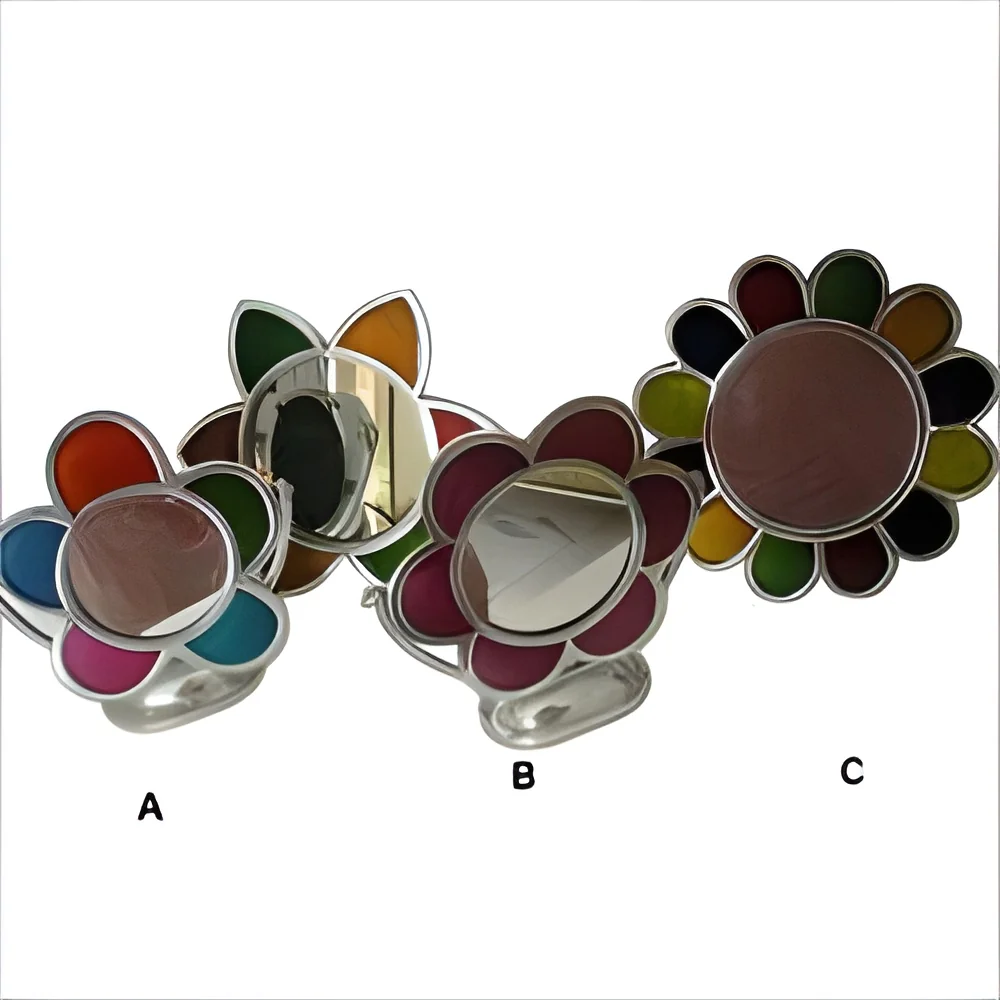
Vanity Mirrors
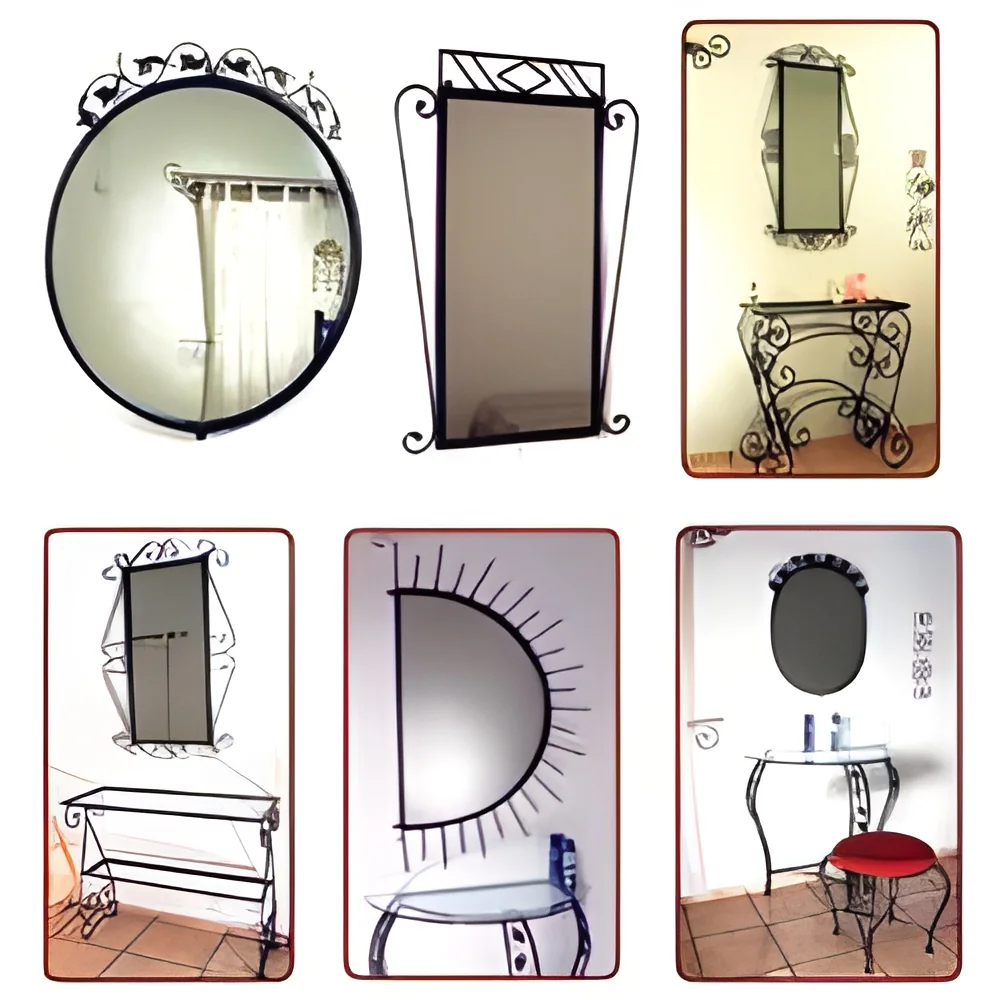
Vanity mirrors are designed for personal grooming and can include built-in lighting. They are often used in bathrooms and dressing areas to enhance functionality and style.
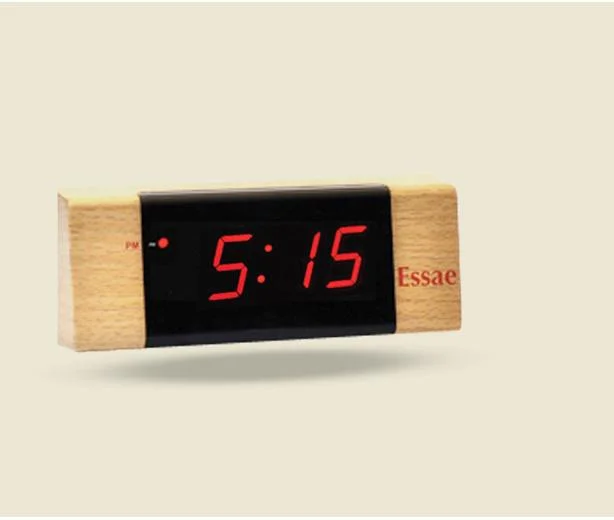
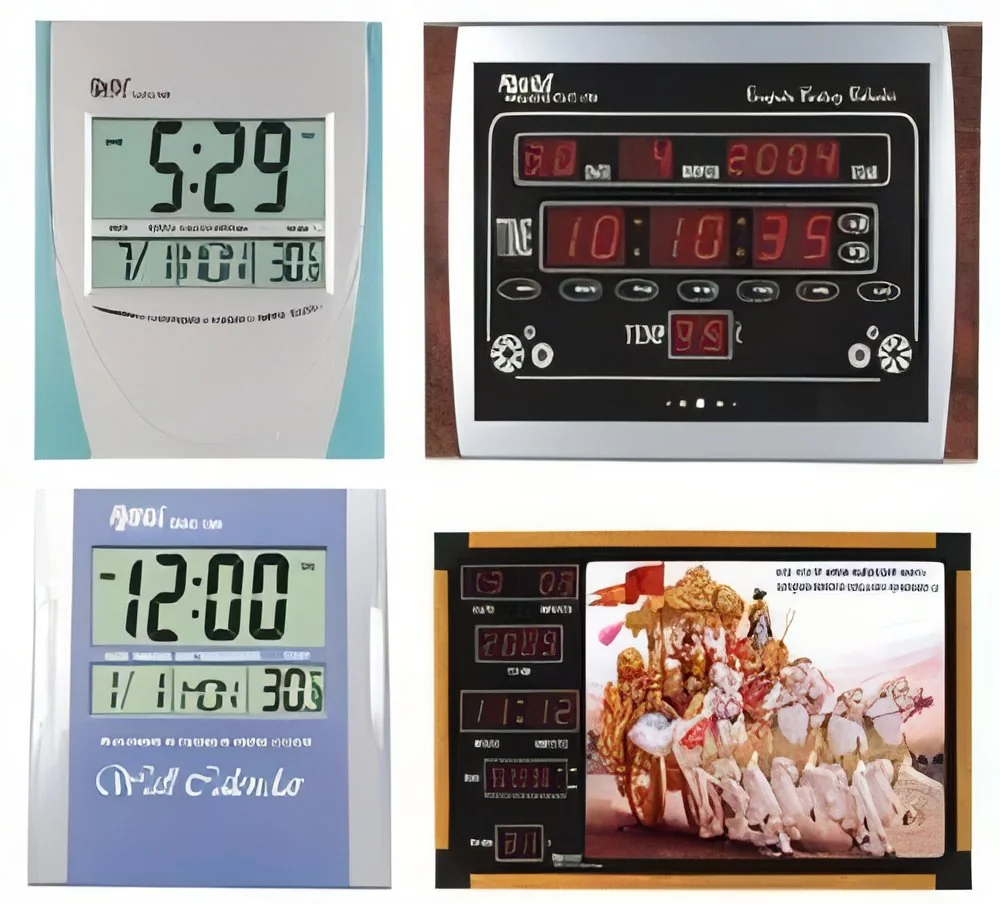
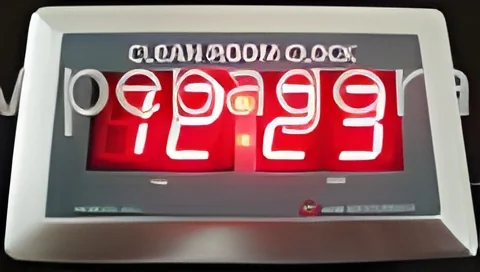
Digital Clocks
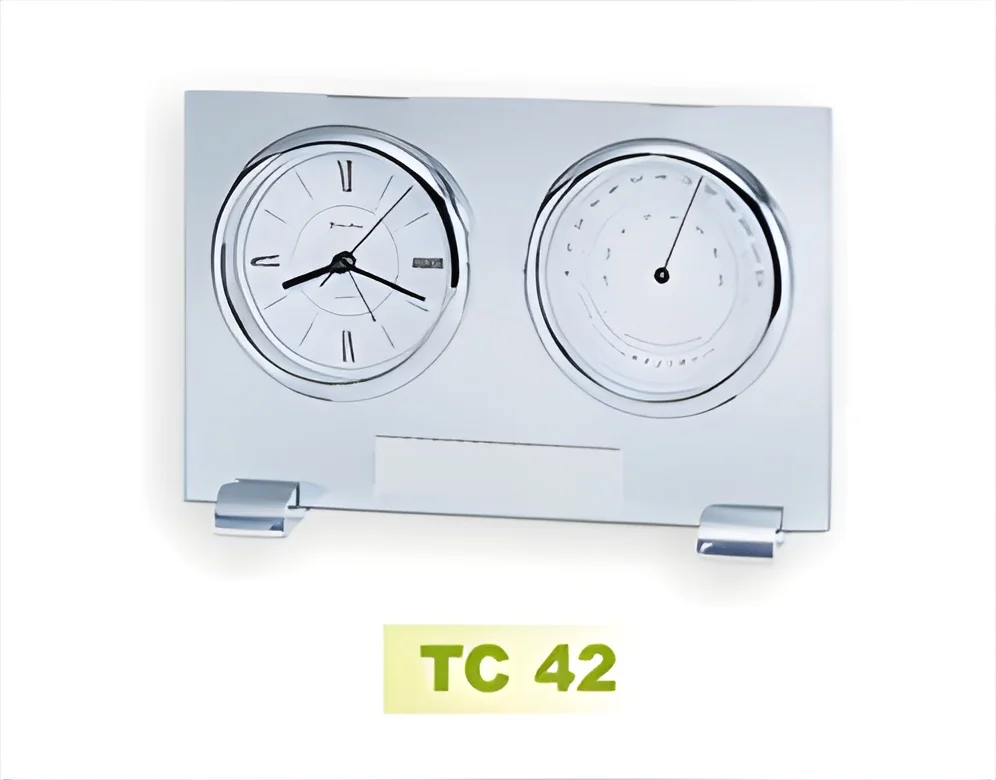
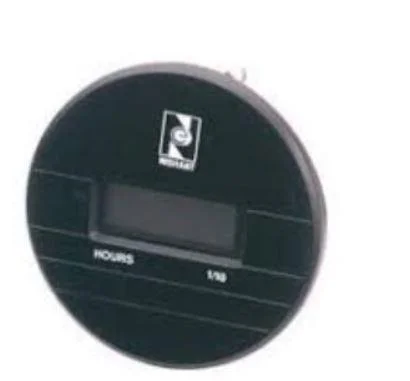
Digital clocks provide clear time displays and may include additional features like temperature and date. They are ideal for workplaces requiring precise timekeeping.
Full-Length Mirrors
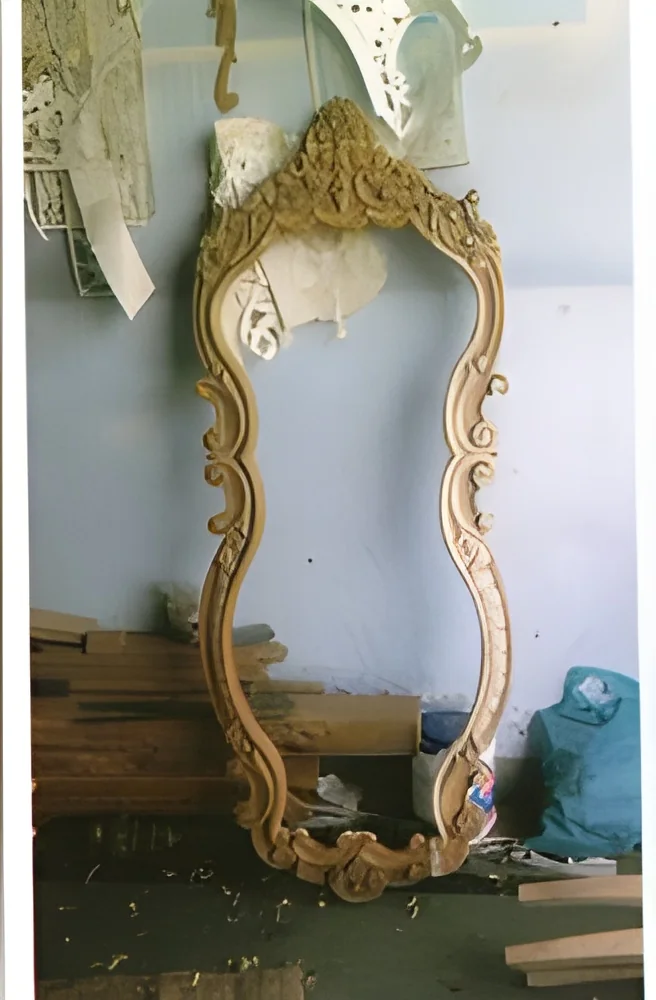
Full-length mirrors are commonly used in retail and residential settings. They allow for a complete view of outfits and are essential in fitting rooms and bedrooms.
𝗕𝗲𝗻𝗲𝗳𝗶𝘁𝘀 𝗮𝗻𝗱 𝗔𝗱𝘃𝗮𝗻𝘁𝗮𝗴𝗲𝘀
Sourcing clocks and mirrors offers several key advantages for businesses.
1. Enhanced Time Management: Clocks provide crucial timekeeping, helping employees manage their schedules effectively.
2. Improved Aesthetics: Mirrors can enhance the visual appeal of spaces, creating a welcoming atmosphere for clients and customers.
3. Versatile Applications: These products are suitable for a wide range of industries, making them a versatile choice for businesses.
4. Customization Options: Many suppliers offer customization, allowing businesses to choose designs that align with their brand identity.
5. Durable Construction: Quality materials ensure longevity, reducing the need for frequent replacements.
6. Increased Safety: Mirrors can improve visibility in workspaces, contributing to a safer environment.
𝗕𝘂𝘆𝗶𝗻𝗴 𝗚𝘂𝗶𝗱𝗲 𝗳𝗼𝗿 𝗕𝟮𝗕 𝗕𝘂𝘆𝗲𝗿𝘀
When sourcing clocks and mirrors, it is essential to consider several factors to ensure a successful purchase.
1. Quality Assessment: Evaluate the materials and craftsmanship of clocks and mirrors. Look for products that meet industry standards and offer durability.
2. Supplier Verification: Vet suppliers by checking their reputation, customer reviews, and compliance with industry regulations. This ensures reliability and quality.
3. Pricing and MOQ: Understand the pricing structure and minimum order quantities. Aim for suppliers that offer competitive pricing without compromising quality.
4. Delivery and Lead Times: Discuss logistics to ensure timely delivery. Consider suppliers with efficient shipping practices to minimize delays.
5. Compliance Requirements: Ensure that products meet relevant safety and quality standards. Verify certifications like CE to ensure compliance with industry regulations.
𝗖𝗼𝗺𝗽𝗹𝗶𝗮𝗻𝗰𝗲 𝗮𝗻𝗱 𝗖𝗲𝗿𝘁𝗶𝗳𝗶𝗰𝗮𝘁𝗶𝗼𝗻𝘀
Clocks and mirrors must adhere to various compliance and certification standards to ensure quality and safety. ISO 9001 is a common quality management standard applicable across industries. This standard ensures that products meet customer and regulatory requirements consistently.
Additionally, the CE marking indicates that a product has been assessed and meets EU safety, health, and environmental protection standards. Compliance with these standards is crucial for B2B buyers to ensure product reliability and safety.
Safety and testing requirements may vary by region and industry. Buyers should be aware of any specific regulations that apply to their market. Regional compliance considerations are also essential, as certain certifications may be recognized in specific countries or regions.
𝗪𝗵𝘆 𝗦𝗼𝘂𝗿𝗰𝗲 𝗖𝗹𝗼𝗰𝗸𝘀 & 𝗠𝗶𝗿𝗿𝗼𝗿𝘀 𝗳𝗿𝗼𝗺 𝗣𝗲𝗽𝗮𝗴𝗼𝗿𝗮?
Pepagora provides a trusted platform for sourcing clocks and mirrors, offering numerous key advantages for B2B buyers.
Verified Supplier Network: Pepagora has established a network of verified suppliers, ensuring that buyers have access to high-quality products and reliable service. This network is crucial for building trust in the sourcing process.
Streamlined RFQ Process: The platform features a streamlined Request for Quotation (RFQ) process that simplifies the procurement process. Buyers can easily request quotes from multiple suppliers, facilitating comparison and informed decision-making.
Trade Assurance and Support: Pepagora offers trade assurance to protect buyers throughout the purchasing process. This support provides peace of mind and fosters confidence in sourcing decisions.
Regional Coverage: With a focus on regions like India, the GCC, and Southeast Asia, Pepagora has the geographic reach to connect buyers with suppliers who understand local market dynamics. This coverage enhances accessibility and convenience for businesses looking to source clocks and mirrors.





Frequently Asked Questions
What are Clocks & Mirrors?
Clocks & Mirrors are decorative and functional items used in homes, offices, and public spaces. Clocks serve to tell time, while mirrors are used for reflection and can enhance the aesthetic appeal of a space.
What are the different types of Clocks & Mirrors?
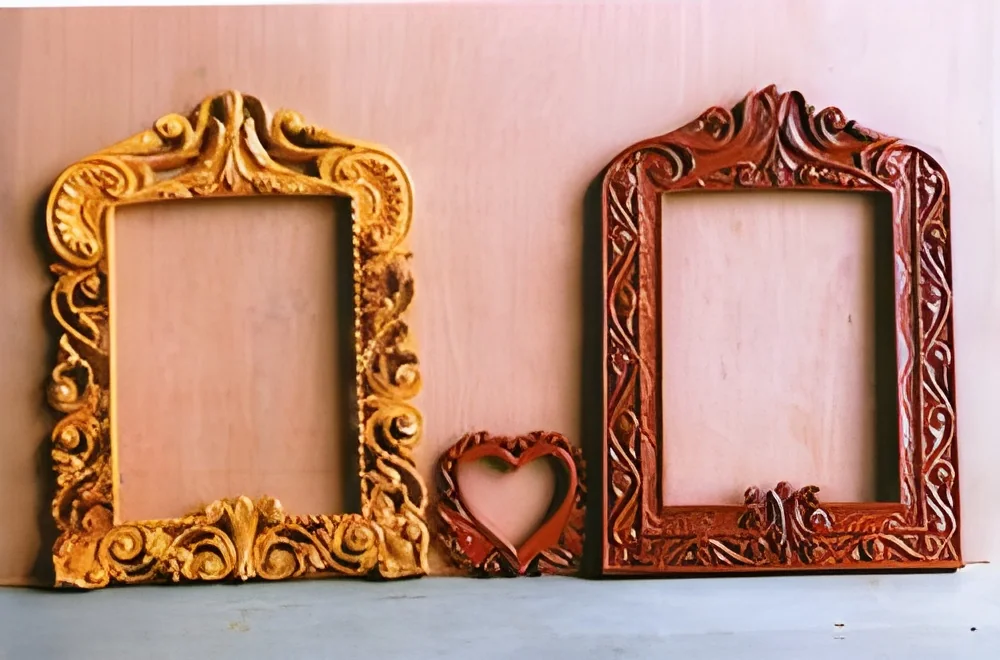
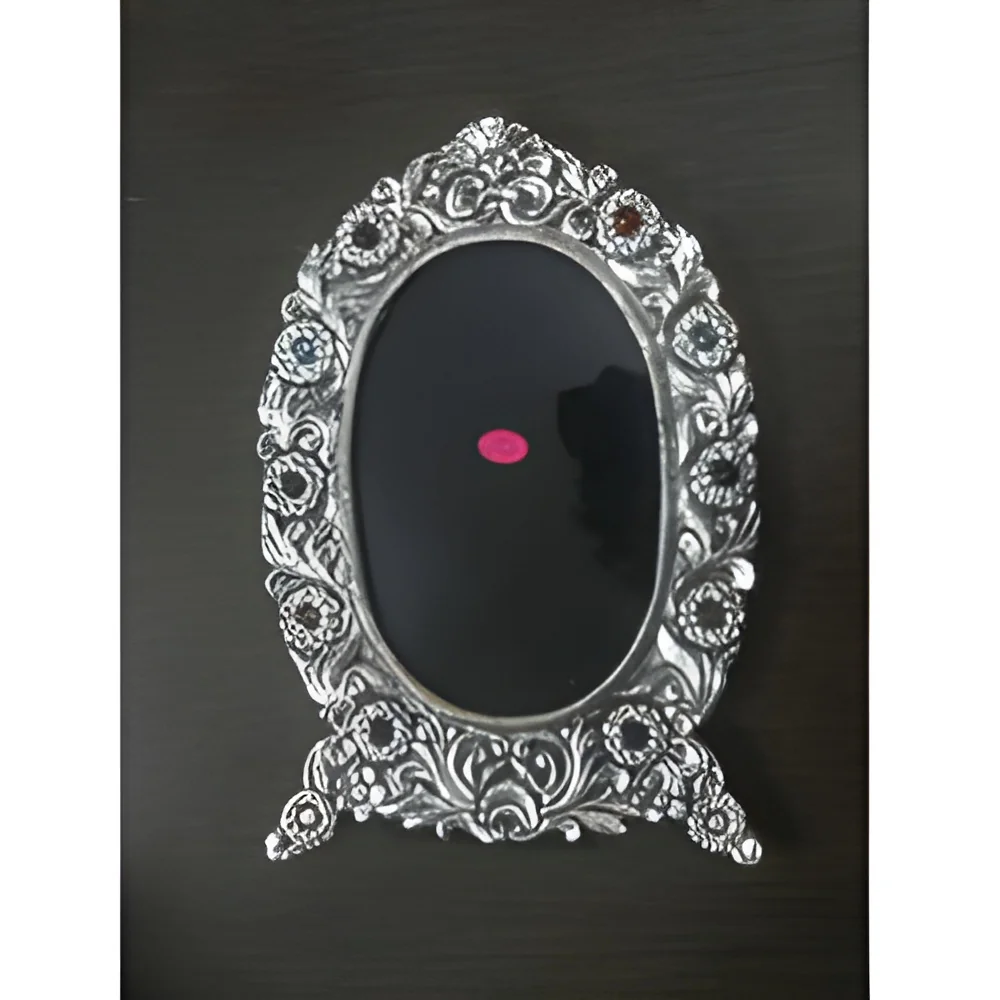
The different types of clocks include wall clocks, mantel clocks, digital clocks, and alarm clocks. For mirrors, common types include wall mirrors, decorative mirrors, vanity mirrors, and full-length mirrors.
How do I choose the right Clocks & Mirrors?
Choosing the right clocks and mirrors depends on the style of your space, the purpose of the item, and the size of the area. Consider factors such as design, functionality, and the materials used to ensure they complement your decor.
What are the standard specifications for Clocks & Mirrors?
Standard specifications for clocks include size, material, movement type (analog or digital), and power source. For mirrors, specifications typically cover size, frame material, and thickness of the glass.
What is the price range for Clocks & Mirrors?
The price range for clocks and mirrors can vary widely based on design, size, and materials. Generally, you can find basic options starting from a few hundred rupees to luxury pieces priced in the thousands.
What quality standards apply to Clocks & Mirrors?
Quality standards for clocks and mirrors often include durability, accuracy (for clocks), and clarity (for mirrors). Products should also adhere to safety standards, particularly regarding glass used in mirrors.
Where can I find Clocks & Mirrors suppliers in India?
You can find clocks and mirrors suppliers in India through B2B marketplaces like Pepagora, trade shows, and online directories. Additionally, local furniture and home decor stores often have supplier contacts.
Can Clocks & Mirrors be customized?
Yes, clocks and mirrors can often be customized in terms of size, design, and materials. Many suppliers offer customization options to cater to specific customer preferences and requirements.
What is the typical minimum order quantity for Clocks & Mirrors?
The typical minimum order quantity (MOQ) for clocks and mirrors can vary by supplier, but it generally ranges from 10 to 50 units. It's advisable to check with specific manufacturers for their MOQ policies.
What is the typical lead time for Clocks & Mirrors?
The typical lead time for clocks and mirrors can range from 2 to 6 weeks, depending on the supplier and whether the items are in stock or made to order. Always confirm the lead time when placing an order.
Why Businesses Trust Pepagora
Thousands of companies trust Pepagora to source smarter and sell faster
Expand Your Sales Globally

Source Smarter,Grow Faster
