𝗪𝗵𝗮𝘁 𝗮𝗿𝗲 𝗕𝗲𝗹𝘁𝘀, 𝗧𝗶𝗲𝘀, 𝗖𝗮𝗽𝘀, 𝗛𝗮𝘁𝘀?
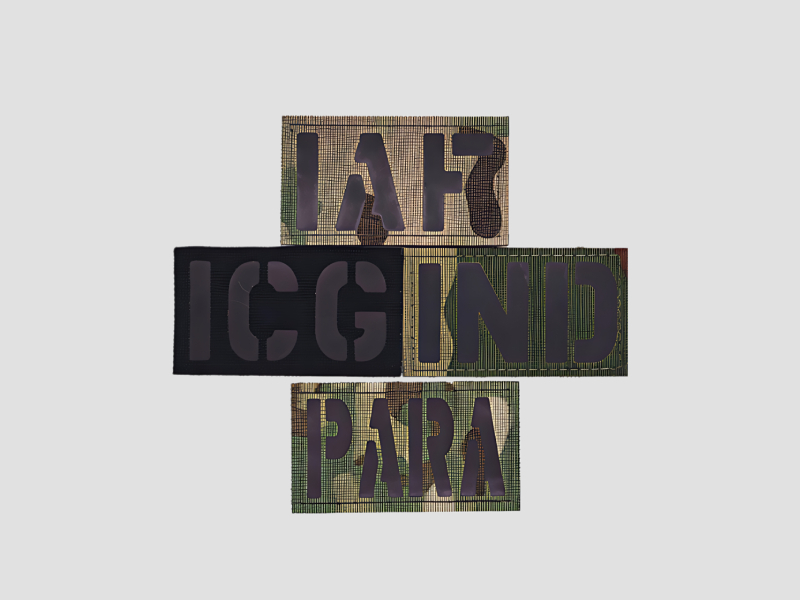
Belts, ties, caps, and hats are essential accessories in various industries, serving both functional and aesthetic purposes. Belts are typically used to hold up trousers and can also be a fashion statement. Ties are often worn in professional settings to enhance formal attire. Caps and hats provide protection from the elements while also offering style. Together, these items contribute to personal appearance, branding, and uniformity in workplace environments.
These accessories find their primary uses across multiple sectors, including corporate, hospitality, and retail. In corporate environments, ties are a staple of formal dress codes, while belts are essential for maintaining a polished look. Caps and hats are widely used in the hospitality sector, often as part of uniforms or promotional items. The versatility of these products ensures they are utilized in various applications, from everyday wear to promotional events.
In terms of industry relevance, belts, ties, caps, and hats represent a significant market segment. The demand for branded and customized items has grown, driven by the need for corporate identity and employee branding. As companies strive to maintain a professional image, the accessory market continues to expand, adapting to trends and consumer preferences.
𝗞𝗲𝘆 𝗙𝗲𝗮𝘁𝘂𝗿𝗲𝘀 𝗮𝗻𝗱 𝗦𝗽𝗲𝗰𝗶𝗳𝗶𝗰𝗮𝘁𝗶𝗼𝗻𝘀
Belts, ties, caps, and hats come with various features and specifications that cater to different needs and applications. Understanding these specifications is essential for making informed purchasing decisions.
Key specifications include:
1. Material Composition
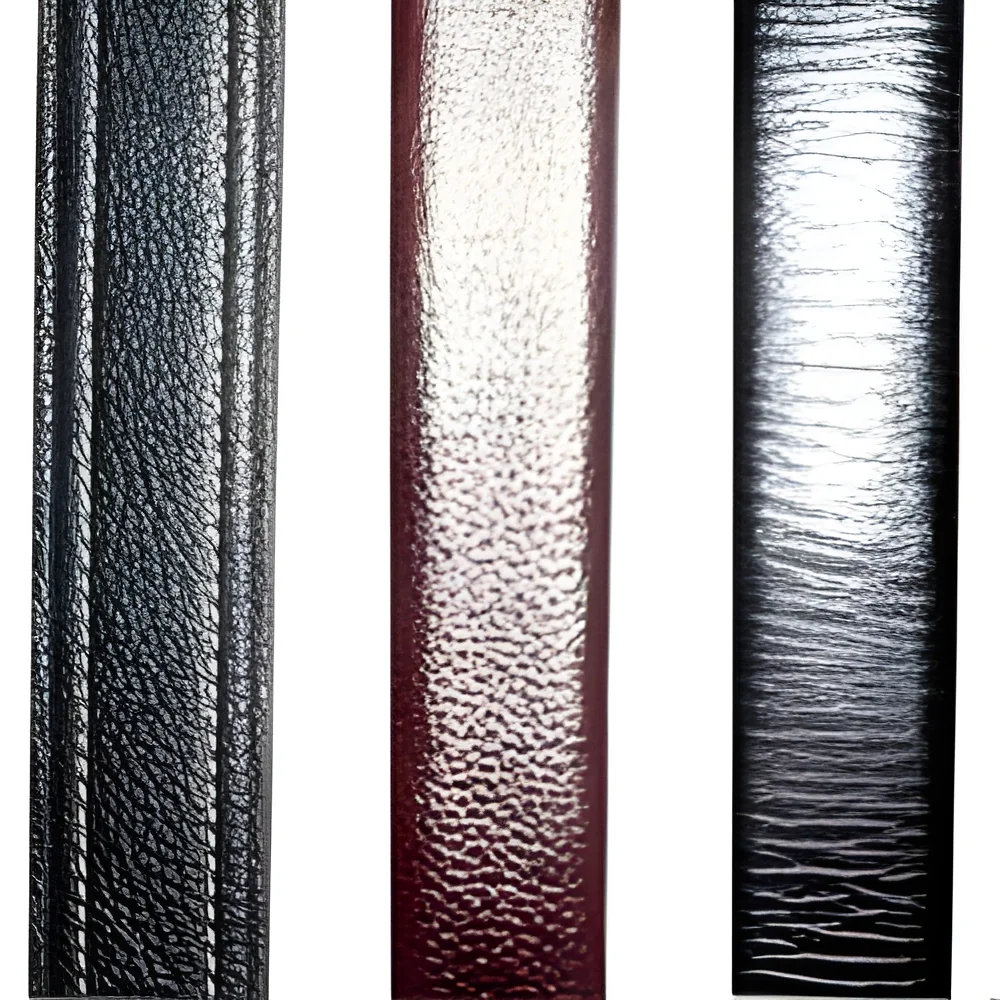
- Common materials include polyester, cotton, leather, and blends.
- Durability and comfort are key factors in material selection.
2. Size and Fit
- Belts are typically measured in inches or centimeters, ensuring a proper fit.
- Ties and hats come in standard sizes, but custom sizing is available.
3. Design Options
- Various styles, colors, and patterns are available to suit different tastes.
- Custom branding options allow for logos and unique designs.
4. Closure Mechanisms
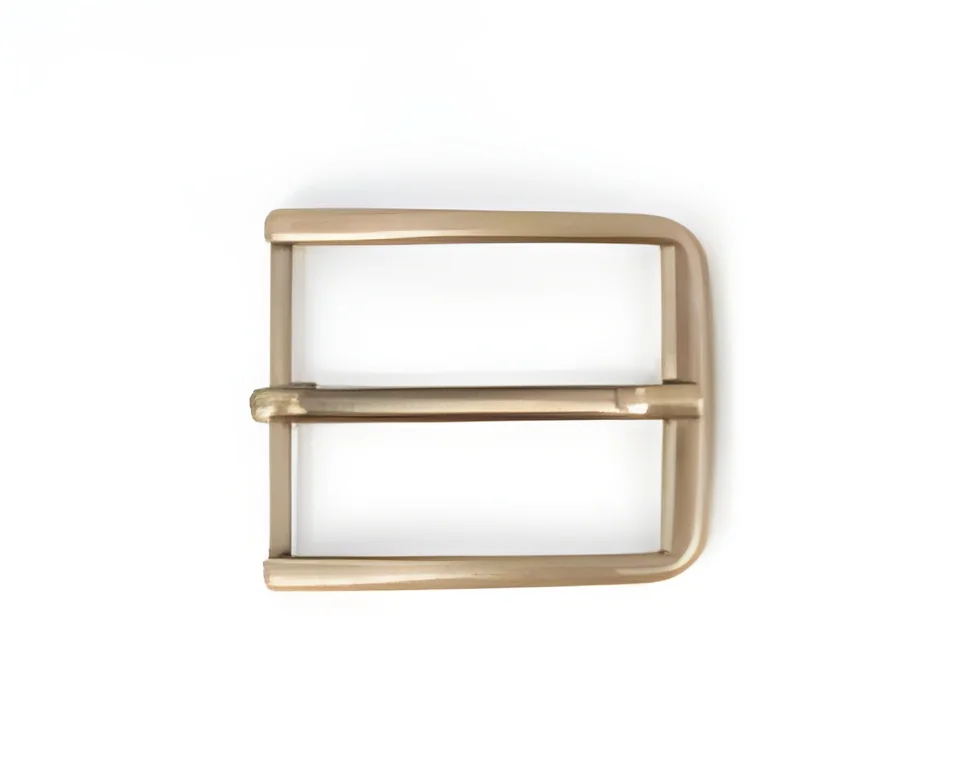
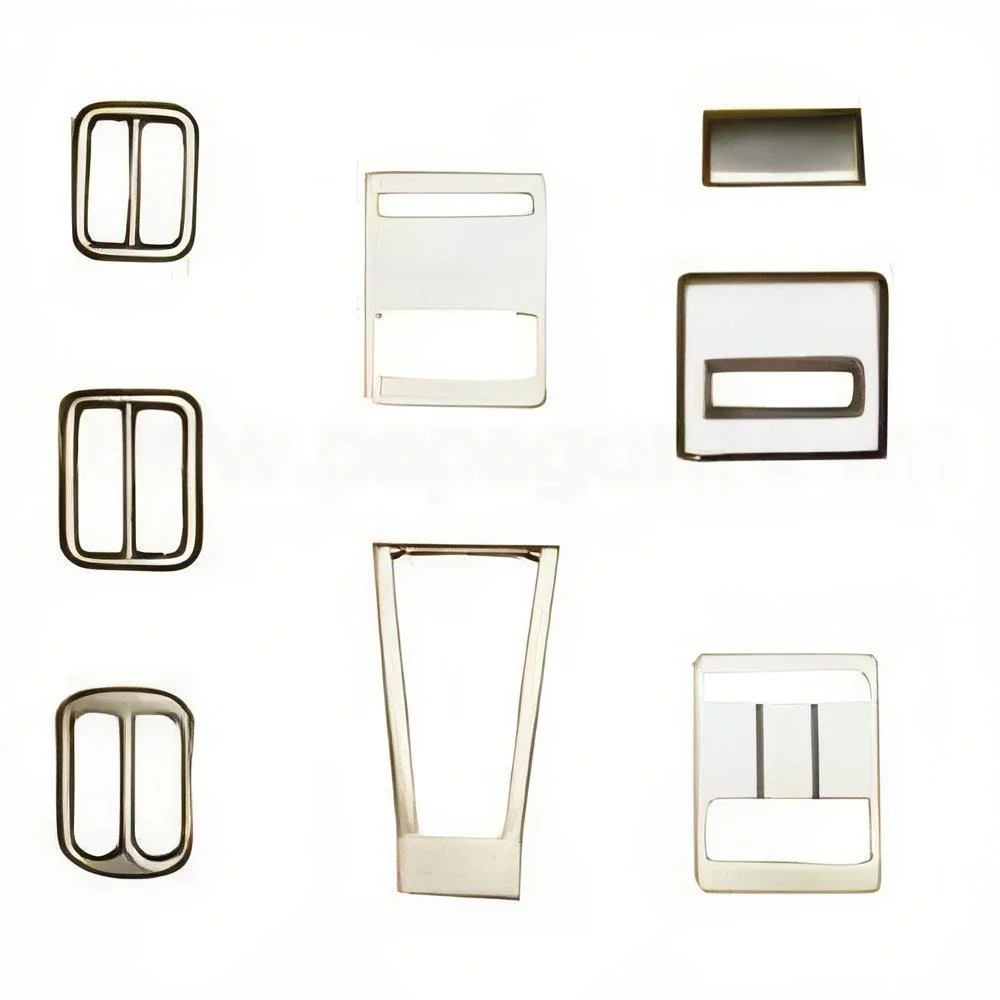
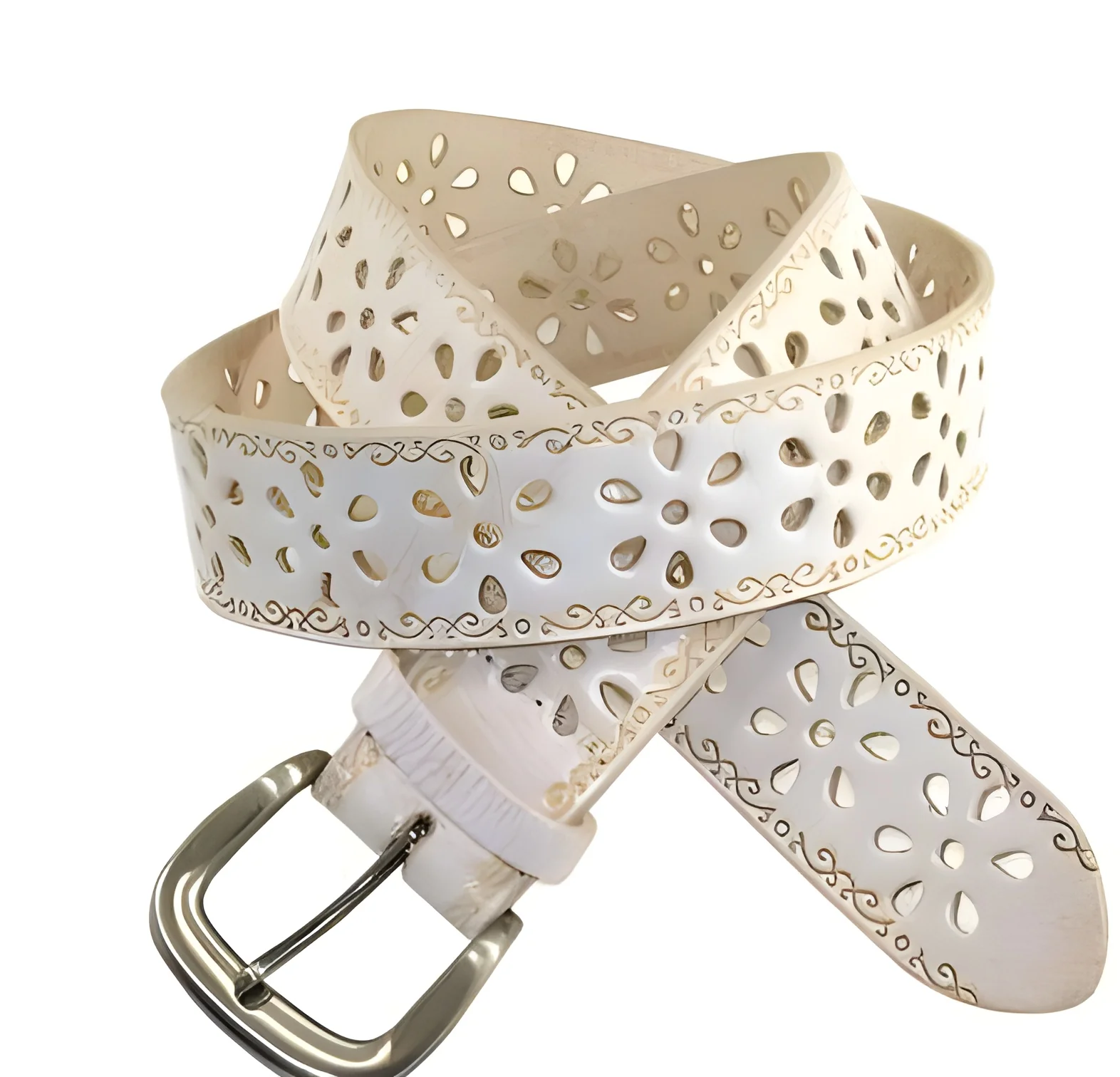
- Belts may feature various types of buckles, including pin, slide, or magnetic.
- Ties can be pre-tied or adjustable for convenience.
5. Care Instructions
- Most items require specific cleaning methods, such as dry cleaning for ties.
- Caps and hats may be machine washable or hand wash only.
6. Weight and Portability
- Lightweight options are available for caps and hats for ease of wear.
- Bulkier belts and ties may be designed for more formal settings.
7. Compliance with Standards
- Products may meet specific industry quality standards, such as CE certification.
- Safety considerations are important for occupational use.
In summary, understanding the features and specifications of belts, ties, caps, and hats can help businesses choose the right products for their needs.
𝗖𝗼𝗺𝗺𝗼𝗻 𝗔𝗽𝗽𝗹𝗶𝗰𝗮𝘁𝗶𝗼𝗻𝘀 𝗮𝗻𝗱 𝗨𝘀𝗲 𝗖𝗮𝘀𝗲𝘀
Belts, ties, caps, and hats are versatile accessories that serve various industries effectively.
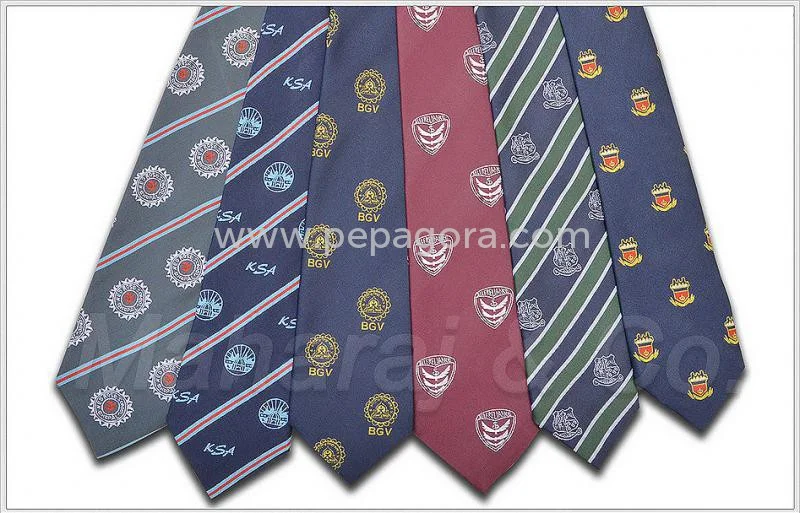
1. Corporate Sector: Belts and ties are essential in corporate environments, where they contribute to a professional appearance. They are often part of formal dress codes for employees, enhancing the overall company image.
2. Hospitality Industry: Caps and hats are frequently used in restaurants and hotels as part of employee uniforms. They not only provide branding opportunities but also serve functional purposes, such as protecting staff from the sun.
3. Retail Sector: Many retail businesses use branded caps and hats as promotional merchandise. These items help in marketing campaigns and fostering brand loyalty among customers.
4. Sports and Recreation: Caps are popular in sports teams for both players and fans. They provide sun protection and help promote team spirit.
5. Event Promotions: Companies often use customized ties and hats as giveaways at trade shows and events. These items serve as memorable promotional tools.
6. Construction and Outdoor Work: Safety hats and caps are crucial in construction environments. They protect workers from hazards while also offering a means of identification.
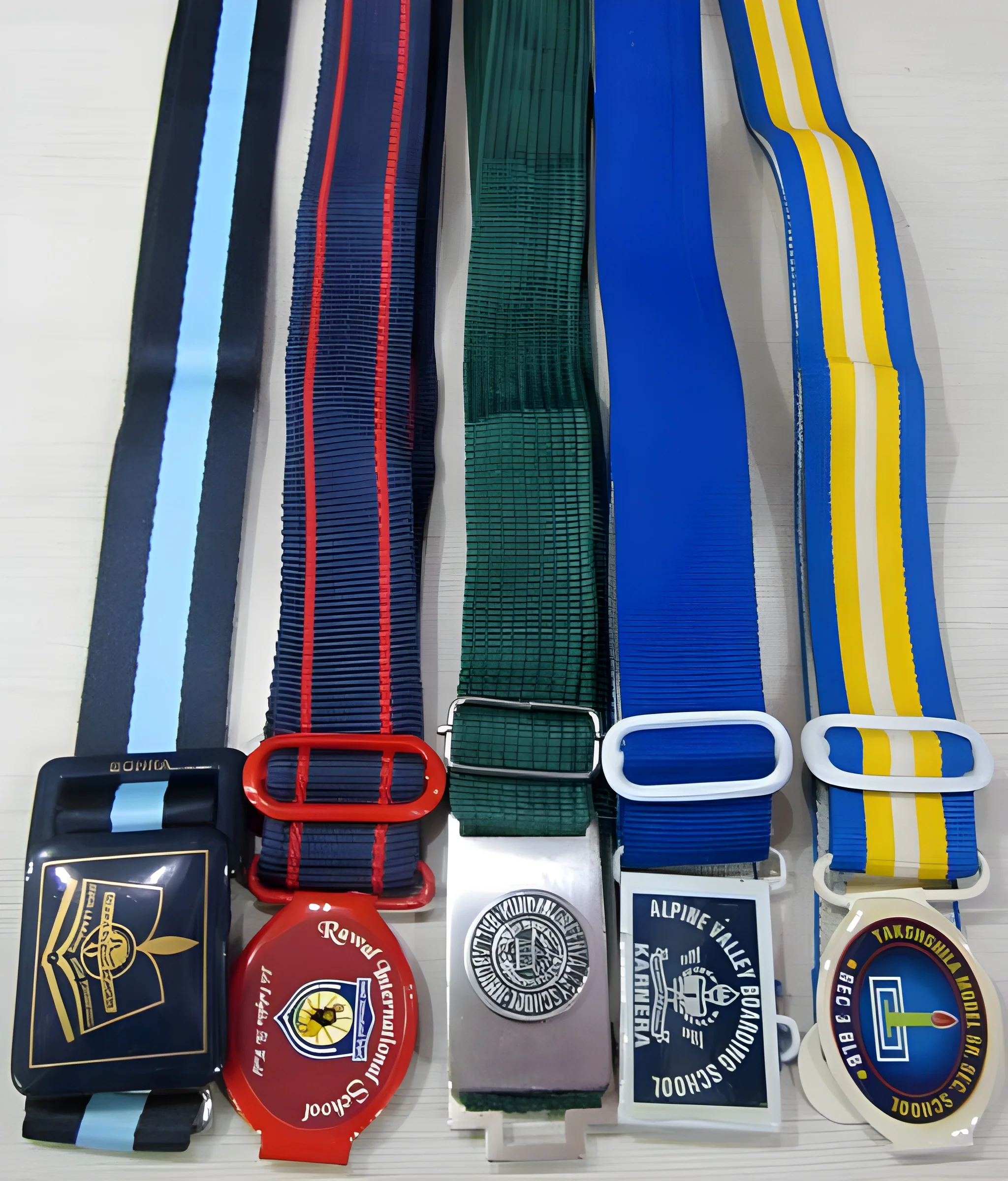
7. Educational Institutions: Schools and colleges often require uniforms, including ties and caps. These items promote school spirit and unity among students.
𝗣𝗿𝗼𝗱𝘂𝗰𝘁 𝗩𝗮𝗿𝗶𝗮𝗻𝘁𝘀 𝗮𝗻𝗱 𝗦𝘂𝗯𝗰𝗮𝘁𝗲𝗴𝗼𝗿𝗶𝗲𝘀
The diversity of belts, ties, caps, and hats allows businesses to meet specific needs and preferences.
Classic Belts
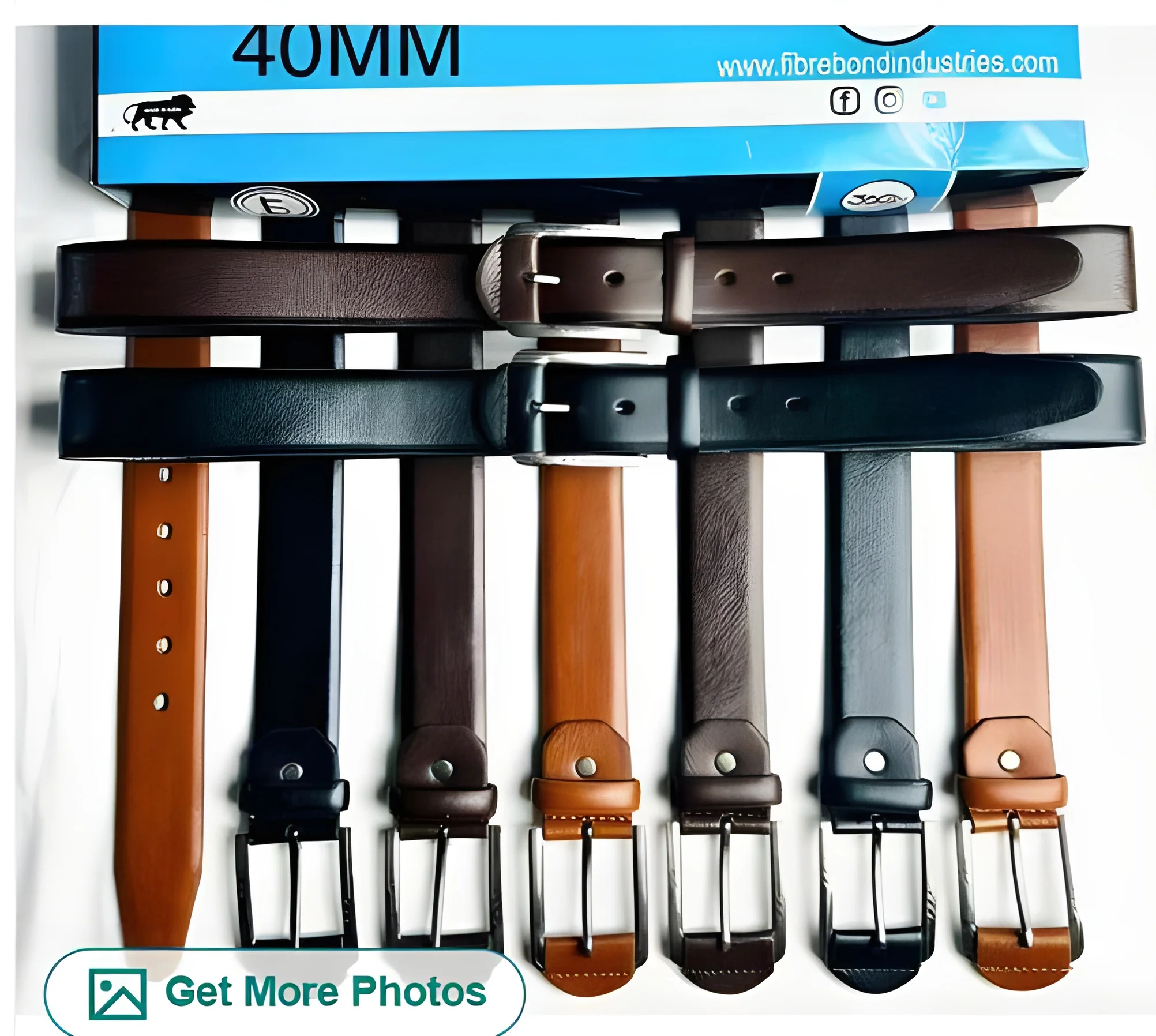
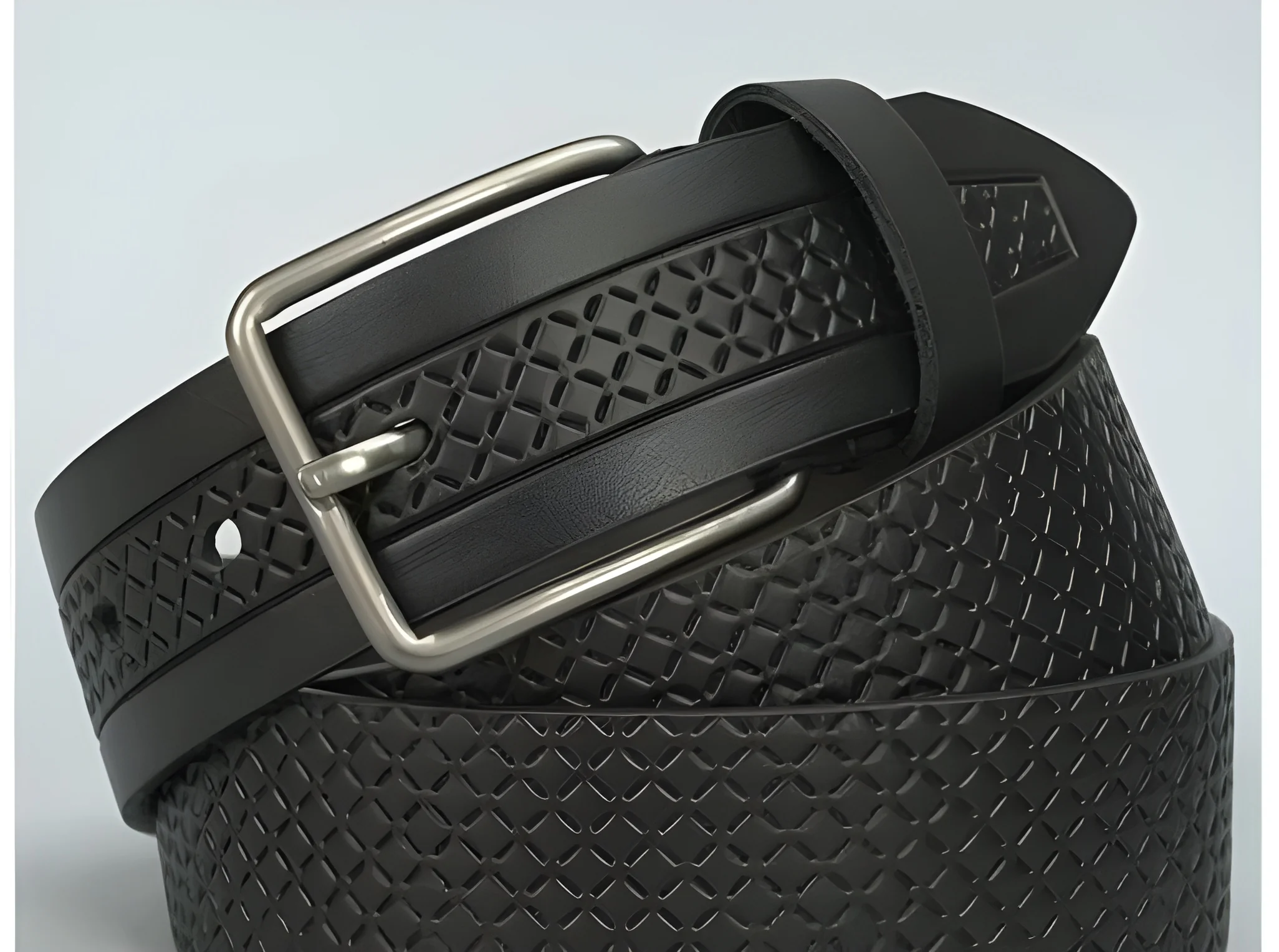
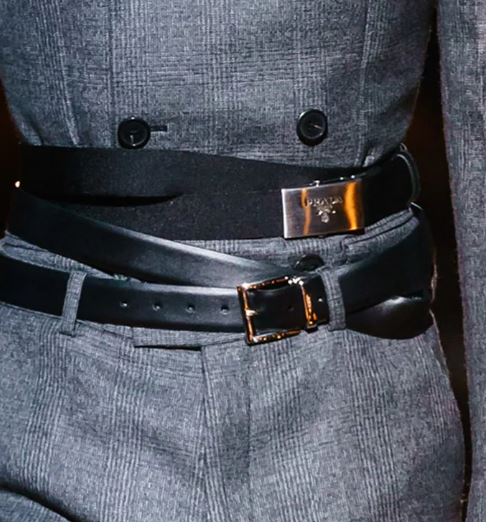
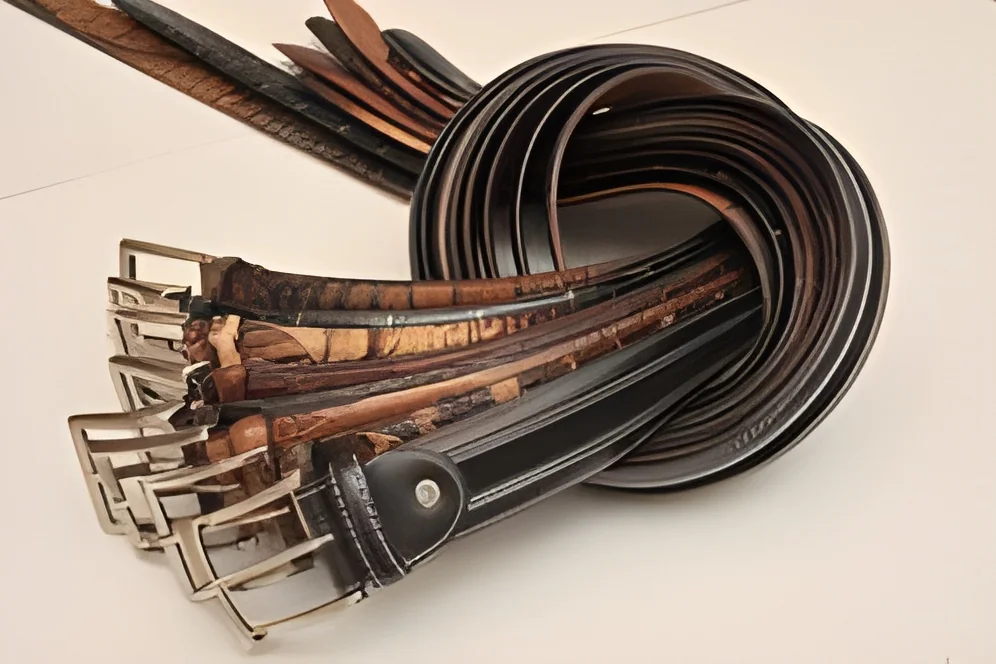
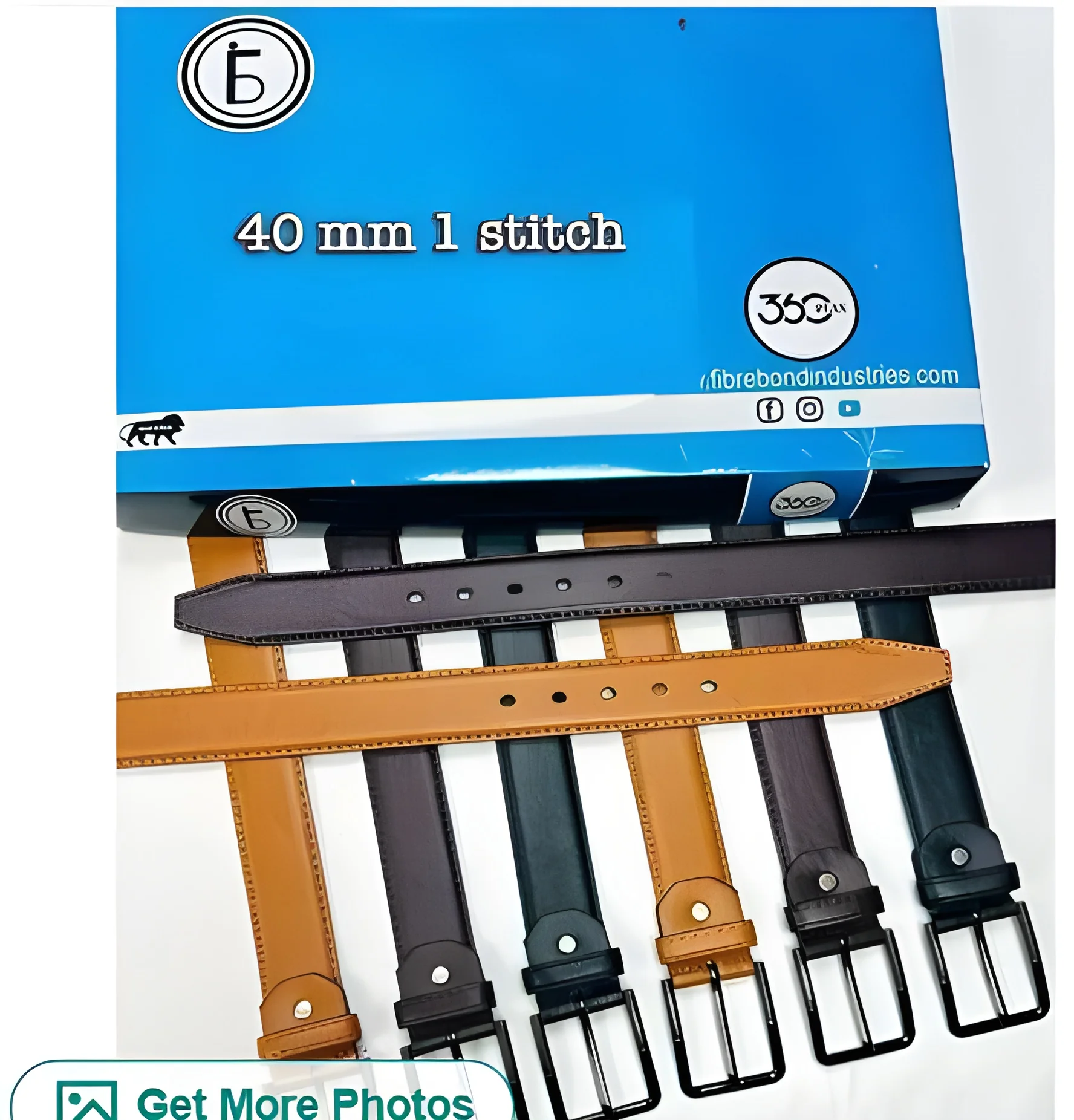
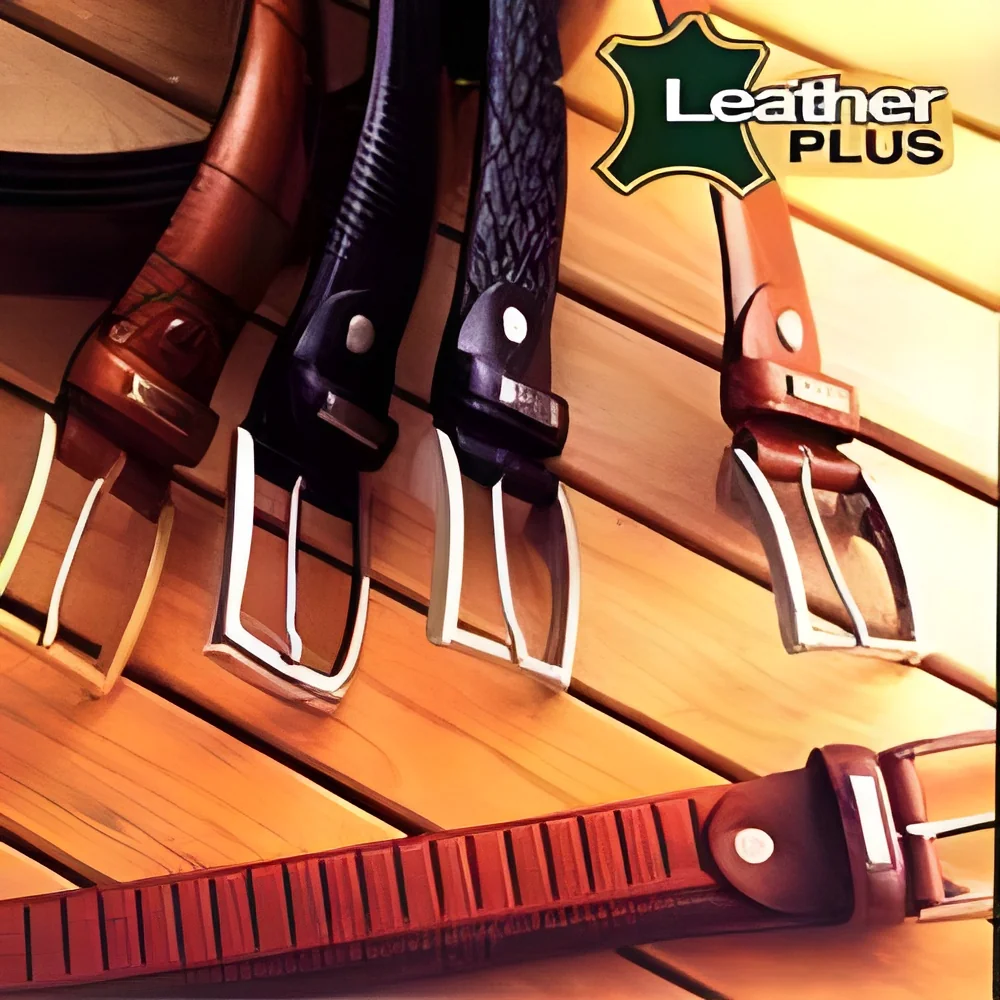
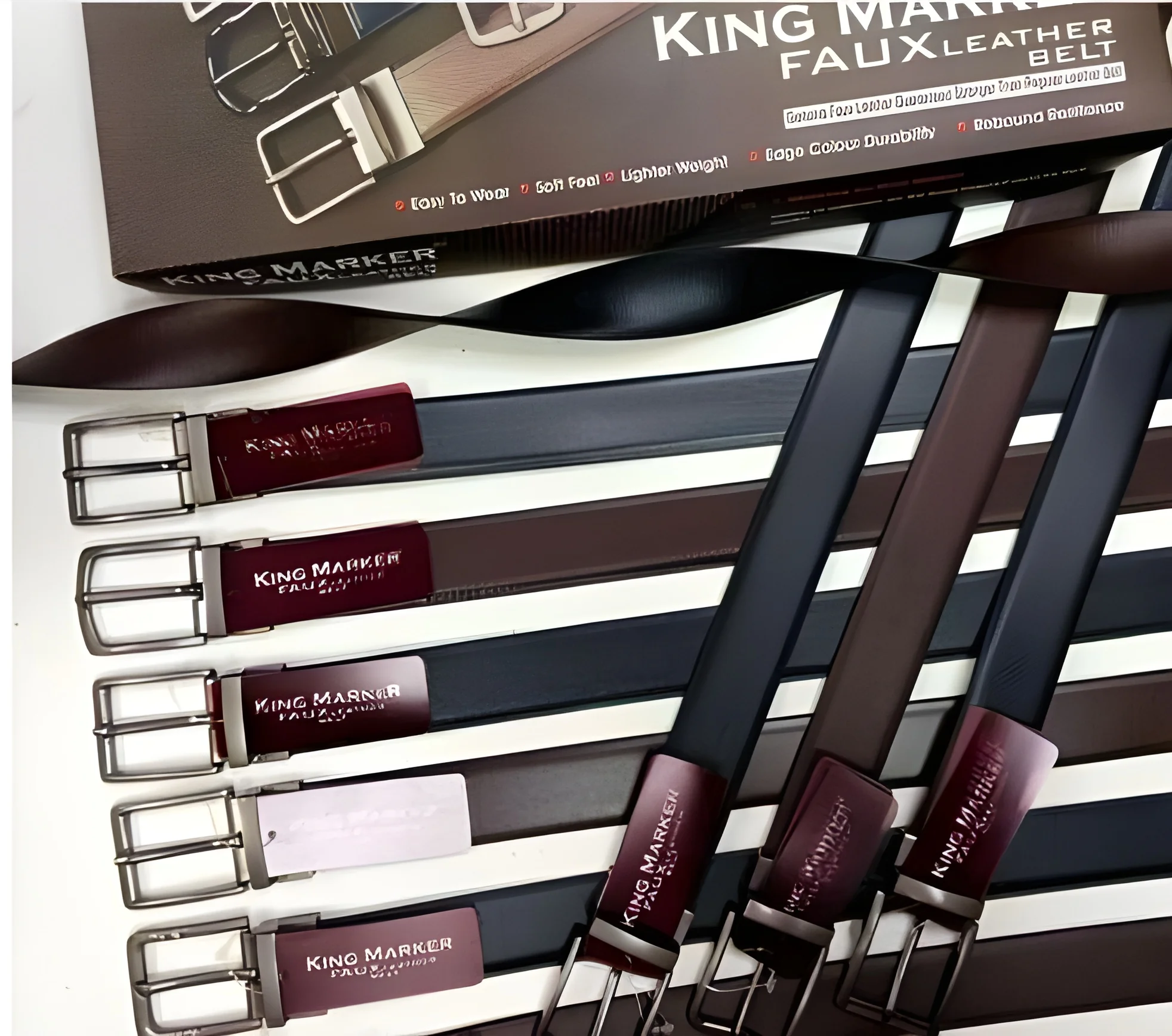
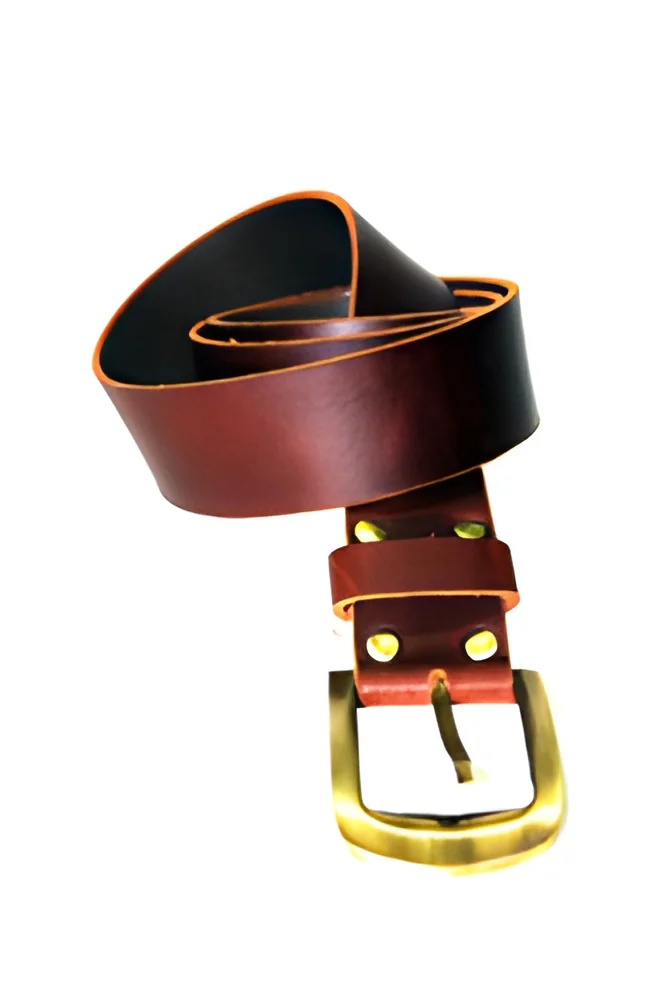
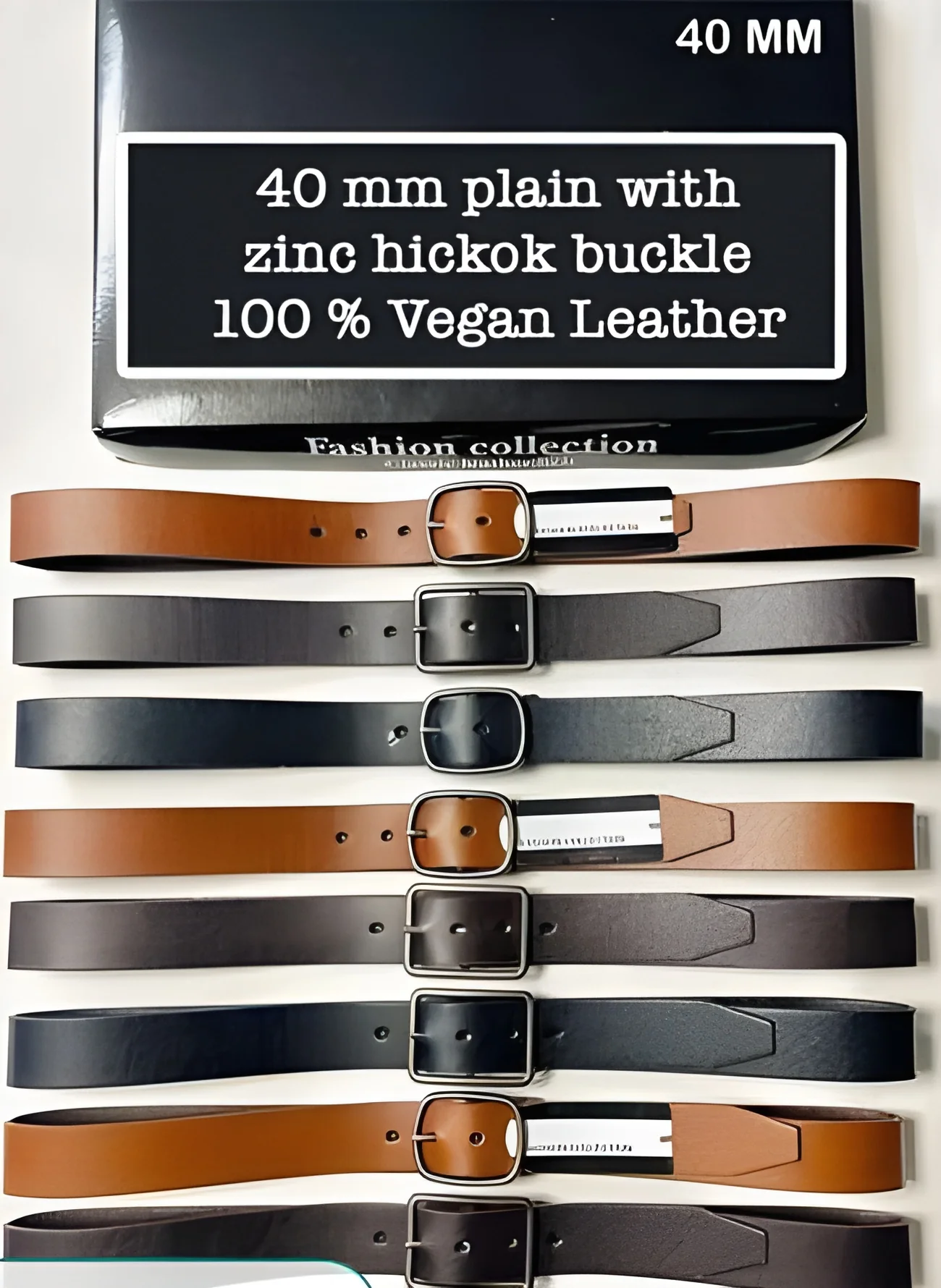
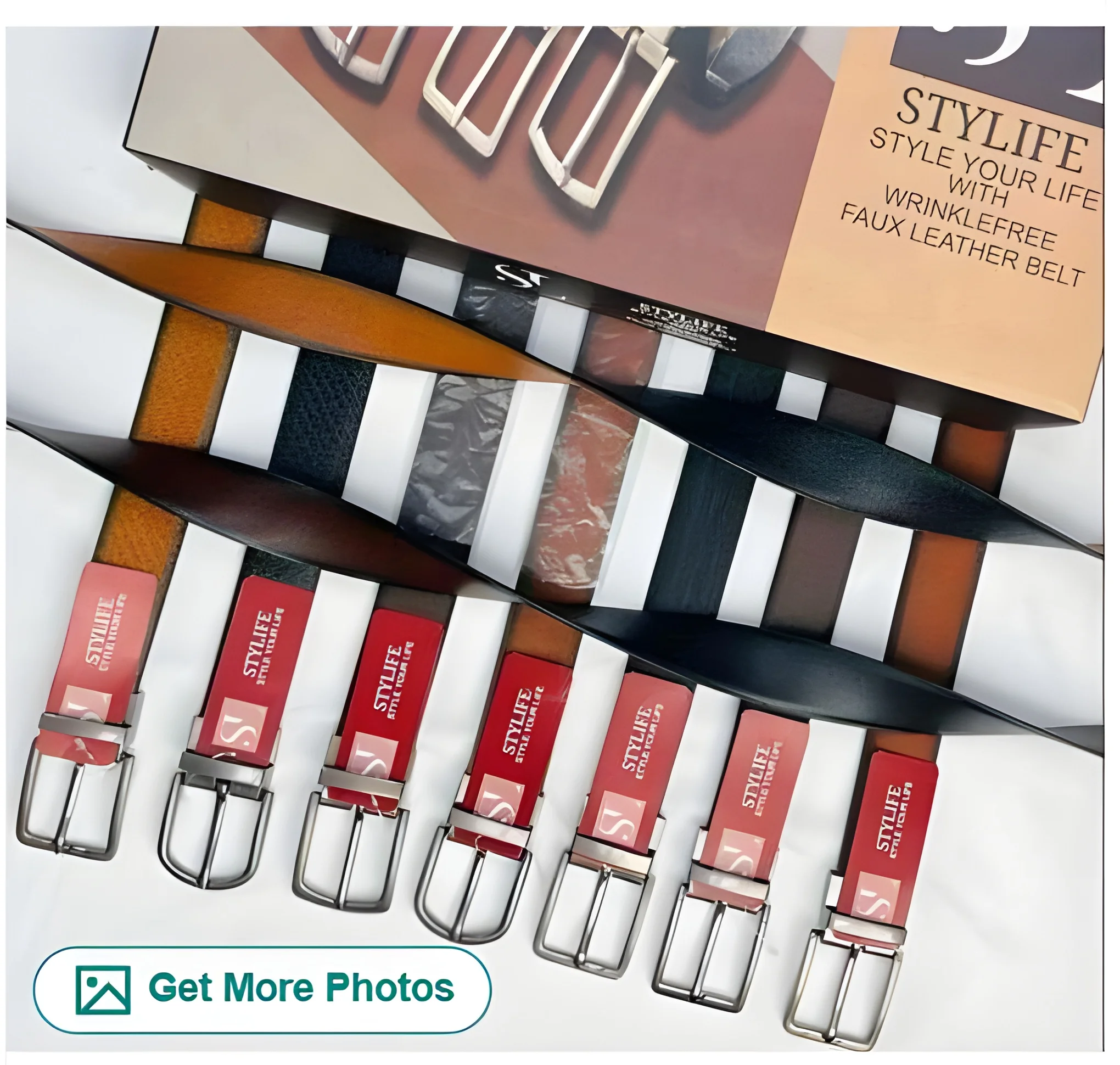
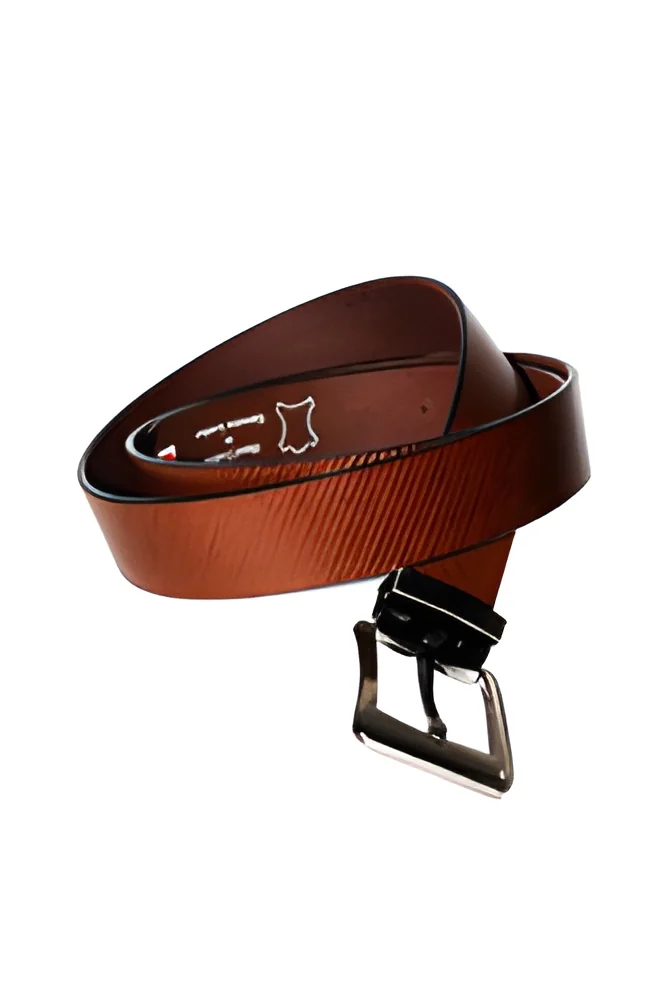
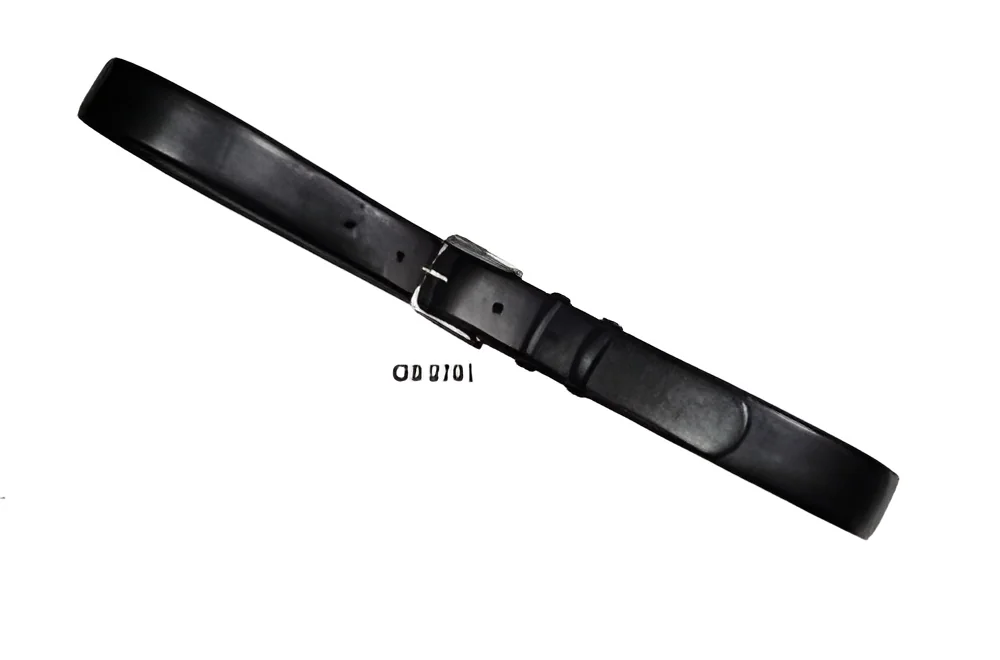
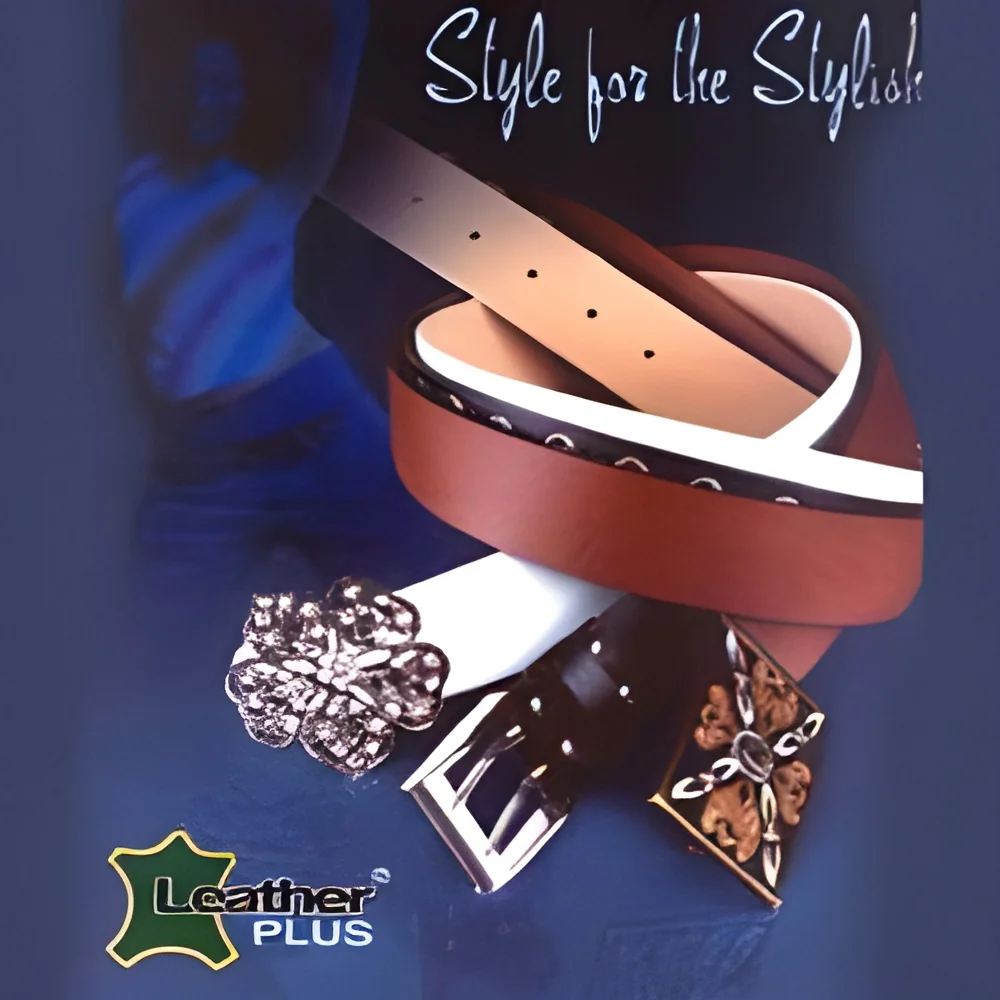
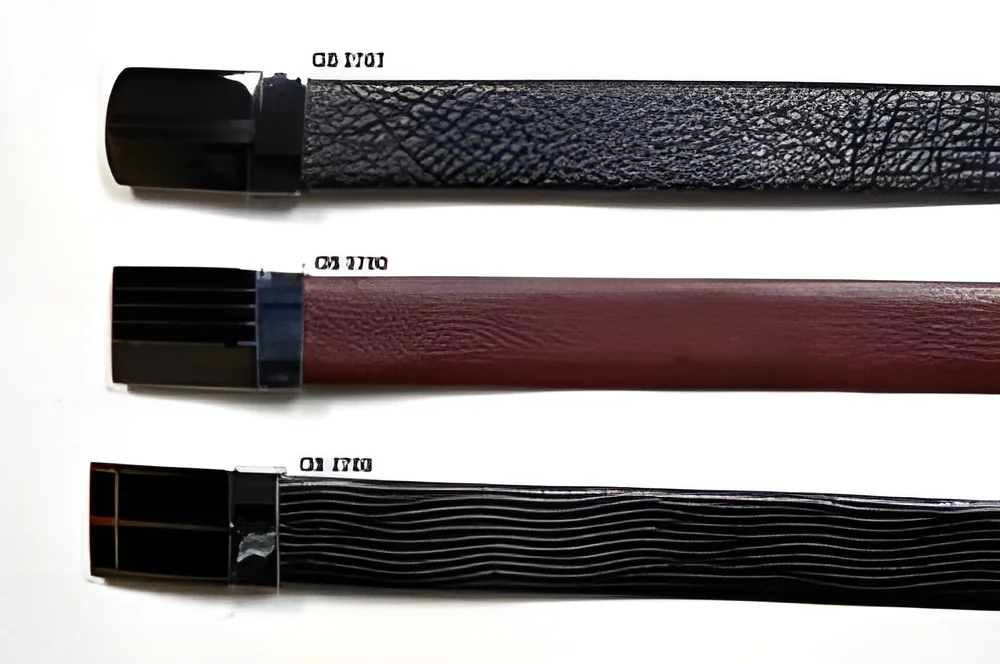
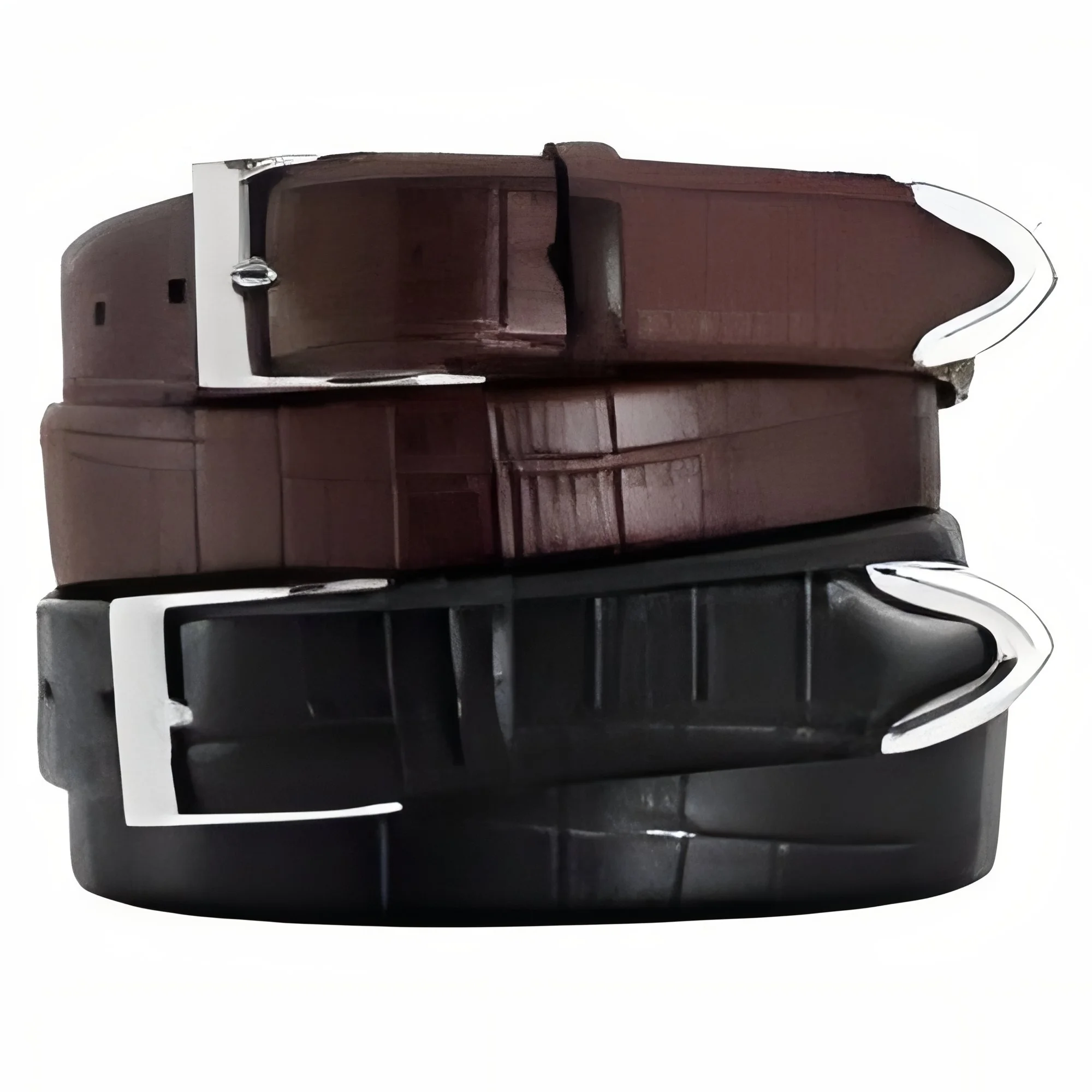
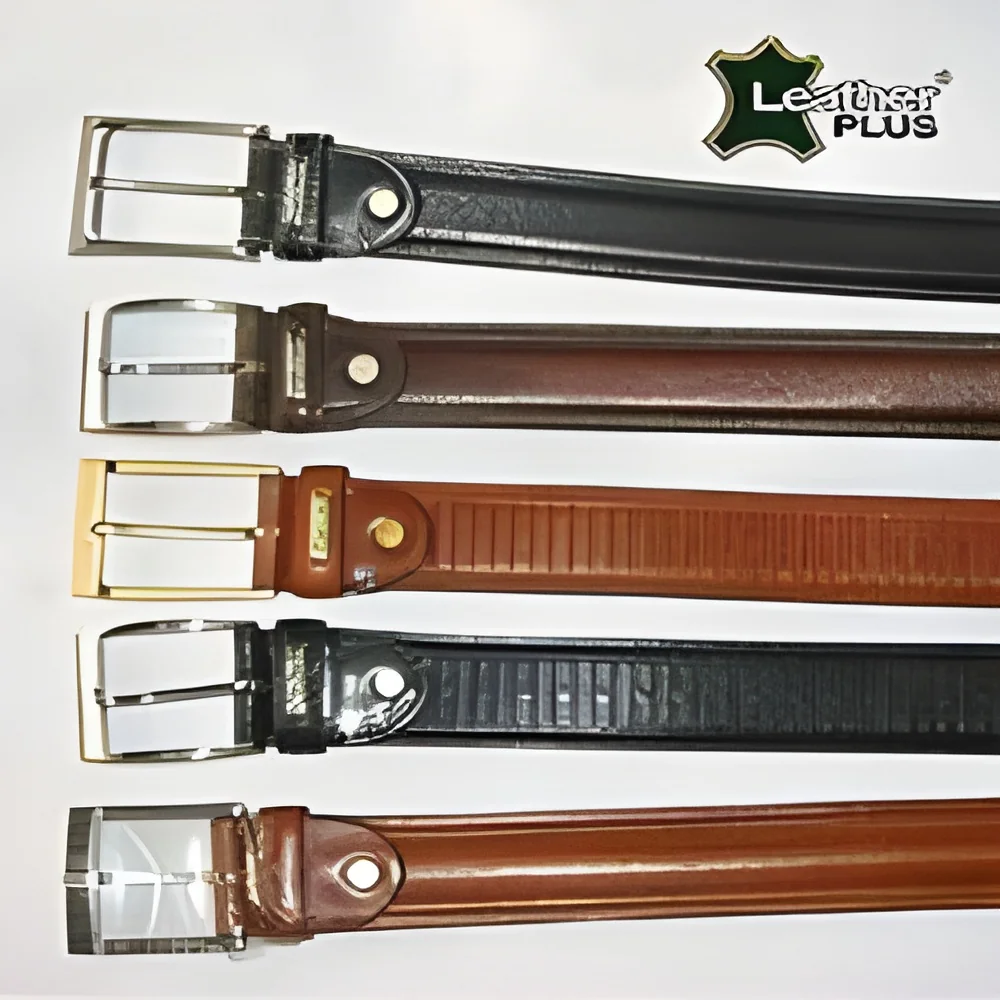
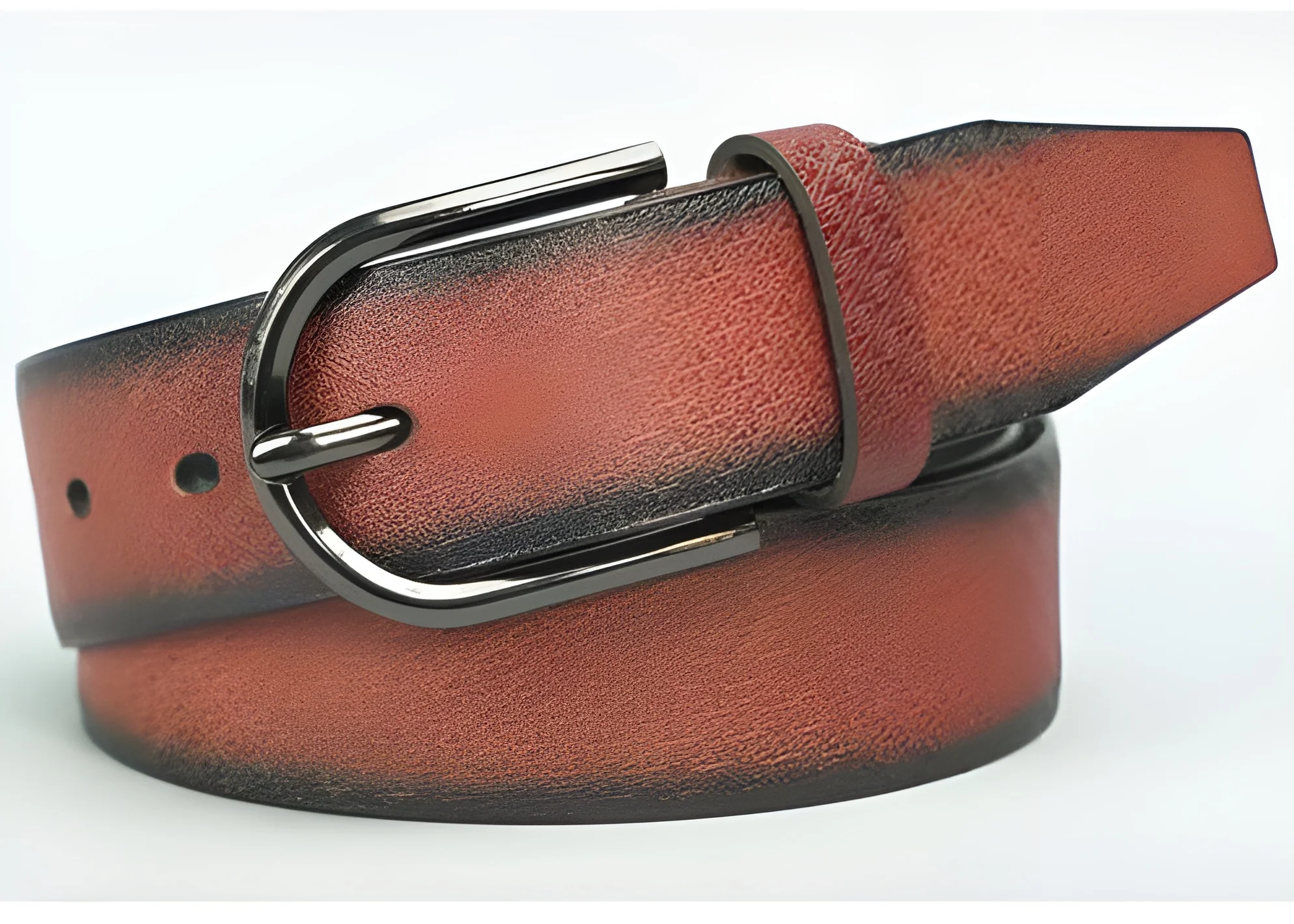
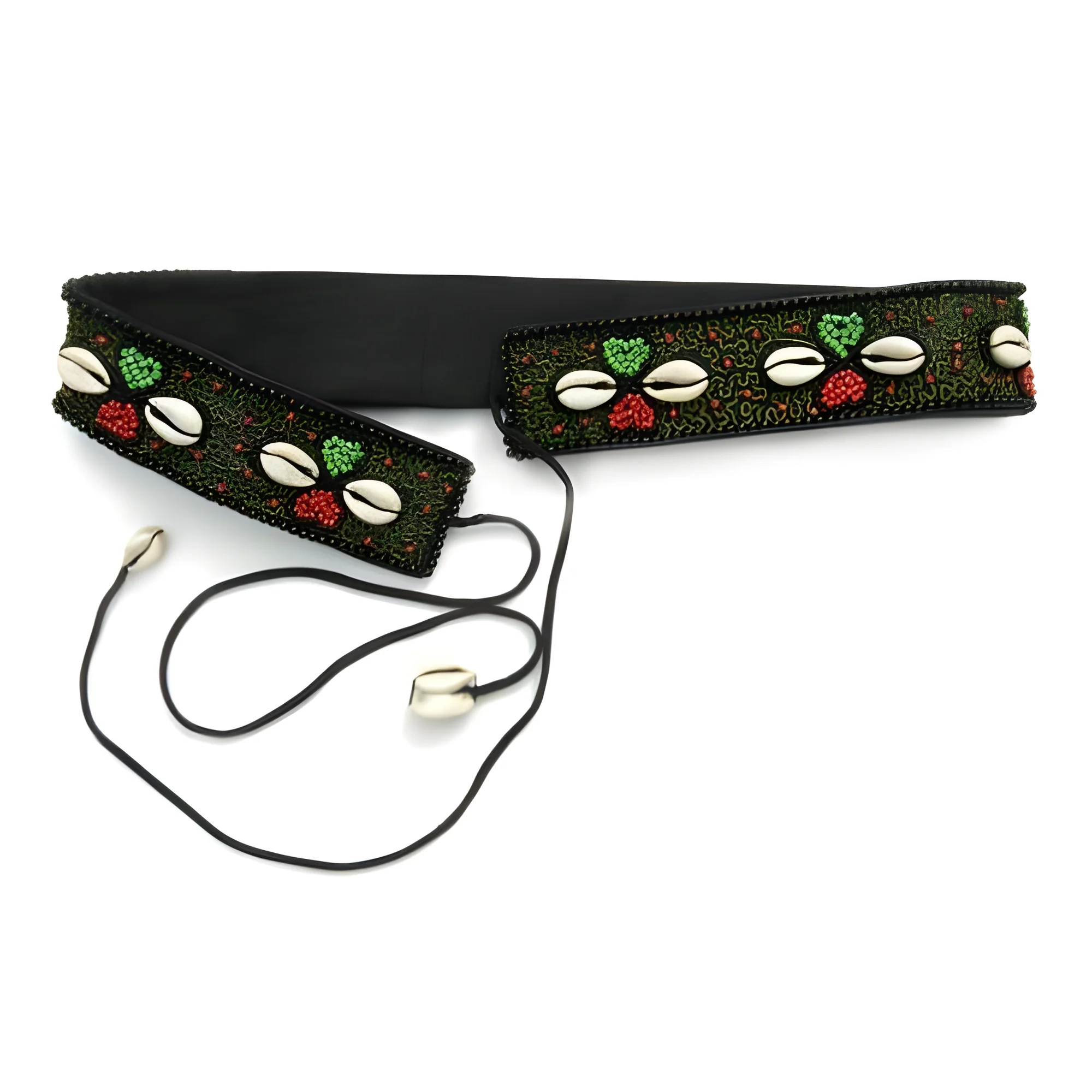
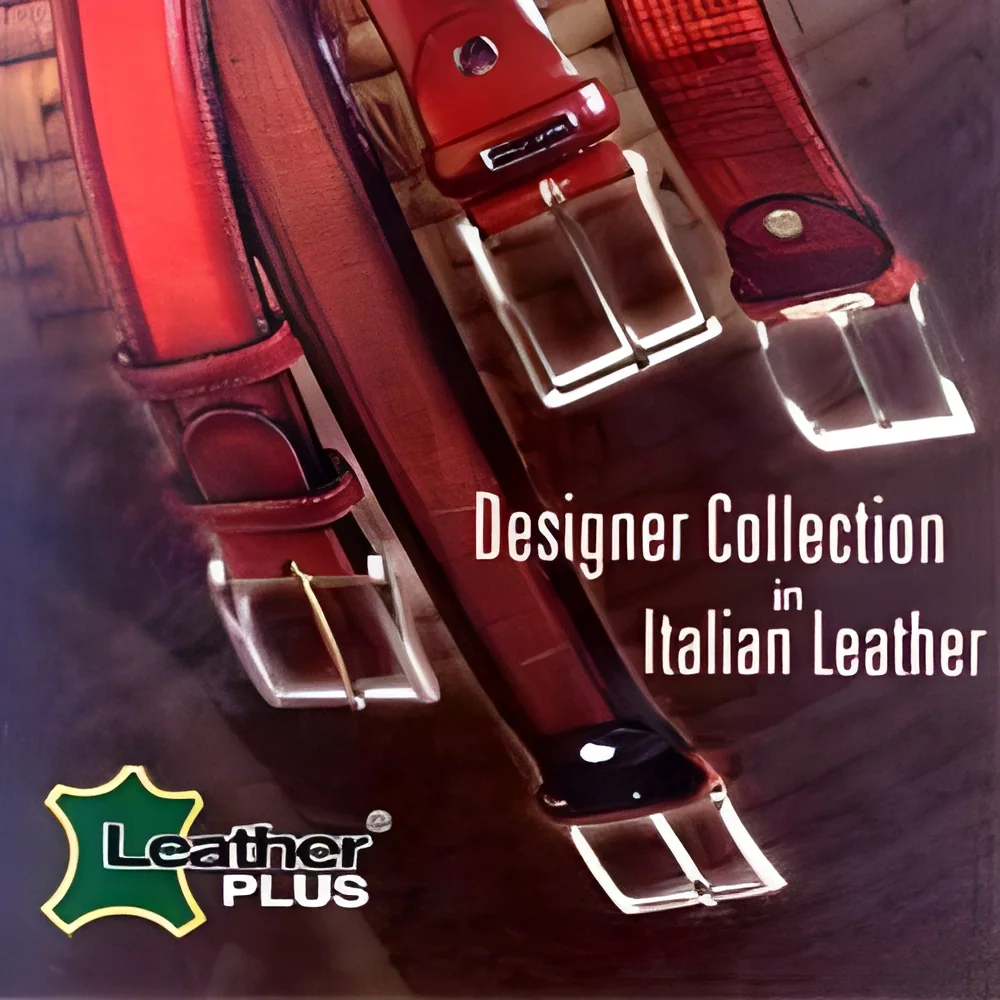
Classic belts are designed for a timeless look, often made of leather or sturdy fabric. They are suitable for formal and semi-formal occasions, making them a staple in corporate wardrobes.
Casual Ties
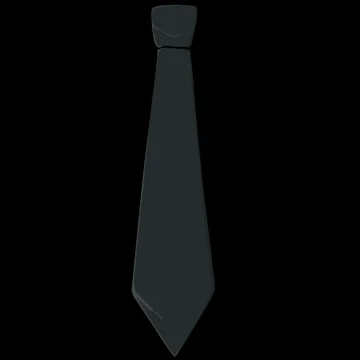
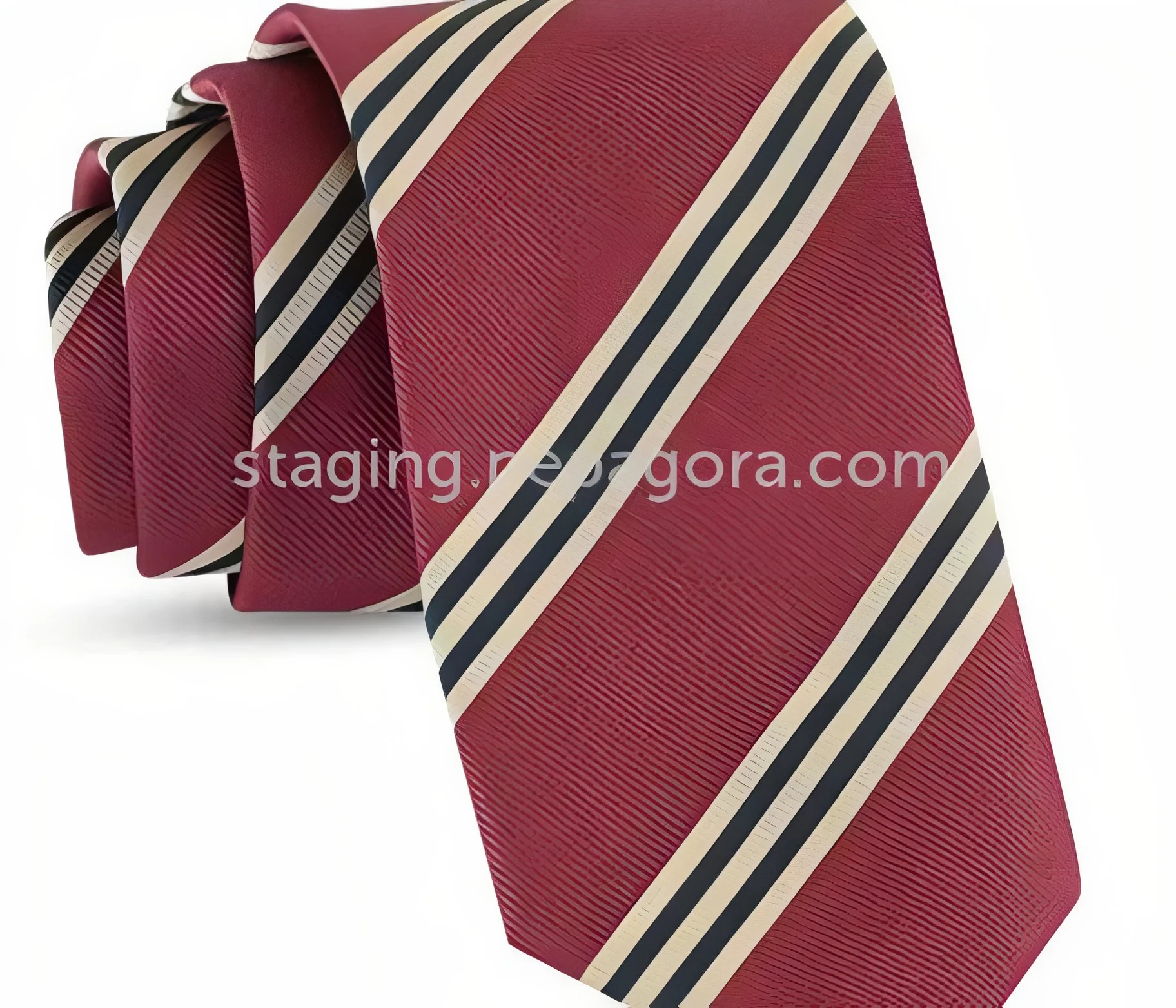
Casual ties come in various colors and patterns, suitable for less formal environments. They can be made from lighter materials, allowing for comfort in warmer conditions.
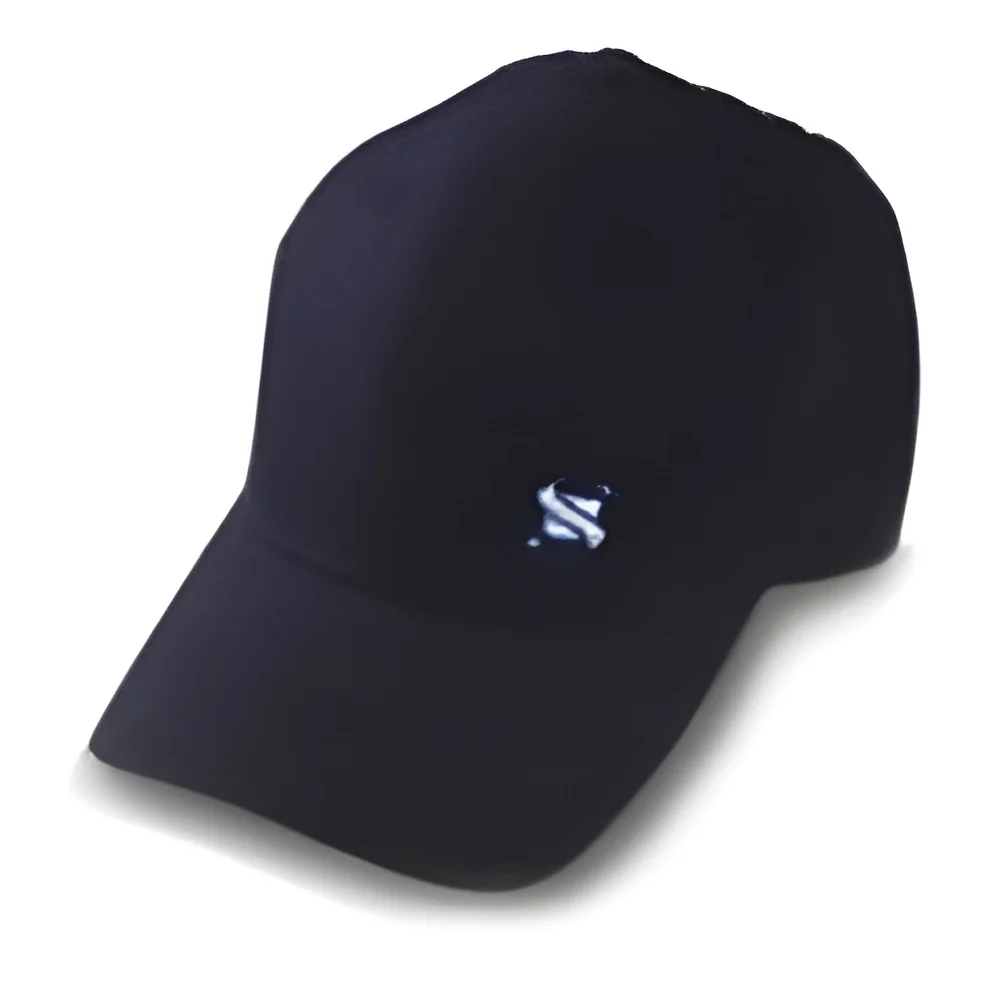
Baseball Caps
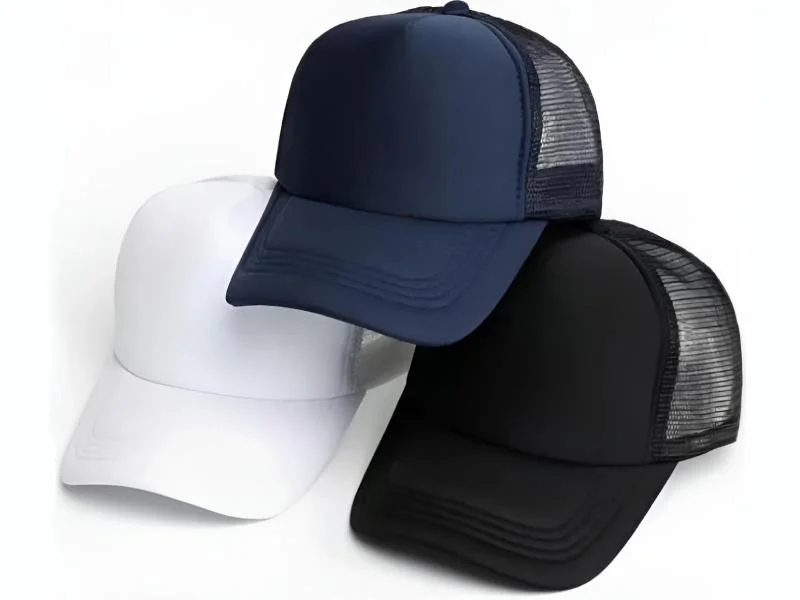
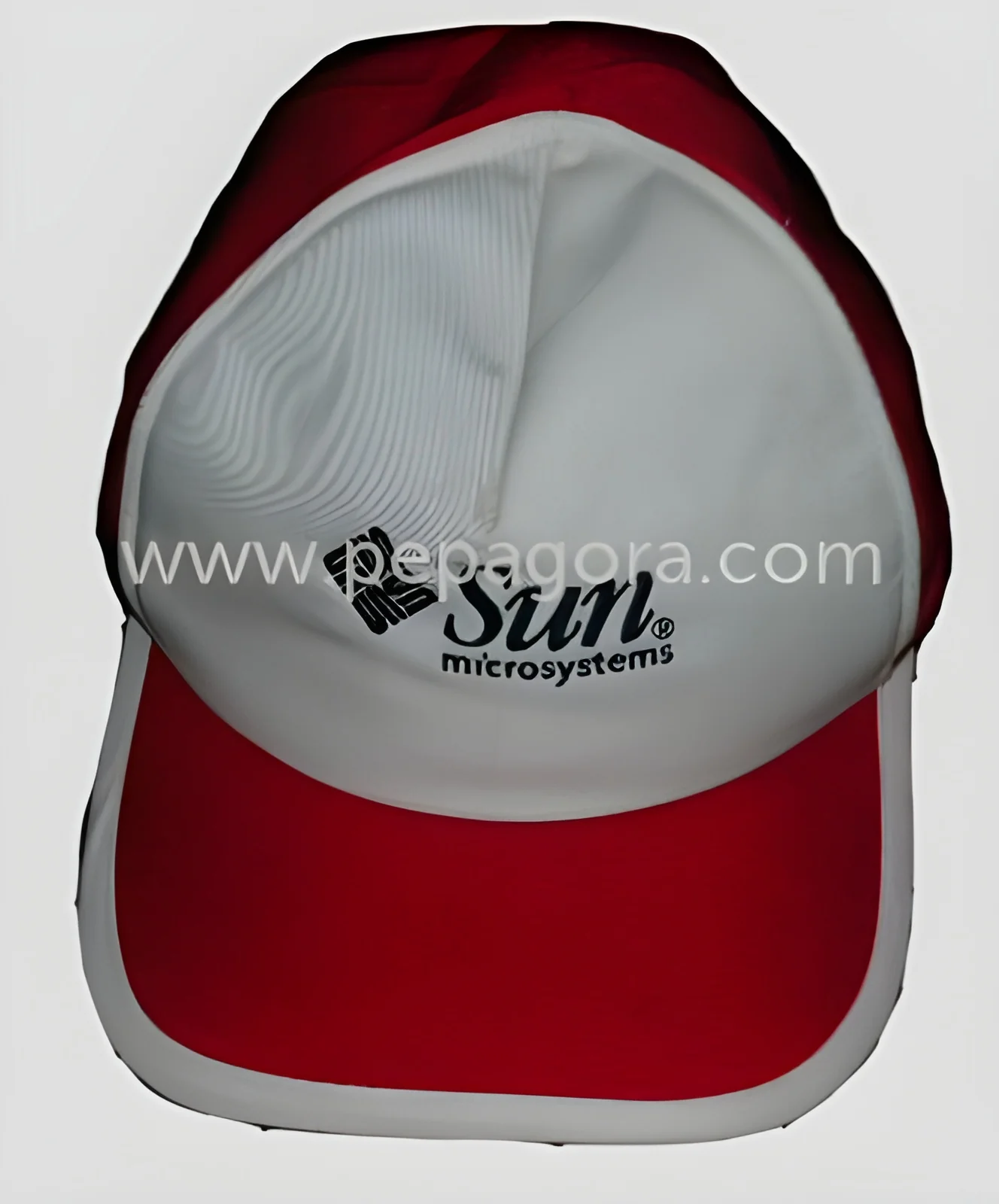
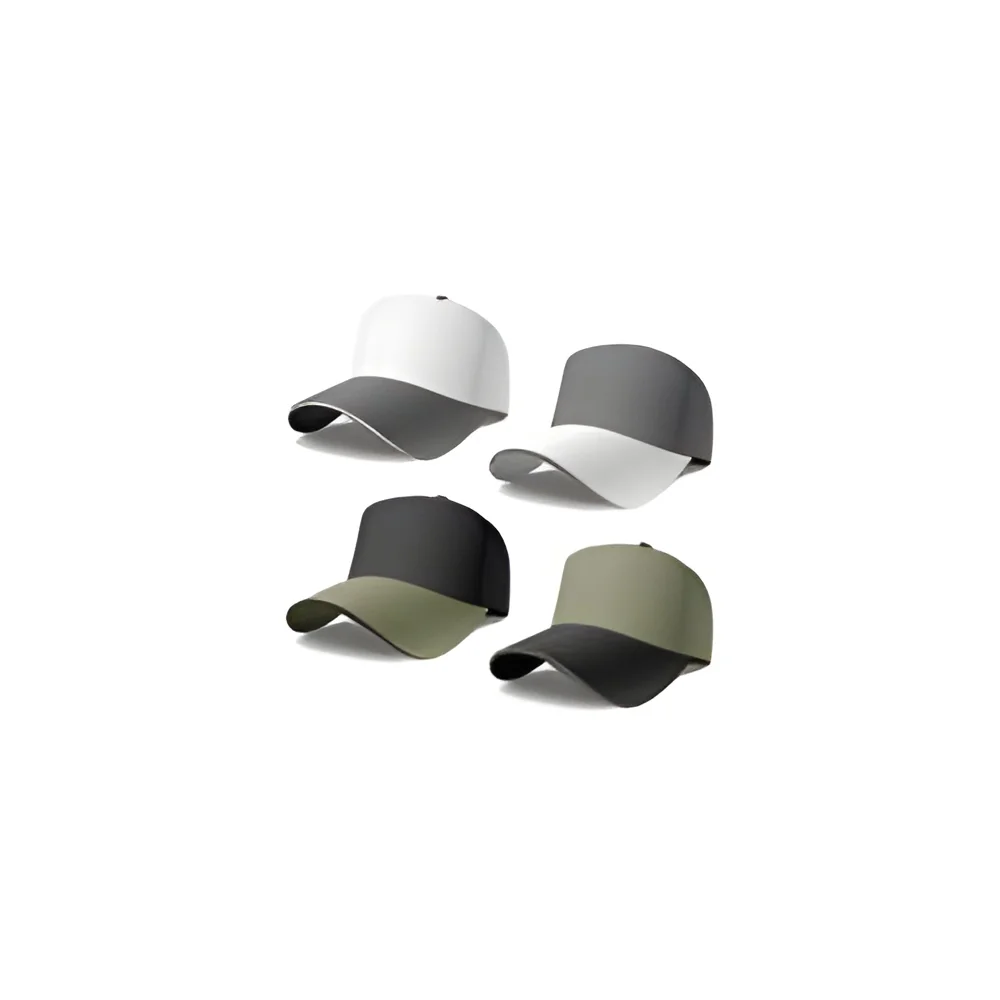
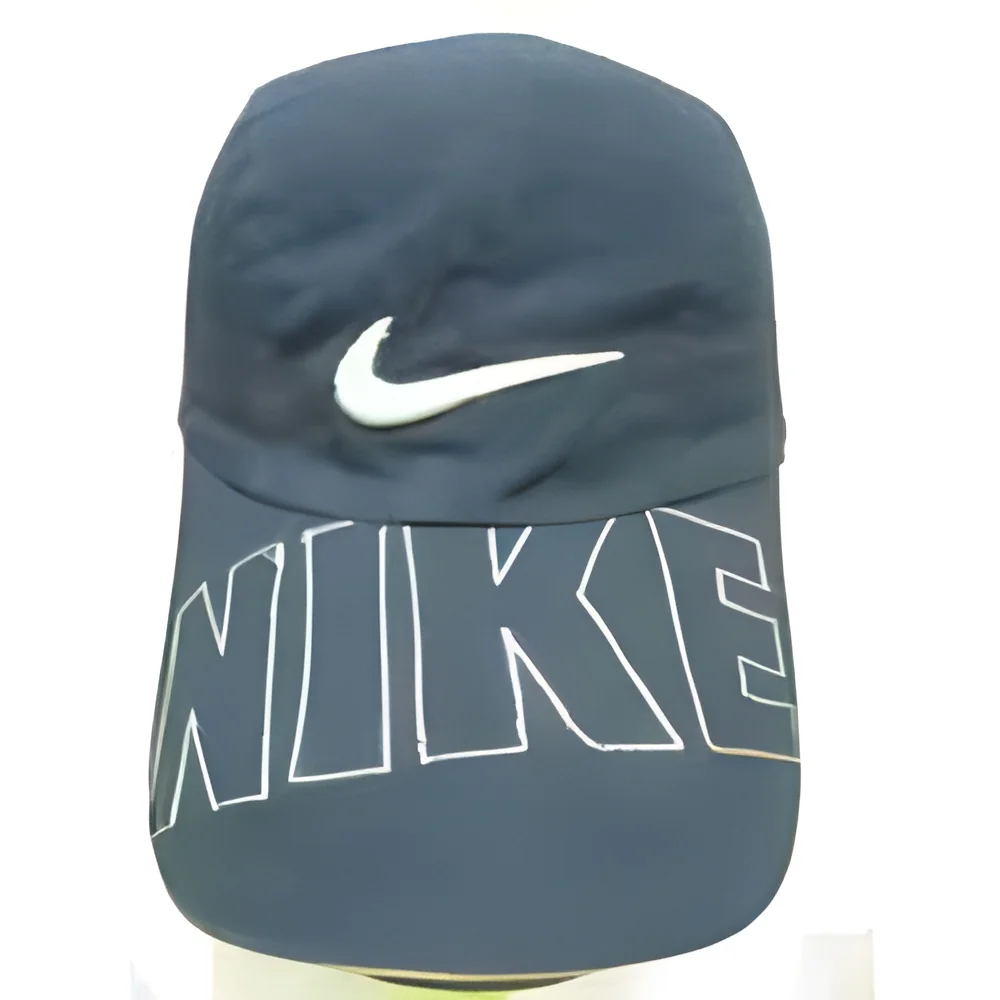
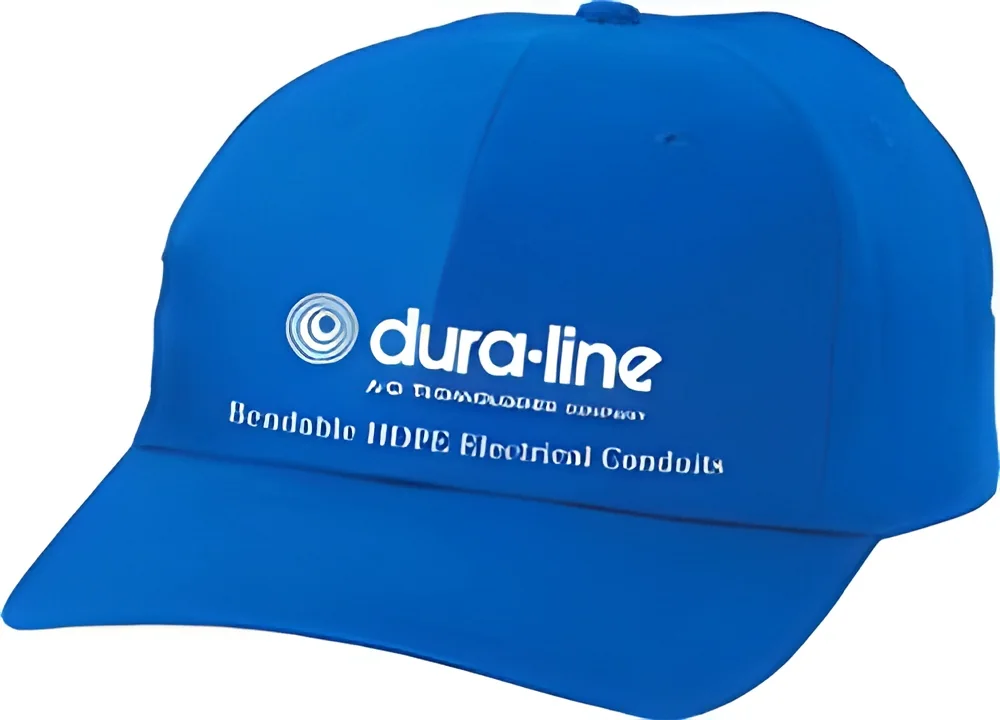
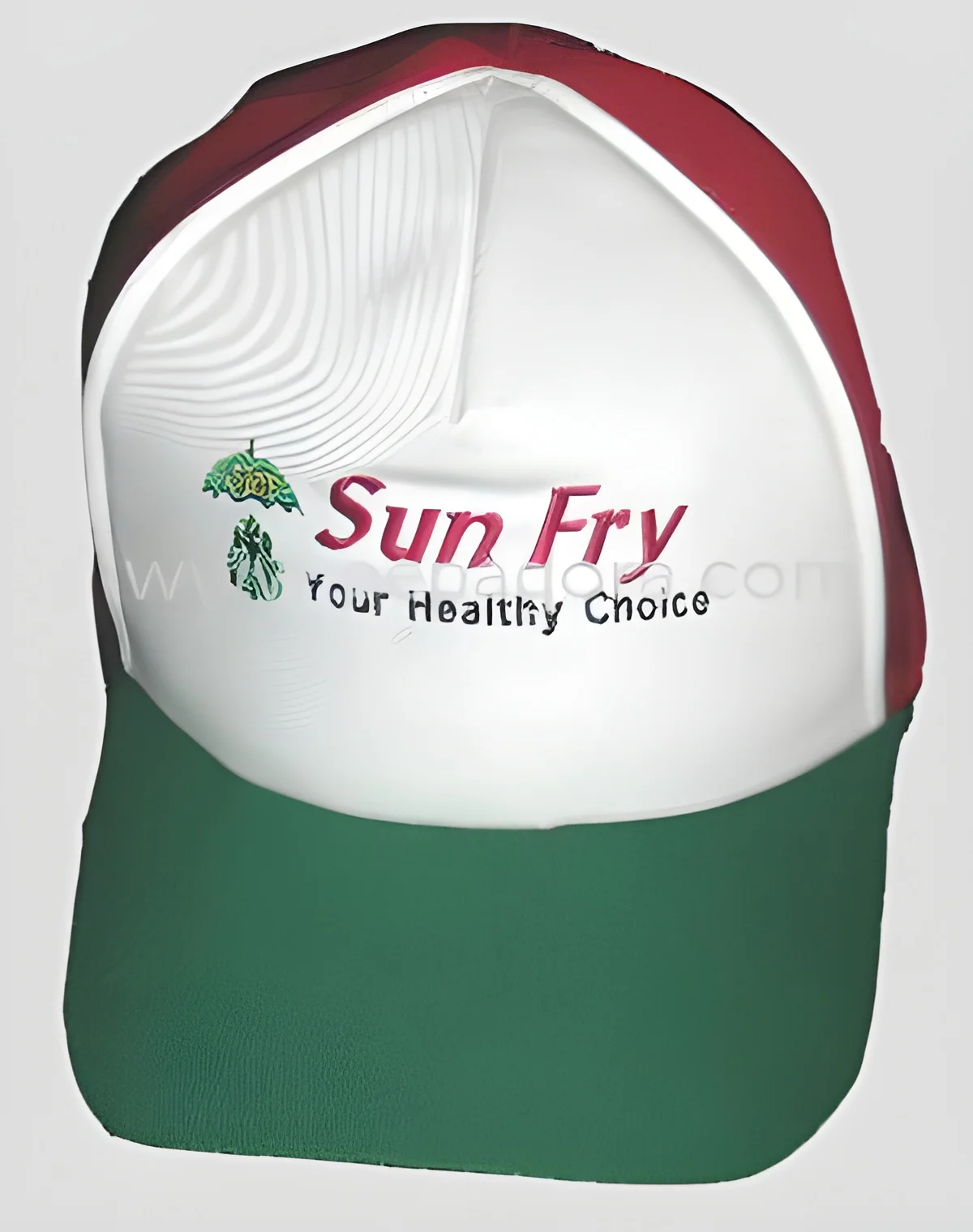
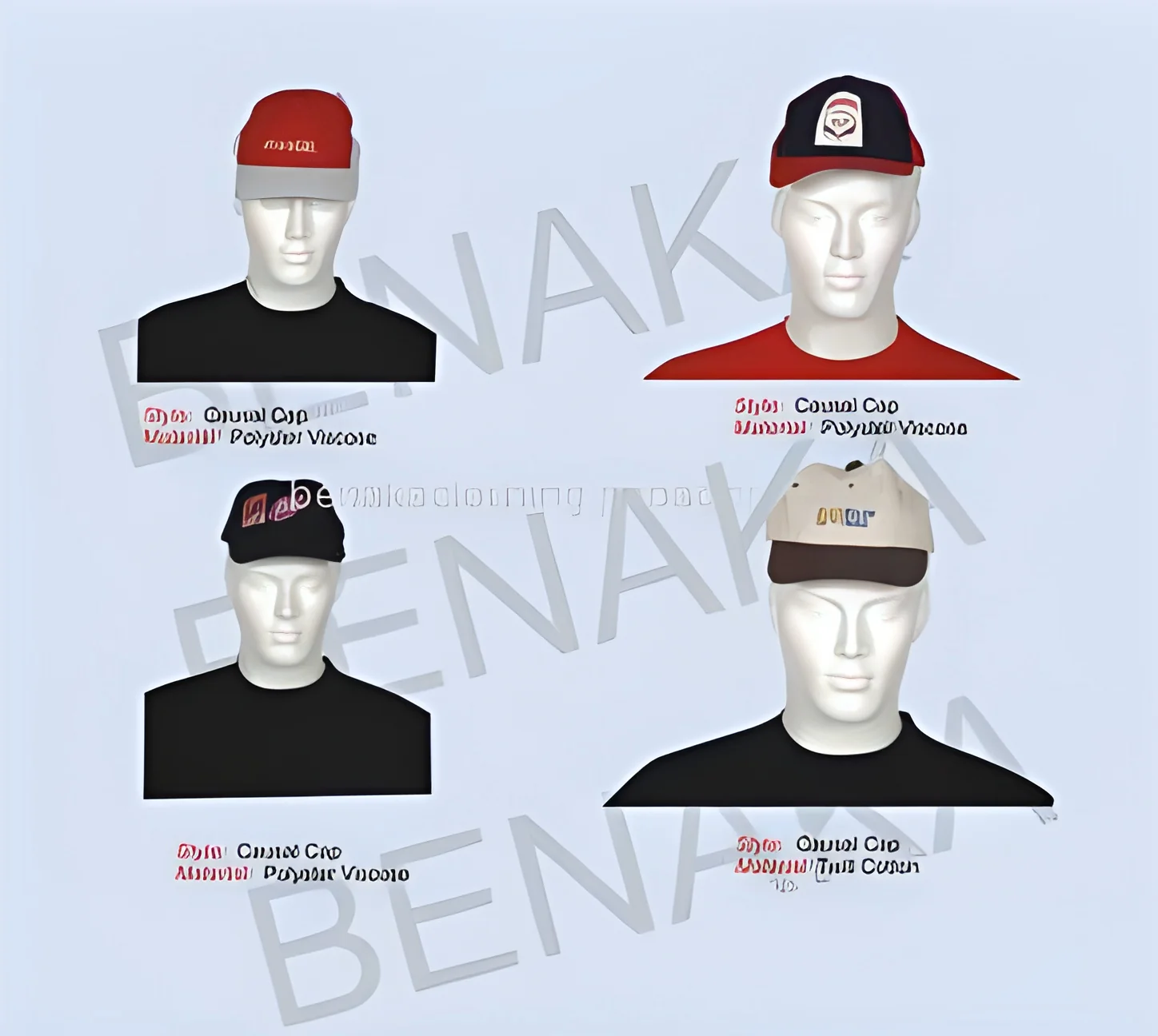
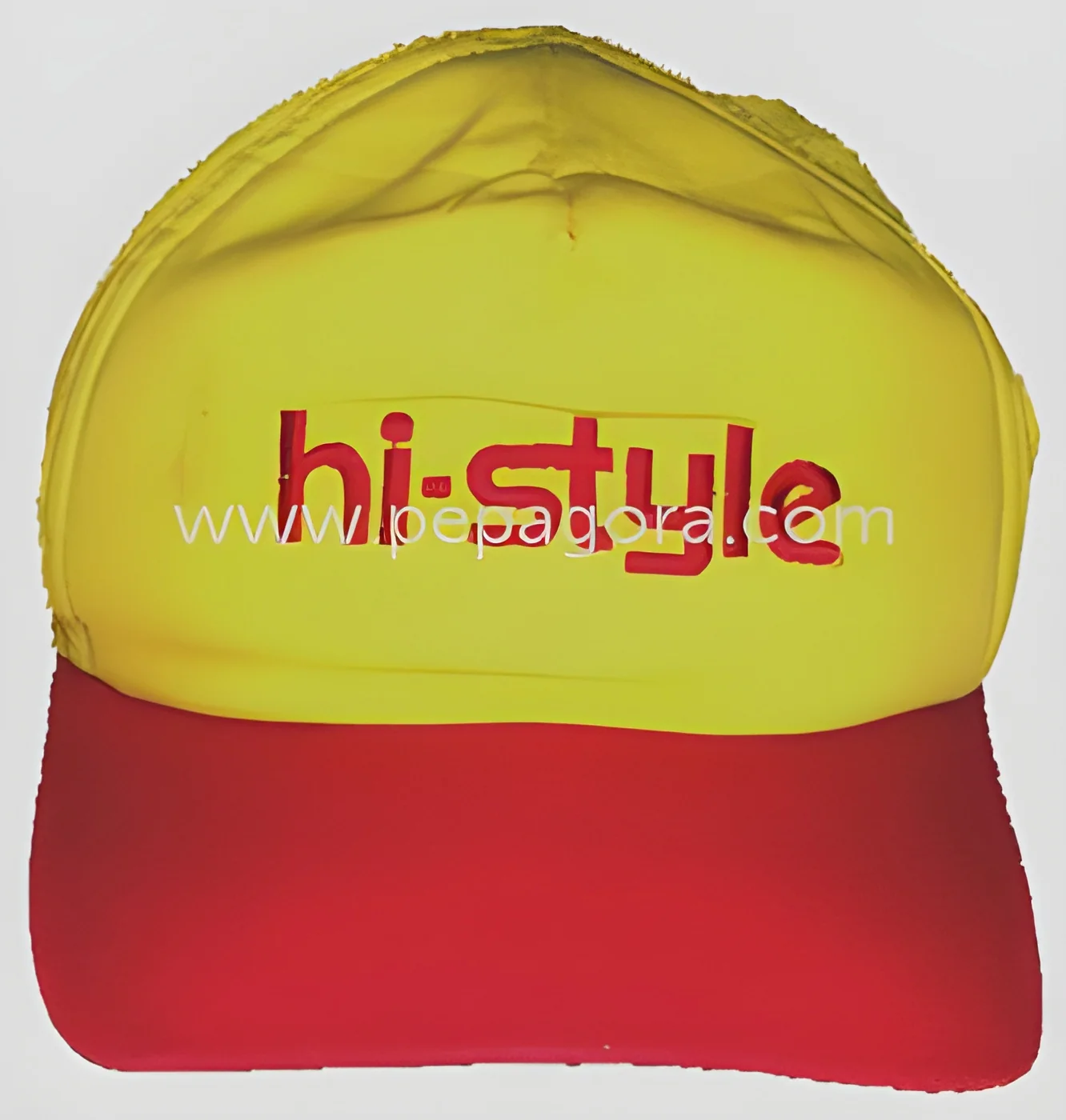
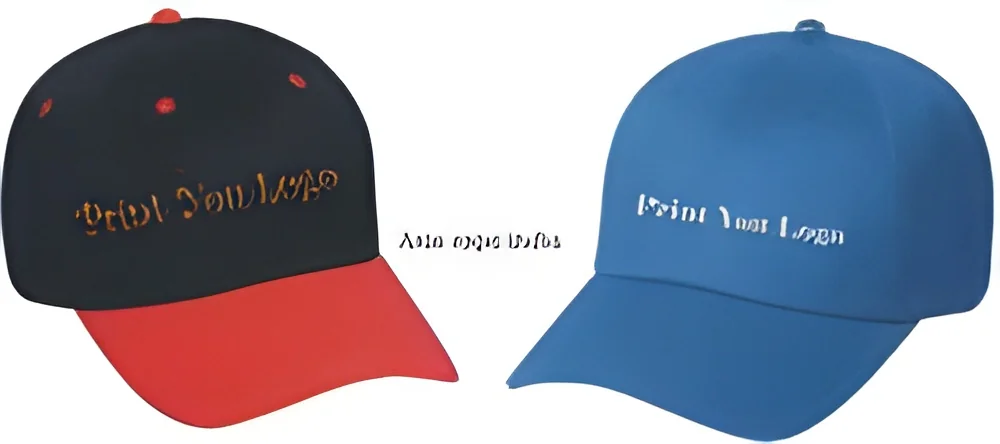
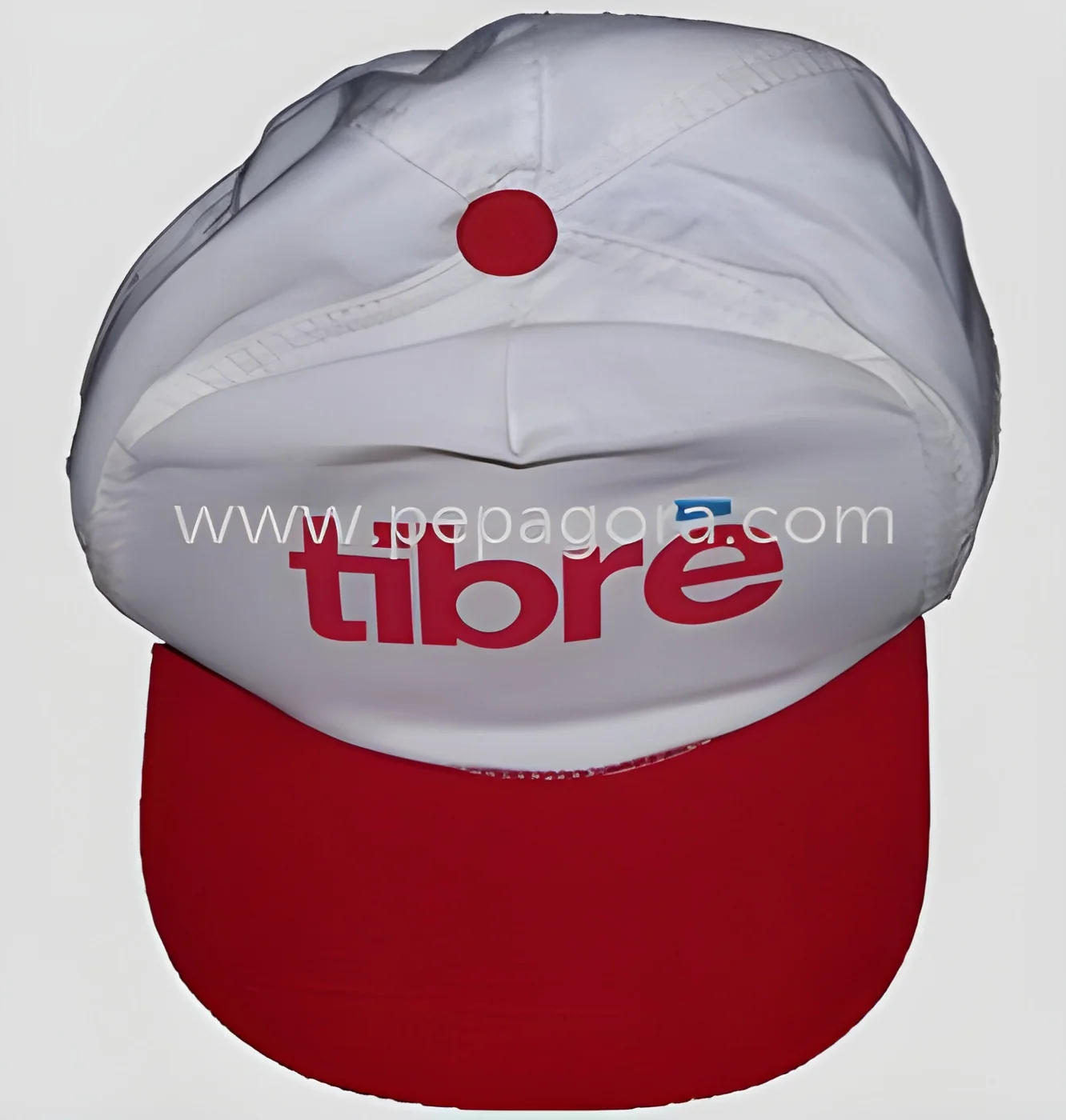
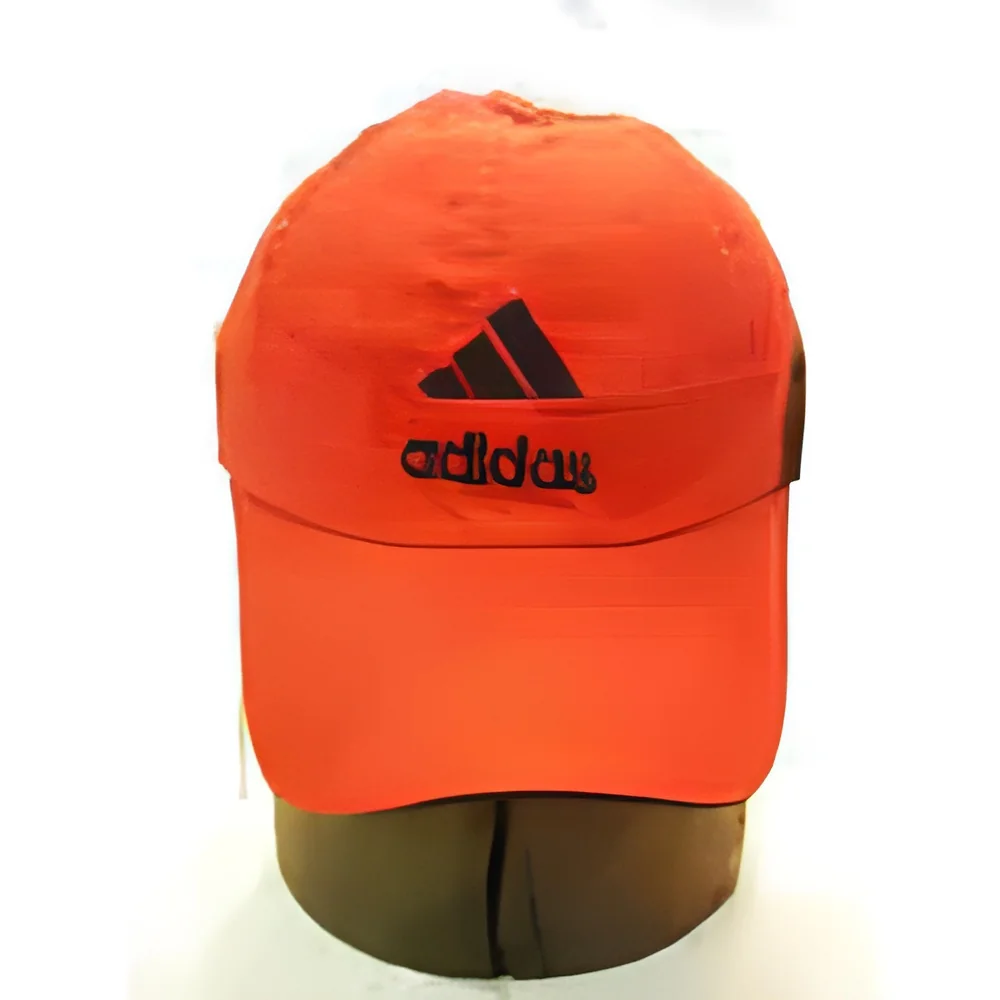
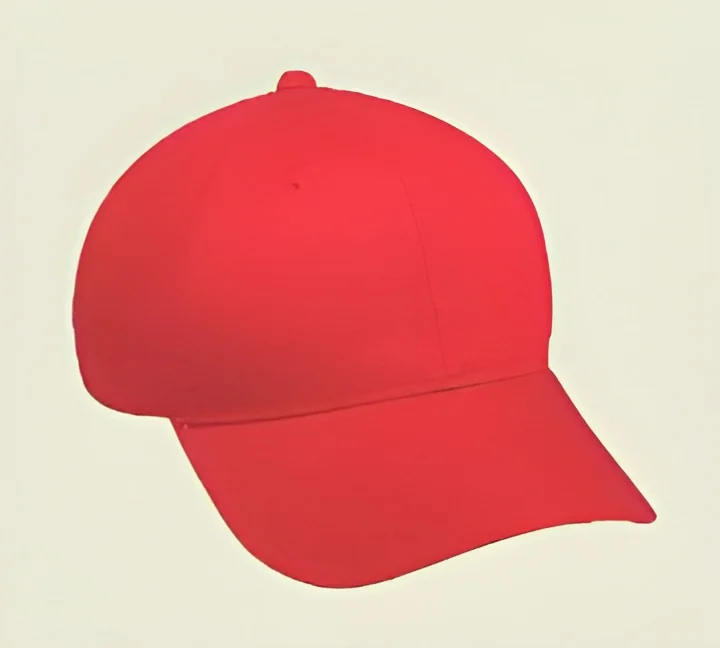
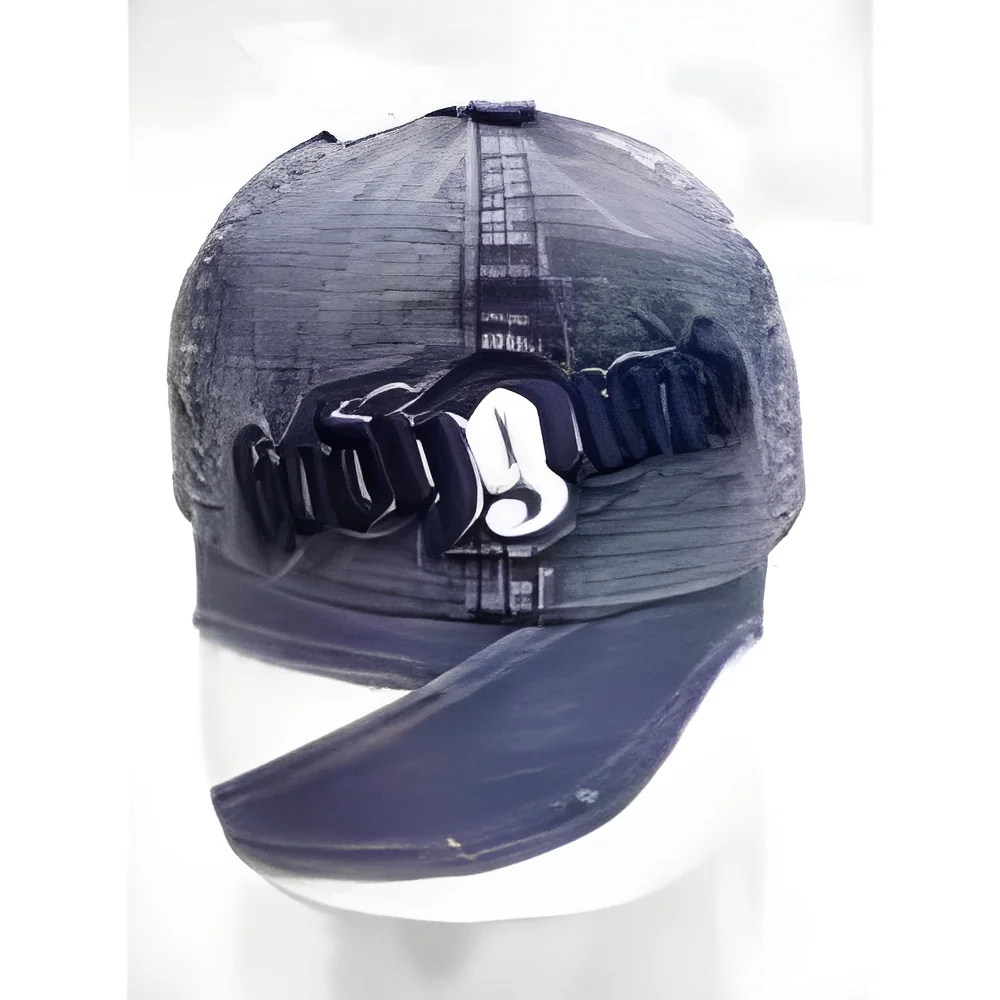
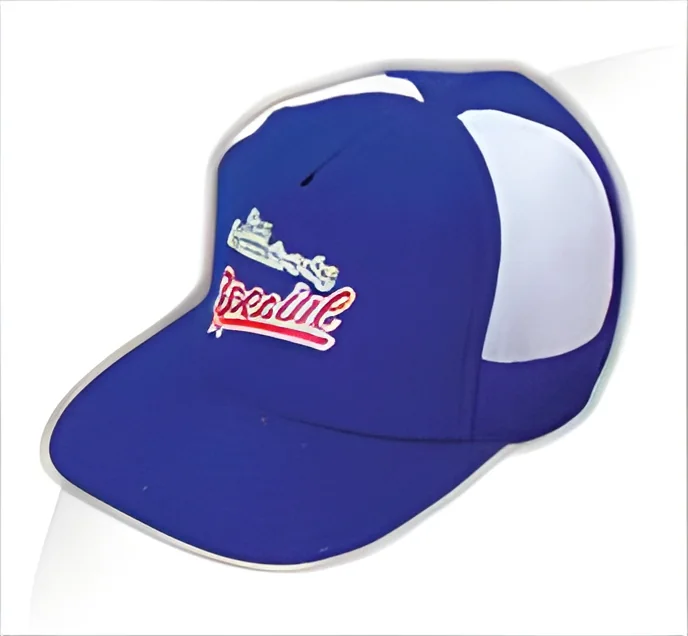
Baseball caps are popular for casual wear and outdoor activities. They feature adjustable straps and come in numerous designs, making them ideal for personal expression and branding.
Wide-brimmed Hats
Wide-brimmed hats are perfect for outdoor events and sun protection. They are often used in promotional events and can be customized for marketing purposes.
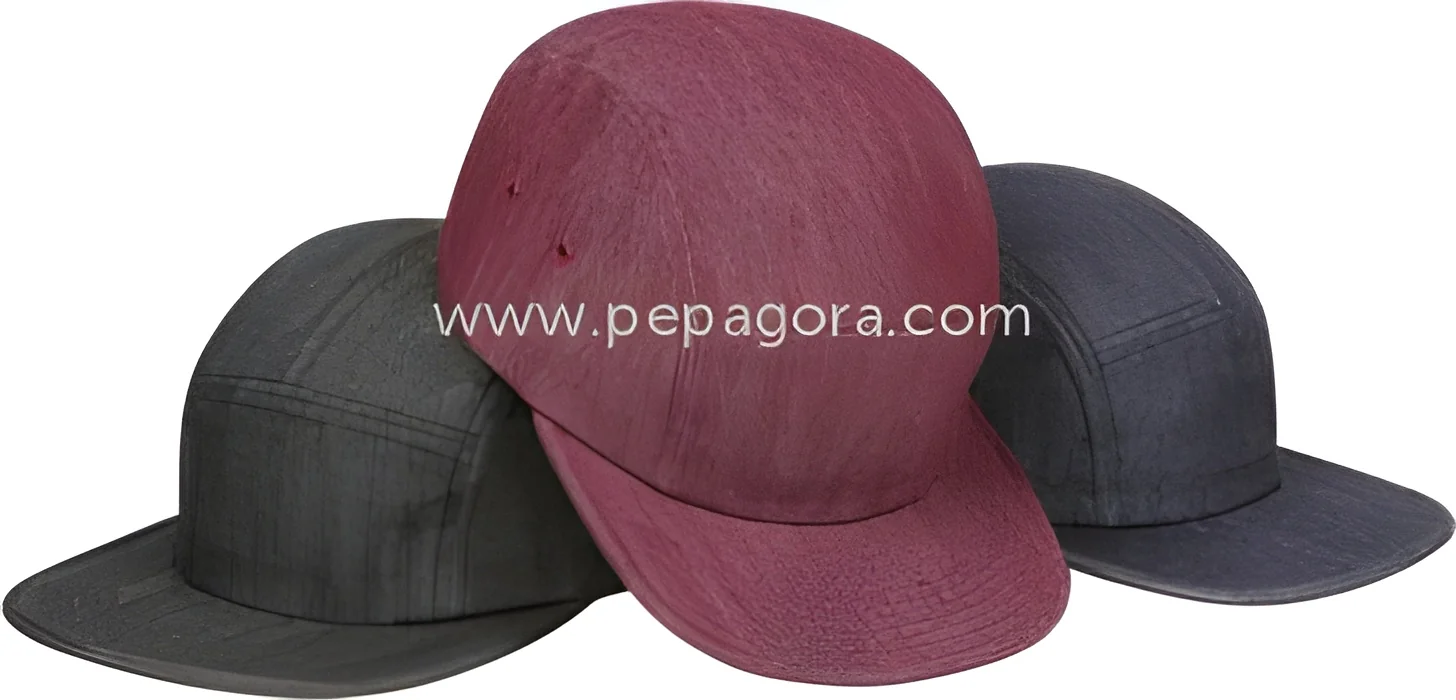
Snapback Hats
Snapback hats are trendy among younger demographics and are commonly used in streetwear fashion. They offer the opportunity for unique designs and branding.
𝗕𝗲𝗻𝗲𝗳𝗶𝘁𝘀 𝗮𝗻𝗱 𝗔𝗱𝘃𝗮𝗻𝘁𝗮𝗴𝗲𝘀
Sourcing belts, ties, caps, and hats offers various benefits to businesses.
1. Versatility: These accessories can be used in multiple settings, from corporate environments to casual outings, making them suitable for diverse applications.
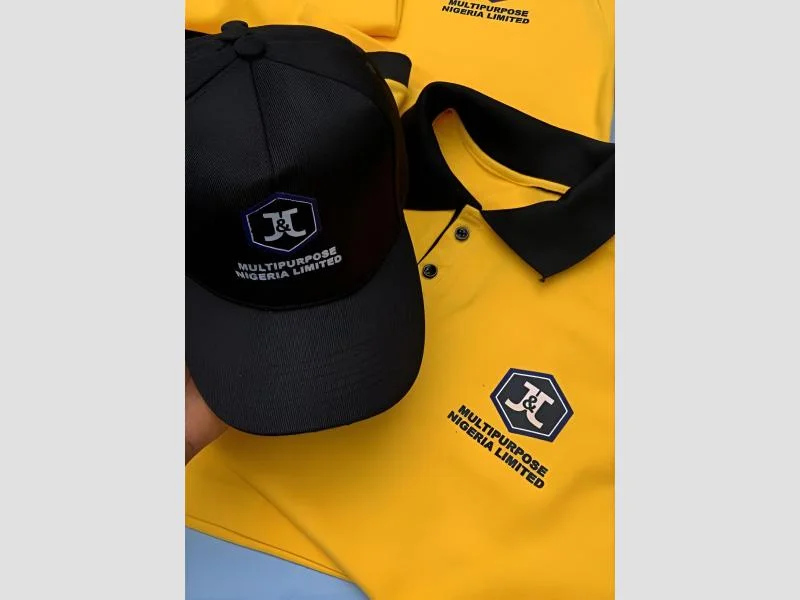
2. Branding Opportunities: Customization options allow businesses to promote their brand effectively. Logos can be added to enhance brand visibility and recognition.
3. Employee Uniformity: Providing uniforms with belts, ties, caps, and hats fosters a sense of belonging among employees, enhancing team spirit and professionalism.
4. Quality and Durability: High-quality materials ensure longevity, reducing the need for frequent replacements and saving costs over time.
5. Comfort and Style: Well-designed products offer comfort for daily wear while maintaining a stylish appearance, which is important in many business environments.
6. Safety Compliance: For industries requiring safety gear, sourcing compliant products ensures employee safety and adherence to regulations.
𝗕𝘂𝘆𝗶𝗻𝗴 𝗚𝘂𝗶𝗱𝗲 𝗳𝗼𝗿 𝗕𝟮𝗕 𝗕𝘂𝘆𝗲𝗿𝘀
When sourcing belts, ties, caps, and hats, B2B buyers need to consider several factors to make informed decisions.
1. Quality Assessment: Evaluate the materials and craftsmanship of the products. Look for items that meet industry standards and offer durability for long-term use.
2. Supplier Verification: Vet potential suppliers by checking their reputation, reviews, and certifications. Ensuring they have a reliable track record is crucial for a successful partnership.
3. Pricing and MOQ: Understand the pricing structure and minimum order quantities. This helps in budgeting and ensures the supplier can accommodate your business needs.
4. Delivery and Lead Times: Inquire about logistics and delivery timelines. Timely delivery is essential for maintaining inventory and meeting customer demands.
5. Compliance Requirements: Ensure the products comply with relevant regulations and safety standards. This is particularly important for items used in specific industries, such as construction.
𝗖𝗼𝗺𝗽𝗹𝗶𝗮𝗻𝗰𝗲 𝗮𝗻𝗱 𝗖𝗲𝗿𝘁𝗶𝗳𝗶𝗰𝗮𝘁𝗶𝗼𝗻𝘀
Belts, ties, caps, and hats must meet various compliance and certification standards to ensure quality and safety.
Relevant quality standards include ISO 9001, which focuses on maintaining quality management systems. This certification ensures that manufacturers adhere to consistent quality processes throughout production.
Industry certifications, such as CE certification, indicate compliance with European health, safety, and environmental protection standards. This is crucial for products intended for the European market.
Safety and testing requirements are also paramount, particularly for items used in hazardous environments. Compliance with safety standards helps protect users and reduces liability risks.
Regional compliance considerations may vary, so it is essential for businesses to understand the specific regulations applicable in their target markets. This ensures that products are legally compliant and safe for use.
𝗪𝗵𝘆 𝗦𝗼𝘂𝗿𝗰𝗲 𝗕𝗲𝗹𝘁𝘀, 𝗧𝗶𝗲𝘀, 𝗖𝗮𝗽𝘀, 𝗛𝗮𝘁𝘀 𝗳𝗿𝗼𝗺 𝗣𝗲𝗽𝗮𝗴𝗼𝗿𝗮?
Pepagora provides a trusted platform for sourcing belts, ties, caps, and hats with several key advantages.
Verified Supplier Network: Pepagora offers a comprehensive network of verified suppliers. This ensures buyers can source quality products from trusted manufacturers, minimizing the risk of unreliable suppliers.
Streamlined RFQ Process: The request for quotation process is straightforward, allowing buyers to easily compare prices and options. This efficiency helps businesses make informed purchasing decisions quickly.
Trade Assurance and Support: Pepagora provides trade assurance, offering protection for buyers. This support includes assistance in resolving disputes and ensuring that buyers receive the products as described.
Regional Coverage: With a strong presence in India, GCC, and Southeast Asia, Pepagora can facilitate sourcing across multiple regions. This geographic reach ensures that businesses can find local suppliers, reducing shipping times and costs.

 IN
IN