
 IN
Silk Ties
3 products available
What are Silk Ties?
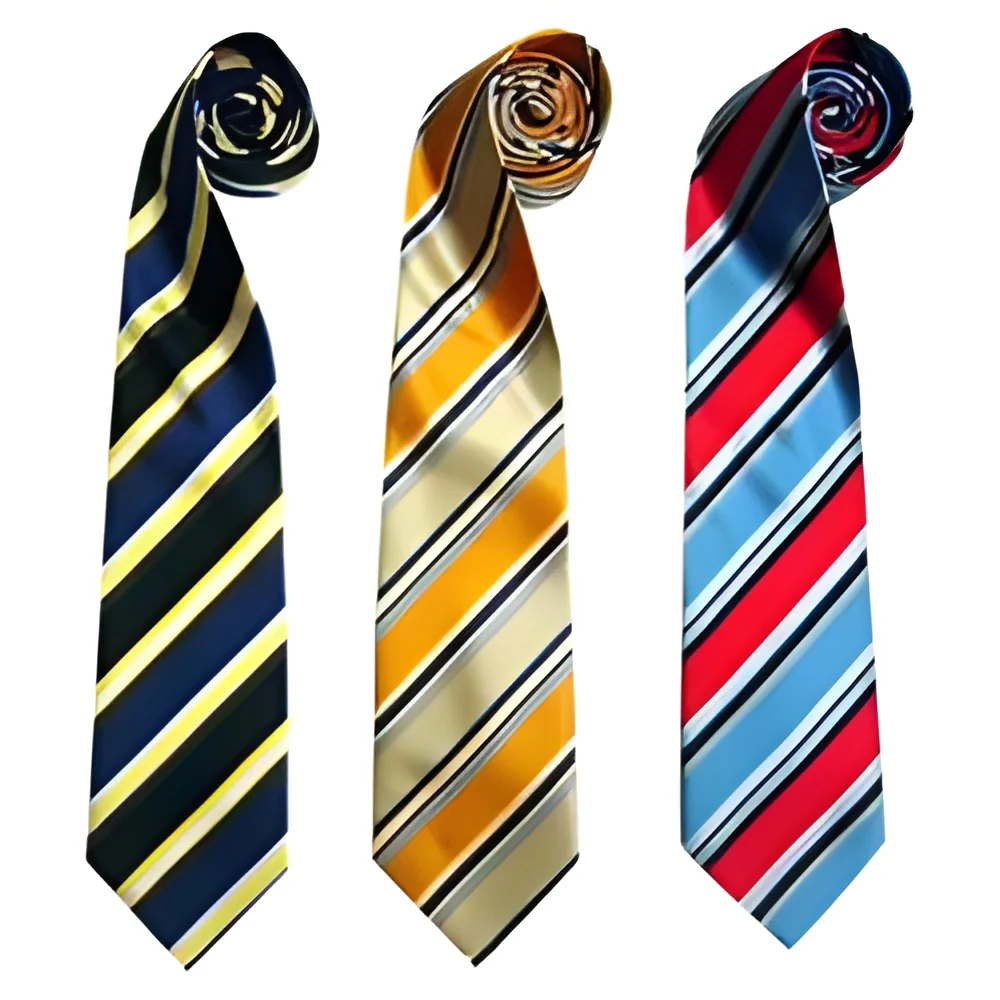
Silk ties are high-quality neckwear made from silk fabric. They are known for their smooth texture, luxurious appearance, and vibrant colors. Silk ties are often crafted using advanced weaving techniques that enhance their durability and aesthetic appeal. The natural fibers of silk provide a soft feel while also allowing for a variety of design patterns, making them a popular choice for formal and business attire.
In the B2B context, silk ties are frequently used in corporate settings, including business meetings, formal events, and professional networking occasions. They serve as essential accessories that not only complete a professional outfit but also convey a sense of style and attention to detail. Many companies utilize silk ties as part of their branding strategy, offering custom designs that reflect their corporate identity.
The market for silk ties continues to grow, driven by the increasing demand for quality formal wear. Various industries recognize the importance of professional presentation, thereby enhancing the relevance of silk ties in business attire. As a result, suppliers and manufacturers are continually innovating to meet the evolving preferences of consumers.
Key Features and Specifications
Silk ties offer a range of features that enhance their appeal in the business sector. These features are designed to ensure that the ties meet both aesthetic and functional needs.
Key specifications include:
1. Fabric Quality
- Made from 100% silk for a premium feel
- Offers durability and resistance to wear
2. Width
- Standard width typically ranges from 3 to 3.5 inches
- Choice of slim or wide options available
3. Length
- Standard length is approximately 57 to 59 inches
- Custom lengths can be requested for specific needs
4. Design Patterns
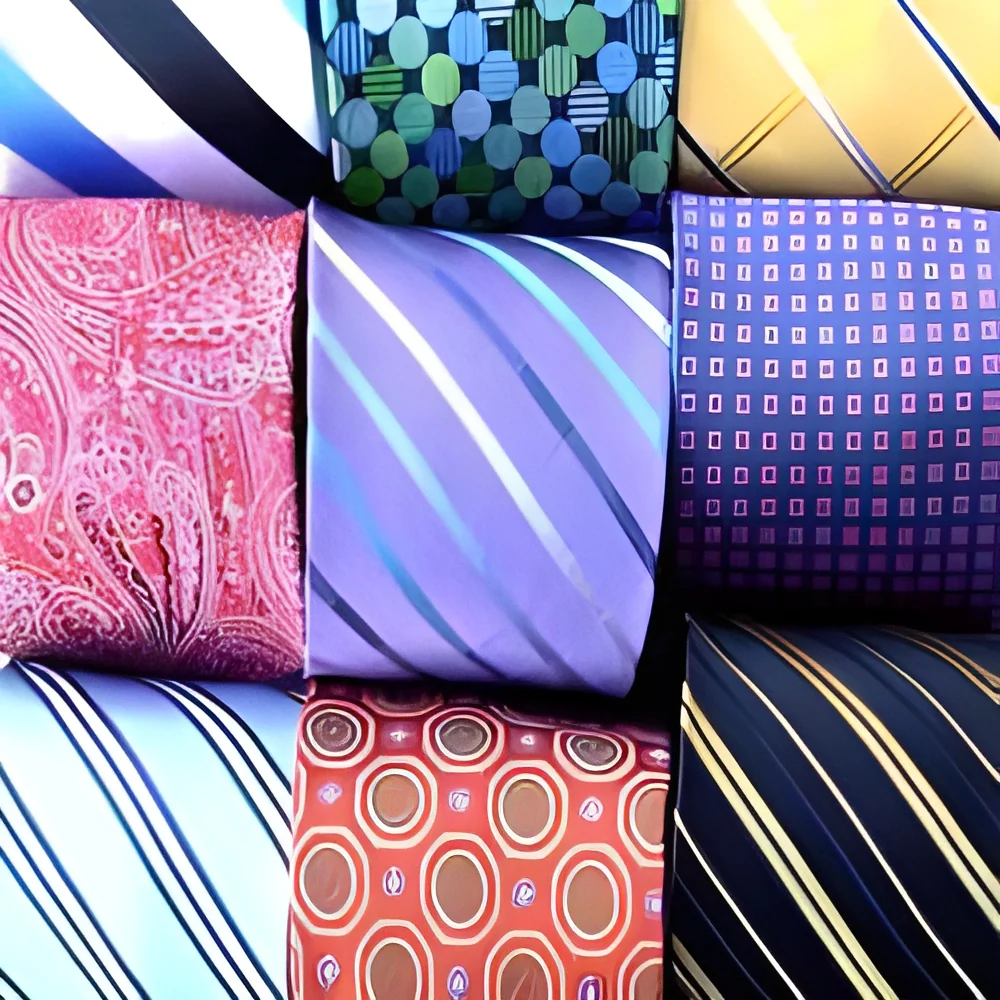
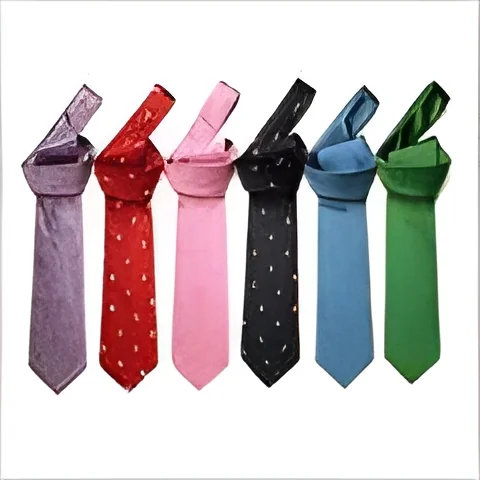
- Available in solid colors, stripes, and various prints
- Custom designs can be created to match corporate branding
5. Care Instructions
- Dry clean recommended to maintain appearance
- Spot clean for minor stains
6. Packaging
- Typically packaged in elegant boxes for presentation
- Eco-friendly packaging options available
Silk ties are an investment in professional attire, combining elegance with practicality. Their quality fabric and customizable features make them a suitable choice for various formal occasions.
Common Applications and Use Cases
Silk ties are versatile accessories that find applications across multiple industries. They are essential for professionals who seek to maintain a polished appearance.
1. Corporate Sector: Silk ties are widely used in corporate environments where formal dress codes are prevalent. They enhance the professional image of employees during meetings and presentations.
2. Hospitality Industry: In the hospitality sector, silk ties are often part of uniforms for staff in high-end hotels and restaurants. They contribute to an upscale ambiance and customer experience.
3. Event Management: Silk ties are commonly worn by event coordinators and hosts to ensure a sophisticated look during corporate gatherings, weddings, and formal events.
4. Retail Fashion: Retailers often stock silk ties as part of their formal wear collections. They serve as attractive accessories that complement suits and provide options for customers.
5. Educational Institutions: Some educational institutions require formal attire for events and graduations. Silk ties are often provided as part of uniforms for students in such settings.
6. Non-Profit Organizations: Non-profits may use silk ties as promotional items or gifts for donors, reflecting their commitment to quality and professionalism.
7. Networking Events: Professionals attending networking events often choose silk ties to make a lasting impression on potential clients and partners.
Product Variants and Subcategories
Silk ties come in various styles and designs to cater to diverse preferences. This diversity allows businesses to select the most appropriate options for their needs.
Classic Silk Ties
These ties feature traditional designs and colors, making them suitable for formal business settings. They are often available in solid colors or simple patterns that complement a range of outfits.
Designer Silk Ties
These ties are crafted by well-known designers and feature unique patterns and high-quality craftsmanship. They are ideal for professionals looking to make a fashion statement.
Custom Silk Ties
Businesses can opt for custom silk ties that incorporate their logo or branding elements. This variant is perfect for corporate gifting or promotional events, allowing companies to enhance their brand visibility.
Benefits and Advantages
Silk ties offer numerous benefits that make them a valuable addition to any professional wardrobe.
1. Professional Appearance: Silk ties enhance the overall look of business attire, projecting a polished and sophisticated image.
2. Versatility: They can be worn on various occasions, from business meetings to formal events, making them a versatile accessory.
3. Comfort: The soft texture of silk provides comfort throughout the day, allowing wearers to feel at ease while maintaining a formal appearance.
4. Durability: High-quality silk ties are designed to withstand regular use without losing their shape or color, ensuring long-lasting wear.
5. Customization: Businesses can customize silk ties to reflect their brand identity, creating a unique accessory that stands out.
6. Easy Maintenance: While dry cleaning is recommended, many silk ties can be spot cleaned, making them easy to care for.
Buying Guide for B2B Buyers
When sourcing silk ties for business purposes, several factors should be considered to ensure the best selection.
1. Quality Assessment: Evaluate the quality of silk ties by checking the fabric, stitching, and overall craftsmanship. Look for ties that maintain their shape and color over time.
2. Supplier Verification: Vet suppliers by researching their reputation and reviewing customer feedback. Ensure they have a track record of delivering quality products on time.
3. Pricing and MOQ: Consider the pricing structure and minimum order quantity (MOQ) for silk ties. Compare quotes from different suppliers to find competitive pricing without sacrificing quality.
4. Delivery and Lead Times: Inquire about delivery times and logistics. Ensure that the supplier can meet your timeline for events or corporate needs.
5. Compliance Requirements: Check for any regulatory compliance related to fabric standards and certifications. Ensure that suppliers adhere to industry regulations.
Compliance and Certifications
Silk ties must meet certain quality standards and compliance requirements to ensure safety and reliability.
Relevant quality standards include ISO 9001, which establishes criteria for a quality management system. This ensures that suppliers maintain consistent quality in their products.
Industry certifications such as CE signify that the ties meet European standards for safety and performance. This is particularly important for businesses sourcing products for international markets.
Additionally, safety and testing requirements must be considered. Manufacturers should conduct appropriate tests to verify the integrity and safety of silk ties.
Regional compliance considerations may vary, so businesses should be aware of local regulations that apply to textile products in their respective markets.
Why Source Silk Ties from Pepagora?
Pepagora provides a trusted platform for sourcing silk ties, offering several key advantages to B2B buyers.
Verified Supplier Network: Pepagora connects buyers with verified suppliers who have undergone thorough vetting. This ensures that businesses can source high-quality silk ties from reliable manufacturers.
Streamlined RFQ Process: The Request for Quotation (RFQ) process is designed to be user-friendly, allowing buyers to easily request quotes from multiple suppliers. This simplifies the sourcing process and helps businesses make informed decisions.
Trade Assurance and Support: Pepagora offers trade assurance to protect buyers, ensuring that their transactions are secure. The platform also provides support to address any concerns or inquiries throughout the purchasing process.
Regional Coverage: With a wide geographic reach that includes India, the GCC, and Southeast Asia, Pepagora enables businesses to access a diverse range of silk tie suppliers, catering to various regional preferences and requirements.

Frequently Asked Questions
What are Silk Ties?
Silk ties are neckties made from silk fabric, known for their smooth texture and luxurious appearance. They are commonly worn in formal and professional settings, adding a touch of elegance to a suit or dress shirt.
What are the different types of Silk Ties?
There are several types of silk ties, including classic ties, skinny ties, and bow ties. Each type varies in width, style, and occasion of wear, catering to different fashion preferences and formalities.
How do I choose the right Silk Ties?
Choosing the right silk tie involves considering factors such as color, pattern, and occasion. It's essential to select a tie that complements your outfit and matches the level of formality required.
What are the standard specifications for Silk Ties?
Standard specifications for silk ties typically include a length of 57 to 60 inches and a width of 3 to 4 inches. Additionally, the fabric should have a smooth finish and a weight of around 50 to 60 grams per square meter.
What is the price range for Silk Ties?
The price range for silk ties can vary significantly based on brand, design, and quality, typically ranging from INR 500 to INR 3000. Premium brands or custom designs may cost more.
What quality standards apply to Silk Ties?
Quality standards for silk ties include fabric composition, stitching quality, and color fastness. Ties made from 100% silk are generally considered higher quality, with attention to detail in craftsmanship.
Where can I find Silk Ties suppliers in India?
You can find silk ties suppliers in India through B2B marketplaces, trade shows, and online directories. Websites like Pepagora.com list various manufacturers and suppliers specializing in silk ties.
Can Silk Ties be customized?
Yes, silk ties can often be customized in terms of design, color, and size. Many manufacturers offer options for personalized branding or unique patterns to meet client specifications.
What is the typical minimum order quantity for Silk Ties?
The typical minimum order quantity (MOQ) for silk ties can range from 50 to 100 pieces, depending on the manufacturer. It is advisable to check with suppliers for their specific MOQ requirements.
What is the typical lead time for Silk Ties?
The typical lead time for silk ties can vary, generally ranging from 2 to 6 weeks after order confirmation. Factors such as customization and order size may influence the delivery timeline.
Why Businesses Trust Pepagora
Thousands of companies trust Pepagora to source smarter and sell faster
Expand Your Sales Globally

Source Smarter,Grow Faster
