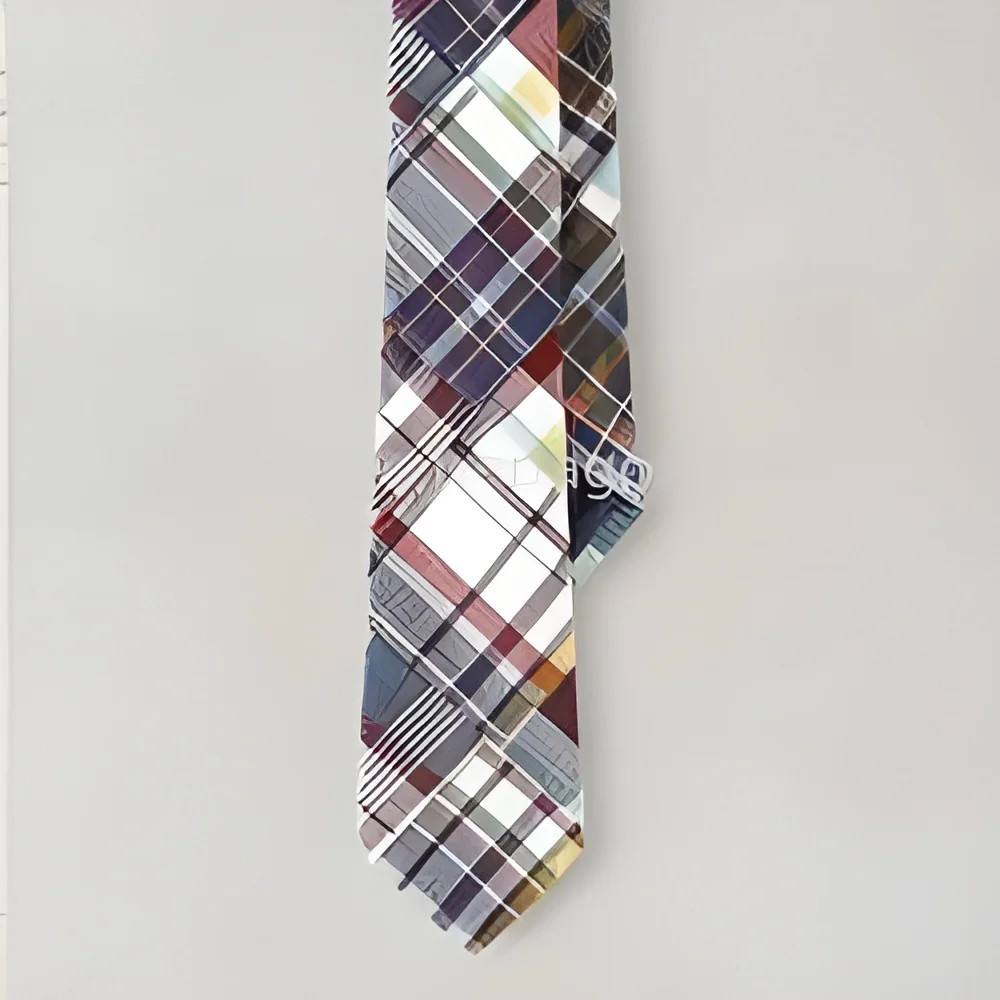
𝗪𝗵𝗮𝘁 𝗮𝗿𝗲 𝗣𝗿𝗶𝗻𝘁𝗲𝗱 𝗧𝗶𝗲𝘀?
Printed ties are neckties that feature various designs, patterns, and colors printed onto the fabric. These ties are commonly made from materials such as polyester, silk, or cotton, allowing for a wide range of customization options. The printing process can incorporate both intricate and simple designs, making them an appealing accessory for businesses looking to enhance their brand identity or corporate image.
In the business context, printed ties serve as a means of promoting a company's brand, especially during formal events, conferences, or corporate meetings. They can be used as promotional items, given as gifts, or worn by employees to convey professionalism and unity. The versatility of printed ties extends to various industries, including hospitality, finance, and retail, where they can reinforce branding and create a cohesive look among staff members.
The market for printed ties is significant, as businesses increasingly recognize the importance of branding in customer engagement. Given their promotional potential, printed ties are a valuable asset for companies seeking to distinguish themselves in a competitive landscape. The combination of style and branding makes them relevant in both traditional and modern business environments.
𝗞𝗲𝘆 𝗙𝗲𝗮𝘁𝘂𝗿𝗲𝘀 𝗮𝗻𝗱 𝗦𝗽𝗲𝗰𝗶𝗳𝗶𝗰𝗮𝘁𝗶𝗼𝗻𝘀
Printed ties come with several key features and specifications that make them ideal for various business applications. Understanding these specifications is essential for buyers looking to make informed purchasing decisions.
Key specifications include:
1. Material Composition
- Typically made from polyester, silk, or cotton.
- Offers durability and a premium feel.
2. Printing Techniques
- Options include digital printing, screen printing, and sublimation.
- Allows for high-quality, vibrant designs.
3. Tie Dimensions
- Standard width ranges from 2.5 to 3.5 inches.
- Length typically around 58 to 60 inches.
4. Design Customization
- Ability to create unique designs based on brand requirements.
- Options for logo placement and color scheme.
5. Care Instructions
- Usually machine washable or dry clean only, depending on the material.
- Easy maintenance for long-lasting use.
6. Packaging Options
- Available in bulk or individual packaging for promotional use.
- Custom packaging can enhance brand visibility.
7. Minimum Order Quantity (MOQ)
- Often varies by supplier and customization level.
- Commonly ranges from 50 to 100 pieces.
8. Compliance Standards
- Adherence to relevant safety and quality standards.
- Certification options available, such as CE.
In summary, printed ties combine aesthetic appeal with functional branding opportunities, making them a popular choice for businesses across various sectors.
𝗖𝗼𝗺𝗺𝗼𝗻 𝗔𝗽𝗽𝗹𝗶𝗰𝗮𝘁𝗶𝗼𝗻𝘀 𝗮𝗻𝗱 𝗨𝘀𝗲 𝗖𝗮𝘀𝗲𝘀
Printed ties find utility across a variety of industries, serving specific purposes.
1. Corporate Events: Companies often use printed ties as part of their formal attire during events such as conferences, trade shows, or networking events to promote brand identity.
2. Hospitality: Hotels and restaurants may provide printed ties for staff uniforms, enhancing the visual appeal and creating a cohesive brand image.
3. Education: Schools and universities can utilize printed ties for faculty members, showcasing school colors and logos during formal events or graduations.
4. Retail: Retail businesses often use printed ties as promotional items, offering them as gifts with purchases or as part of employee uniforms to enhance customer experience.
5. Non-Profit Organizations: Non-profits may use printed ties for fundraising events, where ties can feature logos or messages that resonate with their mission.
6. Sports Teams: Teams can offer printed ties featuring team colors or logos to fans, creating a sense of community and support.
7. Government and Public Services: Printed ties can be used in official uniforms for staff members, promoting professionalism and unity in public-facing roles.
𝗣𝗿𝗼𝗱𝘂𝗰𝘁 𝗩𝗮𝗿𝗶𝗮𝗻𝘁𝘀 𝗮𝗻𝗱 𝗦𝘂𝗯𝗰𝗮𝘁𝗲𝗴𝗼𝗿𝗶𝗲𝘀
Printed ties come in various styles and designs, catering to different business needs.
Classic Printed Ties
These ties feature traditional designs and colors, suitable for formal business settings. They are often made from high-quality materials, ensuring durability and a professional appearance.
Novelty Printed Ties
Designed with fun and quirky patterns, these ties can be used for casual events or as promotional items. They allow businesses to showcase creativity and engage with customers in a light-hearted manner.
Branded Ties
These ties prominently display company logos and branding elements. They serve as an effective marketing tool, helping businesses promote their brand during events and meetings.
Customizable Ties
These ties offer high levels of personalization, allowing companies to choose specific designs, colors, and logos. This variant is ideal for businesses seeking a unique look that reflects their brand identity.
𝗕𝗲𝗻𝗲𝗳𝗶𝘁𝘀 𝗮𝗻𝗱 𝗔𝗱𝘃𝗮𝗻𝘁𝗮𝗴𝗲𝘀
Printed ties offer several benefits for businesses looking to enhance their branding and employee image.
1. Brand Promotion: Printed ties serve as a walking advertisement, promoting brand visibility during events and in public settings.
2. Professional Appearance: Wearing printed ties can elevate the professional image of employees, fostering a sense of unity and cohesion within a team.
3. Customization Flexibility: The ability to customize designs allows businesses to align ties with their branding and marketing strategies.
4. Gift Potential: Printed ties make excellent corporate gifts, helping to strengthen relationships with clients and partners.
5. Versatile Use: These ties can be worn in various settings, from formal meetings to casual events, making them a versatile accessory.
6. Cost-Effective Marketing: Compared to other promotional items, printed ties offer a cost-effective way to enhance brand recognition.
𝗕𝘂𝘆𝗶𝗻𝗴 𝗚𝘂𝗶𝗱𝗲 𝗳𝗼𝗿 𝗕𝟮𝗕 𝗕𝘂𝘆𝗲𝗿𝘀
When sourcing printed ties, buyers should consider several important factors to ensure they make informed decisions.
1. Quality Assessment: Evaluate the quality of materials used in the ties. High-quality fabrics enhance durability and appearance, making a significant difference in professional settings.
2. Supplier Verification: It is essential to vet suppliers to ensure they have a good reputation and adhere to quality standards. Check for reviews and recommendations.
3. Pricing and MOQ: Understand the pricing structure and minimum order quantities. This information is crucial for budgeting and ensuring the order meets business needs.
4. Delivery and Lead Times: Consider the logistics of ordering printed ties, including delivery timelines. Ensure that suppliers can meet your deadlines for events or promotions.
5. Compliance Requirements: Familiarize yourself with any relevant compliance and safety standards. Ensure that the ties meet industry regulations, particularly when used in professional environments.
𝗖𝗼𝗺𝗽𝗹𝗶𝗮𝗻𝗰𝗲 𝗮𝗻𝗱 𝗖𝗲𝗿𝘁𝗶𝗳𝗶𝗰𝗮𝘁𝗶𝗼𝗻𝘀
Printed ties are subject to various compliance standards and certifications that ensure quality and safety. ISO 9001 is a relevant standard that focuses on quality management systems, helping manufacturers maintain consistent quality throughout production.
CE certification is another important aspect, particularly in regions where this mark is required to indicate conformity with health, safety, and environmental protection standards.
Safety and testing requirements also play a pivotal role in the production of printed ties. Manufacturers should conduct tests to ensure that materials used do not pose health risks, particularly in relation to colorfastness and fabric safety.
Regional compliance considerations may vary by country. It is essential for businesses to be aware of local regulations that may affect the sourcing and use of printed ties.
𝗪𝗵𝘆 𝗦𝗼𝘂𝗿𝗰𝗲 𝗣𝗿𝗶𝗻𝘁𝗲𝗱 𝗧𝗶𝗲𝘀 𝗳𝗿𝗼𝗺 𝗣𝗲𝗽𝗮𝗴𝗼𝗿𝗮?
Pepagora provides a trusted platform for sourcing printed ties, offering several key advantages for B2B buyers.
Verified Supplier Network: Pepagora connects buyers with a network of verified suppliers. Each supplier undergoes a rigorous verification process to ensure they meet quality and reliability standards.
Streamlined RFQ Process: The platform features a streamlined request for quotation (RFQ) process, enabling buyers to quickly receive competitive quotes from multiple suppliers. This efficiency saves time and simplifies procurement.
Trade Assurance and Support: Pepagora offers trade assurance, providing buyers with protection throughout the purchasing process. This support ensures that transactions are secure and satisfactory.
Regional Coverage: With a wide geographic reach, Pepagora caters to businesses in India, GCC, and Southeast Asia. This extensive coverage allows buyers to access local suppliers and tap into regional markets effectively.

 IN
IN