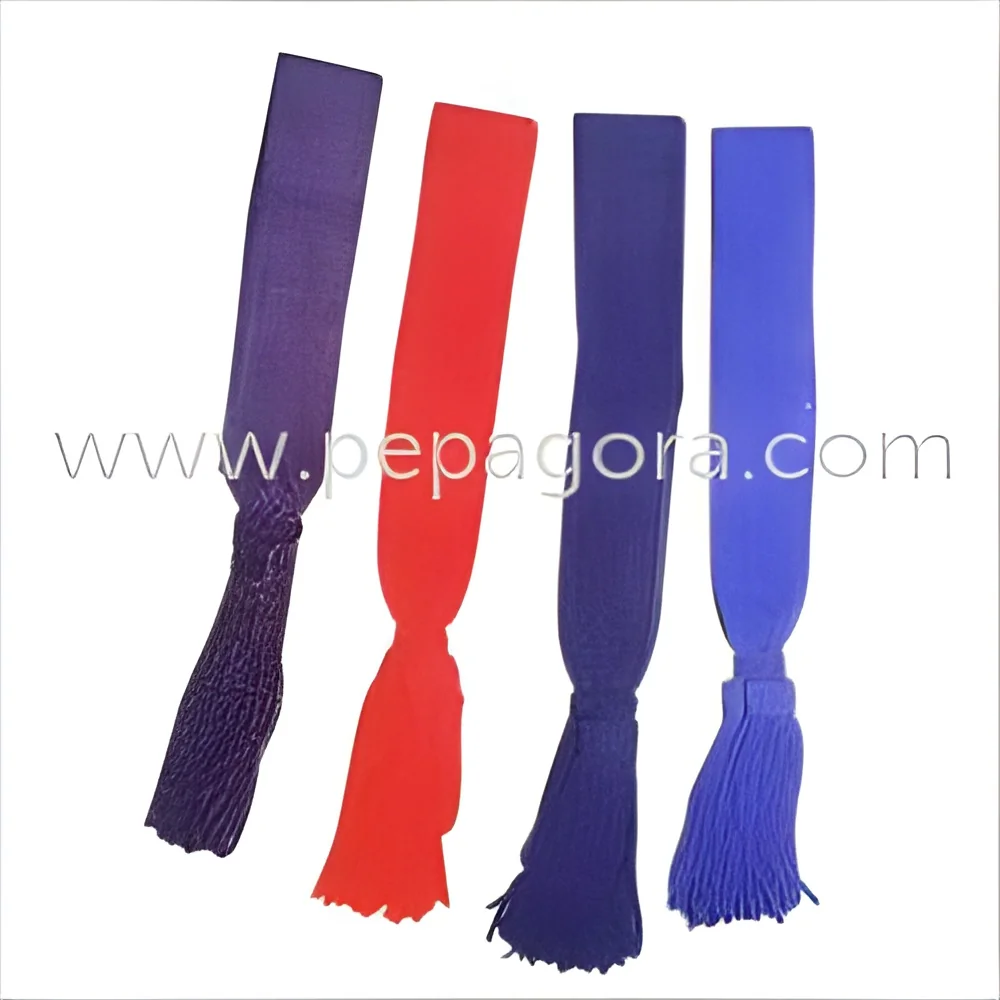
What are Religious Caps (Topi, Kufi)?
Religious caps, commonly known as Topi or Kufi, are traditional headwear worn by individuals in various cultures, particularly within Islamic communities. These caps are typically made from lightweight fabrics and feature distinct designs that reflect cultural and regional variations. Topis can be found in many styles, from simple and plain to intricately embroidered or patterned, serving both functional and aesthetic purposes.
The primary use of Religious Caps is to signify respect and faith during religious practices, such as prayers and ceremonies. They are also worn during cultural events and gatherings. Businesses involved in the production and distribution of these caps cater to a diverse clientele, including retailers, religious organizations, and cultural institutions. As global interest in cultural and religious apparel grows, the market for Religious Caps continues to expand, driven by increasing demand in regions with significant Muslim populations.
๐๐ฒ๐ ๐๐ฒ๐ฎ๐๐๐ฟ๐ฒ๐ ๐ฎ๐ป๐ฑ ๐ฆ๐ฝ๐ฒ๐ฐ๐ถ๐ณ๐ถ๐ฐ๐ฎ๐๐ถ๐ผ๐ป๐
Religious Caps are characterized by their unique features and specifications that cater to both comfort and cultural significance. The materials used and the craftsmanship are essential factors that determine the quality and appearance of these caps.
Key specifications include:
1. Material Composition
- Typically made from cotton, polyester, or silk
- Variations depend on regional preferences and climate
2. Size Range
- Available in multiple sizes to accommodate different head sizes
- Custom sizing options may be available upon request
3. Design Variability
- Features a range of designs, including embroidered patterns and solid colors
- Culturally significant motifs may be incorporated into the designs
4. Breathability
- Designed for comfort in various climates
- Lightweight fabrics promote airflow
5. Durability
- Crafted to withstand regular use and maintain shape
- Quality stitching and finishing enhance longevity
6. Care Instructions
- Generally machine washable or hand washable
- Specific care may depend on the material used
7. Compliance Standards
- Adherence to relevant quality and safety standards
- Certifications may include CE marking
8. Customization Options
- Potential for custom designs or branding
- Orders can be tailored to specific customer requirements
In summary, Religious Caps are versatile products with distinct features that make them suitable for both personal use and commercial distribution.
๐๐ผ๐บ๐บ๐ผ๐ป ๐๐ฝ๐ฝ๐น๐ถ๐ฐ๐ฎ๐๐ถ๐ผ๐ป๐ ๐ฎ๐ป๐ฑ ๐จ๐๐ฒ ๐๐ฎ๐๐ฒ๐
Religious Caps have a variety of applications across different sectors, reflecting their cultural and religious significance.
1. Religious Institutions: Widely used in mosques and during religious ceremonies, these caps serve as symbols of faith.
2. Cultural Events: Often worn during festivals and community gatherings, they help individuals express their cultural identity.
3. Fashion Retail: Increasingly popular in the fashion industry, Religious Caps are marketed as stylish accessories that complement various outfits.
4. Educational Institutions: Some schools incorporate Religious Caps into their dress codes, promoting cultural education.
5. Corporate Gifting: Businesses may offer these caps as part of promotional merchandise, especially in regions with significant Muslim populations.
6. Export Markets: Growing demand in international markets presents opportunities for exporters specializing in traditional attire.
7. Online Retail: E-commerce platforms have made these caps accessible to a global audience, helping to expand their reach.
๐ฃ๐ฟ๐ผ๐ฑ๐๐ฐ๐ ๐ฉ๐ฎ๐ฟ๐ถ๐ฎ๐ป๐๐ ๐ฎ๐ป๐ฑ ๐ฆ๐๐ฏ๐ฐ๐ฎ๐๐ฒ๐ด๐ผ๐ฟ๐ถ๐ฒ๐
Religious Caps come in various styles and designs, showcasing the diversity of cultural expressions.
Traditional Topi: This variant is characterized by its classic design, often featuring a simple, rounded shape. It is typically made from cotton or silk and is popular for everyday wear as well as religious occasions.
Embroidered Kufi: Distinguished by intricate embroidery, this variant adds a decorative touch to the traditional cap. It is often worn during special events and ceremonies, making it a favored choice for those seeking a more ornate option.
Plain Kufi: A straightforward design that focuses on comfort and versatility. This variant is suitable for casual wear and is often chosen for its understated elegance.
Customizable Caps: Some suppliers offer options for custom designs, allowing individuals or organizations to create unique caps that reflect personal or cultural significance.
๐๐ฒ๐ป๐ฒ๐ณ๐ถ๐๐ ๐ฎ๐ป๐ฑ ๐๐ฑ๐๐ฎ๐ป๐๐ฎ๐ด๐ฒ๐
Religious Caps offer numerous advantages for wearers and businesses alike.
1. Cultural Significance: These caps hold deep cultural and religious meanings, fostering a sense of identity among wearers.
2. Comfort: Made from breathable materials, they are designed for all-day wear, providing comfort in various climates.
3. Versatility: Suitable for both formal and casual occasions, they can be easily incorporated into different outfits.
4. Branding Opportunities: Businesses can utilize customization options for promotional purposes, enhancing brand visibility.
5. Market Demand: With growing interest in cultural apparel, there is a robust market for Religious Caps, presenting profitable opportunities for suppliers.
6. Global Reach: E-commerce and international trade have expanded the market, allowing suppliers to connect with a wider audience.
๐๐๐๐ถ๐ป๐ด ๐๐๐ถ๐ฑ๐ฒ ๐ณ๐ผ๐ฟ ๐๐ฎ๐ ๐๐๐๐ฒ๐ฟ๐
When sourcing Religious Caps (Topi, Kufi), buyers should consider several important factors to ensure quality and reliability.
1. Quality Assessment: Evaluate the material and craftsmanship of the caps. Look for suppliers who provide samples or detailed descriptions of their products.
2. Supplier Verification: Conduct background checks on potential suppliers to ensure they have a solid reputation and positive reviews within the industry.
3. Pricing and MOQ: Understand the pricing structure and minimum order quantities (MOQ) required by suppliers to ensure they align with your budget and needs.
4. Delivery and Lead Times: Confirm the estimated delivery times and consider logistics for shipping, particularly for international orders.
5. Compliance Requirements: Be aware of any regulatory compliance needed for importing or selling Religious Caps, including safety and quality certifications.
๐๐ผ๐บ๐ฝ๐น๐ถ๐ฎ๐ป๐ฐ๐ฒ ๐ฎ๐ป๐ฑ ๐๐ฒ๐ฟ๐๐ถ๐ณ๐ถ๐ฐ๐ฎ๐๐ถ๐ผ๐ป๐
Religious Caps must adhere to various quality standards and certifications to ensure safety and reliability in the market.
Relevant quality standards include ISO 9001, which focuses on quality management systems, ensuring consistent quality in production processes. Compliance with HACCP principles may also be applicable, especially if caps are produced in settings where hygiene is critical.
In addition to these standards, CE certification indicates that the products meet European safety and health requirements, enhancing consumer trust.
Safety testing requirements may include assessments for flammability and durability, ensuring the caps are safe for regular use. Regional compliance considerations vary by market, so buyers should stay informed about specific regulations in their target areas.
Why Source Religious Caps (Topi, Kufi) from Pepagora?
Pepagora stands out as a reliable platform for sourcing Religious Caps (Topi, Kufi) due to several key advantages.
Verified Supplier Network: Pepagora boasts a robust network of verified suppliers, ensuring that buyers can connect with reputable manufacturers committed to quality production.
Streamlined RFQ Process: The platform offers an efficient Request for Quotation (RFQ) system, allowing buyers to easily obtain quotes from multiple suppliers, facilitating informed decision-making.
Trade Assurance and Support: Pepagora provides trade assurance features that protect buyers during transactions, offering added peace of mind when sourcing products.
Regional Coverage: With a strong presence in India, the GCC, and Southeast Asia, Pepagora enables buyers to access a diverse range of suppliers and products, catering to various market needs.
By choosing Pepagora, businesses can confidently source Religious Caps while benefiting from a streamlined and secure procurement process.