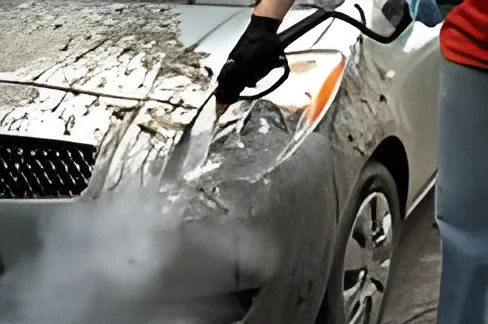
𝗪𝗵𝗮𝘁 𝗮𝗿𝗲 𝗔𝘂𝘁𝗼𝗺𝗼𝗯𝗶𝗹𝗲 𝗥𝗲𝗽𝗮𝗶𝗿 & 𝗠𝗮𝗶𝗻𝘁𝗲𝗻𝗮𝗻𝗰𝗲 𝗦𝗲𝗿𝘃𝗶𝗰𝗲𝘀?
Automobile repair and maintenance services encompass a range of activities aimed at ensuring the optimal performance and longevity of vehicles. These services include routine maintenance, such as oil changes and tire rotations, as well as more complex repairs like engine diagnostics and transmission work. The primary goal is to prevent breakdowns, enhance safety, and improve fuel efficiency, thereby increasing the overall value of the vehicle.
These services are essential for various sectors, including personal vehicle ownership, commercial fleet management, and public transportation. Businesses rely on regular maintenance to minimize downtime and maintain operational efficiency. In the broader market context, the demand for automobile repair and maintenance services is driven by the growing number of vehicles on the road and the increasing complexity of automotive technology. This industry plays a crucial role in supporting sustainable transportation solutions and promoting road safety.
𝗞𝗲𝘆 𝗙𝗲𝗮𝘁𝘂𝗿𝗲𝘀 𝗮𝗻𝗱 𝗦𝗽𝗲𝗰𝗶𝗳𝗶𝗰𝗮𝘁𝗶𝗼𝗻𝘀
Automobile repair and maintenance services are characterized by several key features that ensure quality and reliability for users. Understanding these specifications helps businesses make informed decisions when selecting service providers.
Key specifications include:
1. Service Scope
- Comprehensive coverage including preventive maintenance, diagnostics, and repairs.
- Technical parameters may vary based on vehicle type and service complexity.
2. Response Time
- Quick turnaround for services to minimize vehicle downtime.
- Typically, services should be completed within a few hours to a couple of days, depending on the nature of repairs.
3. Equipment Used
- Advanced diagnostic tools and repair technologies.
- Services should utilize state-of-the-art equipment to enhance accuracy and efficiency.
4. Warranty and Guarantees
- Assurance on parts and labor.
- Standard warranties may range from 6 months to 2 years for repairs.
5. Customer Support
- Availability of consultation and support for service inquiries.
- 24/7 customer service is often preferred for urgent issues.
6. Compliance with Regulations
- Adherence to local automotive regulations and safety standards.
- Relevant certifications such as CE to ensure service reliability.
7. Training and Expertise
- Skilled technicians with industry-recognized certifications.
- Continuous training programs to keep staff updated on new technologies.
8. Cost Structure
- Transparent pricing with detailed breakdowns.
- Pricing models can include flat rates or hourly charges.
In summary, selecting the right automobile repair and maintenance services involves assessing these specifications to ensure quality, efficiency, and compliance with industry standards.
𝗖𝗼𝗺𝗺𝗼𝗻 𝗔𝗽𝗽𝗹𝗶𝗰𝗮𝘁𝗶𝗼𝗻𝘀 𝗮𝗻𝗱 𝗨𝘀𝗲 𝗖𝗮𝘀𝗲𝘀
Automobile repair and maintenance services are utilized across various industries, reflecting their diverse applications.
1. Personal Vehicle Owners: Regular maintenance keeps personal vehicles running smoothly, enhancing safety and performance while preventing costly repairs.
2. Commercial Fleets: Businesses operating vehicle fleets rely on maintenance services to ensure their vehicles are always operational, reducing downtime and enhancing productivity.
3. Public Transportation: Buses and other public transport vehicles require frequent maintenance to comply with safety standards and provide reliable service to the community.
4. Logistics and Delivery Services: Companies in logistics depend heavily on vehicle reliability, using maintenance services to keep delivery schedules on track.
5. Construction and Heavy Equipment: Maintenance services ensure that construction vehicles operate efficiently, minimizing delays in project timelines.
6. Automotive Dealerships: Dealerships often provide repair and maintenance services as part of their customer service offerings, enhancing customer loyalty.
7. Emergency Services: Ambulances and other emergency vehicles require regular maintenance to ensure they are always ready for immediate response.
𝗣𝗿𝗼𝗱𝘂𝗰𝘁 𝗩𝗮𝗿𝗶𝗮𝗻𝘁𝘀 𝗮𝗻𝗱 𝗦𝘂𝗯𝗰𝗮𝘁𝗲𝗴𝗼𝗿𝗶𝗲𝘀
Automobile repair and maintenance services can vary to meet specific customer needs. While subcategories may not be specified, the diversity of services allows for tailored solutions.
Preventive Maintenance Services: These services focus on routine checks and maintenance tasks such as oil changes, fluid checks, and tire rotations. They are essential in preventing more significant issues and ensuring vehicle longevity.
Repair Services: This category includes diagnostics and repairs for mechanical and electrical systems. Common applications include engine repairs, brake services, and transmission work.
Mobile Repair Services: Increasingly popular, mobile repair services offer convenience by providing on-site maintenance and repairs, minimizing downtime for vehicle owners.
𝗕𝗲𝗻𝗲𝗳𝗶𝘁𝘀 𝗮𝗻𝗱 𝗔𝗱𝘃𝗮𝗻𝘁𝗮𝗴𝗲𝘀
Engaging professional automobile repair and maintenance services delivers numerous advantages for businesses and individual vehicle owners.
Key benefits include:
1. Increased Vehicle Longevity: Regular maintenance helps extend the lifespan of vehicles, ensuring they remain operational longer.
2. Enhanced Safety: Routine checks and timely repairs increase vehicle safety, reducing the risk of accidents due to mechanical failures.
3. Cost Savings: Preventive maintenance can significantly lower the chances of costly repairs, resulting in overall savings for vehicle owners.
4. Performance Optimization: Well-maintained vehicles operate more efficiently, improving fuel economy and reducing emissions.
5. Compliance Assurance: Professional services ensure adherence to safety and regulatory standards, protecting businesses from potential liabilities.
6. Expert Knowledge: Access to skilled technicians means that vehicles are serviced with the latest knowledge and technology, ensuring high-quality repairs.
𝗕𝘂𝘆𝗶𝗻𝗴 𝗚𝘂𝗶𝗱𝗲 𝗳𝗼𝗿 𝗕𝟮𝗕 𝗕𝘂𝘆𝗲𝗿𝘀
When considering automobile repair and maintenance services, B2B buyers should evaluate several important factors to make informed decisions.
1. Quality Assessment: Look for services that meet industry standards and have a proven track record of reliability. Reviews and testimonials can provide insights into service quality.
2. Supplier Verification: Vet potential suppliers by checking their certifications, experience, and customer service reputation. A verified supplier network ensures trustworthiness.
3. Pricing and MOQ: Understand the pricing structure and minimum order quantities. Transparent pricing helps avoid unexpected costs.
4. Delivery and Lead Times: Consider the turnaround times for services. Quick service is crucial for minimizing vehicle downtime.
5. Compliance Requirements: Ensure that the service provider complies with local regulations and safety standards. This can include certifications such as CE.
𝗖𝗼𝗺𝗽𝗹𝗶𝗮𝗻𝗰𝗲 𝗮𝗻𝗱 𝗖𝗲𝗿𝘁𝗶𝗳𝗶𝗰𝗮𝘁𝗶𝗼𝗻𝘀
Automobile repair and maintenance services must adhere to various quality standards and certifications to ensure safety and reliability. Relevant quality standards include ISO 9001, which focuses on quality management systems, and compliance with safety regulations.
Industry certifications, such as CE, indicate that the services meet European safety and quality requirements. This certification is essential for businesses operating in or exporting to regions that require such compliance.
Additionally, safety and testing requirements are critical in the automotive industry. Services must follow established protocols for vehicle repairs and maintenance to ensure that all work meets safety criteria.
Regional compliance considerations also play a vital role. Different countries may have varying regulations regarding vehicle maintenance and repair services, making it essential for service providers to stay informed about local laws.
𝗪𝗵𝘆 𝗦𝗼𝘂𝗿𝗰𝗲 𝗔𝘂𝘁𝗼𝗺𝗼𝗯𝗶𝗹𝗲 𝗥𝗲𝗽𝗮𝗶𝗿 & 𝗠𝗮𝗶𝗻𝘁𝗲𝗻𝗮𝗻𝗰𝗲 𝗦𝗲𝗿𝘃𝗶𝗰𝗲𝘀 𝗳𝗿𝗼𝗺 𝗣𝗲𝗽𝗮𝗴𝗼𝗿𝗮?
Pepagora offers a trusted platform for sourcing automobile repair and maintenance services, providing several key advantages to businesses.
Verified Supplier Network: Pepagora has established a robust network of verified suppliers who meet industry standards and provide high-quality services. This verification process ensures that businesses can trust the service providers they select.
Streamlined RFQ Process: The Request for Quotation (RFQ) system on Pepagora simplifies the procurement process. Buyers can easily request quotes from multiple suppliers, allowing for efficient comparisons and decision-making.
Trade Assurance and Support: Pepagora provides trade assurance, ensuring that buyers are protected throughout the transaction process. This support includes assistance with any disputes or issues that may arise.
Regional Coverage: With a strong presence in India, the GCC, and Southeast Asia, Pepagora offers regional coverage that makes it easy for businesses to find local service providers who understand their specific market needs.
By choosing Pepagora, businesses can access reliable automobile repair and maintenance services tailored to their operational requirements.

 IN
IN