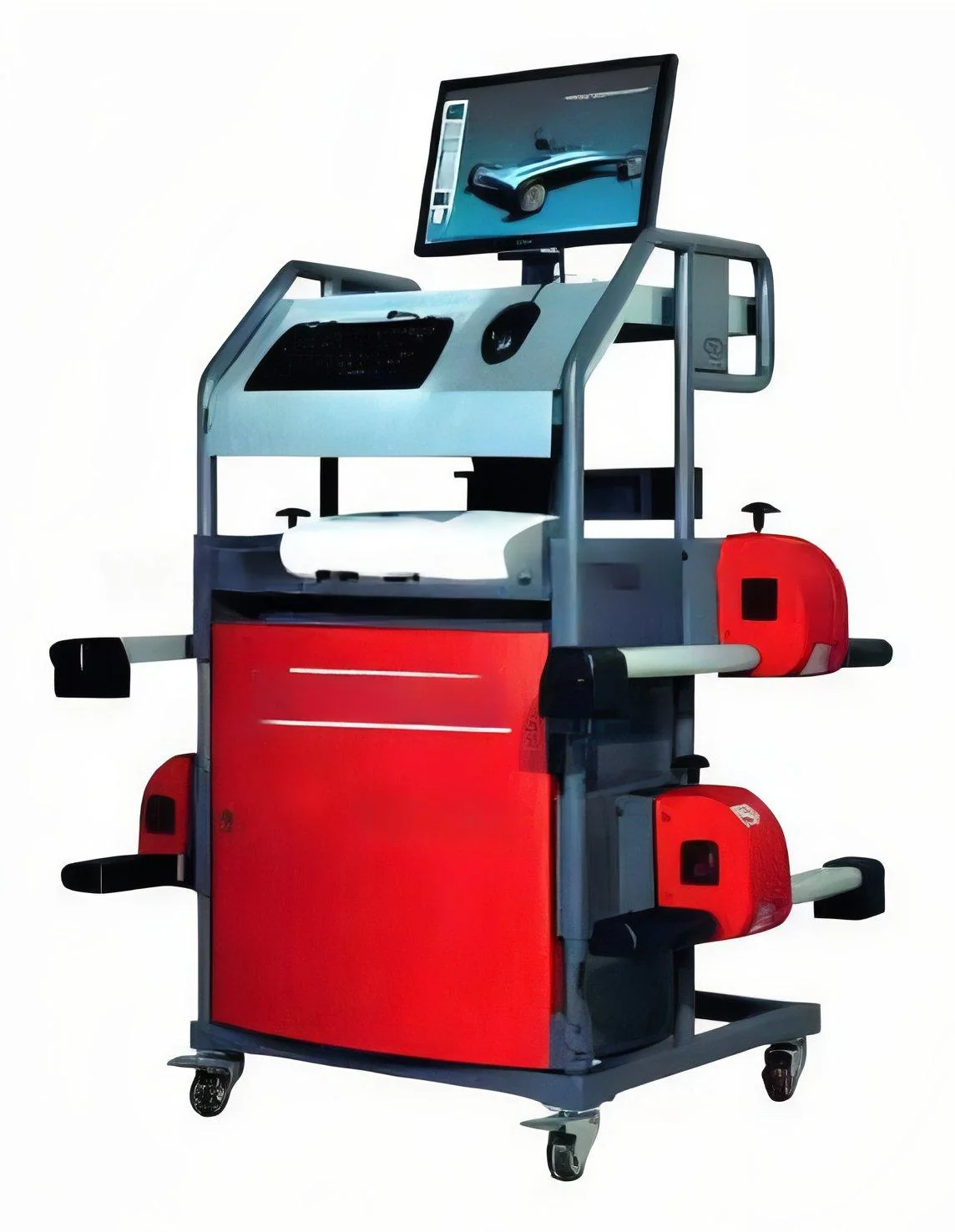
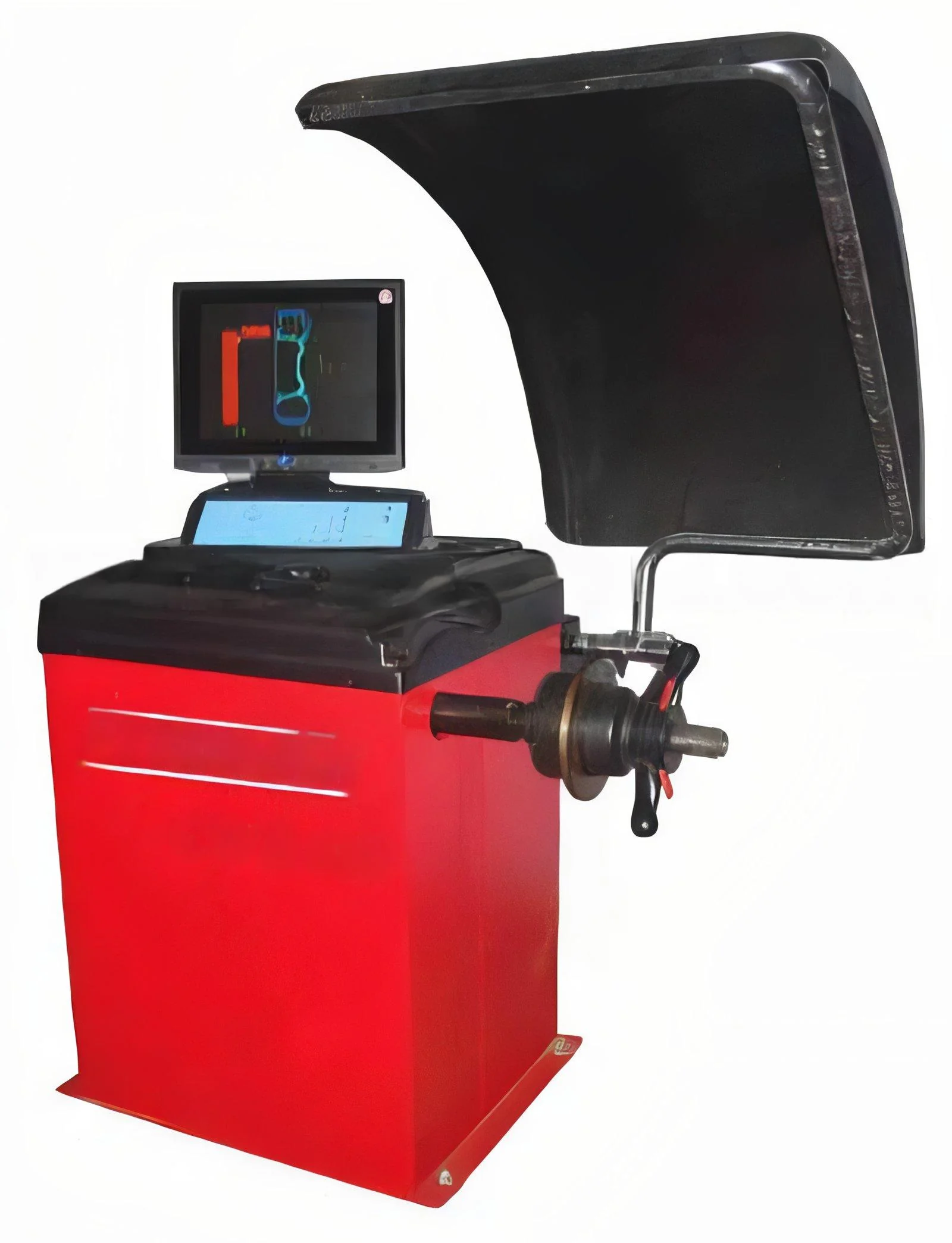
What are Wheel Alignment & Balancing?
Wheel alignment and balancing are essential services in the automotive industry that ensure vehicle safety and performance. Wheel alignment involves adjusting the angles of the wheels to be perpendicular to the ground and parallel to each other. This process helps in minimizing tire wear and improving vehicle handling. Wheel balancing, on the other hand, ensures that the weight of the tire and wheel assembly is evenly distributed. This prevents vibrations and enhances ride comfort.
These services are critical for various applications, including passenger vehicles, commercial trucks, and fleet management. Businesses in the automotive repair and maintenance sector rely on wheel alignment and balancing to enhance customer satisfaction and safety. Proper alignment and balance contribute to better fuel efficiency and prolong the lifespan of tires, making these services indispensable for vehicle operators and maintenance providers.
In a competitive market, the demand for wheel alignment and balancing continues to grow. As vehicles become more advanced with complex suspension systems, the precision required in these services increases. This relevance is reflected in the ongoing investment in technology and training by service providers to meet the changing needs of the automotive industry.
Key Features and Specifications
Wheel alignment and balancing systems come equipped with a variety of features designed to enhance performance and efficiency. These specifications ensure that the equipment meets the demands of modern vehicle maintenance.
Key specifications include:
1. Alignment Accuracy
- Precision within 0.01 degrees
- Essential for maintaining optimal tire contact and wear
2. Balancing Speed
- Fast balancing time, usually under 30 seconds
- Increases workflow efficiency in repair shops
3. Display Technology
- High-definition digital displays for easy reading
- Intuitive interface for user-friendly operation
4. Wheel Size Compatibility
- Accommodates a range of wheel sizes from 10 to 24 inches
- Versatile use in different vehicle types
5. Data Storage Capability
- Ability to store multiple vehicle specifications
- Facilitates quick service for repeat customers
6. Calibration Features
- Automatic calibration options
- Ensures long-term accuracy of adjustments
7. Durability Standards
- Built to withstand heavy use in commercial environments
- Resistant to wear and tear from harsh working conditions
8. Connectivity Options
- Integration with vehicle diagnostic tools
- Enhances service capabilities and information sharing
In summary, the features and specifications of wheel alignment and balancing equipment are tailored to ensure accuracy, efficiency, and durability, making them invaluable tools for automotive service providers.
Common Applications and Use Cases
Wheel alignment and balancing are utilized across multiple industries, emphasizing their importance in vehicle maintenance and safety.
1. Automotive Repair Shops: These establishments routinely perform wheel alignment and balancing to enhance vehicle performance and safety, catering to both individual consumers and commercial fleets.
2. Fleet Management Services: Companies managing fleets of vehicles prioritize these services to ensure lower operational costs through improved tire longevity and fuel efficiency.
3. Racing Teams: In the competitive world of motorsports, precise wheel alignment and balancing are critical for optimal vehicle handling and performance on the track.
4. Public Transport: Buses and other public transport vehicles depend on regular alignment and balancing to maintain safety standards and ensure passenger comfort.
5. Heavy Equipment: Construction and agricultural machinery require alignment and balancing to enhance operational efficiency and extend the lifespan of tires.
6. Tire Retailers: Retailers often provide alignment and balancing services as part of their offerings, enhancing customer satisfaction and loyalty.
7. Electric Vehicles: With the rise of electric vehicles, specialized alignment and balancing techniques are necessary to meet their unique design requirements.
Product Variants and Subcategories
The wheel alignment and balancing market offers various products tailored to specific needs and applications.
Portable Wheel Alignment Systems: These systems are designed for mobile mechanics and service providers. They offer flexibility and convenience, allowing technicians to perform alignments on-site without needing a full workshop setup.
Commercial Wheel Balancers: Specifically engineered for high-volume tire shops, these balancers handle larger tires and wheels with advanced features for speed and accuracy. They support extensive operations, making them ideal for businesses focused on efficiency.
Advanced Alignment Machines: These machines incorporate sophisticated technology, including laser systems and computer diagnostics, to provide precise alignments for modern vehicles with complex suspension systems.
Benefits and Advantages
Investing in wheel alignment and balancing services offers numerous benefits that enhance vehicle performance and operational efficiency.
1. Improved Safety: Proper alignment and balancing reduce the risk of accidents caused by steering issues and tire blowouts.
2. Increased Tire Life: Regular alignment and balancing can significantly extend the lifespan of tires, reducing replacement costs.
3. Enhanced Fuel Efficiency: Well-aligned wheels ensure that vehicles use fuel more efficiently, lowering operational costs over time.
4. Better Ride Comfort: Properly balanced wheels minimize vibrations, providing a smoother driving experience for occupants.
5. Reduced Maintenance Costs: By avoiding premature tire wear and mechanical issues, businesses can save on overall maintenance expenses.
6. Higher Customer Satisfaction: Providing alignment and balancing services enhances customer trust and satisfaction, leading to repeat business.
Buying Guide for B2B Buyers
When sourcing wheel alignment and balancing equipment, B2B buyers should consider several critical factors to ensure they make informed decisions.
1. Quality Assessment: Buyers should evaluate the quality of the equipment based on precision, durability, and the manufacturer’s reputation. It is essential to select products that meet industry standards.
2. Supplier Verification: Vetting suppliers is crucial to ensure reliability and consistency in service. Buyers should check for certifications and seek references from other clients.
3. Pricing and MOQ: Understanding the pricing structure and minimum order quantities is vital for budgeting. Buyers should compare quotes from multiple suppliers to find competitive pricing.
4. Delivery and Lead Times: Timely delivery is important for maintaining operational efficiency. Buyers should confirm lead times and shipping options with suppliers.
5. Compliance Requirements: Buyers must ensure that the equipment meets relevant compliance and regulatory standards applicable in their region. This may include safety certifications and environmental regulations.
Compliance and Certifications
Compliance and certifications are integral to the wheel alignment and balancing industry, ensuring that products meet safety and quality standards.
Many manufacturers adhere to quality standards such as ISO 9001, which outlines requirements for a quality management system. This certification ensures that products consistently meet customer and regulatory requirements.
Additionally, industry-specific certifications like CE mark indicate compliance with European health, safety, and environmental protection standards. This certification can be crucial for businesses looking to operate in multiple regions.
Safety and testing requirements are also vital, as they ensure that the equipment is safe for use and performs reliably under various conditions. Regional compliance considerations may vary, so it is essential for buyers to be aware of local regulations when sourcing products.
Why Source Wheel Alignment & Balancing from Pepagora?
Pepagora provides a trusted platform for sourcing wheel alignment and balancing solutions, offering numerous advantages to buyers.
Verified Supplier Network: Pepagora connects buyers with verified suppliers who meet stringent quality and compliance criteria. This network ensures that buyers can trust the products they purchase.
Streamlined RFQ Process: The platform facilitates a simple request-for-quotation process that allows buyers to receive competitive pricing and fast responses from suppliers, improving procurement efficiency.
Trade Assurance and Support: Pepagora offers buyer protection through trade assurance programs, ensuring that transactions are secure and that buyers receive the products as described.
Regional Coverage: With a focus on markets in India, the GCC, and Southeast Asia, Pepagora provides broad geographic reach, making it easy for businesses in these regions to access high-quality wheel alignment and balancing solutions.

 IN
IN