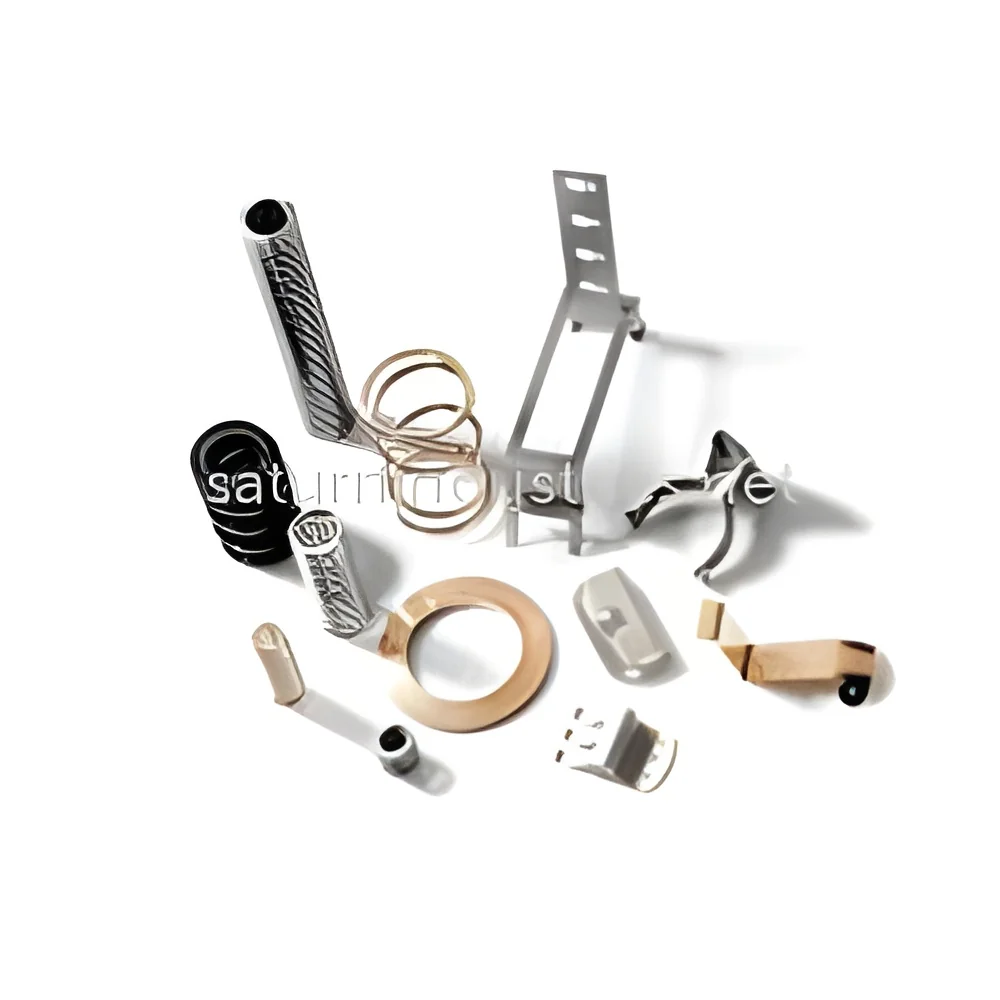
What are Brake & Suspension Repair?
Brake and suspension repair encompasses the maintenance, replacement, and enhancement of braking and suspension systems in vehicles and machinery. These systems are critical to ensuring safe operation, as they directly affect vehicle control, handling, and stopping power. Brake systems typically include components such as brake pads, rotors, calipers, and hydraulic lines, while suspension systems comprise parts like shock absorbers, struts, and control arms.
These repairs are vital for a variety of applications ranging from commercial vehicles and heavy machinery to personal automobiles. Industries such as transportation, construction, and logistics rely heavily on well-functioning brake and suspension systems to maintain operational safety and efficiency. The demand for these services is growing, driven by increased vehicle usage and a heightened focus on safety regulations, making it an essential aspect of the automotive and industrial sectors.
Key Features and Specifications
Brake and suspension repair services and products come with a range of key features and specifications that ensure optimal performance and safety. Understanding these specifications helps businesses make informed decisions when selecting parts or services.
Key specifications include:
1. Component Quality
- High-grade materials such as steel and composites are often used.
- Quality is assessed based on durability and resistance to wear.
2. Compatibility
- Parts are designed to fit specific makes and models.
- Compatibility ensures seamless integration with existing systems.
3. Performance Standards
- Components should meet or exceed OEM specifications.
- Performance metrics include stopping distance, response time, and load capacity.
4. Maintenance Interval
- Recommended service intervals are provided for various components.
- Regular maintenance helps prevent costly breakdowns.
5. Safety Ratings
- Products are often tested and rated for safety.
- Compliance with industry standards enhances reliability.
6. Installation Requirements
- Some products may require professional installation.
- Clear guidelines are provided for installation procedures.
7. Warranty Information
- Many manufacturers offer warranties on parts and services.
- Warranties provide assurance of quality and performance.
Understanding these features ensures businesses can select the best solutions for their specific needs.
Common Applications and Use Cases
Brake and suspension repair is crucial across multiple industries, each with unique applications.
1. Transportation: In the logistics and freight sectors, maintaining brake and suspension systems in trucks and trailers is vital for safe deliveries and compliance with safety regulations.
2. Construction: Heavy machinery like excavators and bulldozers require reliable braking and suspension for safe operation on uneven terrain, making regular repairs essential.
3. Automotive: Personal and fleet vehicles benefit from regular brake and suspension maintenance to ensure driver safety and vehicle longevity.
4. Manufacturing: Equipment used in manufacturing processes often requires specialized brake and suspension systems to maintain operational efficiency and safety.
5. Aviation: Aircraft require precise braking systems for landing and takeoff, necessitating rigorous maintenance and repair protocols.
Product Variants and Subcategories
Brake and suspension repair products can vary significantly, catering to different needs and applications.
Aftermarket Brake Kits
These kits provide replacement components that meet or exceed OEM specifications. They often include pads, rotors, and calipers designed for specific vehicle models.
Suspension Upgrade Kits
These kits enhance existing suspension systems. They may include performance shocks, struts, and springs that improve handling and ride quality.
Brake Fluid and Accessories
High-performance brake fluid and accessories, such as hoses and fittings, are essential for optimal system performance and safety.
Benefits and Advantages
Investing in brake and suspension repair offers several key benefits for businesses.
1. Enhanced Safety: Regular maintenance and quality repairs significantly reduce the risk of accidents caused by brake failure or compromised vehicle stability.
2. Improved Performance: Well-maintained systems enhance vehicle handling and responsiveness, contributing to a better driving experience.
3. Cost Savings: Preventive maintenance can help avoid costly repairs and downtime caused by unexpected failures.
4. Compliance Assurance: Adhering to industry safety standards ensures regulatory compliance, reducing liability risks for businesses.
5. Extended Equipment Life: Regular repairs and maintenance prolong the lifespan of vehicles and machinery, providing better return on investment.
6. Increased Customer Satisfaction: Reliable and safe transportation leads to higher customer trust and satisfaction in service-oriented businesses.
Buying Guide for B2B Buyers
When sourcing brake and suspension repair services or products, buyers should consider several critical factors.
1. Quality Assessment: Review product specifications and certifications to ensure they meet industry standards. Look for quality materials that enhance durability and performance.
2. Supplier Verification: Vet potential suppliers by checking their reputation, certifications, and customer reviews. Ensure they have a history of reliable service and quality products.
3. Pricing and MOQ: Understand the pricing structure and minimum order quantities. Balance cost with quality to ensure the best value for your investment.
4. Delivery and Lead Times: Evaluate suppliers based on their delivery capabilities and lead times. Timely delivery is crucial for maintaining operational efficiency.
5. Compliance Requirements: Ensure that all products meet relevant regulatory standards and industry certifications. This minimizes risks associated with non-compliance.
Compliance and Certifications
Compliance and certifications play a vital role in brake and suspension repair. Adherence to relevant quality standards is crucial for ensuring safety and reliability.
ISO 9001 is commonly recognized as a quality management standard that ensures manufacturers maintain a consistent level of quality in their processes.
CE certification indicates that products meet European safety, health, and environmental protection standards. This certification is essential for products sold within the European market.
Safety testing requirements are also crucial, ensuring that components can withstand operational stresses. This includes rigorous testing for performance and durability.
Regional compliance considerations may vary, necessitating awareness of local regulations and standards to ensure that products are compliant in specific markets.
Why Source Brake & Suspension Repair from Pepagora?
Pepagora provides a trusted platform for sourcing brake and suspension repair services and products, delivering several key advantages to B2B buyers.
Verified Supplier Network: Pepagora ensures that suppliers are thoroughly vetted for quality and reliability, providing buyers with confidence in their sourcing decisions.
Streamlined RFQ Process: The platform simplifies the request for quotation process, enabling buyers to quickly obtain competitive quotes from multiple suppliers.
Trade Assurance and Support: Pepagora offers buyer protection through trade assurance policies, ensuring that transactions are secure and disputes are managed effectively.
Regional Coverage: With a strong presence in India, the GCC, and Southeast Asia, Pepagora connects buyers with suppliers across diverse regions, making it easier to find local solutions.
Through these advantages, Pepagora enhances the sourcing experience for businesses seeking brake and suspension repair solutions.

 IN
IN