What are Two-Wheeler Service Centers?
Two-wheeler service centers are specialized facilities that provide maintenance, repair, and servicing for motorcycles and scooters. These centers are essential for ensuring that two-wheeled vehicles operate efficiently and safely. They offer a range of services, including oil changes, brake repairs, tire replacements, and general inspections. With the growing popularity of two-wheelers for personal and commercial use, service centers have become vital in supporting vehicle performance and longevity.
The primary use of two-wheeler service centers is to cater to the needs of individual riders and fleet operators. They assist in routine maintenance to prevent breakdowns and to extend the lifespan of vehicles. Additionally, these service centers often provide diagnostic services to identify issues that may not be immediately apparent. In a market where two-wheelers are a primary mode of transportation in many regions, the significance of service centers cannot be overstated.
The relevance of two-wheeler service centers in the automotive industry is increasing. As urbanization grows and the demand for cost-effective transportation rises, more consumers are turning to motorcycles and scooters. This trend creates a steady demand for service centers, making them a critical component of the automotive aftermarket industry. The market context shows that as the number of two-wheelers increases, so does the need for reliable service and maintenance solutions.
Key Features and Specifications
Two-wheeler service centers are equipped with various features that enhance their functionality and improve service efficiency. These centers must have the right tools, equipment, and trained personnel to provide high-quality service. The following key specifications outline essential features of two-wheeler service centers.
Key specifications include:
1. Service Equipment
- Essential tools for repairs and maintenance
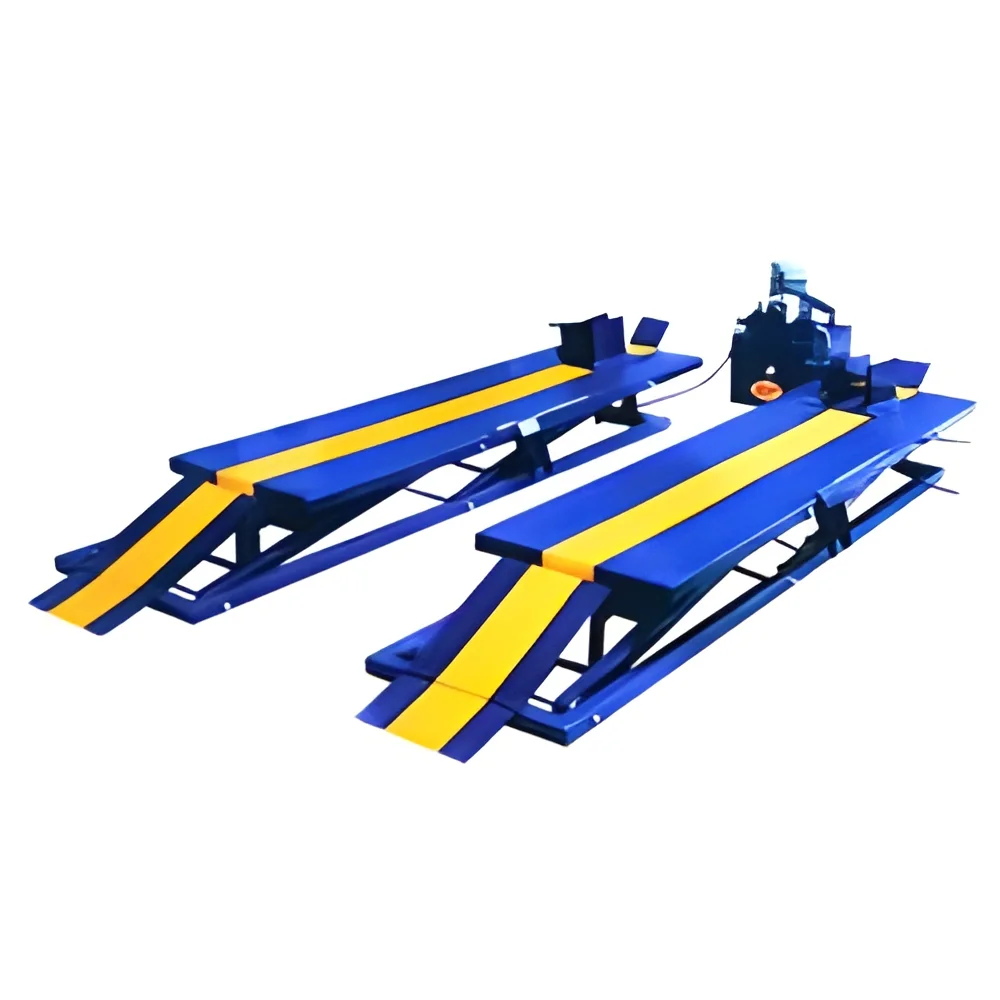
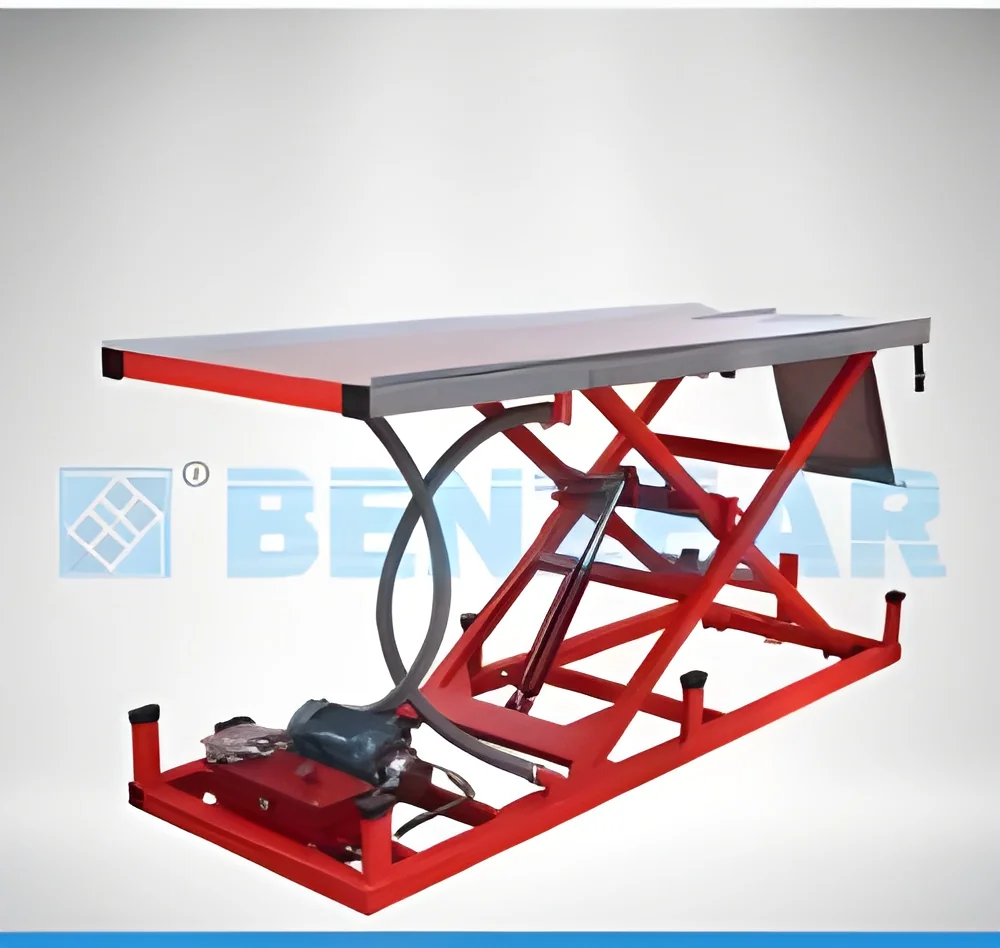
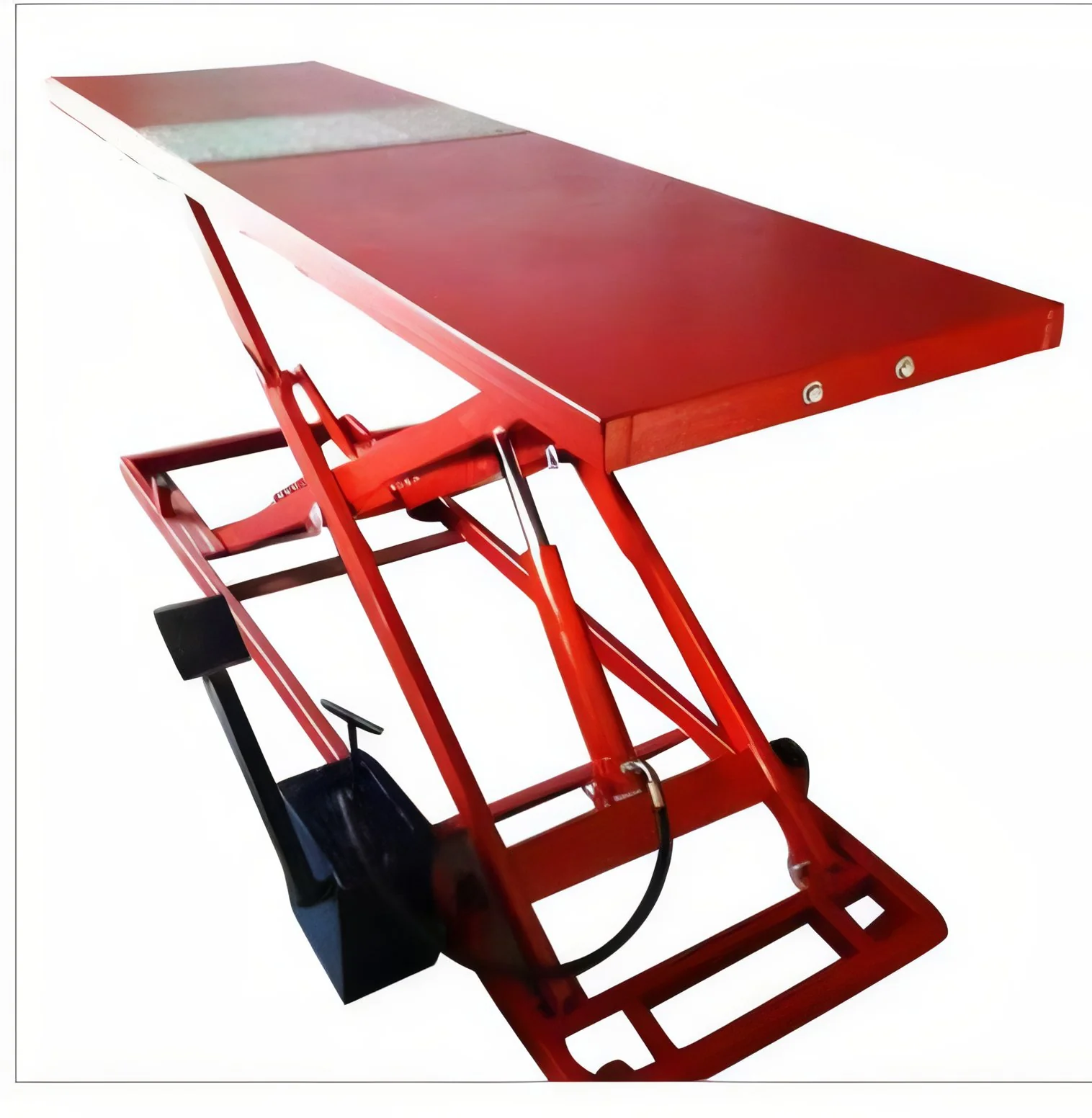
- Includes lifts, diagnostic tools, and tire changers
2. Staff Qualifications
- Technicians trained in motorcycle mechanics
- Certifications and experience requirements
3. Facility Size
- Adequate space for multiple service bays
- Room for customer waiting areas and parts storage
4. Inventory Management
- Systems for tracking parts and supplies
- Efficient ordering processes for quick replenishment
5. Customer Service
- Online booking and appointment systems
- Transparent pricing and service estimates
6. Safety Standards
- Compliance with local safety regulations
- Regular safety inspections of equipment and facilities
7. Environmental Considerations
- Waste management practices for oils and chemicals
- Energy-efficient lighting and equipment
In summary, the features and specifications of two-wheeler service centers are designed to ensure efficiency, safety, and high-quality service for customers. These centers play a critical role in maintaining the performance of two-wheeled vehicles.
Common Applications and Use Cases
Two-wheeler service centers cater to a wide range of industries and applications. Their versatility allows them to serve multiple segments effectively.
1. Individual Riders: Service centers provide routine maintenance and emergency repairs for personal motorcycles and scooters, ensuring that individual riders can rely on their vehicles.
2. Delivery Services: Many businesses rely on two-wheelers for deliveries. Service centers ensure that these vehicles are well-maintained to minimize downtime and maximize operational efficiency.
3. Rental Companies: Two-wheeler rental services benefit from regular maintenance and quick turnaround times provided by service centers, enhancing customer satisfaction.
4. Ride-Sharing Services: Companies that offer ride-sharing options with motorcycles depend on service centers to keep their fleet in excellent condition, which is vital for passenger safety.
5. Fleet Operators: Companies with large fleets of two-wheelers rely on service centers for regular servicing and repairs to maintain operational efficiency and reduce costs.
6. Government and Public Services: Municipalities and public service organizations use two-wheelers for various tasks. Service centers help ensure that these vehicles remain reliable and functional.
7. Educational Institutions: Some schools and colleges incorporate two-wheelers into their transportation systems. Service centers help maintain these vehicles for safe student transport.
Product Variants and Subcategories
Two-wheeler service centers can vary in terms of the services offered and the target market they serve. Although specific product variants are not available, service centers can be generally classified based on their service capabilities and customer focus.
Standard Service Center
Standard service centers perform general maintenance and repairs for all types of two-wheelers. They are equipped to handle oil changes, tire replacements, brake repairs, and other common services. These centers cater to individual riders and offer a wide range of services.
Specialized Service Center
Specialized service centers focus on specific brands or types of two-wheelers. They have in-depth knowledge of particular models and can provide advanced diagnostics and repairs. These centers often have access to proprietary tools and parts, making them ideal for brand-specific servicing.
Mobile Service Center
Mobile service centers provide on-site maintenance and repair services. They are equipped with essential tools and often cater to customers who prefer the convenience of having services performed at their location. This model is increasingly popular among busy riders and fleet operators.
Benefits and Advantages
The advantages of utilizing two-wheeler service centers are substantial for both individual and business customers. These centers enhance vehicle performance while ensuring safety and reliability.
Key benefits include:
1. Convenience: Service centers provide accessible locations and often offer online booking, making it easy for customers to schedule maintenance.
2. Professional Expertise: Trained technicians ensure that vehicles are serviced correctly, reducing the risk of future issues and enhancing safety.
3. Time Efficiency: Quick turnaround times for routine services allow customers to get back on the road without significant delays.
4. Cost-Effectiveness: Regular maintenance helps prevent costly repairs down the line, making it a wise investment for vehicle owners.
5. Quality Assurance: Service centers adhere to industry standards and use quality parts, ensuring that repairs and maintenance meet customer expectations.
6. Customer Support: Many service centers provide warranties on their services, giving customers peace of mind regarding their vehicle maintenance.
Buying Guide for B2B Buyers
When sourcing two-wheeler service centers, B2B buyers should consider several critical factors to ensure they select the right service provider.
1. Quality Assessment: Evaluate the service center's reputation and quality of work. Look for customer reviews and testimonials to gauge reliability and service quality.
2. Supplier Verification: Vet suppliers to ensure they are licensed and have the necessary certifications to operate. This helps in ensuring compliance with industry standards.
3. Pricing and MOQ: Understand the pricing structure and any minimum order quantities (MOQ) that may apply. Compare costs among different service centers for the best value.
4. Delivery and Lead Times: Consider the lead times for service completion and any logistical considerations for parts and services required.
5. Compliance Requirements: Ensure that the service center meets all local and regional compliance standards. This is crucial for maintaining safety and quality in servicing.
Compliance and Certifications
Two-wheeler service centers must adhere to several quality standards and certifications to ensure they operate effectively and safely. Relevant standards include ISO 9001, which focuses on quality management systems. Compliance with this standard indicates that the service center consistently delivers quality services.
Industry certifications, such as CE marking, demonstrate that products and services meet European safety and health requirements. This certification is essential for service centers that wish to maintain a high standard of service and customer trust.
Safety and testing requirements are also paramount. Service centers must regularly assess their equipment and processes to ensure they meet safety regulations. Regional compliance considerations may vary, so service centers should stay informed about local laws and regulations to avoid penalties and ensure the well-being of their customers.
Why Source Two-Wheeler Service Centers from Pepagora?
Pepagora offers a reliable platform for sourcing two-wheeler service centers, providing several key advantages to B2B buyers.
Verified Supplier Network: Pepagora has established a robust network of verified suppliers, ensuring that buyers can trust the quality and reliability of the service centers they choose.
Streamlined RFQ Process: The platform simplifies the request for quotation (RFQ) process, allowing buyers to obtain multiple quotes quickly and efficiently. This saves time and helps in making informed purchasing decisions.
Trade Assurance and Support: Pepagora offers trade assurance, providing buyers with protection when sourcing from its network. This support instills confidence and ensures that transactions are secure.
Regional Coverage: With a strong presence in India, the GCC, and Southeast Asia, Pepagora provides extensive geographic coverage. This enables buyers to find service centers that are conveniently located and meet their specific needs efficiently.

 IN
IN