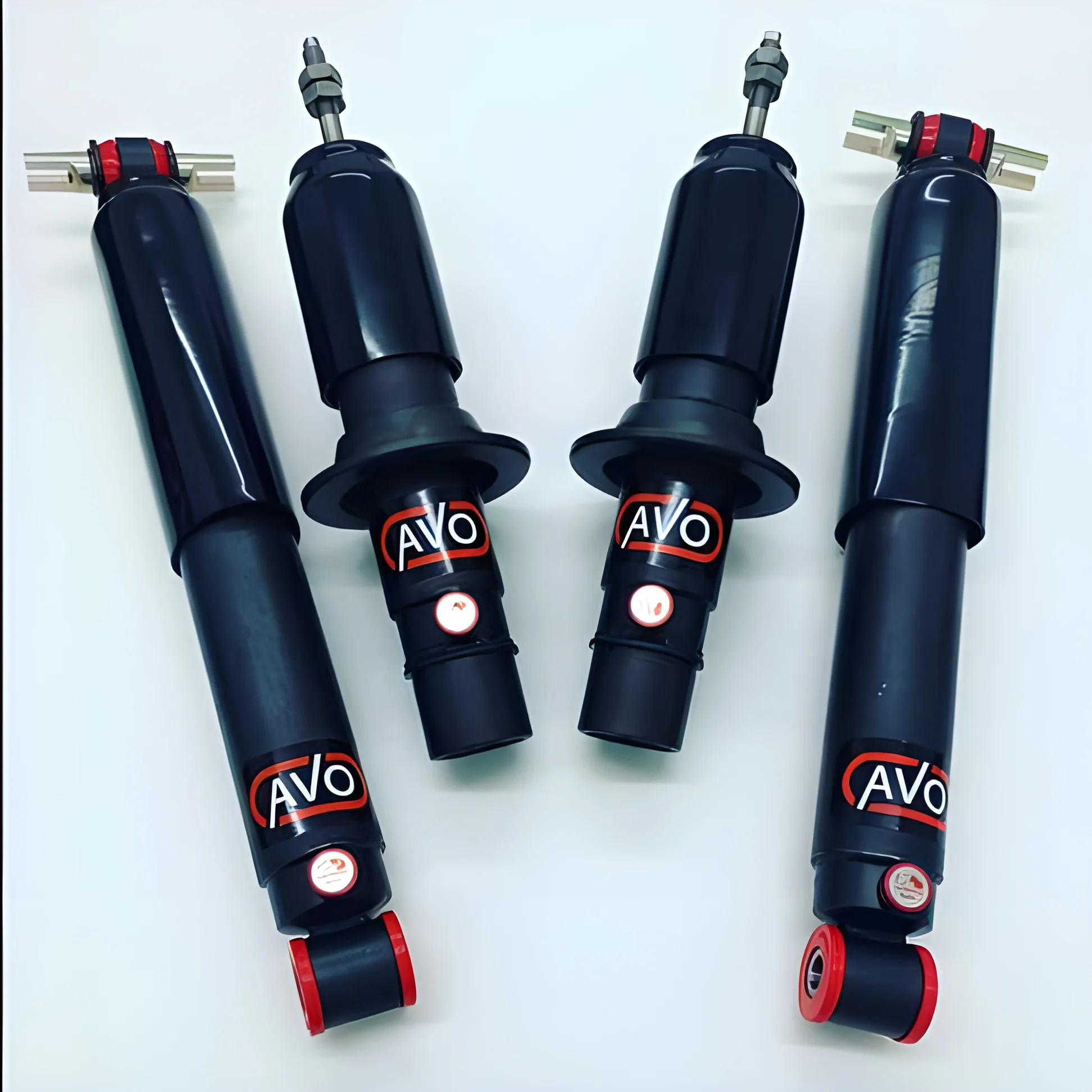
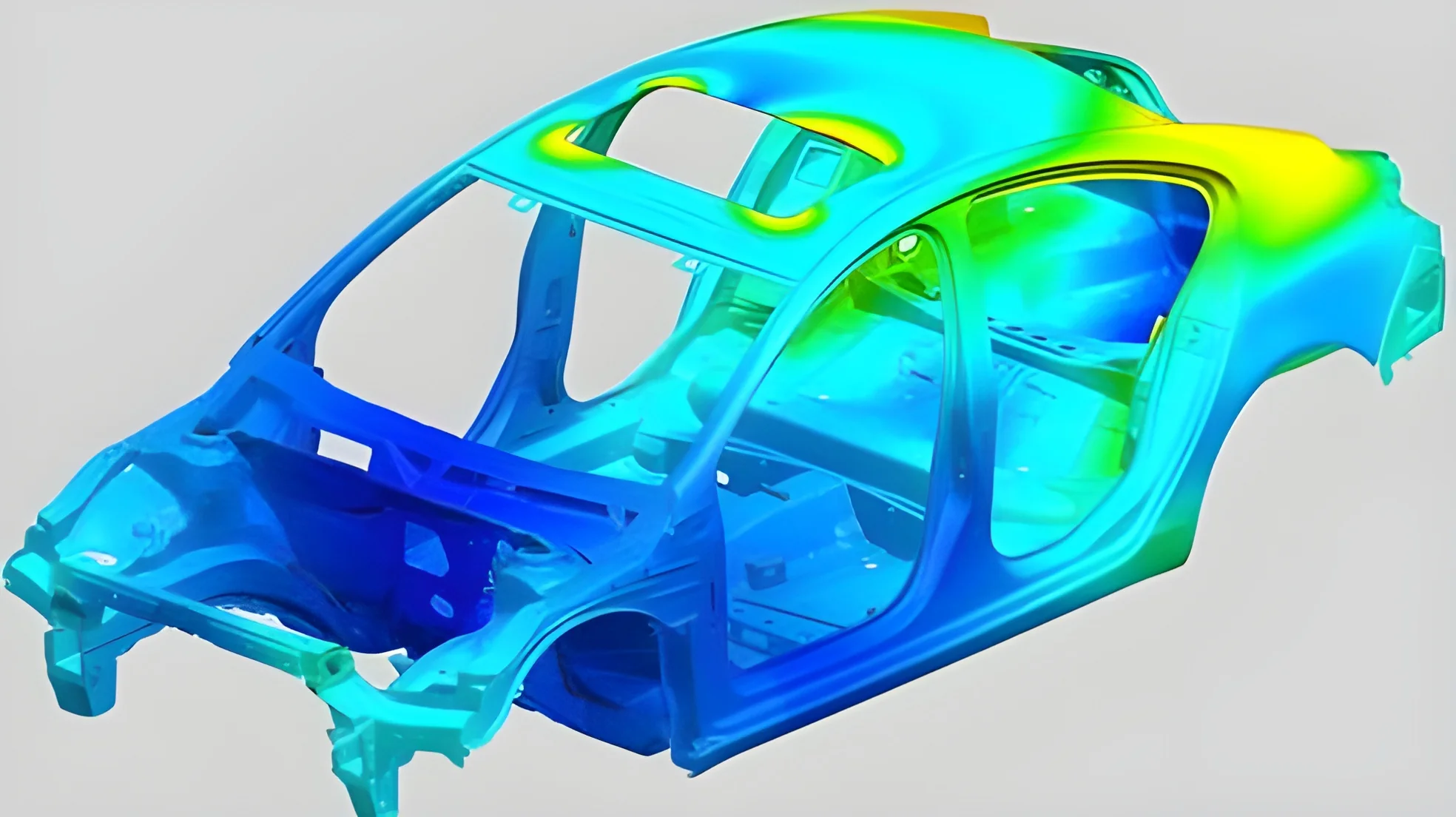
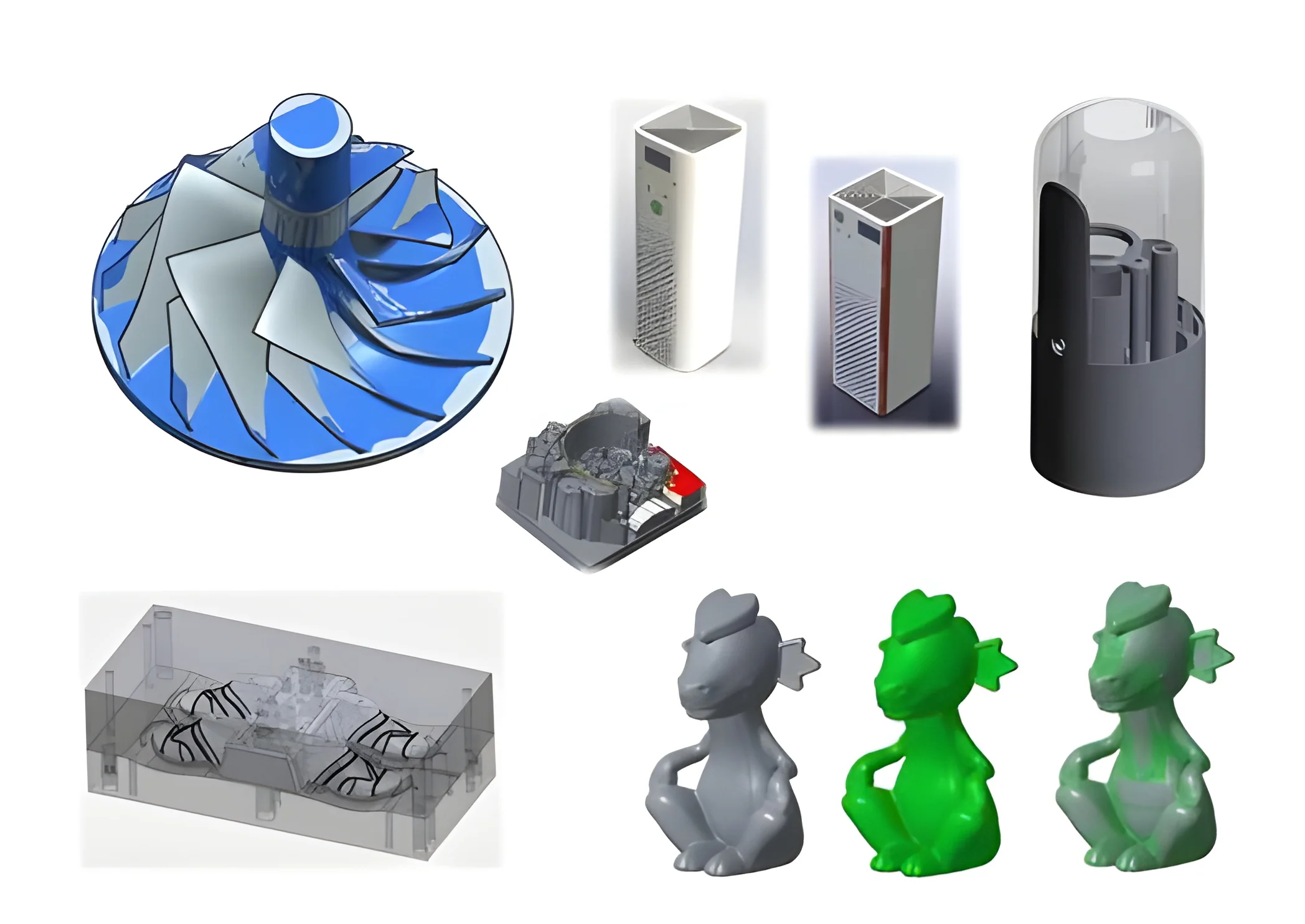
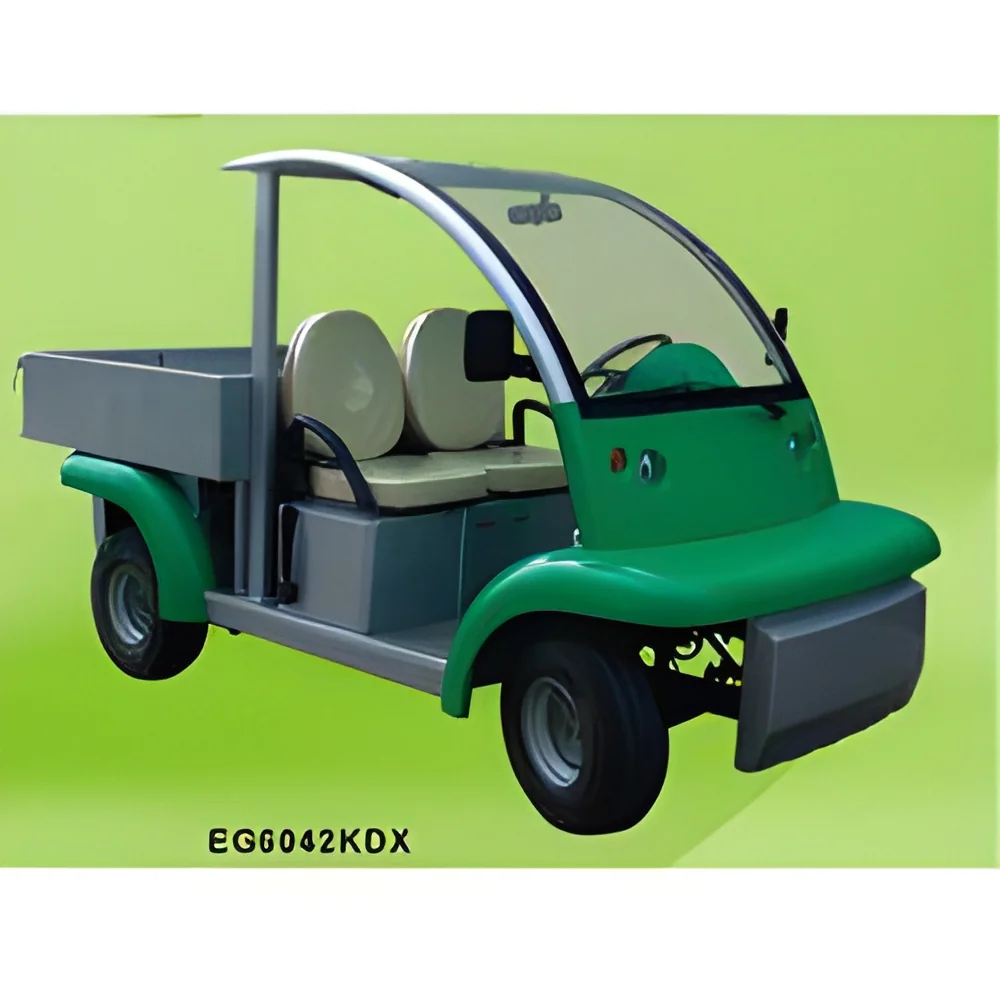
𝗪𝗵𝗮𝘁 𝗮𝗿𝗲 𝗔𝘂𝘁𝗼𝗺𝗼𝗯𝗶𝗹𝗲 𝗗𝗲𝘀𝗶𝗴𝗻 & 𝗣𝗿𝗼𝘁𝗼𝘁𝘆𝗽𝗶𝗻𝗴?
Automobile design and prototyping refer to the processes involved in creating and developing new vehicle models before they go into production. This includes conceptualizing design elements, engineering components, and creating physical or digital prototypes to test various functionalities. The aim is to ensure that the final product meets both aesthetic and performance standards.
These processes are essential in the automotive industry, where innovation and efficiency are key. Businesses utilize design and prototyping to validate concepts, reduce development time, and enhance product quality. This allows manufacturers to respond to market demands and consumer preferences more effectively. As the automotive landscape evolves with advancements in technology, such as electric and autonomous vehicles, the importance of robust design and prototyping practices continues to grow.
In the context of market relevance, automobile design and prototyping play a crucial role in maintaining competitiveness. Companies that invest in these areas can create vehicles that not only appeal to consumers but also comply with regulatory standards and environmental considerations. This is particularly important as the industry faces increasing scrutiny over sustainability and safety.
𝗞𝗲𝘆 𝗙𝗲𝗮𝘁𝘂𝗿𝗲𝘀 𝗮𝗻𝗱 𝗦𝗽𝗲𝗰𝗶𝗳𝗶𝗰𝗮𝘁𝗶𝗼𝗻𝘀
Automobile design and prototyping encompass a variety of features and specifications that are essential for successful product development. These specifications help guide designers and engineers in their efforts to create high-quality vehicles.
Key specifications include:
1. Design Software Compatibility
- Integrates with various design software platforms.
- Supports CAD, CAM, and simulation tools.
2. Prototyping Techniques
- Includes 3D printing, CNC machining, and rapid prototyping.
- Allows for accurate representation of design concepts.
3. Material Selection
- Offers a range of materials such as metals, plastics, and composites.
- Ensures durability and weight considerations are met.
4. Testing Capabilities
- Facilitates functional and safety testing of prototypes.
- Includes crash testing and performance evaluations.
5. Customization Options
- Allows for tailored designs based on client specifications.
- Provides flexibility in features and aesthetics.
6. Regulatory Compliance
- Adheres to industry standards and regulations.
- Ensures vehicles meet safety and environmental criteria.
7. Project Management Tools
- Incorporates tools for tracking progress and timelines.
- Facilitates collaboration among teams.
8. Cost Management
- Offers budgeting tools to manage project expenses.
- Provides estimates based on materials and processes.
In summary, the specifications of automobile design and prototyping are designed to enhance the overall development process, ensuring that vehicles are not only innovative but also feasible for production.
𝗖𝗼𝗺𝗺𝗼𝗻 𝗔𝗽𝗽𝗹𝗶𝗰𝗮𝘁𝗶𝗼𝗻𝘀 𝗮𝗻𝗱 𝗨𝘀𝗲 𝗖𝗮𝘀𝗲𝘀
Automobile design and prototyping find applications in various industries beyond traditional automotive manufacturing.
1. Automotive Manufacturing: This industry utilizes design and prototyping to create new vehicle models, enabling manufacturers to test designs and functionalities before mass production.
2. Aerospace: The aerospace sector applies similar design principles to develop aircraft components, ensuring safety and performance through rigorous prototyping.
3. Industrial Design: Companies in industrial design leverage prototyping to visualize and refine product concepts, leading to better user experiences and functionality.
4. Transportation: The transportation industry uses design and prototyping to innovate public transport solutions, improving efficiency and passenger comfort.
5. Electric Vehicles: With the rise of electric vehicles, design and prototyping are critical for developing battery systems and electric drivetrains.
6. Research and Development: R&D departments across sectors use prototyping to experiment with new technologies and materials, pushing the boundaries of current capabilities.
7. Education: Educational institutions incorporate automobile design and prototyping into curricula to prepare students for careers in engineering and design.
𝗣𝗿𝗼𝗱𝘂𝗰𝘁 𝗩𝗮𝗿𝗶𝗮𝗻𝘁𝘀 𝗮𝗻𝗱 𝗦𝘂𝗯𝗰𝗮𝘁𝗲𝗴𝗼𝗿𝗶𝗲𝘀
The world of automobile design and prototyping offers a diverse range of products tailored to specific needs and applications.
Digital Prototyping Tools: These tools allow designers to create and test virtual models, enabling quicker iterations and reduced costs. They are essential in the initial stages of vehicle design.
Physical Prototyping Services: This variant provides hands-on prototyping capabilities, using materials to build tangible models for testing. It is useful for validating design concepts before full-scale production.
Rapid Prototyping Technologies: These technologies, such as 3D printing, allow for the quick creation of prototypes, significantly speeding up the development process and facilitating design changes on the fly.
𝗕𝗲𝗻𝗲𝗳𝗶𝘁𝘀 𝗮𝗻𝗱 𝗔𝗱𝘃𝗮𝗻𝘁𝗮𝗴𝗲𝘀
Automobile design and prototyping offer several key benefits that enhance the overall development process.
1. Improved Efficiency: Streamlined design processes reduce development time, allowing for faster market entry.
2. Enhanced Quality: Prototyping allows for testing and refinement, leading to higher quality final products.
3. Cost Savings: Early identification of design flaws minimizes costly changes during production.
4. Innovation Facilitation: Design and prototyping encourage creativity and experimentation, leading to innovative vehicle designs.
5. Market Responsiveness: Businesses can quickly adapt to changing consumer preferences through iterative design processes.
6. Risk Reduction: Testing prototypes helps identify potential issues before full-scale production, reducing the risk of recalls or safety concerns.
𝗕𝘂𝘆𝗶𝗻𝗴 𝗚𝘂𝗶𝗱𝗲 𝗳𝗼𝗿 𝗕𝟮𝗕 𝗕𝘂𝘆𝗲𝗿𝘀
When sourcing automobile design and prototyping services, several factors should be considered to ensure a successful partnership.
1. Quality Assessment: Evaluate the quality of previous work by reviewing case studies and client testimonials. High-quality prototypes are essential for effective testing and validation.
2. Supplier Verification: Vet suppliers by checking their credentials and industry experience. A reliable supplier will have a proven track record in automobile design and prototyping.
3. Pricing and MOQ: Understand the pricing structures and minimum order quantities. This helps in budgeting and ensures that the supplier can meet your production needs.
4. Delivery and Lead Times: Inquire about the expected timelines for project completion. Timely delivery is crucial for keeping projects on schedule.
5. Compliance Requirements: Ensure that the supplier adheres to industry standards and regulations. Compliance with safety and quality standards is non-negotiable in the automotive sector.
𝗖𝗼𝗺𝗽𝗹𝗶𝗮𝗻𝗰𝗲 𝗮𝗻𝗱 𝗖𝗲𝗿𝘁𝗶𝗳𝗶𝗰𝗮𝘁𝗶𝗼𝗻𝘀
Compliance with industry standards and certifications is vital in automobile design and prototyping. Key standards include ISO 9001, which ensures quality management systems are in place, and CE certification, which indicates that products meet European safety and environmental requirements.
Safety and testing requirements are also critical. Prototyping must comply with various testing protocols to ensure that vehicles are safe for consumers. Additionally, regional compliance considerations may vary, requiring suppliers to adapt to local regulations and standards.
Ensuring that design and prototyping practices meet these compliance and certification requirements not only enhances product quality but also builds trust with consumers and stakeholders.
𝗪𝗵𝘆 𝗦𝗼𝘂𝗿𝗰𝗲 𝗔𝘂𝘁𝗼𝗺𝗼𝗯𝗶𝗹𝗲 𝗗𝗲𝘀𝗶𝗴𝗻 & 𝗣𝗿𝗼𝘁𝗼𝘁𝘆𝗽𝗶𝗻𝗴 𝗳𝗿𝗼𝗺 𝗣𝗲𝗽𝗮𝗴𝗼𝗿𝗮?
Pepagora provides a trusted platform for sourcing automobile design and prototyping with several key advantages.
Verified Supplier Network: Pepagora connects buyers with a network of verified suppliers who have demonstrated their capabilities in automotive design and prototyping. This network ensures that buyers can find reliable partners for their projects.
Streamlined RFQ Process: The quotation system simplifies the process of obtaining quotes from multiple suppliers. Buyers can easily compare offerings and make informed decisions based on their specific needs.
Trade Assurance and Support: Pepagora offers trade assurance, protecting buyers from potential risks associated with sourcing. This support includes assistance with transactions and dispute resolution to ensure a smooth purchasing experience.
Regional Coverage: With a strong presence in regions like India, the GCC, and Southeast Asia, Pepagora provides geographic reach that facilitates sourcing from diverse markets. This helps buyers find the best solutions tailored to their regional requirements.

 IN
IN