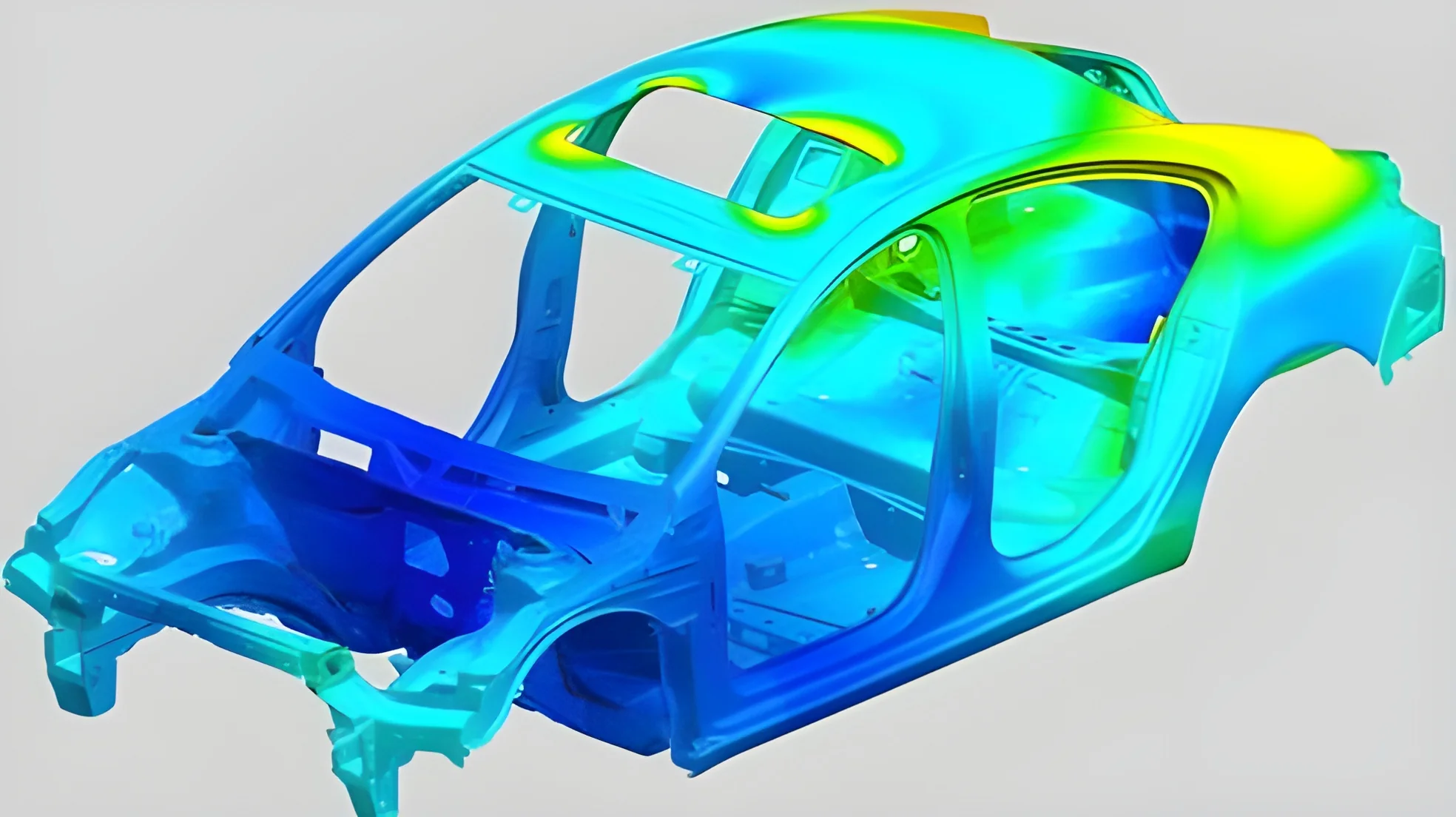
𝗪𝗵𝗮𝘁 𝗮𝗿𝗲 𝗔𝘂𝘁𝗼𝗺𝗼𝘁𝗶𝘃𝗲 𝗖𝗙𝗗/𝗖𝗔𝗘 𝗦𝗶𝗺𝘂𝗹𝗮𝘁𝗶𝗼𝗻?
Automotive CFD (Computational Fluid Dynamics) and CAE (Computer-Aided Engineering) simulation are advanced software tools used in the automotive industry to analyze and predict the behavior of vehicle designs under various conditions. These simulations allow engineers to visualize airflow, thermal dynamics, and other physical phenomena affecting vehicle performance. By creating detailed models, CFD and CAE simulations help in optimizing the design process before physical prototypes are built.
The primary uses of automotive CFD and CAE simulation include improving aerodynamics, enhancing thermal management, and ensuring structural integrity. These simulations are crucial for various stages of vehicle development, from initial design to final production. Businesses leverage these tools to reduce costs associated with prototyping, speed up the development cycle, and improve overall vehicle performance and safety.
In the current market context, automotive CFD and CAE simulations are becoming increasingly relevant due to the growing emphasis on fuel efficiency, emissions reduction, and safety standards. As automotive manufacturers adopt innovative technologies, these simulations provide the necessary insights to stay competitive and comply with evolving regulations.
𝗞𝗲𝘆 𝗙𝗲𝗮𝘁𝘂𝗿𝗲𝘀 𝗮𝗻𝗱 𝗦𝗽𝗲𝗰𝗶𝗳𝗶𝗰𝗮𝘁𝗶𝗼𝗻𝘀
Automotive CFD and CAE simulations come equipped with a range of features designed to enhance the design and analysis process. These features help automotive engineers ensure that their vehicles perform optimally under various conditions.
Key specifications include:
1. Fluid Dynamics Analysis
- Simulates airflow and fluid interactions around and within vehicle components.
- Provides data on drag coefficients, lift forces, and pressure distributions.
2. Thermal Analysis
- Evaluates heat transfer and thermal management in vehicle systems.
- Assesses temperature profiles and cooling efficiency.
3. Structural Integrity Assessment
- Analyzes material stresses and deformation under load.
- Ensures compliance with safety standards and regulations.
4. Integration with CAD Systems
- Seamlessly integrates with Computer-Aided Design (CAD) software for streamlined workflows.
- Facilitates easy modifications and updates to designs.
5. User-Friendly Interface
- Features intuitive controls and visualization tools for enhanced user experience.
- Supports rapid model setup and simulation execution.
6. Multi-Physics Capabilities
- Combines various physical phenomena such as fluid dynamics, heat transfer, and structural mechanics.
- Provides comprehensive insights into complex interactions.
7. High-Performance Computing Support
- Utilizes advanced computing resources for faster simulations.
- Handles large datasets efficiently for detailed analysis.
8. Reporting and Visualization Tools
- Generates detailed reports and visualizations of simulation results.
- Aids in presenting findings to stakeholders and decision-makers.
In summary, automotive CFD and CAE simulations are essential tools that offer extensive analysis capabilities to optimize vehicle design and performance.
𝗖𝗼𝗺𝗺𝗼𝗻 𝗔𝗽𝗽𝗹𝗶𝗰𝗮𝘁𝗶𝗼𝗻𝘀 𝗮𝗻𝗱 𝗨𝘀𝗲 𝗖𝗮𝘀𝗲𝘀
Automotive CFD and CAE simulations serve a variety of industries and applications, enhancing design efficiency and product performance.
1. Automotive Manufacturing: Engineers use these simulations to refine vehicle aerodynamics, optimizing designs for fuel efficiency and performance.
2. Motorsports: In the competitive motorsports arena, teams leverage CFD and CAE to enhance vehicle speed and stability, gaining a performance edge.
3. Electric Vehicles: The unique thermal management needs of electric vehicles are addressed through simulations that optimize battery cooling and overall thermal performance.
4. Aerospace: Techniques from automotive CFD are applied in aerospace design to ensure efficient airflow and structural integrity for aircraft components.
5. HVAC Systems: Simulations help design effective heating, ventilation, and air conditioning systems for vehicles, enhancing passenger comfort.
6. Environmental Testing: Automotive CFD tools are essential in analyzing emissions dispersion and environmental impacts, ensuring compliance with regulations.
7. Safety Testing: Simulations are used to assess vehicle safety features under various conditions, contributing to the design of safer automobiles.
𝗣𝗿𝗼𝗱𝘂𝗰𝘁 𝗩𝗮𝗿𝗶𝗮𝗻𝘁𝘀 𝗮𝗻𝗱 𝗦𝘂𝗯𝗰𝗮𝘁𝗲𝗴𝗼𝗿𝗶𝗲𝘀
Automotive CFD and CAE simulations come in various forms to suit different needs and applications within the industry.
[Variant 1 Name]
This variant focuses on fluid dynamics analysis, providing in-depth insights into airflow patterns around vehicle exteriors. It is particularly useful for aerodynamic optimization and can be applied early in the design phase.
[Variant 2 Name]
This variant specializes in thermal simulations, enabling engineers to analyze heat dissipation in critical components like engines and batteries. It is vital for ensuring that vehicles meet performance and safety standards.
𝗕𝗲𝗻𝗲𝗳𝗶𝘁𝘀 𝗮𝗻𝗱 𝗔𝗱𝘃𝗮𝗻𝘁𝗮𝗴𝗲𝘀
Automotive CFD and CAE simulations offer numerous benefits that enhance the design and manufacturing processes.
Key benefits include:
1. Cost Reduction: By identifying design flaws early, businesses can save on prototyping and production costs.
2. Improved Performance: Enhanced aerodynamics and thermal management lead to better overall vehicle performance.
3. Faster Development Cycles: Simulations enable quicker iterations, reducing time to market for new vehicle models.
4. Enhanced Safety: Advanced simulations help ensure that vehicles meet safety regulations and standards.
5. Increased Innovation: These tools allow for testing unconventional designs, fostering innovation in vehicle development.
6. Data-Driven Decisions: Engineers can rely on simulation data to make informed design choices and optimize performance.
𝗕𝘂𝘆𝗶𝗻𝗴 𝗚𝘂𝗶𝗱𝗲 𝗳𝗼𝗿 𝗕𝟮𝗕 𝗕𝘂𝘆𝗲𝗿𝘀
When sourcing Automotive CFD and CAE simulation tools, several factors should be considered to ensure the best choice for your needs.
1. Quality Assessment: Look for products that comply with industry standards and have proven track records in performance and reliability.
2. Supplier Verification: Vet suppliers carefully by checking their credentials, customer reviews, and industry reputation to ensure quality and support.
3. Pricing and MOQ: Consider the cost of the software and any minimum order quantities, ensuring they align with your budget and usage needs.
4. Delivery and Lead Times: Inquire about delivery timelines to ensure you can integrate the software into your workflow without delays.
5. Compliance Requirements: Verify that the product meets any relevant regulatory and industry standards to avoid future complications.
𝗖𝗼𝗺𝗽𝗹𝗶𝗮𝗻𝗰𝗲 𝗮𝗻𝗱 𝗖𝗲𝗿𝘁𝗶𝗳𝗶𝗰𝗮𝘁𝗶𝗼𝗻𝘀
Automotive CFD and CAE simulations must adhere to various quality standards and certifications to ensure reliability and safety.
Many products in this category comply with ISO 9001, which outlines quality management principles. This certification emphasizes continuous improvement and customer satisfaction.
Additionally, industry certifications such as CE and UL are crucial for ensuring that products meet specific safety and performance standards. These certifications are essential for gaining market acceptance and trust.
Manufacturers should also consider regional compliance requirements, which may vary based on the market. Understanding these regulations is vital for ensuring that products are suitable for specific applications.
𝗪𝗵𝘆 𝗦𝗼𝘂𝗿𝗰𝗲 𝗔𝘂𝘁𝗼𝗺𝗼𝘁𝗶𝘃𝗲 𝗖𝗙𝗗/𝗖𝗔𝗘 𝗦𝗶𝗺𝘂𝗹𝗮𝘁𝗶𝗼𝗻 𝗳𝗿𝗼𝗺 𝗣𝗲𝗽𝗮𝗴𝗼𝗿𝗮?
Pepagora provides a trusted platform for sourcing Automotive CFD and CAE simulation tools, offering several key advantages to B2B buyers.
Verified Supplier Network: Pepagora connects buyers with a network of verified suppliers, ensuring high-quality products and reliable service. This network helps buyers make informed decisions with confidence.
Streamlined RFQ Process: The platform features an efficient Request for Quotation (RFQ) process, simplifying the procurement process. Buyers can easily compare options and receive competitive pricing.
Trade Assurance and Support: Pepagora offers trade assurance, providing buyers with protection throughout the procurement process. Support services are available to address any concerns or questions.
Regional Coverage: With a presence in India, the GCC, and Southeast Asia, Pepagora ensures that buyers have access to a wide range of products and suppliers in key markets.
By choosing Pepagora, buyers can benefit from a comprehensive sourcing experience that prioritizes quality and efficiency in the automotive CFD and CAE simulation market.

 IN
IN