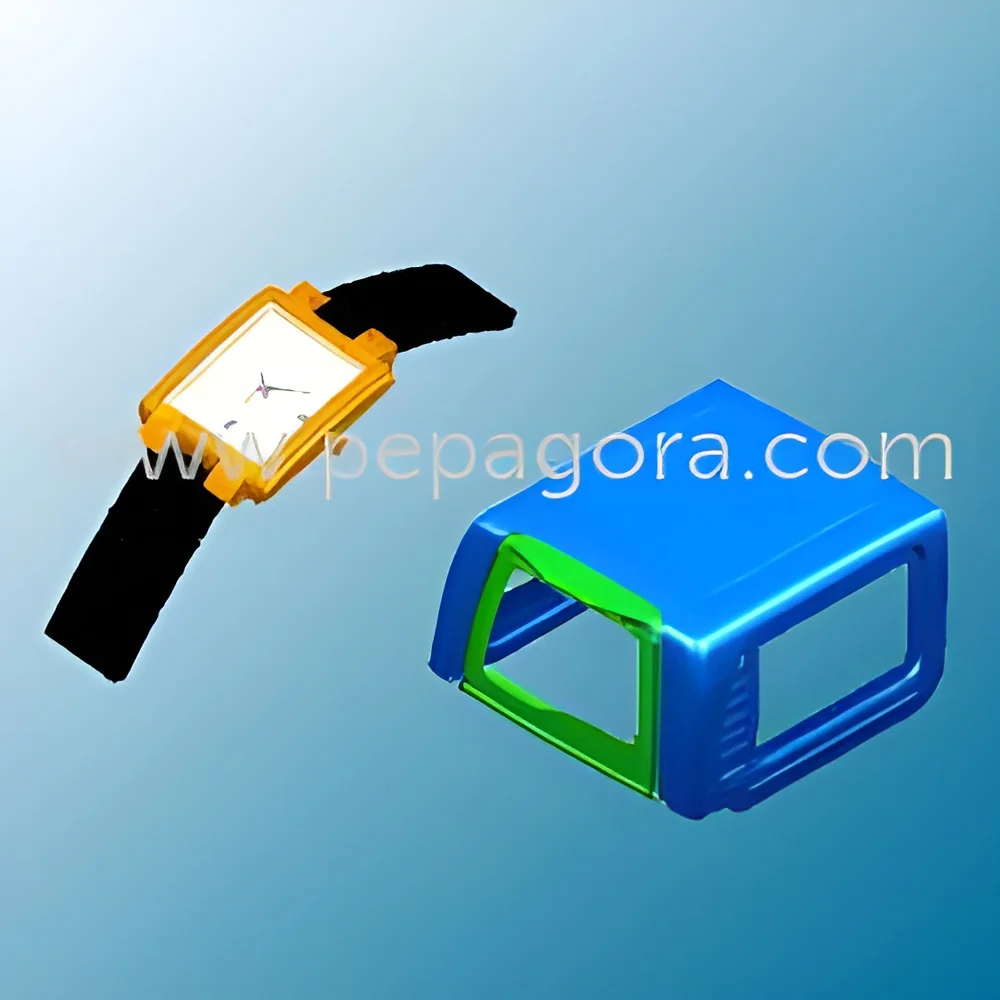
What are 3D CAD Design for Vehicles?
3D CAD Design for Vehicles refers to the use of three-dimensional computer-aided design technology to create detailed models of vehicles. This technology allows designers and engineers to visualize, simulate, and analyze vehicle designs in a virtual environment before the manufacturing process begins. By utilizing 3D CAD, companies can enhance their design accuracy, improve collaboration among teams, and streamline the overall development process.
The primary uses of 3D CAD Design for Vehicles include product development, prototyping, and testing. It is widely applied in the automotive, aerospace, and transportation industries to create everything from concept sketches to fully detailed models. Engineers can assess performance, safety, and ergonomics through simulations, making adjustments as needed before production starts. The relevance of this technology in today's market is significant, as it supports innovation and efficiency while reducing costs associated with physical prototypes and rework.
Key Features and Specifications
3D CAD Design for Vehicles offers a range of features and specifications that enhance design capabilities and operational efficiency. These specifications are crucial for meeting industry standards and ensuring high-quality outputs.
Key specifications include:
1. Design Accuracy
- High precision in modeling vehicle components
- Ability to create intricate details and geometries
2. Simulation Capabilities
- Tools for stress analysis, airflow, and thermal simulations
- Virtual testing environments to evaluate performance
3. File Compatibility
- Supports various file formats (e.g., .DWG, .DXF, .STL)
- Easy integration with other software systems
4. Collaboration Tools
- Features for real-time collaboration among design teams
- Cloud-based options for remote access and sharing
5. Customization Options
- Ability to tailor designs to specific client requirements
- Flexible modeling tools for unique vehicle specifications
6. Documentation Generation
- Automatic creation of technical drawings and specifications
- Comprehensive reporting features for project tracking
7. User Interface
- Intuitive design tools for ease of use
- Training resources and tutorials available for new users
In summary, the features and specifications of 3D CAD Design for Vehicles enhance the design process, improve accuracy, and facilitate collaboration, making it an essential tool for vehicle development.
Common Applications and Use Cases
3D CAD Design for Vehicles is utilized across various industries, demonstrating its versatility and importance.
1. Automotive Industry: 3D CAD is used to design car bodies, interiors, and engine components. It allows for testing aerodynamics and safety features before physical models are built.
2. Aerospace Industry: Aircraft manufacturers use 3D CAD for designing airframes and systems. The technology helps in optimizing weight and enhancing fuel efficiency through detailed simulations.
3. Transportation Sector: Companies involved in rail and marine transport leverage 3D CAD to design vehicles that meet specific regulatory and safety standards while maximizing performance.
4. Heavy Machinery: Manufacturers of construction and agricultural equipment use 3D CAD to create robust designs that endure harsh operating conditions and optimize functionality.
5. Consumer Electronics: Vehicle integration with technology, such as infotainment systems, is developed using 3D CAD, ensuring seamless fit and operation within vehicle designs.
6. Custom Vehicle Manufacturing: Businesses that specialize in bespoke vehicles use 3D CAD to create unique designs tailored to individual customer specifications and preferences.
7. Electric Vehicle Development: The rise of electric vehicles has led to increased use of 3D CAD for designing battery systems and optimizing vehicle weight for improved efficiency.
Product Variants and Subcategories
The diversity in 3D CAD Design for Vehicles allows for various applications and functionalities tailored to specific needs.
Electric Vehicle Design
This variant focuses on the unique requirements of electric vehicles, including battery placement and thermal management. It utilizes advanced simulation tools to optimize performance and range.
Heavy-Duty Vehicle Design
Designed for trucks and construction vehicles, this variant emphasizes durability and functionality. It includes features for stress testing and optimizing load distribution.
Prototype Development
This variant is centered around creating prototypes for new vehicle designs. It supports rapid iterations and modifications to refine features before final production.
Benefits and Advantages
3D CAD Design for Vehicles offers numerous benefits to businesses involved in vehicle manufacturing and design.
Key benefits include:
1. Enhanced Design Accuracy: 3D CAD ensures precise modeling, reducing errors and improving the overall quality of designs.
2. Cost Efficiency: Virtual simulations help identify issues early, minimizing costs associated with physical prototypes and revisions.
3. Improved Collaboration: Cloud-based tools facilitate teamwork across different locations, making it easier for design teams to work together.
4. Faster Time-to-Market: Streamlined design processes result in quicker development cycles, allowing companies to launch products more rapidly.
5. Customization Capabilities: The flexibility of 3D CAD allows for tailored designs that meet specific client needs, enhancing customer satisfaction.
6. Comprehensive Documentation: Automatic generation of technical documents ensures compliance and aids in the manufacturing process.
Buying Guide for B2B Buyers
When sourcing 3D CAD Design for Vehicles, it is crucial for B2B buyers to consider several factors to ensure they select the right solutions.
1. Quality Assessment: Look for providers who adhere to recognized quality standards. Evaluate samples of their previous work to ensure it meets your technical requirements.
2. Supplier Verification: Conduct thorough background checks on potential suppliers. Assess their reliability, industry reputation, and previous client feedback to ensure they can deliver quality services.
3. Pricing and MOQ: Understand the pricing structure and minimum order quantity (MOQ) requirements. Compare quotes from multiple suppliers to find a balance between cost and quality.
4. Delivery and Lead Times: Inquire about typical lead times for project completion. Timely delivery is essential to maintain your production schedules.
5. Compliance Requirements: Ensure that the supplier meets all necessary regulatory and compliance standards specific to your industry. This may include certifications and quality assurance processes.
Compliance and Certifications
Compliance and certifications are critical considerations in the 3D CAD Design for Vehicles industry. Adhering to relevant quality standards, such as ISO 9001, ensures that products meet international quality management requirements.
In addition, industry-specific certifications, such as CE marking, are important for demonstrating compliance with European health, safety, and environmental protection standards.
Safety and testing requirements must be adhered to throughout the design and manufacturing processes. This includes rigorous testing for performance, durability, and safety under various conditions.
Regional compliance considerations are also significant, as different regions may have unique regulations that must be followed. Understanding these requirements is essential for successful market entry and product acceptance.
Why Source 3D CAD Design for Vehicles from Pepagora?
Pepagora is a trusted platform for sourcing 3D CAD Design for Vehicles, offering numerous advantages to B2B buyers.
The verified supplier network ensures that buyers are connected with reputable suppliers who have undergone rigorous vetting processes. This increases confidence in the quality and reliability of the products sourced.
The streamlined RFQ process simplifies the quotation system, allowing buyers to easily request and compare proposals from multiple suppliers. This efficiency saves time and enhances decision-making.
Trade assurance and support provide an additional layer of buyer protection. Pepagora ensures that transactions are secure, fostering trust between buyers and suppliers.
With regional coverage that includes India, the GCC, and Southeast Asia, Pepagora can connect buyers with local suppliers who understand specific market needs and compliance requirements, making it easier to source effectively.

 IN
IN