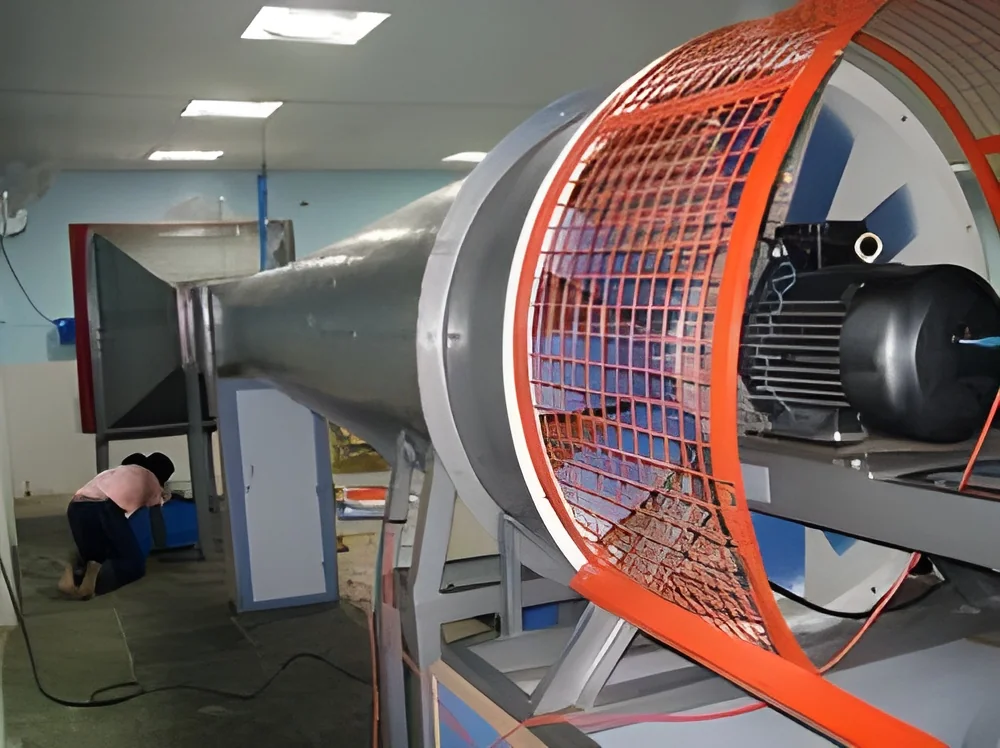
What are Wind Tunnel Testing Services?
Wind tunnel testing services are specialized assessments used to evaluate the aerodynamic properties of various objects, including vehicles, aircraft, and architectural structures. Utilizing controlled airflow, these tests provide critical data on how an object interacts with air, helping engineers and designers optimize performance and safety. The process involves placing a model within a wind tunnel and subjecting it to various wind speeds and conditions to assess factors such as lift, drag, and stability.
These services are primarily employed in industries where aerodynamics play a crucial role. This includes sectors like aerospace, automotive, and civil engineering. Businesses use wind tunnel testing to enhance design efficiency, reduce energy consumption, and ensure compliance with safety standards. Furthermore, the insights gained from these tests are essential for innovation, allowing companies to stay competitive in the market by developing cutting-edge products.
With the growing emphasis on sustainability and fuel efficiency, the relevance of wind tunnel testing services is expanding. Companies are increasingly seeking to reduce their environmental footprint while enhancing the performance of their products. As a result, the demand for reliable wind tunnel testing services is expected to rise, making it a vital service in the modern industrial landscape.
Key Features and Specifications
Wind tunnel testing services are characterized by several key features and specifications that ensure accuracy and reliability. These attributes are designed to meet the diverse needs of various industries and applications.
Key specifications include:
1. Test Models
- Scale models of the object under test are used to simulate real-world conditions.
- Models can range from small-scale prototypes to full-scale designs.
2. Wind Speed Range
- Capable of simulating various wind speeds to evaluate performance under different conditions.
- Typical wind speeds can vary from low speed (less than 10 m/s) to high speed (over 50 m/s).
3. Data Acquisition Systems
- Advanced systems for capturing precise measurements during tests.
- Includes pressure sensors, force balances, and high-speed cameras.
4. Environmental Control
- Ability to simulate different environmental conditions such as temperature and humidity.
- Ensures comprehensive analysis of aerodynamic performance.
5. Test Duration
- Flexible test durations tailored to specific project requirements.
- Short tests for quick assessments or extended tests for detailed analysis.
6. Visualization Techniques
- Use of smoke or particle flow visualization methods to observe airflow patterns.
- Aids in understanding complex aerodynamic behaviors.
7. Post-Processing Capabilities
- Advanced software for analyzing and interpreting test data.
- Provides detailed reports and visualizations for easy comprehension.
8. Compliance with Industry Standards
- Adheres to recognized standards such as CE certification.
- Ensures that testing procedures meet quality and safety requirements.
In summary, wind tunnel testing services offer a comprehensive suite of features that facilitate detailed aerodynamic analysis, enabling businesses to refine their designs and improve product performance.
Common Applications and Use Cases
Wind tunnel testing services cater to a wide array of industries, providing essential insights for product development and optimization.
1. Aerospace: In the aerospace sector, wind tunnel testing is crucial for designing aircraft and spacecraft. It helps in analyzing lift and drag forces, ensuring stability and control during flight.
2. Automotive: Automotive manufacturers utilize wind tunnel testing to enhance vehicle aerodynamics. This leads to improved fuel efficiency and performance, reducing drag and enhancing handling.
3. Civil Engineering: In civil engineering, wind tunnel tests assess the impact of wind on structures like bridges and skyscrapers. This helps engineers design buildings that can withstand extreme weather conditions.
4. Sports Equipment: Companies developing sports equipment, such as bicycles and helmets, use wind tunnel testing to improve aerodynamics, providing athletes with performance advantages.
5. Renewable Energy: Wind turbine manufacturers rely on wind tunnel testing to optimize blade designs, increasing energy efficiency and performance in harnessing wind energy.
6. Marine: In the marine industry, wind tunnel tests are used to evaluate the performance of ships and underwater vehicles, ensuring stability and fuel efficiency in aquatic environments.
7. Electronics: Electronic device manufacturers may use wind tunnel testing to assess the cooling efficiency of devices, ensuring they perform optimally under various airflow conditions.
Product Variants and Subcategories
While there are no specific subcategories of wind tunnel testing services, the diversity in testing approaches allows for customization based on client needs.
Standard Testing Services: This variant provides basic wind tunnel testing for various objects, focusing on standard aerodynamic measurements and data collection.
Advanced Testing Services: This variant includes additional features such as advanced data acquisition and environmental control for more detailed assessments.
Customized Testing Solutions: Tailored testing services designed to meet specific client requirements, offering flexibility in model sizes, test conditions, and analysis techniques.
Benefits and Advantages
Wind tunnel testing services offer numerous benefits that enhance product development and innovation.
1. Improved Performance: By understanding aerodynamic properties, companies can design products that perform better in real-world conditions.
2. Cost-Effectiveness: Early detection of design flaws through testing can save significant costs in production and development.
3. Enhanced Safety: Wind tunnel testing helps ensure that products meet safety standards and perform reliably under various conditions.
4. Competitive Advantage: Companies that utilize wind tunnel testing are better positioned to innovate and deliver superior products to the market.
5. Data-Driven Decisions: The empirical data gathered from tests enables informed decision-making during the design process.
6. Regulatory Compliance: Testing helps ensure that products adhere to industry standards and regulations, avoiding potential legal issues.
Buying Guide for B2B Buyers
When sourcing wind tunnel testing services, it is essential to consider several key factors to ensure you select the right provider.
1. Quality Assessment: Evaluate the quality of testing services by reviewing the provider's technical capabilities, equipment, and past project outcomes. Look for customer testimonials and case studies.
2. Supplier Verification: Vet suppliers thoroughly by checking their credentials, industry certifications, and compliance with relevant standards. This ensures reliability and expertise in the field.
3. Pricing and MOQ: Understand the pricing structure and minimum order quantities. Compare quotes from multiple suppliers to find a balance between quality and cost.
4. Delivery and Lead Times: Discuss delivery schedules and lead times with potential suppliers. Ensure they can meet your project timelines to avoid delays in product development.
5. Compliance Requirements: Confirm that the testing services meet necessary regulatory requirements and quality standards, ensuring that your final product is compliant with industry norms.
Compliance and Certifications
Wind tunnel testing services operate under various compliance and certification standards to ensure quality and safety. Key standards include ISO 9001, which outlines requirements for a quality management system, ensuring consistent service delivery and customer satisfaction.
Industry certifications such as CE indicate compliance with European safety standards, which is essential for products entering the European market. Additionally, adherence to safety and testing requirements ensures that testing facilities maintain high operational standards.
Regional compliance considerations may vary depending on the geographical location of the testing facility. It is crucial for businesses to ensure that their chosen service provider complies with local regulations and industry-specific guidelines.
Why Source Wind Tunnel Testing Services from Pepagora?
Pepagora offers a reliable platform for sourcing wind tunnel testing services, providing several key advantages to B2B buyers.
Verified Supplier Network: Pepagora connects buyers with a network of verified suppliers who have demonstrated expertise in wind tunnel testing. This ensures that businesses can access quality services with confidence.
Streamlined RFQ Process: The Request for Quotation process is designed to be efficient, allowing buyers to receive multiple quotes from different suppliers quickly. This helps in making informed decisions based on pricing and capabilities.
Trade Assurance and Support: With trade assurance features, Pepagora provides buyer protection, ensuring that transactions are secure and that quality standards are met throughout the procurement process.
Regional Coverage: Pepagora's extensive network spans across India, the GCC, and Southeast Asia, allowing buyers to connect with local suppliers who understand regional market dynamics and regulatory requirements.

 IN
IN