
 IN
Aluminum Foils & Containers
75 products available
𝗪𝗵𝗮𝘁 𝗮𝗿𝗲 𝗔𝗹𝘂𝗺𝗶𝗻𝘂𝗺 𝗙𝗼𝗶𝗹𝘀 & 𝗖𝗼𝗻𝘁𝗮𝗶𝗻𝗲𝗿𝘀?
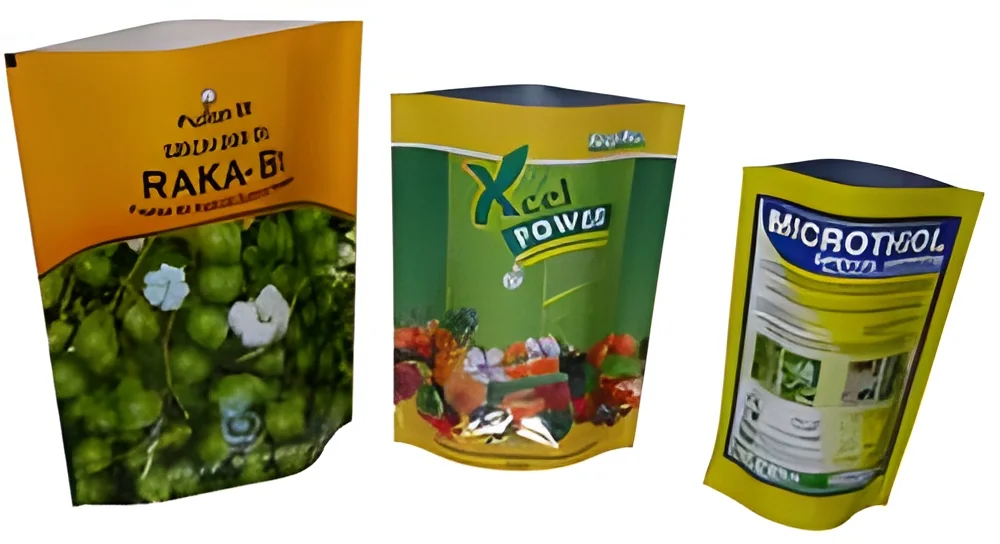
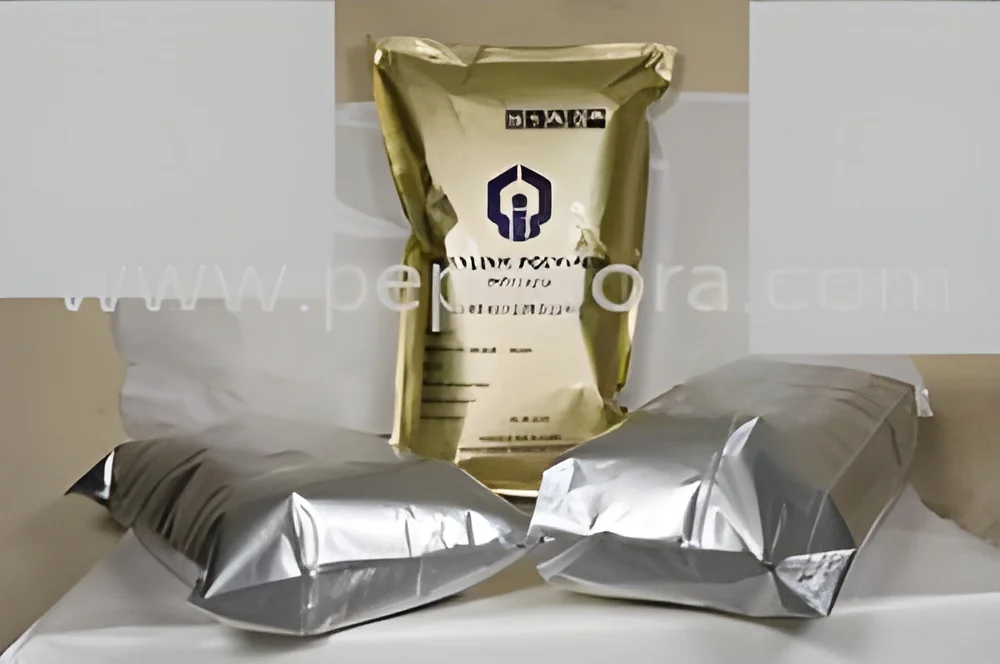
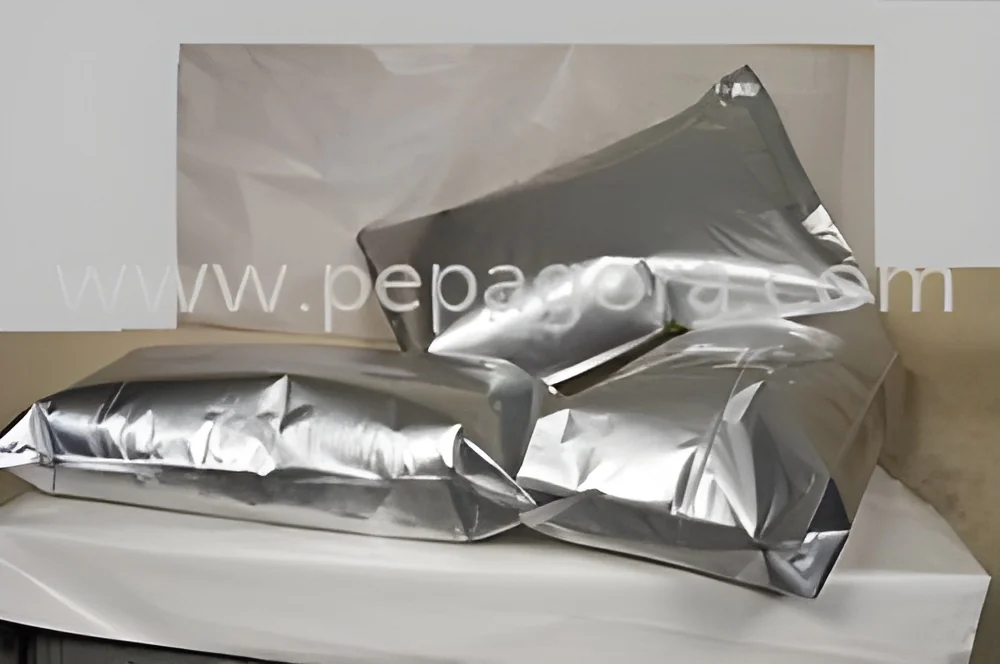
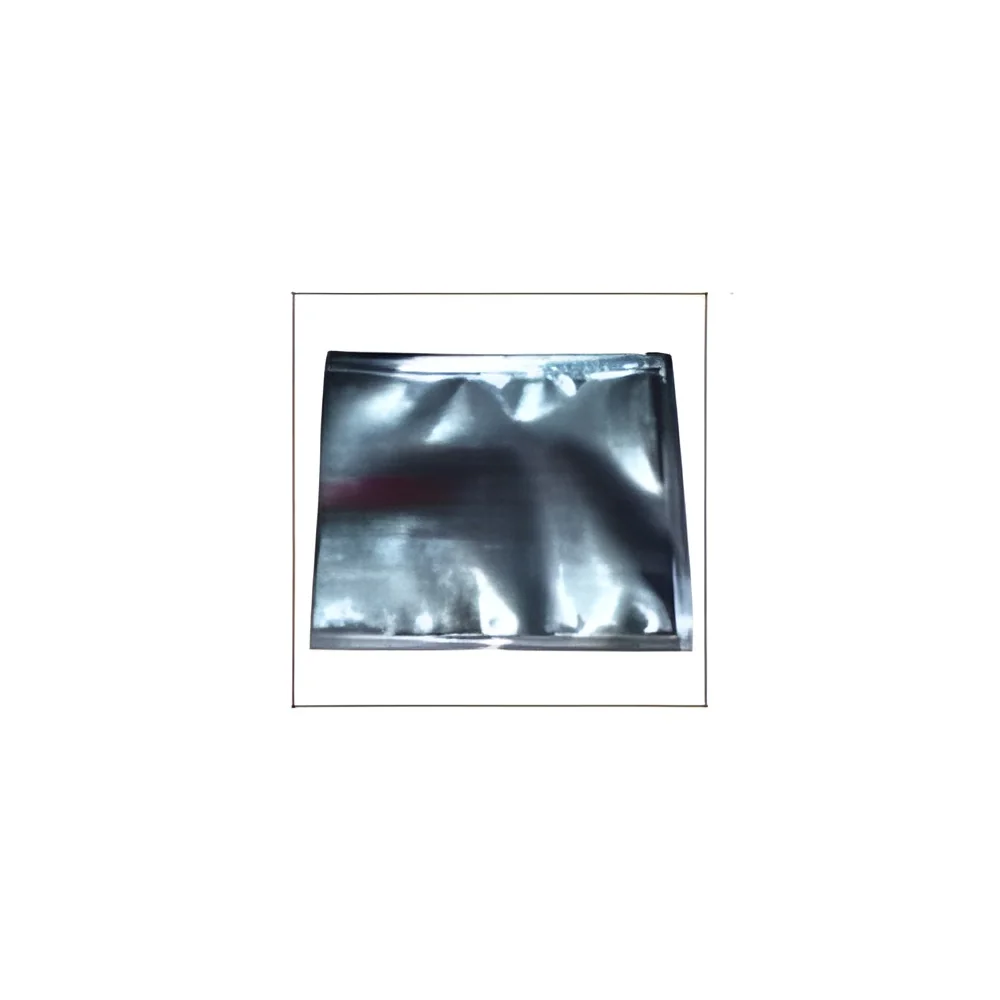
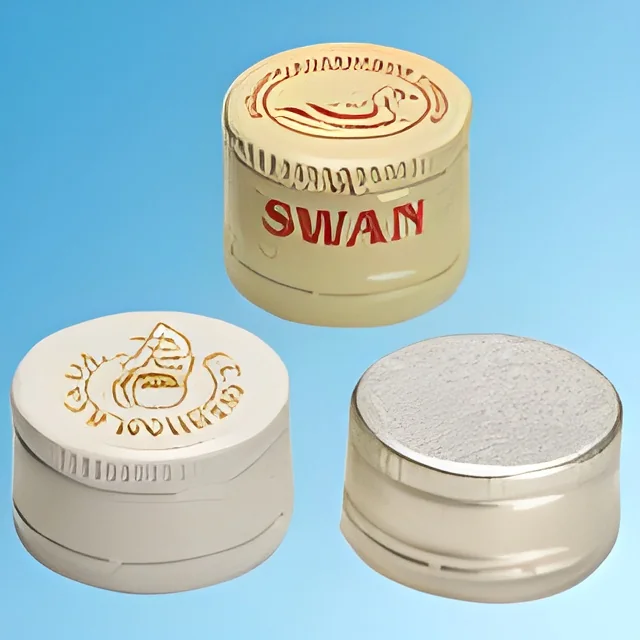
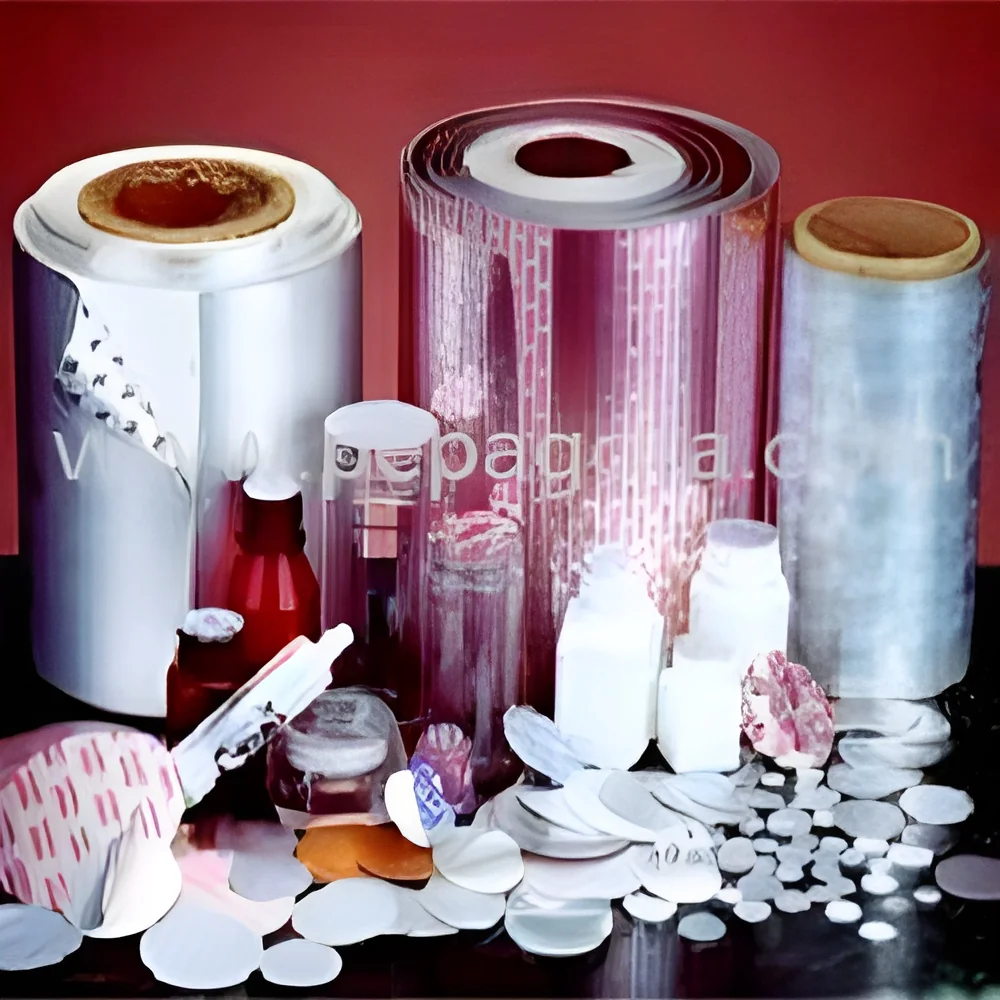
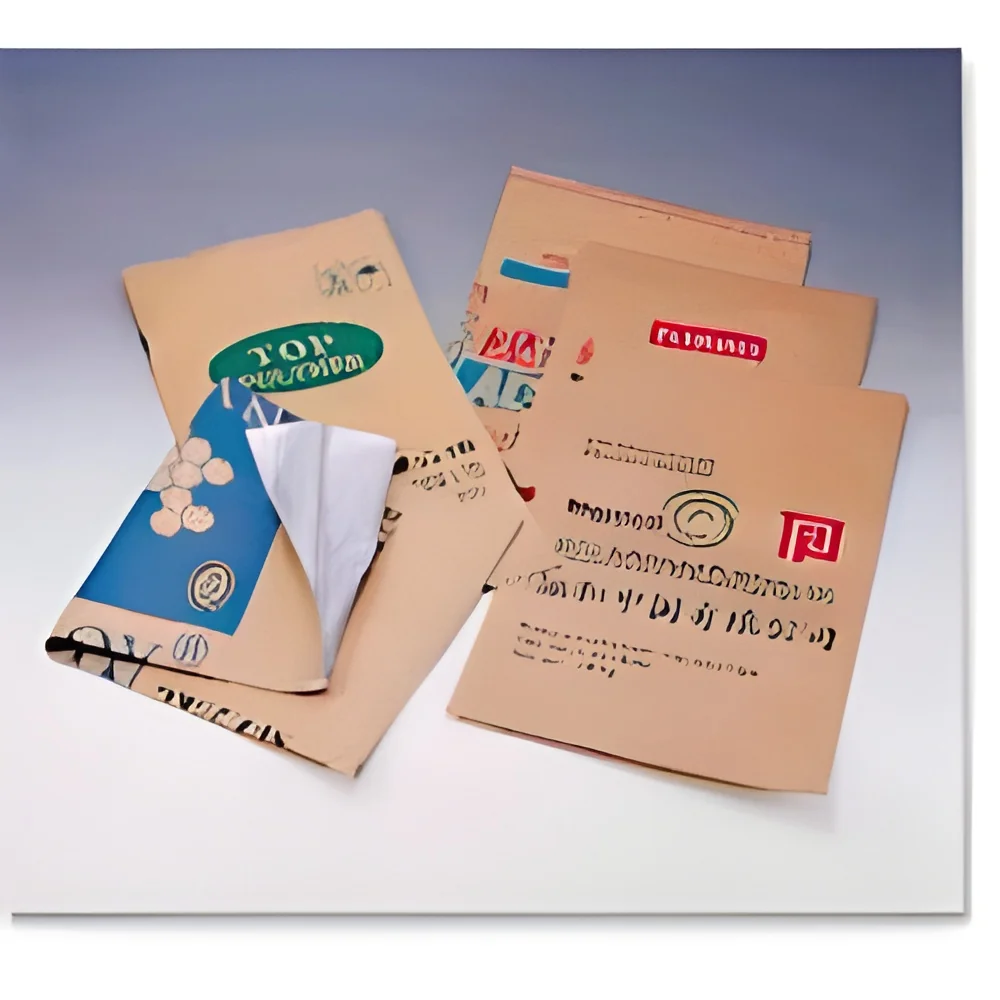
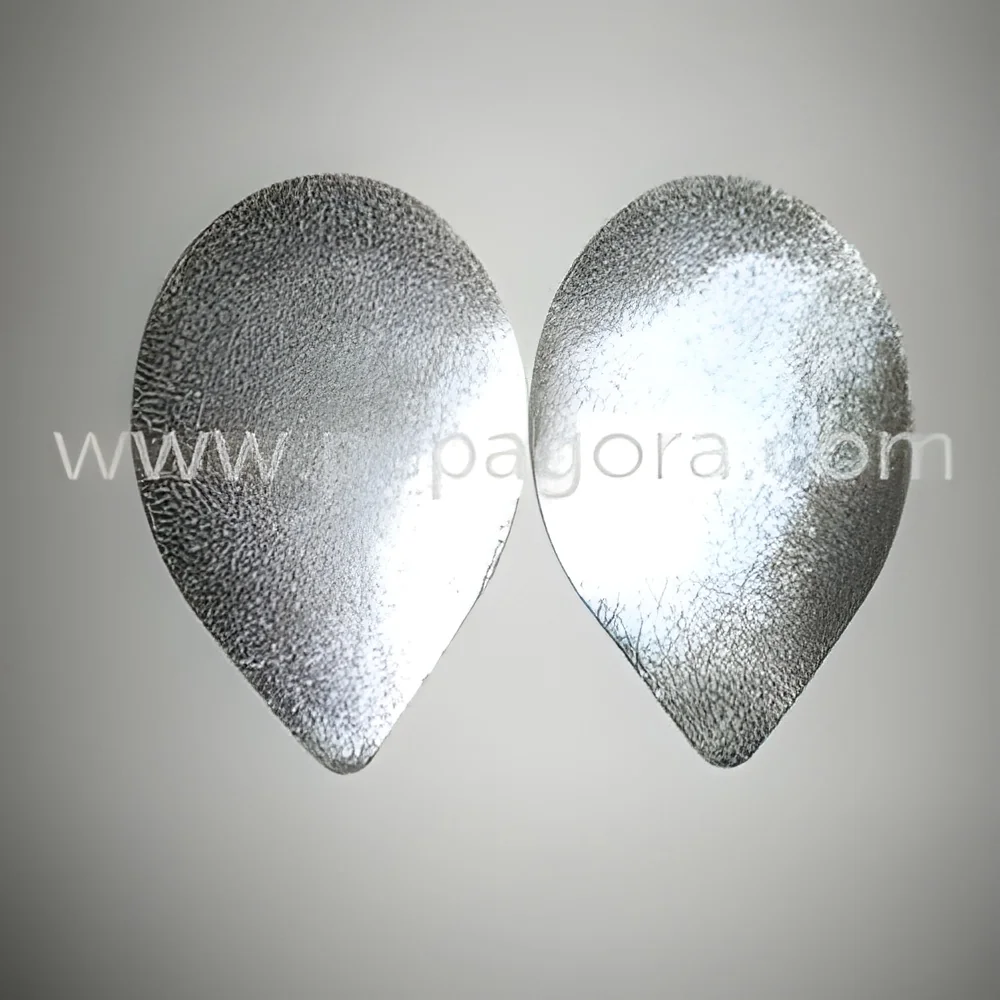
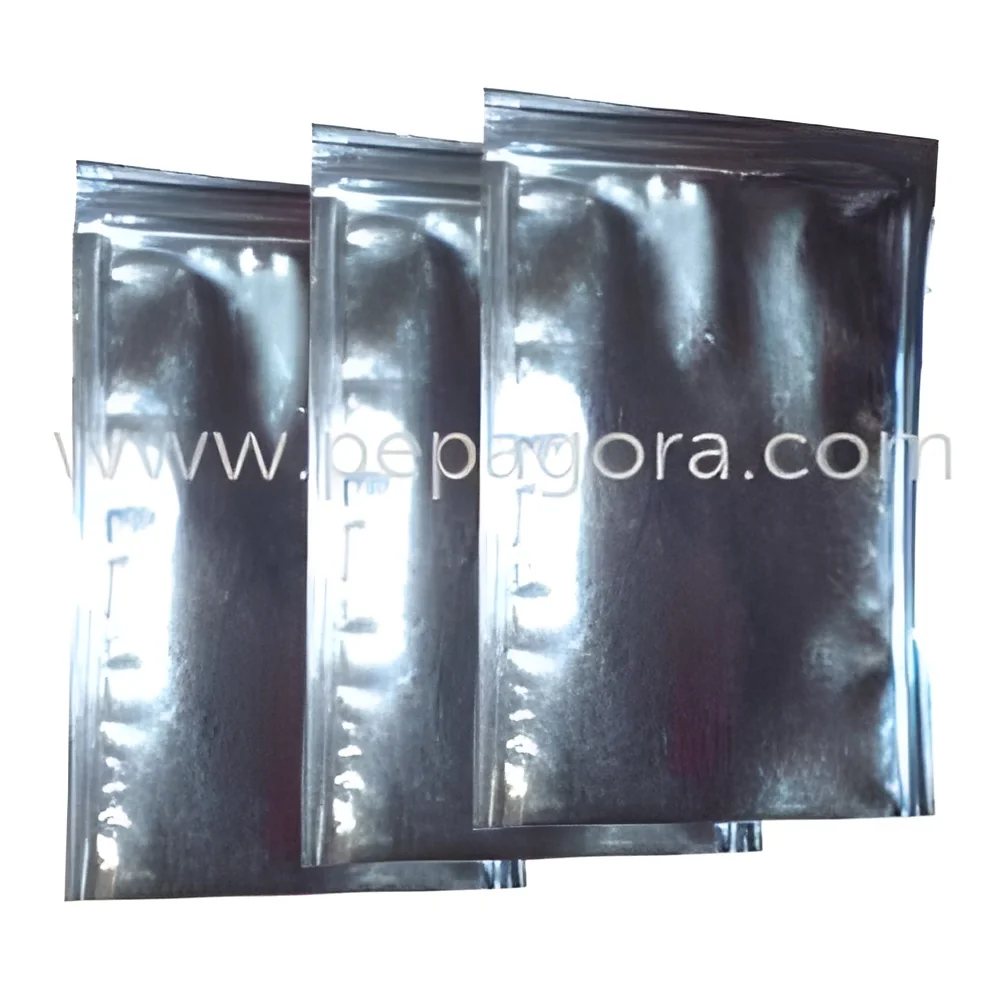
Aluminum foils and containers are versatile products made from thin sheets of aluminum. These materials are lightweight, flexible, and have excellent barrier properties, making them ideal for a variety of applications in packaging and storage. Aluminum foils are often used in rolls or sheets, while containers are formed into specific shapes for holding various items, particularly food and pharmaceuticals.
The primary uses of aluminum foils and containers lie in the food service, catering, and packaging industries. They are widely utilized for wrapping, cooking, and storing food items, ensuring freshness and extending shelf life. In addition to food applications, aluminum containers are also used in pharmaceutical packaging to protect sensitive products from moisture and contamination. The market for aluminum foils and containers continues to grow due to increasing demand for convenient and sustainable packaging solutions.
In the context of industry relevance, aluminum foils and containers are crucial for modern packaging needs. Their recyclability and ability to preserve product quality position them as environmentally friendly options. As consumers increasingly prioritize sustainability, businesses in various sectors are turning to aluminum products to meet these demands.
𝗞𝗲𝘆 𝗙𝗲𝗮𝘁𝘂𝗿𝗲𝘀 𝗮𝗻𝗱 𝗦𝗽𝗲𝗰𝗶𝗳𝗶𝗰𝗮𝘁𝗶𝗼𝗻𝘀
Aluminum foils and containers possess several key features that enhance their usability. These products are designed to be durable, lightweight, and resistant to moisture and other environmental factors. Their thermal conductivity allows for efficient cooking and heating processes.
Key specifications include:
1. Thickness
- Typically ranges from 0.016 mm to 0.2 mm
- Determines the strength and durability of the foil or container
2. Size Options
- Available in various dimensions, from small containers for individual servings to larger ones for bulk storage
- Custom sizes can be produced based on client needs
3. Barrier Properties
- Excellent barrier against light, moisture, and oxygen
- Protects food and products from spoilage and contamination
4. Temperature Resistance
- Can withstand extreme temperatures, suitable for freezing and cooking
- Maintains integrity in both high-heat and low-temperature environments
5. Recyclability
- Fully recyclable, promoting sustainability
- Reduces environmental impact compared to non-recyclable materials
6. Formability
- Easily molded into various shapes and designs
- Versatile for different types of packaging applications
7. Surface Treatment
- Available with various surface finishes such as glossy or matte
- Enhances aesthetic appeal and functionality
In summary, aluminum foils and containers offer a range of features that make them suitable for diverse applications, ensuring quality preservation and sustainability.
𝗖𝗼𝗺𝗺𝗼𝗻 𝗔𝗽𝗽𝗹𝗶𝗰𝗮𝘁𝗶𝗼𝗻𝘀 𝗮𝗻𝗱 𝗨𝘀𝗲 𝗖𝗮𝘀𝗲𝘀
Aluminum foils and containers serve multiple industries due to their versatile nature.
1. Food Industry: Widely used for packaging, cooking, and storing food products. They help maintain freshness and prevent contamination, making them essential for restaurants and catering services.
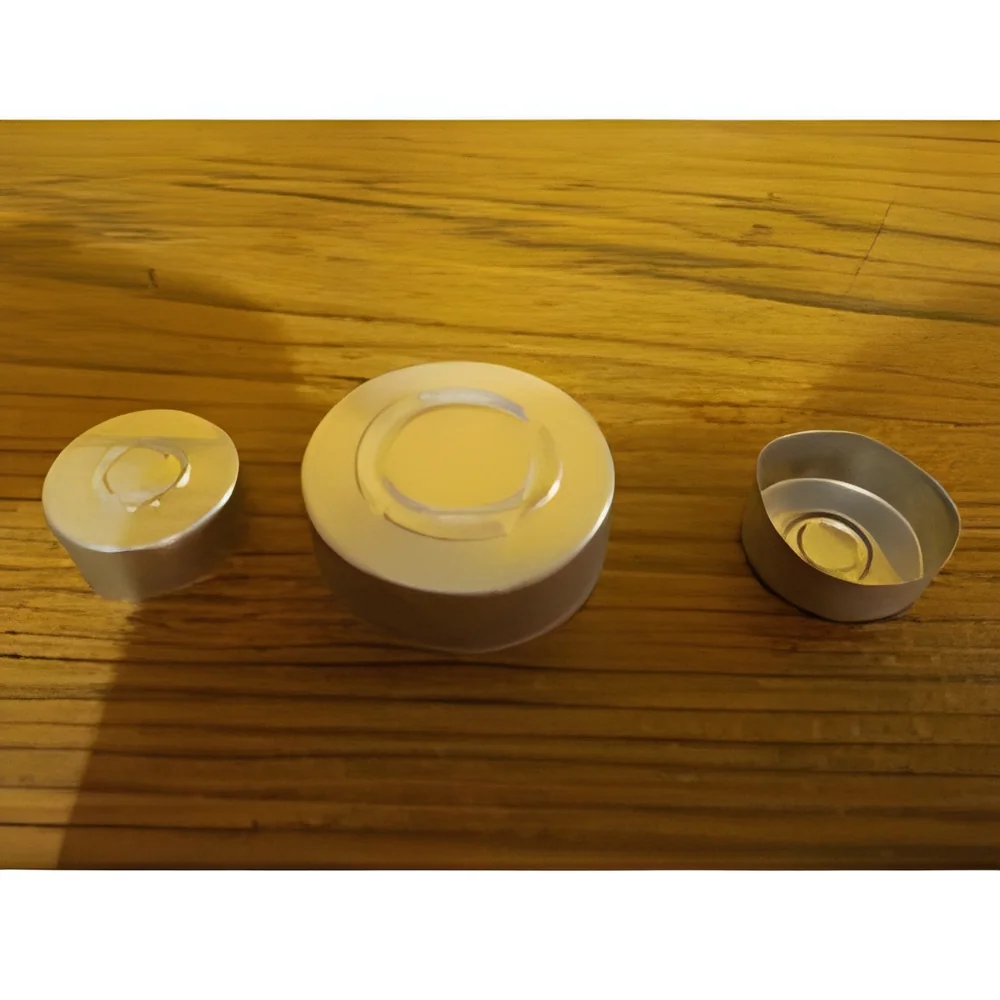
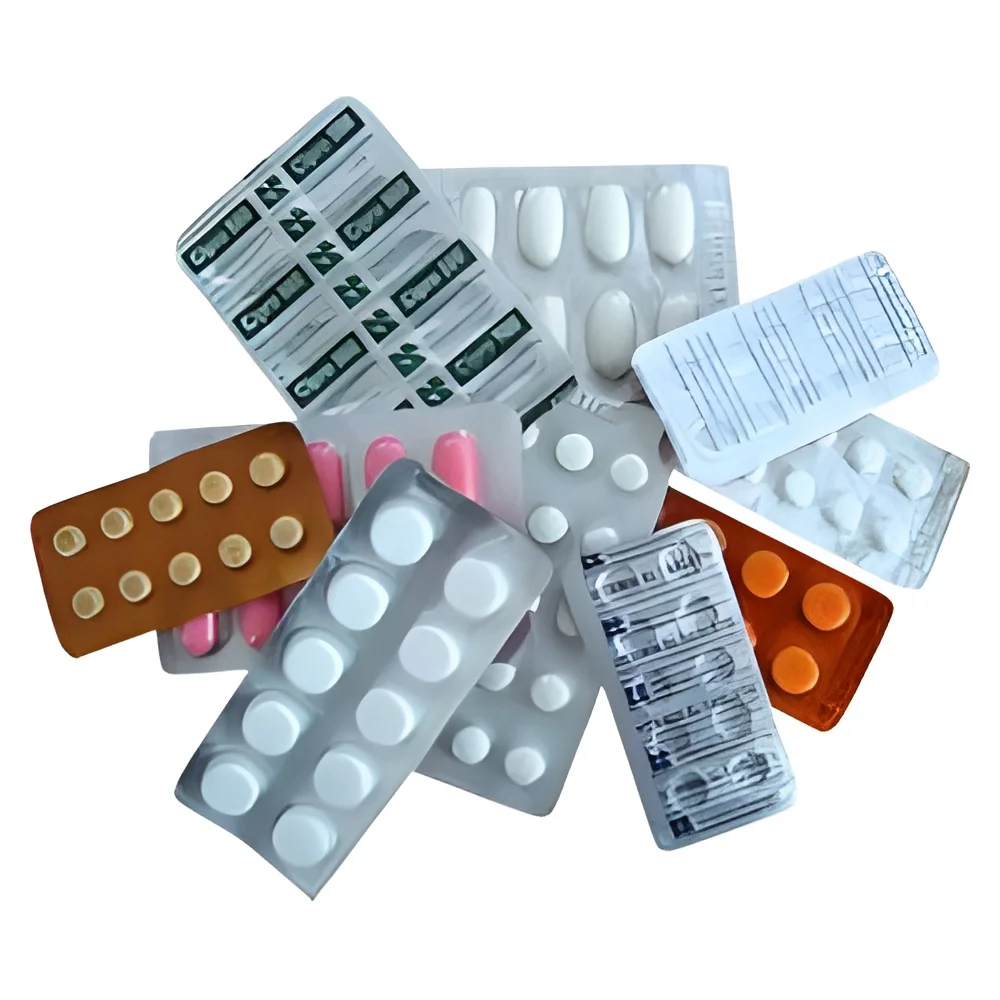
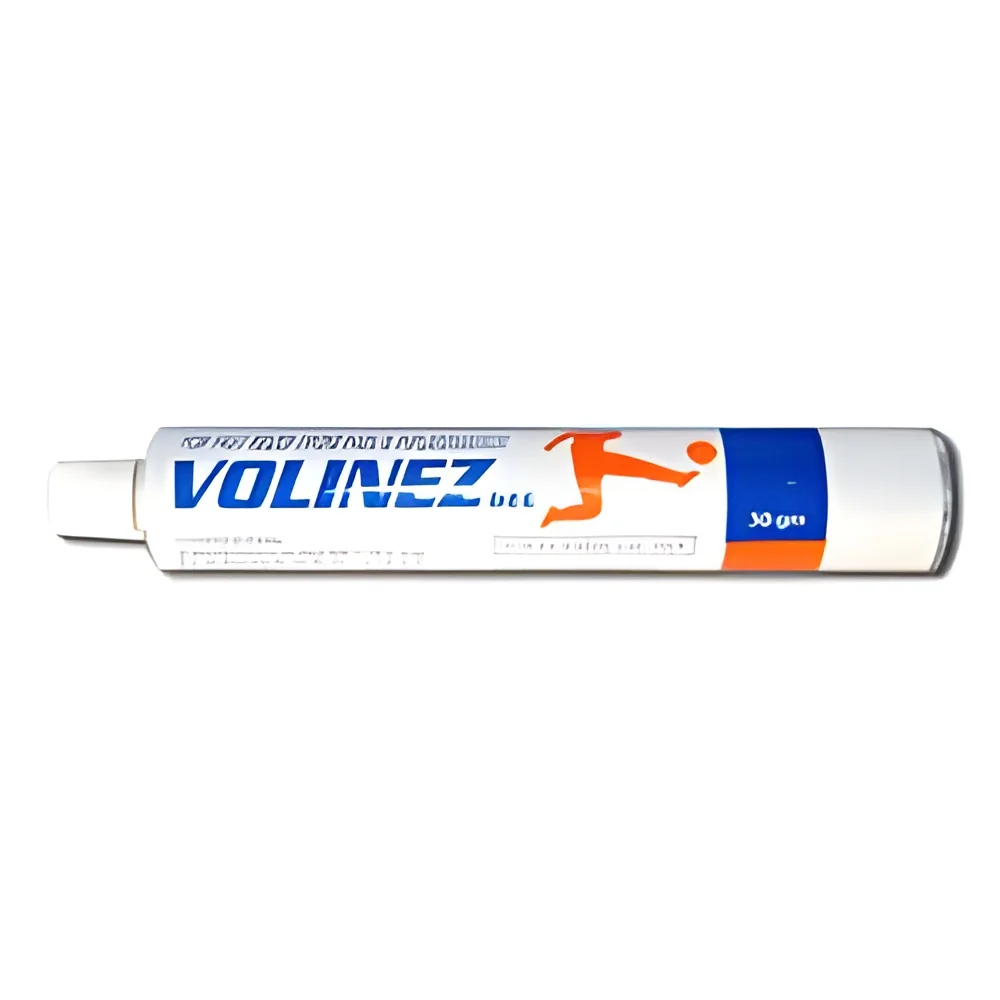
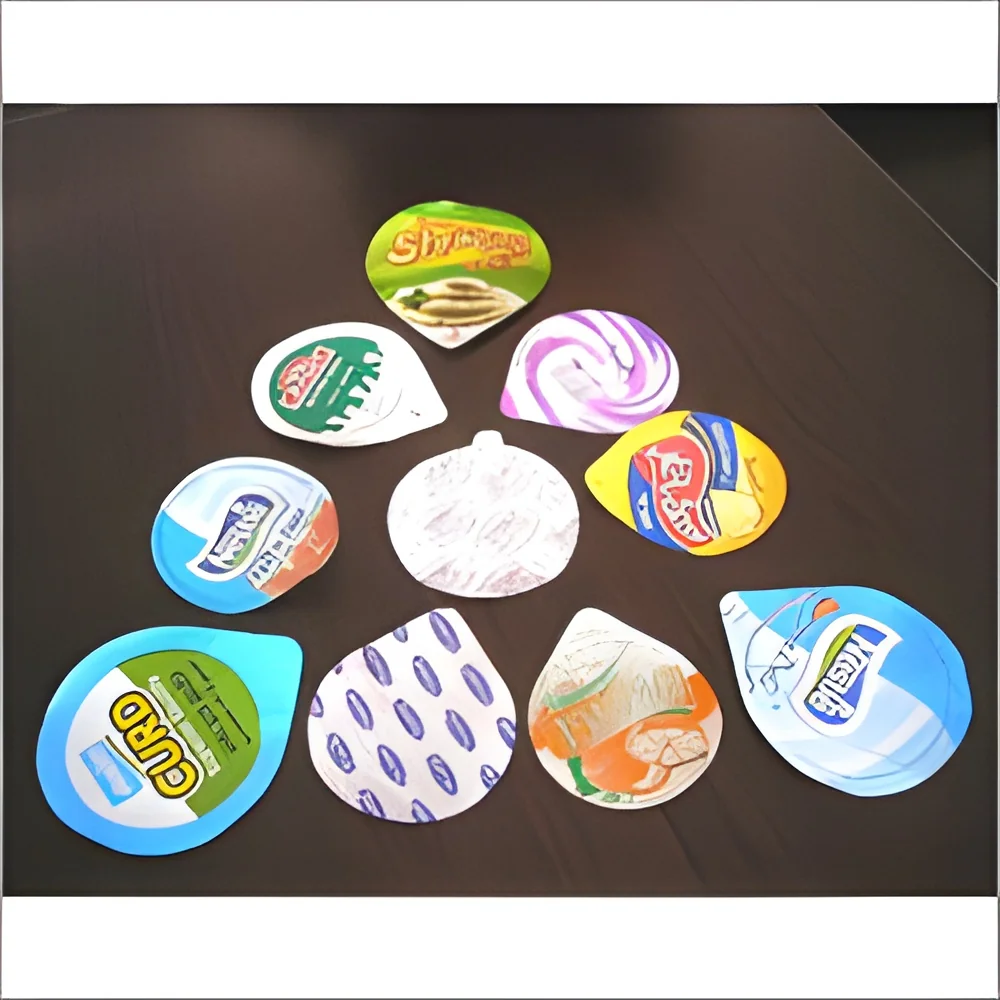
2. Pharmaceutical Industry: Employed for packaging medications and supplements. Their barrier properties protect sensitive ingredients from moisture and light, ensuring product efficacy.
3. Cosmetics Industry: Used for packaging creams, lotions, and other beauty products. The aluminum containers provide a secure, hygienic environment for the preservation of formulations.
4. Electronics: Aluminum foils are used in insulation and packaging for electronic components. They help shield sensitive devices from electromagnetic interference.
5. Transportation: Used for packaging goods during shipping. The lightweight nature of aluminum reduces transportation costs while offering protection.
6. Household Products: Commonly found in kitchen storage solutions, such as baking trays and wrap. They provide convenience for everyday cooking needs.
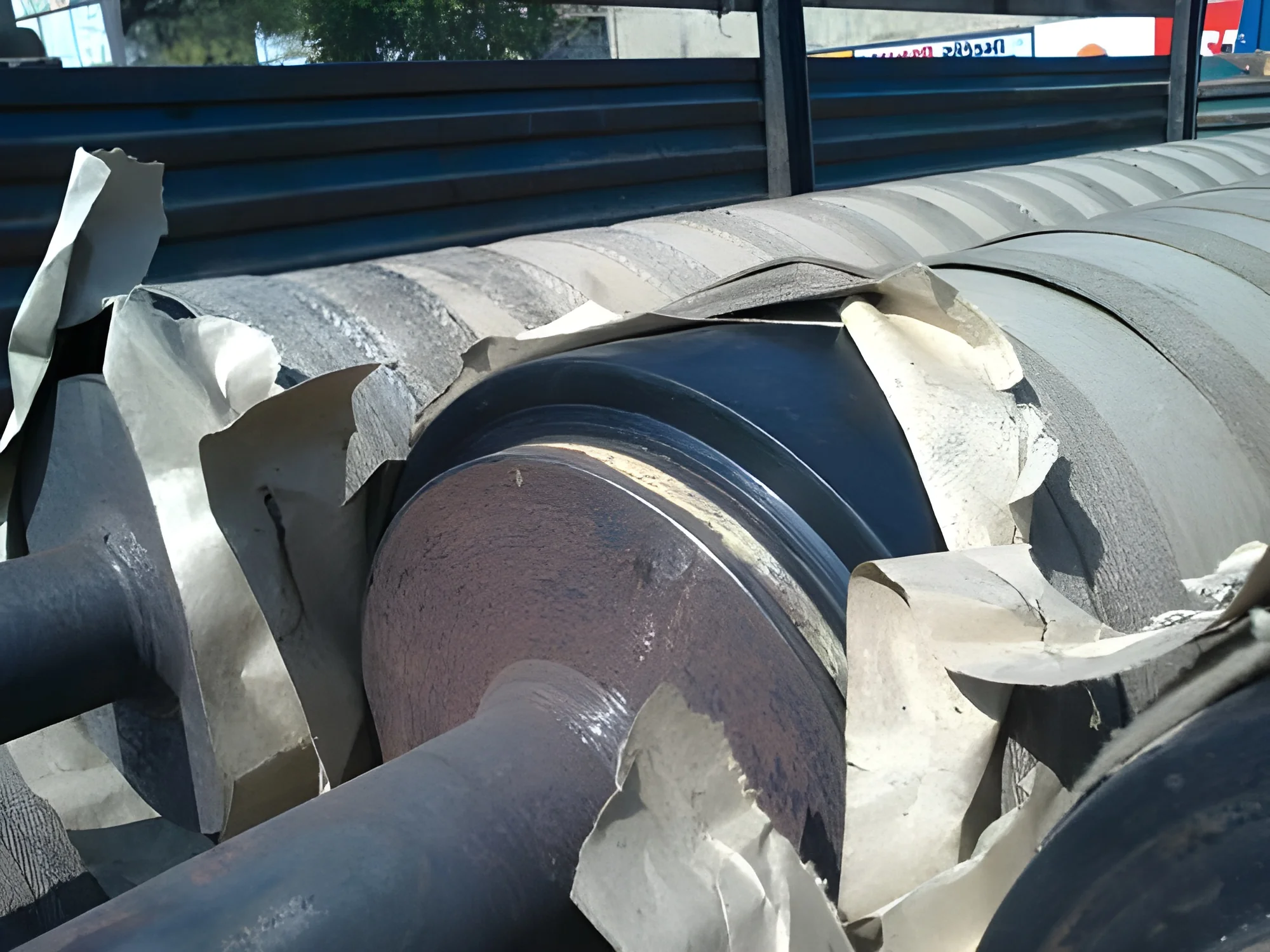
7. Industrial Applications: Utilized in packaging and protecting various industrial products from environmental factors. Their strength and durability make them suitable for heavy-duty applications.
𝗣𝗿𝗼𝗱𝘂𝗰𝘁 𝗩𝗮𝗿𝗶𝗮𝗻𝘁𝘀 𝗮𝗻𝗱 𝗦𝘂𝗯𝗰𝗮𝘁𝗲𝗴𝗼𝗿𝗶𝗲𝘀
Aluminum foils and containers are available in diverse forms to meet varying customer needs.
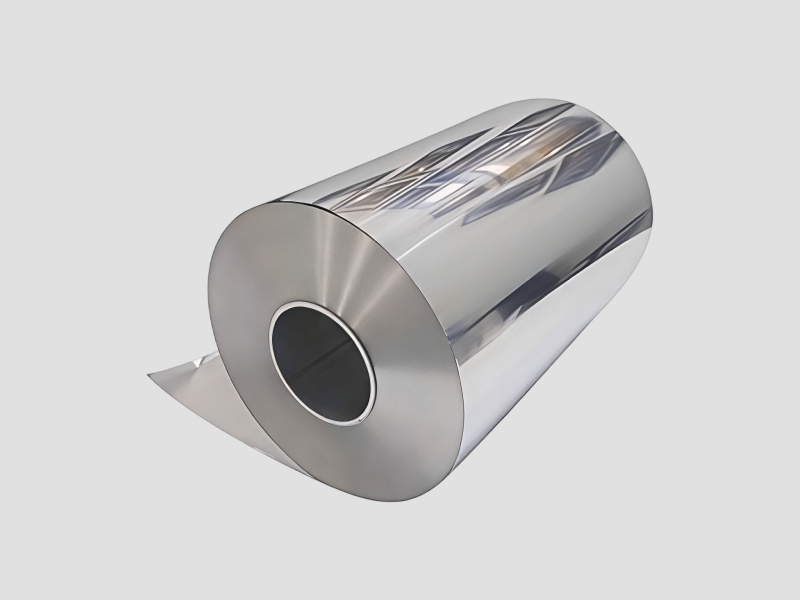
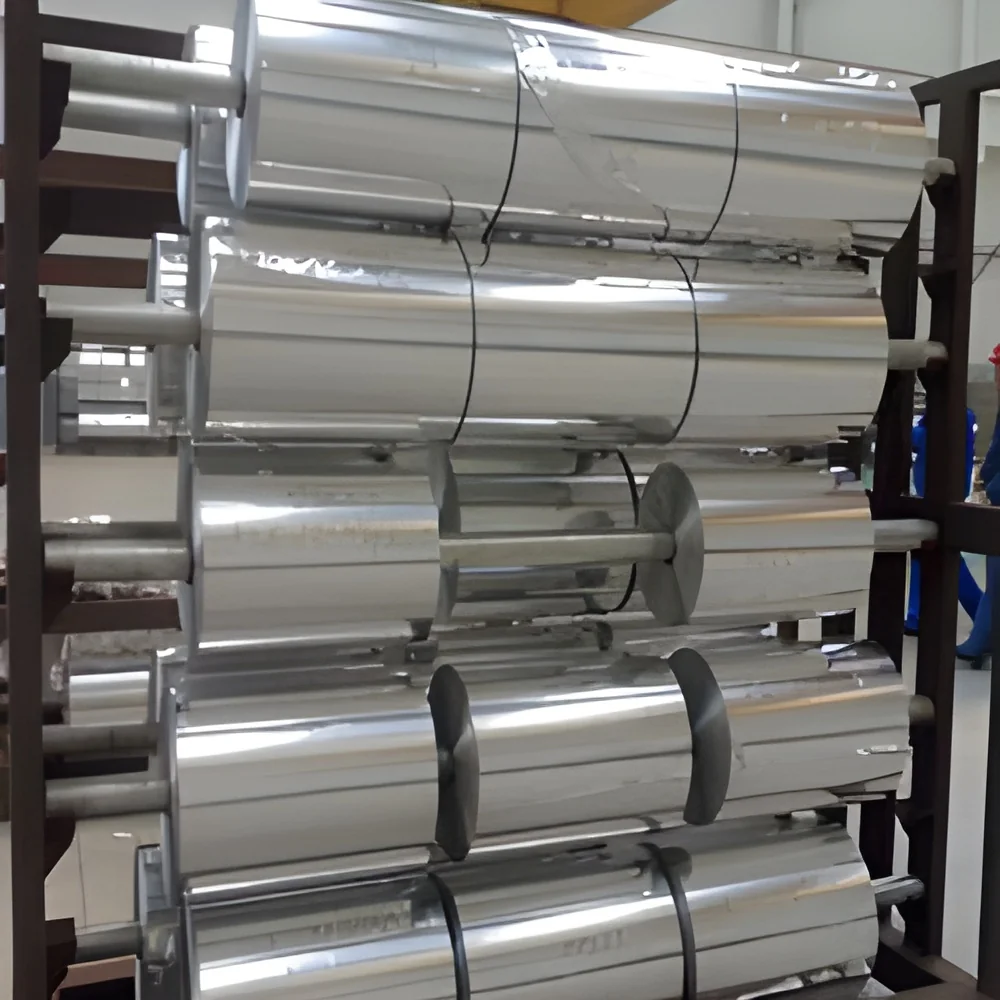
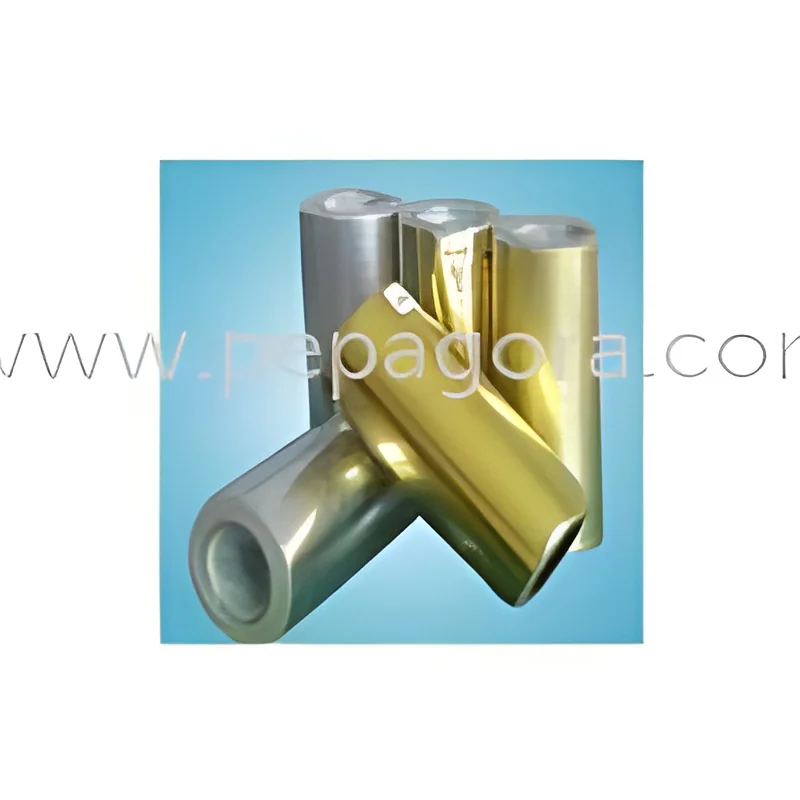
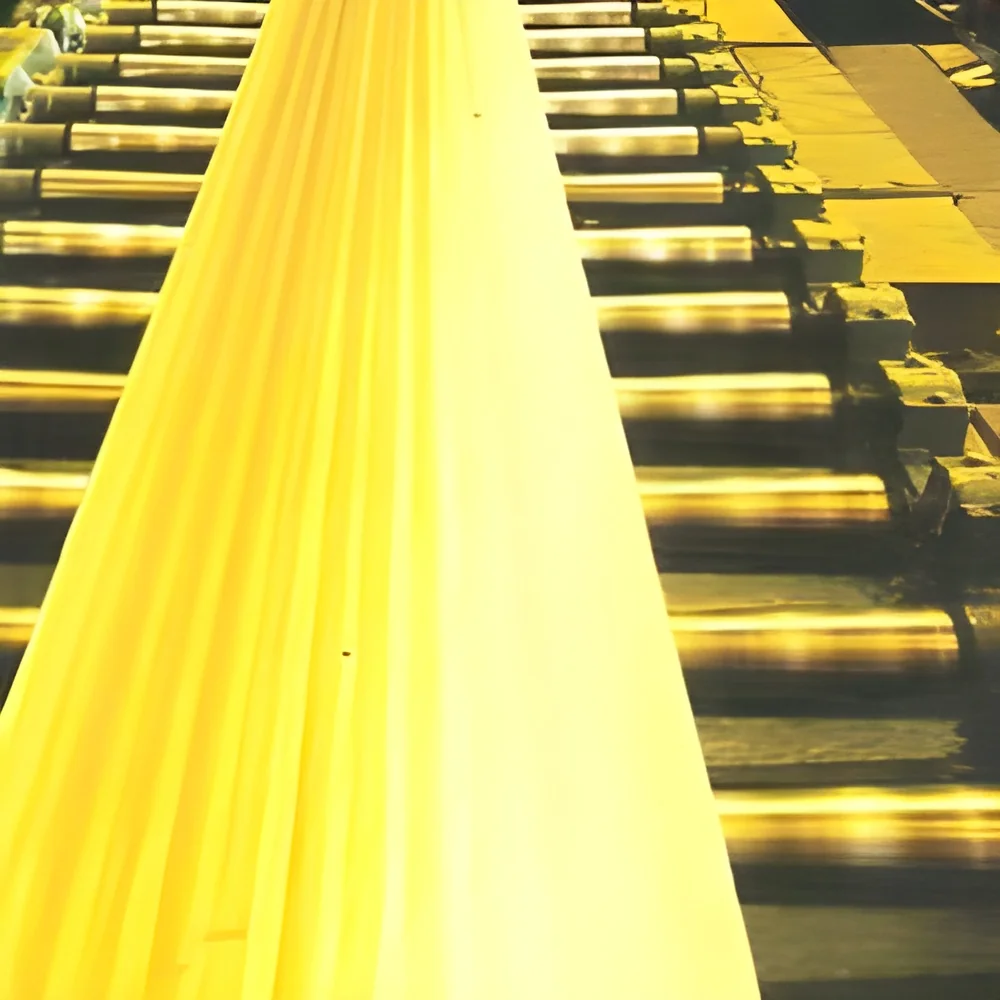
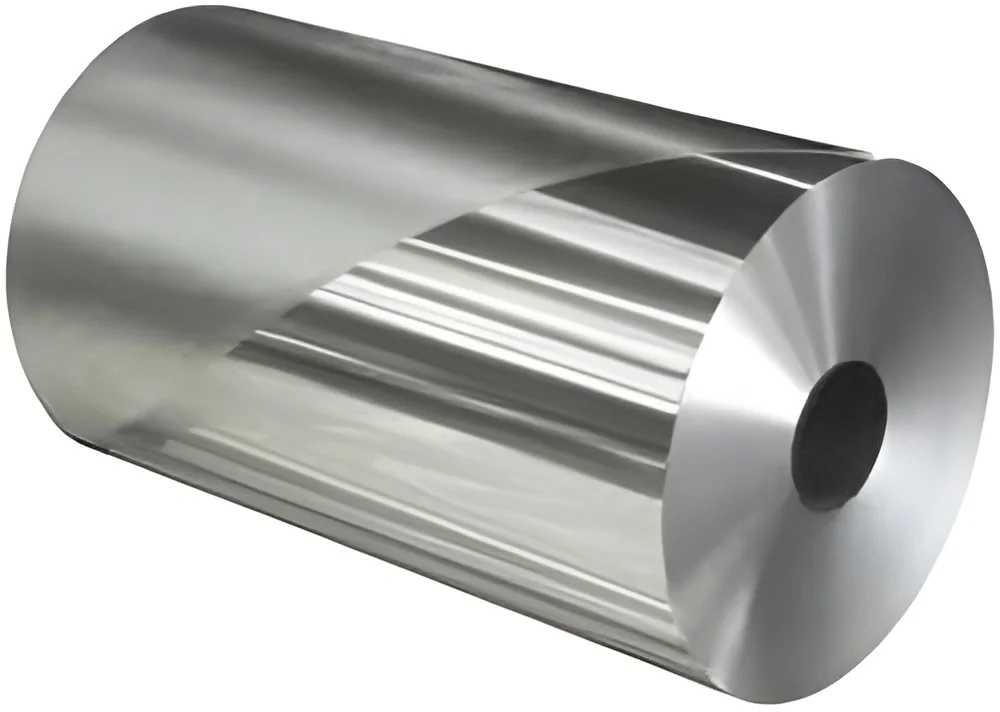
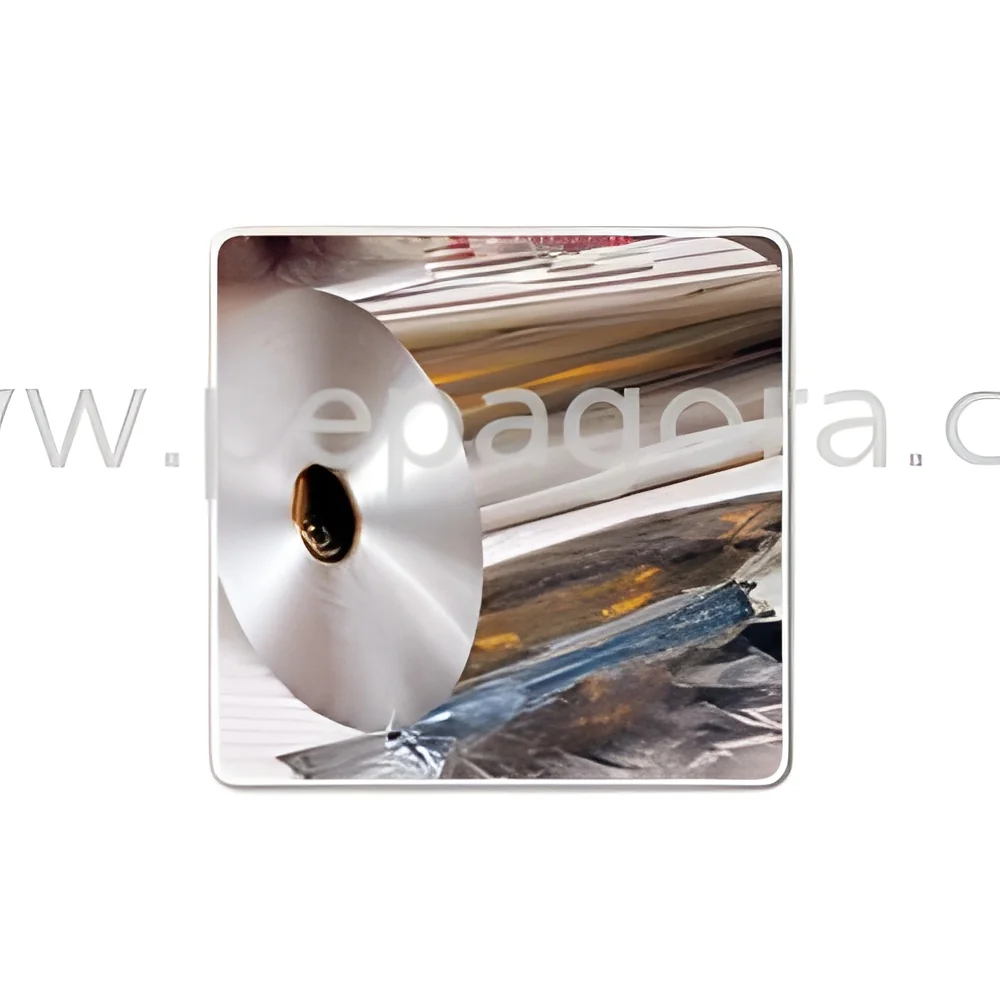
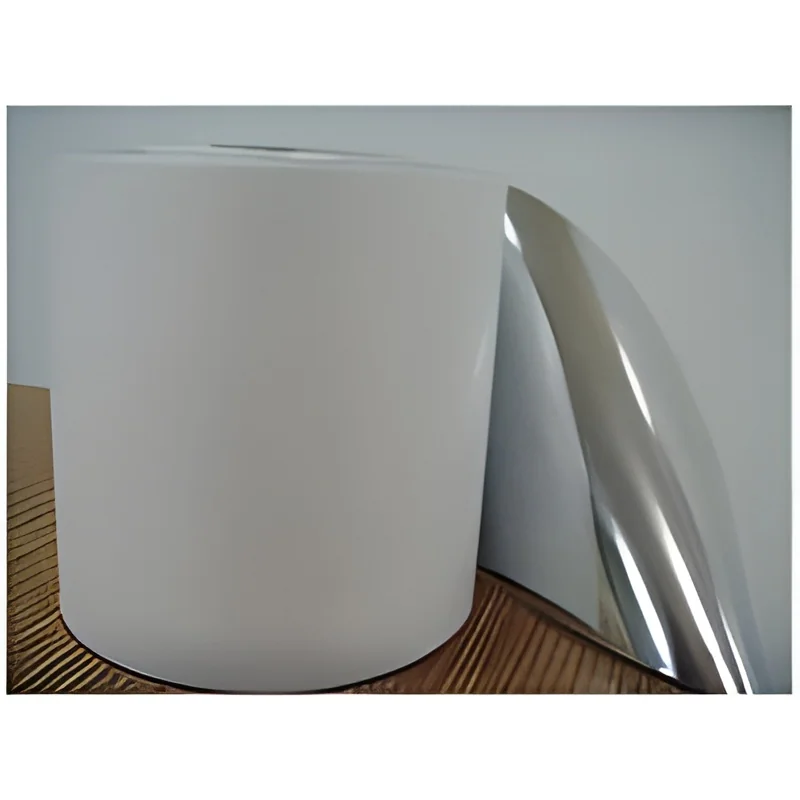
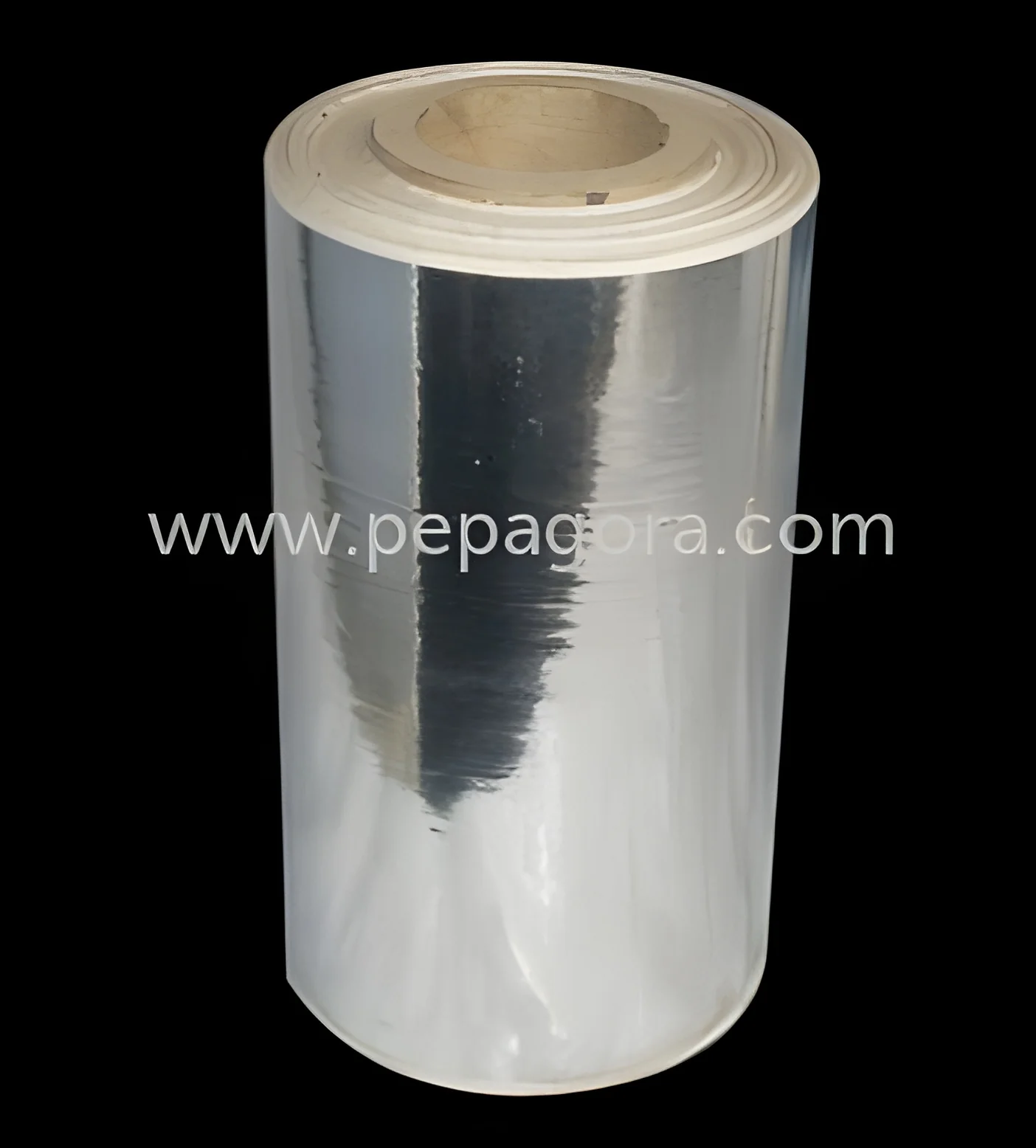
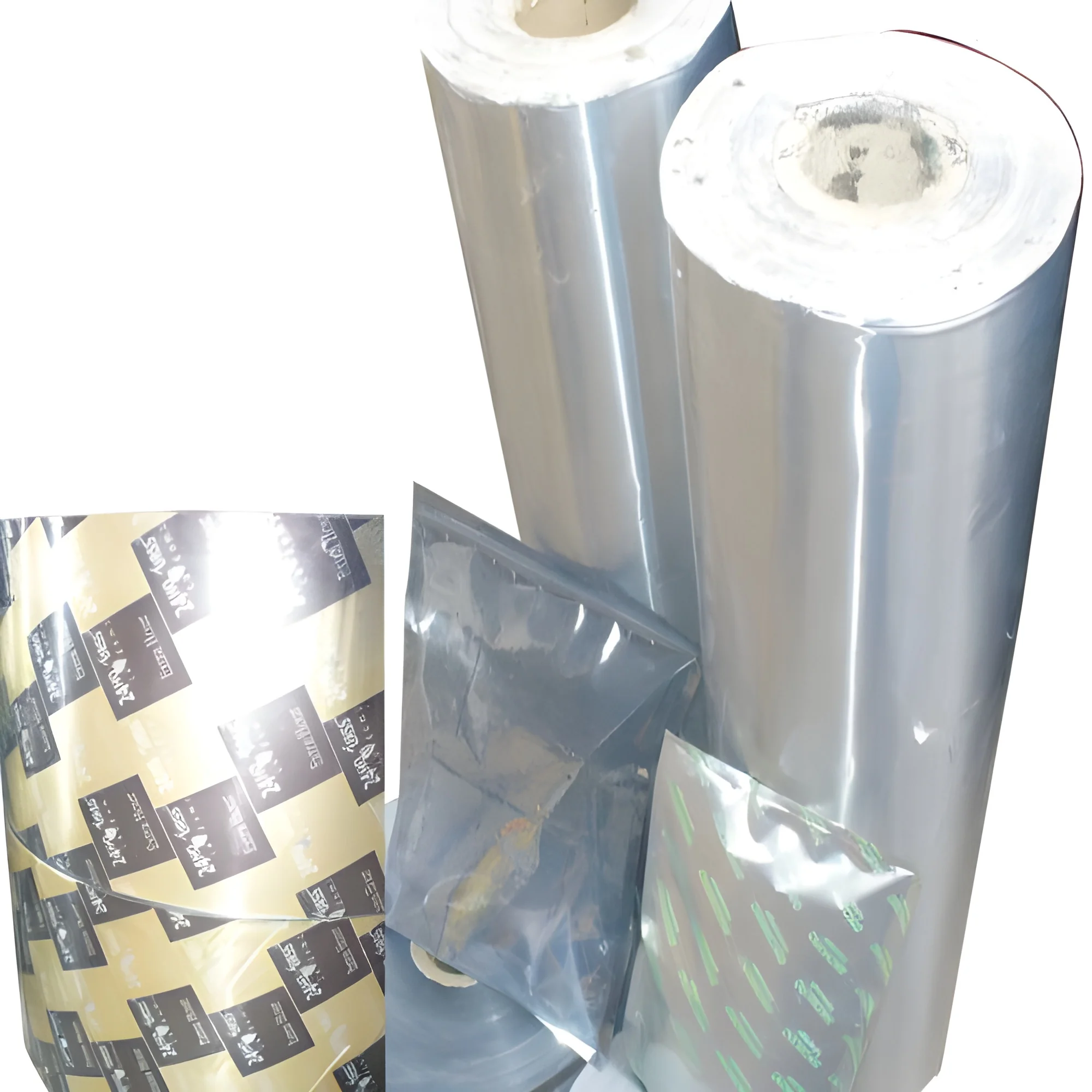
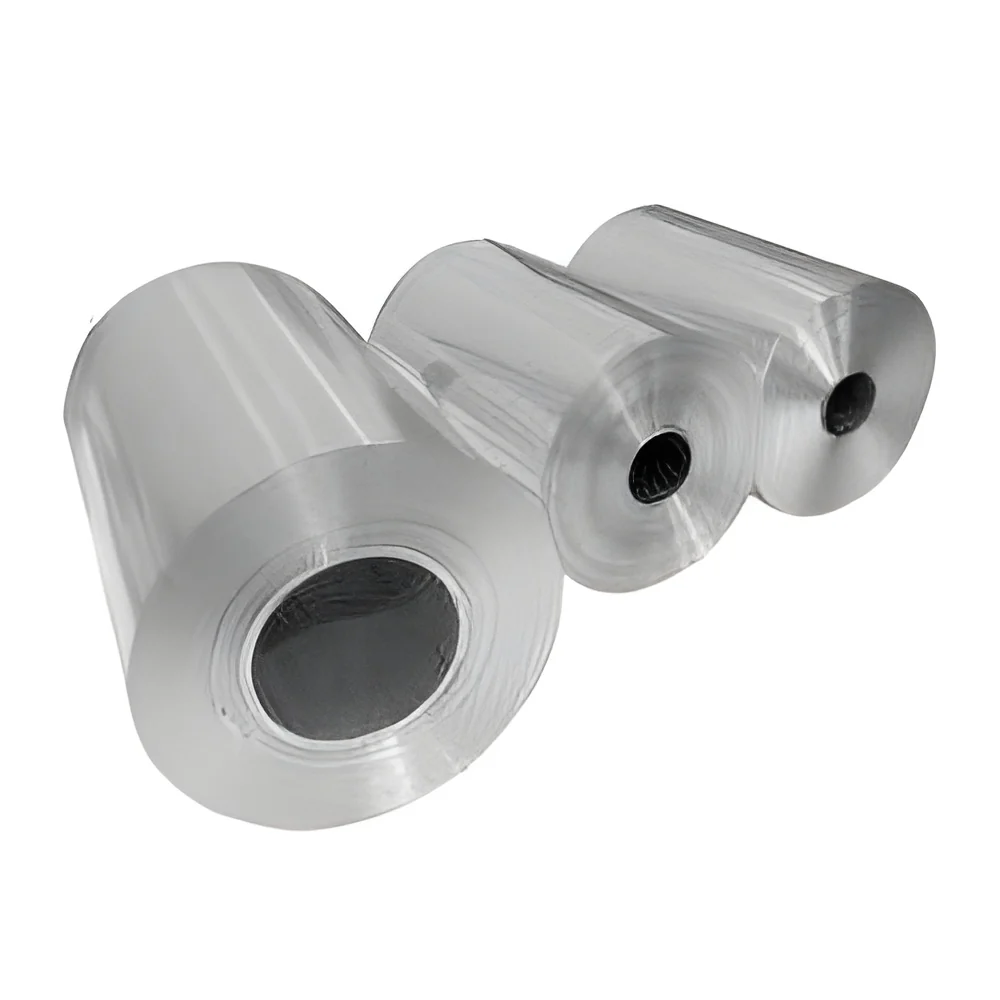
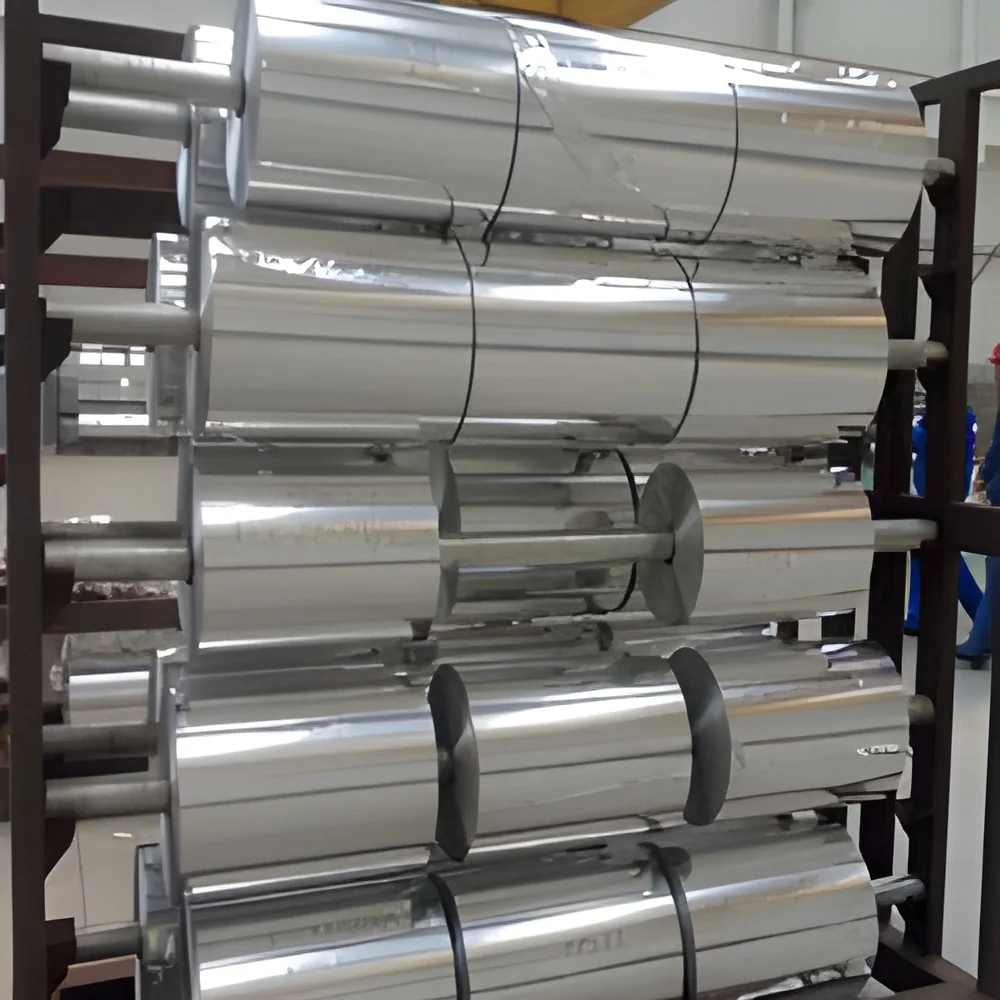
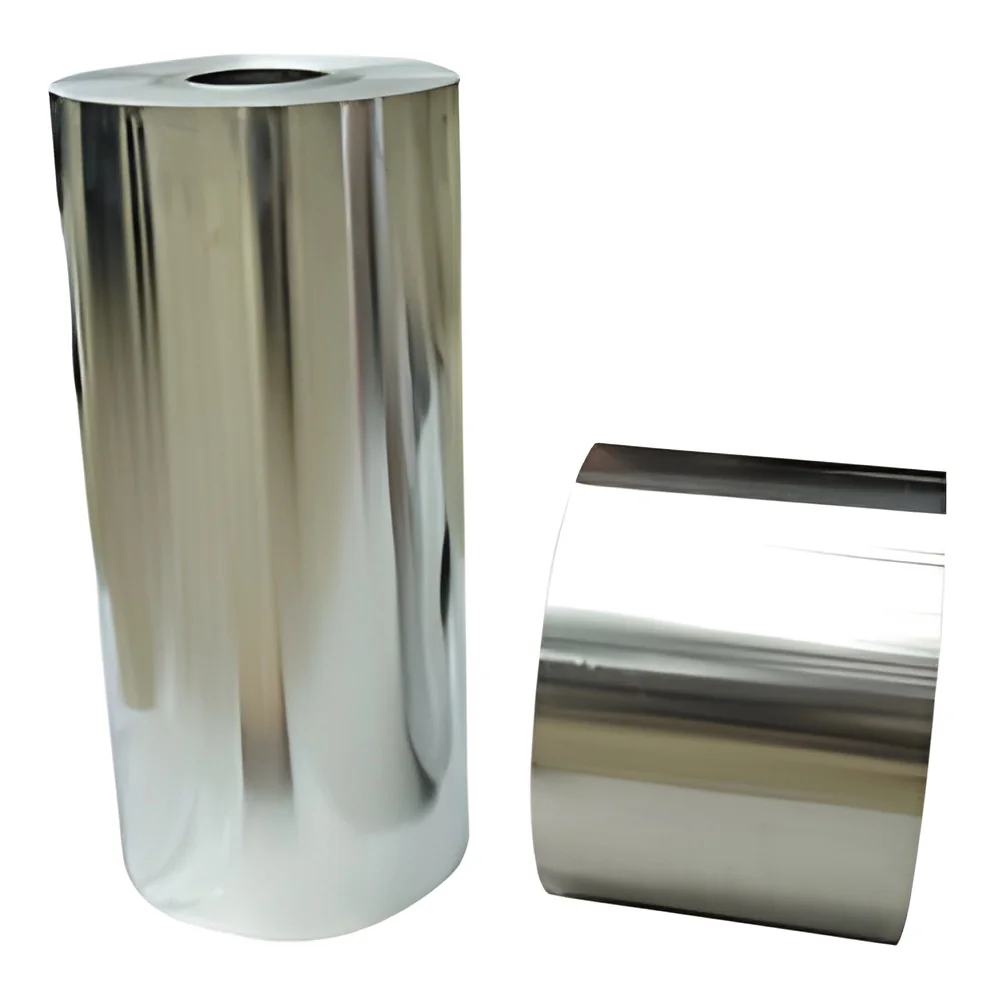
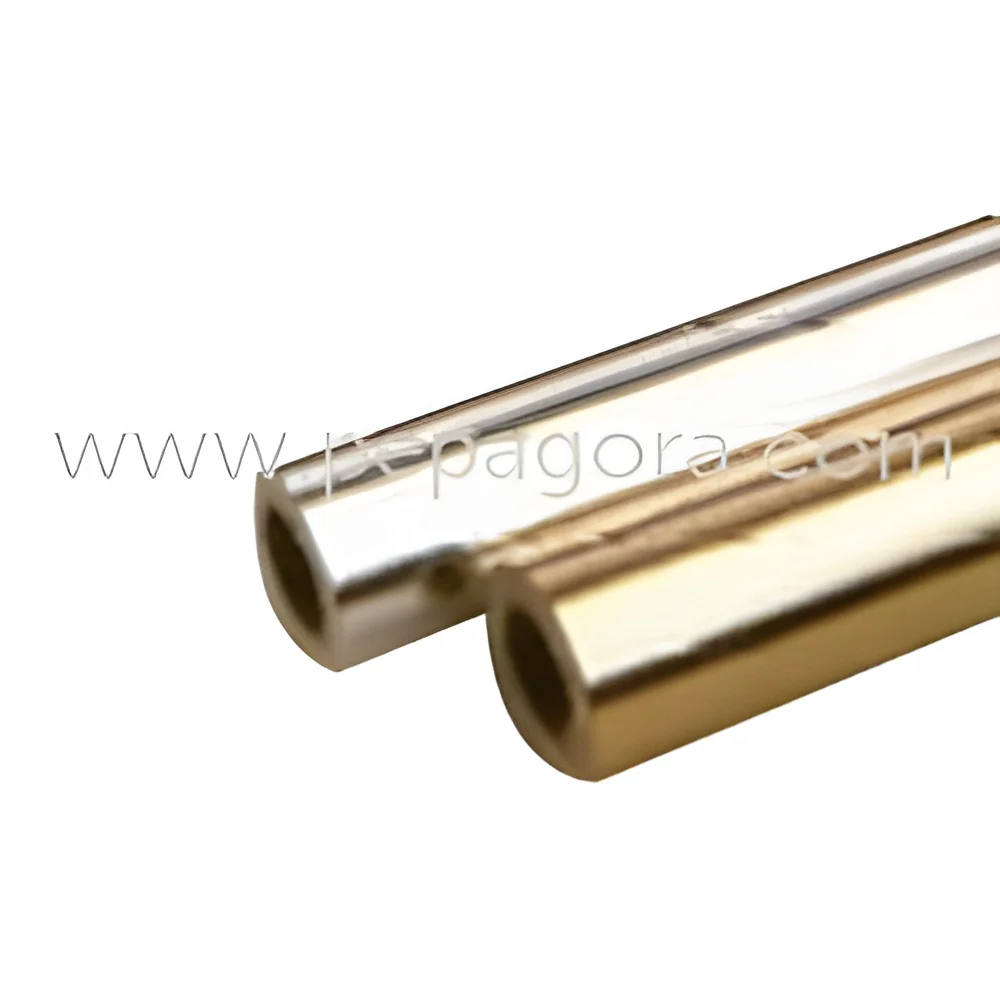
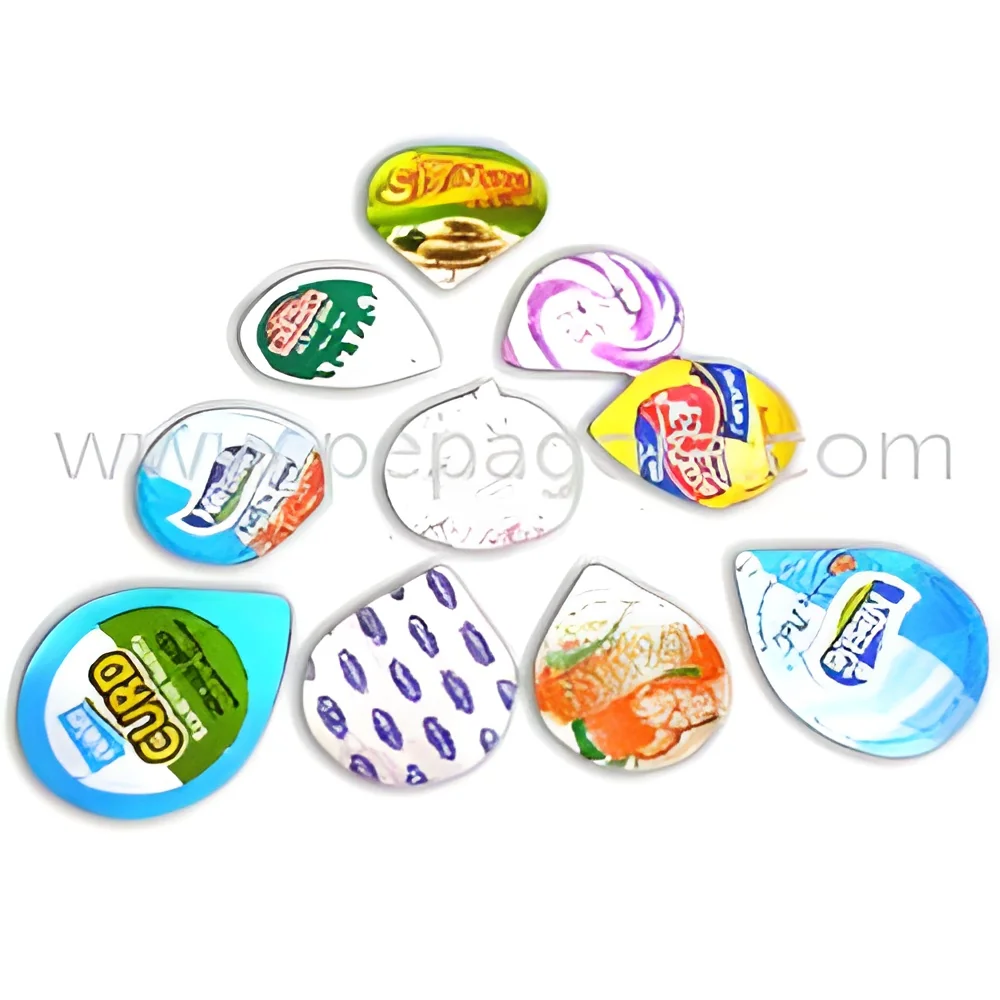
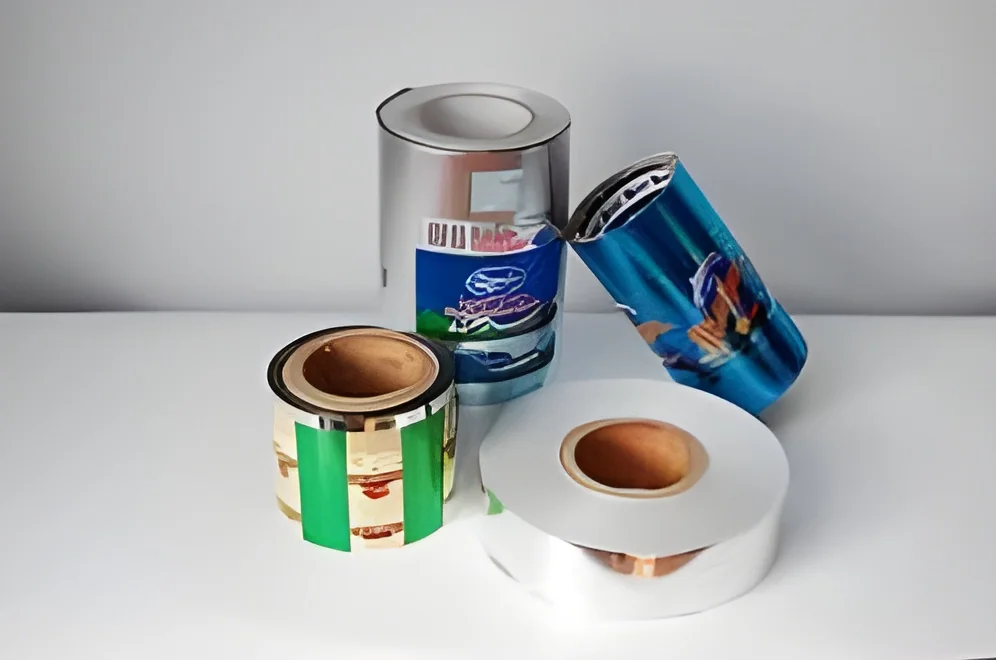
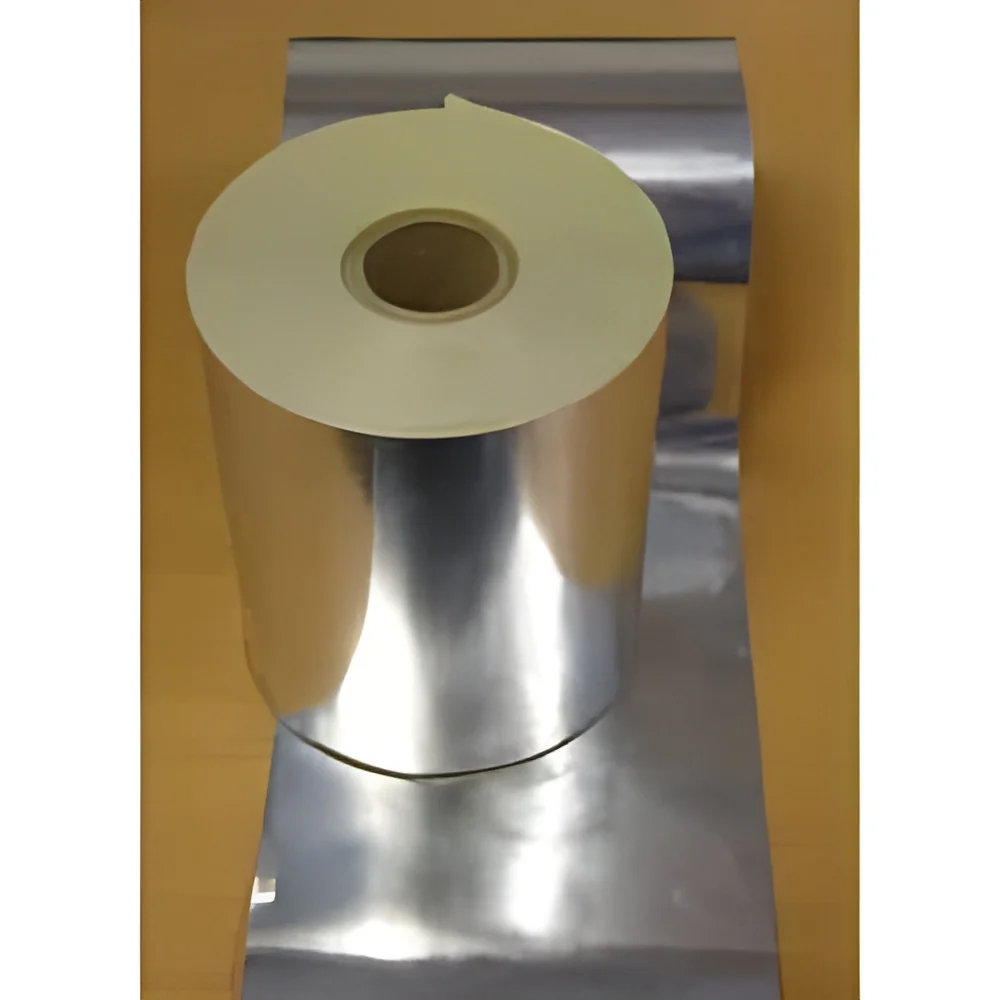
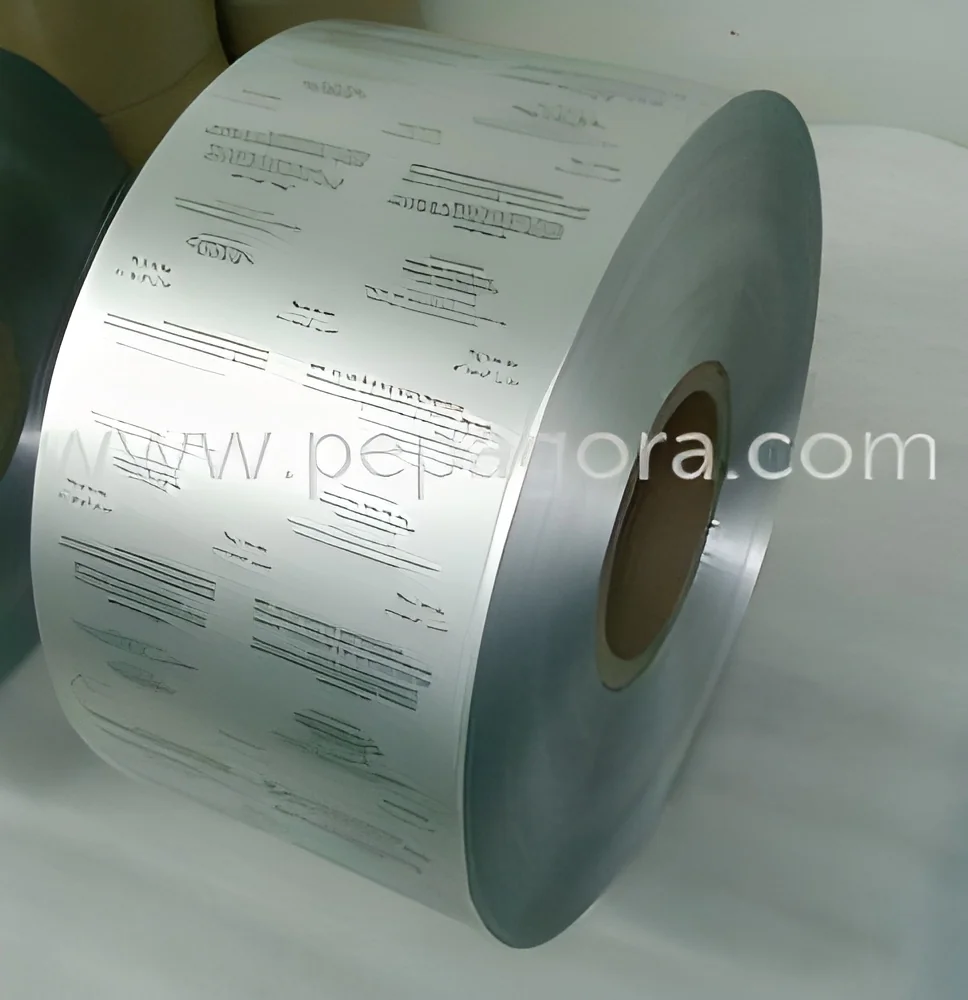
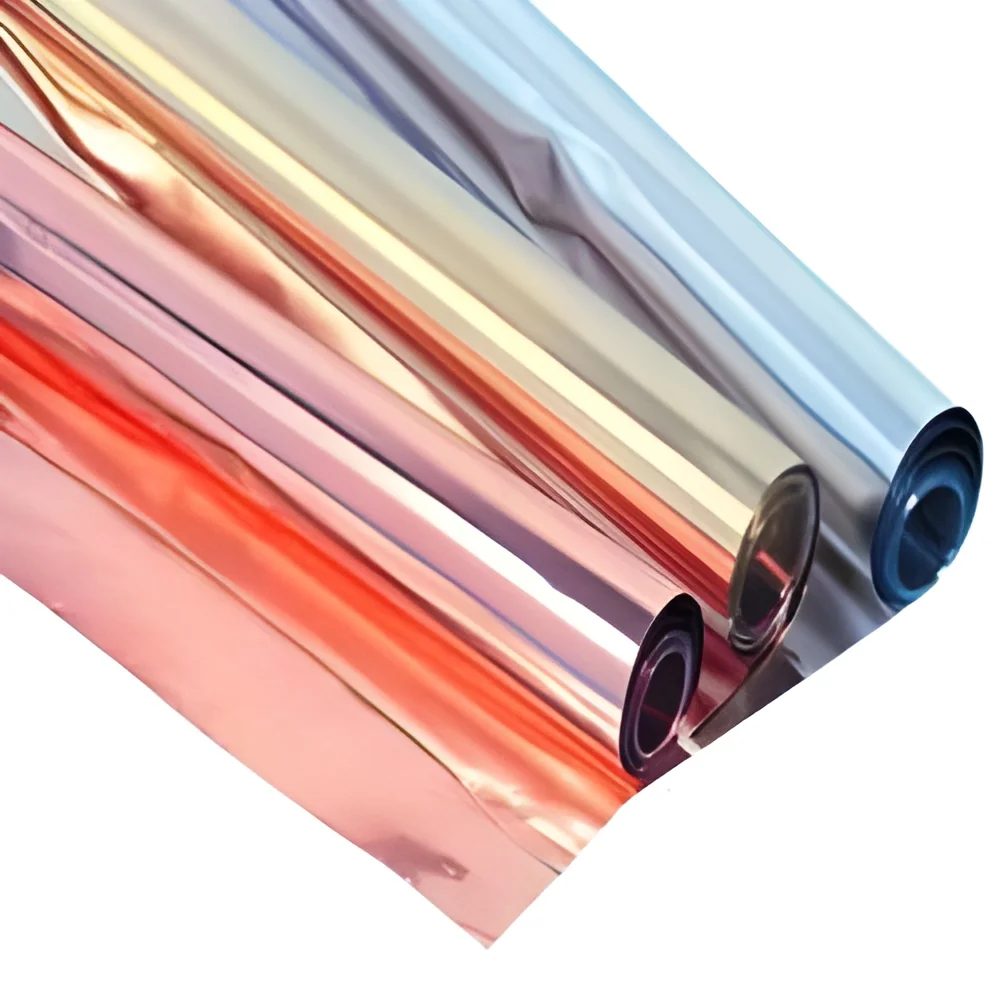
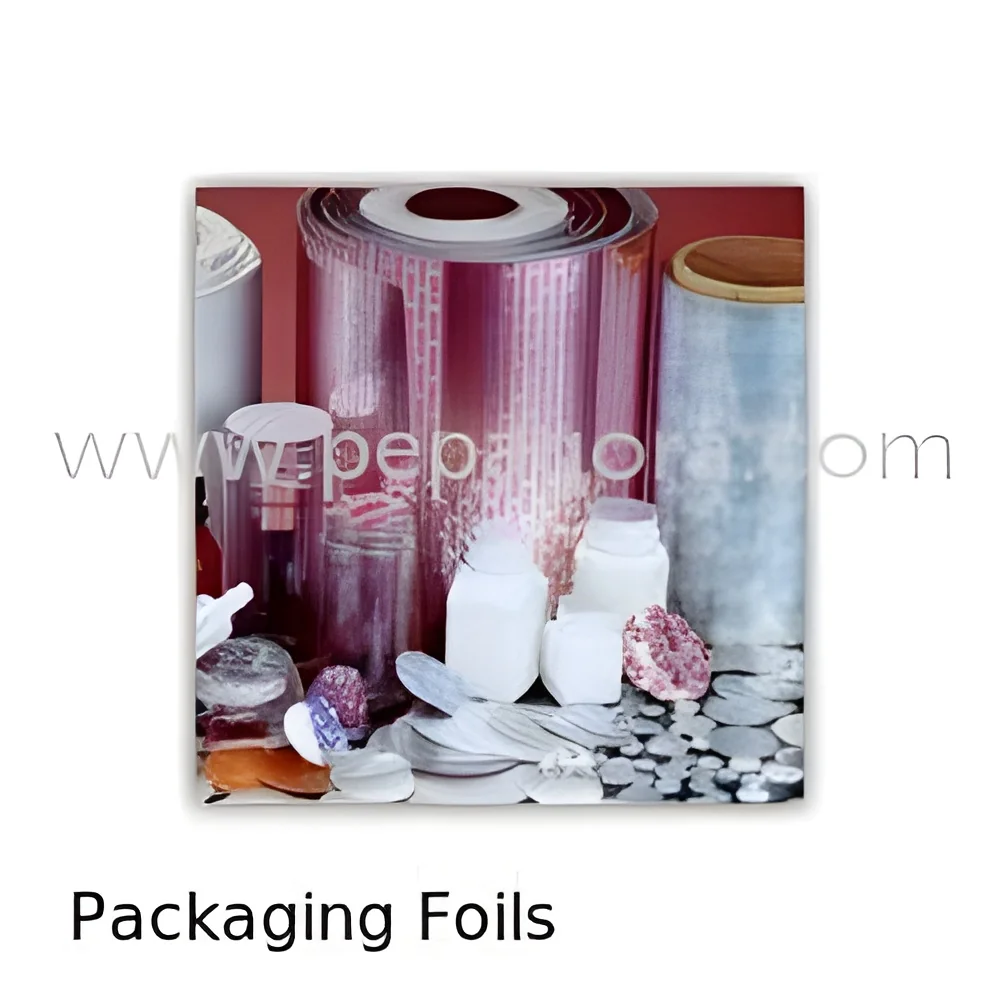
Aluminum Foil Rolls: These are continuous sheets of aluminum foil available in various thicknesses and lengths. They are ideal for wrapping food, lining baking trays, and covering dishes.
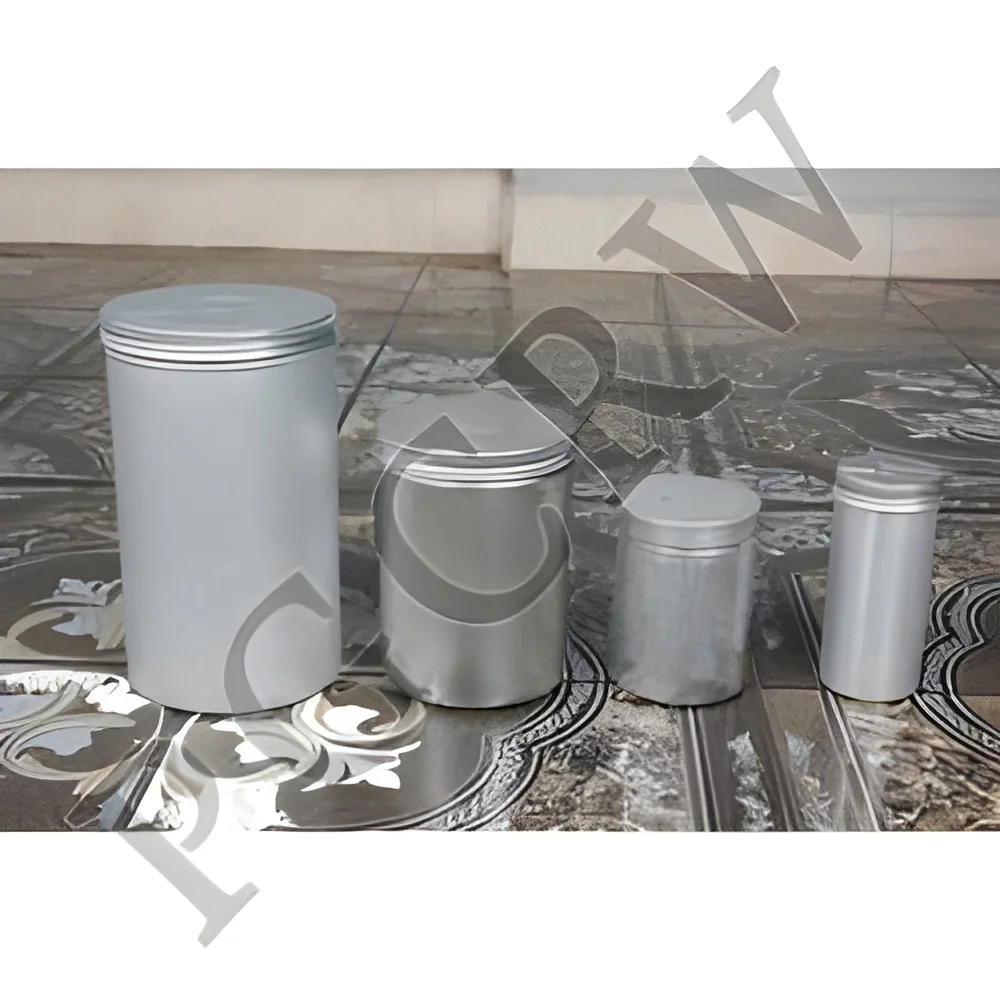
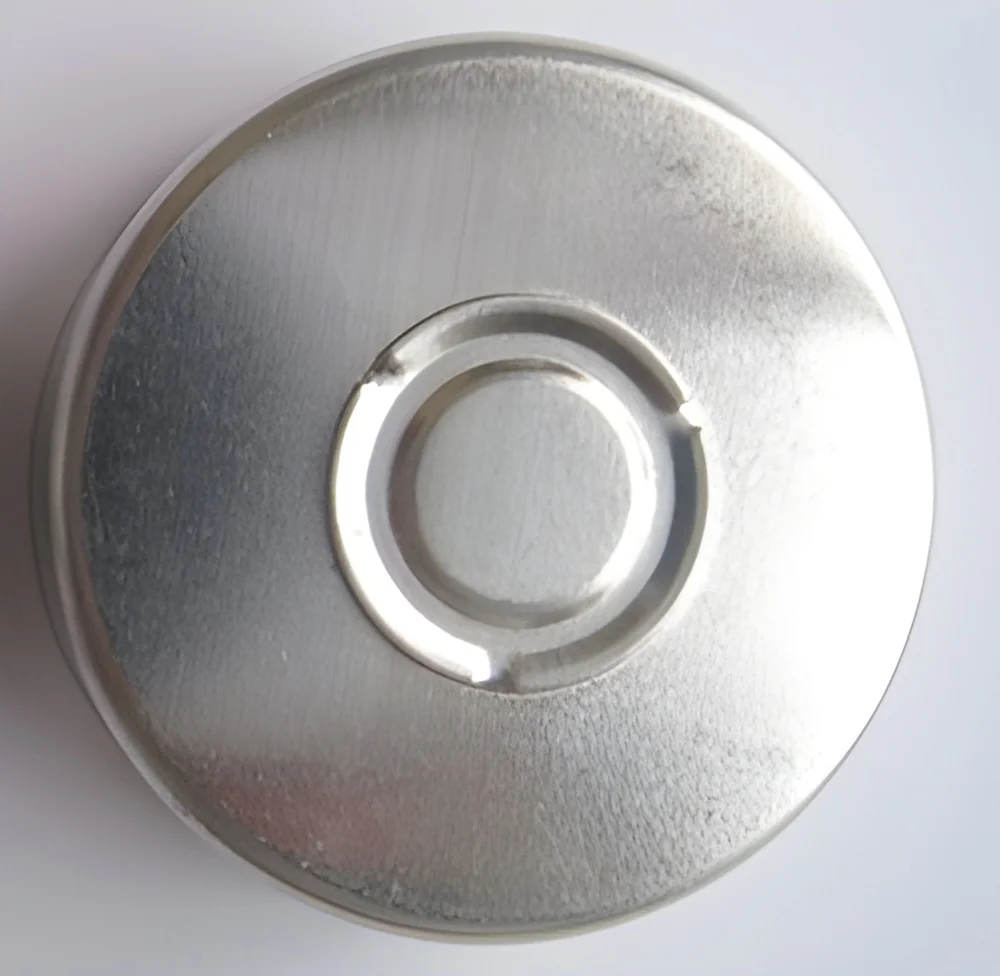
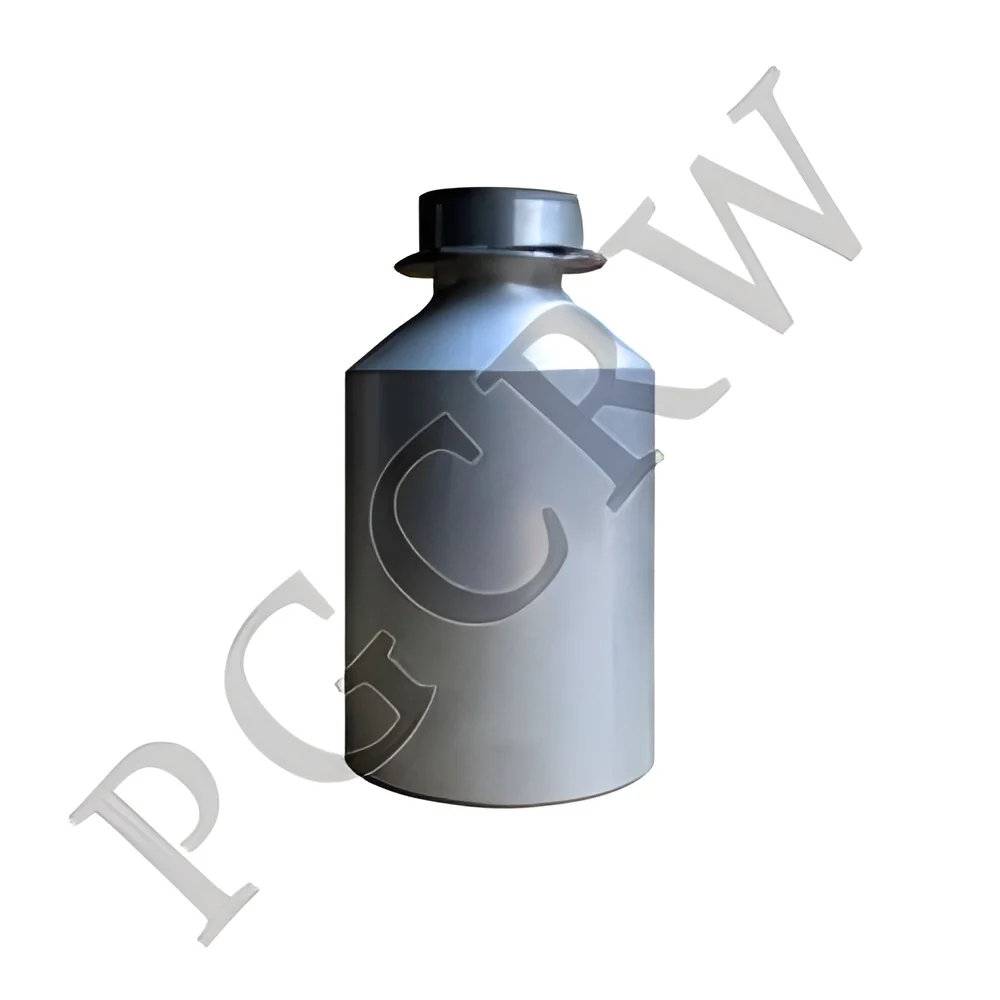
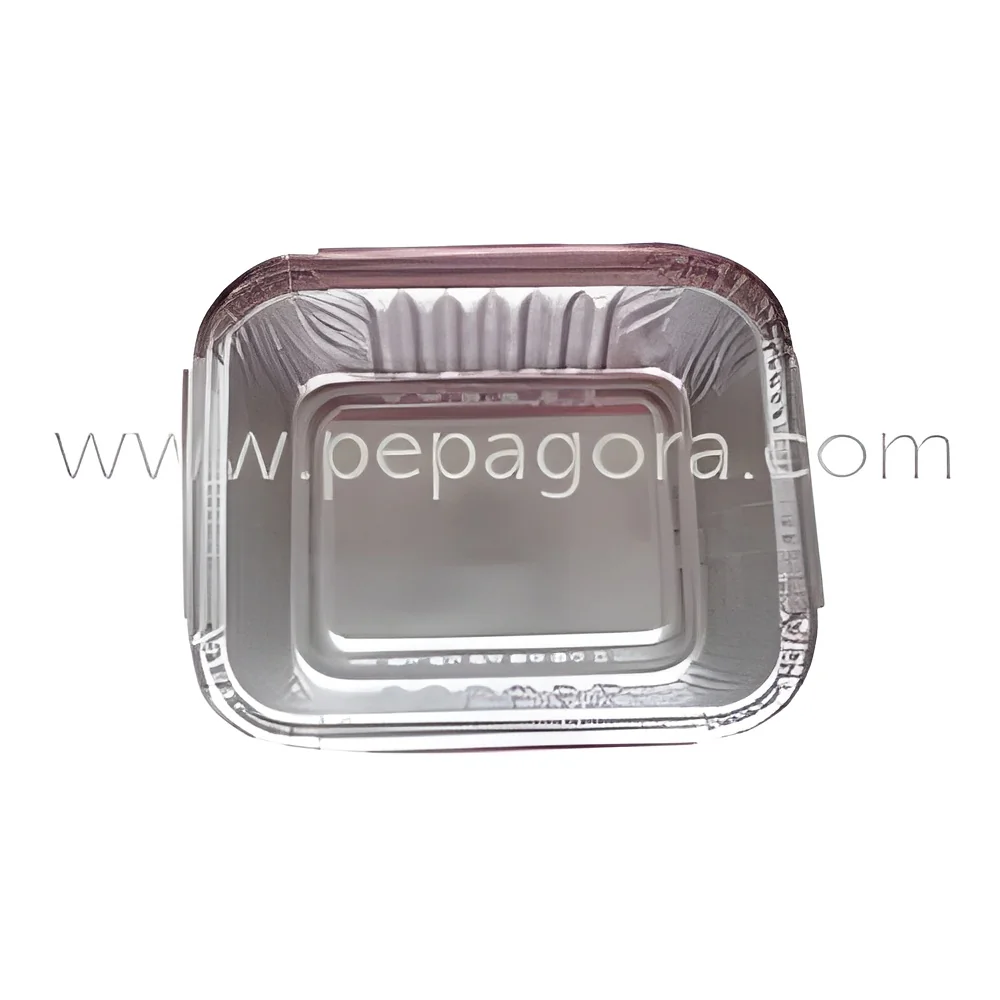
Aluminum Food Containers: These come in pre-formed shapes to hold meals, leftovers, or takeout items. They are designed for single or multiple servings and can be used in ovens or freezers.
Aluminum Pans: Often used in the food service industry, these pans are perfect for baking, roasting, and serving. They are disposable and convenient for catering and events.
Aluminum Cling Film: A thinner variant that clings to surfaces, providing a tight seal around food items. It helps keep food fresh while allowing for easy visibility.
𝗕𝗲𝗻𝗲𝗳𝗶𝘁𝘀 𝗮𝗻𝗱 𝗔𝗱𝘃𝗮𝗻𝘁𝗮𝗴𝗲𝘀
Aluminum foils and containers offer numerous benefits that make them a popular choice for various applications.
1. Lightweight: Their low weight facilitates easy handling and reduces shipping costs, making them cost-effective for businesses.
2. Excellent Barrier Properties: They effectively protect products from moisture, light, and oxygen, which prolongs shelf life and maintains quality.
3. Versatility: Suitable for a wide variety of applications across different industries, aluminum foils and containers can be customized to meet specific needs.
4. Eco-Friendly: Being fully recyclable, they contribute to sustainability efforts and reduce environmental impact.
5. Temperature Tolerance: Able to withstand extreme temperatures, they are suitable for both heating and freezing, offering flexibility in food preparation.
6. Cost-Effectiveness: Their durability and availability in bulk make them an economical choice for businesses seeking reliable packaging solutions.
𝗕𝘂𝘆𝗶𝗻𝗴 𝗚𝘂𝗶𝗱𝗲 𝗳𝗼𝗿 𝗕𝟮𝗕 𝗕𝘂𝘆𝗲𝗿𝘀
When sourcing aluminum foils and containers, businesses should consider several key factors to ensure they make informed purchasing decisions.
1. Quality Assessment: Evaluate the quality of the aluminum material used. Factors such as thickness, strength, and barrier properties are critical to ensuring product performance.
2. Supplier Verification: Research potential suppliers for reliability and reputation. Look for reviews and certifications that indicate a commitment to quality and service.
3. Pricing and MOQ: Understand the pricing structure and minimum order quantities (MOQ) required. This information helps in budgeting and managing inventory effectively.
4. Delivery and Lead Times: Inquire about delivery schedules and lead times. Timely delivery is essential for maintaining business operations and customer satisfaction.
5. Compliance Requirements: Ensure that the products comply with relevant industry standards and regulations, such as food safety and packaging requirements.
𝗖𝗼𝗺𝗽𝗹𝗶𝗮𝗻𝗰𝗲 𝗮𝗻𝗱 𝗖𝗲𝗿𝘁𝗶𝗳𝗶𝗰𝗮𝘁𝗶𝗼𝗻𝘀
Aluminum foils and containers must adhere to specific quality standards and certifications to ensure safety and efficacy.
ISO 9001 is a widely recognized standard for quality management systems, indicating a commitment to consistent quality in manufacturing processes.
HACCP (Hazard Analysis Critical Control Point) is crucial for food safety, ensuring that products are produced, processed, and handled safely to prevent contamination.
UL certification is vital for electrical and electronic applications, ensuring that products meet safety standards for consumer protection.
Additionally, it is important to consider regional compliance requirements, such as those established by local regulatory bodies, which may vary based on geographical location and intended use.
𝗪𝗵𝘆 𝗦𝗼𝘂𝗿𝗰𝗲 𝗔𝗹𝘂𝗺𝗶𝗻𝘂𝗺 𝗙𝗼𝗶𝗹𝘀 & 𝗖𝗼𝗻𝘁𝗮𝗶𝗻𝗲𝗿𝘀 𝗳𝗿𝗼𝗺 𝗣𝗲𝗽𝗮𝗴𝗼𝗿𝗮?
Pepagora provides a trusted platform for sourcing aluminum foils and containers, offering several key advantages to businesses.
Verified Supplier Network: Pepagora ensures that all suppliers are thoroughly vetted, providing buyers with access to a reliable network of manufacturers and distributors. This verification process guarantees product quality and supplier integrity.
Streamlined RFQ Process: The platform simplifies the request for quotation (RFQ) process, allowing buyers to easily obtain competitive quotes from multiple suppliers. This efficiency helps businesses make informed purchasing decisions.
Trade Assurance and Support: With trade assurance, Pepagora offers protection for buyers, ensuring that transactions are secure and that products meet the specified standards. This support builds confidence in the sourcing process.
Regional Coverage: Pepagora has a broad geographic reach, serving markets in India, the GCC, and Southeast Asia. This coverage allows businesses to access a diverse range of suppliers and products tailored to their specific regional needs.











Frequently Asked Questions
How do I find suppliers for Aluminum Foils & Containers?
Use Pepagora's search and filter options to find verified suppliers.
Can I request a quote for Aluminum Foils & Containers?
Yes, use the RFQ feature to request quotes from multiple suppliers.
Is Aluminum Foils & Containers available in multiple languages?
Pepagora supports multilingual catalogs for global buyers.
What trust signals are available for Aluminum Foils & Containers?
Look for TruBadge, RFQ, and multilingual support on supplier profiles.
Why Businesses Trust Pepagora
Thousands of companies trust Pepagora to source smarter and sell faster
Expand Your Sales Globally

Source Smarter,Grow Faster
