
 IN
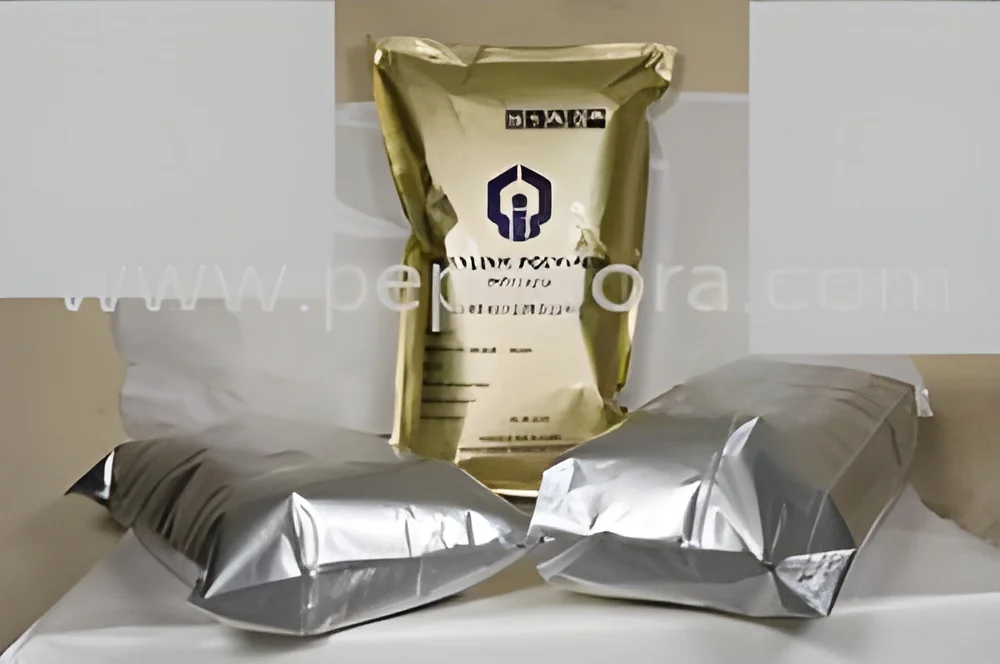
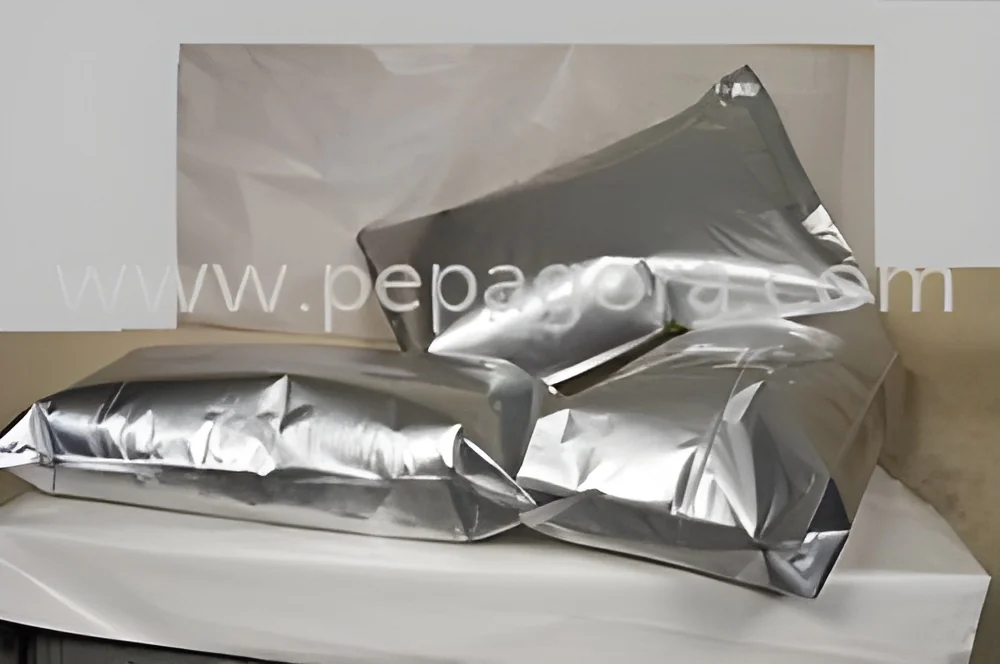
Aluminum Foil Bags
2 products available
What are Aluminum Foil Bags?
Aluminum foil bags are flexible packaging solutions made from layered aluminum foil material. They are designed to provide a barrier against moisture, light, and oxygen, making them ideal for preserving the freshness of a wide range of products. These bags are lightweight and customizable, allowing businesses to choose various sizes and styles to suit their specific needs. The unique properties of aluminum foil enable these bags to maintain the integrity of their contents over extended periods.
Aluminum foil bags are predominantly used in industries such as food packaging, pharmaceuticals, and electronics. They are effective for storing items like snacks, grains, dried fruits, and sensitive electronic components. The bags can be heat-sealed or zip-locked, providing an extra layer of protection against contamination and spoilage. Their versatility and effectiveness make them a popular choice among manufacturers looking to enhance product longevity and quality.
In a rapidly evolving market, aluminum foil bags are gaining traction due to increasing demand for sustainable and efficient packaging solutions. As businesses prioritize eco-friendly practices, these bags are often seen as a reliable option that combines functionality with environmental considerations. This growing relevance in various industries highlights their importance in the global packaging landscape.
Key Features and Specifications
Aluminum foil bags are characterized by several key features that enhance their utility and effectiveness. They offer excellent barrier properties, which are crucial for maintaining the quality of the contents. Additionally, these bags can be tailored to meet specific requirements, making them suitable for diverse applications.
Key specifications include:
1. Barrier Properties
- Exceptional resistance to moisture, oxygen, and light
- Ideal for preserving product freshness
2. Material Composition
- Made from high-quality aluminum foil
- Often layered with additional materials for enhanced durability
3. Customization Options
- Available in various sizes and thicknesses
- Options for printing and branding
4. Sealing Methods
- Can be heat-sealed or equipped with zip-lock closures
- Ensures secure storage and easy access
5. Temperature Resistance
- Capable of withstanding a range of temperatures
- Suitable for both hot and cold storage conditions
6. Environmental Considerations
- Recyclable materials can be utilized
- Supports sustainable packaging initiatives
7. Compliance Standards
- Meets industry-specific quality and safety standards
- Certifications such as CE may apply
In summary, aluminum foil bags combine advanced barrier properties with customization options to cater to a wide variety of industries and applications.
Common Applications and Use Cases
Aluminum foil bags serve a multitude of industries, each benefiting from their unique properties.
1. Food Industry: These bags are widely used for packaging snacks, coffee, and dry goods, ensuring that products remain fresh and free from contaminants.
2. Pharmaceutical Industry: Aluminum foil bags are ideal for packaging medications and supplements, protecting sensitive ingredients from moisture and light.
3. Electronics: They are used for storing electronic components, providing a protective barrier against environmental factors that could compromise product integrity.
4. Chemical Industry: Aluminum foil bags can safely contain chemical products, preventing leakage and maintaining stability.
5. Agricultural Sector: Farmers use these bags to store seeds and fertilizers, ensuring long shelf-life and quality preservation.
6. Cosmetic Industry: Aluminum foil bags are employed for packaging beauty products, offering protection from external elements while enhancing product appeal.
7. Industrial Use: Many manufacturers utilize these bags for storing bulk materials, taking advantage of their strength and durability.
Product Variants and Subcategories
Aluminum foil bags come in various forms to meet different market needs. This diversity allows businesses to select the most appropriate type for their applications.
Stand-Up Pouches: These variants feature a bottom gusset, enabling them to stand upright on shelves. They are often used for packaging snacks and pet food, providing eye-catching display options.
Flat Bags: Designed for simple storage, flat bags are ideal for items that do not require a standing feature. They work well for bulk packaging and are commonly used in the food and pharmaceutical sectors.
Zip-Lock Bags: Featuring a resealable closure, these bags are perfect for products that require easy access and constant usage. They are commonly used in the food industry for items like nuts and dried fruits.
Benefits and Advantages
Aluminum foil bags offer numerous benefits that make them an attractive choice for businesses across various sectors.
1. Excellent Preservation: The superior barrier properties ensure that products stay fresh for longer periods.
2. Versatility: These bags can be customized for different sizes, shapes, and closures, catering to a wide range of products.
3. Cost-Effectiveness: Aluminum foil bags often reduce the need for additional packaging, leading to potential cost savings.
4. Lightweight Design: Their lightweight nature makes them easy to transport, reducing shipping costs and improving logistics.
5. Eco-Friendly Options: Many aluminum foil bags are made from recyclable materials, supporting sustainable practices.
6. Enhanced Shelf Appeal: Custom printing options allow businesses to create visually appealing packaging that attracts consumers.
Buying Guide for B2B Buyers
When sourcing aluminum foil bags, it is essential for buyers to consider several key factors to ensure they make informed decisions.
1. Quality Assessment: Evaluate the quality of materials and construction to ensure the bags meet industry standards. Look for bags that offer strong barrier properties and durability.
2. Supplier Verification: It is crucial to vet suppliers for reliability and reputation. Check for reviews, certifications, and their history in the industry to ensure you are partnering with a trusted source.
3. Pricing and MOQ: Understand the pricing structures and minimum order quantities (MOQ) required by suppliers. This helps in budgeting and ensures that you can meet your production needs without overcommitting.
4. Delivery and Lead Times: Discuss logistics and delivery timelines with suppliers. Knowing lead times is essential for planning production schedules and maintaining inventory levels.
5. Compliance Requirements: Be aware of any regulatory requirements that may affect your packaging needs. Ensure that the products comply with industry standards to avoid potential legal issues.
Compliance and Certifications
Aluminum foil bags must adhere to specific compliance and certification standards to ensure they are safe and suitable for various uses. Key quality standards include ISO 9001, which focuses on maintaining effective quality management systems. Additionally, HACCP guidelines may apply to food packaging, emphasizing the importance of food safety.
Certifications such as CE indicate that the products meet European safety, health, and environmental protection standards. Buyers should also consider safety and testing requirements, ensuring that the bags pass necessary evaluations for their intended applications.
Regional compliance considerations are important as regulations may vary by country. Understanding these requirements helps businesses mitigate risks associated with non-compliance and ensures their products can be distributed effectively.
Why Source Aluminum Foil Bags from Pepagora?
Pepagora provides a trusted platform for sourcing aluminum foil bags, offering several key advantages to B2B buyers.
Verified Supplier Network: Pepagora features a network of verified suppliers, ensuring that buyers can find reliable partners for their packaging needs. This verification process helps build trust and facilitates smooth transactions.
Streamlined RFQ Process: The platform offers a simplified request for quotation (RFQ) process, allowing buyers to easily communicate their requirements and receive competitive pricing from multiple suppliers. This efficiency saves time and helps businesses find the best deals.
Trade Assurance and Support: Pepagora offers trade assurance, providing buyers with protection throughout the purchasing process. This support helps minimize risks associated with ordering from new suppliers.
Regional Coverage: With a strong presence in regions such as India, the GCC, and Southeast Asia, Pepagora ensures that businesses have access to a wide range of suppliers and products. This geographic reach allows for better sourcing options and facilitates international trade.

Frequently Asked Questions
What are Aluminum Foil Bags?
Aluminum foil bags are packaging products made from aluminum foil, which provide excellent barrier properties against moisture, light, and oxygen. They are commonly used for packaging food, pharmaceuticals, and other sensitive products that require protection from environmental factors.
What are the different types of Aluminum Foil Bags?
There are several types of aluminum foil bags, including stand-up pouches, flat pouches, and resealable bags. Each type is designed for specific applications and can vary in thickness, size, and closure options to cater to different packaging needs.
How do I choose the right Aluminum Foil Bags?
To choose the right aluminum foil bags, consider factors such as the product being packaged, the required barrier properties, and the desired packaging style. Additionally, assess the dimensions, thickness, and closure mechanisms to ensure they meet your specific requirements.
What are the standard specifications for Aluminum Foil Bags?
Standard specifications for aluminum foil bags typically include thickness (measured in microns), size, and closure type. Common thickness ranges from 50 to 120 microns, while sizes can vary based on customer needs, and closures can include zip locks, heat seals, or tear notches.
What is the price range for Aluminum Foil Bags?
The price of aluminum foil bags can vary widely based on factors such as size, thickness, and customization options. Generally, prices can range from INR 5 to INR 30 per bag, depending on the specifications and order quantities.
What quality standards apply to Aluminum Foil Bags?
Aluminum foil bags are subject to various quality standards, including food safety regulations and packaging standards relevant to specific industries. Compliance with standards such as ISO 9001 and certifications for food contact materials ensures the bags are safe and suitable for their intended use.
Where can I find Aluminum Foil Bags suppliers in India?
You can find aluminum foil bags suppliers in India through online B2B marketplaces such as Pepagora. These platforms list various manufacturers and suppliers, allowing you to compare products, prices, and customer reviews to make informed purchasing decisions.
Can Aluminum Foil Bags be customized?
Yes, aluminum foil bags can be customized to meet specific branding and functional requirements. Customization options may include printing, size adjustments, and specialized closures, allowing businesses to create packaging that aligns with their marketing strategies.
What is the typical minimum order quantity for Aluminum Foil Bags?
The typical minimum order quantity (MOQ) for aluminum foil bags can vary by supplier but generally ranges from 1,000 to 5,000 bags. It's advisable to check with individual manufacturers for their specific MOQs and any associated pricing structures.
What is the typical lead time for Aluminum Foil Bags?
The typical lead time for aluminum foil bags can range from 2 to 4 weeks, depending on factors such as order size, customization requirements, and supplier capabilities. It's important to discuss lead times with the supplier to ensure timely delivery.
Why Businesses Trust Pepagora
Thousands of companies trust Pepagora to source smarter and sell faster
Expand Your Sales Globally

Source Smarter,Grow Faster
