IN
IN₹
Apparel & Fashion
Loading subcategories...
View More
Description
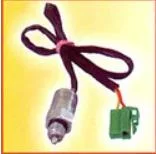
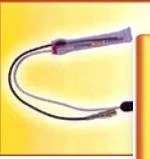
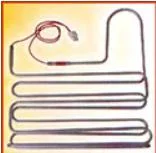
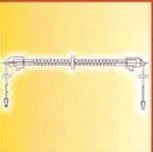
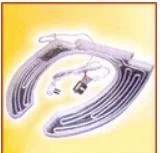
Aluminium foil heaters represent advanced heating technology designed for applications where space constraints and uniform heat distribution are paramount. These heaters feature a thin, flexible construction with resistance elements laminated between aluminium foil layers, ensuring efficient heat transfer and consistent performance across the entire surface area. The design allows for quick response times and precise temperature control, making them suitable for both simple warming applications and complex thermal management systems. Their lightweight nature and minimal thickness enable seamless integration into existing equipment without requiring significant modifications or additional space.

These heating solutions find extensive use across multiple industries where reliable, low-temperature heating is essential. In manufacturing, they prevent condensation in control panels and maintain optimal temperatures for sensitive instrumentation. The medical sector utilizes them for warming...
Aluminium foil heaters represent advanced heating technology designed for applications where space constraints and uniform heat distribution are paramount. These heaters feature a thin, flexible construction with resistance elements laminated between aluminium foil layers, ensuring efficient heat transfer and consistent performance across the entire surface area. The design allows for quick response times and precise temperature control, making them suitable for both simple warming applications and complex thermal management systems. Their lightweight nature and minimal thickness enable seamless integration into existing equipment without requiring significant modifications or additional space.

These heating solutions find extensive use across multiple industries where reliable, low-temperature heating is essential. In manufacturing, they prevent condensation in control panels and maintain optimal temperatures for sensitive instrumentation. The medical sector utilizes them for warming diagnostic equipment and maintaining stable temperatures in laboratory devices. Electronics manufacturers incorporate them into equipment enclosures to prevent moisture damage and ensure consistent performance. Automotive and aerospace applications benefit from their ability to provide targeted heating in compact spaces, while food processing equipment uses them for maintaining product temperatures during packaging and handling operations.

The business value of aluminium foil heaters lies in their reliability, durability, and cost-effectiveness over traditional heating methods. These heaters offer consistent performance with minimal maintenance requirements, reducing operational downtime and repair costs. Their energy-efficient design translates to lower power consumption while delivering precise temperature control. The flexible construction withstands vibration and mechanical stress better than rigid heating elements, ensuring longer service life in demanding environments. Manufacturers can rely on these heaters to enhance product performance while minimizing integration challenges and installation time.

Key Features:
- Thin, flexible construction that conforms to curved surfaces and tight spaces
- Uniform heat distribution across the entire heating surface area
- Lightweight design for easy integration without adding significant weight
- Quick response time with efficient heat transfer capabilities
- Durable construction resistant to vibration and mechanical stress

Benefits:
- Consistent performance with precise temperature control for sensitive applications
- Energy-efficient operation that reduces power consumption and operating costs
- Easy installation that minimizes equipment modification requirements
- Reliable operation with minimal maintenance needs over extended service life
- Versatile application across multiple industries and equipment types
Specifications
| Additional Information | |
|---|---|
| Country of Origin | India |
| Customisable | No |
Application
Aluminium foil heaters excel in applications requiring precise, low-temperature heating across various surfaces. Their thin, flexible design allows them to conform to curved panels and tight spaces where traditional heaters cannot fit, making them ideal for modern equipment and industrial systems.
These heaters provide reliable performance in environments where consistent temperature control is critical. From maintaining optimal operating conditions in sensitive instruments to preventing condensation on control panels, they offer versatile heating solutions that enhance equipment functionality and longevity across multiple sectors.
Real-world applications:
- Defrosting and de-icing applications for control panels and outdoor equipment enclosures
- Temperature maintenance for laboratory instruments and medical diagnostic equipment
- Panel heating for industrial control systems and electronic enclosures
- Warming surfaces in food processing equipment and packaging machinery
- Low-temperature heating for automotive components and aerospace instrumentation
Trade Details
| Available Stock | In Stock |
| Sample Availability | No |
Payment Terms
| Payment Terms |
|
| Payment Methods |
|
Company Profile

P. S. Udyog, Uttar Pradesh
 Uttar Pradesh, India
Uttar Pradesh, IndiaElectronics & Electrical•Manufacturer•Distributor / Wholesaler•Retailer
Factory Details
Factory SizeBelow 1000 sqm
Aluminium Foil Heaters For Industrial Panels And Instruments
Aluminium foil heaters deliver thin, uniform heating for appliances, panels, instruments, and industrial applications. These lightweight, flexible heaters from reliable manufacturers ensure easy integration and consistent performance.
Min. Order Quantity: 1 piece
Shipping
Shipping fee and delivery date to be negotiated. Contact supplier now for more details.
P. S. Udyog
 Uttar Pradesh, India
Uttar Pradesh, IndiaElectronics & ElectricalManufacturer